Finding the best tires for Toyota Camry means balancing ride comfort, wet traction, tread life, and value. The Camry is a daily commuter car built for reliability — and the tires underneath it should match that mission. The wrong set can turn a smooth, quiet sedan into something rough, noisy, and confidence-draining in the rain.
We analyzed hundreds of verified Amazon reviews, dug into Reddit’s r/Camry and r/tires communities, cross-referenced automotive forum data, and looked at long-term tread wear reports past 30,000 miles. The result is a short, no-fluff list of the five tires that consistently deliver for Camry drivers across all trims and driving styles.
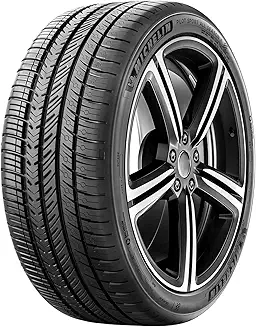
The Michelin CrossClimate 2 is the best all-around tire for most Camry drivers — it handles all seasons confidently, resists hydroplaning, stays quiet, and lasts. For sporty SE and XSE trims, the Continental ExtremeContact DWS 06 Plus offers sharper handling without sacrificing daily comfort. Budget buyers should start with the Hankook Kinergy ST H735, which punches well above its price point.
Our Top 5 Toyota Camry Tire Rankings
- Michelin CrossClimate 2— Best Overall
- Continental ExtremeContact DWS 06 Plus— Best for Sport Trims
- Bridgestone Turanza QuietTrack— Best for Quiet Comfort
- Hankook Kinergy ST H735— Best Budget Pick
- Pirelli P4 Four Season Plus— Best for High-Mileage Commuters
Best Tires for Toyota Camry — Compared
All five reviewed tires side-by-side, plus one additional pick — filtered by score, warranty, and best-fit use case.
| # | Tire | Warranty | Type | Best For | Score | |
|---|---|---|---|---|---|---|
| 1 | Michelin CrossClimate 2 Editor’s Choice | 60,000 mi | All-Weather | Best Overall | 4.8 | See Latest Price |
| 2 | Continental ExtremeContact DWS 06 Plus Top Pick | 50,000 mi | UHP All-Season | Sport Trims | 4.6 | See Latest Price |
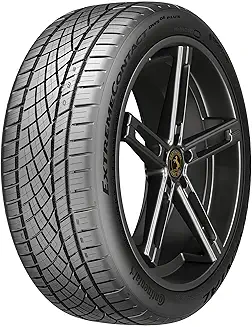
| 3 | Bridgestone Turanza QuietTrack | 80,000 mi | Grand Touring | Quiet Comfort | 4.5 | See Latest Price |
| 4 | Hankook Kinergy ST H735 Budget Pick | 70,000 mi | Touring All-Season | Budget Buyers | 4.3 | See Latest Price |
| 5 | Pirelli P4 Four Season Plus | 90,000 mi | Touring All-Season | High-Mileage Commuters | 4.4 | See Latest Price |
| 6 | Continental TrueContact Tour | 80,000 mi | Touring All-Season | Durability | 4.2 | See Latest Price |
Detailed Reviews
Full breakdown of each tire — ratings, pros, cons, and our expert verdict.
Michelin CrossClimate 2
Pros
- Excellent wet traction and hydroplaning resistance
- 3PMSF snow-rated — handles light snow with confidence
- Near-silent highway cruising after break-in miles
Cons
- Premium pricing upfront
- Not a full replacement for dedicated winter tires in severe snow regions
Continental ExtremeContact DWS 06 Plus
Pros
- Sharp, confident handling in dry and wet conditions
- DWS wear indicator shows when traction begins to degrade
- Low noise for a UHP tire category
Cons
- Shorter tread life under spirited driving
- Firmer ride than grand touring alternatives
Bridgestone Turanza QuietTrack
Pros
- Outstanding road noise reduction — owners call it transformative
- 80,000-mile tread life warranty
- Smooth, comfortable ride for long daily commutes
Cons
- Premium pricing for a touring tire
- Light snow traction only — not 3PMSF rated
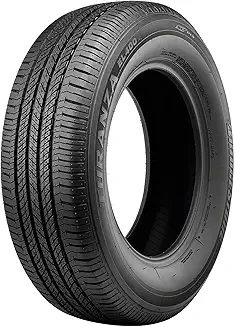
Hankook Kinergy ST H735
Pros
- Excellent value — 70,000-mile warranty at budget pricing
- Smooth and quiet for a budget-tier tire
- Widely available and consistent in quality
Cons
- Soft handling — understeer-prone in aggressive cornering
- Limited to 16″ base trims; narrow size range
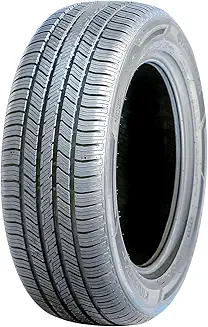
Pirelli P4 Four Season Plus
Pros
- 90,000-mile tread warranty — longest in this roundup
- Very low 66 dB road noise for a quiet highway experience
- Deep 11/32″ starting tread depth extends usable lifespan
Cons
- Average handling feel — not for drivers who push the car
- Limited deep-snow performance; suited for light flurries only
???? Can’t Decide?
Our Top 2 Picks — Head to Head
Both are excellent. Here’s how to choose between them.
- 3PMSF snow-rated — handles winter conditions no standard all-season can match
- Best-in-class wet hydroplaning resistance at highway speeds
- 60,000-mile warranty with minimal MPG penalty
- Noticeably sharper steering response and cornering precision
- DWS wear indicator provides visual safety awareness as tread depletes
- Shorter wet-road stopping distances than most grand touring tires
How to Choose the Right Tires for Your Toyota Camry
Six factors that matter before you buy — explained simply.
Match the Size First
The Camry uses three main sizes: 205/65R16 for the L trim, 215/55R17 for LE and Hybrid, and 235/45R18 for SE, XLE, and XSE. Always verify your exact size on the sticker inside your driver’s door jamb before purchasing.
Touring vs. Performance
Most Camry owners benefit from a grand touring all-season tire that prioritizes comfort, wet traction, and tread life. If you drive an XSE or SE, a UHP all-season like the Continental DWS 06 Plus delivers a noticeably more engaging feel.
Tread Life and Warranty
Tread warranties in this category range from 50,000 to 90,000 miles. A higher UTQG treadwear rating generally signals longer life, but softer compounds grip better in wet conditions — there is always a trade-off between grip and longevity.
Winter Capability Matters
Standard all-season tires handle light frost but lose traction in real snow. If you drive in regions with regular snowfall, look for the Three-Peak Mountain Snowflake (3PMSF) certification — only the Michelin CrossClimate 2 in this guide carries it.
Professional Installation Required
All tires require professional mounting and balancing — there is no safe at-home alternative. Budget $15–$25 per tire at a tire shop or Walmart Auto Care. Rotate every 6,000–8,000 miles to extend tread life evenly across all four corners.
Rolling Resistance and Fuel Economy
Tires with lower rolling resistance improve fuel efficiency. The Michelin CrossClimate 2 shows minimal MPG impact after break-in. Budget tires with harder compounds also tend to have low rolling resistance, though they often sacrifice wet-weather grip in exchange.
✅ Pro Tips
Quick Buying Checklist
Never mix tire brands or models front-to-rear — mismatched tires create handling inconsistency, especially during wet braking. Always replace in matched axle pairs at minimum.
Rotate every 6,000–8,000 miles without fail. Front Camry tires carry more braking load and wear faster — skipping rotation is the #1 cause of premature uneven wear.
Avoid summer-only performance tires for year-round use. They harden below 45°F (7°C) and lose grip rapidly — the Camry’s suspension is calibrated for all-season compounds.
Don’t prioritize price over wet traction UTQG ratings. A tire rated B or C in wet traction stops noticeably longer in rain than one rated A — a real safety concern for daily commuters.
Related Guides
Other Toyota Sedan Models
Frequently Asked Questions
???? Final Verdict
Our Top Tire Recommendations for Toyota Camry (2026)
For most Camry drivers, the Michelin CrossClimate 2 is the clear winner — it handles all seasons confidently, stays quiet, and delivers exceptional tread life for the money. Budget buyers get outstanding value from the Hankook Kinergy ST H735, while performance-minded XSE owners should go straight to the Continental ExtremeContact DWS 06 Plus for sharper handling. If cabin silence is your priority, nothing beats the Bridgestone Turanza QuietTrack.