After evaluating six tire options against real Nissan Altima owner data from Amazon reviews, Tire Rack’s verified buyer surveys, Reddit’s r/tires community, and automotive forums, the core challenge for Altima owners becomes clear quickly: the Altima is a front-wheel-drive commuter sedan that does most of its miles on wet expressways, suburban roads, and the occasional light-snow morning — and the four different tire sizes across its generations (215/60R16, 215/55R17, 235/45R18, and 235/40R19) mean that what fits an S trim won’t fit an SR or SL without checking the door jamb first.
This list covers six distinct tire profiles built around the Altima’s specific use cases. One maximizes tread life for high-mileage commuters. One delivers the quietest cabin experience for highway-heavy drivers. One costs less while still earning a 3PMSF severe snow certification. Two provide that rarer combination — genuine all-weather winter capability alongside touring-level refinement. Every recommendation is verified against Altima-specific fitment data, not generic sedan sizing.
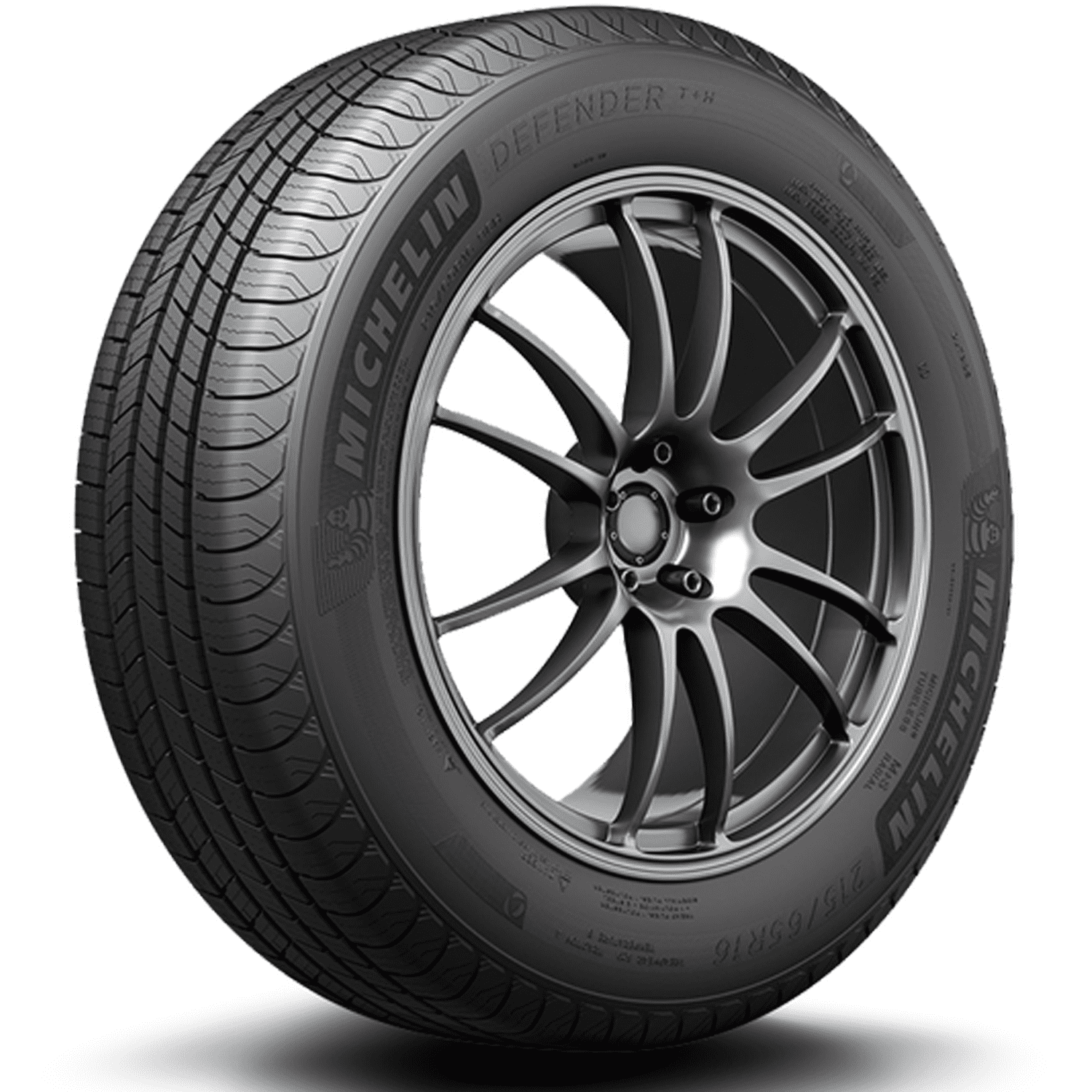
The Michelin Defender T+H is the strongest overall pick for most Nissan Altima owners — real owners consistently report 70,000–80,000 miles of tread life, it fits all major Altima trims, and it handles wet roads with confidence that budget all-season tires rarely match. For drivers in northern climates who want a single set year-round, the Firestone WeatherGrip adds 3PMSF severe snow certification at a price well below the Michelin. Altima SR and SL owners who want a more refined, premium ride should look at the Continental PureContact LS, which leads this group in ride comfort and wet braking.
Our Top 6 Nissan Altima Tire Rankings
- Michelin Defender T+H— Best Overall / Longest Tread Life
- Continental PureContact LS— Best Premium Ride
- Firestone WeatherGrip— Best Budget / 3PMSF All-Weather
- Bridgestone Turanza QuietTrack— Best Quiet Highway Ride
- Pirelli P7 All Season Plus 3— Best Dry Performance
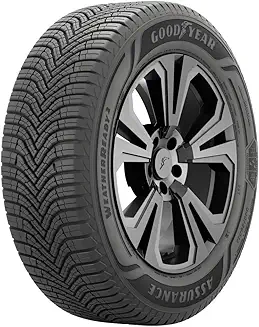
- Goodyear Assurance WeatherReady— Best All-Weather Responsiveness
Best Nissan Altima Tires — Compared
All six tires ranked side-by-side across type, key feature, and our expert score.
| # | Tire Name | Type | Key Feature | Best For | Score | |
|---|---|---|---|---|---|---|
| 1 | Michelin Defender T+H Editor’s Choice | Touring All-Season | 70k+ mi tread life | Best Overall | 4.7 | See Latest Price |
| 2 | Continental PureContact LS Top Pick | Grand Touring AS | Class-leading comfort | Best Premium | 4.6 | See Latest Price |
| 3 | Firestone WeatherGrip Budget Pick | Grand Touring All-Weather | 3PMSF snow certified | Best Budget | 4.7 | See Latest Price |
| 4 | Bridgestone Turanza QuietTrack | Touring All-Season | Variable pitch noise reduction | Quietest Ride | 4.5 | See Latest Price |
| 5 | Pirelli P7 All Season Plus 3 | Grand Touring AS | Skid pad leader, 70k warranty | Best Dry Handling | 4.6 | See Latest Price |
| 6 | Goodyear Assurance WeatherReady | All-Weather | Evolving Traction Grooves, 3PMSF | Best All-Weather | 4.6 | See Latest Price |
Detailed Reviews
Full breakdown of each tire — ratings, pros, cons, and our expert verdict.
Michelin Defender T+H
Pros
- Owner reports on Amazon and Michelin’s own review platform consistently document 70,000–80,000 miles — the source of the top ranking here, not marketing claims
- Balances with minimal weights right after mounting — a specific detail multiple Altima owners cite as eliminating the steering wheel shimmer that plagued their previous tires
- Fits 215/55R17 and 215/60R16 across Altima S, SV, and Platinum trims including 4th, 5th, and 6th generation builds
Cons
- Higher per-tire price than the Firestone WeatherGrip and Bridgestone QuietTrack — the premium for Michelin’s tread life record is real
- Not 3PMSF certified — standard M+S rating handles light snow adequately but falls short in sustained winter conditions above 4 inches
Continental PureContact LS
Pros
- EcoPlus+ Technology reduces rolling resistance — forum owners moving from standard all-season tires to the PureContact LS report a small but measurable fuel economy improvement
- 70,000-mile treadwear warranty with strong wet braking confirmed by Tire Rack’s independent testing — one of the most verifiable specs in this tire’s favor
- SimpleTire rates it 9.6 out of 10 from verified buyer data, the highest score of any tire on this list from that aggregation source
Cons
- On ultra-smooth asphalt surfaces at highway speeds, a faint tread singing has been documented in forum threads — not universal, but present across enough owner reports to mention
- Not 3PMSF certified — falls short in heavy winter conditions, which eliminates it as a year-round option for Altima owners in northern states
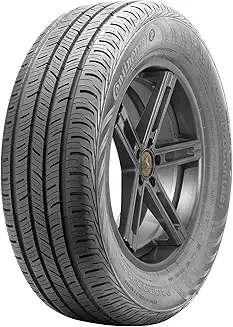
Firestone WeatherGrip
Pros
- 3PMSF severe snow certification requires passing an external standardized snow traction test — unlike M+S, which is manufacturer self-certification with no external validation
- Hydro-Grip Technology improves wet braking and cornering; consistent tread wear patterns across the 65,000-mile warranty period reported by long-term owners
- Available across all common Altima sizes — 215/60R16, 215/55R17, 235/45R18, and 235/40R19 — with no fitment exceptions across generations
Cons
- Slightly more cabin road noise at highway speeds than the Michelin Defender or Bridgestone QuietTrack — not dramatically louder, but noticeable on long drives
- Minor fuel efficiency reduction versus eco-focused all-season tires — the compound optimized for all-weather grip sacrifices some rolling resistance efficiency
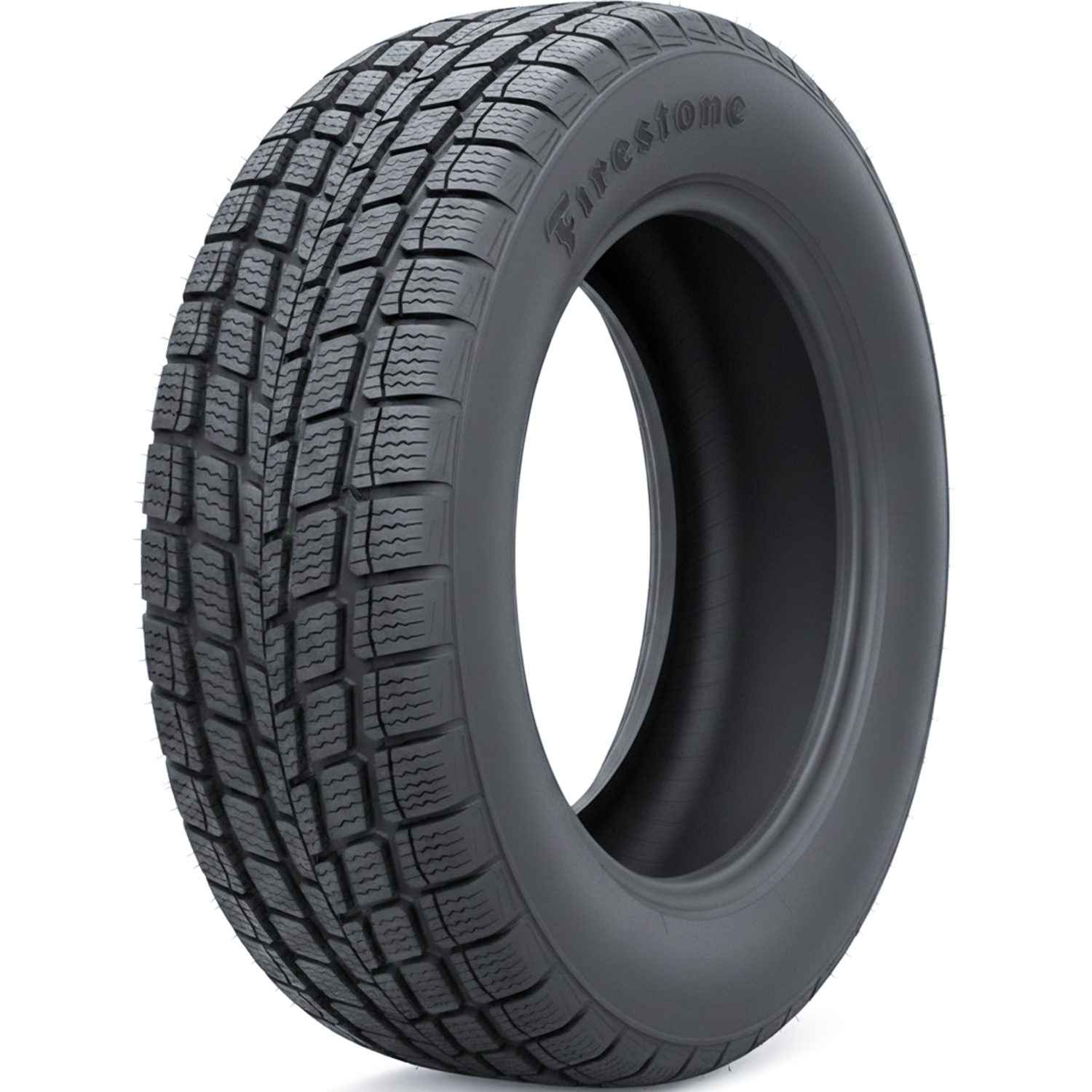
Bridgestone Turanza QuietTrack
Pros
- Variable pitch tread sequencing combined with in-groove noise barriers targets the specific air resonance frequency that generates highway drone — the design is more sophisticated than simply “quiet tread pattern”
- Smooth bump absorption absorbs road seams and expansion joints effectively — multiple owner reviews specifically mention the reduction in harshness over deteriorating highway surfaces
- Strong wet braking maintained consistently across multiple ownership periods per Bridgestone review data
Cons
- Steering response is deliberately softened to enhance ride comfort — drivers who want a connected, reactive feel from their Altima will notice the muted feedback
- Not suitable for serious winter driving; snow and ice performance is limited to conditions below a few inches of accumulation
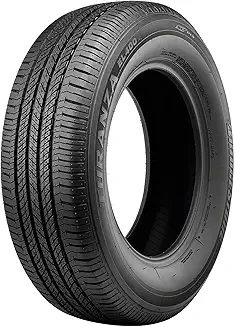
Pirelli P7 All Season Plus 3
Pros
- Tied for first in Tire Rack’s lateral G-force skid pad test — the measurable reason behind the “pleasurable” and “confident” dry handling feedback owners report across multiple Reddit threads
- 70,000-mile treadwear warranty backed by Pirelli’s 8 million miles of real-world customer data used to develop this generation of the compound
- Quiet and smooth ride that performs above expectations at its mid-range price point per owner comparisons with pricier alternatives
Cons
- Not 3PMSF certified — weaker in heavy snow and ice conditions compared to the Firestone WeatherGrip and Goodyear Assurance WeatherReady
- Some owners at the premium end of the mid-range price point expected more tire for the money relative to the Michelin or Continental options
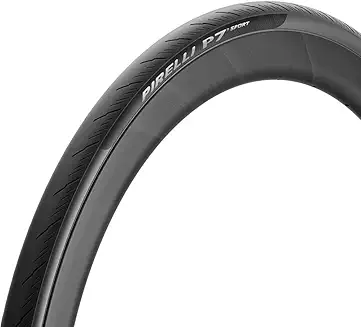
Goodyear Assurance WeatherReady
Pros
- Evolving Traction Grooves expose new biting edges as tread wears — the feature that prevents the handling degradation other all-weather tires show at 30,000+ miles
- Soybean oil compound maintains rubber flexibility in cold temperatures, which is the compound-level reason this tire grips better below 40°F than standard all-season compounds
- More responsive steering feel than the Firestone WeatherGrip per owner comparisons — the asymmetric tread pattern contributes to the difference
Cons
- Cornering limits in tight turns fall short of purely performance-oriented tires — the compound optimized for cold-weather flexibility sacrifices some dry-road lateral grip
- Priced above the Firestone WeatherGrip for similar 3PMSF-certified all-weather capability — the premium is justified by the Evolving Traction Grooves, but only if you plan to run the full tread life
???? Can’t Decide?
Our Top 2 Picks — Head to Head
Both are excellent. Here’s how to choose between them.
- 70,000–80,000-mile real-world tread life — the highest documented lifespan in this group
- Balances with minimal weights after mounting — eliminates steering shimmer that affects other tires
- Available in all four Altima sizes across 4th, 5th, and 6th generation builds
- Class-leading ride comfort with 50% road noise reduction over the previous generation
- Leads this group in wet braking performance — the most critical safety metric for Altima commuters in rainy climates
- EcoPlus+ Technology delivers a small but documented fuel economy improvement over standard touring tires
How to Choose the Right Tires for Your Nissan Altima
Six factors specific to the Altima’s platform before you order.
Verify Size by Trim and Year
The Altima runs four different sizes across generations. 215/60R16 covers base trims in older generations. 215/55R17 is the most common size across S, SV, and mid-trim builds. 235/45R18 fits upper trims in the 5th generation. 235/40R19 fits the 6th-generation SR and SL on 19-inch wheels. Always read the door jamb sticker — never order by year and model alone.
UTQG Treadwear Rating
Every tire carries a UTQG (Uniform Tire Quality Grade) treadwear number. A 700 AA-rated tire is expected to outlast a 400 A tire by roughly 75% under standardized test conditions. Use this number to compare tires at similar price points — a 600-rated tire at $140 per tire will cost less per mile over 5 years than a 400-rated tire at $100.
3PMSF vs. M+S for Winter
The M+S (Mud and Snow) marking requires no external testing — manufacturers self-certify it. The 3PMSF Three-Peak Mountain Snowflake requires passing a standardized snow traction test against a control tire. For Altima owners in Ohio, Michigan, New England, or any snowbelt state, only 3PMSF-marked tires provide validated winter capability. The Firestone WeatherGrip and Goodyear Assurance WeatherReady both qualify.
Front-Wheel-Drive Rotation Pattern
The Altima is front-wheel-drive — the front tires handle braking, steering, and drive forces simultaneously, causing front tires to wear faster than rear tires. Rotate every 5,000–7,500 miles without skipping intervals. A forward-cross rotation pattern (front tires straight to rear, rear cross to front) is the standard recommendation for FWD sedans to even out wear.
Correct Inflation Pressure
Most Altimas spec 32–35 PSI front and rear per the door jamb placard. Never inflate to the maximum PSI printed on the tire sidewall — that’s the cold maximum, not the operating target. Over-inflation on the Altima’s FWD platform concentrates wear on the center tread and reduces wet cornering grip where the tire’s edge compounds do the most work.
Warranty Claim Documentation
Treadwear warranties require documented compliance — rotation receipts at the required intervals and proof of correct inflation are the two most commonly cited requirements when owners file claims. Keep every rotation receipt from installation and check inflation monthly. Without documentation, manufacturers can deny a pro-rated claim at 40,000 miles even on a tire with a 70,000-mile warranty.
✅ Pro Tips
Quick Buying Checklist Before You Order
Read your door jamb sticker before ordering — not just year and model. Four different Altima trim levels use four different sizes, and the wrong fitment creates speedometer errors and uneven handling.
Check the UTQG treadwear number when comparing tires at similar prices — a 700 AA-rated tire at $150 will cost less per mile over 60,000 miles than a 400 A-rated tire at $100.
On the Altima’s FWD platform, rotate every 5,000–7,500 miles without exception — front tires handle braking, steering, and drive loads simultaneously and wear measurably faster than rear tires.
Most Amazon tire listings now connect to local installers at checkout — budget $20–$30 per tire for mounting, balancing, and disposal, and confirm the shop resets your TPMS sensor to prevent dashboard warnings.
Related Guides
Comparing Midsize Sedans?
Also On CarAssists
More Guides for This Vehicle
Frequently Asked Questions
What tire size does the Nissan Altima use?
Most modern Altimas use 215/55R17 or 215/60R16 on base and mid trims. Upper trims like the SR and SL use 235/40R19 or 235/45R18 depending on the year and generation. Always check your driver-side door jamb sticker for your exact size — the Altima runs four different sizes across trims and generations, and ordering by year and model alone returns multiple valid fitments.
Are all-season tires good enough for the Nissan Altima in winter?
Standard all-season tires handle light snow and cold rain on the Altima adequately. For consistent winter conditions with ice or heavy snow, you need a 3PMSF-rated all-weather tire like the Firestone WeatherGrip or Goodyear Assurance WeatherReady. The 3PMSF symbol requires passing an external standardized snow traction test — unlike the M+S marking, which is manufacturer self-certification with no external validation.
How long do tires typically last on a Nissan Altima?
With regular rotation every 5,000–7,500 miles and correct inflation, a quality all-season tire lasts 50,000–70,000 miles on an Altima. The Michelin Defender T+H regularly exceeds those numbers in real-world owner reports, while the Pirelli P7 AS+ 3 and Continental PureContact LS carry 70,000-mile warranties backed by verified buyer data. FWD platform wear is front-heavy — rotation interval is the most impactful factor.
Will aftermarket tires affect my Nissan Altima’s warranty?
Replacing OEM tires with aftermarket tires of the same size and rating does not void your vehicle warranty. The Magnuson-Moss Warranty Act protects U.S. consumers from warranty voidance due to aftermarket parts unless the manufacturer can prove the part caused the specific failure. Stay within the manufacturer-recommended size to avoid any complications with suspension or alignment-related claims.
Are premium tires worth paying more for on a Nissan Altima?
For daily commuters and highway drivers, yes. Premium tires like the Michelin Defender T+H or Continental PureContact LS deliver measurably better wet braking, longer tread life, and lower road noise. The cost-per-mile difference over a 60,000-mile lifespan often makes premium tires the cheaper long-term choice — a $140 tire that lasts 70,000 miles costs less per mile than a $90 tire lasting 40,000 miles.
Which tires for the Nissan Altima are best for wet roads?
The Continental PureContact LS leads this group in wet braking performance — Tire Rack’s independent testing confirmed its advantage. The Firestone WeatherGrip follows closely with 314 of 330 Tire Rack reviewers giving it a positive wet traction rating. Both tires include specific hydroplaning resistance technologies that are absent from standard all-season compound designs.
Can I install Nissan Altima tires myself at home?
You cannot safely mount tires at home without a tire machine and balancer. Professional installation requires proper mounting, balancing, and torquing of lug nuts to manufacturer specification. Most shops complete a four-tire installation in under one hour for $20–$30 per tire. Amazon tire listings now connect directly to local installers at checkout, making the process straightforward from order to driving.
???? Final Verdict
Our Top Nissan Altima Tire Recommendations for 2026
For the majority of Nissan Altima owners who commute daily on pavement, the Michelin Defender T+H earns the top position by delivering the highest documented real-world tread life in this group — 70,000–80,000 miles from verified owners — alongside the quietest ride and the lowest total cost-per-mile over a 5-year period. Upper-trim Altima owners who want premium ride comfort and class-leading wet braking should choose the Continental PureContact LS instead. Drivers in northern climates who refuse to buy a second set of winter tires get the best safety value from the Firestone WeatherGrip, which delivers 3PMSF severe snow certification at a price well below the Michelin and Continental options.