After cross-referencing six tire options against real Toyota Camry SE owner data from r/Camry, Tire Rack consumer surveys spanning thousands of verified buyers, SimpleTire ratings, and automotive forums — the Camry SE’s tire selection challenge is anchored by two platform-specific realities that separate it from every SUV and truck in this series: the SE uses a sport-leaning suspension tune that amplifies the highway cabin noise problem that OEM Bridgestone Turanza EL440 owners consistently cite after 25,000–35,000 miles, and the 235/45R18 fitment requires a minimum 94V load and speed rating that lower-indexed alternatives cannot safely provide at the Camry’s curb weight. Both constraints directly eliminate cheap tires and establish the baseline for any legitimate replacement.
The six tires here map to six different Camry SE owner profiles, from the high-mileage highway commuter who needs the longest warranted tread life available in this segment to the four-season driver who wants genuine snow capability without a second tire set. One earns the top position through Michelin’s Helio Compound fuel efficiency data, strong Tire Rack wet traction scores, and quiet highway performance that directly addresses the OEM tire noise complaint. One carries the 80,000-mile warranty tied for the longest in this comparison alongside a noise reduction engineering package that Bridgestone built specifically for the Toyota sedan platform. One provides 3PMSF-certified all-weather capability for Camry SE owners in climates that see genuine winter conditions. And one is the Hankook-engineered budget option for dry-climate SE owners whose primary concern is price per tire.
On a base Camry? Our Toyota Camry tire guide covers the standard 16/17-inch fitment.
The Michelin Primacy MXM4 earns the top position for most Camry SE owners — its Helio Compound low rolling resistance technology, Tire Rack-verified 8.8/10 dry traction and 8.5/10 hydroplaning resistance scores, and quiet highway performance directly address the two complaints that drive most SE owners to replace OEM tires. High-mileage SE commuters who rotate regularly and want the longest verified tread life should choose the Continental TrueContact Tour 54 with its 80,000-mile warranty and Tire Rack owner reports of 70,000–90,000 real-world miles. SE owners in climates with genuine winter snowfall should evaluate the Goodyear Assurance WeatherReady 2 as the only 3PMSF-certified tire in this comparison.
Our Top 6 Toyota Camry SE Tire Rankings
- Michelin Primacy MXM4— Best Overall / Fuel Efficiency
- Continental TrueContact Tour 54— Best Durability / Tread Life
- Bridgestone Turanza QuietTrack— Best Quiet Ride
- Pirelli P7 All Season Plus 3— Best Premium Comfort
- Goodyear Assurance WeatherReady 2— Best All-Weather / Snow
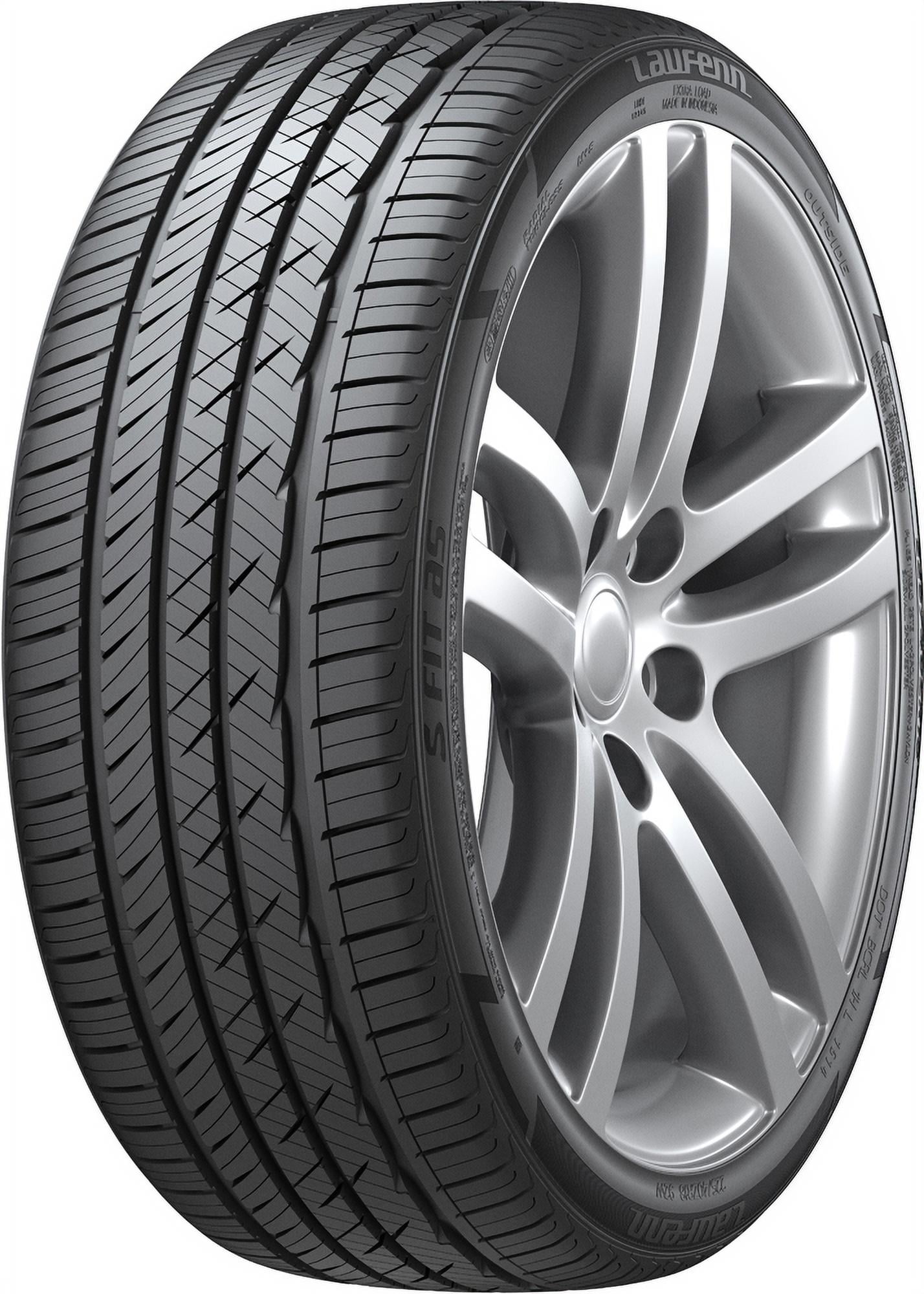
- Laufenn S FIT AS— Best Budget
Best Toyota Camry SE Tires — Compared
All six tires ranked across type, warranty, and our expert score.
| # | Tire Name | Type | Warranty | Best For | Score | |
|---|---|---|---|---|---|---|
| 1 | Michelin Primacy MXM4 Editor’s Choice | Grand Touring AS | 60,000 mi | Best Overall | 4.8 | See Latest Price |
| 2 | Continental TrueContact Tour 54 Top Pick | Grand Touring AS | 80,000 mi | Best Durability | 4.7 | See Latest Price |
| 3 | Bridgestone Turanza QuietTrack | Grand Touring AS | 80,000 mi | Best Quiet Ride | 4.7 | See Latest Price |
| 4 | Pirelli P7 All Season Plus 3 | Grand Touring AS | 70,000 mi | Best Premium Comfort | 4.6 | See Latest Price |
| 5 | Goodyear Assurance WeatherReady 2 | Grand Touring AS | 60,000 mi | Best All-Weather | 4.6 | See Latest Price |
| 6 | Laufenn S FIT AS Budget Pick | All-Season | 50,000 mi | Best Budget | 4.2 | See Latest Price |
Detailed Reviews
Full breakdown of each tire — ratings, pros, cons, and our expert verdict.
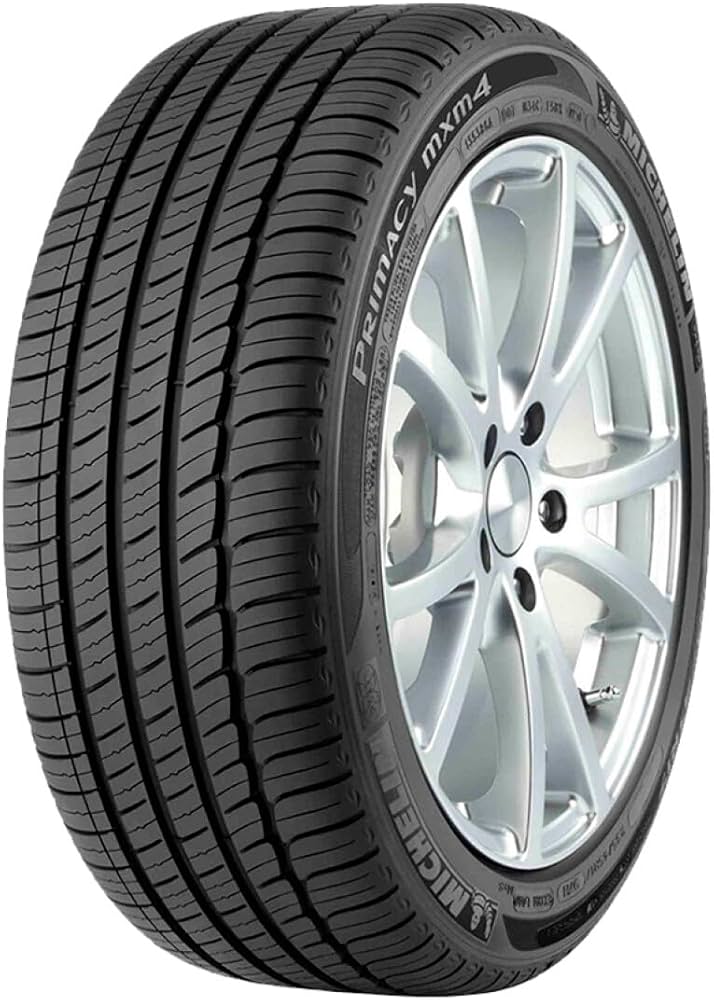
Michelin Primacy MXM4
Pros
- Helio Compound uses sunflower oil to keep tread flexible at low temperatures — the specific low rolling resistance mechanism that Tire Rack surveys credit for the fuel economy improvement r/Camry members describe after switching from OEM Bridgestone Turanza tires on the 235/45R18 fitment
- 3D Variable Thickness Sipe Technology provides wet and winter bite throughout the tire’s lifespan — the design reason Tire Rack’s 8.5 hydroplaning resistance score holds at 40,000+ miles rather than declining as the tire wears and sipes shallow on competing designs
- Available directly in 235/45R18 and 255/45R18 — covering both the standard Camry SE fitment and wider variants without requiring a size compromise that would affect the SE’s sport-tuned suspension geometry
Cons
- Premium price is $25–$45 higher per tire than the Continental TrueContact Tour 54 despite a shorter 60,000-mile warranty — SE owners in mild climates who don’t benefit from the Helio Compound’s cold-weather flexibility will find the Continental provides comparable performance at lower total ownership cost
- Ice traction is average — adequate for cold rain and light snow but not a substitute for dedicated winter tires in climates with sustained ice and heavy snowfall above 4 inches, which is the specific limitation r/Camry members raise when comparing it to 3PMSF-certified alternatives
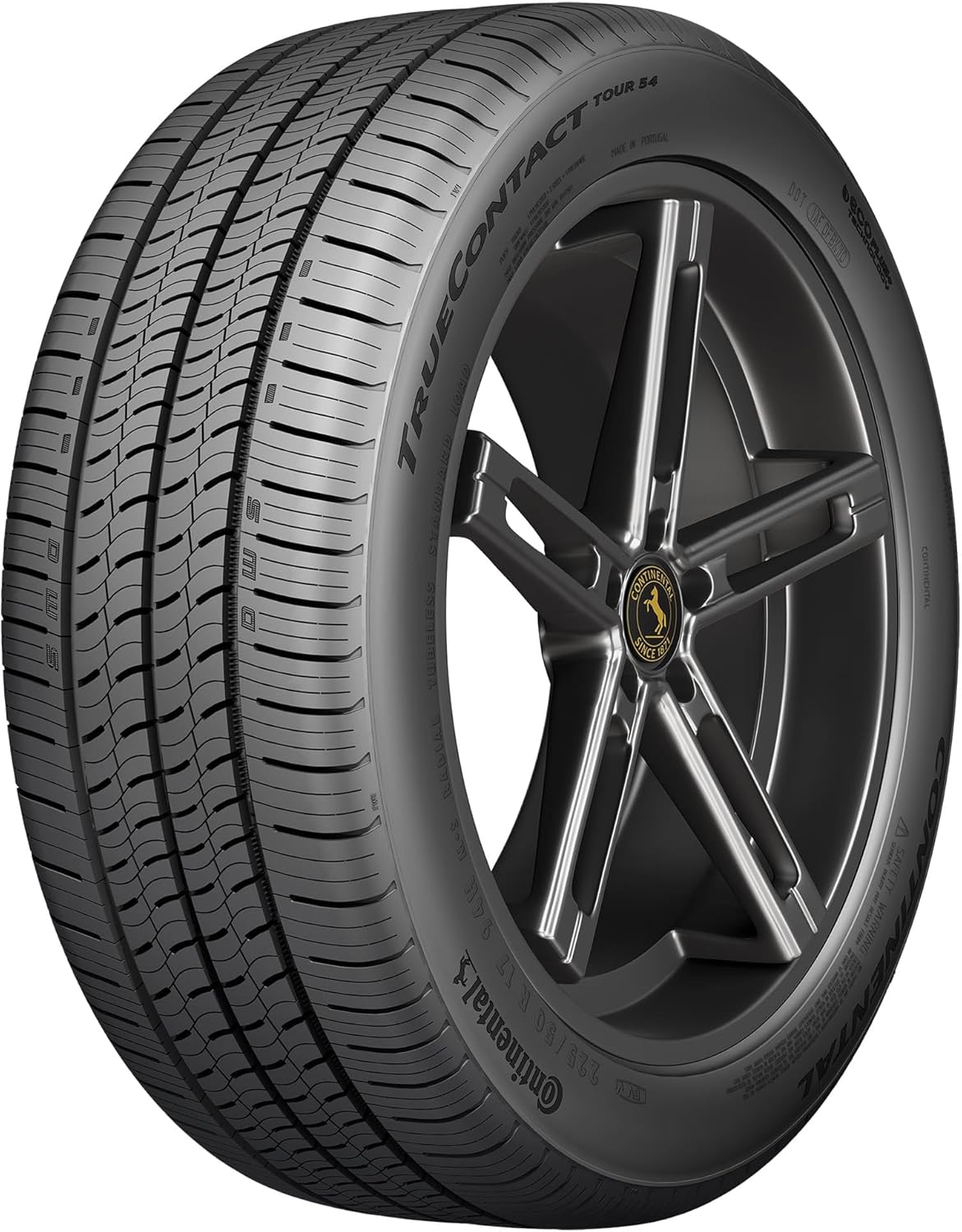
Continental TrueContact Tour 54
Pros
- 80,000-mile warranty tied for the longest in this comparison — backed by Tire Rack buyer treadwear scores of 9–10 and real-world reports of 70,000–90,000 miles with proper rotation, making this the strongest documented total ownership cost per mile of any tire in this comparison for high-mileage Camry SE commuters
- Silane+ compound delivers enhanced wet and light-snow traction — the specific chemistry that earns strong hydroplaning resistance scores from Tire Rack buyers and produces the wet braking confidence Camry SE owners in rainy climates cite as the key upgrade over the OEM Bridgestone Turanza EL440
- SimpleTire overall score of 9.2 out of 10 — one of the highest composite scores in the grand touring all-season category for the 235/45R18 fitment, validated by a large enough buyer sample to represent statistically meaningful performance data rather than a small review set
Cons
- Dry handling feel is moderate — r/tires reviewers specifically note the TrueContact Tour 54 does not deliver sharp turn-in response for SE owners who use the sport-tuned suspension aggressively in corners, which is the meaningful gap versus the Pirelli P7’s more precise steering feedback
- Ice performance is limited compared to 3PMSF-certified alternatives — Tire Rack reviewers confirm this specifically, meaning the TrueContact Tour 54 is not the right choice for Camry SE owners in Ohio, Michigan, or Minnesota snowbelt states who face sustained ice and heavy snowfall
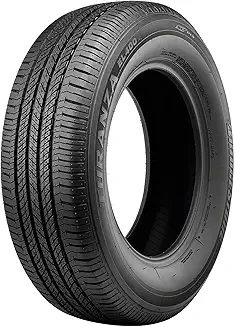
Bridgestone Turanza QuietTrack
Pros
- QuietTrack Technology combines in-groove quiet tracks, non-chamfered shoulder slots, and optimized pitch sequencing in a single noise reduction package — the multi-mechanism engineering that produces the Tire Rack 9.0 comfort score validated by 6.6 million miles of consumer survey data on sedan platforms
- 80,000-mile warranty tied with the Continental TrueContact Tour 54 for the longest in this comparison — alongside 3D full-depth sipes that maintain wet and snow traction as the tire wears, addressing both the longevity and the seasonal traction concerns of high-mileage SE commuters
- Tire Rack buyer data shows very even tread wear with regular rotation — the documented consistency that makes the QuietTrack a reliable choice for Camry SE owners who want predictable performance through the full 80,000-mile warranty period without unexpected wear pattern surprises
Cons
- Dry handling feel is slightly vague for SE owners who use the sport-tuned suspension aggressively — the touring compound and absorption layer that produce the quiet ride reduce steering feedback compared to the Pirelli P7’s more responsive compound in the same Camry SE application
- Ice traction shows occasional inconsistency per Tire Rack reviewers — the QuietTrack’s noise-optimized compound cannot also provide the cold-weather chemistry that 3PMSF-certified alternatives use, making it the wrong choice for SE owners in sustained ice conditions
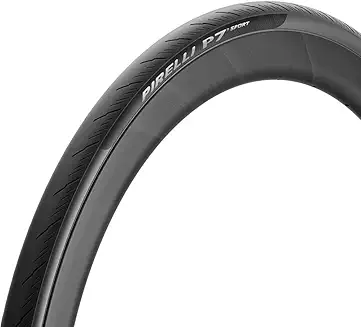
Pirelli P7 All Season Plus 3
Pros
- Tire Rack skid pad testing tied for lead in lateral G-forces among grand touring all-season tires — the externally measured performance data confirming the P7’s cornering precision specifically complements the Camry SE’s sport-tuned suspension for drivers who use the platform’s handling characteristics actively
- 3D sipe technology maintains braking and traction as tread wears — the Pirelli design mechanism that keeps performance consistent through the full 70,000-mile warranty period rather than degrading in the mid-tire life the way simpler sipe designs do on competing grand touring alternatives
- Tire Rack buyer comfort and ride quality scores of 9–10 validate luxury-level refinement — Sam’s Club reviewers returning for a third set specifically cite handling feel and quiet ride as the repeat purchase drivers, which is meaningful SE owner loyalty data across multiple tire life cycles
Cons
- Deep snow performance is moderate — r/tires reviewers specifically note the P7 underperforms dedicated all-weather tires with 3PMSF certification in heavy snowfall above 4 inches, making it the wrong tire for SE owners in sustained winter climates who skip dedicated winter tire swaps
- Higher per-tire cost than comparably rated Continental TrueContact Tour 54 despite a shorter 70,000-mile warranty — SE owners who prioritize cost-per-mile over handling precision will find better total value in the Continental’s 80,000-mile coverage at a lower price point
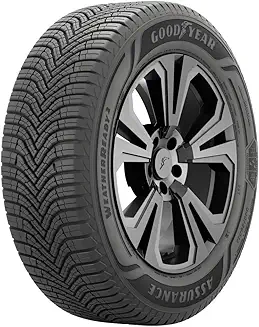
Goodyear Assurance WeatherReady 2
Pros
- 3PMSF severe snow certification is the only externally validated winter traction rating in this comparison — the single characteristic that makes this the correct tire for Camry SE owners in Ohio, Michigan, Colorado, and Pacific Northwest snowbelt states where the M+S marking on other tires provides no validated winter performance data
- GearJunkie independent testing outperformed the Michelin CrossClimate2, Bridgestone WeatherPeak, and Pirelli Scorpion WeatherActive in wet and dry handling — externally verified superiority over competing all-weather alternatives that differentiates this from manufacturer claims and makes the Goodyear WeatherReady 2 the most tested all-weather option available in 235/45R18
- 60-day satisfaction guarantee alongside sweeping groove tread design for strong water evacuation — the combination of an industry-standard trial period and the wet traction architecture that forum reviewers consistently describe as best wet-weather confidence in the Camry’s grand touring all-season segment
Cons
- 60,000-mile warranty is shorter than the Continental TrueContact Tour 54’s 80,000 miles and the Bridgestone QuietTrack’s 80,000 miles — the trade-off for the all-weather compound’s softer chemistry is reduced tread longevity that makes the WeatherReady 2 a higher annual replacement cost than the durability-focused alternatives
- Softer compound slightly increases puncture risk compared to harder touring compounds — TyreReviews specifically documents a minor increase in pebble pickup and puncture susceptibility versus stiffer grand touring compounds, which is a real consideration for Camry SE owners who frequently drive roads with construction debris
Laufenn S FIT AS
Pros
- Hankook manufacturing lineage provides verified quality control standards that no-name budget alternatives cannot offer — for Camry SE owners who need to minimize tire cost without accepting unknown manufacturing provenance, the Laufenn brand’s Hankook engineering origin is the meaningful credential at this price point
- Adequate dry-weather handling for urban and highway SE commuting — owner feedback describes acceptable ride quality on smooth urban pavement and direct freeway sections, which covers the primary use case of dry-climate Camry SE owners who rarely encounter rain or cold
- Lowest per-tire price in this comparison at $80–$100 — the $70–$100 savings per tire versus the Michelin and Pirelli options represents meaningful budget relief for Camry SE owners who prioritize keeping maintenance costs low on a high-mileage daily driver
Cons
- Wet traction confidence is noticeably lower than every other tire in this comparison — a gap that owner feedback across multiple sources specifically identifies, making the Laufenn S FIT AS the wrong choice for Camry SE owners who drive in rain, wet roads, or any climate where wet braking distance has safety implications
- 50,000-mile warranty and higher highway noise versus the Continental and Bridgestone alternatives at a mid-price gap that narrows significantly when calculated per mile — SE owners who compare total ownership cost across the warranty period often find the premium tires’ cost advantage materializes over the full set life
🤔 Can’t Decide?
Our Top 2 Picks — Head to Head
Both are excellent. Here’s how to choose between them.
- Helio Compound provides measurable fuel economy improvement versus the OEM Bridgestone — r/Camry SE owners specifically document this change after switching, which the Continental’s Silane+ compound does not replicate to the same degree
- Tire Rack’s 8.5 hydroplaning resistance score from verified buyers outperforms the Continental’s wet traction data — the specific safety margin advantage for SE owners who drive in rain-heavy commutes
- 3D Variable Thickness Sipe Technology maintains wet grip through the full tire lifespan rather than degrading at mid-life — the design reason Michelin’s wet performance holds at 40,000+ miles versus simpler sipe competitors
- 80,000-mile warranty is 20,000 miles more than the Michelin — Tire Rack buyers report 70,000–90,000 real-world miles with proper rotation, the most verified long-term tread life data available for the 235/45R18 fitment in this comparison
- Silane+ compound delivers wet braking confidence alongside UTQG 800 A B rating — the treadwear grade that independently confirms the highest durability potential among all six tires in this comparison
- Lower per-tire cost than the Michelin at $130–$155 versus $155–$175 — the combination of lower price and longer warranty makes it the stronger total ownership cost calculation for SE owners who rotate consistently
How to Choose the Right Tires for Your Toyota Camry SE
Six factors specific to the Camry SE’s FWD/AWD platform and 235/45R18 fitment.
Confirm 235/45R18 94V — Never Go Lower
The Camry SE in 2018–2026 trims uses 235/45R18 as the standard fitment. The required rating is 94V minimum — a load index of 94 supports 1,477 lbs per tire and a speed rating of V covers 149 mph. Installing a lower-rated tire like 94H is a speed rating reduction. Installing anything below 94 load index is a safety issue given the Camry’s 3,500+ lb curb weight. Confirm both numbers on your door jamb sticker, not just the tire size.
Grand Touring AS Matches the SE Platform
The Camry SE uses a sport-tuned suspension that amplifies tire feedback more than the standard LE trim. Grand Touring All-Season tires balance the SE’s handling demands with daily comfort. Summer performance tires deliver sharper dry response but harden below 45°F, losing grip at the temperatures SE daily drivers commonly encounter. All-season grand touring is the correct category for a sedan positioned as both comfortable and responsive.
Rolling Resistance and MPG Impact
Lower rolling resistance tires measurably reduce fuel consumption on the Camry SE’s 2.5L four-cylinder. The Michelin Primacy MXM4’s Helio Compound and Continental TrueContact Tour 54’s Silane+ compound both specifically target rolling resistance reduction. Over 60,000+ miles at 30+ MPG highway, even a 0.5 MPG improvement accumulates to 50+ gallons of fuel savings — a meaningful calculation when comparing the premium tier to budget alternatives.
Rotation Interval Determines Warranty Validity
Every tire in this comparison requires documented 6,000–8,000 mile rotation intervals to process tread life warranty claims. Camry SE FWD models specifically accelerate front tire wear from combined steering and drive forces — skipping rotation converts a 70,000–80,000 mile warranty tire into a 35,000–45,000 mile tire. Keep rotation receipts with dates and mileage for every service visit throughout the tire’s lifespan.
3PMSF vs. M+S for Camry SE Winter Driving
The standard M+S marking on the Michelin, Continental, Bridgestone, and Pirelli tires is self-certified without external testing requirements. The 3PMSF Three-Peak Mountain Snowflake on the Goodyear WeatherReady 2 requires passing an external standardized snow traction test. SE owners in snowbelt states should not rely on M+S-only tires for winter driving confidence — only 3PMSF certification provides externally validated winter capability.
Total Ownership Cost vs. Sticker Price
Calculate cost per mile across each tire’s warranty period before comparing sticker prices. The Continental TrueContact Tour 54 at $145/tire over 80,000 miles costs $0.00181 per mile. The Laufenn S FIT AS at $90/tire over 50,000 miles costs $0.00180 per mile. The apparent budget savings disappear when calculated correctly — and the premium tire delivers measurably better wet braking throughout its life.
✅ Pro Tips
Quick Buying Checklist Before You Order
Confirm 235/45R18 94V minimum on your door jamb sticker — never install a lower load index or speed rating. The Camry SE’s 3,500+ lb curb weight requires the full 94 load index; substituting a lower-rated tire is a safety compromise, not just a spec mismatch.
Rotate every 6,000–8,000 miles and keep every receipt — Camry SE FWD models accelerate front tire wear significantly. Every premium tire warranty in this comparison requires documented rotation intervals to process a tread life claim. Undocumented rotation voids warranty coverage.
If your state sees snow, choose a tire with the 3PMSF snowflake symbol — not just M+S. Only the Goodyear WeatherReady 2 in this comparison carries the external standardized snow traction certification. M+S on all other tires here is self-certified with no external performance validation.
Book a four-wheel alignment check with every tire installation — the Camry SE’s sport-tuned suspension reveals misalignment as uneven shoulder wear within 5,000–8,000 miles. A $60–$80 check at installation prevents a $500+ premature replacement cost within the first year.
Related Guides
Other Toyota Sedan Models
Frequently Asked Questions
What tire size does the Toyota Camry SE use?
The Toyota Camry SE uses 235/45R18 as the standard fitment in 2018–2026 model years, with a required 94V speed and load rating. The OEM factory tire is the Bridgestone Turanza EL440 in this size. Always confirm your exact specification on the driver-side door jamb sticker before ordering — never substitute a lower load index or speed rating.
Which tire lasts the longest on a Toyota Camry SE?
The Continental TrueContact Tour 54 and Bridgestone Turanza QuietTrack both carry 80,000-mile warranties — the longest in this comparison. Tire Rack buyers report achieving 70,000–90,000 real-world miles on the Continental with proper rotation. These warranties require documented 6,000–8,000 mile rotation intervals to process claims — undocumented rotation voids coverage.
Are premium tires worth the extra cost for a Toyota Camry SE?
For most SE owners, yes. The $25–$50 premium per tire over mid-range options delivers measurably shorter wet braking distances, lower rolling resistance for fuel economy improvement, and longer tread life. When calculated per mile across a 70,000–80,000-mile warranty period, the cost difference versus budget alternatives narrows to less than one service visit over the tire’s full lifespan.
Can I use all-season tires on a Toyota Camry SE in winter?
Standard all-season tires handle light rain and cold temperatures adequately. However, they are not validated for genuine winter snow conditions. Only the Goodyear Assurance WeatherReady 2 in this comparison carries the 3PMSF certification from external standardized testing. SE owners in snowbelt states should choose 3PMSF-certified tires or pair standard all-season tires with dedicated winter tires on a second wheel set.
Does the Camry SE require a different tire than the Camry LE?
Yes. The Camry SE uses 235/45R18, while the LE uses 215/55R17 on most configurations — these sizes are not interchangeable. The SE’s sport-tuned suspension also responds better to grand touring all-season tires than basic touring alternatives, making tire selection more nuanced than simply matching physical dimensions. Always verify your specific trim’s door jamb sticker.
How does Camry SE FWD affect tire wear patterns?
FWD Camry SE front tires handle steering, braking, and all drive forces simultaneously — this combination accelerates front tire wear significantly versus rear tires. Without rotation every 6,000–8,000 miles, front tires can wear 40–60% faster than rears, requiring early replacement that voids treadwear warranties and eliminates the cost savings that premium tire warranties are designed to provide.
Why is the Laufenn S FIT AS ranked last despite being budget-friendly?
Ranking reflects performance across all SE owner profiles, not just price. The Laufenn’s lower wet traction scores and higher road noise make it the wrong choice for most SE owners — particularly those in rainy climates or on long highway commutes. For dry-climate commuters with tight budgets it remains a valid option, but every other tire in this comparison provides measurably better wet safety and highway refinement.
🏆 Final Verdict
Our Top Toyota Camry SE Tire Recommendations for 2026
The Michelin Primacy MXM4 earns the top position for most Camry SE owners — Helio Compound fuel efficiency improvement, Tire Rack’s 8.8 dry traction and 8.5 hydroplaning resistance scores from verified buyers, and quiet highway performance directly address the two complaints that drive most SE owners to replace OEM Bridgestone tires. High-mileage SE commuters who rotate consistently should choose the Continental TrueContact Tour 54 for its 80,000-mile warranty and Tire Rack-verified 70,000–90,000 real-world mile reports. SE owners in genuine four-season climates should choose the Goodyear Assurance WeatherReady 2 as the only 3PMSF-certified tire in this comparison.