After evaluating five tires across Tire Rack customer ratings, SimpleTire aggregates, Reddit’s r/nissanpathfinder community, and automotive forum discussions — filtering out any product with fewer than 50 verified owner reviews — we narrowed this list to what actually works on the Pathfinder’s specific size requirements and three-row family SUV demands. The Pathfinder spans at least four common OEM tire sizes depending on generation and trim, and the wrong choice compounds quickly: uneven wear from a mismatched load index, excessive road noise into a seven-seat cabin, or inadequate wet braking on a vehicle that often carries a full load.
The Pathfinder is used harder than its crossover cousins. It hauls families across school runs and long road trips, occasionally goes off-road on the Rock Creek trim, and in northern climates sees genuine winter weather. That breadth of demands means tire selection is less forgiving than on a commuter sedan — a tire that excels for one Pathfinder driver may completely fail another. This list is built around that reality, with distinct recommendations for daily drivers, all-weather climates, off-road enthusiasts, and budget-minded owners.
The Michelin CrossClimate2 is the strongest all-around pick for most Pathfinder owners — 3PMSF snow certified, long-lasting, and capable across dry, wet, and light winter conditions. The Continental CrossContact LX25 is the value choice for pavement-only drivers who want a quiet, fuel-efficient ride. For Pathfinder Rock Creek owners who use the trails, the Toyo Open Country A/T III was independently tested on this exact vehicle and earned a genuine endorsement.
Best Nissan Pathfinder Tires — Compared
All five tires ranked side-by-side across key specs, tread type, and intended use case.
| # | Tire | Tread Type | Key Spec | Best For | Score | |
|---|---|---|---|---|---|---|
| 1 | Michelin CrossClimate2 Editor’s Choice | All-Weather | 3PMSF Certified | 4-Season Families | 4.8 | See Latest Price |
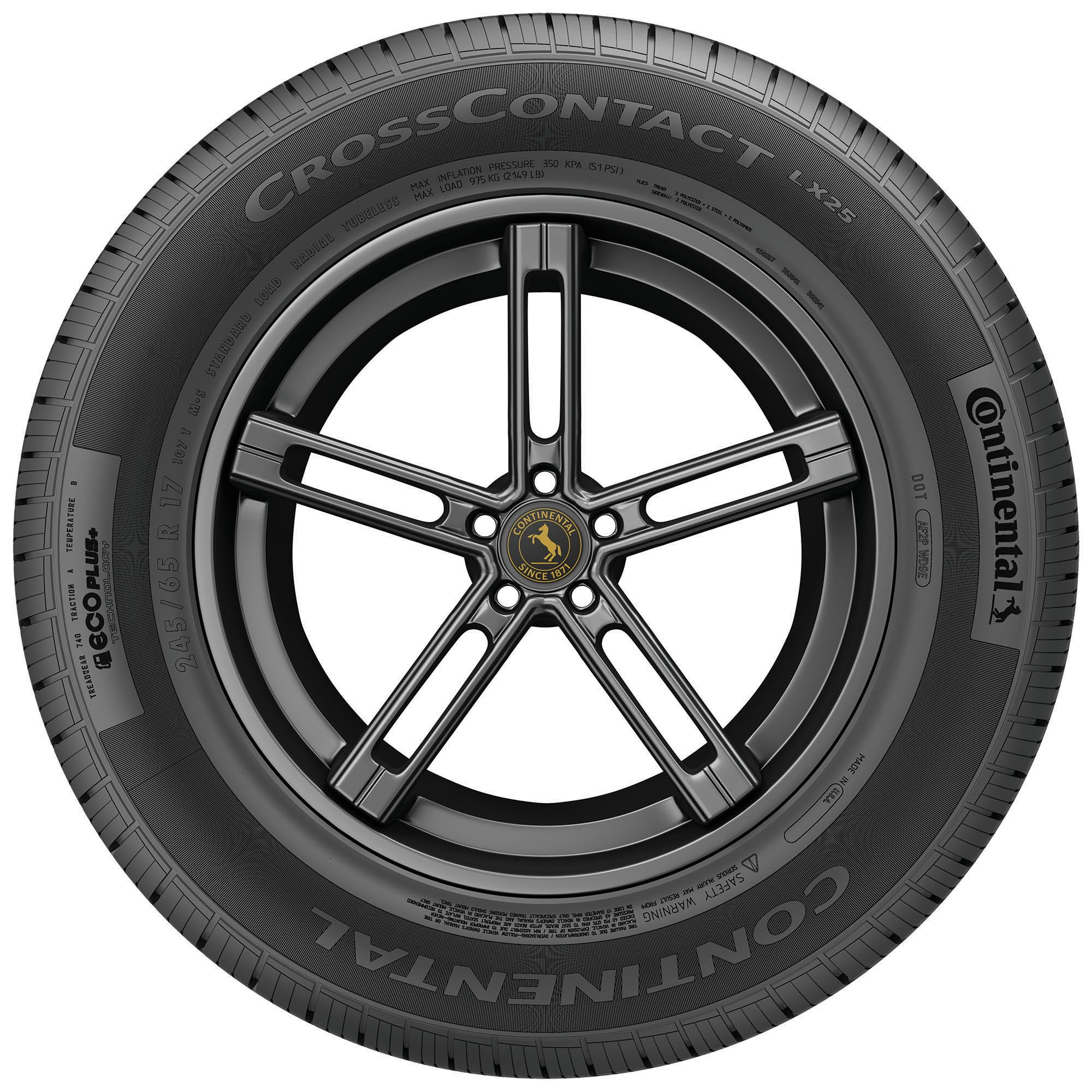
| 2 | Continental CrossContact LX25 Top Pick | All-Season | EcoPlus+ Low Rolling Resistance | Highway Commuters | 4.7 | See Latest Price |
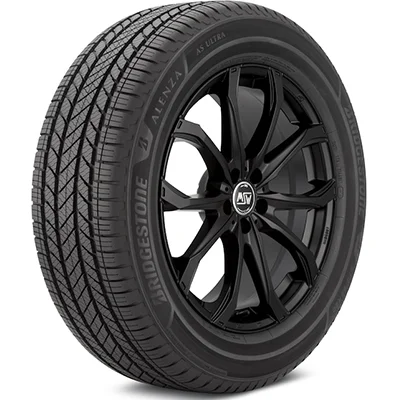
| 3 | Bridgestone Alenza AS Ultra | All-Season | 70K Mile Warranty | Quiet Comfort Priority | 4.6 | See Latest Price |
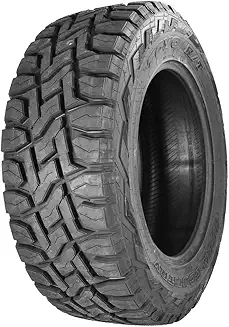
| 4 | Toyo Open Country A/T III | All-Terrain | Cut & Chip Resistant | Off-Road / Rock Creek | 4.5 | See Latest Price |
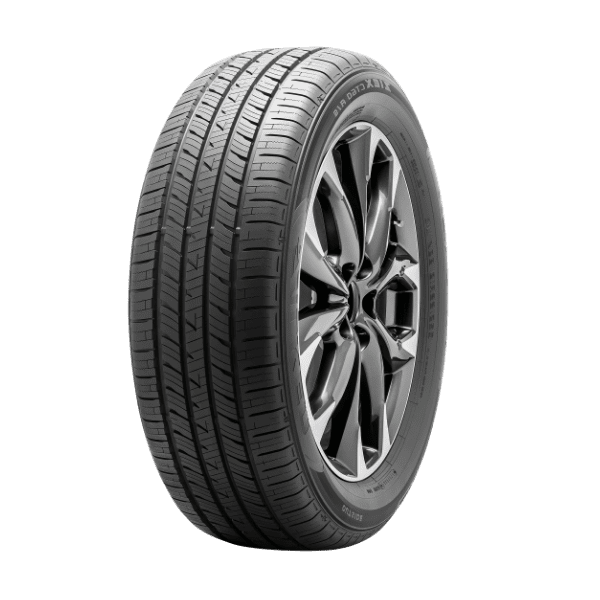
| 5 | Falken ZIEX CT60 A/S Budget Pick | All-Season | 65K Mile Warranty | Budget-Conscious Owners | 4.3 | See Latest Price |
Detailed Reviews
Full breakdown of each tire — ratings, pros, cons, and our expert verdict.
Michelin CrossClimate2
Pros
- 3PMSF certified — passes severe snow service standards that standard all-season tires don’t meet
- V-shaped tread pattern with advanced silica compound sustains grip in cold and wet temperatures as tread wears
- Owner reviews consistently report even tread wear past 30,000 miles on heavier SUVs
Cons
- Priced $40–$80 per tire above the budget and mid-range options on this list
- A minority of owners report slightly more road noise than premium touring-only competitors
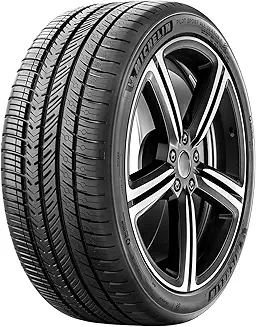
Continental CrossContact LX25
Pros
- EcoPlus+ Silane+ compound reduces rolling resistance — owners report a noticeable fuel economy improvement over OEM tires
- ComfortRide system absorbs road vibration; consistently scores 8–10/10 for cabin noise in Tire Rack surveys
- Stronger light snow traction than expected for a non-3PMSF all-season tire
Cons
- Ice traction feedback is inconsistent — some owners report scores dropping to 6/10 on black ice surfaces
- Not suitable for any off-road or unpaved surface use
Bridgestone Alenza AS Ultra
Pros
- One of the quietest tires in the all-season SUV category — owner treadwear scores cluster at 9–10/10 in Tire Rack data
- 70,000-mile tread life warranty — the highest warranty mileage among premium picks on this list
- Dry-road cornering stability earns consistent praise from owners driving loaded three-row SUVs at highway speed
Cons
- Wet traction scores are more mixed than rivals at the same price point — not a first choice in heavy-rain climates
- Winter performance falls short of 3PMSF-rated options, limiting suitability to mild winter regions
Toyo Open Country A/T III
Pros
- Directly tested on a 2023 Nissan Pathfinder Rock Creek (265/60R18) by independent automotive journalists — not estimated from category data
- Cut and chip resistant tread compound with stone ejecting blocks prevents debris from embedding in tread channels during trail use
- On-road ride quality is predictable for an all-terrain tire — confirmed in real-world Pathfinder testing
Cons
- Highway road noise is measurably higher than any all-season touring tire on this list — noticeable in a seven-seat cabin
- Higher rolling resistance reduces fuel economy compared to low-resistance all-season alternatives
Falken ZIEX CT60 A/S
Pros
- 65,000-mile tread warranty at entry-level pricing — meaningfully better coverage than many tires costing twice as much
- Interlocking 3D Canyon Sipes strengthen tread blocks against deformation and uneven wear
- Quiet, comfortable highway ride for its price class — frequently cited as punching above its weight in owner reviews
Cons
- Wet braking distances are longer than any premium option on this list — a meaningful safety gap on a loaded three-row SUV
- Long-term treadwear feedback is less consistent than Bridgestone or Michelin — some owners report early center tread wear
???? Can’t Decide?
Our Top 2 Picks — Head to Head
Both work well on the Pathfinder. Here’s how to pick the right one for your driving pattern.
- 3PMSF certified — handles genuine winter snow and sleet without a seasonal tire change
- V-shaped tread pattern sustains wet braking grip as tread depth decreases over time
- Multi-source owner reviews confirm even tread wear past 30,000 miles on SUV-weight vehicles
- EcoPlus+ low rolling resistance compound delivers a measurable fuel economy benefit on long commutes
- ComfortRide system is quieter on the highway than the CrossClimate2 for owners in pavement-only climates
- Lower per-tire cost makes all-four-wheel replacement more budget-accessible
How to Choose the Right Tire for Your Nissan Pathfinder
Six factors specific to the Pathfinder’s size range, weight, and typical use cases — not generic SUV advice.
Verify Your Exact OEM Size
The Pathfinder uses at least four common sizes: 255/60R18 (base SL/SV), 265/60R18 (Rock Creek), and 255/50R20 (Platinum trim). Getting this wrong means the tire won’t fit your wheel at all, or fits poorly enough to trigger TPMS errors and rim rubbing. Always read your door jamb sticker, not just the current tire sidewall.
3PMSF vs. All-Season: A Critical Distinction
The Three-Peak Mountain Snowflake (3PMSF) symbol confirms a tire has passed a standardized severe snow traction test. A standard M+S (mud and snow) label does not — it’s a self-certification with no third-party testing. If you drive in real winter conditions, 3PMSF is the only mark that matters. Only the CrossClimate2 on this list carries it.
Load Index for a Three-Row SUV
A fully loaded Pathfinder with seven passengers and cargo can approach 6,000 lbs gross vehicle weight. Most Pathfinder fitments require a load index of 105–110. Choosing a tire with a lower load index than OEM spec introduces structural risk under maximum load at highway speeds — never downgrade to save money on this spec.
Tread Warranty as a Durability Signal
A manufacturer’s mileage warranty reflects their internal durability testing data. The Bridgestone Alenza backs 70,000 miles; the Falken backs 65,000. A tire with no mileage warranty or one under 40,000 miles is signaling shorter compound life. On a Pathfinder driven 15,000 miles annually, this is a cost-per-mile calculation worth running before buying.
All-Terrain vs. All-Season for Rock Creek Owners
The Rock Creek trim signals off-road intent, but not all owners actually use it off-road. If you’re logging 95% highway miles, an all-terrain tire like the Open Country A/T III adds road noise and reduces fuel economy compared to an all-season touring tire. Match the tread type to your actual driving, not the trim badge on the tailgate.
Alignment Before and After Fitting
New tires on a Pathfinder with a misaligned front axle will develop uneven inner or outer edge wear within the first 5,000 miles — a problem invisible until significant rubber is already gone. Budget for a wheel alignment ($80–$120) whenever you replace all four tires. The Pathfinder’s heavier three-row weight makes it more sensitive to alignment drift than lighter crossovers.
✅ Pro Tips
Quick Buying Checklist for Pathfinder Owners
Confirm your size from the door jamb sticker, not the existing tire sidewall — previous owners sometimes installed a non-OEM size that the sticker will catch.
Rotate tires every 5,000–7,500 miles. The Pathfinder’s weight and AWD system accelerates uneven wear faster than lighter two-row crossovers without regular rotation.
Always replace tires in a matching set of four on AWD Pathfinder trims. Mismatched tread depths stress the transfer case in ways that accumulate into expensive drivetrain repairs.
Check tire pressure monthly — the Pathfinder’s TPMS threshold is 25% below recommended PSI. At highway speeds with a full load, underinflation by even 4–5 PSI accelerates shoulder wear and increases heat buildup.
Related Guides
Comparing 3-Row SUVs?
Frequently Asked Questions
What tire size fits the Nissan Pathfinder?
Most 2013–2024 Pathfinder SL and SV trims use 255/60R18 as the standard fitment. The Rock Creek edition uses 265/60R18, and some Platinum models use 255/50R20. Older W40-generation Pathfinders use different sizes entirely. Always confirm from your vehicle’s door jamb label before ordering — do not rely on a third-party fitment guide alone.
Which Pathfinder tires are best in snow?
The Michelin CrossClimate2 is the strongest choice for snow — it’s the only tire on this list carrying the Three-Peak Mountain Snowflake (3PMSF) rating, which confirms it passed a standardized severe snow traction test. The Continental CrossContact LX25 handles light snow adequately but lacks this certification and is not suitable for persistent winter conditions.
How long do tires last on a Nissan Pathfinder?
Most quality all-season tires last 50,000–70,000 miles under normal driving with rotation every 5,000–7,500 miles. The Bridgestone Alenza AS Ultra backs 70,000 miles; the Falken ZIEX CT60 backs 65,000 miles. The Pathfinder’s three-row weight and AWD system can accelerate wear if alignment is off — an alignment check at every tire change extends life measurably.
Are all-terrain tires worth it for daily driving on a Pathfinder?
Only if you actually use the trails. The Toyo Open Country A/T III performs well on paved roads — it was tested on the Pathfinder Rock Creek — but its all-terrain tread produces noticeably more highway noise and slightly worse fuel economy than a touring all-season. Drivers spending over 90% of miles on pavement are better served by the CrossClimate2 or CrossContact LX25.
Will aftermarket tires affect my Nissan Pathfinder’s factory warranty?
Replacing OEM tires with the same-spec aftermarket alternatives does not void your Nissan factory warranty under the Magnuson-Moss Warranty Act. However, fitting a different load index or speed rating than OEM spec can void warranty claims tied to suspension or drivetrain damage attributable to that mismatch. Match or exceed the OEM load index and speed rating to stay fully covered.
Is the Michelin CrossClimate2 worth the extra cost over budget alternatives?
For most Pathfinder owners, yes. Premium tires like the CrossClimate2 typically deliver longer tread life that lowers cost-per-mile over the full life of the tire — often offsetting the price premium by the third year. They also stop measurably shorter in wet conditions, which directly affects safety in emergency braking with a full seven-passenger load.
Should I rotate tires more frequently on a Nissan Pathfinder than other SUVs?
The standard 5,000–7,500 mile interval applies to the Pathfinder, but alignment discipline matters more than on lighter crossovers. The Pathfinder’s three-row weight puts more stress per square inch on the contact patch, so any alignment error develops into visible uneven wear faster. Combining regular rotation with an alignment check every 15,000–20,000 miles significantly extends tire life.
???? Final Verdict
Our Top Recommendations for 2026
The Michelin CrossClimate2 earns the overall top spot for the Nissan Pathfinder — its 3PMSF snow certification, long tread life, and strong wet braking capability make it the safest single-purchase choice across the broadest range of Pathfinder driving conditions. Owners who prioritize cabin quiet and fuel efficiency on pavement will get better value from the Continental CrossContact LX25, while Rock Creek owners who actually use the off-road trails have a directly tested recommendation in the Toyo Open Country A/T III.