After cross-referencing TyreReviews driver data, Tire Rack consumer surveys, BimmerPost forum discussions, and verified Amazon owner reviews — filtering out any tire without sufficient real-world data on BMW platforms specifically — we built this list around a single premise: the BMW 3 Series is a precision rear-wheel-drive sedan, and the wrong tire wastes everything the chassis was designed to deliver. We evaluated six tires against the 3 Series’s unique demands: staggered fitment compatibility across M340i and Sport Line trims, run-flat vs. standard construction trade-offs that divide the BMW community, rear-wheel-drive wet grip requirements under hard braking, and the size range from the base 225/50R17 through the M340i’s 255/35R19 rears.
The tire decision for a 3 Series owner involves three choices that don’t arise on generic commuter sedans. First: summer performance or all-season capability. Second: keep run-flats or switch to standard construction for ride quality. Third: match the correct size for a staggered front/rear setup that cannot be rotated axle-to-axle. This list addresses all three directly — including honest assessments of where each tire falls short — so you can make the right call for your specific trim, climate, and driving style before spending $600–$1,200 on a new set.
The Michelin Pilot Sport 4S is the best overall tire for the BMW 3 Series — it earns 91% dry grip and 87% wet grip across 338 TyreReviews ratings specifically on BMW platforms, and it is the default recommendation across BimmerPost and r/BMW. For drivers who need year-round all-season capability without a seasonal swap, the Continental ExtremeContact DWS06 Plus is the most trusted compromise. Owners replacing factory Pirellis on an M340i who want exact OEM-spec handling should look at the Pirelli P Zero in BMW-homologated construction.
Our Top 6 BMW 3 Series Tire Rankings
- Michelin Pilot Sport 4S— Best Overall Performance
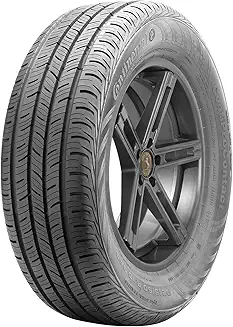
- Continental ExtremeContact DWS06 Plus— Best All-Season
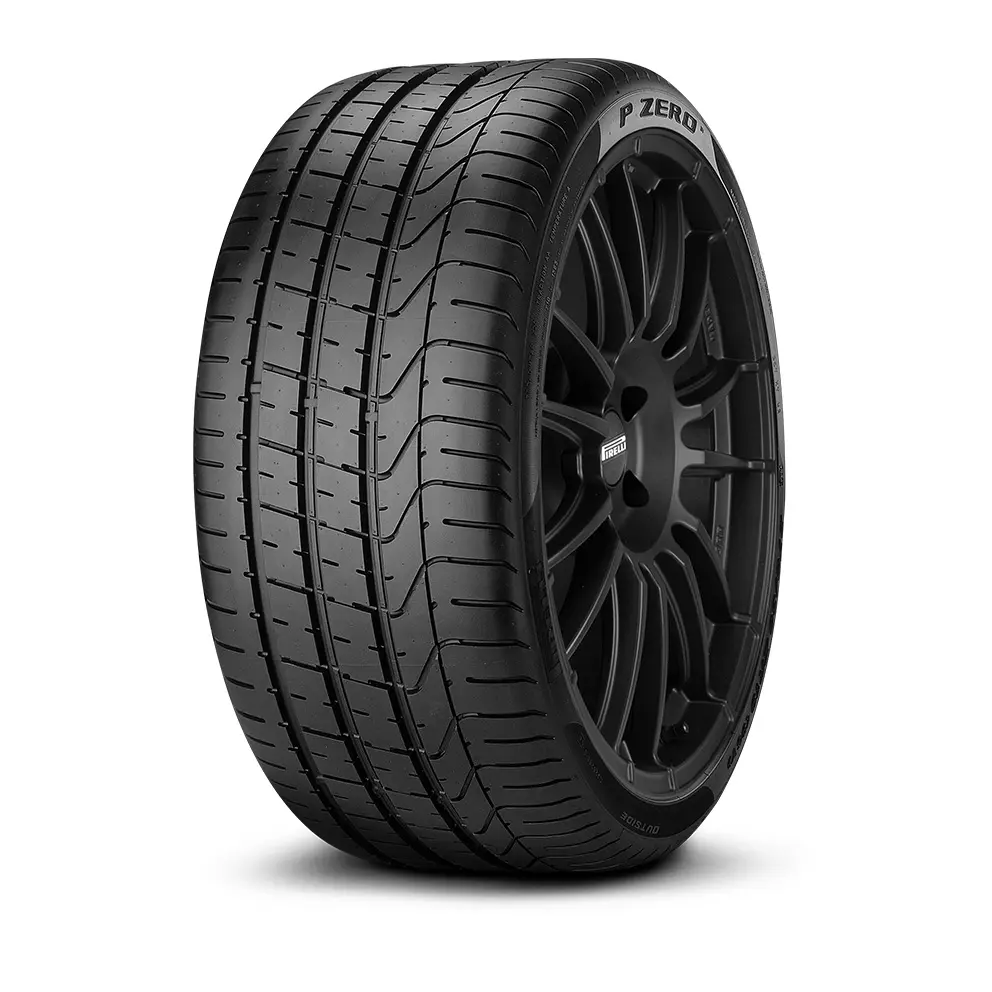
- Pirelli P Zero— Best Premium / OEM Match
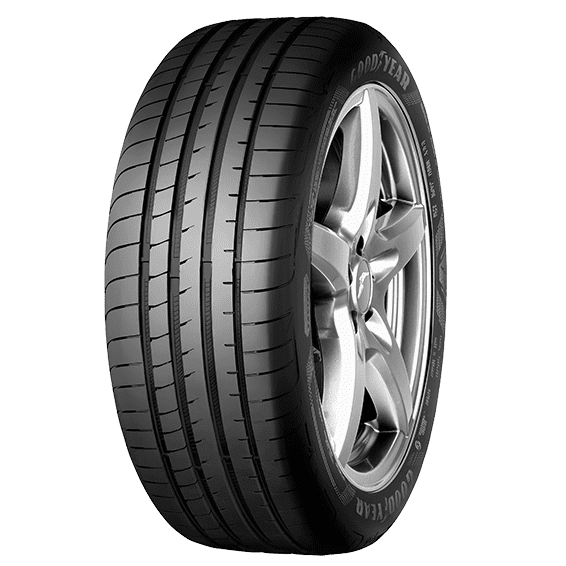
- Goodyear Eagle F1 Asymmetric 5— Best Dry Handling
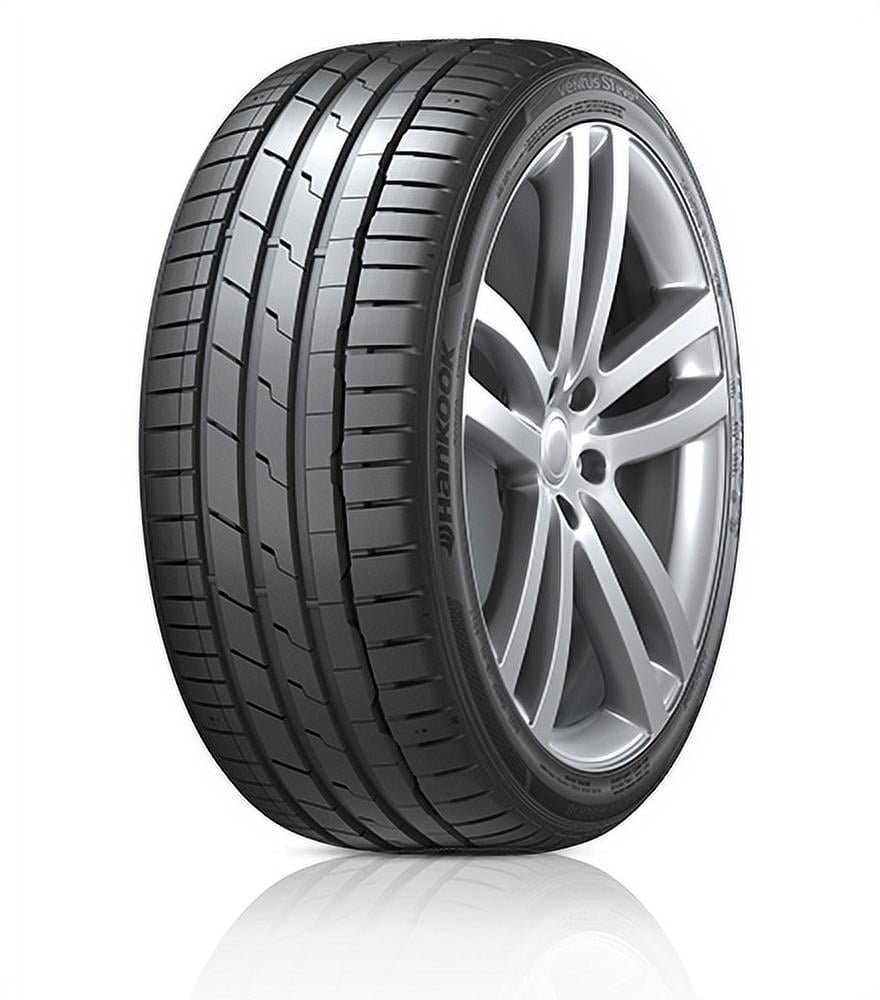
- Hankook Ventus S1 evo3— Best Budget Performance
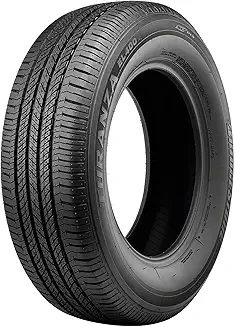
- Bridgestone Turanza QuietTrack— Best Comfort & Tread Life
Best BMW 3 Series Tires — Compared
All six tires ranked across construction type, fitment compatibility, and primary performance strength.
| # | Tire | Type | Construction | Best For | Score | |
|---|---|---|---|---|---|---|
| 1 | Michelin Pilot Sport 4S Editor’s Choice | Summer Performance | Standard | Overall Performance | 4.8 | See Latest Price |
| 2 | Continental ExtremeContact DWS06 Plus Top Pick | All-Season UHP | Standard | Year-Round Daily | 4.7 | See Latest Price |
| 3 | Pirelli P Zero | Summer Performance | Standard / RFT | OEM Replacement | 4.5 | See Latest Price |
| 4 | Goodyear Eagle F1 Asymmetric 5 | Summer Performance | Standard | Dry Handling | 4.6 | See Latest Price |
| 5 | Hankook Ventus S1 evo3 Budget Pick | Summer UHP | Standard / RFT | Budget Wet Safety | 4.5 | See Latest Price |
| 6 | Bridgestone Turanza QuietTrack | All-Season Touring | Standard | Comfort & Longevity | 4.6 | See Latest Price |
Detailed Reviews
Full breakdown of each tire — ratings, pros, cons, and our expert verdict.
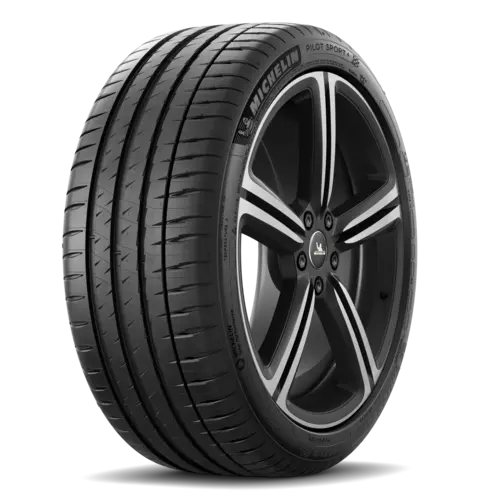
Michelin Pilot Sport 4S
Pros
- 91% dry grip and 87% wet grip from 338 TyreReviews driver ratings specifically on BMW 3 Series — not pooled sedan data, actual BMW owner feedback
- Variable contact patch compound: softer center maintains wet braking grip while stiffer shoulders maximize dry cornering load — no single-compound compromise
- Available in staggered sizes including 225/45R18 front and 255/40R18 rear for Sport and M Sport 3 Series configurations
Cons
- Tread life runs 20,000–30,000 miles under spirited driving — significantly shorter than any all-season option at a higher per-tire price
- Summer-only compound hardens dangerously below 7°C (45°F) — drivers in cold climates need a dedicated winter set or an all-season alternative
Continental ExtremeContact DWS06 Plus
Pros
- DWS tread wear indicators show at a glance when dry, wet, or snow capability has degraded — a real-time safety signal absent from every summer tire on this list
- SportPlus high silica compound maintains wet grip on rear-wheel-drive platforms under hard braking, where a tire’s wet-surface adhesion is most safety-critical
- Ride comfort improvement over factory run-flats is consistently reported by BMW forum owners switching for the first time — quieter and significantly smoother
Cons
- Uneven outer front-edge wear reported under aggressive cornering — one BimmerPost reviewer documented rapid outer edge wear by 10,000 miles on a canyon-driving 3 Series
- Cornering steering feedback is noticeably softer than any summer tire here — the expected handling trade-off that comes with all-season compound chemistry
Pirelli P Zero
Pros
- BMW-homologated version is specifically engineered to the 3 Series’ suspension geometry and weight distribution — confirmed OEM-spec compound, not a generic P Zero with a BMW sticker
- Available in both standard and run-flat construction — the only way to maintain no-spare capability while replacing OEM Pirellis on a 330i or M340i
- Exceptional dry grip and high-speed motorway stability tuned precisely to BMW’s original design intent for the platform
Cons
- Tread life is short, particularly on rear-wheel-drive variants where the rear axle absorbs disproportionate load under acceleration — plan for early replacement
- Run-flat version delivers a noticeably harsher ride on urban roads than any standard construction alternative at the same price point
Goodyear Eagle F1 Asymmetric 5
Pros
- 95% dry grip score in BMW-specific TyreReviews data — the highest dry grip rating of any tire in this comparison on the 3 Series platform
- ActiveBraking Technology maintains contact patch geometry under braking loads — particularly relevant for rear-wheel-drive emergency stop scenarios
- Available in all standard BMW 3 Series staggered sizes including 225/45R18 front and 255/40R18 rear on 18-inch Sport configurations
Cons
- Tread life scores sit at 71% in TyreReviews data — below the class average, with rear axle wear accelerating on staggered RWD setups without rotation possible
- Summer-only compound with no cold weather capability — drivers in climates with genuine winters need a dedicated seasonal swap
Hankook Ventus S1 evo3
Pros
- A/A/69dB EU label — A-rated for both wet braking and fuel efficiency, with a 69 dB noise rating notably quiet for a max-performance summer tire at this price point
- Run-flat K127B variant is available for BMW TPMS setups that require run-flat compatibility to avoid the no-spare-tire limitation of the 3 Series
- A BMW 3 Series Gran Limousine owner on Dublin Tyre Centre scored it 9/10 for comfort and noise — above expectations for its price tier on a BMW platform
Cons
- Soft sidewall reduces steering precision relative to Michelin and Goodyear — feedback through corners feels more touring than sport on a rear-wheel-drive 3 Series
- Run-flat version shows accelerated tread wear on heavy rear-drive cars — factor this into total replacement cost before concluding it’s cheaper than premium alternatives
Bridgestone Turanza QuietTrack
Pros
- QuietTrack pitch sequencing and ComfortCruise cavity geometry deliver the quietest cabin rating of any tire in this comparison — Tire Rack reports 345 positive vs 41 negative ride quality reviews from 6.6 million owner miles
- Available in square (non-staggered) 225/50R17 and 225/55R18 — the only tire here that enables axle-to-axle rotation on the 3 Series, extending rear tire life by 30–40%
- 9.0/10 dry traction and 8.6/10 wet traction from Tire Rack consumer data — competitive all-season scores for a tire positioned primarily around comfort
Cons
- Steering feedback and cornering limits fall noticeably short of any summer performance tire on this list — limits the 3 Series chassis in a way enthusiast drivers will notice immediately
- Light snow capability is adequate for occasional flurries but not confidence-inspiring on sustained ice — not a substitute for dedicated winter tires in harsh climates
???? Can’t Decide?
Our Top 2 Picks — Head to Head
One question separates them: does this tire need to work in cold weather?
- 91% dry grip and 87% wet grip from 338 BMW-specific TyreReviews ratings — highest combined scores in this comparison
- Variable compound: softer center for wet braking, stiffer shoulders for dry cornering — no single-compound compromise
- Consensus recommendation across BimmerPost and r/BMW for owners wanting the 3 Series to drive the way BMW intended
- DWS wear indicators show in real-time when snow, wet, or dry capability has degraded — safety transparency no summer tire provides
- High silica compound maintains rear-wheel-drive wet braking grip across all four seasons without a seasonal swap
- Ride comfort improvement over OEM run-flats consistently reported by BMW forum owners — quieter and significantly smoother on daily roads
How to Choose the Right Tire for Your BMW 3 Series
Six factors specific to the 3 Series platform — staggered fitments, run-flat decisions, and RWD performance demands included.
Staggered vs. Square Fitment
Many 3 Series trims use wider rear tires than fronts (e.g., 225/45R18 front, 255/40R18 rear on M Sport). Staggered setups cannot rotate axle-to-axle, so rear tires on a rear-wheel-drive car wear faster with no remedy. A square setup enables rotation and extends rear tire life by 30–40%. If tread life matters, confirm whether your trim can run a square fitment before ordering.
Run-Flat vs. Standard Construction
BMW ships most 3 Series with run-flat tires (RFT) — they allow driving up to 50 miles after a puncture, but they ride stiffer, wear faster, and cost more. Switching to standard construction noticeably improves ride comfort and reduces noise. If you switch, you must carry a portable tire inflator since the car has no spare. Confirm the replacement tire carries the BMW RFT designation if you want to maintain run-flat capability.
The 7°C Summer Tire Safety Threshold
Summer performance tires harden physically below 7°C (45°F), losing the compound flexibility that generates grip. On a rear-wheel-drive car, cold-hardened summer tires create longer wet stopping distances and elevated oversteer risk under acceleration. This is a documented compound chemistry fact, not a marketing guideline. In cold climates, all-season or dedicated winter tires are the only safe choice.
BMW-Homologated vs. Standard Tire Versions
Pirelli, Michelin, and Bridgestone produce BMW-homologated versions of certain tire lines — specifically compound-tuned to the 3 Series suspension geometry. The Pirelli P Zero for BMW uses a different compound than the standard P Zero. When ordering OEM-replacement tires for performance trims, verify the tire carries a BMW star symbol or “MO” homologation mark to ensure you’re buying the version BMW actually tested on your car.
Speed Rating for 3 Series Performance Trims
Most BMW 3 Series performance variants require a minimum W or Y speed rating. Installing a tire with a lower rating than OEM spec is both a safety risk and a potential warranty issue. Confirm the OEM speed rating from your owner’s manual or door jamb sticker before purchasing — particularly relevant when upsizing from 17-inch to 19-inch wheels where tire options change.
Four-Wheel Alignment After Installation
The 3 Series uses a multi-link rear suspension sensitive to alignment drift. Minor front or rear toe misalignment creates accelerated inner shoulder wear that appears within 5,000 miles — a pattern owners often wrongly attribute to a defective tire. A four-wheel alignment check costs $80–$120 and protects a $600–$1,200 tire investment. Budget for it at the same appointment as installation.
✅ Pro Tips
Quick Buying Checklist for BMW 3 Series Owners
Confirm front and rear sizes separately if your trim has a staggered setup — ordering both axles the same size is a common error that puts the wrong width on one end of the car.
If running summer performance tires, swap before temperatures drop below 7°C. On a rear-wheel-drive 3 Series, cold-hardened summer compounds under hard braking create measurable oversteer risk.
Considering a square (non-staggered) setup? Confirm your rim width accommodates the single size — some Sport Line 18-inch rims require different widths that prevent a square fitment.
Switching to standard construction? Buy a portable tire inflator rated for BMW TPMS before your first drive. The 3 Series carries no spare — this is your only roadside safety net for a slow puncture.
Related Guides
Other BMW 3 Series Models
Same platform, different spec — tire fitment may vary.
Also On CarAssists
More Guides for This Vehicle
- → Best Coolant for BMW 3 Series— coolant type, capacity & flush interval
Frequently Asked Questions
What is the correct tire size for the BMW 3 Series?
It depends on the trim and generation. Base models use 225/50R17 or 225/55R16. Sport Line trims typically run 225/50R18. The M340i uses a staggered setup of 225/40R19 front and 255/35R19 rear. The Gran Limousine uses 225/45R18 front and 255/40R18 rear. Always check your door jamb sticker or owner’s manual — never guess from a generic size list.
Are run-flat tires worth keeping on the BMW 3 Series?
Most BMW forum members recommend switching to standard tires — the ride quality improvement is significant and the tires wear more evenly. If you switch, you need a portable tire inflator since the 3 Series carries no spare. Run-flats make practical sense if you frequently drive in remote areas where roadside assistance response times are long and a puncture is a genuine stranding risk.
How long do BMW 3 Series tires typically last?
Summer performance tires like the Pilot Sport 4S last roughly 20,000–30,000 miles under mixed spirited use. All-season grand touring tires like the Turanza QuietTrack can exceed 50,000 miles with regular rotation on a square setup. Rear tires on staggered RWD setups wear 30–40% faster with no rotation possible — factor this into your replacement budget before purchasing a staggered fitment.
Which BMW 3 Series tire performs best in wet conditions?
The Michelin Pilot Sport 4S scores 87% wet grip across 338 BMW-specific TyreReviews ratings — the best wet-weather summer tire on this list. For all-season wet performance, the Continental ExtremeContact DWS06 Plus and Hankook Ventus S1 evo3 both earn A-rated wet braking scores in EU testing and consistently top BMW forum wet-weather discussions.
Can I mix summer tires on one axle and all-season tires on the other?
No. Mixing tire types across axles on a rear-wheel-drive BMW creates unpredictable handling during emergency braking — particularly dangerous on the 3 Series where the rear axle is the driven axle. Install the same tire model on all four wheels, or at minimum the same type on both wheels of each axle. Mixing applies even when replacing two tires due to damage.
Do aftermarket performance tires affect the BMW 3 Series warranty?
Replacing OEM tires with equivalent-spec aftermarket tires does not void your BMW powertrain warranty under Magnuson-Moss Warranty Act guidelines in the US. Using a lower speed rating than OEM spec, or causing suspension damage through incorrect fitment, may affect related warranty claims. Verify that speed rating and load index match your OEM specification before installation.
What happens if I run summer performance tires in cold weather on a BMW 3 Series?
Summer tire compounds harden below 7°C (45°F), losing the flexibility that generates grip. On a rear-wheel-drive 3 Series this means longer wet and dry stopping distances and an elevated oversteer risk under acceleration. The car’s DSC system helps but cannot compensate for a compound physically incapable of generating adequate grip at low temperatures — a winter or all-season tire is the only safe solution.
???? Final Verdict
Our Top Tire Recommendations for 2026
The Michelin Pilot Sport 4S earns the top position because it posts the highest combined wet and dry grip scores in BMW-specific driver data, and it is the clear community consensus across BimmerPost and r/BMW for owners who want to drive the 3 Series at the level its chassis was engineered to deliver. Four-season drivers should choose the Continental ExtremeContact DWS06 Plus — its DWS wear indicators and all-year safety margin make it the most responsible single-tire solution for a rear-wheel-drive car in cold climates. Budget-conscious owners who want A-rated wet braking without the Michelin price will find the Hankook Ventus S1 evo3 performs significantly above its cost in real-world conditions.