After evaluating owner feedback across r/bmwz3, Bimmerforums, Tire Rack’s verified buyer database, Tyre Reviews, and independent road tests — including Road and Track’s Z3 M Roadster tire evaluation — one consistent pattern emerges: the BMW Z3’s short wheelbase, rear-wheel-drive layout, and naturally sharp steering amplify the differences between tire choices more than almost any other car in its era. A poor-grip tire on a Z3 doesn’t just feel dull — it actively fights the car’s balance and turns what should be a rewarding driving experience into a nervous one. The right tire sharpens turn-in, restores wet braking confidence, and keeps the rear axle predictable under power — all qualities that define the Z3 when it’s working as BMW intended.
This guide covers five tires that fit the Z3’s confirmed OEM sizes — 225/50R16 for base 1.9 and 2.3 trims, and the staggered 225/45R17 front / 245/40R17 rear for the 2.8i, 3.0i, and M variants — and that have documented performance records from Z3 owners specifically. The staggered fitment on 17-inch Z3s is a critical detail: many buyers order the wrong size because they don’t account for the front-rear size split. Every recommendation here was verified against both the square and staggered configurations, and each tire was evaluated for minimum W or V speed rating to match the Z3’s factory performance envelope.
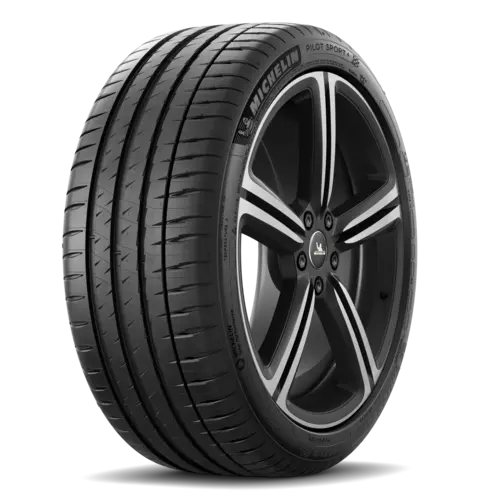
The Michelin Pilot Sport 4S is the best overall tire for BMW Z3 owners in warm climates who want the sharpest possible driving experience — Road and Track tested it on the Z3 M Roadster and described it as delivering “too much grip” in the best possible way. For year-round use without seasonal swaps, the Continental ExtremeContact DWS06 Plus is the practical expert choice. Z3 drivers in high-rainfall regions who want summer performance will find the Bridgestone Potenza Sport is the standout wet-weather option at a lower price than the Michelin.
Our Top 5 BMW Z3 Tire Rankings
- Michelin Pilot Sport 4S— Best Overall / Editor’s Choice
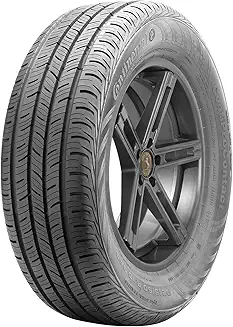
- Continental ExtremeContact DWS06 Plus— Best All-Season / Daily Use
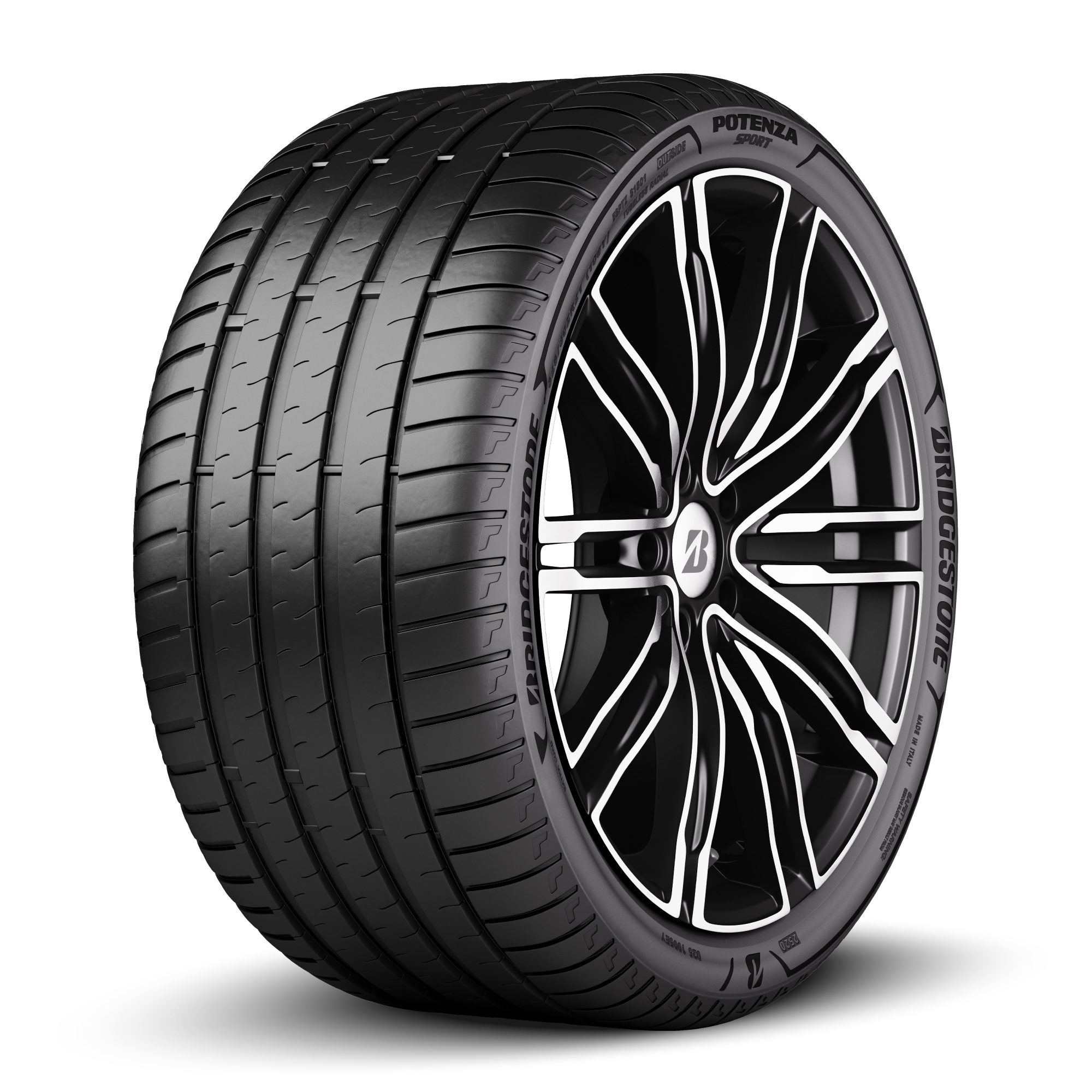
- Bridgestone Potenza Sport— Best for Wet Performance
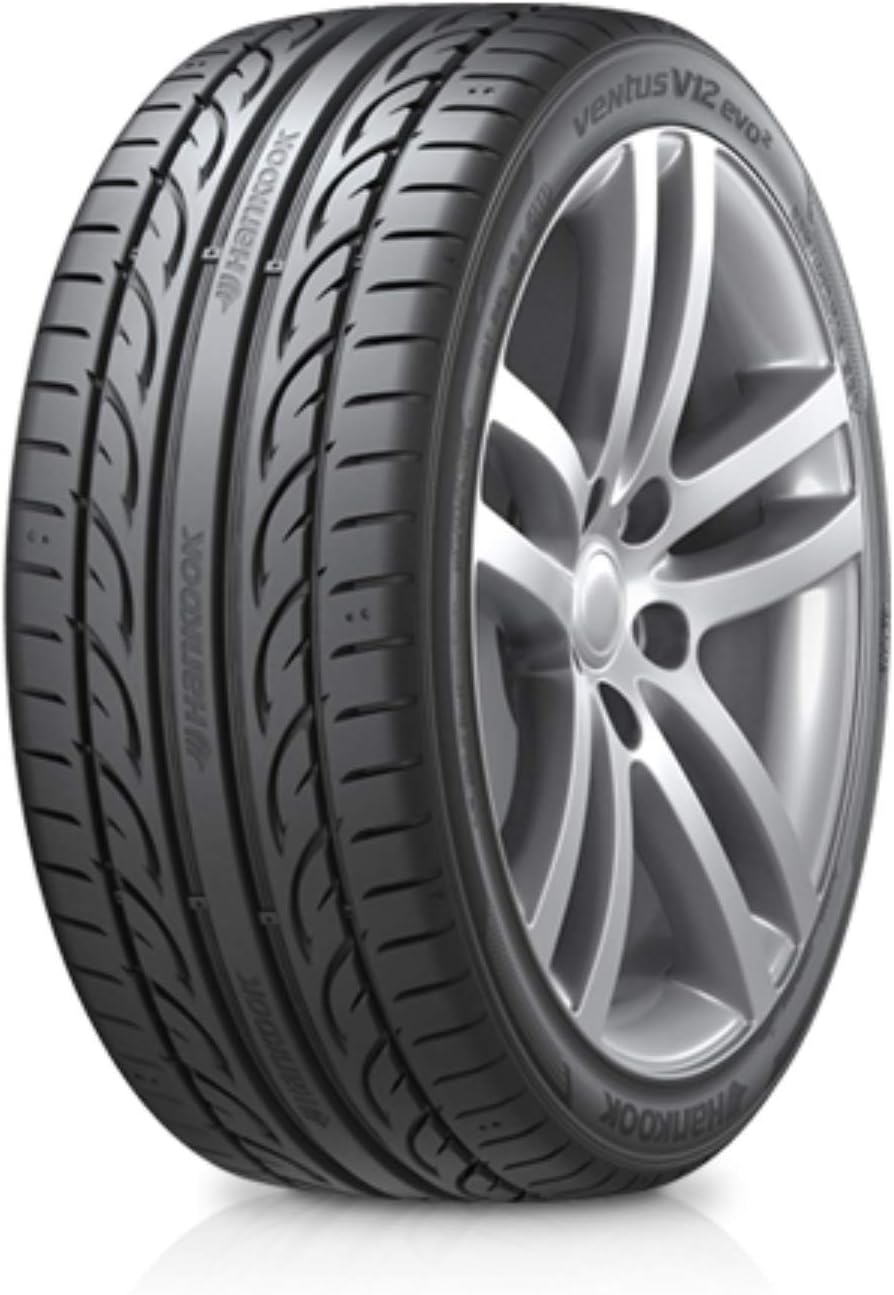
- Hankook Ventus V12 Evo2— Best Budget Pick
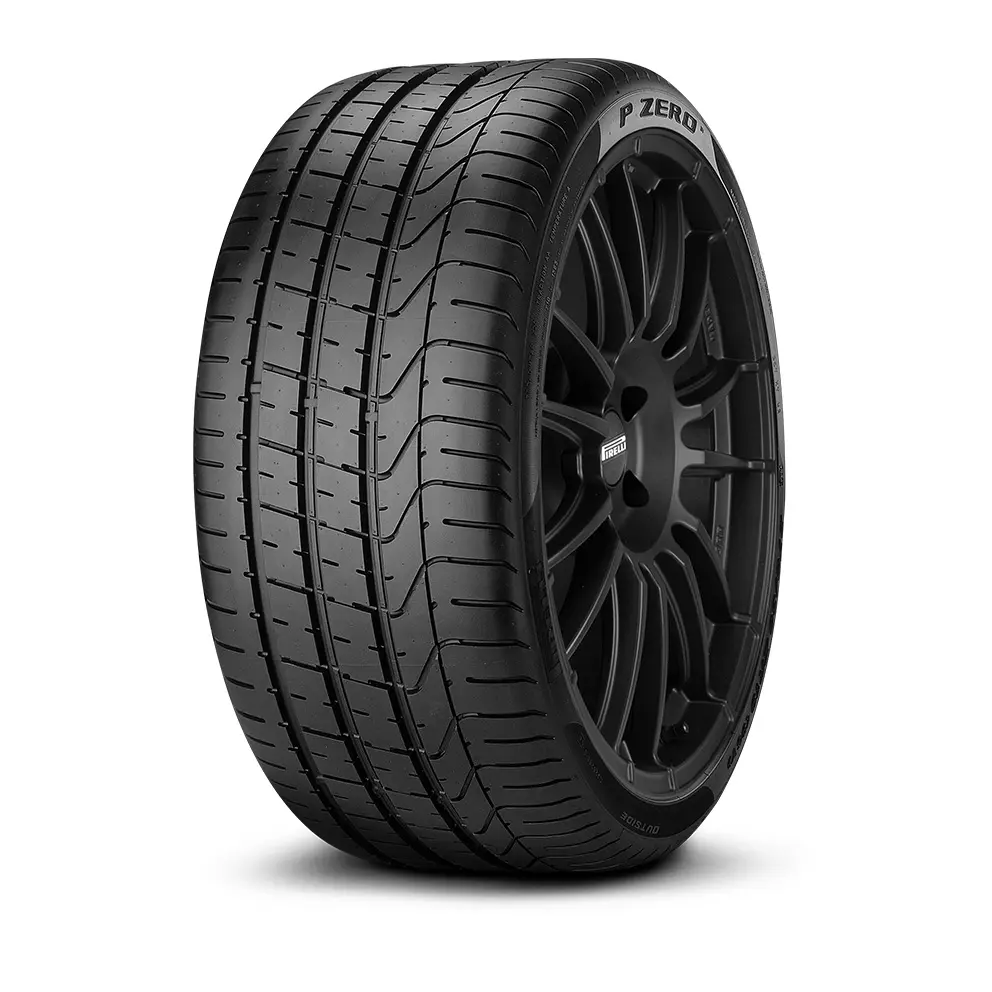
- Pirelli P Zero— Best Premium / Z3 M
Best BMW Z3 Tires — Compared
All five tires ranked by overall score, with season, fitment type, and Z3-compatible sizes.
| # | Product | Season | Z3 Sizes | Best For | Score | |
|---|---|---|---|---|---|---|
| 1 | Michelin Pilot Sport 4S Editor’s Choice | Summer | 225/45R17, 245/40R17 | Peak Performance | 4.8 | See Latest Price |
| 2 | Continental ExtremeContact DWS06 Plus Top Pick | All-Season | 225/50R16, 225/45R17 | Year-Round Daily | 4.6 | See Latest Price |
| 3 | Bridgestone Potenza Sport | Summer | 225/45R17, 245/40R17 | Wet Performance | 4.6 | See Latest Price |
| 4 | Hankook Ventus V12 Evo2 Budget Pick | Summer | 225/50R16, 225/45R17 | Budget Performance | 4.2 | See Latest Price |
| 5 | Pirelli P Zero | Summer | 225/45R17, 245/40R17 | Z3 M Premium | 4.5 | See Latest Price |
Detailed Reviews
Full breakdown of each tire — ratings, pros, cons, and our expert verdict for the BMW Z3.
Michelin Pilot Sport 4S
Pros
- Developed with direct BMW input — the PS4S is OEM specification on current BMW M models, which means its handling character is deliberately tuned for BMW’s steering geometry
- Dry cornering grip stays consistent at the handling limit rather than fading progressively — Z3 drivers who push through long corners describe a planted, predictable feel throughout
- Among the lowest road noise ratings in the max-performance summer category — a meaningful benefit on a roadster where wind noise is already present
Cons
- Summer-only compound — grip drops significantly below 7°C (45°F), creating a real traction risk on a rear-wheel-drive car during autumn mornings or unexpected cold snaps
- Shoulder wear under aggressive use is a recurring complaint from Z3 M drivers who track or autocross — some report faster outer edge wear than the tire’s price point implies
Continental ExtremeContact DWS06 Plus
Pros
- D/W/S tread wear indicators communicate remaining traction capability in each condition — an unusually transparent feature that matters on a rear-wheel-drive car where grip confidence directly affects safety
- Available in 225/50R16 for base Z3 trims — the only tire on this list that directly fits the 1.9 and 2.3 models in the standard square setup
- Ride quality improvement over worn OEM tires is frequently cited by Z3 owners — the SportPlus compound absorbs highway buzz better than most UHP all-season competitors
Cons
- Front tires wear faster than expected on BMW platforms with aggressive alignment settings — some Bimmerpost users on similar RWD chassis report 9,000–10,000 mile front wear cycles
- Sidewall lateral stiffness is softer than summer-compound tires — Z3 drivers who push hard in corners notice reduced steering precision compared to the Michelin or Bridgestone options
Bridgestone Potenza Sport
Pros
- Recorded 32.6 meters dry braking distance from 100 km/h in independent controlled testing — among the shortest in the max-performance summer category
- Grip level stays consistent from new to worn — Z3 drivers on the r/bmwz3 forum specifically note this as the reason they’ve bought multiple sets rather than switching brands
- Provides stronger value than the Michelin PS4S in matching sizes — typically $30–$50 per tire less expensive while delivering superior wet braking in back-to-back comparisons
Cons
- Road noise on coarse or poorly maintained asphalt is measurably higher than the Michelin Pilot Sport 4S — on an open-top Z3, this becomes more noticeable than on a closed coupe
- Performance requires a warm-up period — cold tire behavior on a rear-wheel-drive roadster means the first few minutes of driving in cool conditions require careful throttle management
Hankook Ventus V12 Evo2
Pros
- Consumer Reports rated dry braking as “stellar” and overall performance in the upper third of its class — meaningful independent validation for a tire at this price point
- Available in 225/50R16, 225/45R17, and 245/40R17 — covers every Z3 trim size including the staggered M setup in a single product range
- Noticeably more comfortable and quieter than expected for a max-performance summer category tire — M3 forum users report it as a pleasant daily driver in normal conditions
Cons
- Soft sidewall construction reduces lateral precision at the handling limit — Z3 drivers who push hard through high-speed corners report a vagueness in steering response that the Michelin and Bridgestone options don’t exhibit
- Tread life of two to two-and-a-half seasons under spirited Z3 use is the most common complaint — faster shoulder wear than the tire’s Consumer Reports positioning implies
Pirelli P Zero
Pros
- Three wide longitudinal grooves combined with an S-shaped tread pattern provide water evacuation engineering that is more sophisticated than most summer tires — a meaningful safety feature for a high-speed rear-wheel-drive car
- Pirelli holds active BMW OEM supplier status and specifically lists the Z3 in its tire catalog — the fitment knowledge built into the compound and construction is not generic
- High-speed steering stability is consistently praised by Z3 M owners — the solid central rib maintains straight-line composure at Autobahn speeds that the Z3 M is mechanically capable of
Cons
- Among the most expensive options per tire in this comparison — the premium over the Michelin Pilot Sport 4S in matching sizes is typically $20–$40 per tire, which adds up across a staggered set of four
- Wear rate under aggressive use is the most common complaint — Z3 M owners who drive enthusiastically report shoulder wear appearing faster than the tire’s premium price positioning suggests
???? Can’t Decide?
Our Top 2 Picks — Head to Head
Both are excellent. Here’s how to choose between them.
- Developed with BMW input — OEM spec on current BMW M models with geometry tuned for BMW’s steering character
- Road and Track tested it on the Z3 M Roadster specifically, praising its grip as transformative for the car
- Lower road noise than the Bridgestone — meaningful on an open-top roadster where sound intrudes more
- Year-round usability — the only tire here safe for autumn rain, light snow, and cold mornings on a rear-wheel-drive roadster
- Available in 225/50R16 for base Z3 trims — the PS4S does not cover this size for the 1.9 and 2.3 models
- D/W/S indicators show remaining traction capability in each condition — unusual transparency for an all-season tire
How to Choose the Right Tires for Your BMW Z3
Six factors specific to the Z3 platform — covering staggered sizing, speed ratings, RWD cold-weather risk, and what most buyers miss.
Square vs. Staggered Fitment
The Z3 1.9 and 2.3 on 16-inch wheels run a square 225/50R16 setup — same size front and rear. The Z3 2.8i, 3.0i, and M on 17-inch wheels use a staggered 225/45R17 front / 245/40R17 rear. These are not interchangeable side to side. Many buyers order four of the same tire, then discover the rear size won’t clear the rear arches. Always order front and rear separately for staggered Z3s.
Speed Rating for the Z3 M
Standard Z3 models require a minimum V speed rating (240 km/h / 149 mph). The Z3 M Roadster and coupe should use W-rated (270 km/h) or Y-rated tires given their factory performance envelope. Running an H-rated tire on a Z3 M is technically out-of-spec and creates a structural risk at sustained high speeds. All five tires in this comparison are rated W or higher.
RWD Cold-Weather Risk
Summer tires on a rear-wheel-drive Z3 in cold weather are a genuine safety risk — not just a performance compromise. Below 7°C (45°F), summer compounds harden and lose grip before visible ice appears. Autumn morning commutes in northern states regularly catch Z3 owners off guard. If your car is out in cold weather, the Continental DWS06 Plus or a dedicated winter set are the only safe options.
Alignment Before Every Tire Set
A Z3 with 20+ years of road use almost certainly has front camber drift from worn bushings or previous curb strikes. Installing performance tires on a misaligned Z3 causes inner shoulder wear within 5,000–8,000 miles — the most consistent complaint across Z3 tire threads. Budget for a four-wheel alignment check at every tire installation, not as an optional extra.
Directional vs. Asymmetric Tread
The Michelin PS4S and Bridgestone Potenza Sport use asymmetric tread patterns with a designated inside and outside edge — they can rotate front-to-rear on the same side. The Continental DWS06 Plus uses a non-directional pattern that allows full cross-rotation. On a staggered Z3, neither can be rotated side to side regardless of pattern. Understanding this affects your maintenance schedule and cost per mile.
Real Cost of a Staggered Set
A staggered Z3 needs four tires across two different sizes. The front 225/45R17 and rear 245/40R17 are priced differently — the wider rear is typically $20–$40 more per tire. When budgeting, price both sizes separately rather than multiplying the front price by four. On a premium tire like the Michelin PS4S, the rear set alone can cost $100+ more than the fronts.
✅ Pro Tips
Quick Buying Checklist for BMW Z3 Tires
Check both the front and rear tire size separately. Staggered Z3s (17″ wheels) need different sizes front and rear — ordering four of the same size is the most common purchase mistake on this car.
Verify the speed rating before buying. Z3 M variants need W-rated tires at minimum. H-rated tires are structurally out-of-spec for the M’s factory performance capability regardless of how you plan to drive it.
Book a four-wheel alignment at every tire installation. Z3 front camber drifts with age — misalignment is the primary cause of premature shoulder wear on new performance tires, and it starts showing within 5,000 miles on a bad setup.
Set a calendar alert for October if you run summer tires. Summer compound on a rear-wheel-drive Z3 below 45°F is a genuine traction risk — not just a handling compromise. Cold mornings catch owners off guard before the first autumn snowfall.
Related Guides
Other BMW Sports / Roadster Models
Frequently Asked Questions
What is the best tire for a BMW Z3?
The Michelin Pilot Sport 4S is the best tire for BMW Z3 in warm climates, delivering the sharpest dry grip and steering feel — Road and Track specifically tested it on the Z3 M Roadster and praised the result. For year-round driving in mixed weather, the Continental ExtremeContact DWS06 Plus handles all seasons safely without requiring a seasonal swap.
What tire sizes does the BMW Z3 use?
The Z3 uses 225/50R16 on base 1.9 and 2.3 trims in a square setup. The 2.8i, 3.0i, and M variants use a staggered 225/45R17 front and 245/40R17 rear on 17-inch wheels. These front and rear sizes are not interchangeable side-to-side. Always verify your specific year and trim before ordering to avoid receiving the wrong size.
How long do performance tires last on a BMW Z3?
Most summer performance tires last two to three seasons on a BMW Z3 with regular driving. The Continental DWS06 Plus lasts longer in everyday use. Aggressive driving, skipped alignment checks, and Z3 M’s more powerful drivetrain all shorten tire life. The most consistent complaint across Z3 forum threads is premature shoulder wear caused by uncorrected front camber drift.
Are all-season tires safe on a BMW Z3?
Yes — quality all-season tires like the Continental ExtremeContact DWS06 Plus are safe and practical on the Z3 for mixed conditions. The rear-wheel-drive layout makes an all-season tire especially sensible if you drive in autumn or occasional cold weather. However, they won’t match a summer tire for dry-grip precision during spirited driving in warm conditions.
Is the Pirelli P Zero worth the extra cost for a Z3?
For the Z3 M Roadster and 3.0i coupe, the P Zero’s refined high-speed character and Pirelli’s BMW OEM experience make it a reasonable premium. For a standard Z3, the Michelin Pilot Sport 4S or Bridgestone Potenza Sport deliver comparable or better performance at a lower cost. The Pirelli’s character suits the Z3 M’s grand touring personality more than its raw track-day side.
Can I use the same tire on front and rear of a BMW Z3?
Only on Z3 models with the square 225/50R16 setup — the base 1.9 and 2.3 trims on 16-inch wheels. The 17-inch Z3 2.8i, 3.0i, and M variants use a staggered setup with different front and rear sizes, and you cannot rotate or swap those tires side to side. Check your current tire sidewall markings before assuming a square setup applies to your car.
Do aftermarket tires affect the BMW Z3 warranty?
The Z3 is out of manufacturer warranty — the last model was produced in 2002. For modified or restored Z3s on extended warranties, consult your specific warranty provider. The practical guidance is to fit tires that meet or exceed the original speed rating and load index for your trim. Under-rated tires on a Z3 M create a safety issue regardless of warranty implications.
???? Final Verdict
Our Top BMW Z3 Tire Recommendations — 2026
The Michelin Pilot Sport 4S earns the top position because no other tire on this list brings out the Z3’s natural handling character as completely — Road and Track’s Z3 M Roadster test is the most specific real-world validation of this claim, and forum consensus across r/bmwz3 and Bimmerforums consistently points to it as the first recommendation. Drivers who need year-round usability on a rear-wheel-drive roadster should choose the Continental ExtremeContact DWS06 Plus — the risks of running summer tires on a short-wheelbase RWD car in cold weather make the all-season compromise genuinely worthwhile. Wet-climate summer drivers will find the Bridgestone Potenza Sport delivers class-leading wet braking and consistent grip at a price that keeps more money in the budget for the car itself.