After evaluating verified buyer data from Tire Rack, pattern analysis across r/AcuraIntegra, IntegralForums.com, and multiple tire review platforms covering hundreds of real-world owner reports, one clear dynamic defines the 2023–2026 Acura Integra’s tire market: the car’s two different trim-based wheel sizes create a split buying decision that most generic tire roundups miss entirely. Base and A-Spec owners on 17-inch wheels have a broader, more affordable selection than A-Spec Technology, Elite A-Spec, and Type S owners on 18-inch wheels — where the 235/40ZR18 fitment narrows the field considerably and pushes price per tire higher. Getting this size wrong at the point of purchase means a costly return shipment or an installation shop that can’t proceed. Every tire in this guide was confirmed to be available in the correct size for at least one of those two OEM fitments.
The Acura Integra’s front-wheel-drive layout with sport-tuned suspension creates a specific set of demands: tires need to manage front axle load during hard braking, maintain composure during the enthusiastic cornering the car’s chassis invites, and handle wet pavement confidently given the FWD tendency toward understeer when traction is compromised. This guide covers six tires that have documented owner feedback from Integra drivers — not just from generic sport compact testing — and evaluates each against the specific driving patterns most Integra owners actually have: daily commuting with occasional spirited weekend driving, across climates that range from northern mixed-weather to warm-climate summer.
The Continental ExtremeContact DWS06 Plus is the best overall tire for most Acura Integra drivers — it’s the most consistently recommended across Integra forums for its wet grip, year-round capability, and availability in both OEM sizes. Performance-focused owners on the Type S or Elite A-Spec should consider the Michelin Pilot Sport 4S for maximum grip. Budget-conscious buyers who drive mainly in dry conditions will find the Firestone Firehawk Indy 500 delivers real performance at a significantly lower price.
Our Top 6 Acura Integra Tire Rankings
- Continental ExtremeContact DWS06 Plus— Best Overall / Editor’s Choice
- Michelin Pilot Sport 4S— Best Premium Performance
- Michelin Pilot Sport All Season 4— Best All-Season Balance
- Bridgestone Potenza Sport— Best Dry Performance
- Firestone Firehawk Indy 500— Best Budget Pick
- Goodyear Eagle Exhilarate— Best for Quiet Ride
Best Acura Integra Tires — Compared
All six tires ranked by overall score, with season type, Integra-compatible sizes, and key performance focus.
| # | Product | Season | Integra Sizes | Best For | Score | |
|---|---|---|---|---|---|---|
| 1 | Continental ExtremeContact DWS06 Plus Editor’s Choice | All-Season | Both sizes | Year-Round Daily | 4.7 | See Latest Price |
| 2 | Michelin Pilot Sport 4S Top Pick | Summer | 235/40ZR18 | Max Performance | 4.8 | See Latest Price |
| 3 | Michelin Pilot Sport All Season 4 | All-Season | Both sizes | Steering Feedback | 4.5 | See Latest Price |
| 4 | Bridgestone Potenza Sport | Summer | 235/40ZR18 | Dry Performance | 4.5 | See Latest Price |
| 5 | Firestone Firehawk Indy 500 Budget Pick | Summer | Both sizes | Budget Performance | 4.2 | See Latest Price |
| 6 | Goodyear Eagle Exhilarate | All-Season | Both sizes | Quiet Commuting | 4.6 | See Latest Price |
Detailed Reviews
Full breakdown of each tire — ratings, pros, cons, and our expert verdict for the Acura Integra.
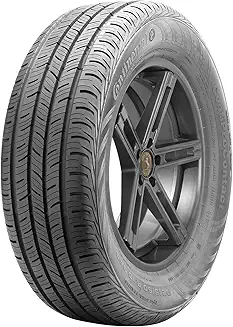
Continental ExtremeContact DWS06 Plus
Pros
- DWS treadwear indicators on the sidewall communicate which traction capabilities remain as the tire wears — Integra owners in mixed climates use this to time seasonal changeovers precisely rather than guessing
- SportPlus Technology measurably improves wet braking distance and hydroplaning resistance versus the original DWS06 — verified in The Drive’s four-season real-world test spanning multiple surface types
- Available in both 215/50R17 and 235/40ZR18 in a single product family — covers base and A-Spec through Type S without switching brands
Cons
- Sidewall lateral stiffness is softer than summer-compound tires — Integra Type S owners who drive aggressively note reduced steering precision compared to the Michelin Pilot Sport 4S, particularly in high-speed cornering
- Front tires wear faster than rears on the Integra’s FWD layout without strict 5,000-mile rotation adherence — some forum members report uneven wear appearing at 15,000 miles on skipped rotations
Michelin Pilot Sport 4S
Pros
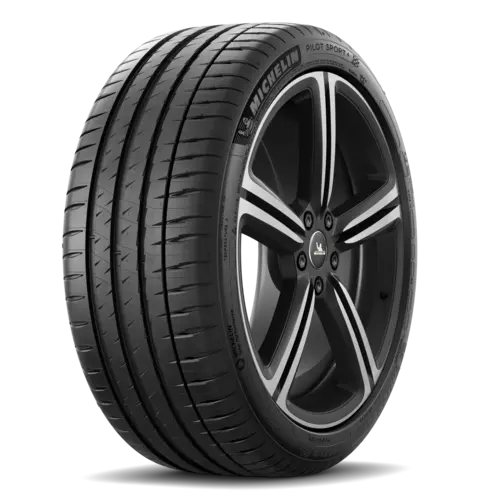
- Dual-compound tread — stiffer racing-derived inner zone for dry cornering, flexible silica-rich outer zone for wet grip — delivers measurably shorter braking distances in both conditions versus all-season alternatives
- Tire Rack reviewers who installed it on the 2024 Integra A-Spec describe noticeably shorter dry braking distances and more immediate turn-in response compared to the OEM tires
- Comfortable enough for highway commuting despite its max-performance classification — ride harshness is far less than track-focused alternatives at the same grip level
Cons
- Summer-only compound hardening below 45°F creates a genuine front-axle traction risk on an FWD Integra in cold weather — not just a handling degradation, but a safety concern during cold rain
- Rear tread wear accelerates with aggressive driving — Type S owners who use launch control or push hard in corners regularly report faster shoulder wear than the tire’s UTQG rating implies
Michelin Pilot Sport All Season 4
Pros
- Michelin’s own controlled testing shows 4% better dry braking, 5% better wet braking, and 10% better snow traction than its predecessor — meaningful incremental improvements across the entire performance envelope
- Race-inspired maximum-silica tread compound delivers the most communicative steering feel of any all-season tire in this comparison — Michelin reviewer data confirms this as the most cited strength
- 29% better tread life than leading competitors per Michelin’s internal data — a meaningful cost-per-mile advantage for Integra owners who drive 15,000+ miles per year
Cons
- Higher price than the Continental ExtremeContact DWS06 Plus in matching sizes — the premium is $30–$50 per tire, which adds up to $120–$200 more per full set of four
- Rear tread wear under spirited use receives mixed feedback from some owners — particularly on the Integra’s FWD layout where rear tires see less braking load and can wear unevenly without rotation
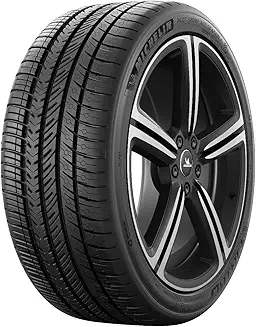
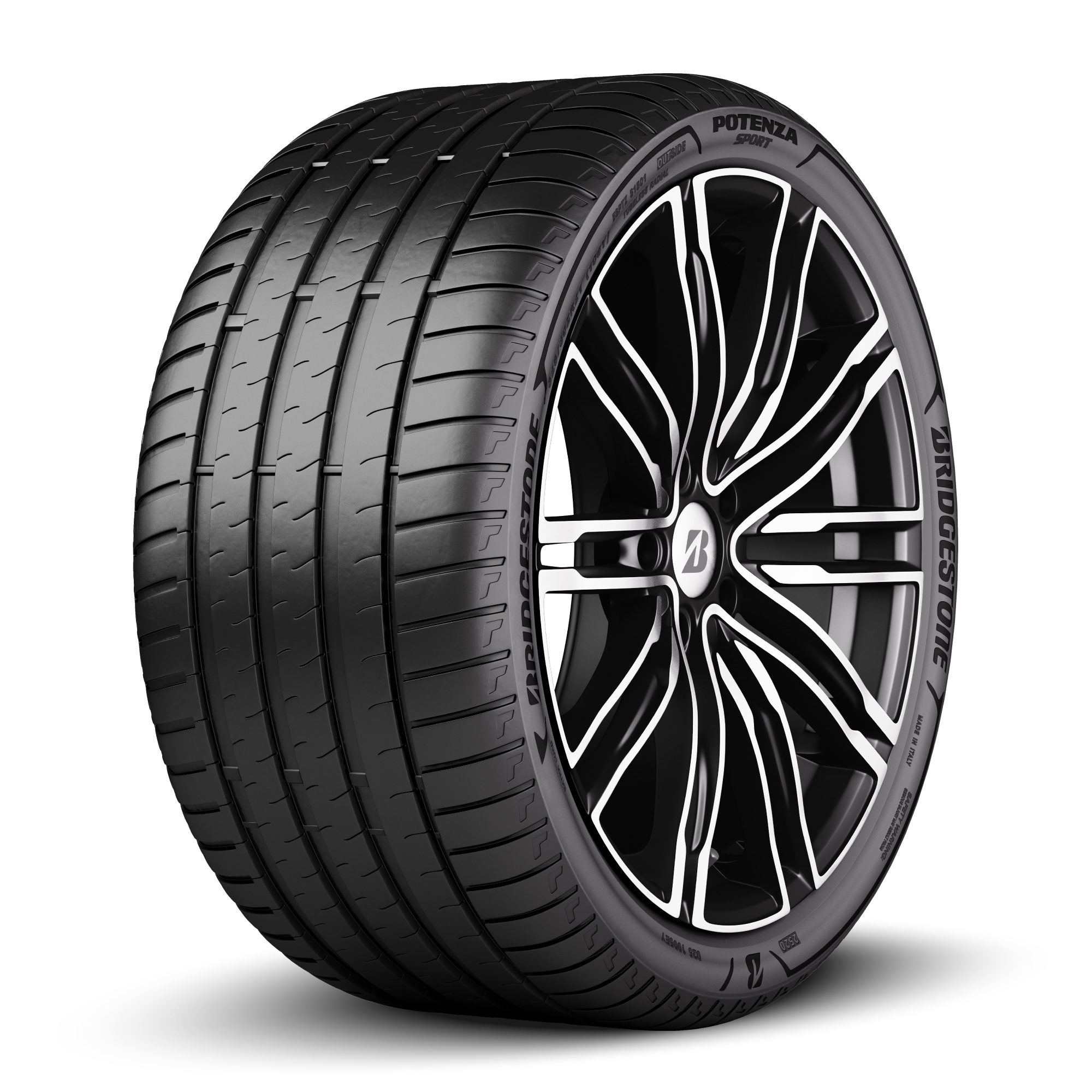
Bridgestone Potenza Sport
Pros
- Strong value versus the Michelin Pilot Sport 4S — typically $30–$50 per tire cheaper in the 235/40ZR18 size while delivering comparable dry braking performance in Tyre Reviews comparative testing
- Excellent hydroplaning resistance from deep water-evacuation channels — meaningful safety advantage for the Integra’s FWD layout where front-axle aquaplaning leads directly to steering loss
- Grip consistency maintained throughout the tire’s service life — owners report the feel at 20,000 miles is close to what they experienced when new, which is uncommon in the performance category
Cons
- Road noise is noticeably higher than the Michelin or Continental alternatives — on the Integra’s otherwise refined cabin, this becomes a daily commute irritant that some owners underestimate before purchase
- Summer-only compound drops grip significantly below 45°F — requires a winter tire plan or the same cold-weather traction risk that applies to all summer tires on a front-wheel-drive car
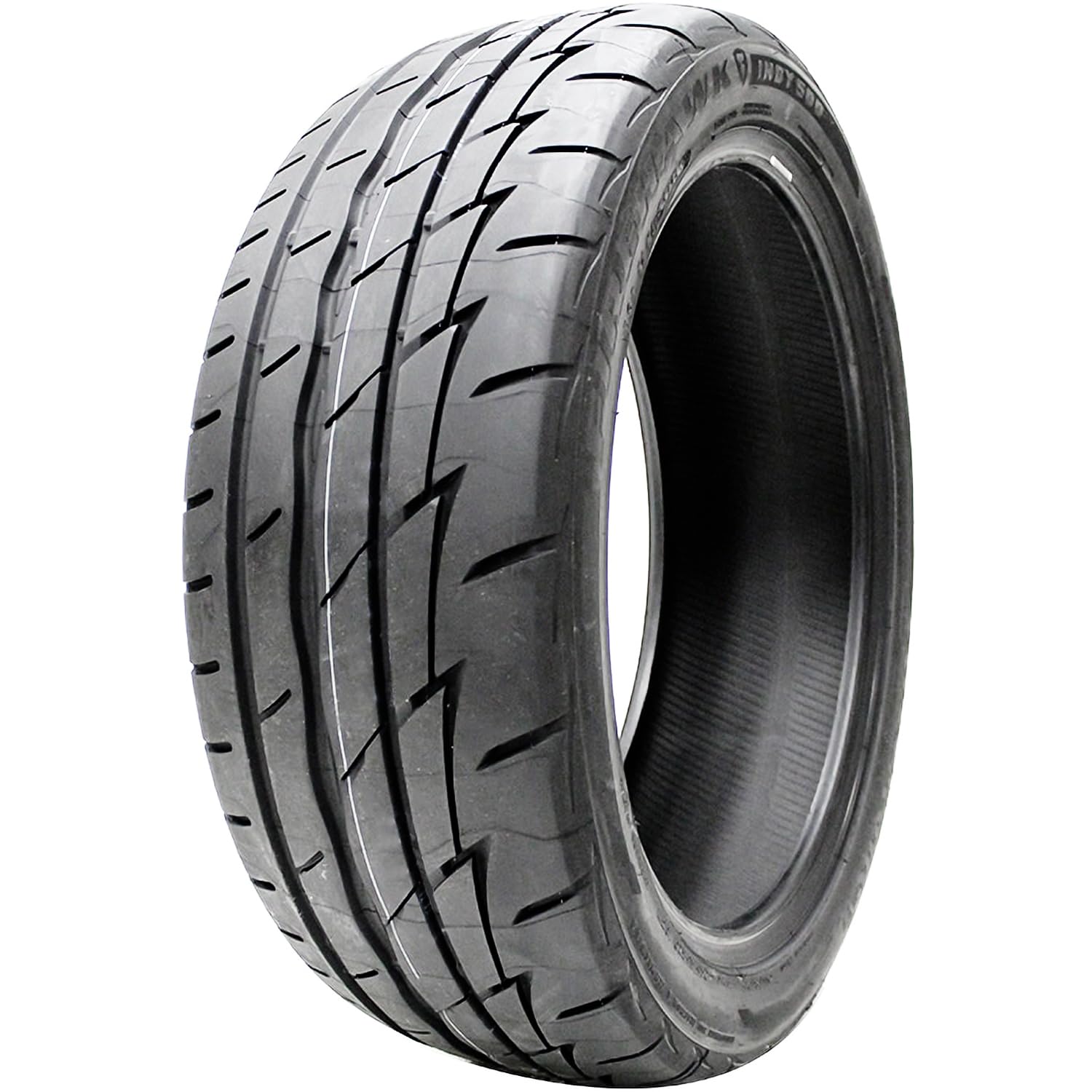
Firestone Firehawk Indy 500
Pros
- The Drive tested it on a track application and described strong braking and cornering capability — unusually high praise for a tire at this price point that competitive testing rarely validates this thoroughly
- Available in both 215/50R17 and 235/40ZR18 Integra sizes — covers both trim tiers with a single purchase decision at a price $80–$120 per tire less than Michelin alternatives
- 2026 V2 update specifically addressed the wet traction shortfall that held the original version back — The Drive reported measurable wet-road improvement in their comparison test of the new version
Cons
- Wet performance still below Michelin and Continental alternatives even with the V2 update — on an FWD Integra where front-axle traction in rain directly determines steering response, this gap is consequential
- Tread life is shorter than premium competitors under spirited driving — owners who push the car regularly report needing replacement sooner than the tire’s positioning as a “performance value” implies
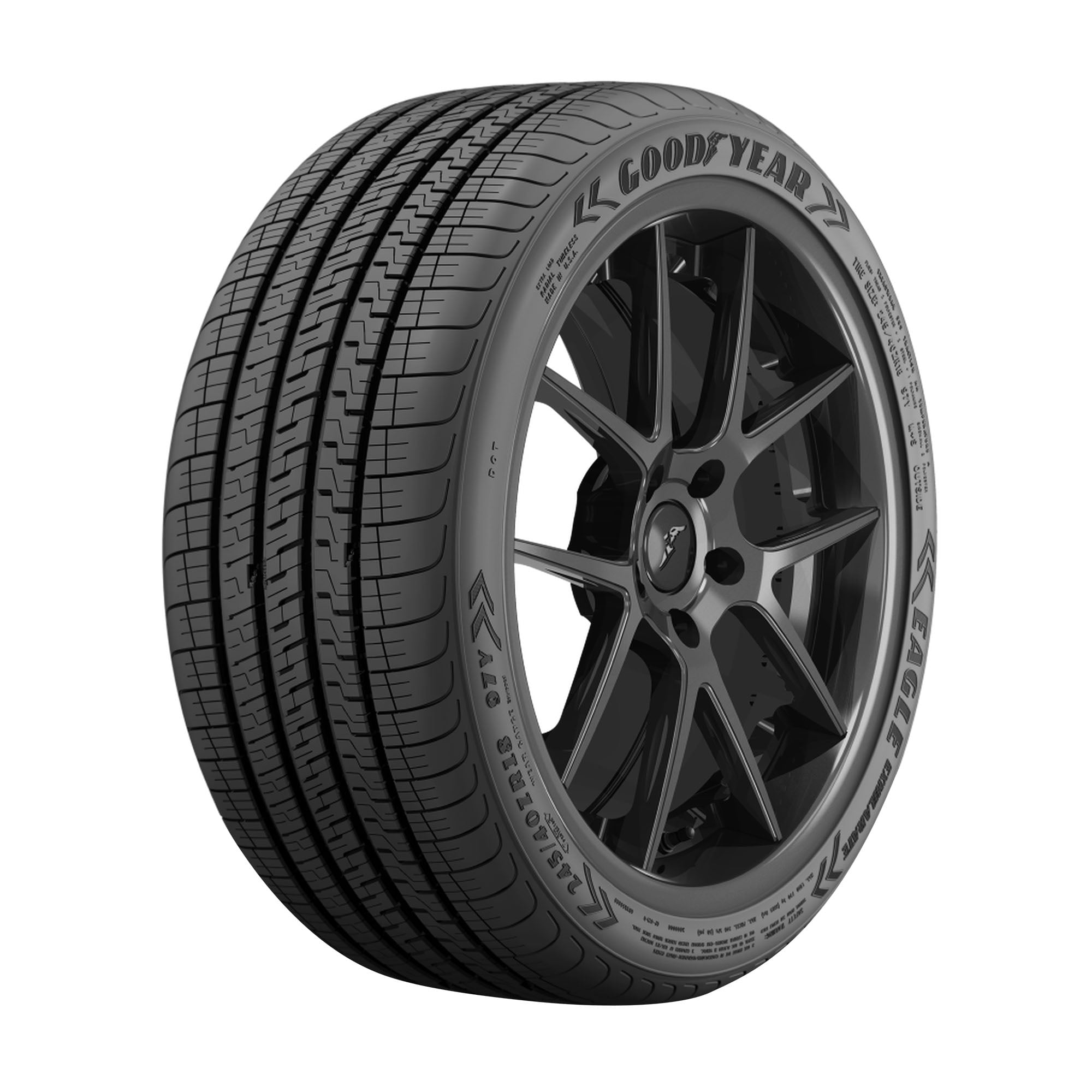
Goodyear Eagle Exhilarate
Pros
- ActiveGrip Technology distributes contact pressure evenly across the footprint — the mechanism that delivers both the quiet ride and the braking consistency that Tire Rack buyers cite as its strongest quality
- ActiveBraking Technology increases contact patch during hard stops — translates to shorter wet and dry braking distances than the quiet ride character might suggest
- Available in both 215/50R17 and 235/40ZR18 — covers the full Integra trim range from base to Elite A-Spec in a single product
Cons
- Road noise increases noticeably after 20,000 miles — one of the most consistent complaints in Tyre Reviews data, meaning the quiet ride that makes it attractive degrades over the tire’s service life
- Ice and packed-snow traction is below average even among all-season tires — Integra owners in northern states should treat this as a three-season tire rather than a true four-season solution
???? Can’t Decide?
Our Top 2 Picks — Head to Head
Both are excellent. Here’s how to choose between them.
- Year-round usability including light snow — the only choice here that avoids a cold-weather traction risk on the Integra’s FWD layout
- Available in both 215/50R17 and 235/40ZR18 — covers every Integra trim from base to Type S
- DWS treadwear indicators provide transparent remaining capability signals in each condition type
- Higher overall score at 4.8 — the best-performing tire in this comparison across dry and wet conditions
- Dual-compound tread delivers racing-derived dry grip alongside silica-enhanced wet traction in a single construction
- Integra Type S owners specifically cite it as the tire that most completely reveals the car’s handling capability
How to Choose the Right Tires for Your Acura Integra
Six factors specific to the 2023–2026 Integra — covering the two-size split, FWD wear patterns, UTQG math, and what most buyers overlook.
Two Different OEM Sizes
The 2023–2026 Integra uses 215/50R17 on base and A-Spec trims, and 235/40ZR18 on the A-Spec Technology, Elite A-Spec, and Type S. These sizes are not interchangeable — 18-inch tires don’t fit 17-inch wheels and vice versa. Always confirm your specific trim’s size from the driver’s door jamb sticker before ordering. Getting this wrong means a return shipment or a tire shop that can’t install.
Summer Tires and FWD Cold-Weather Risk
Summer tires harden below 45°F (7°C) and lose traction before visible ice or snow appears. On the Integra’s front-wheel-drive layout, this means the front axle — which provides both steering and braking — loses grip first. Cold autumn mornings regularly catch Integra owners off guard with summer tires still fitted. If you drive in temperatures that drop seasonally, choose an all-season or maintain a winter set.
FWD Front Tire Wear
The Integra’s front-wheel-drive layout puts braking, acceleration, and steering loads all on the front axle. Front tires wear faster than rears — typically 1.5–2x faster on FWD cars versus RWD. Most treadwear warranties require rotation every 5,000–7,500 miles to remain valid. Missing even two rotation intervals can create uneven wear patterns that can’t be corrected after they develop.
UTQG and Real Cost Per Mile
A tire rated UTQG 400 wears roughly twice as slowly as one rated 200 under equivalent conditions. For Integra owners who drive 15,000–20,000 miles per year, this doubles the replacement interval and halves the annual tire cost. Before comparing sticker prices, calculate price divided by UTQG rating to estimate relative cost per mile — a $200 tire rated 400 is cheaper per mile than a $120 tire rated 180.
Speed Rating for Integra Type S
The Integra Type S specifies a minimum W speed rating (270 km/h / 168 mph) for its 235/40ZR18 fitment. Standard H-rated tires (210 km/h) are structurally under-spec for the Type S’s performance envelope. All six tires in this comparison are W-rated or higher in the 235/40ZR18 size — but if you’re comparing alternatives not listed here, verify the speed rating before purchasing.
Alignment Timing
Fitting new performance tires on a misaligned Integra creates inner-edge wear within 8,000–12,000 miles — the most common complaint pattern across Integra forum tire threads. An alignment check costs $80–$120 at most shops and should be booked alongside every tire installation. Integra front toe settings can drift from pothole impacts or track-day use faster than on softer-suspension vehicles.
✅ Pro Tips
Quick Buying Checklist for Acura Integra Tires
Check the door jamb sticker for your exact tire size. Base and A-Spec Integras use 215/50R17; A-Spec Technology, Elite A-Spec, and Type S use 235/40ZR18. Searching by trim name instead of size is the most common ordering mistake on this car.
Rotate every 5,000 miles on the Integra — not 7,500. FWD puts all braking and steering load on the front axle. Front tires wear significantly faster than rears, and skipping rotations voids most treadwear warranties before you reach the mileage target.
Book a four-wheel alignment check at every tire installation. Integra front toe settings drift from potholes and spirited driving. Misalignment creates inner-edge wear within 10,000 miles on new performance tires — visible as a feathered or scalloped edge on the front tires.
If you buy summer tires, set a calendar alert for mid-October. Summer compounds on an FWD Integra below 45°F reduce front-axle grip before any visible weather event. Most owners who experience cold-weather traction issues report being surprised by morning temperatures they didn’t anticipate.
Frequently Asked Questions
What are the best tires for Acura Integra for daily driving?
The Continental ExtremeContact DWS06 Plus or Michelin Pilot Sport All Season 4 are the best daily driving choices for the Acura Integra. Both handle wet roads well, perform reliably in cold weather, and last longer than most UHP competitors. They maintain the Integra’s responsive handling feel without requiring a seasonal swap or limiting you to dry-weather driving.
Which tire size fits the Acura Integra?
The base and A-Spec trims use 215/50R17 tires. The A-Spec Technology Package, Elite A-Spec, and Type S variants use 235/40ZR18 tires. Check the driver’s door jamb sticker to confirm your vehicle’s specific size before purchasing — searching by trim name instead of actual wheel size is the most common ordering mistake on this car.
How long do tires last on an Acura Integra?
Most UHP all-season tires last 40,000 to 50,000 miles on a properly maintained Integra with rotation every 5,000 miles. Summer performance tires like the Michelin Pilot Sport 4S typically last 25,000 to 35,000 miles depending on driving intensity. The Integra’s FWD layout accelerates front tire wear — skipped rotations reduce these estimates significantly.
Are aftermarket tires safe for the Acura Integra?
Yes, aftermarket tires are safe when purchased in the correct size from reputable manufacturers. Acura’s factory tires are not uniquely engineered for the platform. Standard passenger car tires in the correct size and speed rating perform safely. Always match or exceed the factory speed rating — minimum V for base trims, W for the Type S — before making a final selection.
Is the Michelin Pilot Sport 4S worth the extra cost for the Acura Integra?
For Type S and Elite A-Spec owners who drive enthusiastically in warm climates, yes. The PS4S delivers measurably shorter braking distances and sharper turn-in response than all-season alternatives. However, it requires a winter tire set in cold climates, which adds total ownership cost. For mixed-climate daily driving, an all-season tire typically provides better overall annual value.
Can I use all-season tires on the Acura Integra Type S?
Yes — the Type S uses 235/40ZR18 tires, and the Continental DWS06 Plus and Michelin Pilot Sport All Season 4 are both available in that size. The Type S’s performance capabilities are better matched by a summer tire during warm months, but all-season tires are safe, legal, and practical for owners who drive year-round and prefer not to manage two sets.
How difficult is it to install new tires on an Acura Integra?
Tire mounting and balancing requires professional equipment and cannot be done at home without a tire machine and balancer. Most tire shops complete a four-tire mount and balance in under an hour. Budget approximately $80 to $120 total for installation costs on top of the tire purchase price. Book an alignment check at the same appointment to maximize your new tires’ service life.
???? Final Verdict
Our Top Acura Integra Tire Recommendations — 2026
The Continental ExtremeContact DWS06 Plus earns the top overall position because it fits every Integra trim, handles the FWD platform’s wet-road demands with class-leading traction, and comes backed by a treadwear advantage that makes it genuinely cost-effective over three to four years of ownership. Type S and Elite A-Spec owners who want the car’s chassis to reach its full performance ceiling should step up to the Michelin Pilot Sport 4S — the dual-compound construction and BMW/Porsche OEM-level dry grip justify the price premium for drivers who use the car enthusiastically. Budget buyers sorting a new Integra build should start with the Firestone Firehawk Indy 500 V2, which delivers validated track-day dry grip while leaving budget for the suspension and alignment work that makes the bigger difference at this stage.