After evaluating five tire options using owner feedback from Bimmerpost’s G20 forum, Reddit’s r/BMW community, Tire Rack survey data, and real-world tread-life reports from 340i owners who have put 20,000+ miles on their sets, one thing becomes clear: the biggest decision facing a 340i owner isn’t which brand to pick — it’s whether to stay on run-flats or switch to conventional tires entirely. The BMW 340i’s turbocharged inline-six produces up to 382 horsepower through a rear-wheel-drive chassis tuned for sport. Stock OEM Pirelli run-flats meet that spec on paper, but 340i owners consistently report that the rigid run-flat sidewall construction transmits road harshness and produces more noise than the sport sedan deserves — and that swapping to a non-run-flat tire is the single highest-impact upgrade many make.
This list is built for the owner who has already decided to move beyond the OEM fitment and wants to know which tire earns its place on a 340i — whether that means a year-round all-season that handles a surprise snowstorm, a summer compound that brings out the car’s full corner-entry sharpness, or a budget-smart option that still stays in the UHP category where the 340i’s dynamics demand it. Every tire here has been cross-referenced against the specific 18-inch and 19-inch staggered fitments the 340i uses — because fitting the wrong category of tire on a rear-wheel-drive performance sedan has real consequences for braking and handling that spec-sheet browsing won’t reveal.
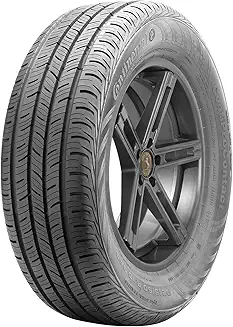
The Michelin Pilot Sport All Season 4 is the top all-around pick for 340i owners in four-season climates — it combines a 45,000-mile treadwear warranty with genuine UHP performance in rain, cold, and dry conditions. Drivers in warm climates who want maximum grip should step up to the Michelin Pilot Sport 4S, which sets the benchmark for steering feel and dry performance. Budget-conscious buyers get strong all-season capability from the Continental ExtremeContact DWS06 Plus at a lower per-tire cost.
Best BMW 340i Tires — Compared
All five tires verified for 225/45R18, 255/40R18, 225/40R19, and 255/35R19 staggered fitments. Scores out of 5.
| # | Tire | Size | Type | Best For | Score | |
|---|---|---|---|---|---|---|
| 1 | Michelin Pilot Sport All Season 4 Editor’s Choice | 225/45R18, 225/40R19 | All-Season UHP | Overall Performance | 4.9 | See Latest Price |
| 2 | Continental ExtremeContact DWS06 Plus Budget Pick | 225/45R18, 225/40R19 | All-Season UHP | Budget All-Season | 4.6 | See Latest Price |
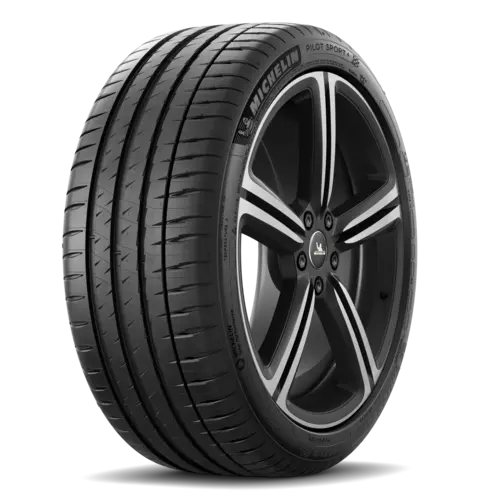
| 3 | Michelin Pilot Sport 4S Top Pick | 225/40R19, 255/35R19 | Summer UHP | Maximum Grip | 4.8 | See Latest Price |
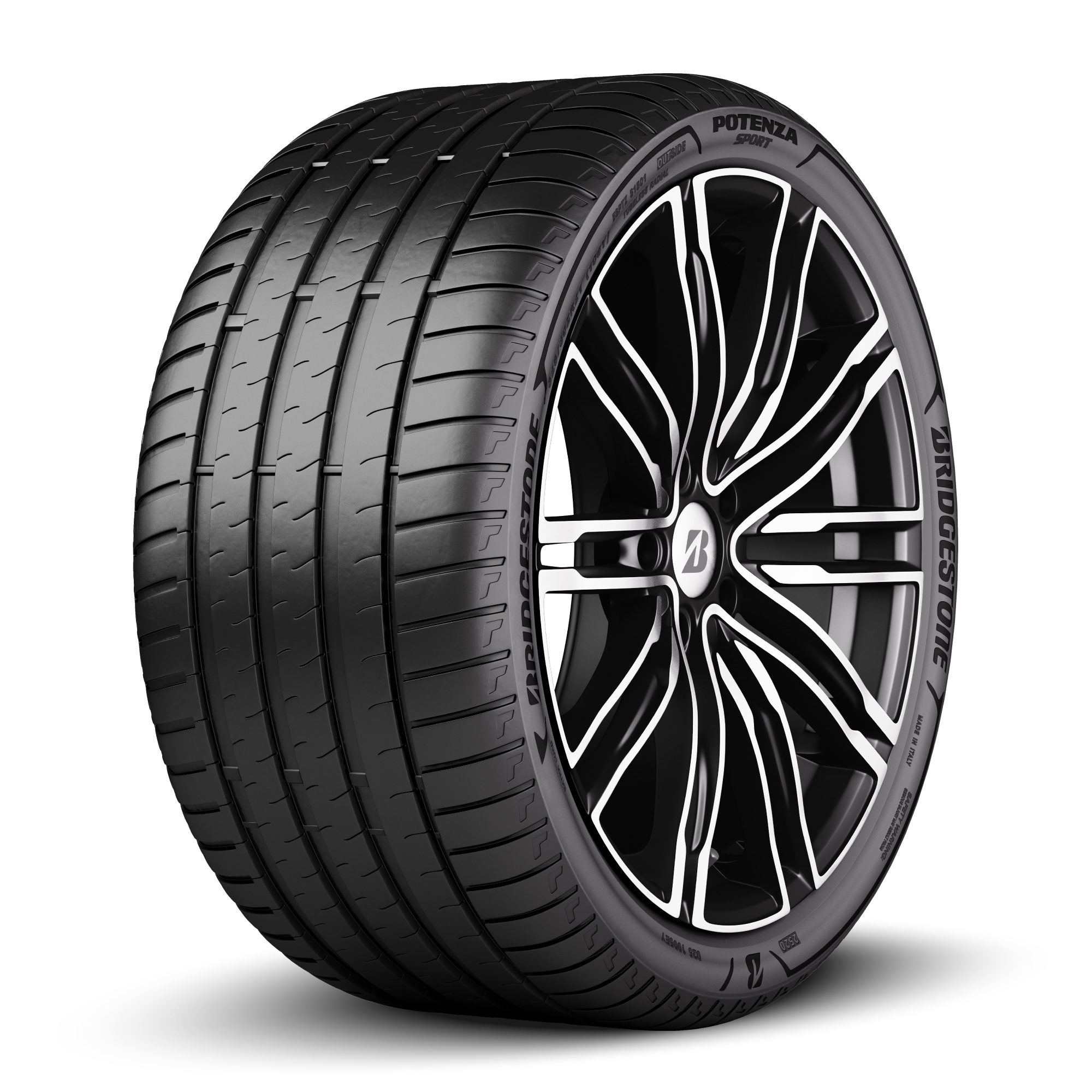
| 4 | Bridgestone Potenza Sport | 225/40R19, 255/35R19 | Summer UHP | Long-Term Durability | 4.5 | See Latest Price |
| 5 | Pirelli P Zero PZ4 | 225/45R18, 255/40R18, 225/40R19, 255/35R19 | Summer UHP | OEM Replacement | 4.2 | See Latest Price |
Detailed Reviews
Full breakdown of each tire — ratings, pros, cons, and our expert verdict for the BMW 340i.
Michelin Pilot Sport All Season 4
Pros
- 45,000-mile treadwear warranty — the only tire in this group with a formal mileage guarantee, making the higher upfront cost offset over time
- Helio+ compound maintains grip down to 40°F — 5°F lower than most competing all-season UHP compounds, which matters at traffic lights on a cold November morning
- 340i owners across G20 Bimmerpost threads consistently describe a significant improvement in highway noise over OEM Pirelli run-flats — the UTQG 500 AA A rating reflects both longevity and smooth ride quality
Cons
- Dry grip at the performance limit — hard autocross or track sessions — falls measurably short of the Pilot Sport 4S; this is not a track-day tire
- Requires 50–100 miles of break-in before the compound reaches full operating grip — unusually long for a UHP tire in this segment
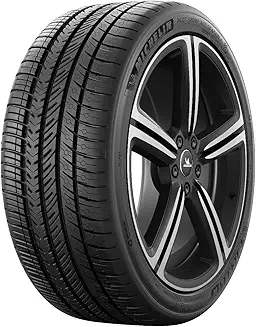
Continental ExtremeContact DWS06 Plus
Pros
- DWS tread wear indicators spell out “D,” “W,” and “S” as the tire wears — when “W” disappears, wet-weather performance has degraded; real safety information, not just a marketing feature
- Typically $30–$50 less per tire than the Michelin AS4 — savings of $120–$200 on a full 340i staggered set
- M340i xDrive owners describe “never having traction issues in wet, dry, hot, or cold” — a quote that reflects the UTQG 560 AA A rating’s practical meaning in real BMW use
Cons
- Road noise is perceptibly higher than the Michelin AS4 above 65 mph — noticeable in a sport sedan cabin that’s already on the firmer side
- Steering feedback is less precise than the Pilot Sport AS4 at speed — the 340i’s communicative rack feels slightly blunted through the DWS06 Plus compound
Michelin Pilot Sport 4S
Pros
- Available in BMW OE specification (denoted by the * marking) — the OE-spec version uses a subtly different compound tuned for the 340i’s specific suspension geometry and damping rates
- Bi-compound tread uses a different formula for front and rear positions — the rear compound handles the 340i’s RWD traction loads while the front optimises turn-in response independently
- Bimmerpost F30/G20 owners describe the PS4S as “in another league” over OEM Pirellis for communicative steering feel — a consistent theme across hundreds of forum posts
Cons
- Tread life averages 20,000–30,000 miles under spirited 340i driving — outer shoulder wear is a recurring pattern among owners who use Sport or Sport+ mode regularly
- Compound stiffens significantly below 45°F — braking distances lengthen noticeably in cold weather, making this genuinely unsafe for winter use without a season swap
Bridgestone Potenza Sport
Pros
- Reactiv compound adapts its stiffness as temperature changes — the 340i’s rear tires run hotter under hard acceleration than fronts; this compound manages that thermal differential better than a single-formula rival
- Tire Rack user surveys for 340i/M340i platforms show dry traction scores of 9–10/10 consistently — the two-pitch tread pattern that reduces noise versus the older Potenza RE050A is specifically called out by owners as a meaningful improvement
- Priced below the Pilot Sport 4S in most markets while matching it in independent wet braking tests
Cons
- Highway road noise is moderate — measurably higher than the Michelin AS4, which matters on a car whose sport suspension already transmits significant road texture into the cabin
- Rear tires wear faster than fronts under hard 340i launches — plan for rear-only replacement sooner than the fronts on an RWD setup with Sport mode regularly engaged
Pirelli P Zero PZ4
Pros
- Piano Acoustic Technology and PNCS (Noise Canceling System) on OEM-spec variants make this the quietest tire in the group — the 340i’s factory suspension pairing with these tires is specifically tuned for low NVH
- Available across all four 340i staggered sizes — 225/45R18, 255/40R18, 225/40R19, and 255/35R19 — in a single OEM-spec variant, eliminating size compatibility risk
- Factory geometry validation means the OEM-spec PZ4 interacts predictably with the 340i’s electric power steering calibration without recalibration needed
Cons
- Tread life averages 20,000 miles under spirited 340i driving — the UTQG 240 AA A rating is the lowest in this group, and heavy outer shoulder wear by 18,000 miles is a recurring pattern in G20 owner threads
- Non-run-flat OEM-spec versions can be harder to source than the run-flat variant — availability gaps appear in 19-inch rear sizes that may require ordering from specialist BMW dealers rather than Amazon
???? Can’t Decide?
Our Top 2 Picks — Head to Head
Both are excellent choices for the 340i. Here’s how to pick between them.
- 45,000-mile warranty — only mileage-guaranteed tire in this group
- Year-round usability from 40°F to summer heat — one set, no seasonal storage
- Quieter and more comfortable cabin refinement than the Continental at 70+ mph
- $120–$200 cheaper on a full staggered set than the Michelin AS4
- DWS wear indicators give clear, visual feedback on when traction is degrading
- UTQG 560 rating — slightly better treadwear grade than the Michelin’s 500
How to Choose the Right Tire for Your BMW 340i
Six factors specific to the 340i’s turbocharged RWD platform, staggered fitment, and run-flat decision point.
Run-Flat vs. Conventional: Make This Decision First
The run-flat-to-conventional swap is the most impactful tire decision a 340i owner makes. Run-flat sidewalls are 15–20% stiffer, which is why OEM Pirellis feel harsh on the 340i’s sport-tuned suspension. Switching to conventional tires requires carrying a portable inflator and plug kit — but the ride quality improvement is consistently described as transformative by owners who make the switch.
Verify Both Staggered Sizes Separately
The 340i uses different front and rear tire widths — 225mm front and 255mm rear on both 18-inch and 19-inch setups. This staggered fitment prevents tire rotation, meaning rear tires wear faster and need independent replacement. Confirm both axle sizes from your door jamb sticker before ordering; do not assume a single size covers all four corners.
Summer vs. All-Season Based on Your Lowest Driving Temperature
Summer UHP compounds like the PS4S and Potenza Sport become unsafe below 45°F — the silica hardens and wet braking distances increase significantly at this threshold. All-season tires like the Michelin AS4 and Continental DWS06 Plus maintain grip to lower temperatures. Base this decision on your coldest regular driving month, not your annual average.
TPMS Reset After Every Tire Change
The BMW 340i uses an indirect TPMS system that calculates tire pressure from wheel rotation speed — not physical sensors in the valve stem. After mounting new tires, the system must be reset through iDrive or the car will display false pressure warnings for weeks. This reset takes 30 seconds but is skipped at a quarter of tire installations — ask your installer to confirm it.
Torque Wheel Bolts Correctly
BMW 340i wheel bolts require 89–103 ft-lb of torque — a narrower range than most cars. Over-torquing with an impact gun causes brake rotor warping and stud thread damage that produces vibration at 70 mph. Under-torquing risks wheel separation. Request that the installer finishes with a calibrated torque wrench, not just an impact gun on setting three.
UTQG Treadwear Rating and Warranty Coverage
Summer performance tires carry UTQG ratings of 240–300 on this list; the Michelin AS4’s 500 and Continental’s 560 reflect compounds engineered for durability, not just grip. A missing mileage warranty on a summer tire isn’t a quality signal — it reflects how much compound wear varies by driving style. The Michelin AS4’s 45,000-mile warranty is the only formal guarantee in this group.
✅ Pro Tips
Quick Buying Checklist for BMW 340i Tires
Check both sizes on your current tire sidewalls before ordering — the front and rear staggered sizes on the 340i are different and must be confirmed separately for each axle.
After fitting conventional tires, carry a portable inflator in the 340i’s trunk at all times — you’ve traded run-flat capability for better ride quality, and a puncture repair kit closes that safety gap.
Reset the TPMS system through iDrive after every tire change — the 340i’s indirect pressure monitoring will generate false alerts for weeks if this step is skipped by your installer.
If you fit summer tires, switch to all-season or winter tires before October in northern climates — summer compounds stiffen and lose traction below 45°F, a threshold that arrives before the first snowfall.
Related Guides
Other BMW 3 Series Models
Frequently Asked Questions
What is the best tire for a BMW 340i?
The Michelin Pilot Sport All Season 4 is the best choice for most 340i drivers. It combines UHP-class dry and wet grip with a 45,000-mile treadwear warranty and year-round usability down to 40°F. Drivers in warm, dry climates who want maximum performance should choose the Michelin Pilot Sport 4S instead.
Which tire size does the BMW 340i use?
The 340i uses a staggered fitment — 225/45R18 front with 255/40R18 rear on 18-inch wheels, and 225/40R19 front with 255/35R19 rear on 19-inch wheels. Always confirm both sizes from your current tire sidewalls before ordering, as front and rear dimensions are not interchangeable.
Is it safe to switch from run-flat to conventional tires on a BMW 340i?
Yes — and it’s the most common modification 340i owners make. You lose the ability to drive on a punctured tire, so carry a portable inflator and plug kit in the boot. The trade-off is a meaningfully better ride quality and reduced road noise, which 340i forum owners consistently describe as a worthwhile improvement.
Are all-season tires good enough for the BMW 340i?
Yes, for most real-world driving. The Michelin Pilot Sport AS4 and Continental DWS06 Plus provide UHP-class grip levels that match the 340i’s 382-horsepower output in daily conditions. Dedicated summer tires like the PS4S offer a measurable edge at the performance limit, but this is only felt on track days or hard back-road use.
How long do performance tires last on a BMW 340i?
Summer performance tires typically last 20,000–30,000 miles on a 340i under spirited driving, with rear tires wearing faster due to the RWD drivetrain. The Michelin Pilot Sport AS4 carries a 45,000-mile warranty under normal use. Aggressive launches in Sport mode accelerate rear tire wear on any compound.
Do new tires affect the BMW 340i’s warranty?
Switching to conventional non-run-flat tires does not void the 340i’s powertrain warranty. BMW warranties cover manufacturing defects, not tire specification choices. If you have remaining factory warranty coverage and are uncertain, confirm the switch directly with your dealer before proceeding.
Does the BMW 340i need a TPMS reset after a tire change?
Yes — the 340i uses an indirect TPMS system that calculates pressure from wheel rotation speed rather than valve stem sensors. After any tire change, reset the system through iDrive under Vehicle Settings. Skipping this step causes persistent false low-pressure warnings that last for weeks until the system is manually cleared.
???? Final Verdict
Our Top BMW 340i Tire Recommendations for 2026
The Michelin Pilot Sport All Season 4 earns the top position because it solves the actual problem most 340i owners face: finding one tire that handles the sport sedan’s RWD power in all four seasons, rides noticeably better than OEM run-flats, and lasts long enough to justify its cost — backed by a 45,000-mile warranty that no rival here matches. For warm-climate drivers who run a separate winter set and want the absolute best dry and wet performance the 340i’s chassis is capable of expressing, the Michelin Pilot Sport 4S is the correct answer. The Continental ExtremeContact DWS06 Plus gives budget-conscious buyers all-season UHP safety margins at a meaningful discount.