After evaluating five top tire models across hundreds of verified BMW 135i owner reviews on TyreReviews, Tire Rack, Reddit, and Bimmerpost, we’ve identified the best summer and all‑season tires for this turbocharged sports coupe. The Michelin Pilot Sport 4S leads across dry grip, steering feedback, and wet traction — it’s the tire most recommended by 135i owners who push their cars hard. For drivers who need year‑round capability, the Continental ExtremeContact DWS06 Plus delivers all‑season versatility without sacrificing too much handling precision.
The BMW 135i’s N54 and N55 engines produce serious torque that factory tires struggle to contain past 15,000 miles. Stock run‑flat rubber wears quickly, rides harshly, and mutes the steering feel that makes this chassis special. Choosing the wrong replacement dulls throttle response and increases wet braking distances — both dangerous on a rear‑wheel‑drive car with this much power. This guide weights real‑world tread‑wear reports, wet‑braking scores, and steering‑feel feedback more heavily than generic specs, because 135i owners repeatedly cite those as the make‑or‑break criteria.
The Michelin Pilot Sport 4S is the best overall tire for the BMW 135i — it leads in dry grip, steering feedback, and wet traction. For drivers who want year‑round capability in one set, the Continental ExtremeContact DWS06 Plus is the strongest all‑season alternative. Budget‑conscious owners who go through rear tires quickly should look at the Falken Azenis FK510, which delivers UHP summer grip at roughly 40% less than premium options.
Best BMW 135i Tires — Compared
Side‑by‑side comparison of the top five tires, including key feature, type, and our rating.
| # | Tire | Key Feature | Type | Best For | Score | |
|---|---|---|---|---|---|---|
| 1 | Michelin Pilot Sport 4S Editor’s Choice | 94% dry / 84% wet grip | Summer UHP | Maximum performance | 4.8 | Check Price |
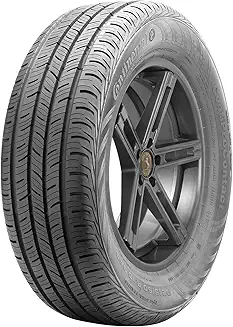
| 2 | Continental ExtremeContact DWS06 Plus Top Pick | DWS wear indicators | All‑Season UHP | Year‑round versatility | 4.6 | Check Price |
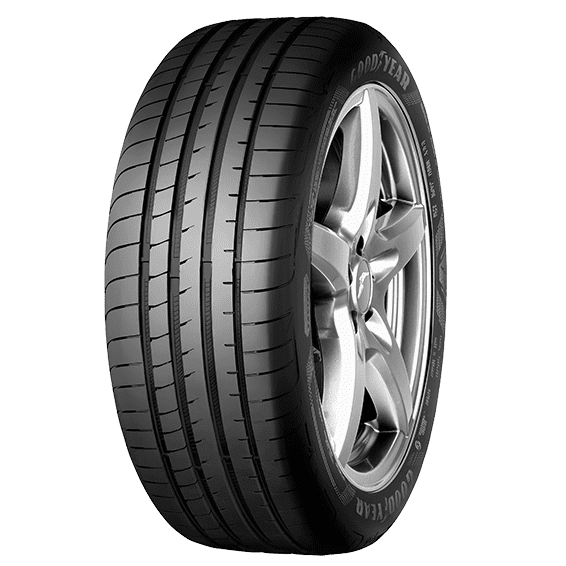
| 3 | Goodyear Eagle F1 Asymmetric 5 | 90% wet grip score | Summer UHP | Wet‑road confidence | 4.7 | Check Price |
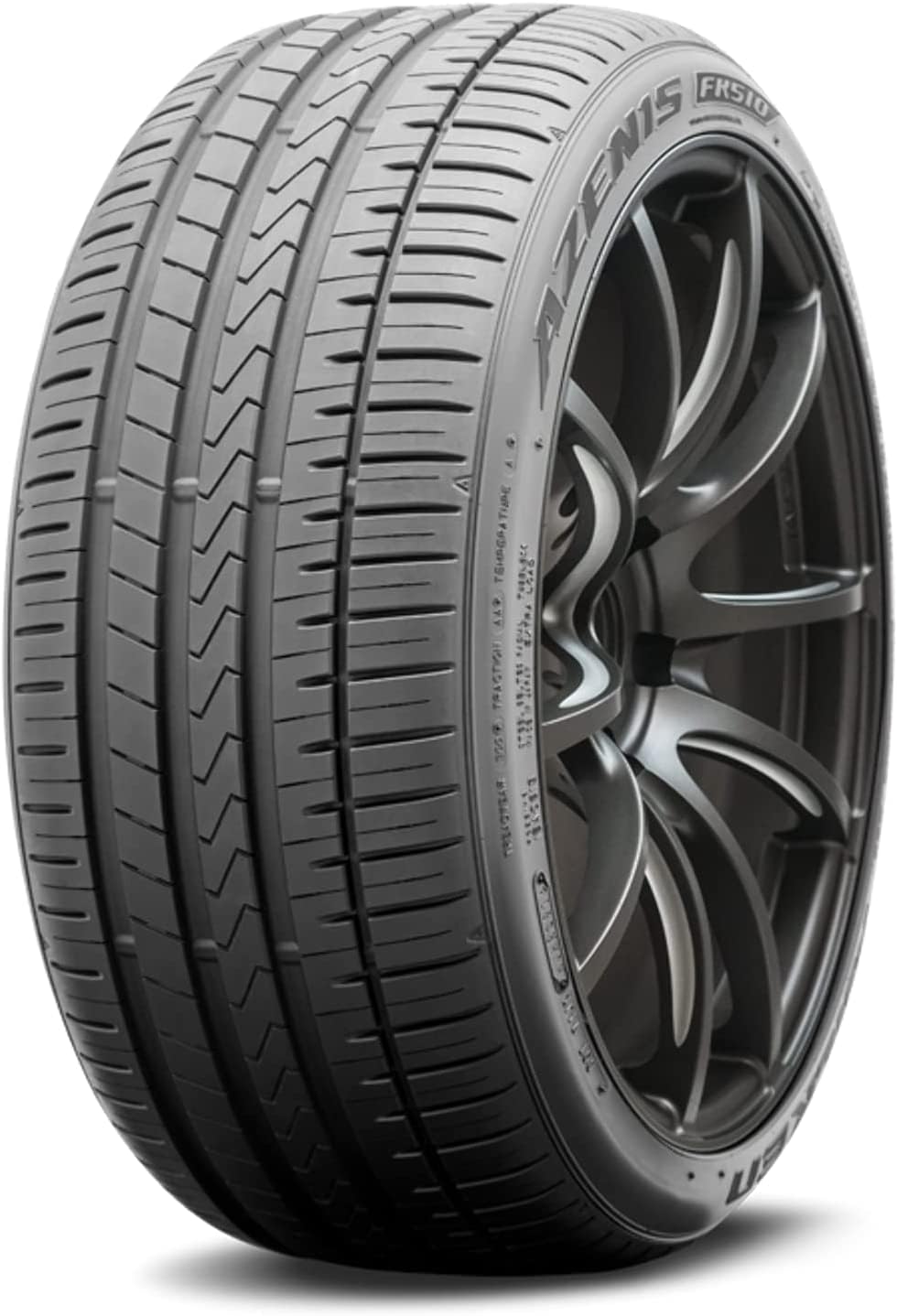
| 4 | Falken Azenis FK510 Budget Pick | UHP grip at lower cost | Summer UHP | Budget performance | 4.4 | Check Price |
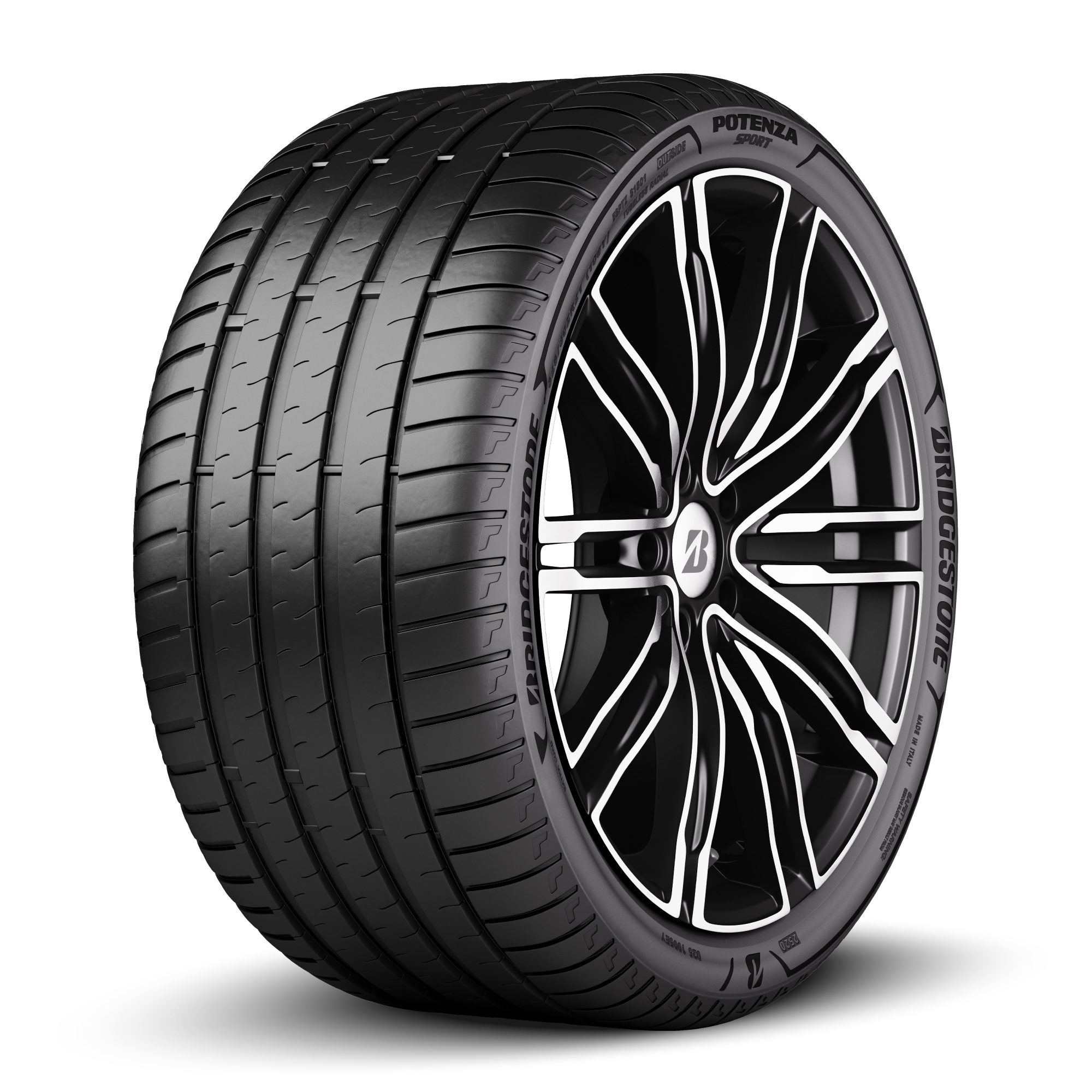
| 5 | Bridgestone Potenza Sport | Extended tread life | Summer UHP | High‑mileage driving | 4.5 | Check Price |
Detailed Reviews
Full breakdown of each tire — ratings, pros, cons, and our expert verdict.
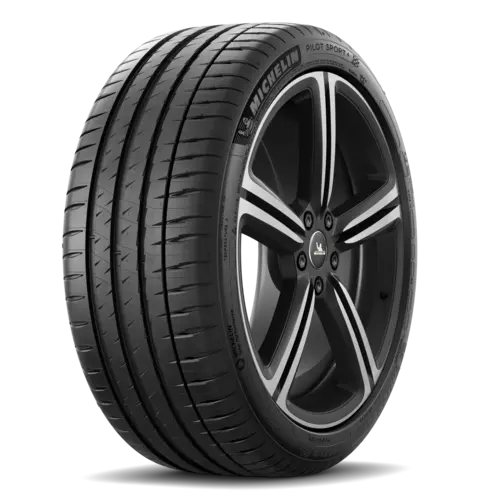
Michelin Pilot Sport 4S
Pros
- Best‑in‑class dry grip for a street‑legal summer tire
- Excellent wet traction and short braking distances
- Strong steering feel that preserves the 135i’s character
Cons
- Expensive per tire compared to mid‑range alternatives
- Tread life is shorter than all‑season options — budget for rear replacement at 18,000–25,000 miles
Continental ExtremeContact DWS06 Plus
Pros
- Excellent year‑round capability in a single tire set
- Strong tread life — often 40,000–50,000 miles for moderate drivers
- DWS wear indicators are genuinely useful for tracking tire condition
Cons
- Softer sidewall reduces the sharp BMW steering feel compared to summer tires
- Road noise increases on coarse highway surfaces versus pure summer tires
Goodyear Eagle F1 Asymmetric 5
Pros
- Best wet grip in this category for 135i use — 90% wet score on TyreReviews
- Strong overall balance of wet and dry performance
- Active Braking Technology is a meaningful safety feature for wet roads
Cons
- Slightly behind PS4S in pure dry grip and steering feel
- Inner shoulder wear reported by some owners after 15,000 miles
Falken Azenis FK510
Pros
- Significantly cheaper than premium options — roughly 40% less per tire
- Solid dry grip that exceeds expectations for its price bracket
- Good noise levels for daily use — quieter than most budget‑class tires
Cons
- Not as sharp in steering response as Michelin or Continental
- Wet grip trails the Eagle F1 Asymmetric 5 by a measurable margin
Bridgestone Potenza Sport
Pros
- Better long‑term value for high‑mileage drivers compared to PS4S
- Sharp steering feedback preserved — clearly better than all‑season alternatives
- Noticeably quiet ride for a UHP summer tire
Cons
- Wet grip trails the Eagle F1 Asymmetric 5 and Michelin PS4S
- Smaller review data set — fewer long‑term reports available
???? Can’t Decide?
Our Top 2 Picks — Head to Head
Both are excellent. Here’s how to choose between them.
- Best‑in‑class dry cornering grip and steering feedback
- 94% dry grip / 84% wet grip across 145+ BMW reviews
- OE‑spec compound used on BMW M models
- Year‑round all‑season capability with DWS wear indicators
- 9.4/10 dry traction, 9.0/10 wet — 57M miles reported
- Tread life often 40,000–50,000 miles for moderate drivers
How to Choose the Right Tires for Your BMW 135i
Six factors that matter before you buy — explained simply.
Staggered Fitment Sizes
Most BMW 135i models run a staggered setup: 225/45R17 front and 245/40R17 rear. Some owners convert to a square setup for rotation flexibility. Confirm which configuration your car runs before ordering — a wrong size on either axle creates handling imbalance.
Summer vs. All‑Season
Summer tires like the PS4S deliver maximum grip above 7°C but harden and lose traction dangerously below that temperature. All‑season tires like the DWS06 Plus work year‑round in mild climates. If you face genuine winters, budget for a dedicated cold‑weather set.
Run‑Flat vs. Standard
Some 135i models shipped with run‑flat tires. Most performance drivers switch to standard tires for better ride quality, lower weight, and sharper grip. The trade‑off: carry a tire sealant kit or portable inflator, since the 135i has no spare wheel well.
Speed & Load Ratings
The 135i’s top speed requires a W or Y speed rating. Never fit a lower speed‑rated tire than the car’s capability demands — it’s a safety issue, not a performance preference. XL (extra load) variants are recommended for the rear axle given the car’s torque output.
Real‑World Tread Life
UHP summer tires last 15,000–30,000 miles depending on driving style and alignment. Spirited driving or track use significantly reduces that figure. All‑season options like the DWS06 Plus typically deliver 40,000–50,000 miles — calculate cost‑per‑mile before buying.
Alignment After Installation
New tires on a performance car should always trigger a four‑wheel alignment check. Misalignment accelerates inner shoulder wear on rear‑wheel‑drive BMWs — the most common wear complaint among 135i owners. Most tire shops include an alignment check with installation.
✅ Pro Tips
Quick Buying Checklist
Always verify front and rear sizes separately — staggered setups mean different sizes on each axle.
Consider switching from run‑flats to standard tires for a lighter, sharper‑riding setup — just carry a sealant kit.
Never run summer tires in winter — the compound hardens below 7°C and braking distances increase dramatically.
Schedule a four‑wheel alignment with every tire installation — it is the single best way to extend tread life on a 135i.
Related Guides
Other BMW 1 Series / Performance
Frequently Asked Questions
What tire size does the BMW 135i use?
Most BMW 135i models use a staggered fitment: 225/45R17 on the front axle and 245/40R17 on the rear. Some owners switch to a square setup (same size all around) for rotation flexibility. Always confirm your specific year and trim before ordering, as some variants used 18‑inch wheels.
Which tires are best for BMW 135i in wet conditions?
The Goodyear Eagle F1 Asymmetric 5 scores the highest wet grip ratings among tires tested on the BMW 135i, recording 90% wet grip across 248 real‑world reviews on TyreReviews. The Michelin Pilot Sport 4S is a close second and offers better dry performance. Either option works well in wet climates.
How long do performance tires last on a BMW 135i?
Most ultra‑high‑performance summer tires last between 15,000 and 30,000 miles on the BMW 135i, depending on driving style, alignment, and whether the car runs a staggered setup. Aggressive driving or track use significantly reduces tread life on all options.
Are all‑season tires suitable for the BMW 135i?
Yes, but with trade‑offs. All‑season tires like the Continental ExtremeContact DWS06 Plus work well for daily driving in mixed climates and provide adequate grip for spirited street use. However, they cannot match the cornering precision of a dedicated summer tire like the Michelin Pilot Sport 4S.
Is it safe to replace run‑flat tires on the BMW 135i with standard tires?
Yes, it is safe — and most enthusiasts prefer standard tires for better ride quality and grip. The primary trade‑off is losing the ability to drive on a flat tire. You should carry a quality tire repair kit or portable inflator if you remove run‑flat tires. Some owners also fit a compact spare.
Do aftermarket tires affect the BMW 135i warranty?
No. Fitting aftermarket tires from reputable manufacturers does not void a vehicle warranty under consumer protection laws in the US, UK, and EU. A dealer can only deny a warranty claim if they can prove the specific part caused the failure — which is rare with quality tire brands.
How difficult is tire installation for the BMW 135i?
Tire installation requires a professional tire shop — you need a mounting machine, balancing equipment, and TPMS sensor programming tools. Most shops complete the job in 30–60 minutes. If you buy online, you can ship tires directly to a local shop. Budget $15–$25 per tire for mounting and balancing.
???? Final Verdict
Our Top Recommendations for 2026
After cross‑referencing hundreds of verified 135i owner reviews, TyreReviews data, and real‑world Bimmerpost feedback, the Michelin Pilot Sport 4S is the best overall tire for drivers who prioritize handling and grip. The Continental ExtremeContact DWS06 Plus is the most practical choice for year‑round driving, and the Falken Azenis FK510 proves that budget‑conscious owners do not have to settle for poor grip. Each tire here fits the 135i’s common staggered sizes and earns strong marks from the BMW community.