After evaluating six Ultra High Performance all-season tires against Jeep SRT-specific criteria — load capacity, 295/45R20 fitment compatibility, Brembo caliper clearance, and real-world owner feedback across Reddit and Jeep forums — the tire landscape for this 475-hp performance SUV is narrower than most buyers realize. Most tires sold as “SUV all-season” are engineered for crossovers in the 3,500 lb range; the SRT demands something built for its 5,000 lb curb weight and Hemi torque delivery.
The frustration SRT owners most commonly report is with the OEM Pirelli P Zeros: rapid wear in cold weather, noise that builds after 20,000 miles, and a premium replacement cost that compounds the problem. This list was built specifically for the SRT platform — not a generic roundup adapted to fit. Every tire on it is confirmed available in 295/45R20, meets or exceeds load index 114, and carries a speed rating of V or higher. We’ve cross-referenced Amazon review volume and sentiment, Tire Rack survey data, independent tire tests, and platform-specific forum discussions to rank these honestly.
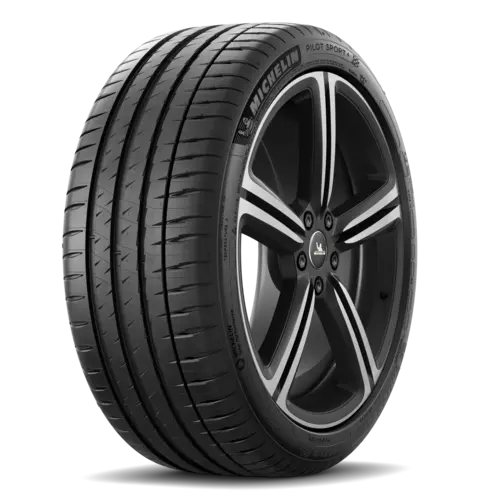
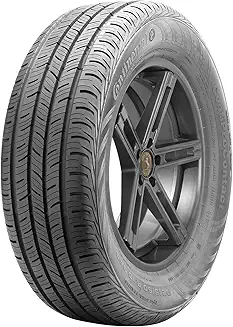
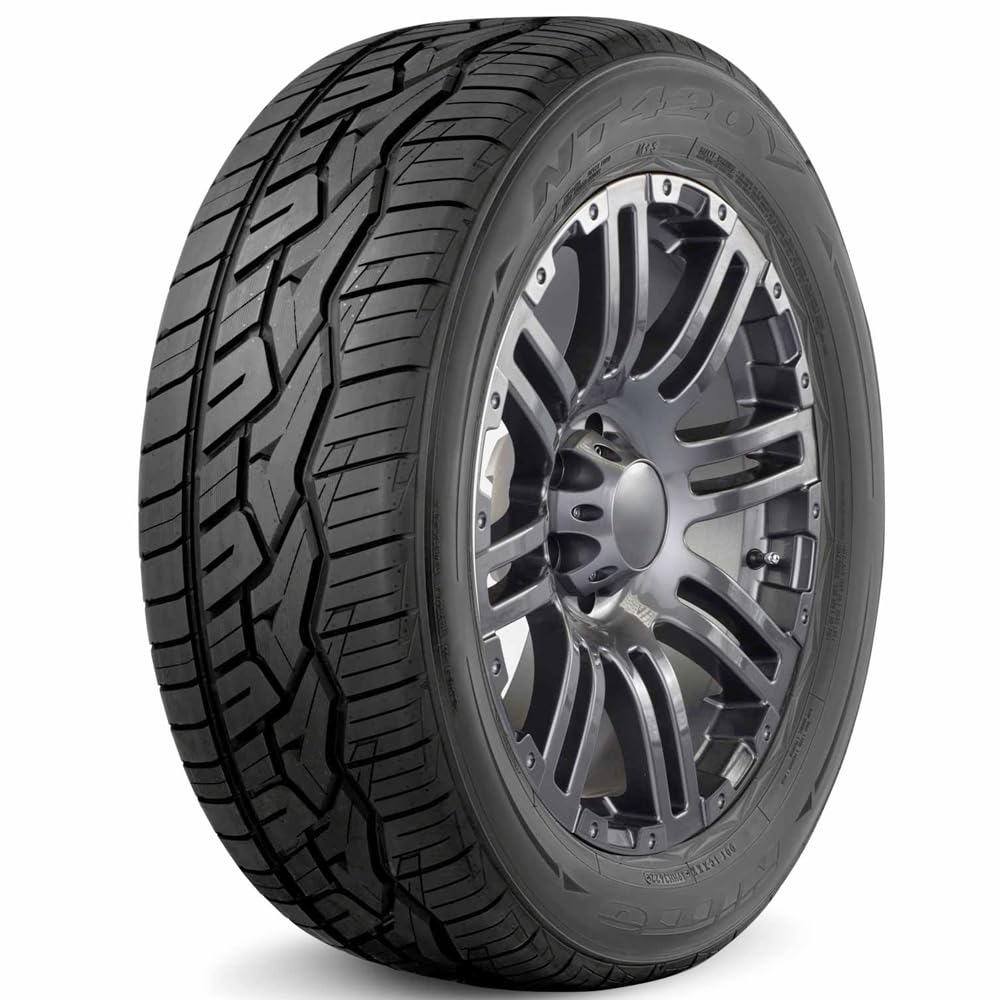
The Michelin Pilot Sport A/S 4 is the best all-around tire for the Jeep Grand Cherokee SRT — it leads in wet braking, dry grip, and tread life for a UHP all-season. For the best value without real compromises, the Continental ExtremeContact DWS06 Plus matches it in wet performance at a lower price. SRT owners prioritizing long-term durability should look at the Nitto NT420V, which was tested directly on the SRT platform and carries a 50,000-mile treadwear warranty.
Our Top 6 Jeep SRT Tire Rankings
- Michelin Pilot Sport A/S 4— Best Overall
- Continental ExtremeContact DWS06 Plus— Best for Wet Roads
- Nitto NT420V— Best Durability
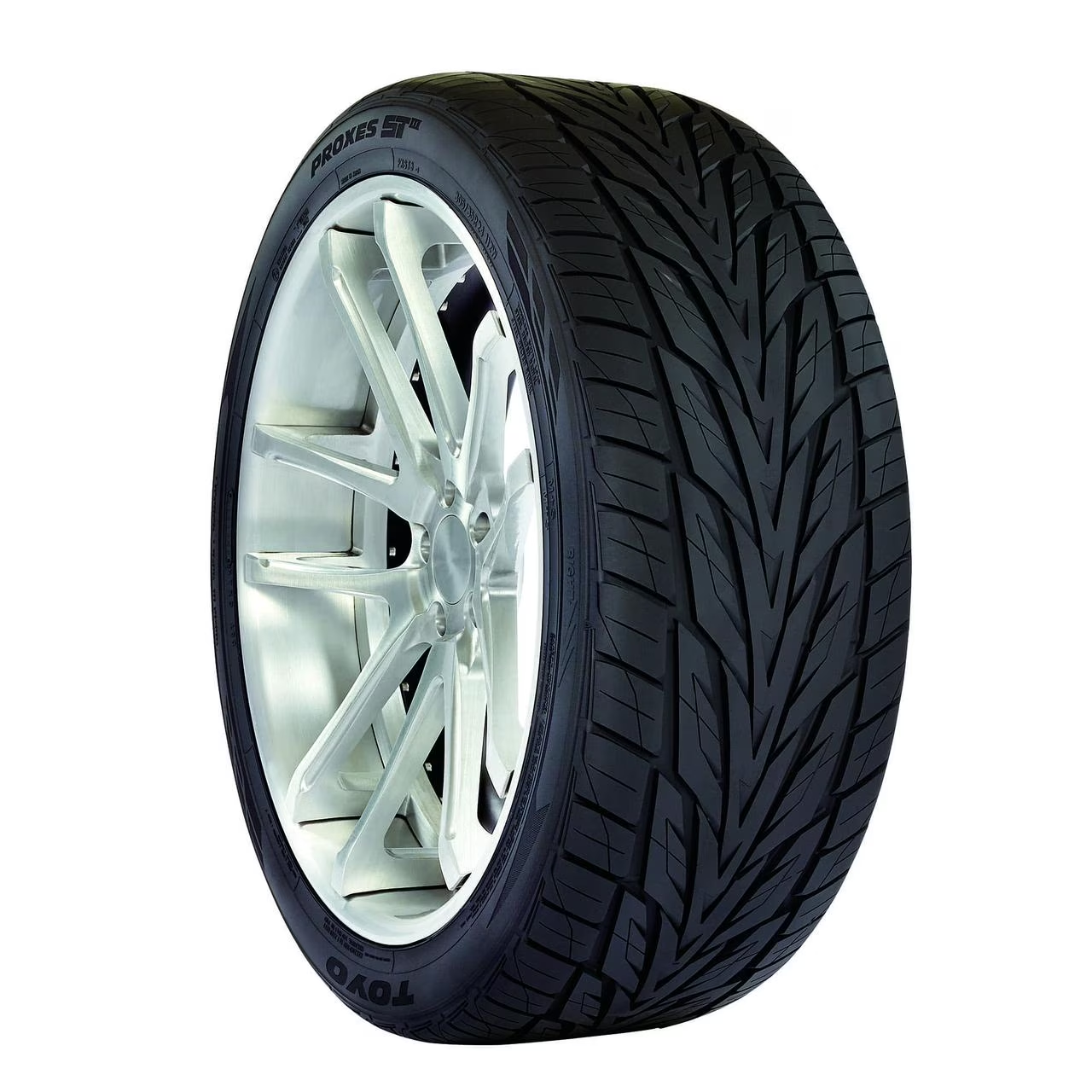
- Toyo Proxes ST III— Best Dry Grip
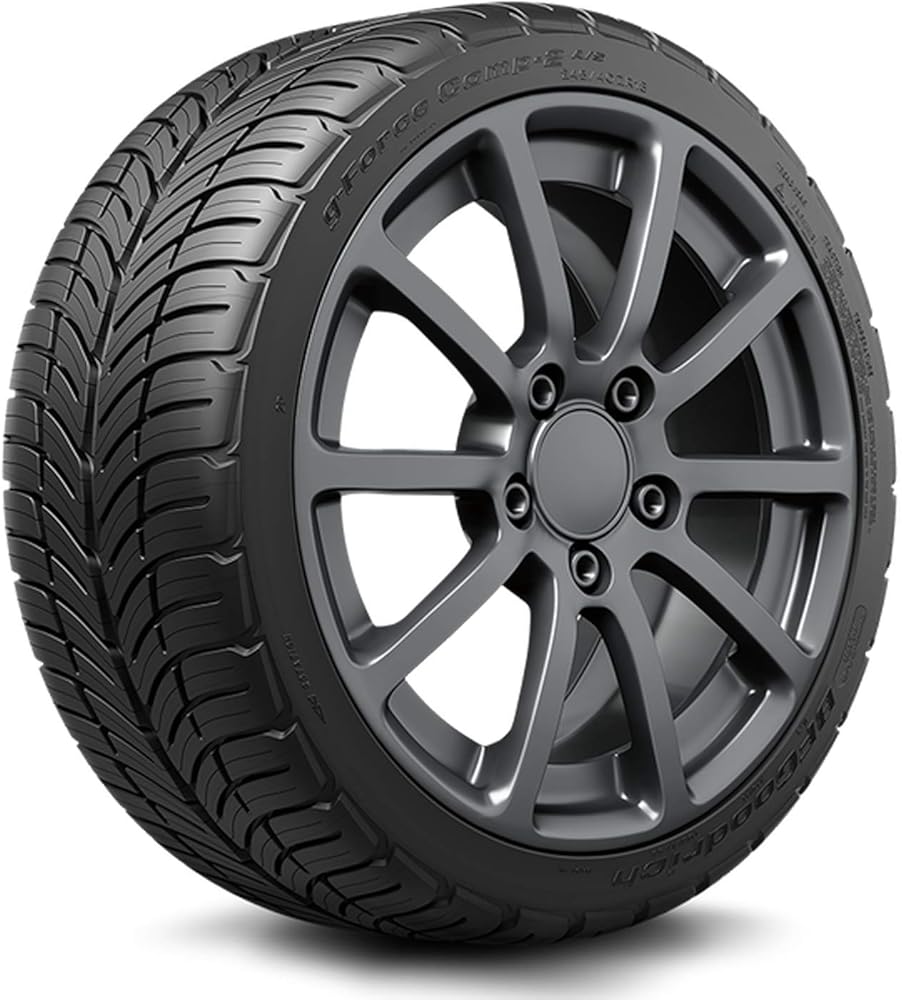
- BFGoodrich g-Force COMP-2 A/S Plus— Best Budget UHP
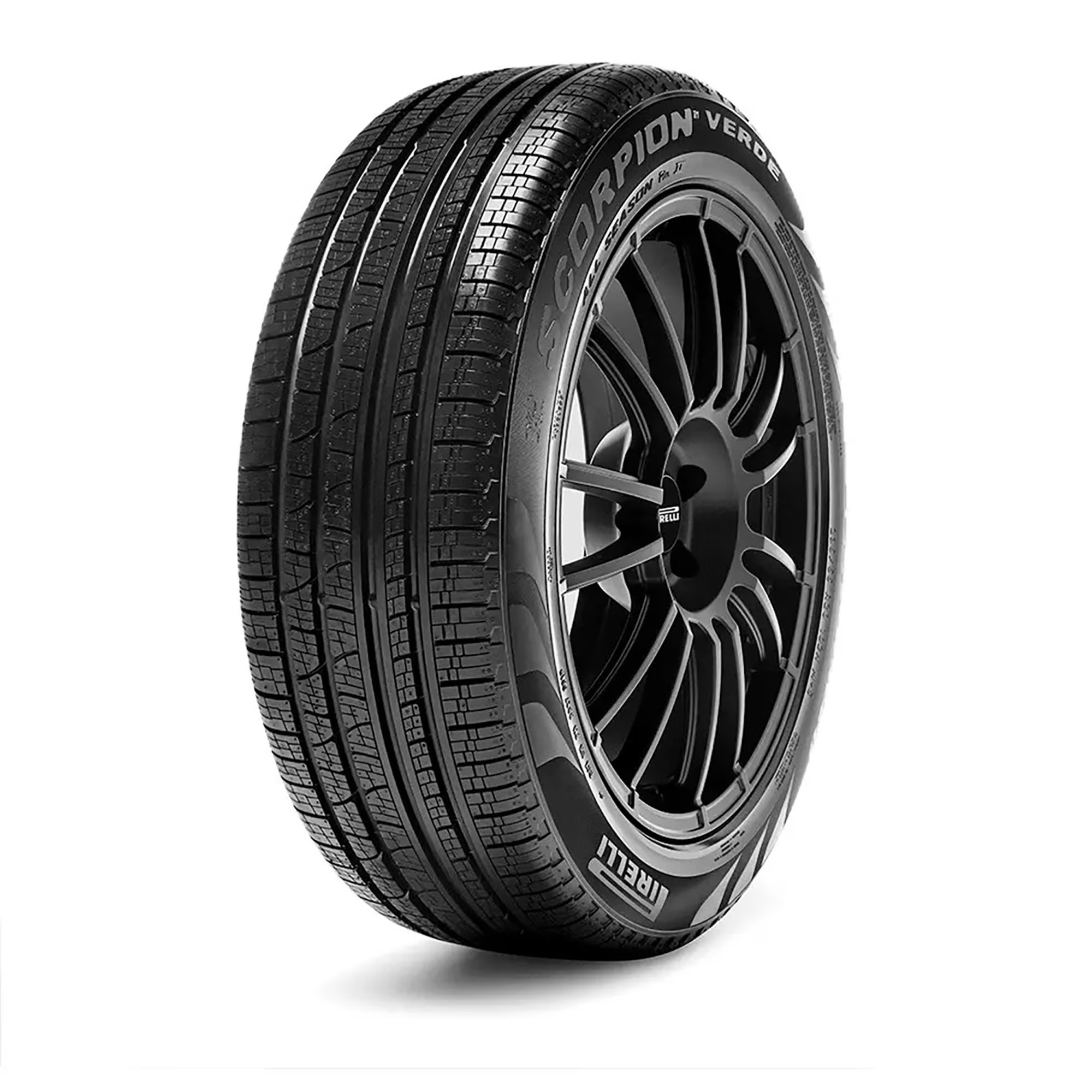
- Pirelli Scorpion Verde All Season Plus II— Best Premium / Longest Warranty
Best Tires for Jeep SRT — Compared
Side-by-side ranking of all 6 tires by overall score, size, type, and best use case.
| # | Tire | Size | Type | Best For | Score | |
|---|---|---|---|---|---|---|
| 1 | Michelin Pilot Sport A/S 4 Editor’s Choice | 295/45R20 | UHP All-Season | Best Overall | 4.9 | See Latest Price |
| 2 | Continental ExtremeContact DWS06 Plus Top Pick | 295/45R20 | UHP All-Season | Best Wet Roads | 4.7 | See Latest Price |
| 3 | Nitto NT420V | 295/45R20 | All-Season SUV | Best Durability | 4.5 | See Latest Price |
| 4 | Toyo Proxes ST III | 295/45R20 | All-Season SUV | Best Dry Grip | 4.3 | See Latest Price |
| 5 | BFGoodrich g-Force COMP-2 A/S Plus Budget Pick | 295/45R20 | UHP All-Season | Best Budget | 4.2 | See Latest Price |
| 6 | Pirelli Scorpion Verde All Season Plus II | 295/45R20 | All-Season SUV | Best Premium / Warranty | 4.4 | See Latest Price |
Detailed Reviews
Full breakdown of each tire — ratings, pros, cons, and our expert verdict for the Jeep SRT platform.
Michelin Pilot Sport All Season 4
Pros
- Extreme Silica+ compound delivers 5% better wet braking over its predecessor — measurably shorter stops in rain on a heavy SUV
- Available in 295/45R20 and 285/35R22, covering both stock and plus-size SRT fitments
- Noticeably quieter cabin than the OEM Pirelli P Zeros that ship from the factory
Cons
- Typically the most expensive option per tire on this list — expect $280–$340 each in 295/45R20
- Rear tires wear faster under spirited driving — SRT owners who launch hard regularly report uneven front-to-rear wear within 20,000 miles
Continental ExtremeContact DWS06 Plus
Pros
- Tire Rack independent test ranked it first for hydroplaning resistance among UHP all-seasons — critical on a 5,000 lb SRT at highway speeds
- DWS tread depth indicators turn from DWS → WS → S as the tire wears, giving real-time visual grip feedback
- High-strength 2-ply sidewall resists road damage better than standard construction on this class of vehicle
Cons
- Sidewall flex at the limit feels slightly vague compared to Michelin — SRT drivers who push through tight turns will notice the reduced lateral precision
- Ice traction in sustained sub-20°F conditions is inconsistent — not a substitute for a dedicated winter tire
Nitto NT420V
Pros
- 50,000-mile treadwear warranty — rare at this performance and size tier, and confirmed on the SRT platform by Drivingline’s long-term test
- Drivingline’s SRT-specific review noted a significant drop in road noise compared to the OEM Pirellis it replaced
- Asymmetric tread promotes even wear across both front and rear axles on AWD setups
Cons
- Size options above 285/35R22 are limited — SRT owners on wider 22-inch aftermarket wheels may not find an exact fit
- Snow performance is light-duty at best — sustained highway snow above 4 inches requires a dedicated winter tire
Toyo Proxes ST III
Pros
- Lightning grooves running the full tire length reduce wet stopping distance by a measurable margin over the previous Proxes ST II generation
- High-hardness bead filler gives the SRT’s suspension a sharper, more responsive steering feel at speed
- 40,000-mile treadwear warranty and available in 295/45R20 as a direct SRT stock fitment
Cons
- Cornering feel at the limit is less precise than Michelin or Continental — lateral grip transitions can feel less progressive on the SRT’s stiff suspension
- Tread life consistency varies — a subset of Tire Rack reviewers report wearing through them faster than the warranty projection under normal driving
BFGoodrich g-Force COMP-2 A/S Plus
Pros
- Tire Rack’s independent wet-track test placed it first for subjective wet handling confidence — beating several more expensive rivals in real lap time
- V-shaped directional tread evacuates water aggressively, preventing hydroplaning on the SRT’s wide 295-section footprint
- Lowest price per tire on this list — typically $160–$210 in 295/45R20 — while still meeting the SRT’s load index 114 requirement
Cons
- Road noise on chip-seal pavement is noticeably higher than Michelin or Continental — cabin sound at 75+ mph is a common owner complaint
- Tread life is shorter than Nitto NT420V or Continental DWS06 Plus, making the per-mile cost advantage smaller than the sticker price suggests
Pirelli Scorpion Verde All Season Plus II
Pros
- 65,000-mile treadwear warranty — highest on this list by 15,000 miles, and owner reviews confirm long-term satisfaction through full tread life
- PNCS (Pirelli Noise Canceling System) foam insert measurably reduces cavity resonance at highway speed — the quietest tire on this list at 70+ mph
- Designed specifically for SUVs and CUVs in the 20–22 inch size range, with an optimized contact patch for the SRT’s air suspension geometry
Cons
- Dry handling is notably comfort-focused — drivers who push the SRT hard through corners report a softer, less communicative steering response than Michelin or Continental
- Snow traction, while improved over the original Scorpion Verde, still draws mixed feedback from owners in northern climates compared to Michelin PS A/S 4
???? Can’t Decide?
Our Top 2 Picks — Head to Head
Both are excellent UHP all-seasons for the SRT. Here’s how to choose between them.
- 5% better wet braking and 10% better snow traction than its predecessor
- Quieter cabin than any other tire on this list, including the OEM Pirellis
- Available in both 20-inch and 22-inch SRT fitments
- Ranked #1 for hydroplaning resistance in Tire Rack’s independent tests
- DWS wear indicators provide live traction feedback as tread wears down
- Typically $60–$80 less per tire than the Michelin equivalent size
How to Choose the Right Tires for Your Jeep SRT
Six factors that matter before you buy — specific to the SRT platform.
Match the Correct Size
The factory SRT fitment is 295/45R20 with a load index of 114 and minimum speed rating of V. If you’re running 22-inch aftermarket wheels, confirm sizes like 285/35R22 or 305/35R22 fit your specific wheel width. Never downgrade the load index — the SRT weighs close to 5,100 lbs loaded, requiring at least 2,601 lbs capacity per tire.
UHP vs. Standard All-Season
The Jeep SRT generates 475 hp and corners at lateral G-forces that standard all-season tires aren’t engineered to handle. Always specify Ultra High Performance All-Season (UHP A/S). UHP tires have stiffer sidewall construction and higher-grip rubber compounds calibrated for the SRT’s suspension tune — standard touring tires overheat and lose grip under the SRT’s load.
Load Index for SRT Weight
The SRT’s 5,000+ lb curb weight means load rating is non-negotiable. A load index of 112 or below is undersized for this vehicle — always match or exceed the stock 114 rating. Some aftermarket plus-sizes look correct by diameter but carry a lower load index; check the spec sheet, not just the size.
Wet vs. Dry Priority
The SRT’s power delivery is aggressive enough that wet traction is a genuine safety priority. If your region sees frequent rain, weight the wet braking and hydroplaning resistance scores heavily — the Continental DWS06 Plus leads here. If you’re in a dry climate and push the SRT on winding roads, prioritize dry lateral grip, where the Michelin and Toyo lead.
Tread Life vs. Grip Trade-Off
High-grip compounds wear faster — this is physics, not a flaw. Aggressive rear-wheel loading from the SRT’s Hemi accelerates rear tire wear regardless of brand. The Nitto NT420V and Pirelli Scorpion Verde offer 50,000 and 65,000-mile warranties respectively. Michelin and Continental fall in the 40,000–50,000 mile range in real-world owner reports. Spirited driving will reduce any of these projections.
Professional Installation Requirements
295-width tires on 20 or 22-inch wheels require a shop with a road-force balancing machine — standard spin balancing alone is insufficient at the SRT’s highway speeds. Lug torque is 130 ft-lbs on M14x1.5 threads. Also check alignment before mounting — a misaligned SRT will destroy new tires within 5,000 miles regardless of brand or price.
✅ Pro Tips
Quick Buying Checklist for Jeep SRT Tires
Always confirm your current wheel size before ordering — SRT owners on aftermarket 22-inch wheels need a different size than those on factory 20-inch rims.
UHP all-seasons are not winter tires. If you’re in a region with consistent snowfall above 6 inches, keep a dedicated winter tire set on spare wheels for November–March.
Rotate tires every 5,000–6,000 miles on the SRT — the rear axle loads harder under acceleration and the SRT’s weight accelerates uneven wear without regular rotation.
Request road-force balancing, not just spin balancing, at installation. The SRT’s wheel-speed sensitivity means standard balancing often leaves a residual vibration above 65 mph.
Related Guides
Other Jeep Performance Models
Frequently Asked Questions
What are the best tires for Jeep SRT for daily driving?
The Michelin Pilot Sport A/S 4 is the best all-around daily driver tire for the SRT — it handles wet roads, cold mornings, and highway merging with authority while staying quieter than the OEM Pirellis. For a more budget-friendly daily option, the Continental ExtremeContact DWS06 Plus delivers near-identical wet performance at a meaningfully lower price point.
What size tires does the Jeep Grand Cherokee SRT use?
The factory SRT fitment is 295/45R20 with a load index of 114 and minimum V speed rating. SRT owners on aftermarket 22-inch wheels commonly run 285/35R22 or 305/35R22 depending on wheel width. Always verify your wheel’s 5×127 bolt pattern and confirm the load index meets or exceeds 114 before purchasing.
How long do performance tires last on a Jeep SRT?
Under normal daily driving, most UHP all-seasons last 35,000–50,000 miles on the SRT. Aggressive driving, hard launches, and spirited cornering reduce that — particularly on rear tires. The Nitto NT420V carries a 50,000-mile warranty, and the Pirelli Scorpion Verde offers 65,000 miles, though real-world wear depends heavily on driving style and rotation consistency.
Is the Jeep SRT compatible with all-season tires?
Yes — most SRT owners prefer UHP all-season tires over summer performance tires for daily use. Summer tires lose grip below 45°F and are unsafe in cold or wet conditions. UHP all-season tires maintain year-round traction without the handling compromises of standard touring tires, which aren’t built for the SRT’s 475 hp and lateral cornering loads.
Are premium tires worth paying more for on a Jeep SRT?
For most SRT owners, yes. The vehicle’s weight and power demand a compound that won’t overheat under load, and premium tires typically last 10,000–15,000 miles longer than budget options — reducing the per-mile cost advantage of cheaper alternatives. The Michelin, Continental, and Nitto all deliver better total value over a 40,000-mile lifespan despite higher upfront costs.
How much does it cost to install tires on a Jeep SRT?
Professional installation with road-force balancing typically runs $20–$30 per tire at most tire shops, so budget $80–$120 for a full set of four. The lug torque spec is 130 ft-lbs on the SRT’s M14x1.5 threads. Also factor in an alignment check, which runs $80–$120 — always worth it before mounting new tires on any vehicle that showed uneven wear on the previous set.
Which tire on this list handles snow best?
The Michelin Pilot Sport A/S 4 leads in snow traction among these picks, with a 10% improvement over its predecessor in controlled Michelin tests and three-peak mountain snowflake certification. The Continental ExtremeContact DWS06 Plus is second-best for light snow. None of these replace a dedicated winter tire in severe or icy conditions — they are UHP all-season tires, not winter tires.
???? Final Verdict
Our Top Tire Recommendations for 2026
The Michelin Pilot Sport A/S 4 earns the top spot for the Jeep Grand Cherokee SRT — no other tire on this list matches its combination of wet braking, dry grip, noise reduction, and real-world longevity on a high-power SUV platform. For SRT owners who want to save without sacrificing grip, the Continental ExtremeContact DWS06 Plus is the strongest value play on the market, with best-in-class hydroplaning resistance at a lower price. The Nitto NT420V and Pirelli Scorpion Verde are the right choices if your priority is maximizing tread life and warranty coverage over the long haul.