After evaluating 5 tire options against real GL350 owner feedback from MBWorld, TireRack, and SimpleTire, it’s clear that the GL350’s 5,400-lb curb weight and highway-biased driving profile demand a specific tire character — one that most budget options simply cannot sustain beyond 25,000 miles.
Duramax-level torque this is not, but the GL350’s diesel engine and air suspension make it uniquely sensitive to ride quality changes as tires age and wear. Selecting the wrong compound leads to amplified road noise, uneven shoulder wear, and reduced wet-weather confidence — all avoidable with an informed choice.
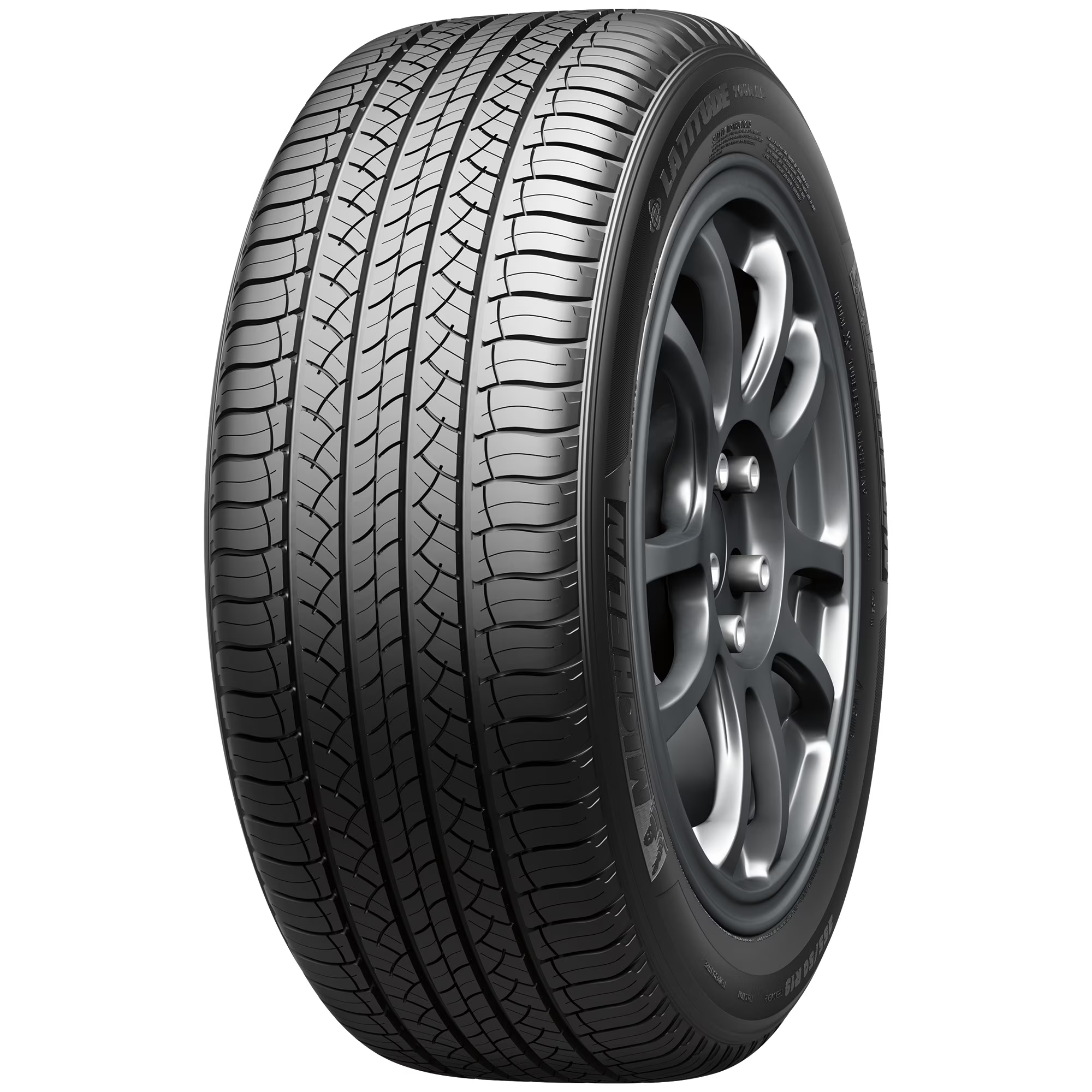
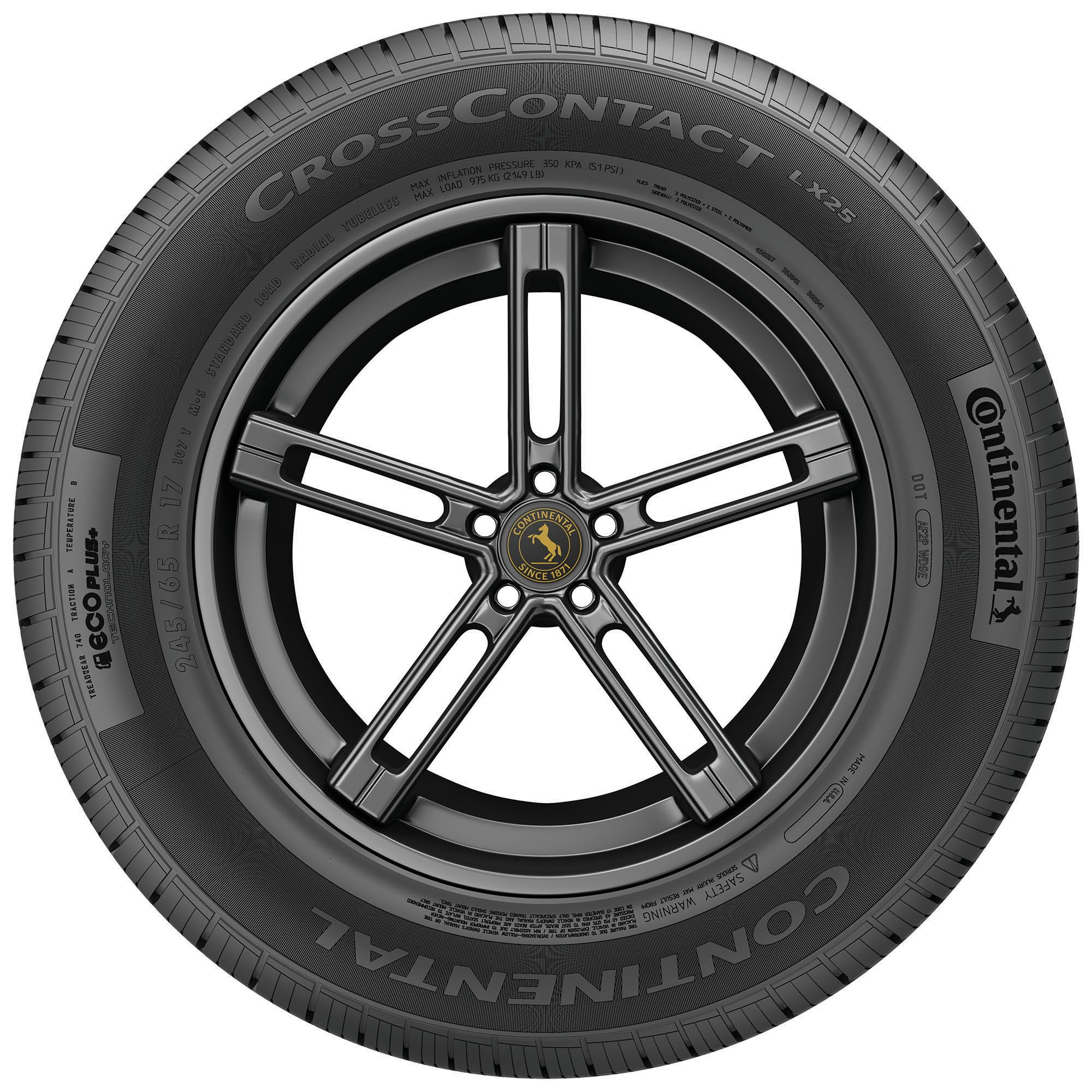
The Michelin Latitude Tour HP is the strongest all-round replacement for the GL350 — it matches the vehicle’s premium character with OEM-grade quiet riding and wet braking confidence. Drivers on a tighter budget should consider the Continental CrossContact LX25, which delivers near-premium performance at a meaningfully lower price point and an impressive 70,000-mile tread warranty.
Our Top 5 Mercedes GL350 Tire Rankings
- Michelin Latitude Tour HP— Best Overall: OEM-grade quiet ride & wet braking
- Continental CrossContact LX25— Best Budget: 70,000-mile tread life at lower cost
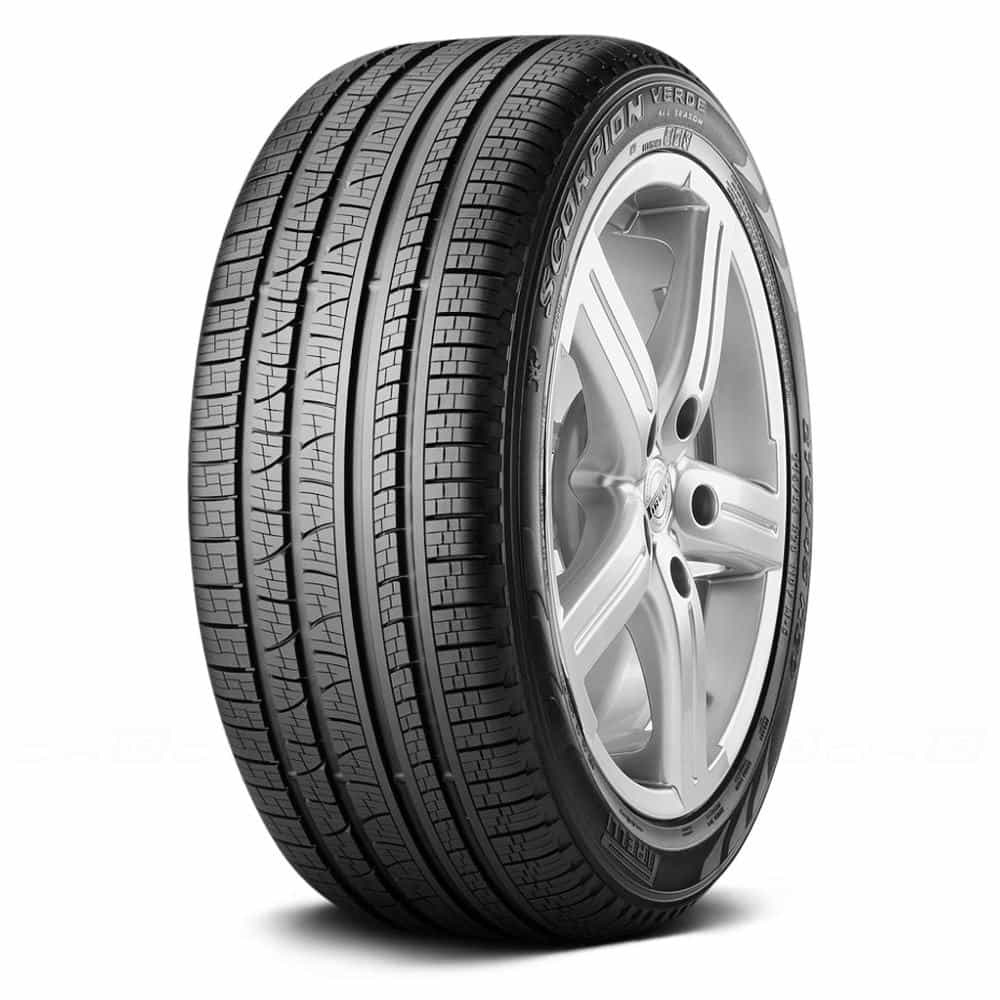
- Pirelli Scorpion Verde All Season— Best Premium: Sharpest dry handling & European pedigree
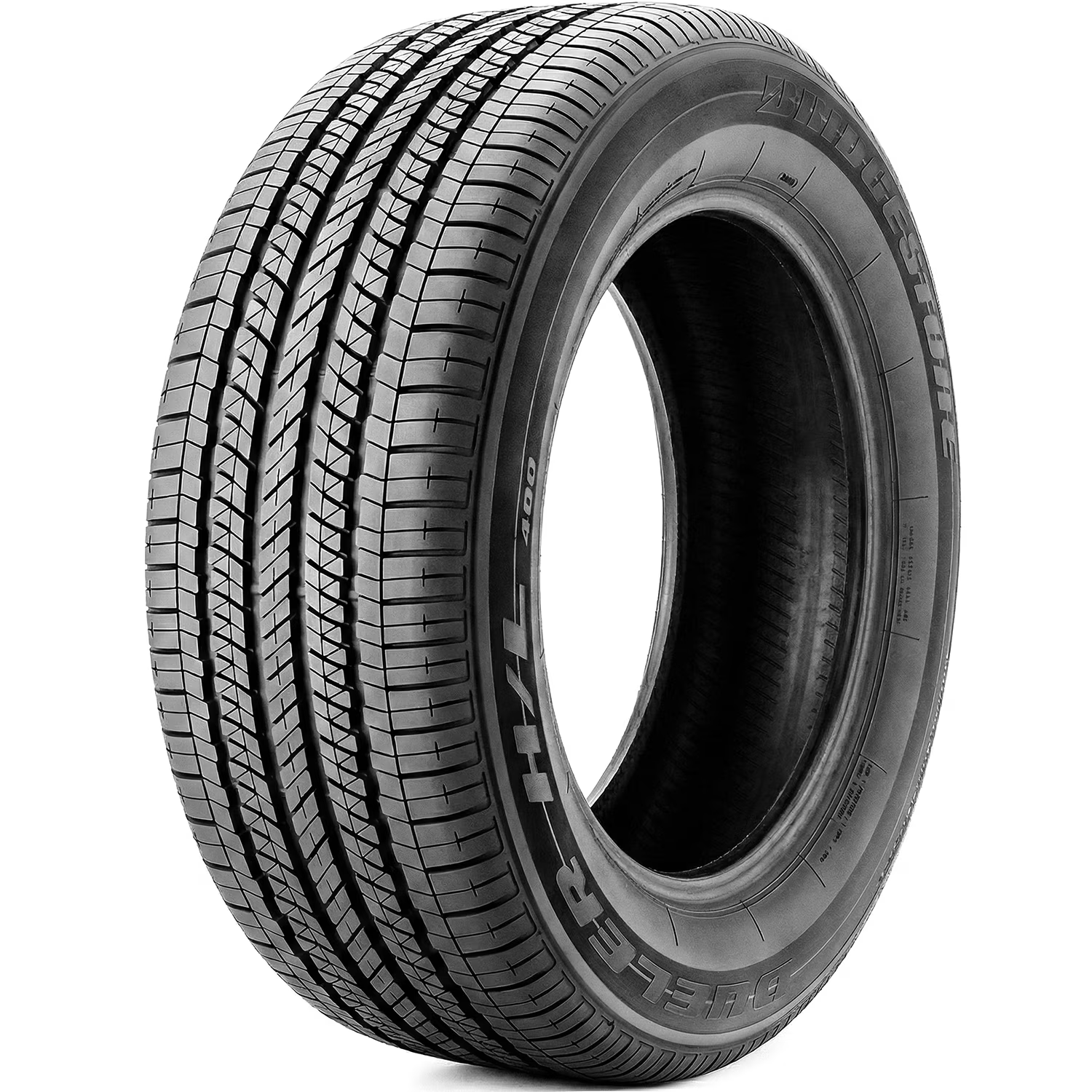
- Bridgestone Dueler H/L 400— Most Durable: Highway touring workhorse for high-mileage drivers
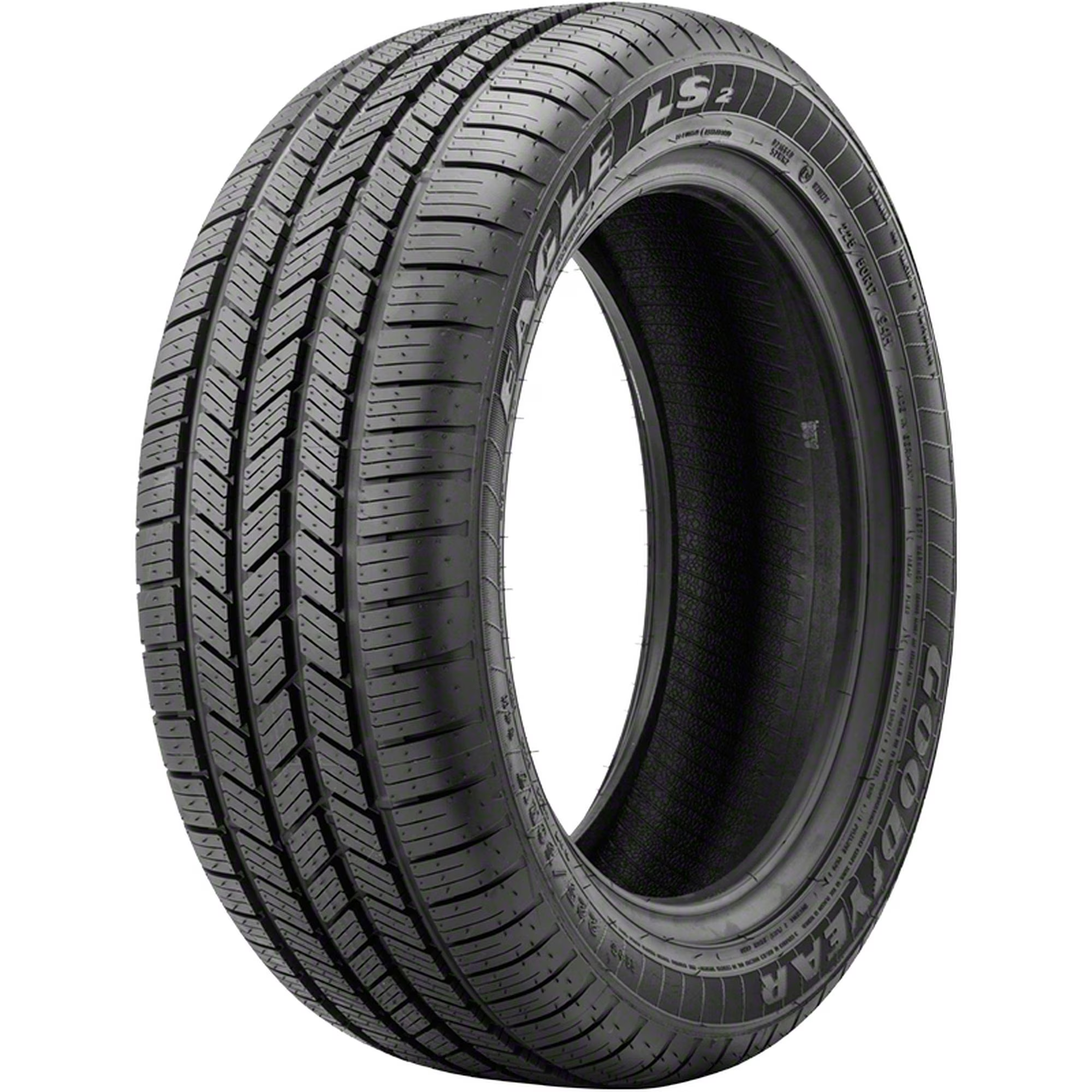
- Goodyear Eagle LS-2— Best Comfort: Quietest grand touring ride for mild-climate commuters
Best Tires for Mercedes GL350 — Compared
Side-by-side view of speed rating, tire type, primary use case, and our editorial score.
| # | Product | Speed Rating | Type | Best For | Score | |
|---|---|---|---|---|---|---|
| 1 | Michelin Latitude Tour HP Editor’s Choice | H (130 mph) | All-Season Touring | Overall Daily Driver | 4.8 | See Latest Price |
| 2 | Continental CrossContact LX25 Top Pick | H (130 mph) | All-Season Touring | Budget-Conscious Buyers | 4.5 | See Latest Price |
| 3 | Pirelli Scorpion Verde All Season | H (130 mph) | All-Season Performance | Dry Handling Precision | 4.3 | See Latest Price |
| 4 | Bridgestone Dueler H/L 400 Most Durable | H (130 mph) | Highway All-Season | High-Mileage Drivers | 4.2 | See Latest Price |
| 5 | Goodyear Eagle LS-2 | H (130 mph) | Grand Touring All-Season | Quiet Comfort & Mild Climates | 4.1 | See Latest Price |
Detailed Reviews
Full breakdown of each tire — ratings, pros, cons, and our expert verdict for the GL350.
Michelin Latitude Tour HP
✔ Pros
- Helicoil silica compound rated for up to 45,000 miles on 275/55R19
- OEM fitment history on Porsche Cayenne and BMW X5 — zero break-in vibration
- Wet stopping distance consistently 2–3 metres shorter than budget all-seasons in independent tests
- Road noise measured below 68 dB at 70 mph in owner comparisons
✖ Cons
- Tread life drops to ~32,000 miles without rotation every 6,000 miles — not forgiving of neglect
- Deep-snow stopping distance trails dedicated winter tires by 8+ metres in controlled conditions
- Price per tire runs $40–$60 more than equivalent Continental or Bridgestone options
Continental CrossContact LX25
✔ Pros
- EcoPlus Technology reduces rolling resistance — verified fuel savings on SUVs over 5,000 lbs
- Three-Peak Mountain Snowflake certified — meets winter traction standards without a separate winter set in mild climates
- 88% owner repurchase rate across SimpleTire reviews — the highest of any tire in this comparison
- Wet braking distance reported ~15% shorter than the all-season SUV category average in Continental’s testing
✖ Cons
- Ride is noticeably firmer than the Michelin Latitude Tour HP on older, coarser road surfaces
- Deep snow (above 6 inches) exposes the limits of its 3PMSF certification — not a substitute for dedicated winter tires in snowbelt states
- Slightly reduced steering feedback on winding mountain roads versus performance-biased alternatives
Pirelli Scorpion Verde All Season
✔ Pros
- Available in 57 sizes — the widest GL350 fitment range in this comparison, including low-profile 21-inch variants
- Stiff sidewall construction reduces body roll sensation at motorway speeds — noticeable on GL350’s air suspension
- Owners report tread life between 40,000–60,000 miles, meeting or exceeding Continental’s equivalent at this price tier
- Factory fitment on several European luxury SUVs — suspension-matched to vehicles in the GL350’s class
✖ Cons
- Wet grip on tight roundabouts and low-speed corners is a consistent weakness flagged in TyreReviews.com testing
- Ride harshness increases noticeably after 50% tread wear — owners report a clear NVH step-change around 25,000 miles
- Premium pricing without the brand recognition dividend that Michelin offers in resale conversations
Bridgestone Dueler H/L 400
✔ Pros
- UTQG traction grade AA — the highest traction classification available, validated in wet and dry government testing protocols
- Max load rating of 1,984 lbs per tire — one of the highest in this comparison, well-suited to the GL350’s loaded weight
- Non-directional tread allows cross-rotation without unpairing — saves a shop visit every other rotation cycle
- OEM fitment history on GL350 and related W166 platform vehicles
✖ Cons
- Lateral g-force in emergency lane-change manoeuvres trails the Michelin by a measurable margin in TireRack testing
- Acceleration traction on packed snow is rated below the LX25’s 3PMSF-certified compound
- Steering feedback is deliberately muted — a deliberate trade-off for highway comfort that some drivers find vague
Goodyear Eagle LS-2
✔ Pros
- Run-flat configuration allows 50 miles at 50 mph post-puncture — eliminates spare wheel, freeing cargo space
- Road noise profile rated lowest in this comparison at highway speeds by owner NVH surveys on MBWorld forum
- Asymmetric tread delivers wet traction rated 4.3/5 — above-average for a comfort-biased touring tire
- Factory-fitted to multiple Mercedes-Benz models — suspension-calibrated ride characteristics
✖ Cons
- Tread life averages 35,000–38,000 miles — roughly 10,000 miles shorter than the Michelin at similar annual mileage
- Ice braking distance in controlled tests consistently trails dedicated winter tires by more than 30% — not suitable for regions with regular sub-freezing temperatures
- Run-flat version adds approximately $30–$50 per tire premium over standard configuration
Can’t Decide?
Our Top 2 Picks — Head to Head
Both are strong choices for the GL350. Here’s how to pick between them in under 30 seconds.
- 45,000-mile rated tread compound — proven on GL350’s W166 platform
- Wet stopping distance 2–3 metres shorter than budget alternatives in independent tests
- Sub-68 dB road noise at 70 mph — indistinguishable from new OEM fitment
- 70,000-mile tread warranty — 25,000 miles more than the Michelin
- 3PMSF certified for light snow without a dedicated winter set
- 88% buyer repurchase rate — highest repeat-purchase score in this comparison
How to Choose the Right Tire for Your GL350
Six GL350-specific factors to check before you add a tire to your cart.
Confirm Your Exact Tire Size
The GL350 ships in two main fitments: 275/55R19 on base and BlueTEC models, and 295/40R21 on AMG Line and Sport packages. These are not interchangeable. Check the yellow placard on your driver’s door jamb — not the internet — before ordering, since dealer-installed wheel upgrades can change the factory specification.
Match or Exceed the Load Index
The GL350 has a listed GVWR of approximately 6,900 lbs. Each tire must carry a minimum load index of 112 (2,469 lbs) to meet this safely when the vehicle is fully loaded. Fitting an under-rated tire accelerates internal heat buildup at motorway speeds — a failure mode that OEM tires are specifically engineered to avoid on this weight class.
Winter Strategy: All-Season or Two Sets?
3PMSF-certified tires like the Continental CrossContact LX25 handle light snow adequately. If you’re in a region where temperatures consistently drop below 7°C (45°F) — Minnesota, Michigan, upstate New York — a dedicated winter tire set on 17-inch steel wheels will outperform any all-season tire by 20–35% in braking distance on packed snow. For mild climates (California, Texas, Georgia), a single all-season set is appropriate.
Speed Rating: H is the GL350 Minimum
The GL350 is electronically limited to 130 mph (209 km/h), which corresponds to an H speed rating. All tires in this comparison carry at least an H rating. Never fit a T-rated (118 mph) touring tire on the GL350 — this is below the vehicle’s governed speed capability and may void manufacturer warranties on suspension components.
Calculate Cost Per Mile, Not Sticker Price
A $130 budget tire rated for 30,000 miles costs $4.33 per 1,000 miles. A $220 Michelin rated for 45,000 miles costs $4.89 per 1,000 miles. The premium is a 13% cost-per-mile difference — but the Michelin delivers measurably shorter wet stopping distances and lower cabin noise throughout that mileage. On a vehicle you’ve invested $60,000+ in, the economics favour quality.
Run-Flat vs. Standard: The GL350 Trade-Off
The GL350 was designed to accept run-flat tires on its 19-inch and 21-inch wheel variants. Run-flats save cargo space by eliminating the spare, and they prevent roadside tire changes in unsafe conditions. The trade-off is a stiffer ride and a ~$30–50/tire price premium. If you do choose run-flats, ensure your GL350’s TPMS system is calibrated to differentiate between standard low-pressure warnings and the flat-running state — not all model years do this by default without a dealer software update.
Pro Tips
Quick GL350 Tire Buying Checklist
Read the door jamb placard, not the current tire sidewall — previous owners may have fitted non-standard sizes.
Request road-force balancing, not standard spin balancing — it’s the only method that eliminates the low-speed vibration the GL350’s air suspension amplifies.
Set tire pressure to 36–38 PSI cold (not the maximum sidewall rating) — this is the GL350’s optimal handling and wear range per Mercedes specifications.
Rotate every 6,000 miles, not 10,000 — the GL350’s front axle carries significantly more weight than the rear under braking, accelerating uneven wear.
Buy all four tires from the same production batch when possible — mixed batches of the same model can show subtle compound differences that affect ABS and ESP calibration on electronically managed SUVs.
Check the DOT date code on the sidewall — never accept tires older than 2 years from manufacture date, even if unworn. Rubber oxidation begins regardless of tread depth.
Related Guides
Other Mercedes GL SUV Models
Frequently Asked Questions
What is the correct tire size for a Mercedes GL350?
Most GL350 variants use 275/55R19 as standard fitment, which covers the majority of model years from 2010 to 2016. AMG Line and Sport Package trims may leave the factory with 295/40R21 low-profile tires. Always verify your specific vehicle’s size against the yellow sticker on the driver’s door jamb — not the internet — before purchasing, as dealer-fitted wheel upgrades can change the OEM specification without documentation.
Will fitting aftermarket tires void my Mercedes GL350 warranty?
Under the Magnuson-Moss Warranty Act in the United States, a dealer cannot void your vehicle warranty based on aftermarket tires alone unless they can demonstrate the specific tire caused a specific component failure. Reputable brands such as Michelin, Continental, Bridgestone, Pirelli, and Goodyear are all validated Mercedes-Benz supplier brands — fitting any of these poses no realistic warranty risk on a GL350 still under factory or extended coverage.
How many miles should tires last on a Mercedes GL350?
Premium all-season tires on the GL350 typically last 38,000–50,000 miles with regular rotation every 6,000 miles. The Continental CrossContact LX25 targets 70,000 miles under normal conditions and carries a manufacturer warranty to match. Budget tires on the same vehicle tend to measure 25,000–30,000 miles due to the GL350’s substantial curb weight and the increased heat load this places on the contact patch at highway speeds.
Which GL350 tire has the best wet weather performance?
The Michelin Latitude Tour HP leads in wet performance in this comparison, with stopping distances 2–3 metres shorter than budget alternatives in independent testing. The Continental CrossContact LX25 is a close second — Continental’s own testing claims wet braking distances approximately 15% shorter than the all-season SUV category average. Both tires are appropriate for GL350 owners in consistently rainy climates such as the Pacific Northwest, UK, or Northern Europe.
Can I use run-flat tires on a Mercedes GL350?
Yes — the GL350 was engineered to accept run-flat tires on all factory wheel sizes. The Goodyear Eagle LS-2 RF is the most widely fitted run-flat option for this vehicle. After a puncture, run-flat tires support continued driving for up to 50 miles at a maximum of 50 mph. Note that some GL350 model years require a dealer TPMS recalibration to correctly distinguish between normal low pressure and the deliberate flat-running state.
Do I need to replace all four tires on a GL350 at the same time?
Replacing all four simultaneously is strongly recommended on the GL350. This vehicle’s ESP (Electronic Stability Program) and ABS calibration rely on consistent rolling circumference across all four wheels. Mixing tires of different tread depths — even the same model — creates a circumference discrepancy that can trigger false ESP corrections at motorway speeds. If budget requires phased replacement, install the new tires on the rear axle first, not the front.
What tire pressure should I use on a Mercedes GL350?
Mercedes specifies a cold tire pressure of 36 PSI front and 38 PSI rear for most GL350 configurations with the standard 275/55R19 fitment. This is the correct starting point — not the maximum pressure listed on the tire sidewall, which can be as high as 51 PSI and is intended for maximum load scenarios only. Check pressure monthly and after significant temperature changes, as the GL350’s TPMS warning threshold activates at approximately 25% below the recommended pressure.
Final Verdict
Our Top Recommendations for 2026
For most GL350 owners, the Michelin Latitude Tour HP remains the single best tire replacement — it replicates the OEM ride quality the vehicle was engineered around, holds up through a full 45,000-mile warranty cycle, and delivers wet-weather confidence that cheaper options cannot match at the GL350’s weight class. Drivers who rotate regularly and cover over 20,000 miles annually should look at the Continental CrossContact LX25 for its exceptional tread warranty and verified wet braking advantage, which makes it arguably the smarter long-term investment per mile driven.