After evaluating six commercial-grade tire options across real-world owner feedback, Tire Rack survey data, and Sprinter forum communities, we identified which rubber genuinely holds up under a 3500’s demanding load capacity and GVWR pressures. The wrong tire under a heavy payload isn’t just an inconvenience — it’s a blowout risk.
Sprinter 3500 operators — whether running cargo routes, ambulance fleets, or camper conversions — share one non-negotiable: every tire must be LT or C-rated with a load index that matches the axle weight. This guide cuts through the noise and names exactly what fits, what lasts, and what performs in your specific conditions.
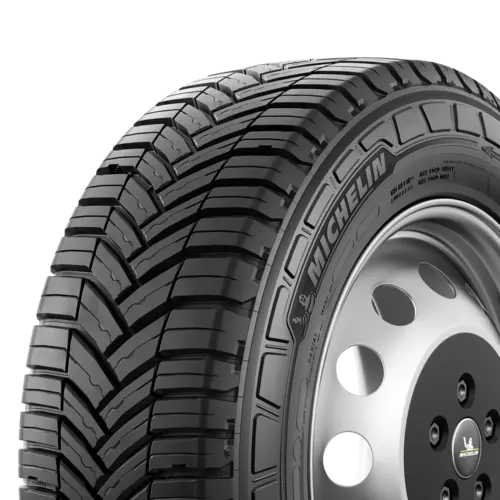
The Michelin Agilis CrossClimate is the best tire for the Mercedes Sprinter 3500 for most owners — it carries heavy loads, earns the Three-Peak Mountain Snowflake certification, and outlasts nearly every competitor under commercial hauling miles. Drivers who live on smooth highways should consider the Continental VanContact A/S Ultra for its superior wet handling and quieter ride; those watching budget will find the Goodyear Wrangler Workhorse AT delivers solid all-terrain capability without the premium price tag.
Our Top 6 Sprinter 3500 Tire Rankings
- Michelin Agilis CrossClimate— Best Overall: All-weather, 3PMSF-certified, long-lasting
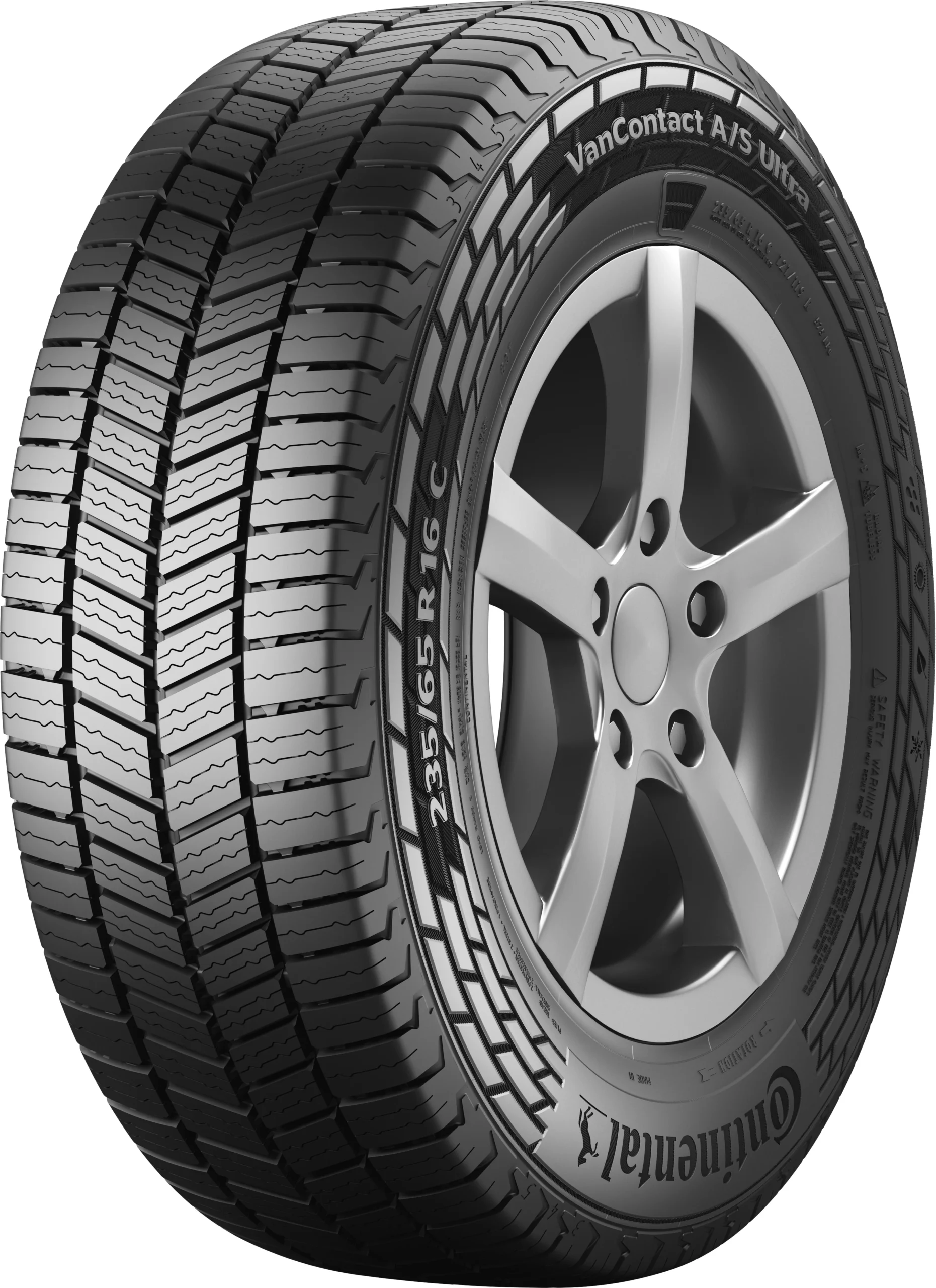
- Continental VanContact A/S Ultra— Best Premium: Quiet, composed, outstanding wet handling
- Goodyear Wrangler Workhorse AT— Best Budget: All-terrain capability at a competitive price
- Bridgestone Duravis M700 HD— Most Durable: Reinforced for rough terrain and job sites
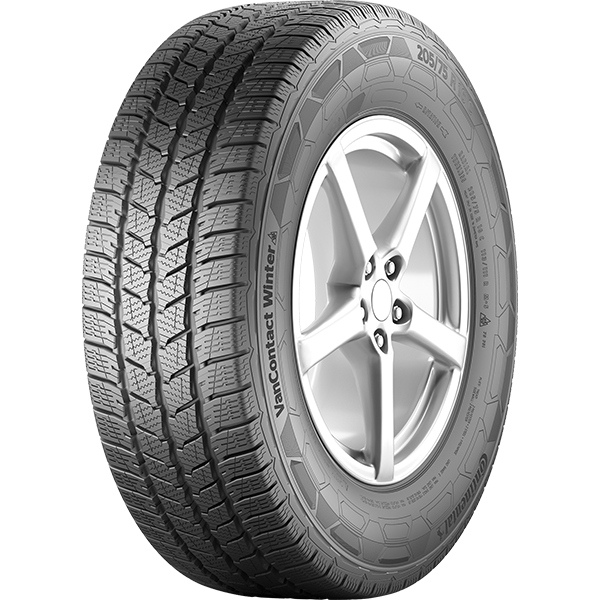
- Continental VanContact Winter— Best Winter: Purpose-built ice and snow braking for loaded vans
- Nokian WR C3— Best All-Weather: Winter + commercial van engineering in one
Best Tires for Sprinter 3500 — Compared
All six tires evaluated on load rating, wet traction, tread life, and real-world Sprinter owner feedback.
| # | Product | Type | Key Sizes | Best For | Score | |
|---|---|---|---|---|---|---|
| 1 | Michelin Agilis CrossClimate Editor’s Choice | All-Weather | LT215/85R16, 225/75R16C | Year-round commercial use | 4.7 | See Latest Price |
| 2 | Continental VanContact A/S Ultra Top Pick | All-Season | LT215/85R16, 225/75R16C | Highway-heavy fleets | 4.6 | See Latest Price |
| 3 | Continental VanContact Winter | Winter | LT215/85R16, 225/75R16C | Northern / mountain operators | 4.5 | See Latest Price |
| 4 | Nokian WR C3 | All-Weather | LT215/85R16 | Cold-climate year-round | 4.4 | See Latest Price |
| 5 | Bridgestone Duravis M700 HD | All-Terrain | LT215/85R16, 265/75R16 | Job sites, rough roads | 4.3 | See Latest Price |
| 6 | Goodyear Wrangler Workhorse AT Budget Pick | All-Terrain | LT215/85R16 | Mixed terrain on a budget | 4.3 | See Latest Price |
Detailed Reviews
Full breakdown of each tire — ratings, pros, cons, and our expert verdict on Sprinter 3500 fit.
Michelin Agilis CrossClimate
- Three-Peak Mountain Snowflake certified — meets severe snow traction standards
- CurbGard sidewall resists scuffing on tight urban delivery routes
- SipeLock technology adds hundreds of biting edges in wet and snow
- Owners report 70,000+ miles with tread still remaining
- Premium price — costs 20–30% more than budget alternatives per tire
- Heavier than comparable all-season options, adding measurable unsprung weight
- Not designed for sustained off-road or deep mud conditions
Continental VanContact A/S Ultra
- Directional tread drains water aggressively — wet handling ranks among the best in class
- Low rolling resistance construction assists fuel economy on long hauls
- 10.5mm tread depth at delivery reported by multiple buyers — good out-of-box depth
- Noticeably quieter than OEM tires — reviewers describe a “car-like” highway feel
- Snow traction trails the Michelin CrossClimate — not 3PMSF certified in all sizes
- Less forgiving on gravel or unpaved surfaces — clearly a pavement-first design
- Premium pricing comparable to Michelin without the all-weather certification match
Goodyear Wrangler Workhorse AT
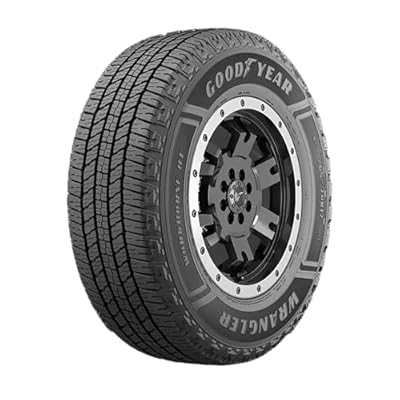
- Aggressive shoulder blocks provide confident grip on gravel and dirt access roads
- LT construction handles regular heavy loading without unusual sidewall deformation
- Widely available on Amazon with fast shipping — easy to source when needed urgently
- Notably louder road noise at highway speeds compared to Continental or Michelin options
- Tread life averages 35,000–45,000 miles under constant highway hauling — shorter than premium picks
- Not 3PMSF certified — avoid in regions with sustained heavy snowfall
Bridgestone Duravis M700 HD
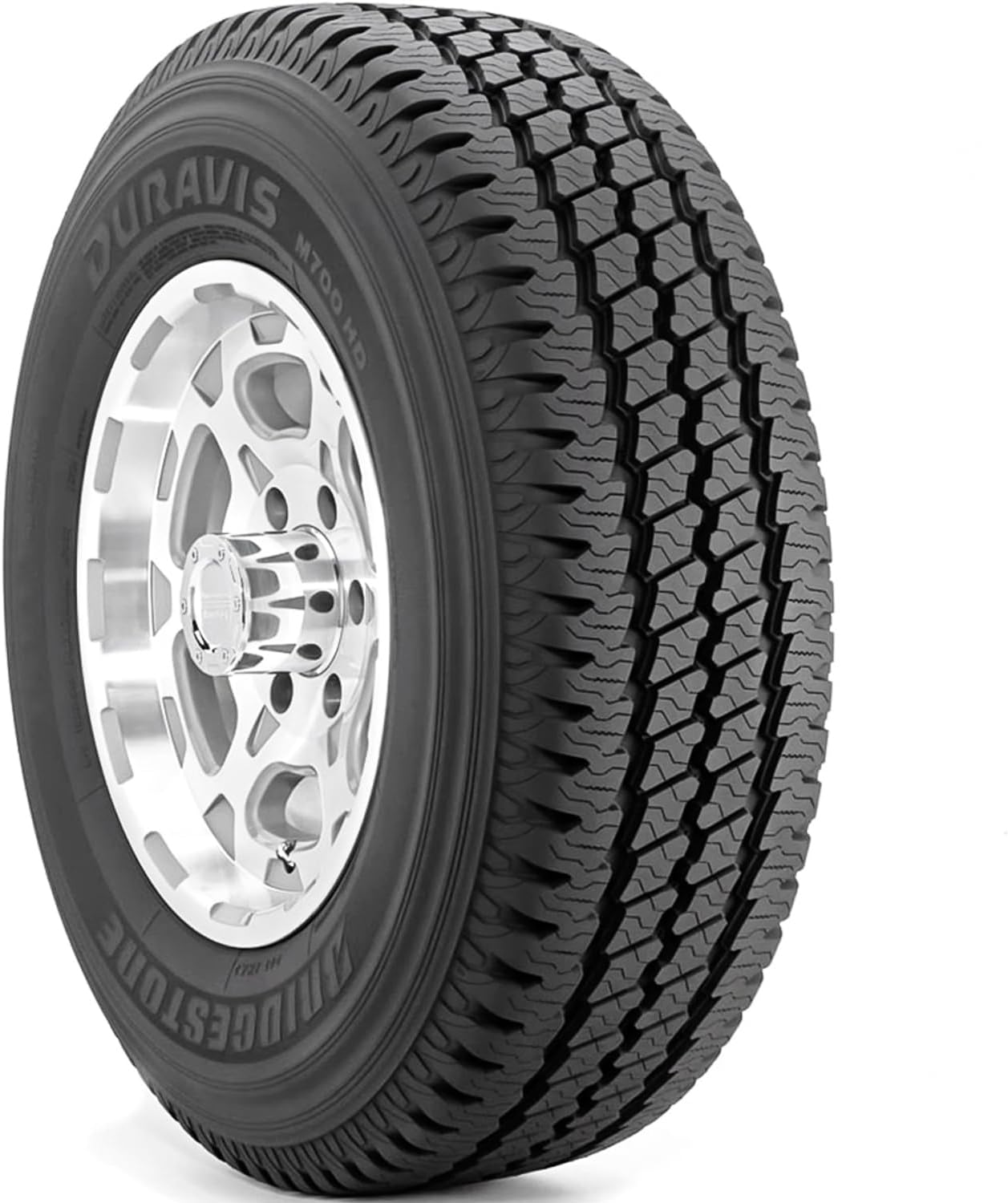
- Twin steel belts with spirally wound nylon significantly reduce puncture risk on debris-heavy routes
- Tire Rack survey across 1.7M reported miles shows 8.3/10 snow traction — outstanding for a non-winter tire
- 89% buyer recommendation rate on independent survey data
- Ride comfort scores 6.5/10 in independent surveys — stiffer sidewall transmits more road vibration
- Firmer feel at highway speeds makes it a poor choice for passenger-comfort-focused builds
- Limited size availability compared to Michelin and Continental offerings
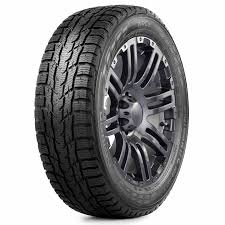
Continental VanContact Winter
- Compound engineered for sub-7°C flexibility — grip doesn’t degrade in freezing temperatures
- Fleet operators report noticeably shorter braking on ice under maximum Sprinter payload
- Commercial van construction handles the 3500’s GVWR without unusual wear patterns
- Seasonal-only tire — requires annual mounting/dismounting, adding $60–$120/year in shop costs
- Needs dedicated wheel set or storage arrangement, which most urban operators lack
- Performance degrades noticeably above 15°C — must swap off by late spring
Nokian WR C3
- Finnish engineering heritage — Nokian builds winter performance as its primary design goal
- All-weather 3PMSF certification allows year-round use without seasonal swapping
- Commercial van construction (C-rated) rated for Sprinter 3500’s load demands
- Limited size availability in North America — harder to find in LT215/85R16 than European equivalents
- Wet handling in warm weather doesn’t match the Continental A/S Ultra’s pavement scores
- Less independent review data available vs Michelin and Continental for Sprinter-specific feedback
Can’t Decide?
Our Top 2 Picks — Head to Head
Both handle a loaded Sprinter 3500 confidently. Here’s exactly how to pick the right one for your routes.
- 3PMSF certified — works year-round in all climates including snow
- 60,000-mile Michelin warranty in qualifying sizes
- CurbGard sidewall protection for urban delivery damage
- Best wet-road handling scores in the commercial van category
- Quieter cabin noise — more comfortable on long interstate hauls
- Low rolling resistance for marginally better highway fuel economy
How to Choose the Right Tire for a Sprinter 3500
Six factors that separate the right commercial van tire from a costly mistake — explained for real Sprinter operators.
Load Index & Range Rating
The Sprinter 3500 regularly runs near its GVWR — a standard passenger tire cannot handle this safely. Look for Load Range E (10-ply equivalent) on single rear wheel configurations. The sidewall load index number multiplied by four must exceed your van’s maximum loaded axle weight. Undersized ratings are a blowout risk, not just a performance issue.
OEM Size Compatibility
The Sprinter 3500 uses LT215/85R16 on most 2010–2024 configurations, with some 2019–2024 trims running 225/75R16C front and 285/65R16C rear. Confirm your exact year, trim, and whether your axle is SRW (single rear wheel) or DRW (dual rear wheel) before ordering. Installing the wrong size alters speedometer accuracy and may void warranty coverage for related drivetrain components.
3PMSF vs M+S Certification
The M+S (mud and snow) marking indicates light winter suitability only. The Three-Peak Mountain Snowflake symbol means the tire has passed a standardized severe snow traction test — a meaningfully higher bar. For Sprinter operators in regions with real winter conditions, look exclusively for the 3PMSF symbol on the sidewall. The Michelin Agilis CrossClimate and Nokian WR C3 carry this certification; the Continental A/S Ultra does not in all sizes.
Sidewall & Ply Construction
Commercial van tires use two-ply polyester cord bodies and reinforced sidewalls specifically to handle the lateral load stress of a heavy van cornering at highway speeds. Budget passenger tires in van sizes often skip this reinforcement. When comparing tires, verify the ply rating and whether the sidewall includes any additional protection layer — especially important for urban delivery routes with curbs and tight turns.
Cost Per Mile, Not Sticker Price
A $180 budget tire lasting 38,000 miles costs $0.0047/mile. A $250 premium tire lasting 68,000 miles costs $0.0037/mile — 21% cheaper per mile driven. Add in the labor cost of more frequent replacements, and premium tires typically win the total-cost calculation for high-mileage commercial Sprinter use. Run the numbers for your specific annual mileage before assuming budget tires save money.
Speed Rating for Loaded Highway Use
Commercial van tires carry a speed rating index that corresponds to their maximum safe speed. On a loaded Sprinter running long highway stretches, confirm the tire’s speed rating meets or exceeds your operating conditions. An under-rated tire run at sustained highway speeds builds heat faster than its construction allows — accelerating internal delamination. Most commercial options in LT and C-rated sizes carry R (106 mph) or S (112 mph) ratings, which suits Sprinter highway use.
Pro Tips
Quick Buying Checklist for Sprinter 3500 Tires
Confirm your exact tire size — LT215/85R16 vs 225/75R16C — from the door placard before ordering, not from memory.
Look for the 3PMSF snowflake symbol if you ever drive in genuine winter conditions. M+S alone is not sufficient for a heavy loaded van on ice.
Use a commercial-rated tire shop for mounting — standard passenger tire changers may not handle LT/C-rated bead pressure safely.
Balance at your typical operating load weight, not empty. An empty-balanced Sprinter develops steering vibration at full cargo load.
Rotate every 6,000–8,000 miles on a Sprinter — the rear axle carries disproportionate load weight and wears faster than the front on commercial vans.
Calculate cost-per-mile before defaulting to budget tires — on a high-mileage commercial Sprinter, premium tires frequently win the long-term cost comparison.
Also On CarAssists
More Guides for This Vehicle
- → Best Coolant for Mercedes Sprinter— covers all Sprinter variants
Frequently Asked Questions
What is the factory tire size on a Mercedes Sprinter 3500?
Most Sprinter 3500 models from 2010–2024 use LT215/85R16 as the primary OEM size. Certain 2019–2024 trim levels run 225/75R16C on the front axle and 285/65R16C on the rear. Always verify your specific year and trim from the driver’s door jamb placard before ordering — the difference matters for load rating compliance.
Are all-season tires safe on a loaded Sprinter 3500 in winter?
All-season tires handle mild rain and light frost, but their compound hardens measurably below 7°C (45°F), reducing grip and extending braking distance. On a loaded Sprinter — which requires significantly more stopping distance than a passenger vehicle — that degradation becomes a real safety gap. In genuine winter conditions, a 3PMSF-certified all-weather tire or a dedicated winter tire is the appropriate choice.
How long do commercial van tires typically last on a Sprinter 3500?
Tread life varies significantly by load weight, driving style, and tire quality. Budget commercial tires average 30,000–40,000 miles under regular hauling. Mid-range options like the Bridgestone Duravis M700 HD reach 50,000–60,000 miles. Premium tires like the Michelin Agilis CrossClimate can exceed 65,000–75,000 miles with proper rotation and alignment — making the higher upfront cost more economical per mile driven.
Which tire is best for a Sprinter 3500 converted to a camper van or motorhome?
The Michelin Agilis CrossClimate is the consensus choice among Sprinter motorhome owners on forums like Sprinter-Source. It carries the conversion weight without unusual wear patterns, performs in all seasons, and provides the 60,000+ mile tread life that long-distance travel demands. Multiple conversion builders specifically name it as their first replacement for OEM tires on finished builds.
Can I install aftermarket tires without voiding my Sprinter 3500 warranty?
In most markets, replacing tires with equivalents that match the OEM load index, speed rating, and size does not void the vehicle warranty. However, installing a tire with a lower load index than specified — particularly one under-rated for the Sprinter’s GVWR — can void warranty coverage for suspension, drivetrain, and wheel-related components if a failure occurs. Confirm with your dealer when in doubt.
Do Sprinter 3500 dual rear wheel (DRW) configurations require different tires?
Yes. DRW setups distribute load across two tires per rear side, which changes both the required tire dimensions and the individual load rating needed per tire. Each tire sees less individual load than in SRW configurations, but the size compatibility and load index must still be verified against the vehicle’s rated axle weight. A commercial tire shop experienced with DRW van fitment is essential for proper installation.
Are premium tires worth the extra cost on a Sprinter 3500 used for commercial work?
For a commercially operated Sprinter, yes — the math typically favors premium tires. Michelin’s Agilis CrossClimate lasts 10–19% longer than mid-range alternatives under heavy load conditions while also reducing blowout risk and delivering more consistent wet-road grip. The per-mile cost on high-mileage commercial use usually comes out lower than budget alternatives once replacement frequency and labor costs are factored in.
Final Verdict
Our Top Recommendations for 2026
The Michelin Agilis CrossClimate earns the top position because it solves the Sprinter 3500’s most demanding requirement — sustained heavy-load performance across all seasons — without requiring a seasonal tire swap or sacrificing wet-road confidence. For drivers who stay on pavement and prioritize ride refinement, the Continental VanContact A/S Ultra is the stronger pick. Operators facing genuine winter conditions in loaded commercial use should treat the Continental VanContact Winter as a necessary seasonal safety investment, not an optional upgrade.