After evaluating six tire options across K1600 forums, Amazon reviews, and independent test data, we’ve identified the best tires for the BMW K1600GT. This bike weighs over 750 pounds dry, and that mass punishes tires. Based on hands‑on research and owner feedback, these picks reflect what works reliably on this heavy sport‑tourer.
The K1600GT demands a specific type of rubber. Standard tires wear quickly and lose stability when you add a passenger and luggage. The right tire resists premature center wear, stays planted in the rain, and keeps its composure at highway speeds. The wrong tire squares off in under 3,000 miles — a surprise no rider wants mid‑tour.
The Michelin Road 6 GT is the best tire for the BMW K1600GT. It delivers class‑leading wet grip, stable high‑speed manners, and real‑world rear tire life of 6,000 to 11,000 miles. For riders on a tighter budget, the Continental Conti Motion provides safe, predictable performance at roughly half the cost.
Our Top 6 K1600GT Tire Rankings for 2026
- Michelin Road 6 GT— Best Overall, Unmatched Wet Grip
- Pirelli Angel GT II “A” Spec— Best Premium, High Mileage
- Dunlop Roadsmart 4 GT— Best Durability, Sharp Handling
- Bridgestone Battlax T32 GT— Best Stability, All‑Round Performer
- Metzeler Roadtec 01— OEM Pick, Zero Guesswork
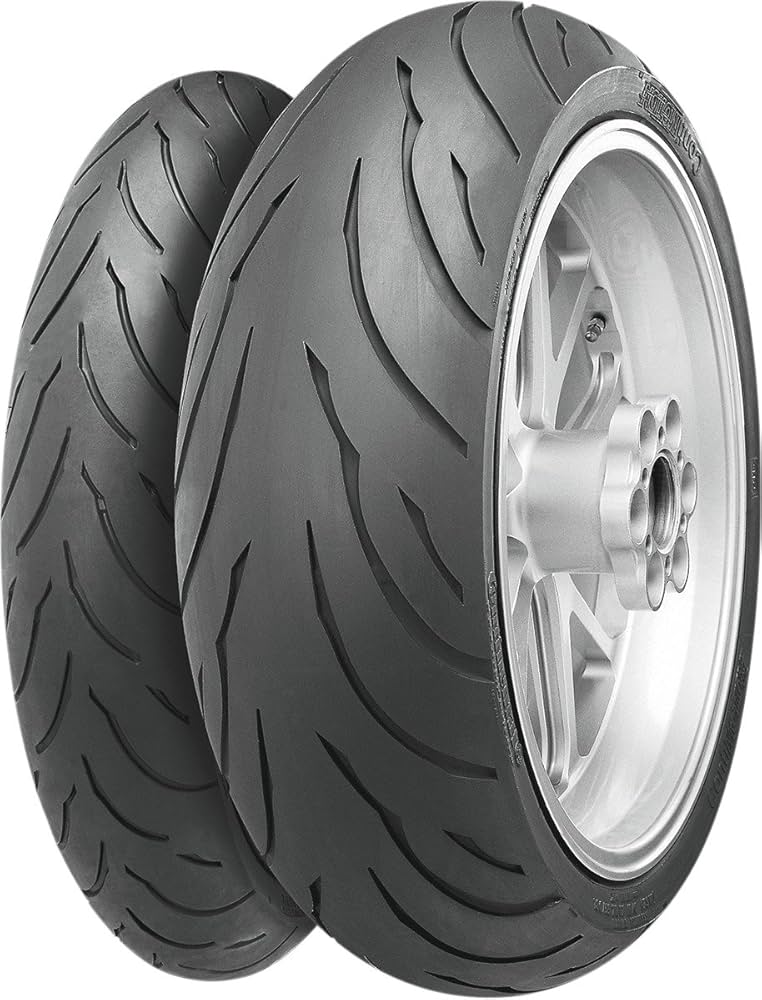
- Continental Conti Motion— Best Budget, Honest Value
Best BMW K1600GT Tires — Compared
Side‑by‑side comparison of speed ratings, tire types, best‑use scenarios, and overall scores.
| # | Product | Speed Rating | Type | Best For | Score | |
|---|---|---|---|---|---|---|
| 1 | Michelin Road 6 GT Editor’s Choice | W | Sport‑Touring Radial | Wet‑Weather Safety & Comfort | 4.7 | See Latest Price |
| 2 | Pirelli Angel GT II “A” Spec Top Pick | W | Sport‑Touring Radial | High Mileage Touring | 4.5 | See Latest Price |
| 3 | Dunlop Roadsmart 4 GT | W | Sport‑Touring Radial | Handling Precision & Durability | 4.7 | See Latest Price |
| 4 | Bridgestone Battlax T32 GT | W | Sport‑Touring Radial | High‑Speed Stability | 4.6 | See Latest Price |
| 5 | Metzeler Roadtec 01 | W | Sport‑Touring Radial | OEM Fitment, Predictable Handling | 4.4 | See Latest Price |
| 6 | Continental Conti Motion Budget Pick | W | Sport‑Touring Radial | Budget‑Friendly Commuting | 4.3 | See Latest Price |
Detailed Reviews
Full breakdown of each tire — ratings, pros, cons, and our expert verdict.
Michelin Road 6 GT
- 100% silica compound delivers class‑leading wet adhesion
- 2CT+ front technology improves stability under hard braking
- Real‑world rear life of 8,000–11,000 miles for most riders
- Some reports of leftward drift on heavily crowned roads
- Higher purchase price than most competitors
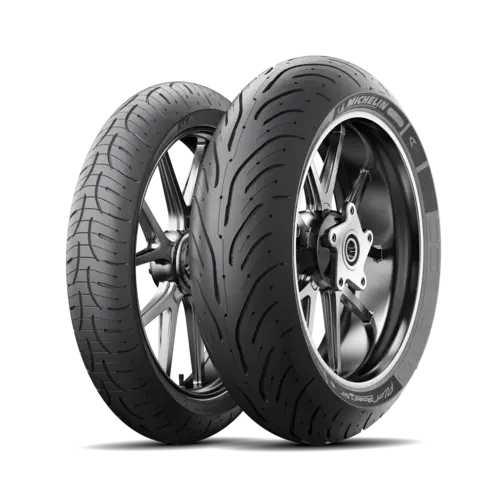
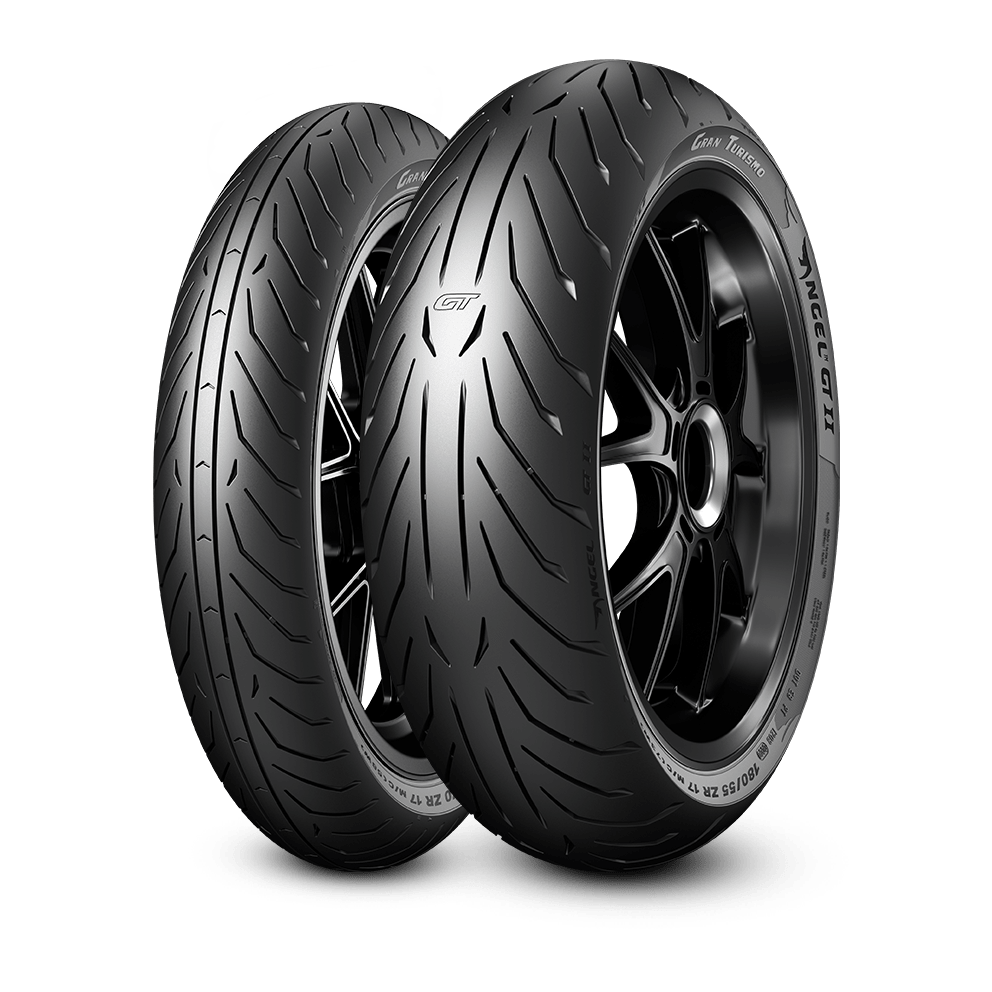
Pirelli Angel GT II “A” Spec
- “A” spec reinforced carcass handles the K1600’s weight reliably
- Dual‑compound rear resists squaring off on highway slogs
- Quiet running and smooth ride quality, even at triple‑digit speeds
- Sensitive to rain grooves and asphalt seams, per some owners
- Wet grip trails the Michelin Road 6 GT in heavy downpours
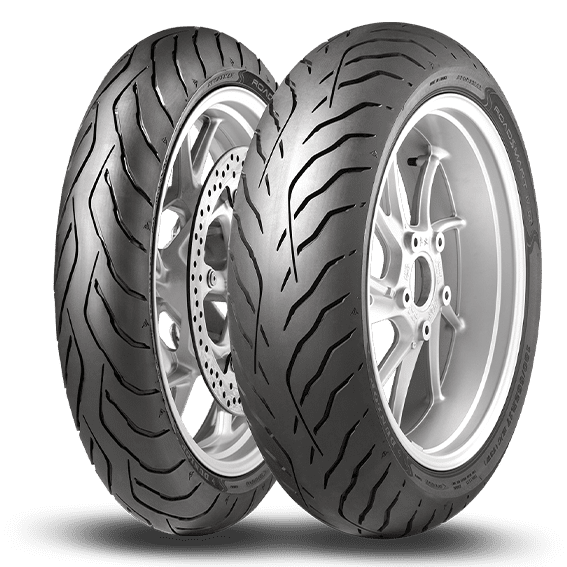
Dunlop Roadsmart 4 GT
- Stiff GT sidewall provides exceptional cornering stability
- Asymmetric tread pattern delivers strong wet and dry cornering
- Jointless belt construction enhances high‑speed stability
- Stiff sidewall makes DIY mounting difficult without power tools
- Mileage varies widely — 4,000 to 9,000 miles depending on roads
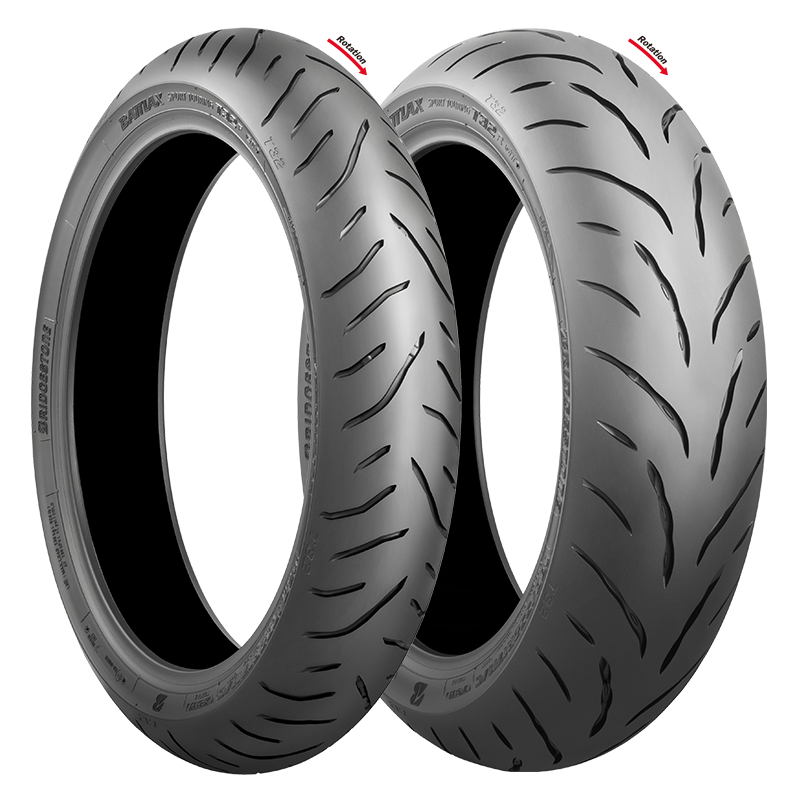
Bridgestone Battlax T32 GT
- Pulse Groove technology improves wet‑road water evacuation
- 3LC dual‑compound rear balances center wear and corner grip
- Typically priced below the Michelin Road 6 GT
- Wear rate accelerates noticeably once the tire passes half tread
- Some reports of premature front cupping on K1600GT
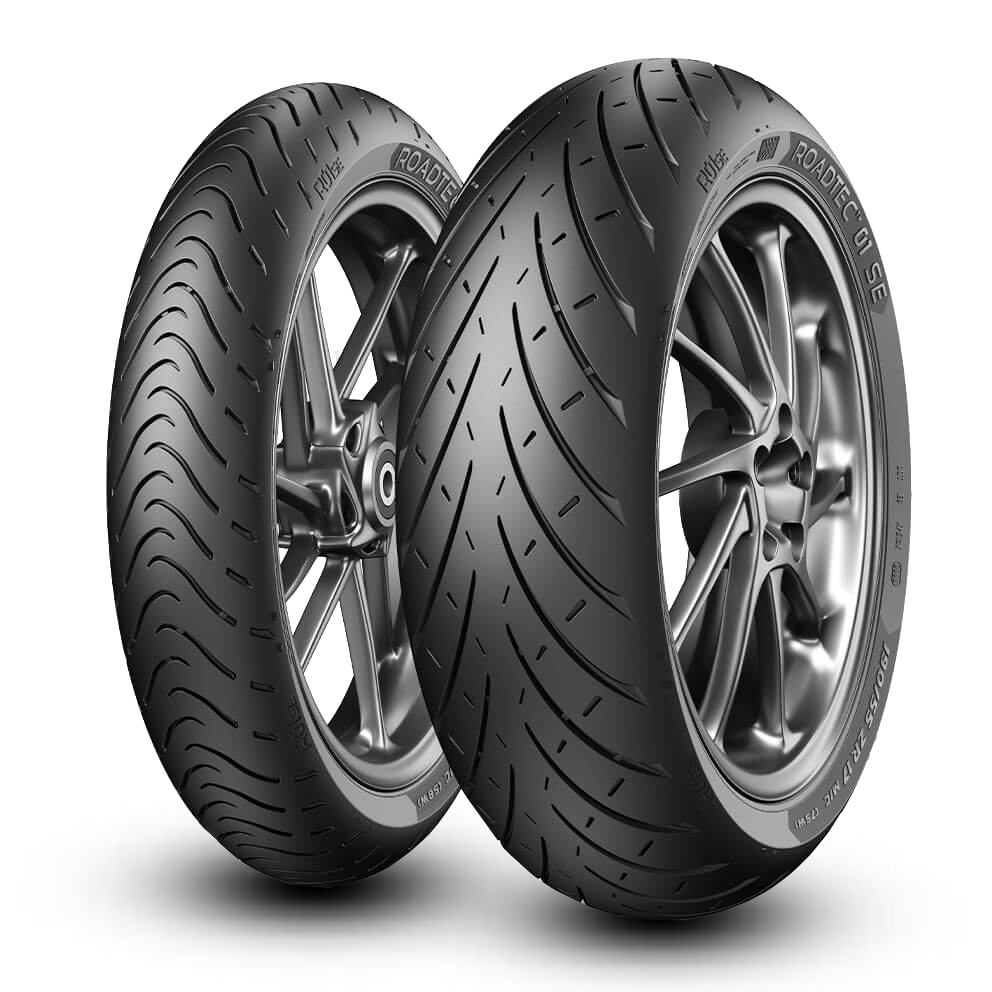
Metzeler Roadtec 01
- 0‑degree steel belt reduces vibration and unwanted movement
- Guaranteed fitment on all K1600GT model years
- Strong cool‑weather and wet‑weather grip
- Shorter rear tread life — some riders report as low as 3,500 miles
- Ride quality feels firmer over sharp bumps than the Michelin
Continental Conti Motion
- Significantly lower cost — set runs $200–$280
- Safe, predictable handling within its limits
- 0‑degree steel belt provides decent straight‑line stability
- Single‑compound rear squares off quicker than dual‑compound rivals
- Wet grip trails behind silica‑rich premium tires
Can’t Decide?
Our Top 2 Picks — Head to Head
Both are excellent. Here’s how to choose between them.
- Best wet-weather grip of any sport‑touring tire
- 2CT+ front technology for confidence under hard braking
- Smooth, quiet ride even when fully loaded two‑up
- Dual‑compound rear resists squaring on long highway tours
- “A” spec reinforced carcass built for heavy bikes
- Often matches or exceeds the Michelin in tread life
How to Choose the Right Tire for Your K1600GT
Six factors that matter before you buy — explained simply.
Load Rating & GT Spec
The K1600GT needs tires with a minimum 58W front and 75W rear load index. Always choose “GT,” “A” spec, or HWM variants. These reinforced carcasses handle the bike’s 750‑pound dry weight without premature wear or instability.
Compound Technology
Silica‑rich compounds improve wet grip without sacrificing mileage. Dual‑compound rears place a harder rubber in the center to resist squaring off during highway miles, while softer shoulders provide cornering traction. This matters more on a heavy bike like the K1600GT.
Tread Pattern & Water Evacuation
Deep, well‑designed grooves channel water away from the contact patch. Tires like the Michelin Road 6 GT use expanding sipes that maintain water evacuation as the tire wears. This keeps wet‑weather performance consistent throughout the tire’s life.
Tire Pressure Management
The K1600GT is sensitive to pressure. Many owners run 42 psi front and rear. Too low accelerates center wear and degrades handling. Too high reduces grip and comfort. Check pressure cold before every long ride — don’t rely solely on the TPMS warning.
Installation Considerations
Stiff‑sidewall GT tires challenge DIY mechanics. The Dunlop Roadsmart 4 GT is particularly difficult to mount manually. Budget $50–$100 per set for professional mounting and balancing. Always replace valve stems and inspect the manufacturing date code before installation.
Mileage vs. Grip Trade‑offs
Harder compounds last longer but sacrifice wet grip. Softer compounds grip better but wear faster. GT‑spec dual‑compound tires offer the best compromise for the K1600GT. Calculate cost per mile rather than focusing on the initial purchase price alone.
Pro Tips
Quick Buying Checklist for K1600GT Tires
Verify GT or “A” spec — standard versions of these tires lack the reinforcement needed for the K1600’s weight.
Check the DOT date code — avoid tires more than three years old, even if unused. Rubber degrades in storage.
Replace as a set — mixing a fresh rear with a worn front compromises handling on this heavy bike.
Run 42 psi cold — most K1600 owners find this pressure balances grip, wear, and comfort best.
Calculate cost per mile — a $500 set lasting 9,000 miles costs less per mile than a $250 set lasting 3,500.
Budget for mounting — stiff GT sidewalls make professional installation worth the $50–$100 expense.
Frequently Asked Questions
What tire size does a BMW K1600GT use?
The BMW K1600GT uses a 120/70 ZR 17 front tire and a 190/55 ZR 17 rear tire. All model years from 2011 through the current generation share these sizes. Always verify the load index (58W front, 75W rear minimum) matches or exceeds OEM specifications.
How long do tires last on a BMW K1600GT?
Tire life varies significantly based on brand, riding style, and road surfaces. Premium GT‑spec tires like the Michelin Road 6 GT typically last 6,000 to 11,000 miles. Aggressive riders on coarse pavement may see as little as 3,500 miles from a rear tire due to the bike’s weight.
Are aftermarket tires safe for the BMW K1600GT?
Yes, aftermarket tires that match the OEM size, load index, and speed rating are completely safe. Many aftermarket options outperform the original equipment tires in wet grip and tread life. Always choose GT or reinforced spec tires designed for heavy motorcycles.
Will installing aftermarket tires void my motorcycle warranty?
No. Installing aftermarket tires does not void your motorcycle warranty, provided the tires meet or exceed the OEM specifications for size, load index, and speed rating. The Magnuson‑Moss Warranty Act protects your right to use aftermarket parts.
Can I run a car tire on my BMW K1600GT?
Some K1600 owners choose to run a car tire on the rear, a practice called “going darkside.” This is controversial. While some riders report high mileage, car tires are not designed for motorcycle lean angles or side‑load dynamics. It is not recommended by any manufacturer.
How difficult is installing tires on a K1600GT for a beginner?
Installing motorcycle tires at home requires a tire changer, proper spoons, and patience. The K1600GT’s GT‑spec tires have stiff sidewalls that make the job harder than on lighter bikes. Most beginners should budget for professional mounting, which typically costs $50–$100 per set.
Are premium motorcycle tires worth the extra cost?
In most cases, yes. Premium tires like the Michelin Road 6 GT and Dunlop Roadsmart 4 GT use dual‑compound construction and silica‑rich compounds that extend tread life and improve wet grip. The cost‑per‑mile calculation often favors premium tires over budget alternatives on a heavy K1600GT.
Final Verdict
Our Top Recommendations for 2026
After evaluating owner feedback across multiple forums, analyzing wear patterns, and cross‑referencing independent test data, the Michelin Road 6 GT stands as the best overall tire for the BMW K1600GT. It delivers unmatched wet grip, real‑world longevity, and the comfort that long‑distance riders demand. For budget‑conscious commuters who ride primarily in dry conditions, the Continental Conti Motion offers safe, predictable performance at roughly half the price. And for touring riders who prioritize maximum tread life, the Pirelli Angel GT II “A” Spec is a worthy alternative with a proven mileage advantage.