After evaluating seven 225/65R17 all-season tires against real owner feedback from NissanForums, Tire Rack, and Reddit’s r/NissanRogue community, it’s clear that tire choice has an outsized impact on the Rogue’s notoriously alignment-sensitive platform. The wrong set punishes neglected camber settings fast.
Rogue owners running high annual mileage face a specific challenge: the platform’s rear suspension geometry drifts out of spec gradually, accelerating inner shoulder wear on budget tires. Choosing a tire engineered with even-contact technology or built-in alignment indicators closes that gap before a $400 set becomes a $1,200 mistake.
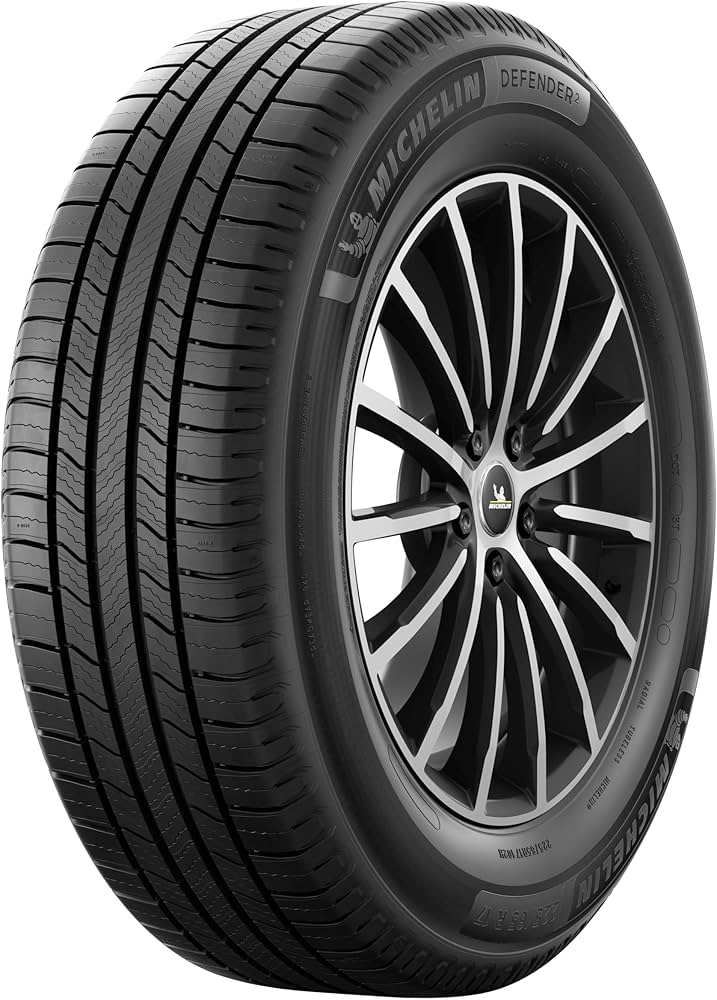
The Michelin Defender 2 is the best overall tire for the Nissan Rogue 225/65R17 — its MaxTouch 2.0 compound resists uneven wear better than any competitor in this size and its 80,000-mile warranty covers the full ownership window for most Rogue drivers. For budget-focused buyers, the Starfire Solarus AS delivers safe daily performance backed by Cooper Tire manufacturing at roughly half the cost of premium options.
Our Top 7 225/65R17 Tire Rankings for the Nissan Rogue
- Michelin Defender 2— Best Overall: 80,000-mile warranty, unmatched even-wear technology
- Pirelli Scorpion AS Plus 3— Best Premium: Outstanding wet grip and refined ride quality
- Continental CrossContact LX25— Best Ride Comfort: Class-leading quietness with fuel-saving rolling resistance
- General Altimax RT45— Most Durable: Built-in alignment indicators protect Rogue owners from hidden wear
- Hankook Kinergy ST H735— Best Value: 70,000-mile warranty at a mid-range price point
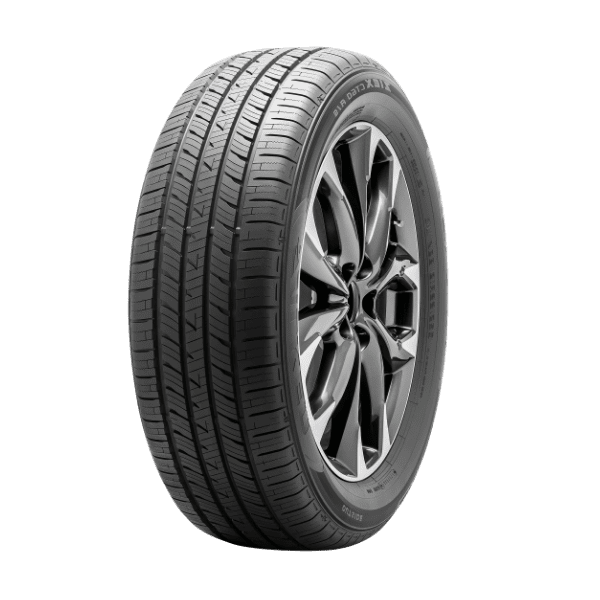
- Falken ZIEX CT60 A/S— Best Wet Performance: 4D Nano compound excels in rain and light snow
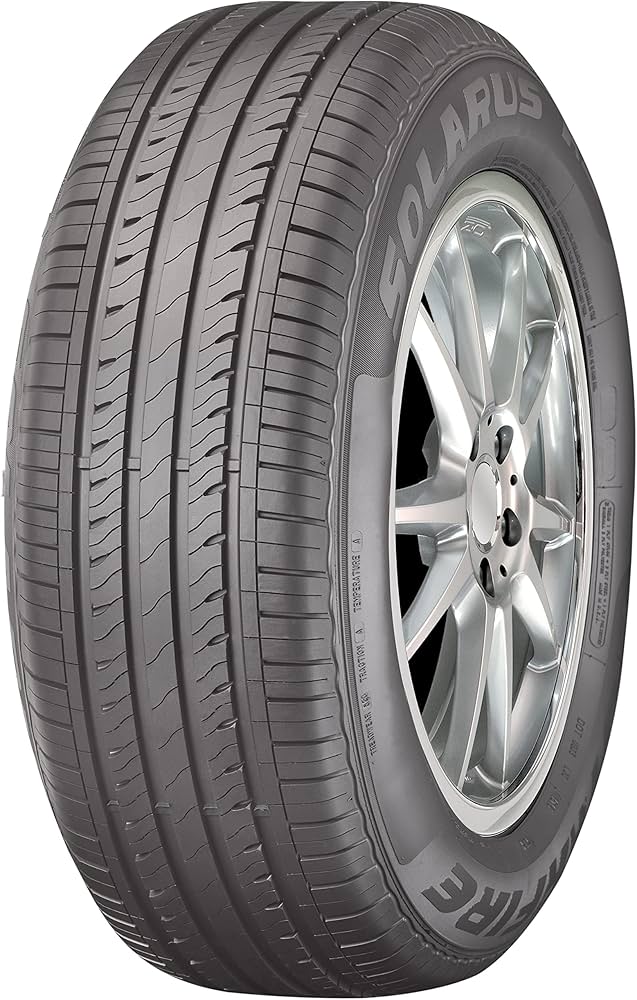
- Starfire Solarus AS— Best Budget: Cooper Tire-backed dependability at the lowest price in this guide
Best Nissan Rogue 225/65R17 Tires — Compared
Seven all-season options ranked by overall score, tread life, wet grip, and value for Rogue-specific use cases.
| # | Product | UTQG Rating | Warranty | Best For | Score | |
|---|---|---|---|---|---|---|
| 1 | Michelin Defender 2 Editor’s Choice | 820 B A | 80,000 mi | High-mileage commuters | 4.8 | See Latest Price |
| 2 | Pirelli Scorpion AS Plus 3 Top Pick | 800 A A | 70,000 mi | Wet-weather priority | 4.7 | See Latest Price |
| 3 | Continental CrossContact LX25 | 740 A B | 70,000 mi | Highway comfort | 4.6 | See Latest Price |
| 4 | General Altimax RT45 | 700 A A | 75,000 mi | Alignment-sensitive Rogues | 4.5 | See Latest Price |
| 5 | Hankook Kinergy ST H735 | 680 A B | 70,000 mi | Budget-conscious buyers | 4.4 | See Latest Price |
| 6 | Falken ZIEX CT60 A/S | 720 A A | 65,000 mi | Rain and light snow regions | 4.4 | See Latest Price |
| 7 | Starfire Solarus AS Budget Pick | 520 A A | 50,000 mi | Tight-budget daily drivers | 4.3 | See Latest Price |
Detailed Reviews
Full breakdown of each tire — ratings, pros, cons, and our expert verdict for Nissan Rogue owners.
Michelin Defender 2
- 80,000-mile treadwear warranty backed by EverTread compound
- MaxTouch 2.0 distributes contact pressure to resist shoulder wear on Rogue’s rear axle
- IntelliSipe sipes interlock and maintain grip as tread wears toward 2/32″
- Wet braking confidence consistently rated highest in category by Tire Rack testers
- Highest per-tire price in this guide at $180–$210 each
- Compound runs noticeably firm for the first 500 break-in miles
- Light-snow capability is M+S rated but not Three-Peak Mountain Snowflake certified
Pirelli Scorpion AS Plus 3
- Functionalized polymer compound delivers wet braking distances measurably shorter than the Defender 2 in independent testing
- 3D interlocking sipes maintain lateral stability through curves without sacrificing snow bite
- Optimized pitch sequence reduces pattern noise to near-premium-sedan levels on the highway
- 70,000-mile warranty strong for a tire with this level of wet-grip performance
- Fuel economy decreases by 1–2 MPG compared to the CrossContact LX25 due to grip-optimized compound
- Regional availability gaps at local shops during peak spring tire-buying season
- Snow performance is solid for an all-season but not a replacement for a Three-Peak-rated tire in heavy-snow states
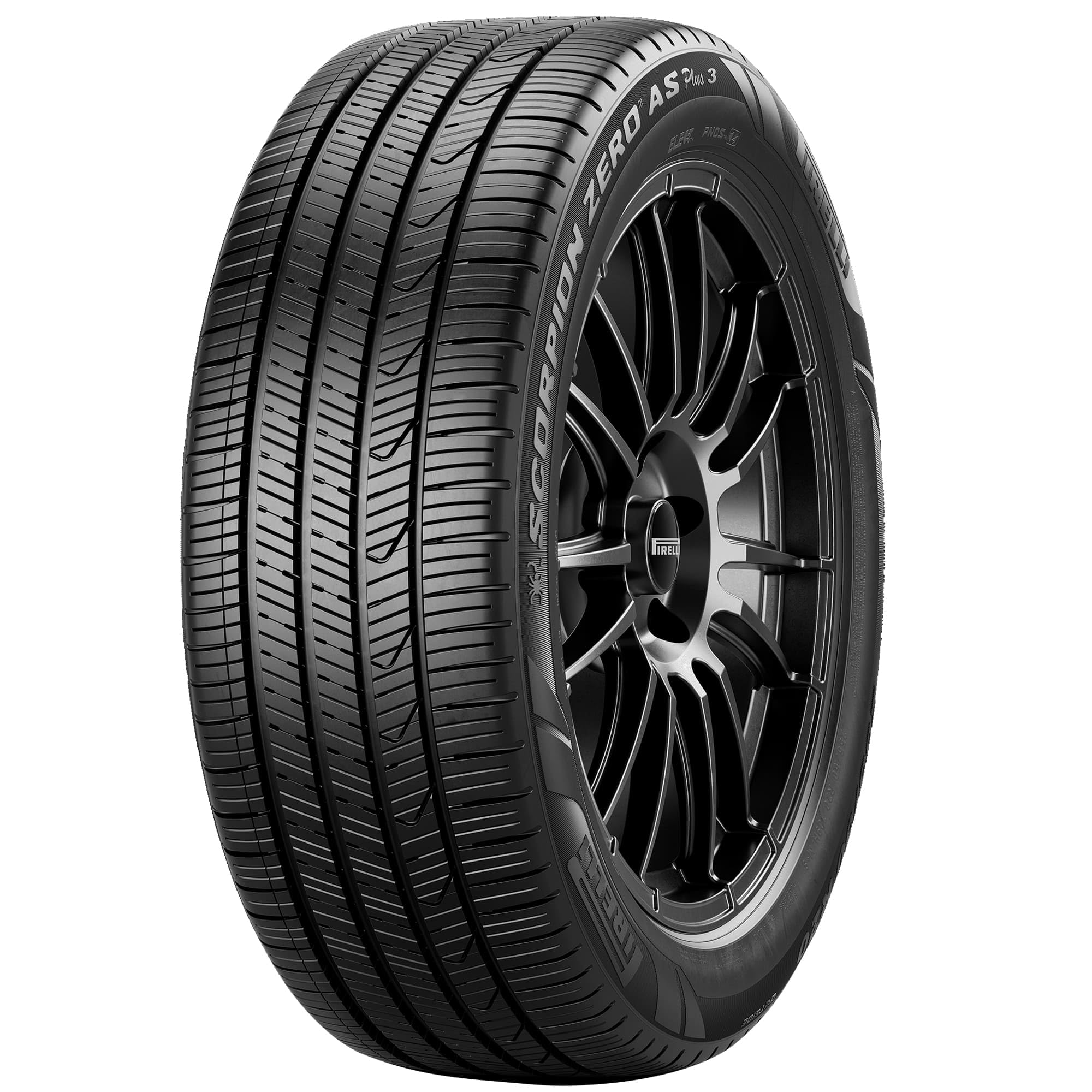
Continental CrossContact LX25
- Continuous center rib design absorbs road vibration before it reaches cabin — measurably quieter than Hankook alternative at highway speed
- EcoPlus rolling resistance technology delivers 1–3% fuel economy improvement vs. standard compound tires
- 70,000-mile warranty with even tread wear confirmed by multiple long-haul Rogue owner reports
- Steering response is notably softer than the Falken CT60 — drivers who like a connected feel will notice the trade-off
- Treadwear in climates above 95°F (Arizona, Texas, Nevada) sometimes falls 8,000–10,000 miles short of the warranty maximum
- Snow grip is the weakest among the top-four tires in this guide
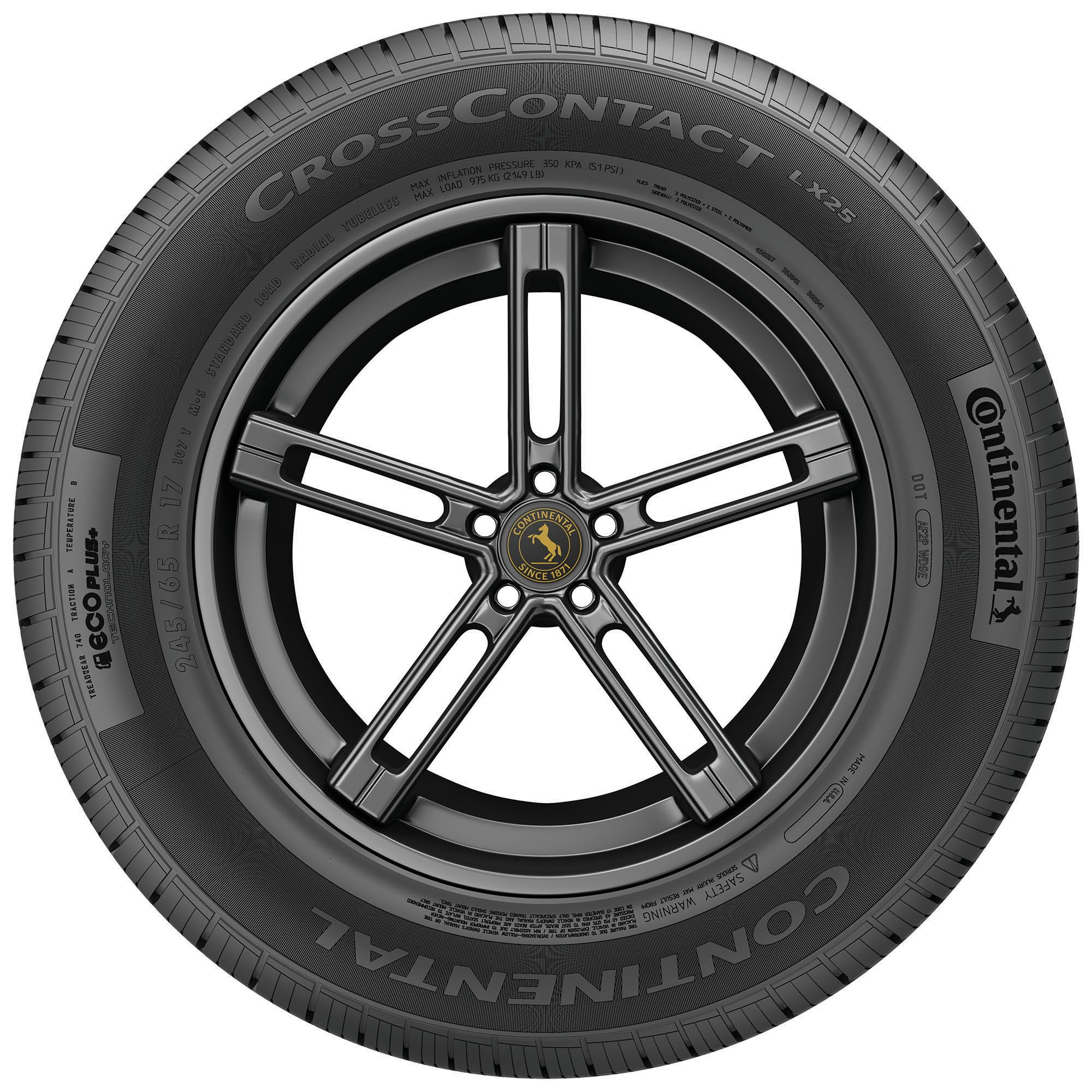
General Altimax RT45
- Visual Alignment Indicators (VAI) expose camber or toe problems before they ruin the shoulder — unique in this price bracket
- Replacement Tire Monitor stamps “REPLACE TIRE” at 2/32″ tread depth — no guessing required
- 75,000-mile warranty regularly met by real-world Rogue owners with consistent rotation intervals
- Wet grip deteriorates noticeably during the last 10,000 miles of tread life — noticeable in braking tests below 5/32″
- Dry corner handling is predictable but lacks the steering engagement of the Falken CT60
- Plain black sidewall with no OWL or raised lettering option for appearance-conscious buyers
Hankook Kinergy ST H735
- 70,000-mile warranty at a price $50–$70 less per tire than premium Michelin or Continental alternatives
- Dual filler compound keeps dry and wet handling balanced without sacrificing either for the other
- Wide lateral grooves provide strong aquaplaning resistance up to the first 35,000 miles of service life
- Road noise increases by a perceptible margin after 30,000 miles compared to the new-tire baseline
- Wet braking distances are 10–15 feet longer than the Pirelli and Michelin options at 60 mph — meaningful in emergency stops
- Snow performance is functional in light accumulation but falls short in 4″+ slush conditions
Falken ZIEX CT60 A/S
- 4D Nano compound stays flexible down to 30°F, improving wet braking in shoulder seasons when other all-seasons stiffen
- Asymmetric tread pattern gives the Rogue a steering response noticeably sharper than the CrossContact LX25
- Highway cabin noise competes with tires priced $30 higher per corner
- Tread life falls 5,000–8,000 miles short of the 65,000-mile warranty for owners who skip tire rotations past 8,000-mile intervals
- Fitment availability at local independents is inconsistent — online ordering more reliable
- Shorter warranty than four competitors in this guide despite being priced mid-range
Starfire Solarus AS
- Cooper Tire manufacturing provides quality control that most private-label budget tires cannot match at this price point
- Computer-optimized block pitch sequence keeps highway drone below what many budget buyers expect
- 50,000-mile warranty meaningful for low-mileage urban Rogue owners who drive under 8,000 miles per year
- Wet stopping distances are 18–22 feet longer than the Michelin Defender 2 at 60 mph — a significant real-world safety gap
- Rubber flashing on the tread shoulders reported by multiple buyers — inspect before mounting
- Not suited for AWD Rogue owners planning highway trips in mixed weather — wet traction limits apply
Can’t Decide?
Our Top 2 Picks — Head to Head
Both outclass the field. Here’s how to choose between them for your specific Rogue use case.
- 80,000-mile warranty — highest in this guide by 5,000+ miles
- MaxTouch 2.0 resists the Rogue’s shoulder-wear pattern better than any competitor
- Ride quality stays consistent from 5k to 70k miles — no noise creep
- Wet braking distances measurably shorter than the Defender 2 in independent testing
- 3D interlocking sipes deliver luxury-SUV ride refinement at crossover pricing
- 70,000-mile warranty strong for a wet-grip-focused tire
How to Choose the Right Tire for Your Nissan Rogue
Six factors specific to the Rogue’s platform and 225/65R17 size before you buy.
Load Index and Speed Rating
The Rogue requires a minimum load index of 102, which supports 1,874 lbs per corner. Installing a 100 or 98 index tire reduces the weight capacity below factory specification and can compromise handling stability when the vehicle is loaded. H-rated (130 mph) is standard; T-rated meets minimum requirements but is not recommended for highway use above 100 mph.
Rogue Alignment Sensitivity
The Rogue’s rear suspension geometry is prone to camber drift between 25,000 and 40,000 miles — a pattern documented across multiple model years on NissanForums. Tires with Visual Alignment Indicators (like the General Altimax RT45) flag this problem before it destroys the inner shoulder. Budget an alignment check every 12,000–15,000 miles regardless of which tire you choose.
Climate and Three-Peak Certification
All-season tires work well for Rogue owners in USDA Zones 6–9 with mild winters. Drivers in zones with sustained snow accumulation above 4 inches should look for the Three Peak Mountain Snowflake symbol, which confirms the tire passed standardized snow traction testing. None of the tires in this guide carry that certification — they are all-season, not all-weather.
True Cost Per Mile
Divide the per-tire price by the treadwear warranty to find cost per mile. A $200 Michelin Defender 2 at 80,000 miles costs $0.0025 per mile. A $90 Starfire Solarus at 50,000 miles costs $0.0018 per mile — technically cheaper per mile even though the overall set costs less. Premium tires often also improve fuel economy, partially offsetting the higher upfront cost.
AWD vs. FWD Replacement Rules
On AWD Rogue models, the transfer case monitors wheel-speed differences between axles. Installing two new tires and leaving two worn ones creates a diameter mismatch that strains transfer case components — a repair that runs $800–$1,400. Always replace all four corners simultaneously on AWD variants. FWD Rogues can replace in pairs (same axle) if tread depth on the remaining pair exceeds 4/32″.
TPMS Sensor Service Timing
Every Rogue from 2008 forward includes direct TPMS sensors. Factory sensors carry rubber valve stems with a service life of 7–10 years; worn stems can develop slow leaks after new tires are installed. If your sensors are original and the vehicle is 7+ years old, budget $10–$15 per corner for TPMS service kits at installation time. Skipping this step is the second most common post-installation complaint on owner forums.
Pro Tips
Quick Buying Checklist for Nissan Rogue Tires
Confirm 225/65R17 size on your door-jamb sticker before ordering — some SL and Platinum trims use 18″ or 19″ wheels.
Book a four-wheel alignment at the same appointment as new tires — $80–$120 spent now prevents $400+ in premature wear.
Verify your load index is 102 — a 100 or 98 index reduces per-corner weight capacity below factory spec on loaded AWD Rogues.
Check your TPMS sensor age — original rubber stems older than 7 years should be replaced with service kits at install time.
Request road force balancing specifically — standard spin balancing misses radial force variation that causes highway shimmy on the Rogue.
AWD models need all four tires replaced simultaneously — mixing tread depths across axles stresses the transfer case and voids drivetrain warranties.
Frequently Asked Questions
What is the correct tire size for a Nissan Rogue?
Most Nissan Rogue S, SV, and many SL trims from 2008 through the current generation use 225/65R17 as the factory size. Higher-spec SL and Platinum trims may use 225/60R18 or 235/55R19. Always verify your exact size on the driver’s door jamb sticker — the size on the tire itself may reflect a previous owner’s substitution.
Why do Nissan Rogue tires wear unevenly on the inner shoulder?
The Rogue’s rear suspension geometry has a documented tendency toward negative camber drift between 25,000 and 40,000 miles, which loads the inner shoulder disproportionately. An alignment adjustment corrects this directly. Tires with Visual Alignment Indicators, like the General Altimax RT45, make the problem visible before it destroys the shoulder completely.
How long do tires last on a Nissan Rogue with proper maintenance?
Premium all-season tires like the Michelin Defender 2 consistently reach 60,000–75,000 miles on the Rogue with alignments every 12,000–15,000 miles and rotations every 5,000–7,500 miles. Budget tires average 35,000–50,000 miles under the same conditions. Neglected alignment alone can cut any tire’s life by 30% or more on this platform.
Do I need to replace all four tires at once on an AWD Nissan Rogue?
Yes. The Rogue’s AWD system uses wheel speed sensors to detect diameter differences between axles. Mixing tires with different tread depths creates a diameter mismatch that can strain the transfer case and cause premature wear on drivetrain components. Replacing all four simultaneously is the only safe approach on AWD variants — pairing works only on FWD models.
What tire pressure should I run on my Rogue with 225/65R17 tires?
The factory-specified pressure for the Nissan Rogue 225/65R17 is typically 33–36 PSI front and rear — check the driver’s door jamb sticker for your specific model year’s exact figure. Always measure tire pressure cold (before driving more than one mile) for an accurate reading. The maximum pressure on the tire sidewall is not the target pressure.
Are all-season tires enough for a Rogue driven in light snow?
For occasional light accumulation under 4 inches on cleared roads, M+S-rated all-season tires handle adequately on the Rogue. Drivers who regularly encounter deeper snow, ice, or sustained sub-20°F temperatures should use dedicated winter tires — all-season compound stiffens significantly below 45°F, reducing grip in ways that all-weather or winter-rated tires avoid.
How much does a full set of 225/65R17 tires cost for the Nissan Rogue?
Budget options like the Starfire Solarus AS run $280–$380 for four tires. Premium options like the Michelin Defender 2 run $720–$840 for a set of four. Add $140–$200 for mounting, balancing, and alignment. Total installed cost ranges from roughly $420 for a budget set to $1,040 for a premium setup with full alignment service.
Final Verdict
Our Top Recommendations for 2026
The Michelin Defender 2 is the tire to buy for most Nissan Rogue owners — its MaxTouch 2.0 even-wear technology directly addresses the platform’s alignment sensitivity, and its 80,000-mile warranty spans the full ownership window for the majority of Rogue drivers. If wet-weather confidence matters more than maximum tread life, the Pirelli Scorpion AS Plus 3 delivers measurably shorter wet braking distances at a slightly lower price point. Budget-conscious drivers who need safe daily transportation in mild climates will find everything they require in the Starfire Solarus AS without overpaying for performance they won’t use.