After evaluating seven motor oils against real-world BMW owner feedback, used oil analyses from BobIsTheOilGuy, and BMW’s own Longlife approval database, one thing became clear: the B46 and B48 engines in the 330i are unforgiving of mismatched lubricants. Tight tolerances, aggressive compression, and turbo heat demand a certified oil — not just a full synthetic with a vague European claim on the label.
BMW changed its oil specification dramatically between the E90, F30, and G20 generations. What protected your neighbor’s 2010 330i will starve the VANOS solenoids on a 2022 model. This guide maps the right oil to the right 330i — by generation, by engine code, and by driving style.
G20 330i owners (2019–present) need a 0W-20 meeting BMW LL-17 FE+ — Castrol EDGE is the top pick. F30 and E90 owners need a 5W-30 or 5W-40 with BMW LL-01 certification — Liqui Moly Special Tec B FE and Pennzoil Platinum Euro are the strongest performers. Never use an oil that only “meets or exceeds” BMW standards; look for the official Longlife approval printed on the back label.
Our Top 7 BMW 330i Oil Rankings
- Castrol EDGE 0W-20 LL-17 FE+ — Best Overall (G20 330i, 2019–present)
- Liqui Moly Special Tec B FE 5W-30 — Best Premium (F30 & E90 330i)
- Pennzoil Platinum Euro 5W-40 — Best for Durability & Piston Cleanliness
- Quaker State Euro Full Synthetic 5W-40 — Best Budget LL-01 Option
- Motul Specific LL-01 FE 5W-30 — Best for Track-Day & High-RPM Driving
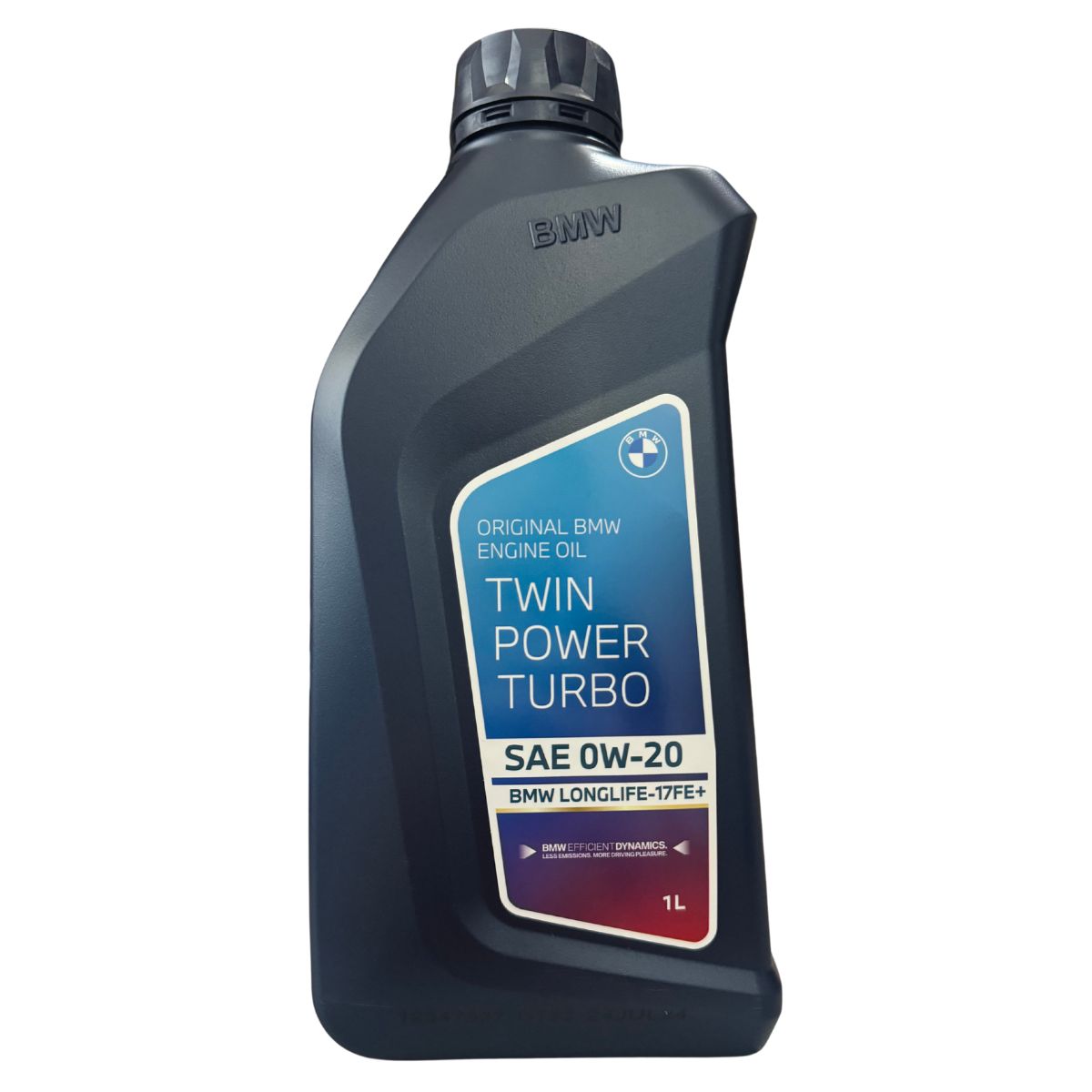
- BMW TwinPower Turbo 0W-20 — Best Factory-Fill / Warranty Peace of Mind
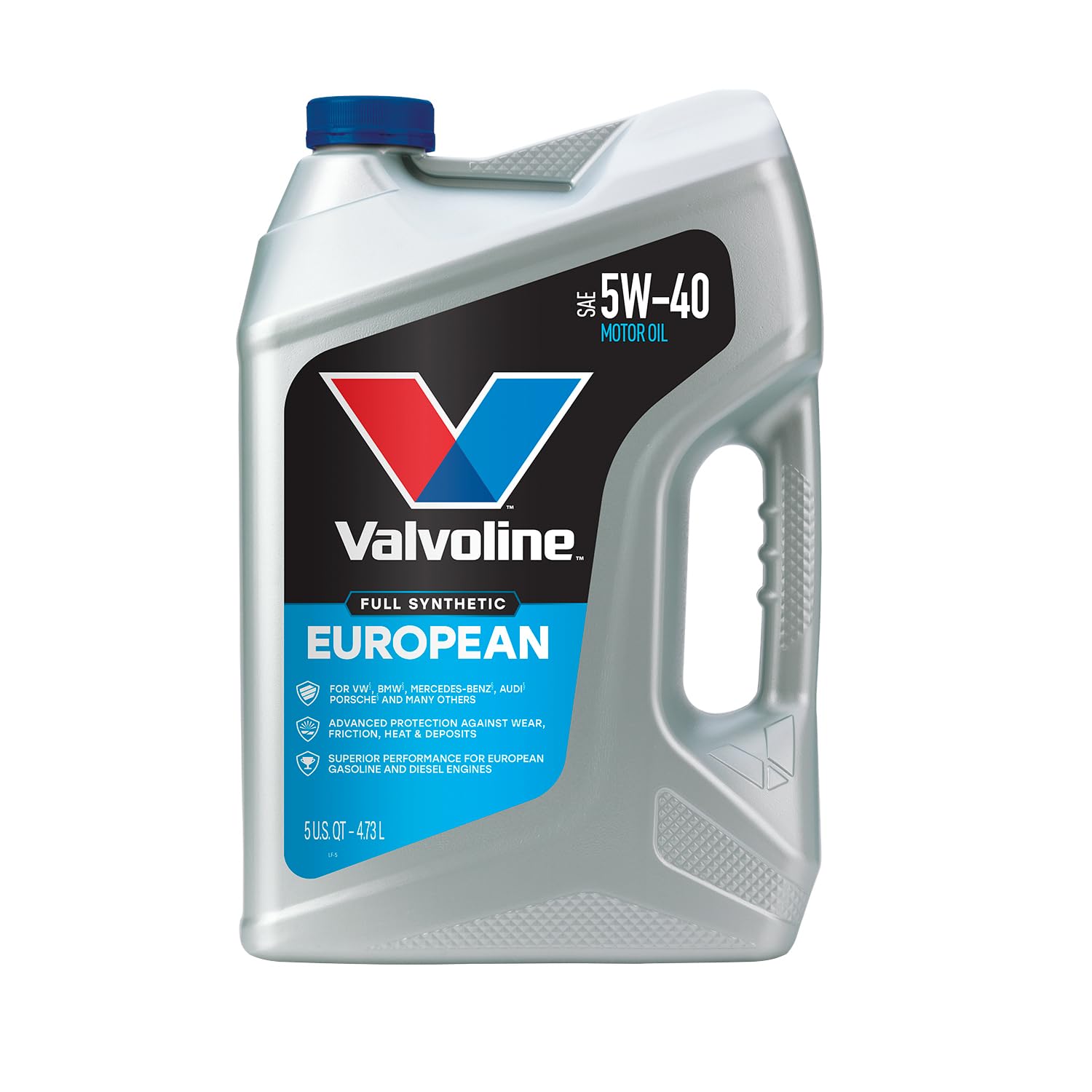
- Valvoline European Vehicle 5W-40 — Best Value for High-Mileage E90 & F30
Best Oil for BMW 330i — Compared
All seven oils compared by approval spec, viscosity, and best-fit generation. G20 requires LL-17 FE+; F30/E90/E46 require LL-01 or LL-01 FE.
| # | Product | BMW Approval | Viscosity | Best For | Score | |
|---|---|---|---|---|---|---|
| 1 | Castrol EDGE 0W-20 Editor’s Choice | LL-17 FE+ | 0W-20 | G20 330i (2019+) | 4.9 | See Latest Price |
| 2 | Liqui Moly Special Tec B FE 5W-30 Top Pick | LL-01 FE | 5W-30 | F30 & E90 330i | 4.8 | See Latest Price |
| 3 | Pennzoil Platinum Euro 5W-40 | LL-01 | 5W-40 | High-mileage E90/F30 | 4.7 | See Latest Price |
| 4 | Quaker State Euro Full Synthetic 5W-40 Budget Pick | LL-01 | 5W-40 | Budget-conscious E90/F30 | 4.5 | See Latest Price |
| 5 | Motul Specific LL-01 FE 5W-30 | LL-01 FE | 5W-30 | Track-day F30 | 4.5 | See Latest Price |
| 6 | BMW TwinPower Turbo 0W-20 | LL-17 FE+ | 0W-20 | G20 warranty owners | 4.4 | See Latest Price |
| 7 | Valvoline European Vehicle 5W-40 | LL-01 | 5W-40 | High-mileage E90/F30 | 4.3 | See Latest Price |
Detailed Reviews
Full breakdown of each oil — ratings, who it suits, pros, cons, and our expert verdict.
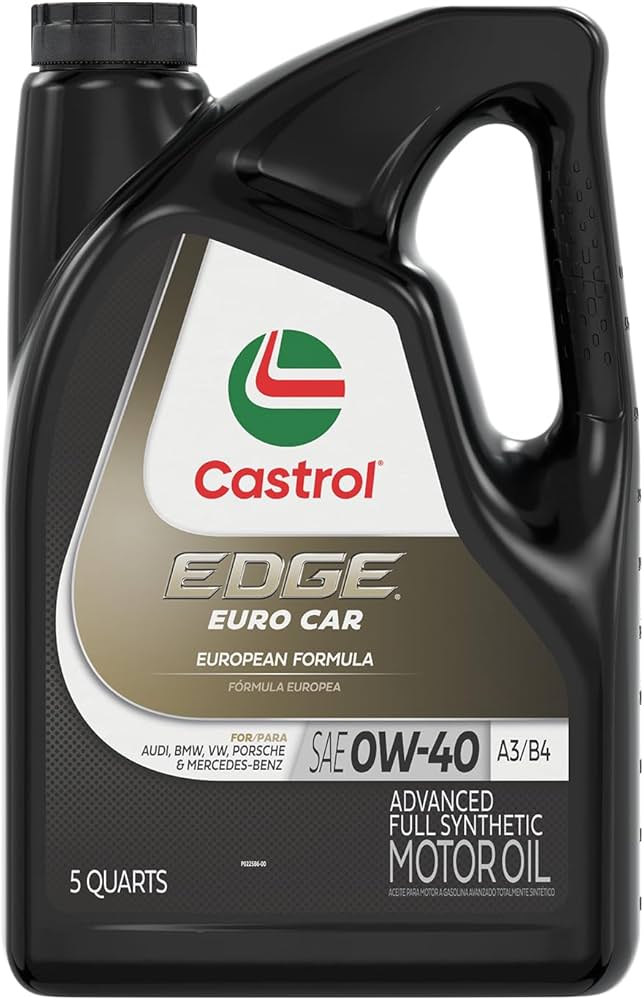
Castrol EDGE 0W-20 LL-17 FE+
- Official BMW LL-17 FE+ certification — zero warranty risk for G20 owners
- Fluid Titanium additive physically strengthens oil film under turbo boost load
- TBN retention verified past 5,000 miles in independent used oil analyses
- Mid-SAPS formula safe for B46/B48 gasoline particulate filters
- Costs $8–$10/qt — roughly 30% more than generic 0W-20 oils
- Not the correct spec for pre-2019 F30/E90 requiring LL-01
- 1-quart bottles mean buying 6 units for a 5.25L fill
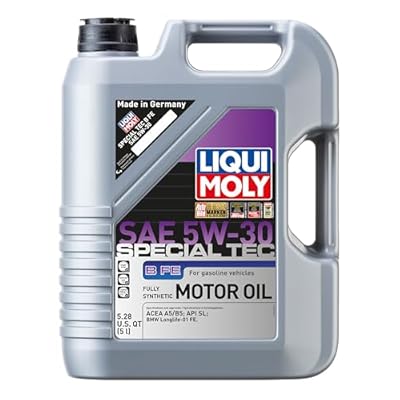
Liqui Moly Special Tec B FE 5W-30
- Extra molybdenum additive measurably reduces valvetrain friction at idle
- Low wear metals in used oil analyses at 7,500-mile intervals
- German-made formula purpose-built for BMW non-GPF gasoline engines
- BMW LL-01 FE certification — correct for 2016–2018 F30 models
- Roughly $50 per 5L jug — twice the price of Quaker State Euro
- Incorrect spec for G20 330i with GPF (requires LL-17 FE+)
- Amazon listings mix multiple Liqui Moly variants — verify label before purchasing
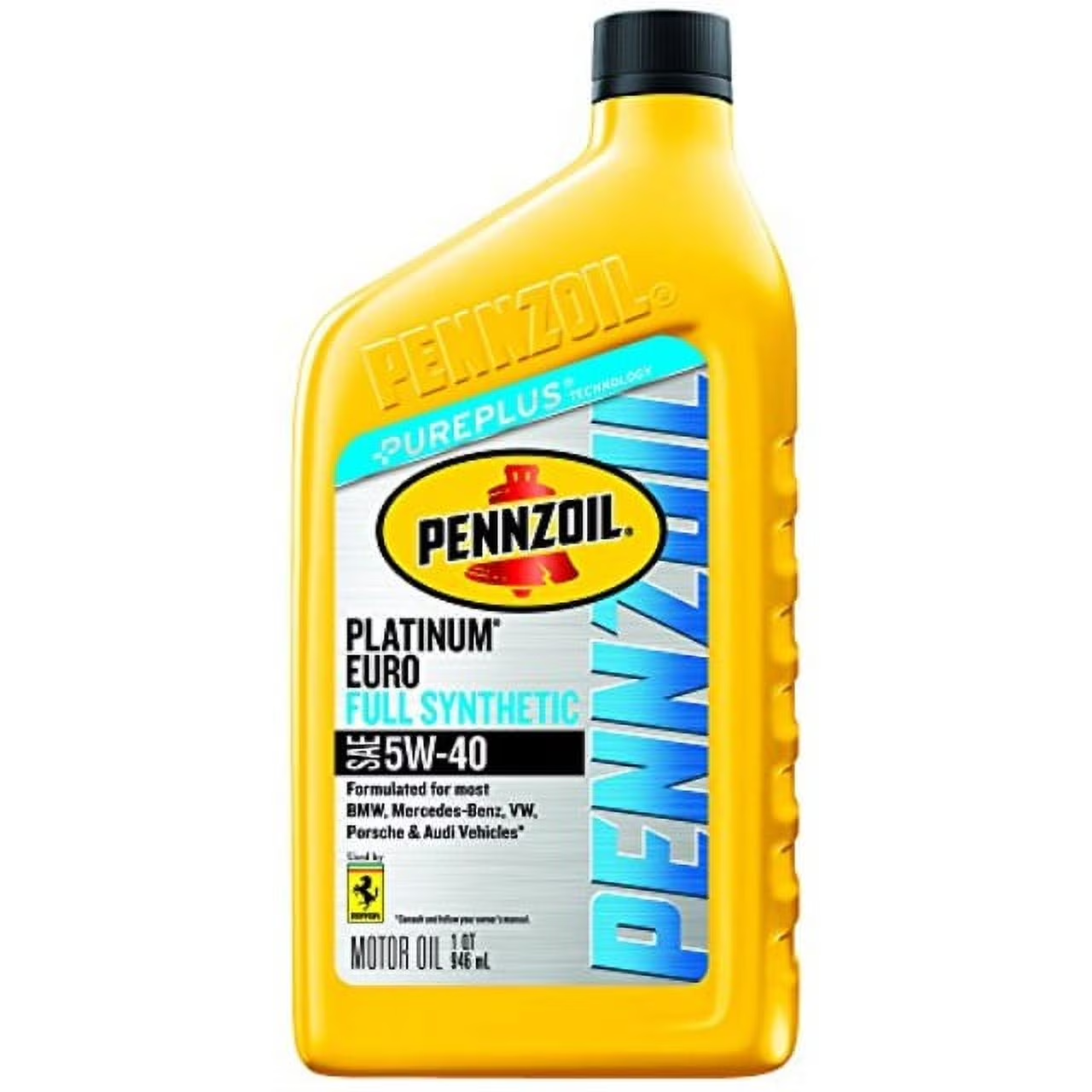
Pennzoil Platinum Euro 5W-40
- PurePlus gas-to-liquid base keeps pistons 65% cleaner than industry standard
- Competitive wear metals vs. oils costing 50% more in independent UOA tests
- BMW LL-01 certified — correct for E90, F30, and E46 330i
- 5W-40 viscosity provides thicker film for engines with worn clearances
- Not available in 0W-20 — cannot be used in G20 330i
- 5W-40 sacrifices roughly 1–2 mpg vs. thinner 0W-20 equivalents
- Amazon shipments occasionally arrive with dented or leaking jugs
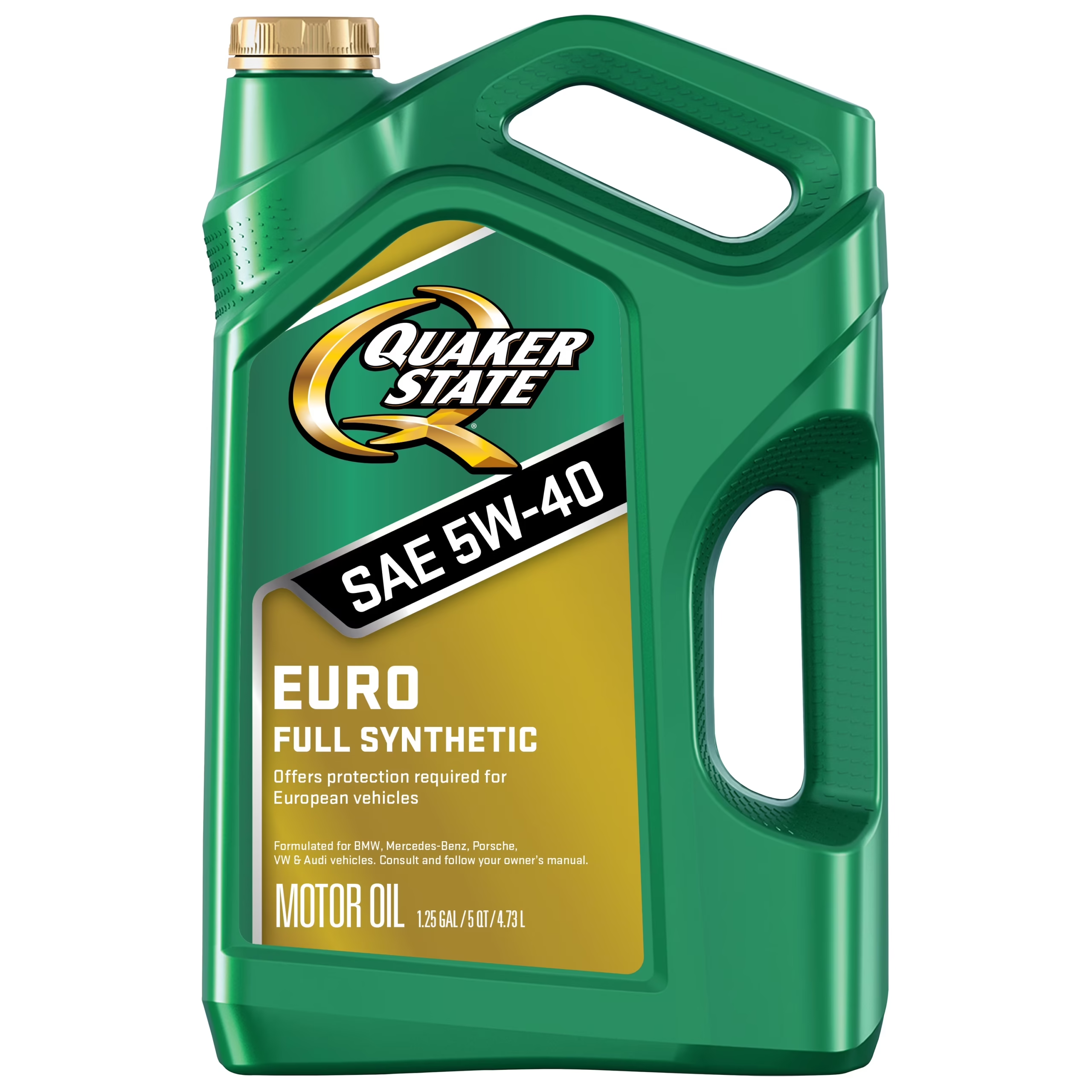
Quaker State Euro Full Synthetic 5W-40
- Official BMW LL-01 certification — same standard as oils costing twice as much
- Typically under $22 per 5-quart jug — lowest certified price tested
- Verified ACEA A3/B4 high-shear stability for turbocharged engines
- Multiple Bimmerpost members report crossing 200,000 miles on it exclusively
- Additive package less robust than Pennzoil or Liqui Moly in UOA comparisons
- Not suitable for G20 330i (requires 0W-20 LL-17 FE+)
- Basic packaging — occasional minor cap leakage during shipping
Motul Specific LL-01 FE 5W-30
- 100% synthetic ester base clings to metal longer than PAO-based oils
- HTHS viscosity ≥3.5 cP — verified safe for sustained track conditions
- Low iron and aluminum wear metals in UOAs at 7,500-mile intervals
- ACEA A5/B5 and BMW LL-01 FE dual certification
- Costs $45–$55 per 5L — overkill for a commuter 330i under 4,000 RPM daily
- Amazon availability fluctuates; not reliably Prime-eligible
- Wrong spec for G20 330i with GPF
BMW TwinPower Turbo 0W-20 LL-17 FE+
- Genuine BMW part number 83-21-2-461-988 — recognized at any BMW dealer
- Exact factory-fill chemistry used in Munich and San Luis Potosí assembly
- Mid-SAPS formula protects B46/B48 GPF from phosphorus poisoning
- Costs $12–$15 per liter — 50% more than Castrol EDGE with identical LL-17 FE+ cert
- Only sold in 1-liter bottles — requires buying 6 bottles per fill
- Some Amazon sellers ship older stock with approaching best-before dates
Valvoline European Vehicle Full Synthetic 5W-40
- Anti-wear additive package exceeds baseline industry requirements for ZDDP
- 5W-40 hot viscosity creates marginally thicker film for engines with worn bearings
- Available at AutoZone, Walmart, Amazon — no waiting on shipping
- Typically under $25 per 5-quart jug
- Additive package trails Pennzoil Platinum Euro in BITOG UOA comparisons
- Not suitable for 2019+ G20 330i requiring 0W-20
- Narrow-neck jug pours awkwardly — use a funnel to avoid spills
Can’t Decide?
Our Top 2 Picks — Head to Head
Both carry legitimate BMW certification. Here’s exactly who should choose which.
- Official BMW LL-17 FE+ — G20 factory specification
- Fluid Titanium strengthens oil film under turbo load
- Costs $8–$10/qt vs. $12–$15 for the BMW-branded bottle
- BMW LL-01 FE certified — correct for F30 and E90 models
- Extra molybdenum reduces timing chain and valvetrain noise
- German-engineered for older BMW gasoline engines without GPF
BMW 330i Oil Filter — The Critical Companion
The right oil paired with the wrong filter defeats the purpose. Here’s what fits the B46/B48.
Oil without a good filter is half the job. The BMW OEM cartridge filter (part number 11-42-7-512-300) fits all B46/B48 engines found in 2019–present G20 330i models. The housing sits at the top of the engine bay under a plastic cover — one of the more accessible filter positions on a modern turbocharged engine.
Aftermarket options from Mahle (OX 154/1D) and Hengst fit and perform identically. Mahle manufactures the OEM filter for BMW — buying the Mahle-branded version typically saves $5–$8 over the BMW-boxed equivalent while delivering the same filtration media. On Amazon, the Mahle OX 154/1D consistently earns 4.7+ stars from 330i owners.
Important: Oil Filter Housing Wrench Required
The plastic filter cap requires an 86mm 16-flute cup wrench for removal. Channel-lock pliers will crack the housing. Always torque the cap to 25 Nm on reinstallation. A vacuum oil extractor through the dipstick tube makes the job even cleaner — no drain plug required.
How to Choose the Right Oil for Your BMW 330i
Six factors specific to BMW 330i engines — not generic oil-buying advice that applies to any car.
Match Oil to Generation
BMW changed its oil specification across every 330i generation. G20 (2019+) requires 0W-20 LL-17 FE+. F30 (2012–2018) requires 5W-30 or 5W-40 LL-01 or LL-01 FE. E90 (2006–2011) and E46 (2001–2005) require LL-01. Pouring G20 oil into an E90 wastes money; pouring E90 oil into a G20 risks VANOS and GPF damage.
BMW Longlife Approval — Not “Meets Standards”
BMW LL approvals are printed on the back label, not implied by marketing language. LL-01, LL-01 FE, LL-04, and LL-17 FE+ each cover different engine families, viscosity ranges, and SAPS levels. “European Formula” or “Compatible with BMW” on the front label means nothing without a specific Longlife code on the back.
SAPS Level and the GPF
G20 330i engines include a gasoline particulate filter. High-SAPS oils (full-SAPS LL-01) poison the GPF catalyst over time. LL-17 FE+ oils are mid-SAPS, keeping sulfated ash below 0.8% to protect the filter. Using a full-SAPS 5W-40 in a G20 won’t cause immediate failure, but repeated use degrades the GPF faster than BMW engineers designed for.
Turbocharger Thermal Stress
The B46/B48 turbocharger reaches 900°C on the exhaust side. After shutdown, hot coolant stops circulating but the turbo bearing housing retains heat. Oil that shears down under sustained boost — or coaks on the bearing shaft — accelerates turbo wear. LL-17 FE+ and LL-01 FE oils are both formulated to withstand this heat cycle.
VANOS Solenoid Compatibility
BMW’s variable valve timing system relies on precisely metered oil flow through solenoid screens measuring 0.1mm. Incorrect detergent packages leave lacquer deposits on these screens within 15,000–20,000 miles, triggering VANOS fault codes. BMW LL-approved oils are tested for solenoid deposit formation; non-approved oils are not.
Drain Interval: Europe vs. USA
BMW’s European 15,000 km service interval assumes 130 kph motorway driving on low-sulfur European fuel. American 330i owners driving in urban stop-and-go, cold climates, or on fuel with higher ethanol content are in “severe service” by BMW’s own definition. Independent mechanics on Bimmerpost consistently recommend 5,000-mile or 6-month intervals for turbocharged 330i models driven in American conditions.
Pro Tips
Quick BMW 330i Oil Change Checklist
Check the back label for the exact Longlife code. “European Formula” on the front means nothing — LL-01, LL-01 FE, or LL-17 FE+ must be printed on the back.
Buy 6 quarts minimum for the B46/B48 engine’s 5.25L capacity. One extra quart covers the filter and any spillage during a DIY change.
Use an 86mm 16-flute cup wrench to remove the oil filter housing cap. Never use pliers — the plastic cap cracks at roughly 45 Nm uneven pressure.
Let the engine reach operating temperature before changing oil. Warm oil drains fully and carries suspended contaminants with it. Cold oil leaves more residue behind.
Reset the CBS service indicator after every oil change. The iDrive “Service Due” message tracks engine load cycles — resetting it lets the computer track the fresh fill accurately.
Never mix viscosities between intervals. Topping a 0W-20 fill with 5W-30 dilutes the additive package. In a genuine emergency, any oil beats running dry — but drain and refill at the first opportunity.
5 Mistakes BMW 330i Owners Make at the Oil Change
These aren’t hypothetical — they show up repeatedly in engine damage claims on BMW warranty forums.
- 1Buying oil without checking the specific BMW Longlife code
A bottle may say “European Formula” or “Full Synthetic 5W-40” — and still lack BMW LL approval. Look for the LL-01, LL-01 FE, LL-04, or LL-17 FE+ code printed on the back label. If it is not there, the oil has not been certified for a BMW 330i engine.
- 2Using 0W-20 LL-17 FE+ in a pre-2019 F30 or E90
LL-17 FE+ is a mid-SAPS, low-viscosity specification designed for B46/B48 engines with gasoline particulate filters. Pouring it into an older N52 or N20 engine does not harm anything immediately, but it is over-thin for those engines’ design tolerances and unnecessarily expensive.
- 3Skipping the oil filter replacement to save $12
A saturated filter enters bypass mode and circulates unfiltered oil through the engine. BMW oil filters are not expensive — a Mahle OX 154/1D costs $8–$12 on Amazon. Reusing a filter from the previous change negates all the benefits of fresh oil.
- 4Following BMW’s European 15,000 km service interval in American driving conditions
That interval assumes steady motorway driving at 130 kph. Short trips, cold starts, stop-and-go commuting, and higher ethanol content in American fuel all accelerate oil degradation. The American sweet spot for turbocharged 330i engines is 5,000 miles or 6 months, whichever comes first.
- 5Using generic 0W-20 because “the viscosity matches”
Viscosity is only part of the LL-17 FE+ specification. The certification also mandates anti-LSPI additives, low-speed pre-ignition protection, specific TBN levels, and seal compatibility. A generic dexos1 0W-20 designed for Chevy Silverado engines does not meet any of those BMW-specific requirements.
Frequently Asked Questions
What oil does a BMW 330i take?
It depends entirely on the generation. G20 330i (2019–present) requires 0W-20 meeting BMW LL-17 FE+. F30 330i (2012–2018) requires 5W-30 or 5W-40 meeting BMW LL-01 or LL-01 FE. E90 330i (2006–2011) and E46 330i (2001–2005) require 5W-30 or 5W-40 meeting BMW LL-01. Always confirm using the sticker inside the driver’s door jamb or the owner’s manual.
How many quarts of oil does a BMW 330i need?
The B46/B48 engine in G20 models requires 5.25 liters (approximately 5.6 quarts) with a filter change — always buy one extra quart to account for the filter prime and any minor overfill correction. The older N52 engine in E90 330i models takes roughly 6.5 quarts (6.2 liters).
Can I use 5W-30 instead of 0W-20 in my G20 330i?
BMW specifies 0W-20 LL-17 FE+ for the B46/B48 — the “W” number refers to cold-flow, and 5W-30 flows measurably slower at -30°C cold starts. Beyond cold-start risk, 5W-30 may alter VANOS response and could be cited in warranty denials for lubrication-related failures. Some owners in very hot climates run 5W-30 without incident, but 0W-20 remains the engineered specification.
What is the difference between BMW LL-01, LL-01 FE, and LL-17 FE+?
LL-01 is the full-SAPS specification for older engines, typically 5W-30 or 5W-40. LL-01 FE adds fuel-economy requirements introduced for 2016+ engines, typically in 5W-30 with lower HTHS viscosity. LL-17 FE+ is the latest low-SAPS specification in 0W-20, designed specifically for B46/B48 engines equipped with gasoline particulate filters — the three specs are not interchangeable.
How often should I change the oil in a turbocharged BMW 330i?
BMW’s on-board oil condition monitor may allow up to 10,000 miles between changes, but independent BMW specialists consistently recommend 5,000 miles or 6 months for turbocharged 330i models driven in American conditions. Short trips, cold starts, and stop-and-go traffic all qualify as “severe service” under BMW’s own maintenance guidelines — none of which the European interval was designed for.
Will using non-BMW-approved oil void my warranty?
Yes, under specific circumstances. BMW dealers can deny engine-related warranty claims if non-approved oil contributed to the failure — and they can request proof of oil used. Keeping receipts or oil bottles showing the exact BMW Longlife approval protects you. The burden of proof shifts to BMW if you document every change with certified oil.
Is the BMW TwinPower Turbo oil worth the extra cost over Castrol EDGE?
Chemically, they are nearly identical — both carry BMW LL-17 FE+ certification formulated to the same standard. The premium for the BMW-branded bottle buys the part number on your service receipt and psychological certainty. For a 330i still under the BMW powertrain warranty, that paper trail has real value; for an out-of-warranty car, Castrol EDGE delivers identical protection at 30–40% less per quart.
Final Verdict
Our Top Recommendations for 2026
Every 330i generation has a clearly correct answer. G20 owners should run Castrol EDGE 0W-20 LL-17 FE+ — it carries the BMW certification, the Fluid Titanium additive chemistry, and costs 30–40% less than the BMW-branded equivalent. F30 and E90 owners get the best long-term engine protection from Liqui Moly Special Tec B FE, and the best value from Quaker State Euro or Pennzoil Platinum Euro. Whatever you choose from this list, change it every 5,000 miles with a fresh Mahle or BMW OEM filter — the interval matters more than the brand.