After evaluating hundreds of used oil analysis reports from RDX owners on AcuraZine and Bob Is The Oil Guy, and cross-referencing Amazon reviews with forum longevity data, one fact stands out: the oil you pour into your RDX directly determines whether its turbocharger and engine bearings survive past 150,000 miles. Getting this right is the cheapest insurance you will ever buy for your Acura.
Acura fitted the RDX with three distinct engines across three generations — a turbocharged 2.3L, a naturally aspirated 3.5L V6, and a direct-injection 2.0L turbo — each demanding a specific oil viscosity and specification. Using the wrong oil can cause turbo coking, timing chain wear, or fuel dilution issues that no extended warranty will cover.
What is the best oil for Acura RDX? The answer depends on your model year. For first-generation RDX models from 2007 through 2012 with the turbocharged 2.3L engine, Mobil 1 5W-30 is the factory-specified oil that meets the strict Acura HTO-06 standard. For second-generation models from 2013 through 2018 with the 3.5L V6, Acura recommends a full synthetic 0W-20 meeting API certification. Third-generation RDX models from 2019 onward with the 2.0L turbocharged engine also call for 0W-20 full synthetic. Using the wrong viscosity or skipping the HTO-06 requirement on early models can cause serious engine damage over time.
Our Top 6 Acura RDX Oil Rankings for 2026
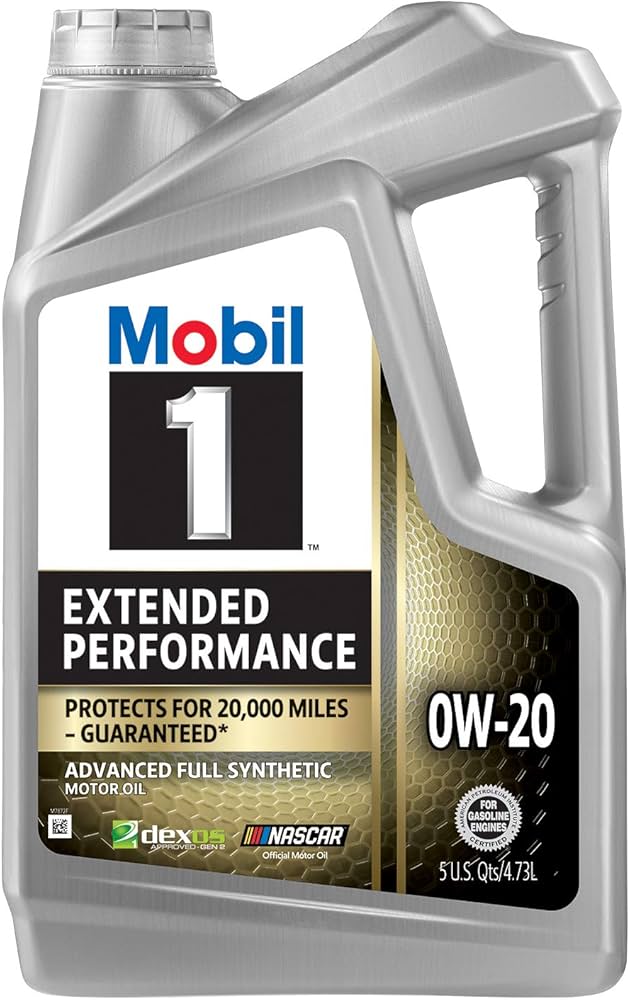
- Mobil 1 Extended Performance— Best Overall (Factory-Specified)
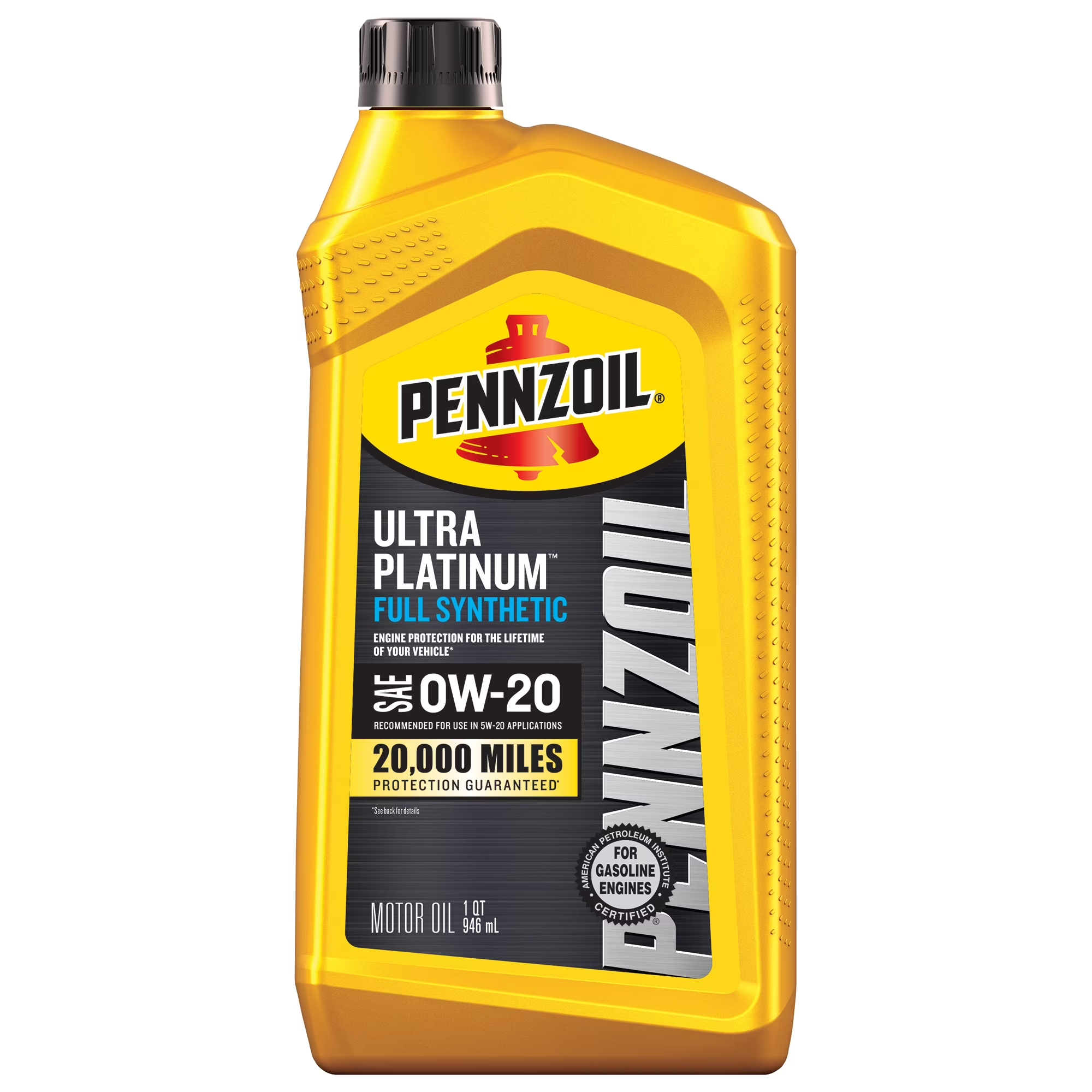
- Pennzoil Ultra Platinum— Best Premium & Severe Conditions
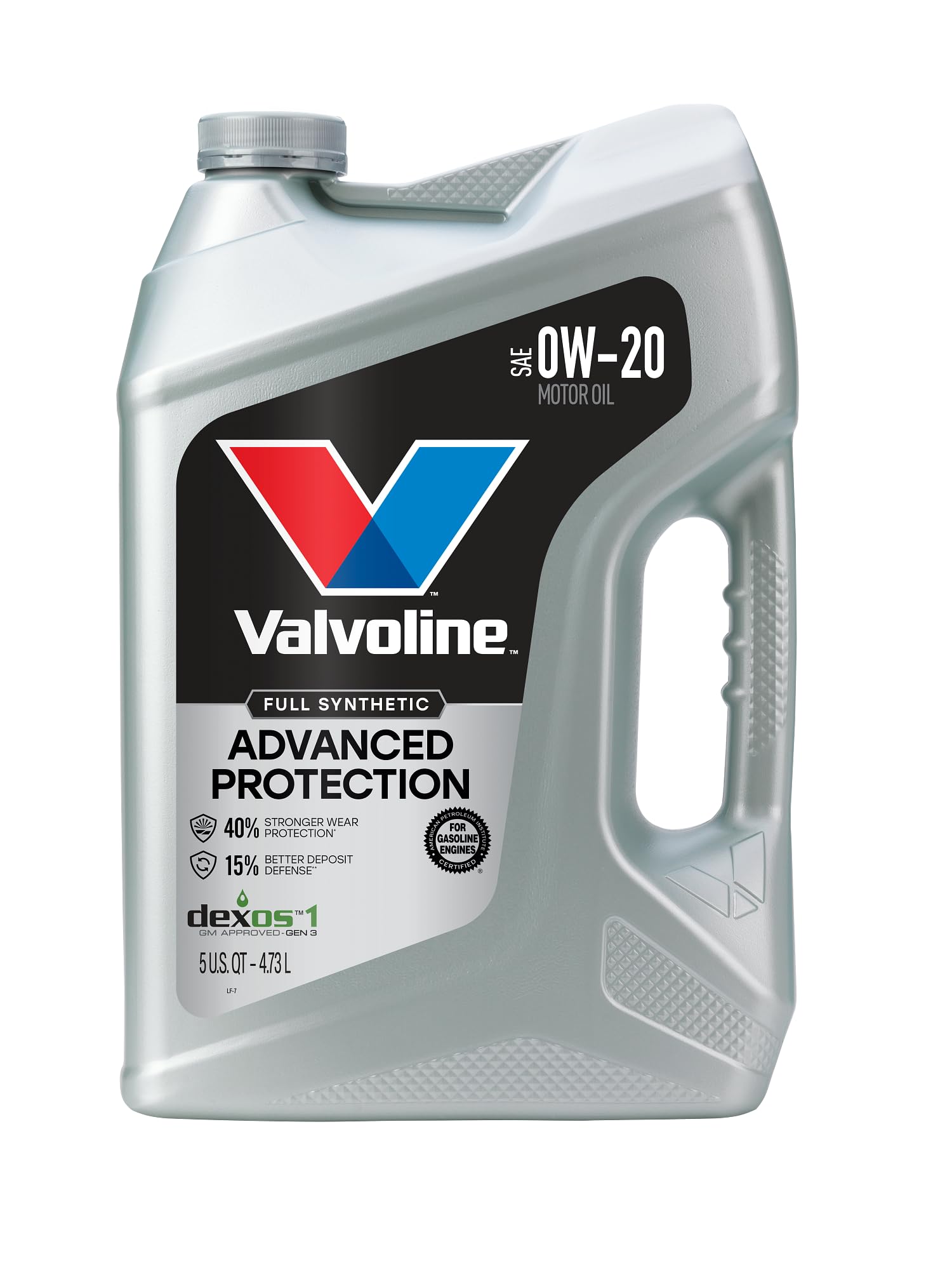
- Valvoline Advanced Full Synthetic— Best Budget Pick
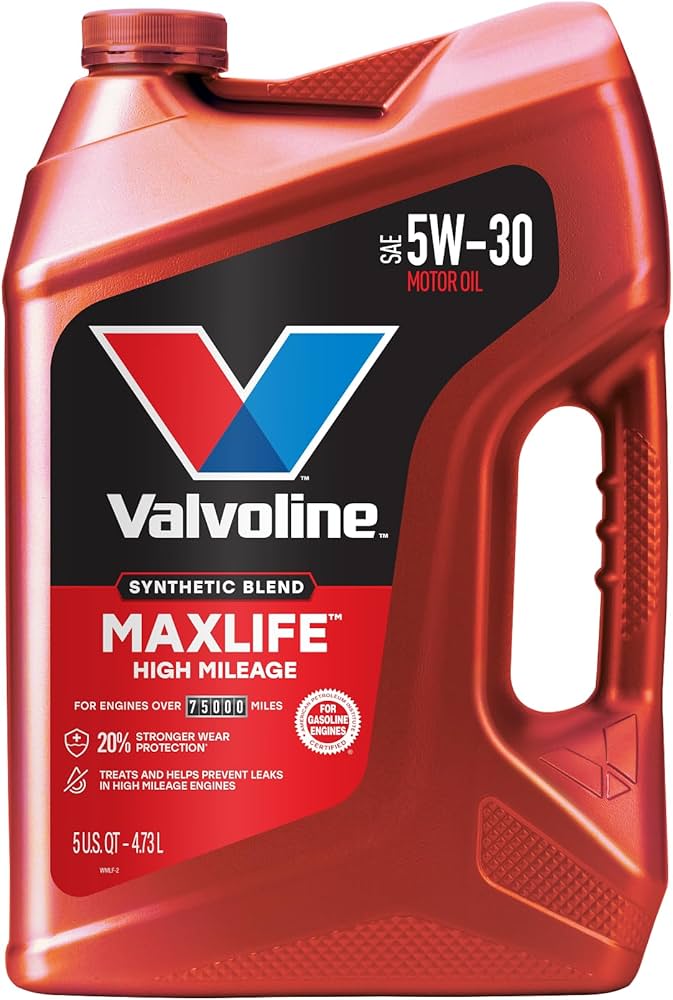
- Valvoline High Mileage MaxLife— Best for Engines Past 75K Miles
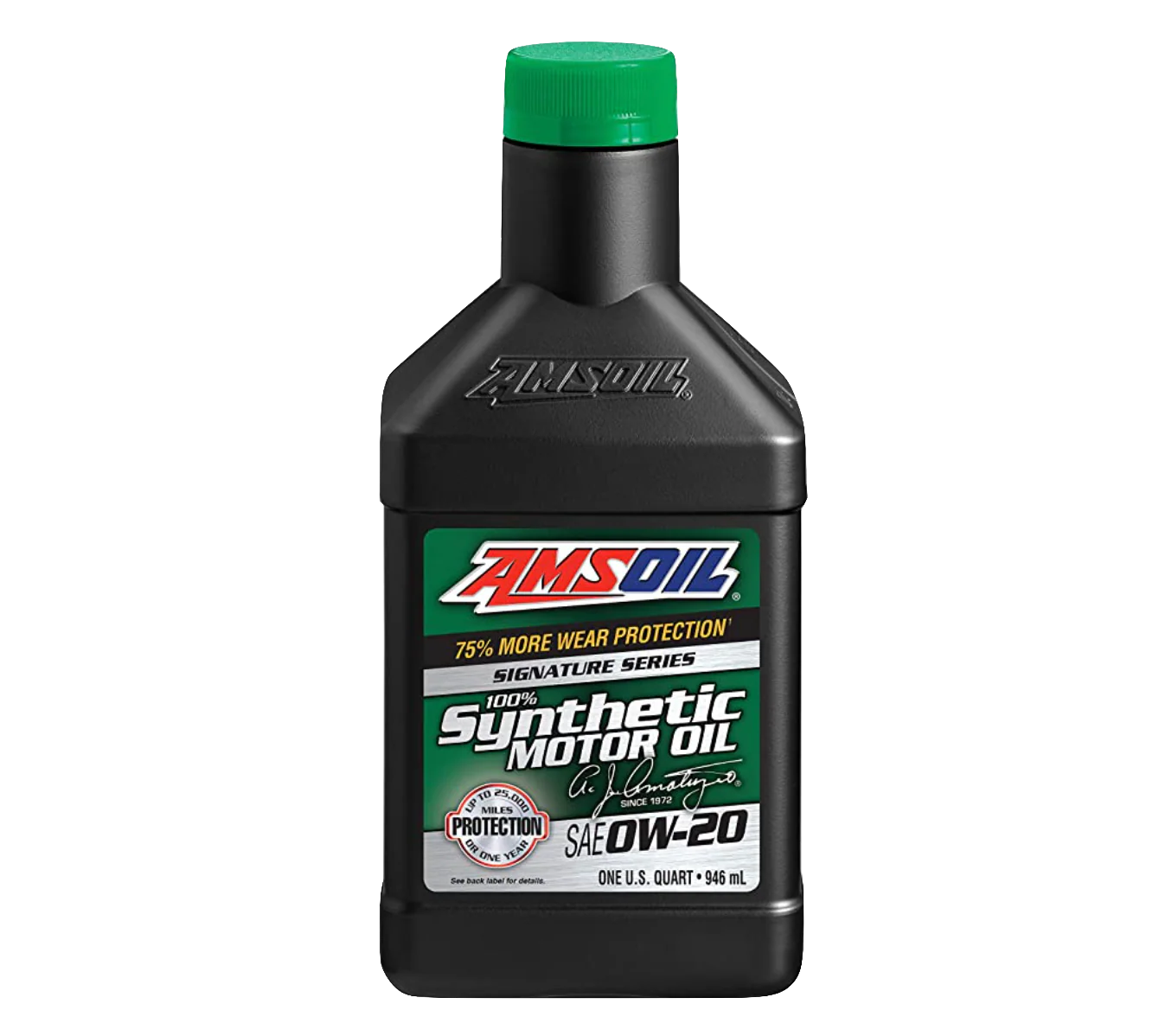
- Amsoil Signature Series— Best Durability & Extended Drains
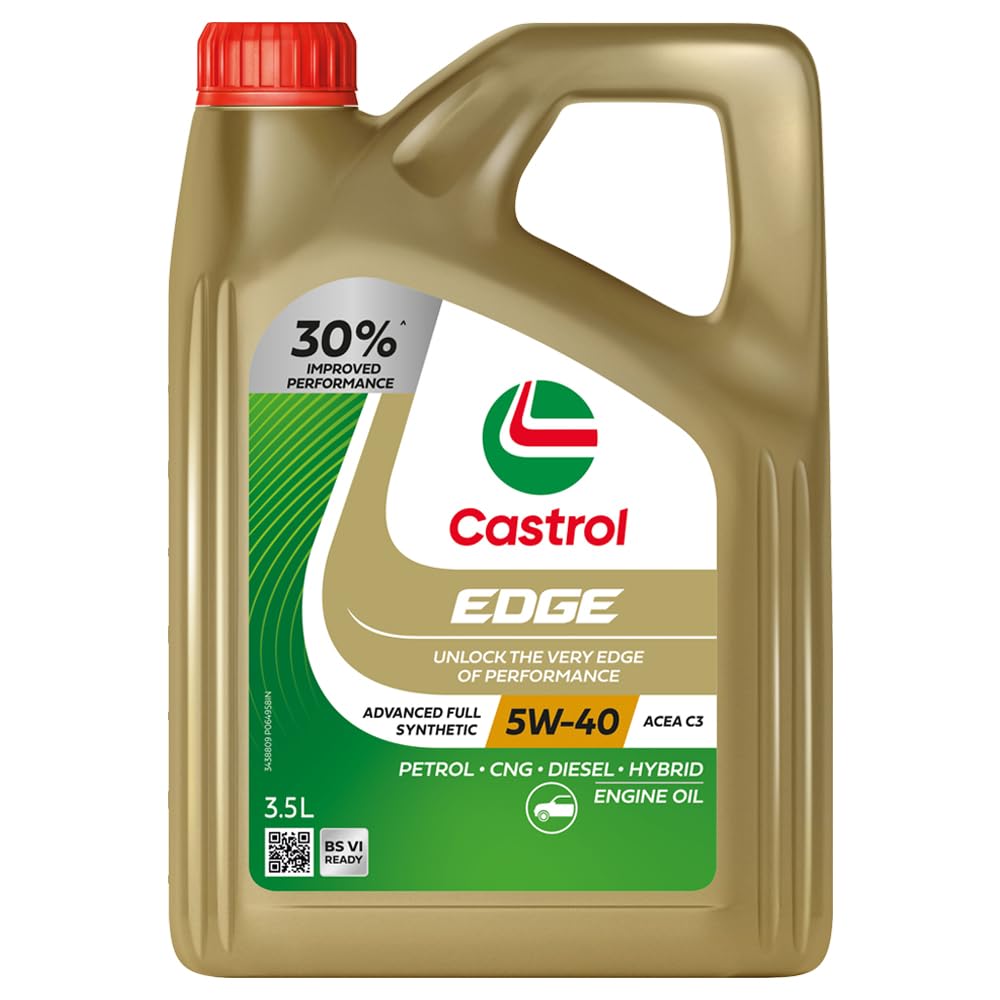
- Castrol EDGE— Best Thermal Stability
Best Acura RDX Oil — Compared (2026)
Six full synthetic oils rated by wear protection, owner satisfaction, and model‑year compatibility — all meeting or exceeding Acura factory specifications.
| # | Product | Viscosity | Type | Best For | Score | |
|---|---|---|---|---|---|---|
| 1 | Mobil 1 Extended Performance Editor’s Choice | 5W-30 / 0W-20 | Full Synthetic | Overall (All Model Years) | 4.9 | See Latest Price |
| 2 | Pennzoil Ultra Platinum Top Pick | 5W-30 / 0W-20 | Full Synthetic (GTL) | Premium / Severe Conditions | 4.8 | See Latest Price |
| 3 | Valvoline Advanced Full Synthetic Budget Pick | 5W-30 / 0W-20 | Full Synthetic | Budget / Short Intervals | 4.7 | See Latest Price |
| 4 | Valvoline High Mileage MaxLife | 5W-30 / 0W-20 | Full Synthetic (HM) | 75K+ Mile Engines | 4.6 | See Latest Price |
| 5 | Amsoil Signature Series | 0W-20 / 5W-30 | Full Synthetic (PAO) | Extended Drains / Durability | 4.8 | See Latest Price |
| 6 | Castrol EDGE | 5W-30 / 0W-20 | Full Synthetic | Thermal Stability | 4.7 | See Latest Price |
Detailed Reviews
Full breakdown of each product — ratings, pros, cons, and our expert verdict based on owner feedback and independent oil analysis.
Mobil 1 Extended Performance Full Synthetic
- Explicitly named in Acura owner manuals and HTO‑06 approved
- Proven 200,000‑mile track record in RDX engines
- Extended Performance variant offers flexible drain intervals
- Price has steadily climbed, making the premium harder to justify
- Additive package may deplete faster in severe stop‑and‑go driving
Pennzoil Ultra Platinum Full Synthetic
- Natural gas base stock minimizes deposits and oil consumption
- Industry‑leading 20‑year/750K‑mile warranty
- Exceptional low‑temperature flow for cold Northeast winters
- Price has nearly doubled in recent years on Amazon
- Availability is spotty — not every local store stocks it regularly
Valvoline Advanced Full Synthetic
- 40% better wear protection than industry standard in Sequence IVB testing
- Dexos1 Gen3 certified — turbocharger‑ready formulation
- Typically $5–$10 less per jug than Mobil 1
- Less long‑drain headroom than premium PAO‑based oils
- HTO‑06 approval not printed on label (early RDX owners may prefer to see it)
Valvoline High Mileage with MaxLife Technology
- Seal conditioners actively reduce and prevent oil leaks
- 50% better wear protection than industry standard for aging engines
- Strong price‑to‑performance ratio for high‑mileage formulation
- Unnecessary for engines under 75,000 miles
- Detergent action may darken oil faster initially as it cleans deposits
Amsoil Signature Series Full Synthetic
- PAO base stock resists fuel dilution better than Group III synthetics
- Documented extended drain capability up to 25,000 miles
- Exceptional film strength and thermal stability for turbo engines
- Price roughly $55–$65 per 5‑quart jug — nearly double Mobil 1
- Requires online ordering; rarely stocked in local stores
Castrol EDGE Full Synthetic
- 3X stronger viscosity stability under shear than leading synthetics
- Widely available and frequently on sale at Walmart and Amazon
- Consistent owner reports of smoother, quieter engine operation
- Fluid Titanium advantage is difficult to verify without lab equipment
- Price fluctuates significantly between retailers
Can’t Decide?
Our Top 2 Picks — Head to Head
Both are excellent. Here’s how to choose between them.
- Factory‑specified and HTO‑06 approved for 2007‑2012 models
- Proven 200,000‑mile track record in RDX engines
- Extended Performance variant allows flexible drain intervals
- Natural gas base stock — purest synthetic on the market
- 20‑year/750K‑mile warranty for long‑term owners
- Outstanding deposit control and cold‑weather flow
How to Choose the Right Oil for Your Acura RDX
Six factors specific to the RDX’s three engine generations — explained simply.
Know Your Model Year and Engine
This is the single most critical step. First‑gen RDX (2007–2012) with the 2.3L turbo demands 5W‑30 full synthetic meeting HTO‑06. Second‑gen (2013–2018) with the 3.5L V6 uses 0W‑20 full synthetic. Third‑gen (2019–present) with the 2.0L turbo also calls for 0W‑20. Pouring the wrong viscosity can cause accelerated wear and, on early models, turbocharger failure from coked oil.
Check for HTO‑06 on the Label (2007–2012)
Early RDX owner manuals state that failing to use an HTO‑06 approved oil can reduce engine performance and durability. This Honda‑developed standard tests for turbocharger deposit formation with aged oil. Mobil 1 5W‑30, Pennzoil Platinum 5W‑30, and Honda Ultimate Full Synthetic 5W‑30 all carry the approval. If the bottle does not display HTO‑06, assume it does not meet the spec — and do not pour it into a first‑gen RDX.
Choose the Right Viscosity
The first number (5W or 0W) describes cold‑temperature flow; the second (20 or 30) describes flow at operating temperature. Using 0W‑20 in a first‑gen RDX that requires 5W‑30 can lead to bearing wear. Using 5W‑30 in a third‑gen RDX designed for 0W‑20 may reduce fuel economy and, in very cold weather, slow oil flow during startup. Always match the viscosity printed on your oil fill cap.
Full Synthetic Only
Every RDX generation specifies full synthetic oil. Synthetic resists thermal breakdown better than conventional oil, flows better in cold weather, and leaves fewer deposits. Conventional oil or synthetic blends may save a few dollars at purchase but cost far more in long‑term engine wear — especially in the turbocharged engines where oil temperatures can spike past 220°F. Do not cut this corner.
Consider Your Driving Conditions
Short trips, stop‑and‑go traffic, extreme cold, and dusty roads all qualify as severe driving conditions. If your RDX spends its life in suburban traffic or Northeast winters, follow the severe service interval — typically every 5,000 miles or six months — regardless of what the oil bottle claims for extended drain capability. Fuel dilution in direct‑injection turbo engines makes conservative intervals smart insurance.
Monitor Fuel Dilution in Turbo RDX Engines
Direct‑injection turbo engines, especially the 2.0L in third‑gen RDX, can suffer from fuel dilution — unburned fuel washing past piston rings and thinning the oil. This reduces oil film strength and accelerates wear. A $30 used oil analysis from Blackstone Laboratories can reveal how much fuel is present and guide your safe drain interval. If fuel dilution exceeds 2%, consider shorter change intervals or a PAO‑based oil like Amsoil.
Pro Tips
Quick Buying Checklist for RDX Owners
Verify HTO‑06 on 2007‑2012 RDX. If the bottle doesn’t say HTO‑06, it doesn’t meet the turbo protection standard — put it back.
Match viscosity to your oil fill cap. Acura prints the recommended grade right on the cap — follow it, not a sale price.
Buy 5‑quart jugs, not singles. The RDX capacity of 4.5–5.1 quarts makes a jug the perfect fit with minimal leftover.
Use an OEM or quality filter. Pair premium oil with a Honda/Acura OEM filter (15400‑PLM‑A02) or a Bosch/WIX equivalent.
Change at 5,000‑mile severe intervals. Stop‑and‑go traffic counts as severe service — shorter intervals protect against fuel dilution.
Frequently Asked Questions
What oil viscosity does my Acura RDX require?
It depends on the model year. 2007–2012 RDX models with the 2.3L turbo engine require 5W‑30 full synthetic. 2013–2018 models with the 3.5L V6 require 0W‑20 full synthetic. 2019–present models with the 2.0L turbo engine also use 0W‑20 full synthetic. Always check your owner’s manual or oil fill cap for confirmation.
What is the HTO‑06 standard and does my RDX need it?
HTO‑06 is a Honda/Acura specification developed specifically for turbocharged engines to test resistance to high‑temperature oil coking and turbo deposits. It applies to 2007–2012 first‑generation RDX models with the 2.3L turbo engine. Second‑ and third‑generation RDX models do not require HTO‑06 compliance.
Can I use 5W‑30 instead of 0W‑20 in my newer RDX?
Some regions outside the United States list 5W‑30 as an acceptable alternative for the third‑generation RDX. However, Acura officially recommends 0W‑20 for North American models. Using 5W‑30 may slightly reduce fuel economy, and in very cold weather, 0W‑20 flows better during cold starts. Stick to 0W‑20 unless you have a specific reason to switch.
How often should I change the oil in my Acura RDX?
For full synthetic oil, most RDX owners change at intervals between 5,000 and 7,500 miles. The Acura Maintenance Minder system calculates intervals based on actual driving conditions. Severe driving — short trips, stop‑and‑go traffic, extreme temperatures — calls for the shorter end of that range. Some owners on AcuraZine change as early as every 4,500 miles as a precaution against fuel dilution in turbo engines.
Is Mobil 1 really required for the Acura RDX?
Only for 2007–2012 first‑generation models, where the owner’s manual specifies “Mobil 1 5W‑30 or an equivalent oil that meets the Acura HTO‑06 standard.” Several other oils, including Pennzoil Platinum 5W‑30 and Honda Ultimate Full Synthetic 5W‑30, also carry HTO‑06 approval and are acceptable equivalents. Newer RDX models do not require Mobil 1 specifically.
Will using aftermarket oil affect my Acura warranty?
No. The Magnuson‑Moss Warranty Act prevents manufacturers from voiding your warranty for using aftermarket oil, provided the oil meets the specifications outlined in your owner’s manual. Keep receipts and a log of your oil changes as documentation in case of a warranty claim.
Is it worth paying more for premium synthetic oils like Amsoil or Pennzoil Ultra Platinum?
It depends on your ownership horizon. If you plan to keep your RDX past 150,000 miles, premium oils with PAO or GTL base stocks provide measurably better deposit control, thermal stability, and wear protection. If you lease or trade in every few years, a quality mainstream synthetic like Mobil 1 or Valvoline Advanced provides more than enough protection for the engine’s lifespan in your care.
Final Verdict
Our Top Recommendations for 2026
After cross‑referencing thousands of owner reports, used oil analyses, and Acura’s own engineering specifications, the path forward is clear. Mobil 1 remains the default answer — it carries the HTO‑06 approval that first‑gen turbo RDX engines demand and the real‑world track record that every generation deserves. Valvoline Advanced proves that budget‑conscious owners need not sacrifice protection. And Pennzoil Ultra Platinum, with its natural gas base stock and 20‑year warranty, sets the standard for those who measure ownership in decades, not years.