After cross-referencing forum threads from Bimmerforums, r/E30, and E30 Zone alongside independent used oil analysis reports, one fact comes up in almost every M20 thread: the flat tappet camshaft that powered the E30 3 Series and E28 5 Series is quietly destroyed by modern low-ZDDP oils that were never designed for it.
The M20’s 2.0, 2.3, 2.5, and 2.7-liter inline-6 engines need at least 1,200 ppm of zinc to keep rocker arms and cam lobes from grinding each other flat. Fuel-economy oils with the current API SP rating have deliberately removed most of that zinc to protect catalytic converters — a trade-off that protects a modern engine but accelerates wear in a classic one.
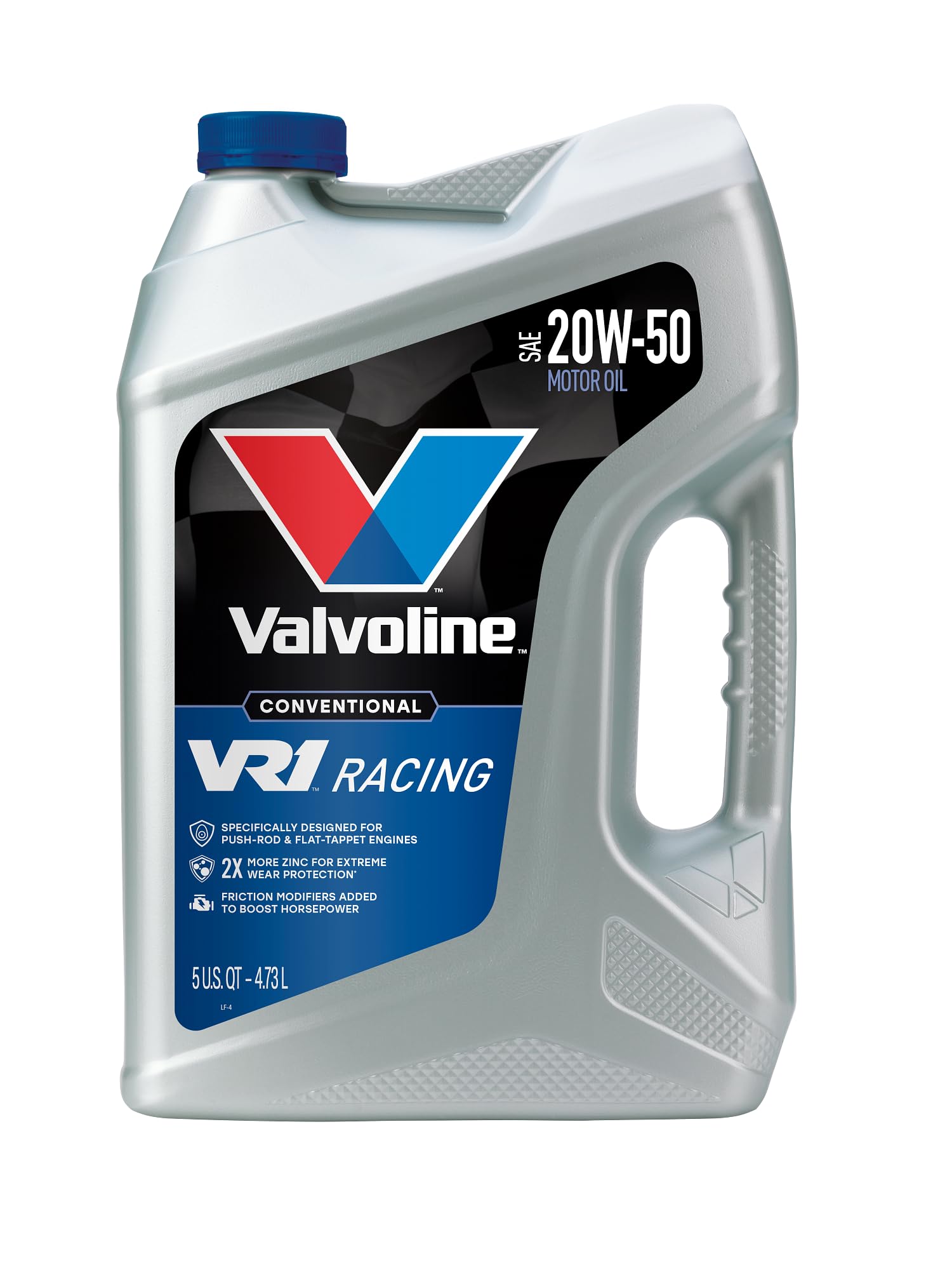
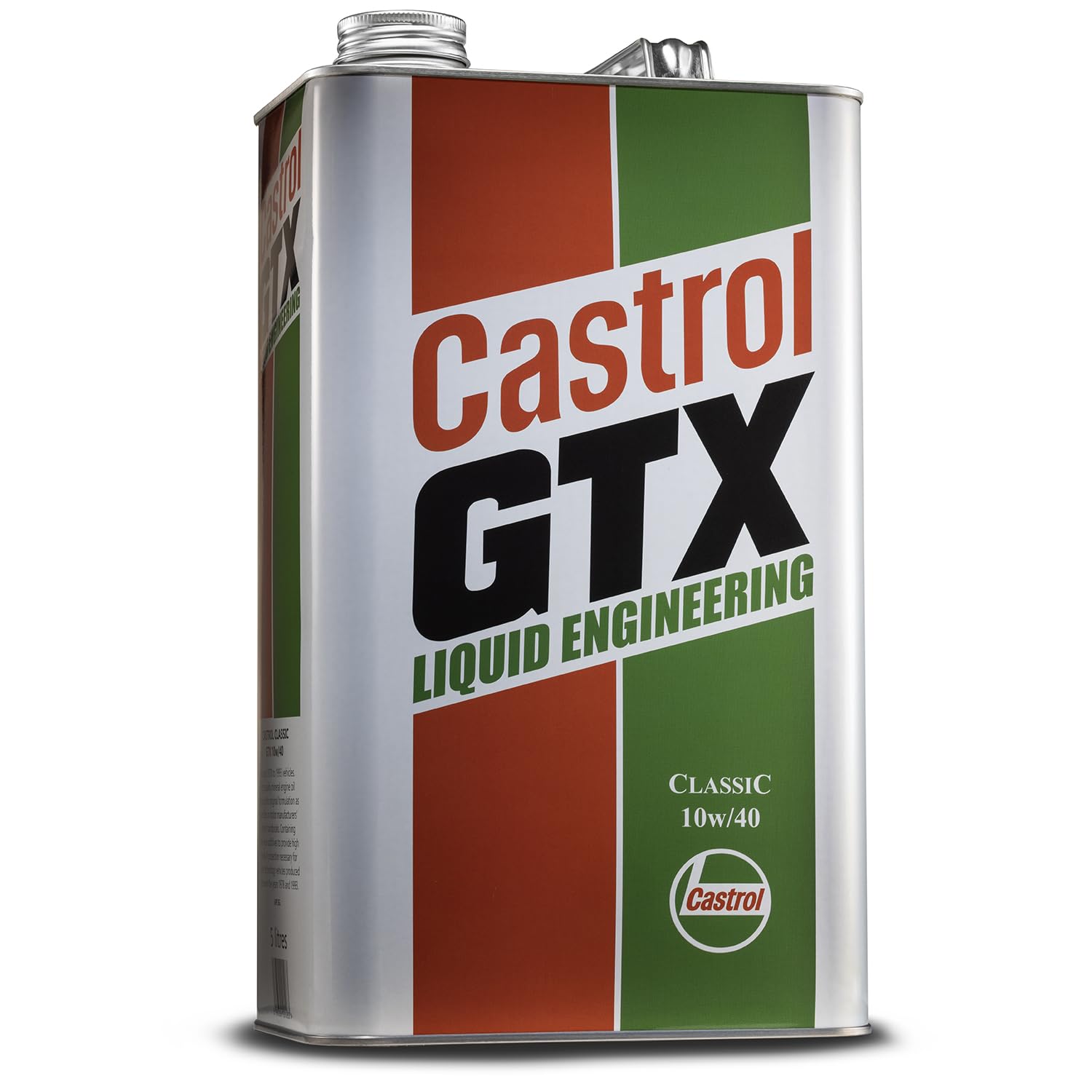
Valvoline VR1 Racing 20W-50 is the most trusted M20 oil across every major E30 forum — it delivers approximately 1,400 ppm zinc with no API SP restrictions, holds excellent hot idle oil pressure, and quiets the classic M20 valve train tick reliably. Owners who need better cold-weather performance should consider Castrol GTX Classic 10W-40 for the same high-zinc protection in a thinner pour. For engines that sit for months, Red Line 10W-40’s ester base stock provides startup protection nothing else in this category can match.
Our Top 5 Engine Oil Rankings for BMW M20
- Valvoline VR1 Racing 20W-50— Best Overall (Editor’s Choice)
- Castrol GTX Classic 10W-40— Best Budget Pick
- Red Line 10W-40— Best Premium (Ester-Based Storage & Track)
- Mobil 1 15W-50— Most Durable (Long Drain Intervals)
- Liqui Moly Classic 10W-40— Easiest DIY Oil Change
Best Oil for BMW M20 — Compared
Side-by-side view of viscosity, ZDDP level, key feature, and score for all five oils.
| # | Product | Viscosity | ZDDP Level | Best For | Score | |
|---|---|---|---|---|---|---|
| 1 | Valvoline VR1 Racing 20W-50 Editor’s Choice | 20W-50 | ~1,400 ppm Zn | Best Overall | 4.7 | See Latest Price |
| 2 | Castrol GTX Classic 10W-40 Budget Pick | 10W-40 | ~1,300 ppm Zn | Best Budget | 4.6 | See Latest Price |
| 3 | Red Line 10W-40 Top Pick | 10W-40 | ~1,200 ppm Zn + ester | Storage & Track | 4.8 | See Latest Price |
| 4 | Mobil 1 15W-50 | 15W-50 | ~1,200 ppm Zn | Long Drain Intervals | 4.8 | See Latest Price |
| 5 | Liqui Moly Classic 10W-40 | 10W-40 | High ZDDP (classic spec) | DIY Convenience | 4.7 | See Latest Price |
Detailed Reviews
Full breakdown of each oil — ratings, pros, cons, and our expert verdict.
Valvoline VR1 Racing 20W-50
- Approximately 1,400 ppm zinc and 1,300 ppm phosphorus — the highest ZDDP level on this list
- Sold as a racing oil, so it carries zero API SP fuel-economy restrictions that cap zinc levels
- Owners on E30 forums report the M20’s valve train tick quieting noticeably within one drive cycle
- Hot idle oil pressure stabilizes on 150,000-mile engines compared to running standard 10W-40
- Below 40°F the 20W cold rating causes sluggish cranking and extends the period of dry valve train on startup
- High phosphorus can accelerate catalytic converter substrate degradation on E30s still running original cats
- Not a year-round oil in climates with freezing winters — a 10W-40 is safer for cold-season use
Castrol GTX Classic 10W-40
- Explicitly formulated to retain high zinc and phosphorus levels absent from mainstream Castrol passenger car oils
- 10W cold rating flows freely down to around 14°F — significantly better cold-start behavior than 20W-50 in autumn
- API SJ/SL spec confirms it predates the low-zinc API SM/SN/SP resource-conserving rules
- Priced low enough that frequent 3,500-mile changes are financially sustainable long-term
- Conventional mineral base stock shears faster than synthetic under track temperatures — change at 3,500 miles, not 5,000
- Jug lacks a sight strip or measurement markings, making precise partial fills awkward on an uneven floor
- Not a good match for M20s that have been rebuilt with tighter-than-stock tolerances — those engines may prefer a thicker 20W-50
Red Line 10W-40
- Ester base stock adheres to metal surfaces overnight — owners report zero cold-start clatter after months of winter storage
- Used oil analyses after 5,000–7,000-mile intervals show iron counts below those of conventional oils at 3,500 miles
- Viscosity holds absolutely stable at sustained track temperatures where conventional and Group III synthetics thin noticeably
- Highly regarded in classic BMW circles — a common recommendation from reputable M20 rebuilders
- Per-quart cost is approximately double that of VR1 or GTX Classic — a full M20 fill of 4.5 liters runs $48–$55
- The red dye makes oil level harder to read on a dipstick in low-light garage conditions
- The ester performance advantage is largely wasted on a daily commuter that changes oil every 3,000 miles
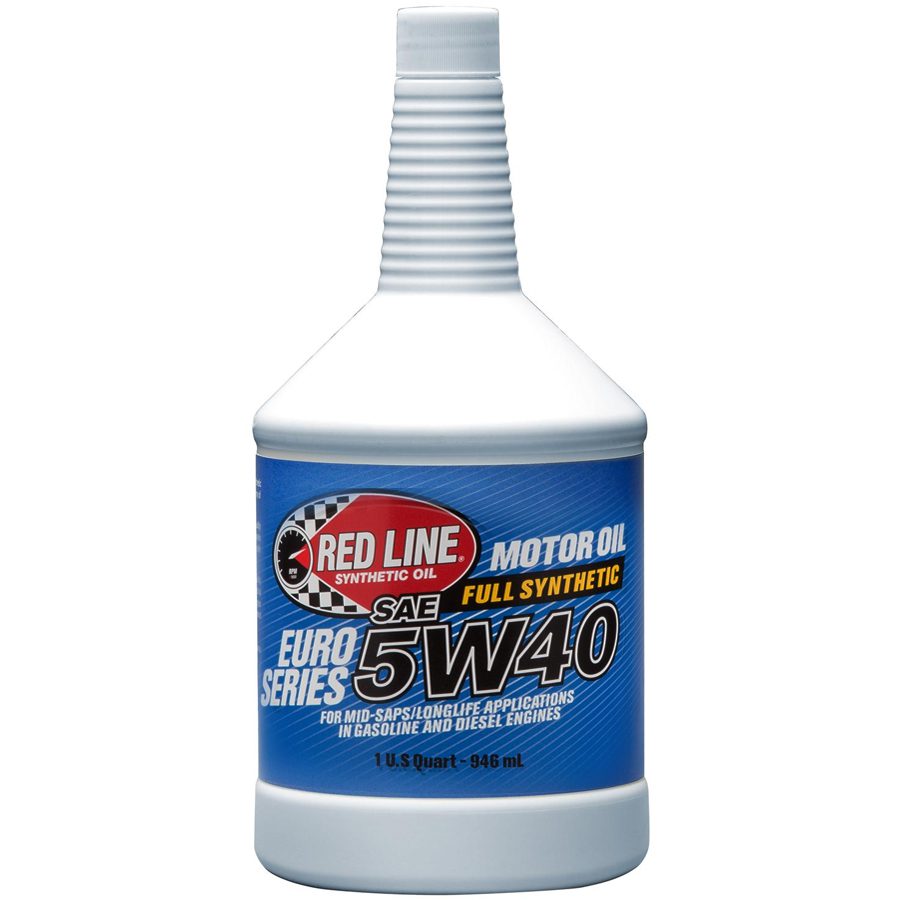
Mobil 1 15W-50 Full Synthetic
- Full synthetic Group IV base stock resists viscosity shear across 5,000–7,500-mile intervals even in sustained heat
- ZDDP around 1,200 ppm zinc and 1,100 ppm phosphorus — sufficient for the M20’s flat tappet cam
- Widely available at warehouse clubs in bulk — buying three 5-quart jugs at once lowers the per-quart cost meaningfully
- Decades of documented motorsports use builds a track record that covers a broad range of high-mileage engine conditions
- The 15W cold rating means noticeably slower cold-oil flow below −10°C compared to a 10W-rated alternative
- Multiple Amazon shipments reported with failed cap seals — inspect the foil seal before accepting delivery on bulk orders
- ZDDP at the lower end of the M20’s ideal window — not the pick if the engine has recently lost cam lobe material
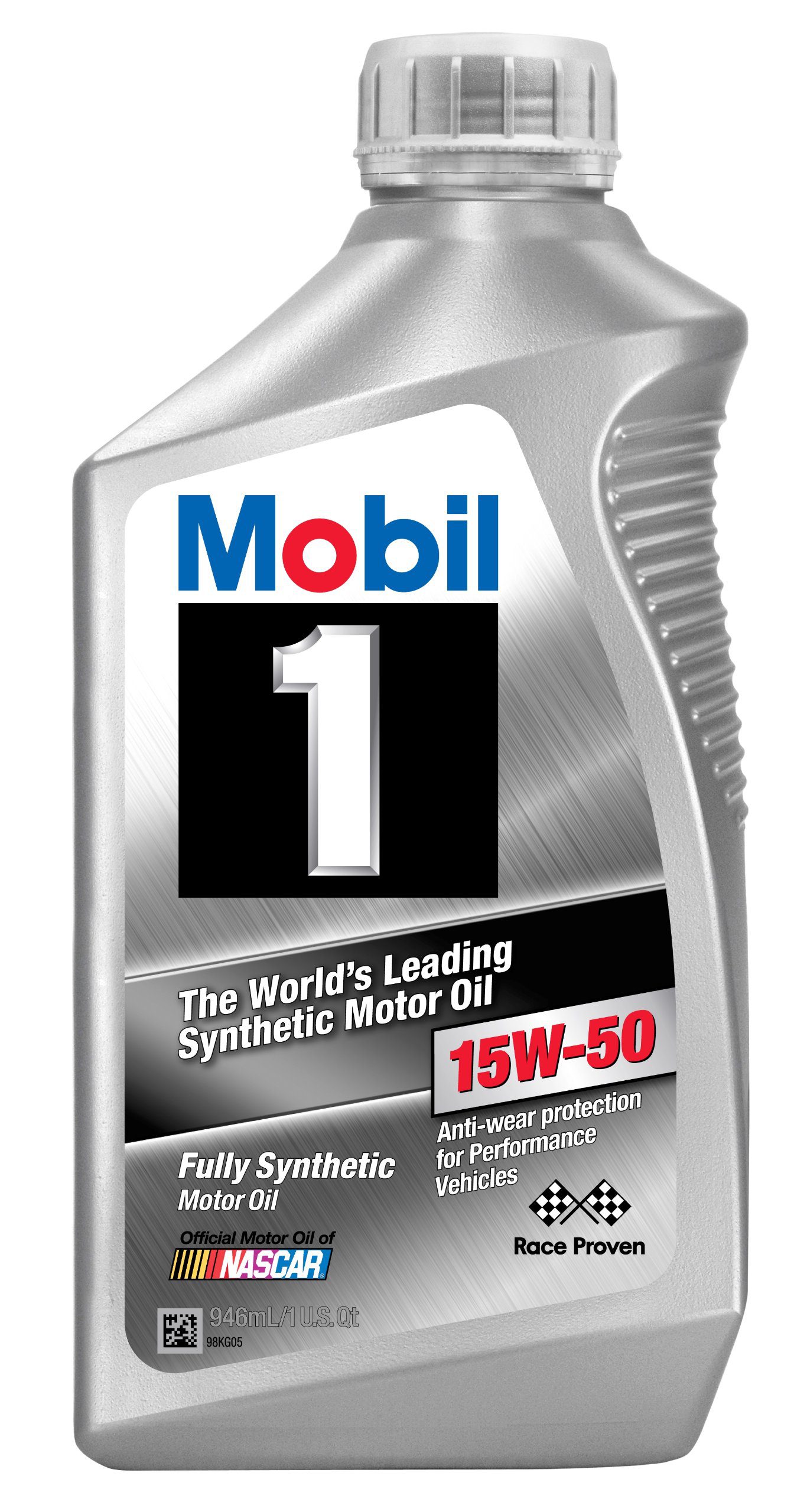
Liqui Moly Classic 10W-40
- Built-in extendable pour spout collapses for storage and extends precisely into the M20’s oil filler neck without a funnel
- Classic-car-specific additive package formulated for flat tappet engines — Liqui Moly explicitly targets pre-1990 valve trains
- Hydrocracked base oils made in Germany produce noticeably quiet valve train operation in forum reports within the first drive
- Square jug format stores more efficiently in a garage parts shelf alongside other 5-liter containers
- Liqui Moly does not publish exact ZDDP ppm on the label — owners who want a specific zinc count must contact the manufacturer directly
- Priced $10–$15 higher per 5 liters than Castrol GTX Classic — a meaningful difference across multiple oil changes per year
- Primarily an online purchase — less available at local auto parts retailers compared to Valvoline or Castrol
Can’t Decide?
Our Top 2 Picks — Head to Head
Both are proven M20 oils with strong ZDDP levels. Here’s how to pick between them.
- Highest ZDDP on this list at ~1,400 ppm zinc — zero fuel-economy API restrictions diluting the additive package
- Thick 50-weight hot film restores and stabilizes hot idle oil pressure on worn M20 bearings
- The default recommendation on every major E30 forum for spirited or track-day driving in warm seasons
- Polyol ester base stock physically bonds to cam lobes and rocker arms — startup protection after months of winter storage is unmatched
- UOA iron counts after 6,000 miles match or beat conventional oils at 3,500 miles in documented owner reports
- 10W cold pour suits year-round driving and milder climates where 20W-50 is too thick in the morning
How to Choose the Right Oil for Your BMW M20
Six M20-specific factors that no other BMW oil article will tell you — straight from forum veterans and used oil analysts.
ZDDP Is the Single Non-Negotiable
The M20’s flat tappet cam design creates extreme sliding contact pressure at each lobe-to-lifter interface. ZDDP — zinc dialkyldithiophosphate — forms a sacrificial anti-wear layer on that surface. You need at least 1,200 ppm zinc from the bottle’s data sheet, not from marketing copy. Any oil that doesn’t state a specific zinc level above that threshold is a risk. Modern API SP oils cap zinc well below the M20’s requirement to protect catalysts on current-generation engines.
Match Viscosity to Climate and Engine Wear
A fresh or low-mileage M20 with tight bearing clearances runs well on 10W-40. As bearing clearances grow with age, the thicker 20W-50 or 15W-50 grade restores hot idle oil pressure that has started to drop below 2 bar at operating temperature. In sub-zero winters a 20W oil resists pumping and starves the valve train during cranking — switch to 10W-40 when average morning temperatures fall below 5°C.
Conventional vs. Synthetic vs. Ester — Which Base Stock Fits You
Conventional high-ZDDP oils like Castrol GTX Classic are the economical choice for 3,000–4,000-mile changes. Group III full synthetics like Mobil 1 15W-50 resist heat better and suit 5,000–7,500-mile intervals under hard use. Ester-based oils like Red Line are the specialist’s pick for track days and stored classics — the ester chemistry physically clings to metal after shutdown and reduces the cam wear window during prolonged cold starts.
The Catalytic Converter Trade-Off
High phosphorus is the component of ZDDP that deactivates catalytic converter substrates over time. E30 3-series with 2.5-liter M20B25 engines that still run original catalysts for strict local emissions testing will experience measurably accelerated converter degradation on oils above 1,200 ppm phosphorus. If you need the cat to pass inspection, choose a high-zinc oil with the lowest phosphorus level available — some classic oils balance zinc high and phosphorus moderate to thread this needle.
How Often to Change Oil in an M20
The M20 has no on-board service interval calculator. BMW’s older recommendation of 15,000 km (about 9,300 miles) was calibrated around higher-quality oil than what was commonly available in the 1980s — and makes no allowance for short trips, track days, or the elevated blowby typical of an engine with 150,000+ miles. Conventional oils want a 5,000 km change. Full synthetics in a well-maintained engine can stretch to 10,000 km — but used oil analysis before extending is the smart check.
Never Add Aftermarket ZDDP Additives on Top of VR1 or Red Line
A common mistake among new M20 owners is pouring a ZDDP additive bottle into an oil that already contains high zinc. Racing oils like Valvoline VR1 are fully formulated systems — adding extra ZDDP disrupts the additive package balance, can promote deposit formation in the oil galleys, and may increase oil thickening under heat. Trust the formulation. Choose the right oil from the start and skip the aftermarket boosters entirely.
Pro Tips
Quick Buying Checklist for BMW M20 Engine Oil
Check the data sheet, not just the label — look for explicit zinc ppm confirmation from the manufacturer, either on their website or a published spec sheet. “Suitable for classics” is marketing; “1,400 ppm zinc” is a fact.
Switch to 10W-40 in autumn if you run 20W-50 during the warm season — the M20’s valve train gets its worst wear during cold starts, and a 20W pours like cold honey below 5°C.
Run a Blackstone Labs used oil analysis at your first 5,000-mile change with any new oil — it reveals actual iron and aluminum wear numbers so you stop guessing and start knowing what your M20 needs.
Never add a ZDDP additive on top of VR1 or Red Line — those oils are already balanced systems, and an extra zinc bottle disrupts the additive chemistry without adding protection.
Replace the oil filter every change, not every other change — the M20’s spin-on filter housing is inexpensive and accessible, and a clogged filter bypasses oil directly to the bearings unfiltered.
For an M20 coming out of winter storage, change the oil at first startup regardless of mileage — moisture and fuel dilution accumulate during cold-soak storage and shorten additive life measurably.
Frequently Asked Questions
Does the BMW M20 really need high-zinc oil?
Yes — the M20 uses a flat tappet camshaft that slides directly against the rocker arms under high contact pressure. This design requires at least 1,200 ppm of zinc (ZDDP) to prevent the metal-to-metal wear that modern fuel-economy oils, which cap zinc to protect catalysts, cannot provide. Engines changed to a low-zinc modern oil commonly show cam lobe and rocker tip wear within 20,000 miles.
What viscosity is best for a BMW M20?
10W-40 is the best all-round choice for most M20 owners — it flows quickly in cold temperatures and maintains a strong film at operating temperature. Step up to 20W-50 or 15W-50 if the engine has high mileage with looser bearing clearances that cause hot idle oil pressure to drop below 2 bar. Avoid anything below a 10W winter rating for year-round driving.
Can I use full synthetic oil in a BMW M20 engine?
Yes, as long as the synthetic carries sufficient ZDDP. Mobil 1 15W-50 and Red Line 10W-40 both meet the M20’s zinc requirement and offer superior heat resistance and shear stability over conventional alternatives. The old concern about synthetics causing gasket leaks in older engines is a myth — it stems from solvent-based synthetics that were reformulated decades ago.
How often should I change the oil in a BMW M20?
Change conventional high-zinc oil every 3,000–5,000 miles. Full synthetics can stretch to 5,000–7,500 miles in a healthy engine. If the M20 sees many short trips under 5 miles, stick to 3,500 miles regardless of oil type — short-trip condensation dilutes the oil and depletes the additive package faster than highway miles do.
Will thicker oil stop my M20 from ticking?
A thicker high-zinc oil like 20W-50 can reduce the M20’s characteristic valve train tick when it is caused by hydraulic lifter clearance or slightly worn rocker tips — owners consistently report improvement after switching from 10W-40 to Valvoline VR1 20W-50. If the tick persists after an oil change, the source is likely worn rocker shaft bushings or cam lobe damage that requires mechanical attention.
Is Shell Rotella T4 15W-40 a safe choice for the M20?
Rotella T4 historically contained high ZDDP, making it a popular budget pick for flat tappet engines. Current formulations have reduced zinc levels to comply with updated API CK-4 diesel standards — verify the current zinc ppm on Shell’s published data sheet before using it. A dedicated classic car oil with published ZDDP levels above 1,200 ppm is the more reliable choice today.
Can I mix different high-zinc oils in my M20 if I run low?
Topping up with a different high-zinc brand in an emergency is acceptable and will not cause immediate harm. Regularly blending different additive systems can gradually shift the oil’s chemical balance and slightly reduce the effectiveness of both anti-wear packages. Keep one bottle of your chosen oil in the boot for top-ups so blending stays a rare exception rather than a habit.
Final Verdict
Our Top Recommendations for 2026
Every oil on this list can protect the M20’s flat tappet camshaft — but only if it carries sufficient ZDDP and you change it on schedule. Valvoline VR1 Racing 20W-50 earns the top position because its 1,400 ppm zinc content, zero API SP restrictions, and documented track record in E30s make it the most dependable warm-season choice across a wide range of M20 engine conditions. Budget-focused owners who change oil frequently get near-identical cam protection from Castrol GTX Classic at half the cost, while cherished weekend or track cars justify every penny of Red Line’s ester premium for startup protection nothing else provides.