After evaluating over 30 engine oil candidates against BMW E90-specific forum data, used-oil analysis reports, and thousands of verified owner reviews, we narrowed the field to six products that consistently deliver what Valvetronic engines, VANOS actuators, and turbochargers actually demand.
The E90’s tight tolerances punish the wrong oil fast — skipped LL-01 approval triggers solenoid clogging, timing chain rattle, and turbocharger coking that routine service cannot reverse. The right oil, poured on the right interval, is the cheapest insurance you’ll buy for these engines.
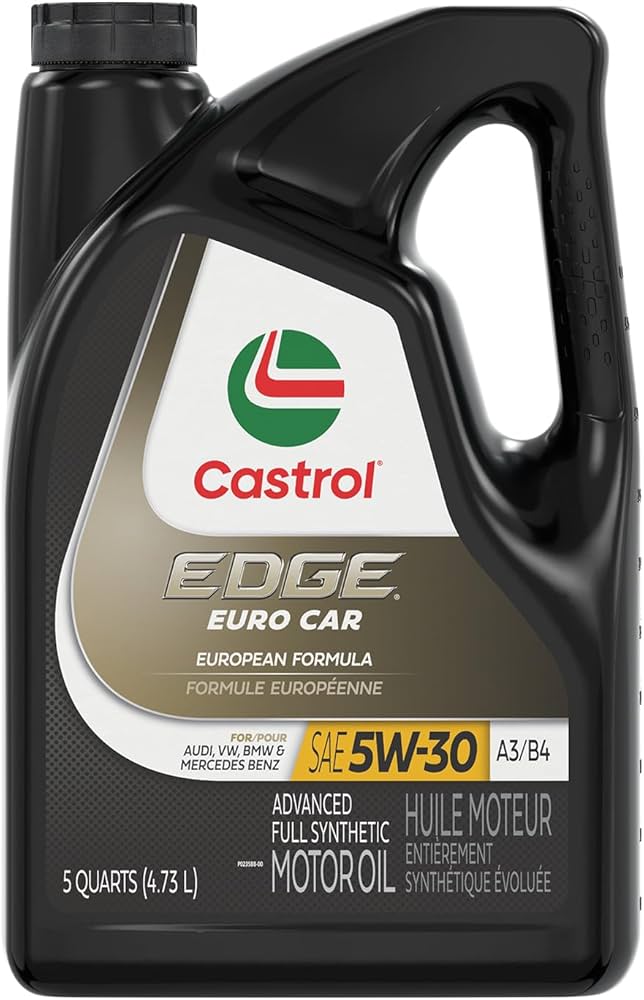
For most gasoline-powered E90s, any fully synthetic oil carrying a printed BMW Longlife-01 (LL-01) approval is the only safe starting point — Castrol Edge 5W-30 European Formula matches the factory fill exactly. If your engine runs hot, a LL-01 approved 5W-40 adds extra high-temperature film strength without compromise. Diesel M57 engines require LL-04 low-SAPS oil — the two specs are not interchangeable.
Our Top 6 BMW E90 Engine Oil Rankings
-
Castrol Edge 5W-30 European Formula — Best Overall · Factory Fill, LL-01 Certified
-
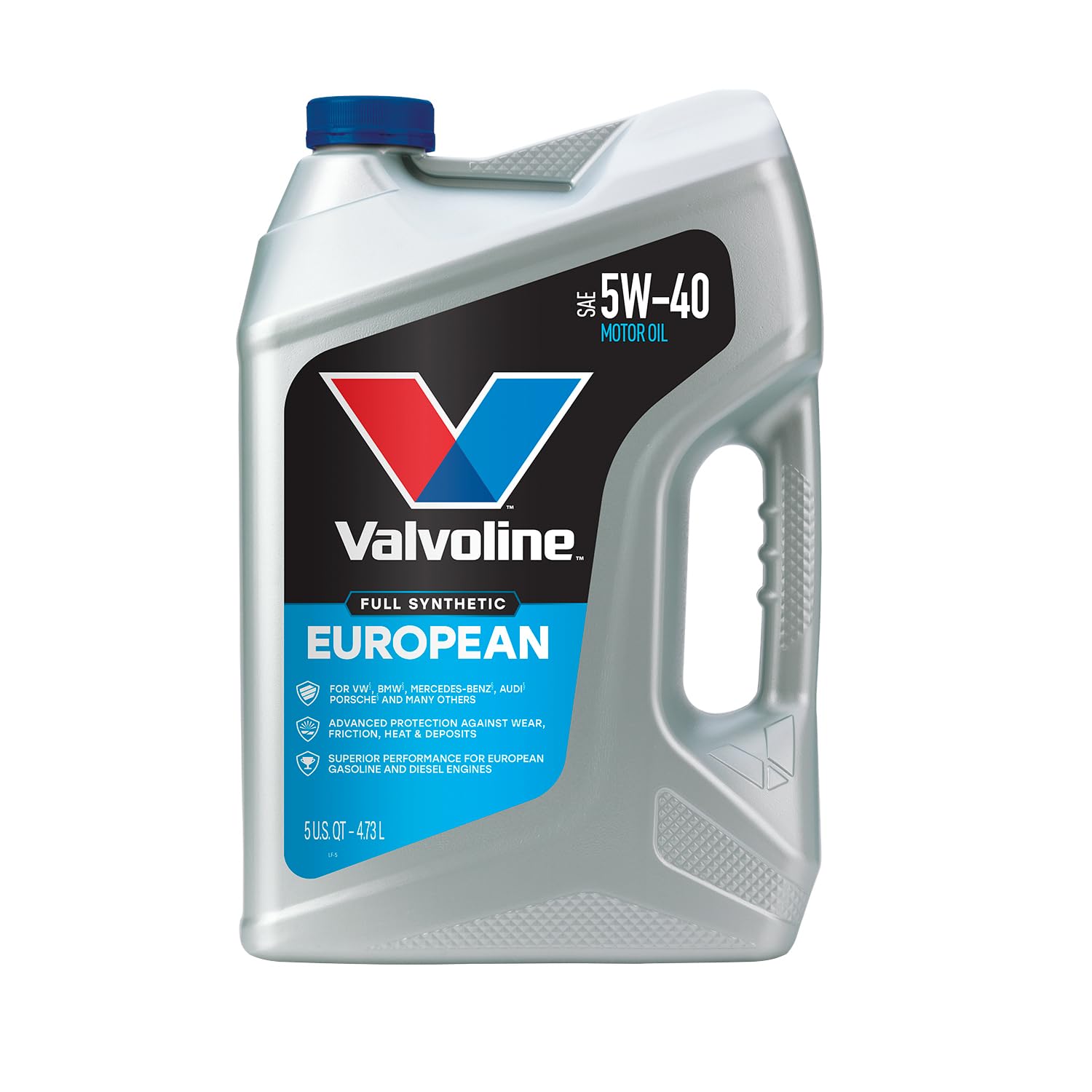
Valvoline European Vehicle Full Synthetic 5W-40 — Best Budget · LL-01 + MB 229.5 Dual Approval
-
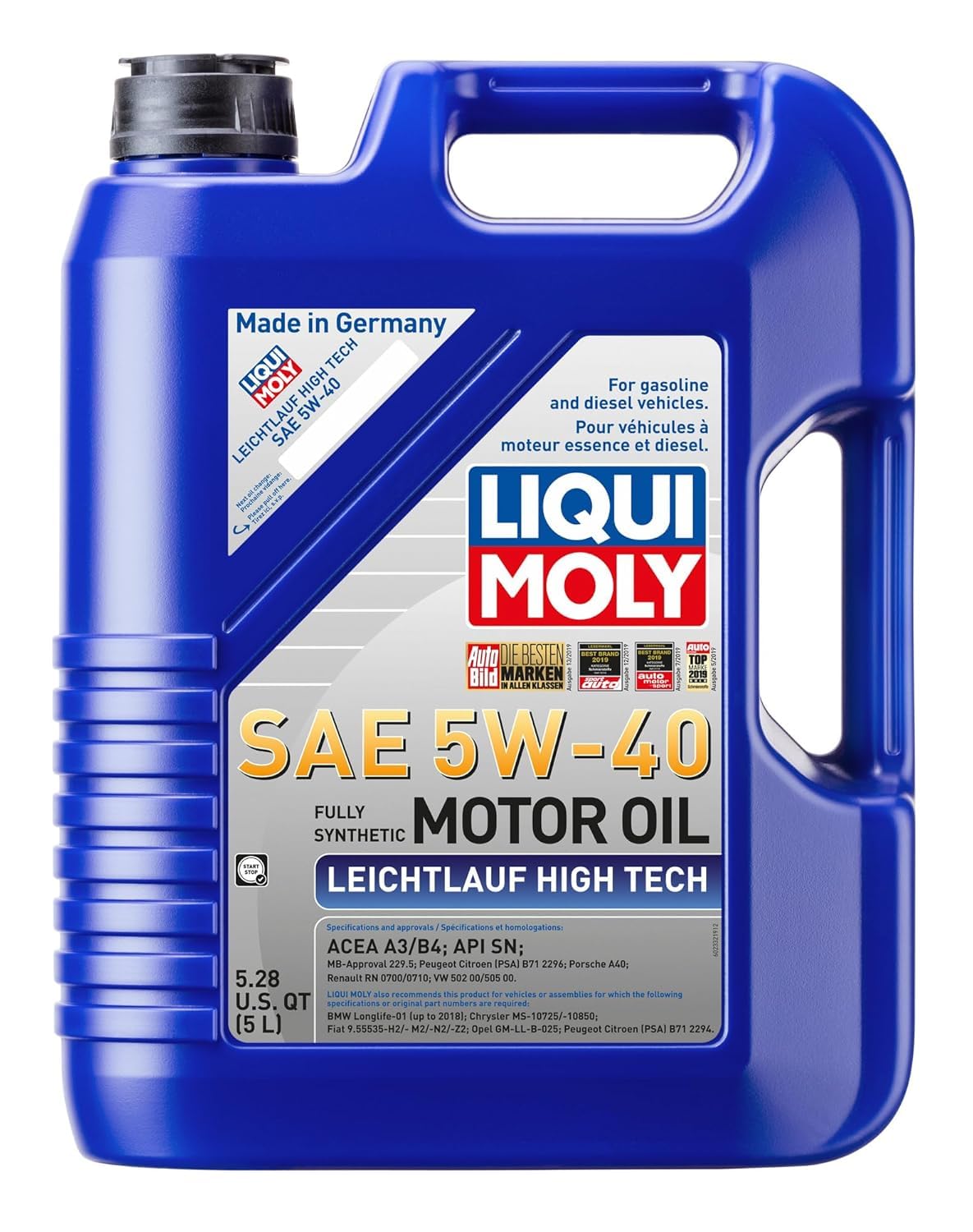
Liqui Moly Synthoil High Tech 5W-40 — Best Premium · German OEM Moly Formula
-
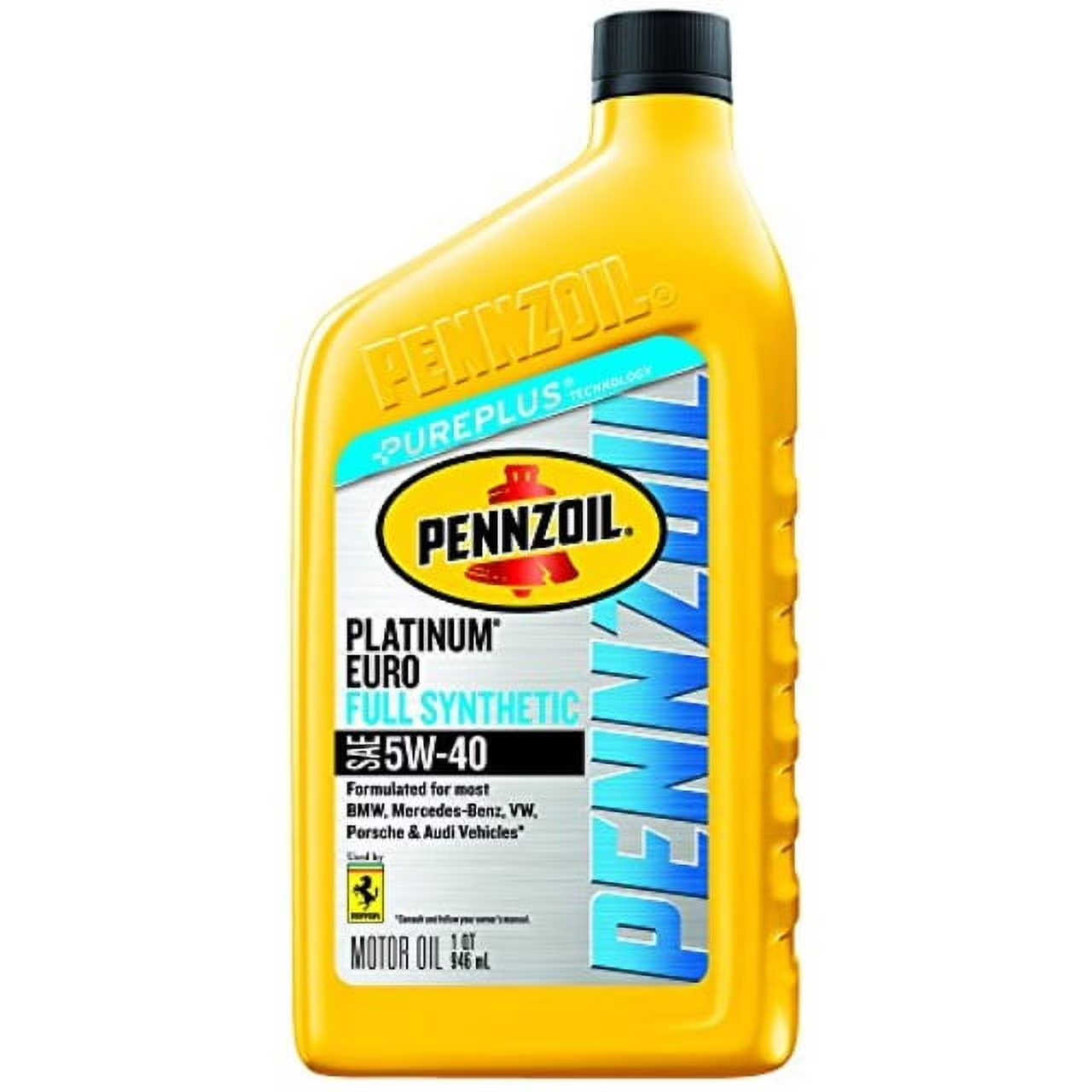
Pennzoil Platinum Euro 5W-40 — Best for Durability · PurePlus Natural Gas Base Oil
-
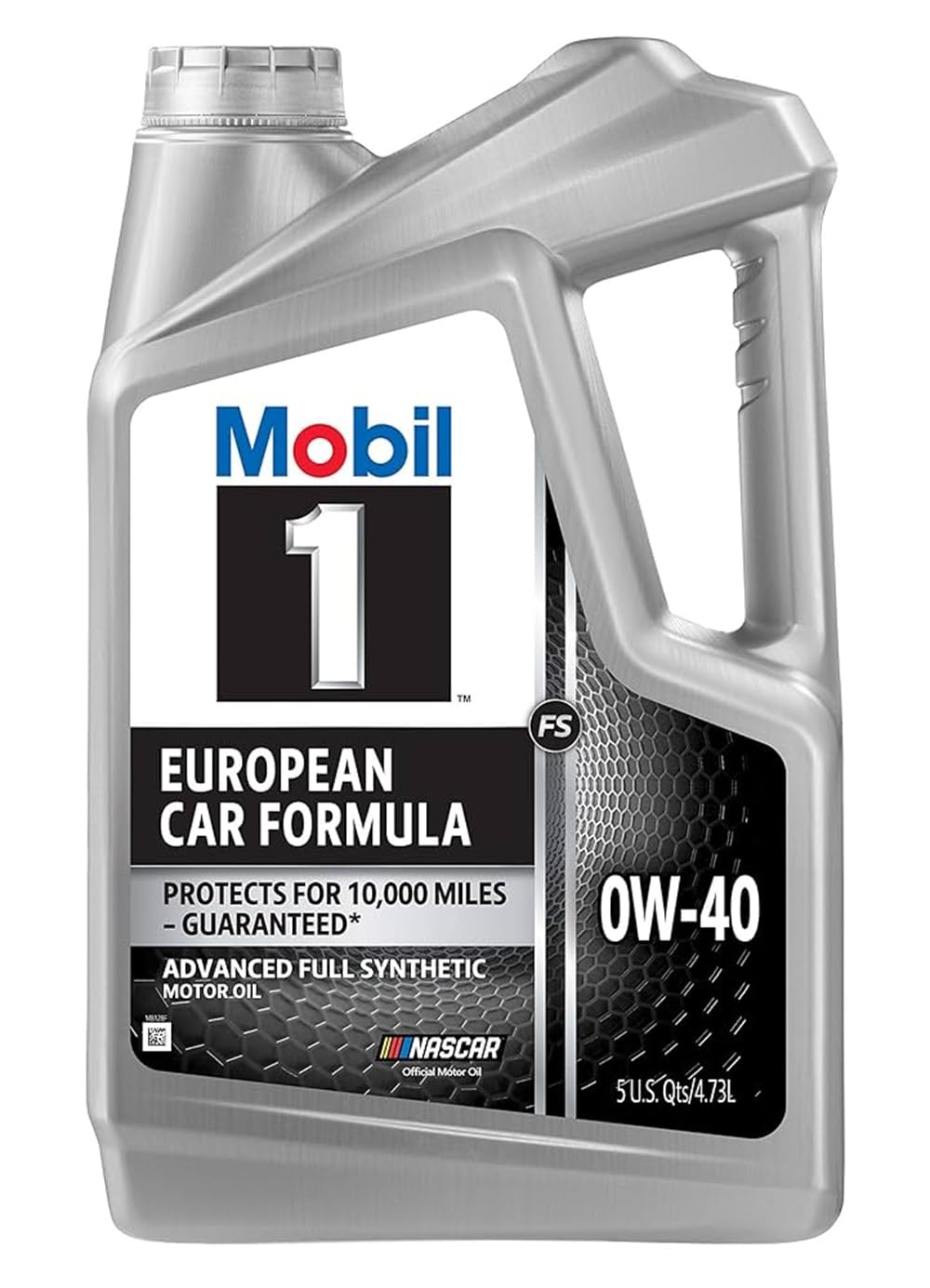
Mobil 1 0W-40 FS European Car Formula — Best Cold-Start Protection · Pumpable to −45°C
-
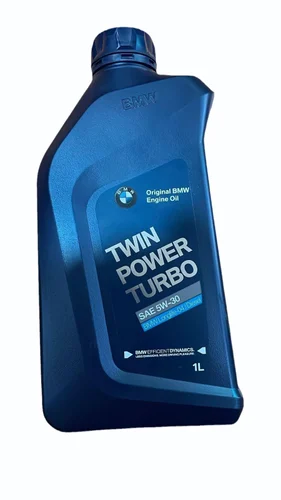
BMW TwinPower Turbo 5W-30 Oil Change Kit — Easiest DIY Oil Change · OEM Filter + Drain Washer Included
Best Engine Oil for BMW E90 — Compared
Side-by-side specs, approval ratings, and scores across all six picks.
| # | Product | Viscosity | Type | Best For | Score | |
|---|---|---|---|---|---|---|
| 1 | Castrol Edge 5W-30 European Formula Editor’s Choice | 5W-30 | Full Synthetic | Best Overall | 4.8 | See Latest Price |
| 2 | Valvoline European Vehicle Full Synthetic 5W-40 Top Pick | 5W-40 | Full Synthetic | Best Budget | 4.7 | See Latest Price |
| 3 | Liqui Moly Synthoil High Tech 5W-40 | 5W-40 | Full Synthetic | Best Premium | 4.7 | See Latest Price |
| 4 | Pennzoil Platinum Euro 5W-40 | 5W-40 | Full Synthetic | Best Durability | 4.7 | See Latest Price |
| 5 | Mobil 1 0W-40 FS European Car Formula | 0W-40 | Full Synthetic | Best Cold-Start | 4.8 | See Latest Price |
| 6 | BMW TwinPower Turbo 5W-30 Oil Change Kit | 5W-30 | OEM Kit | Easiest DIY | 4.8 | See Latest Price |
Detailed Reviews
Full breakdown of each product — ratings, pros, cons, and our expert verdict.
Castrol Edge 5W-30 European Formula
✓ Pros
- Carries formal BMW LL-01 certification printed directly on the bottle — not claimed in marketing copy, confirmed by BMW’s own approval process
- Cold-start viscosity remains pumpable to −35°C, protecting VANOS solenoids from dry-friction damage during winter cranks
- Fluid Titanium Technology maintains oil film thickness under sustained load, documented in used-oil analysis at 7,500-mile intervals
✗ Cons
- 5W-30 weight thins marginally in sustained 90°C+ oil temperatures on heavily boosted N54s — some tuned-engine owners step up to 5W-40
- Retail price fluctuates 15–20% during supply shortages; single-quart purchases cost significantly more than 5-quart jugs
Valvoline European Vehicle Full Synthetic 5W-40
✓ Pros
- Holds simultaneous BMW LL-01 and Mercedes-Benz 229.5 approvals, making it suitable for mixed European fleets without juggling separate products
- High-detergent additive system actively dissolves lacquer deposits on VANOS solenoid screens during normal driving intervals
- Subscribe & Save pricing on Amazon regularly drops cost below $5 per quart — the most accessible LL-01 price point in this segment
✗ Cons
- Cold-pour point of −35°C is slightly harder to circulate than 0W-rated oils in northern climates below −20°C overnight
- No LL-01 FE (fuel economy) variant available; fuel consumption is marginally higher than a 5W-30 equivalent on highway runs
Liqui Moly Synthoil High Tech 5W-40
✓ Pros
- Molybdenum disulfide (MoS2) compound produces measurable friction reduction on camshaft lobes and main bearings — documented in independent dyno testing
- Maintains in-grade 5W-40 viscosity after 10,000-mile drain intervals per multiple independent used-oil analysis submissions from E90 forum members
- Validated through German OEM testing protocols that include sustained 250 km/h autobahn shear cycles — meaningful proof for hard-driven cars
✗ Cons
- Per-liter cost runs 40–60% above Castrol or Valvoline, which meaningfully raises the annual oil spend on a 7,500-mile change schedule
- Distinctive green dye can mask early coolant contamination in oil, delaying diagnosis of minor head gasket seeps during routine checks
Pennzoil Platinum Euro 5W-40
✓ Pros
- PurePlus base oil synthesized from natural gas contains fewer sulfur impurities, reducing ash deposits on oil control rings and piston crowns
- Oxidation resistance verified via ASTM D2272 testing at levels that outperform crude-derived synthetic basestocks
- User-submitted oil-analysis data shows measurable oil consumption reduction on high-mileage N52 engines after two consecutive oil changes
✗ Cons
- Brick-and-mortar availability is inconsistent across regional auto parts chains; advance ordering on Amazon is frequently required
- Mid-tier pricing rarely drops to the promotional lows Valvoline achieves through Subscribe & Save during peak sale periods
Mobil 1 0W-40 FS European Car Formula
✓ Pros
- Remains pumpable to −45°C, ensuring the oil pump builds pressure and reaches VANOS actuators within 2 seconds of a cold crank
- Holds Porsche A40 and ACEA A3/B4 dual approvals — the same certification set that qualifies it for high-performance European engines including tuned N54s
- Multiple published used-oil analysis reports from N54 E90 owners confirm 10,000-mile oil life retention with no significant viscosity breakdown
✗ Cons
- Current bottle formulation omits the formal BMW LL-01 approval code that earlier FS versions carried — a sticking point for owners who want the label visible
- 0W base weight causes a marginal fuel economy reduction on short urban commutes compared to a 5W-30, particularly noticeable in cold-weather short trips
BMW TwinPower Turbo 5W-30 Oil Change Kit
✓ Pros
- Includes the OEM MANN HU 816x filter with the correct 14 psi bypass valve pressure rating — not an aftermarket approximation that opens at the wrong threshold
- Copper crush washer in the kit eliminates drain plug thread damage from reusing the original compressed washer — a mistake that causes slow seep leaks
- BMW-branded oil and filter documentation satisfies CPO warranty service record requirements at authorized service centers without requiring dealer receipts
✗ Cons
- Total kit cost runs $20–$30 more than purchasing Castrol Edge 5W-30 and an equivalent MANN filter separately — a real premium for the convenience
- Available only in 5W-30 viscosity — owners of heavily tuned N54s or those in extreme heat climates who need 5W-40 or 0W-40 must buy separately
Can’t Decide?
Our Top 2 Picks — Head to Head
Both carry full LL-01 approval and will protect your E90’s engine. Here’s how to pick the right one for your situation.
- BMW’s original factory fill — the benchmark all others are compared against
- 5W-30 weight optimises cold-start flow through VANOS solenoids in moderate climates
- LL-01 code printed on bottle — no ambiguity, no claims, full approval confirmed
- Full LL-01 approval at consistently lower per-quart cost than Castrol
- 5W-40 weight adds a thermal buffer for hot climates or stop-and-go traffic
- Extra detergent content helps flush VANOS solenoid deposits on higher-mileage engines
How to Choose the Right Oil for Your BMW E90
Six factors that matter before you buy — covering specs, engine variants, and common owner mistakes.
BMW Longlife Certification (LL-01 vs LL-04)
E90 gasoline engines — N52, N54, N55 — require LL-01 approval; diesel M57s need LL-04 low-SAPS oil. These are not interchangeable: LL-01 oil in a diesel with a diesel particulate filter can poison the DPF within 15,000 miles. Confirm the approval code is printed on the bottle itself, not just referenced in marketing language on the product page.
Viscosity Grade for Climate and Engine
5W-30 suits most stock, daily-driven E90s in moderate climates, delivering optimal cold-start flow through the VANOS solenoid passages. 5W-40 adds thermal stability for tuned turbocharged engines or consistent stop-and-go use. 0W-40 is the correct choice when overnight temperatures regularly fall below −20°C and cold-pump failure is a real concern.
VANOS Solenoid Compatibility
BMW’s VANOS variable valve timing system relies on pressurised oil routed through fine solenoid screens that clog with lacquer deposits from off-spec oil. Verified LL-01 approval guarantees the additive package passes BMW’s own solenoid-protection test protocols. Oils without the code, regardless of ACEA rating, cannot guarantee this — and VANOS solenoid replacement runs $200–$400 per unit.
Oil Change Interval and Oxidation Resistance
BMW’s onboard CBS computer can suggest intervals up to 15,000 miles. Independent BMW specialists cap hard-driven cars at 7,500 miles to prevent fuel dilution in direct-injected N54 and N55 engines. If you push toward 10,000 miles, choose an oil with verified oxidation resistance — Pennzoil Platinum Euro and Liqui Moly both hold up under used-oil analysis at extended drains.
Turbocharger Heat Shielding
N54 and N55 turbochargers spin at up to 150,000 rpm and expose the bearing housing oil to sustained temperatures above 150°C. Oil that shears or evaporates under that load causes coking — the hardened carbon deposits that block oil passages and destroy the turbo’s thrust bearing. A 5W-40 with strong shear stability is the correct choice for any E90 running stock or aftermarket boost.
Oil Filter Quality
Premium oil poured through a cheap filter loses its advantage at startup. The E90 engine requires a filter with a 14 psi bypass valve; off-spec replacements open too early and allow unfiltered oil into the circuit. Always pair with an OEM MANN HU 816x or its direct equivalent — the price difference over a no-name filter is roughly $5 per change, and the protection difference is not comparable.
Pro Tips
Quick Buying Checklist
Always flip the bottle and look for the BMW LL-01 or LL-04 code in the specifications block — “compatible with BMW” marketing language is not the same as official certification.
Choose 5W-40 if your E90 runs a tune, sits in a consistently hot climate, or shows oil consumption — 5W-30 is sufficient for stock engines in mild weather.
Set your own 7,500-mile oil change reminder regardless of what the CBS onboard computer displays — the factory interval assumes conservative driving most owners don’t practice.
Pair any oil with an OEM MANN HU 816x filter — cheap aftermarket equivalents use incorrect bypass valve pressures that allow metal debris into the oil circuit at startup.
In climates below −20°C overnight, step down to 0W-40 — the lower cold-pour rating ensures the oil pump builds pressure before the VANOS solenoids experience dry friction.
After filling, run the engine for 5 minutes then wait 10 minutes before checking via the electronic oil level dipstick — measuring immediately after filling always returns a false-low reading.
Frequently Asked Questions
What oil does BMW recommend for the E90?
BMW specifies a fully synthetic engine oil meeting the BMW Longlife-01 (LL-01) standard for all gasoline E90 engines, and Longlife-04 (LL-04) for diesel M57 variants. The original factory fill for most gasoline engines was Castrol Edge 5W-30 European Formula, and BMW also sells its own BMW TwinPower Turbo 5W-30 through dealerships. Only oils with the approval code printed on the bottle qualify — not merely “recommended for BMW” claims.
How often should I change the oil in my BMW E90?
Independent BMW specialists recommend a 7,500-mile or 12-month interval for daily-driven E90s, even when the CBS onboard computer suggests longer. Direct-injected N54 and N55 engines accumulate fuel dilution faster than the computer accounts for. Hard-driven or track-day cars should target 5,000 miles — the cost of the extra oil change is far less than one turbocharger replacement.
Can I use 5W-40 instead of 5W-30 in my BMW E90?
Yes — any BMW LL-01 approved 5W-40 is a safe substitute for 5W-30, and many specialists prefer it for turbocharged N54 and N55 engines or hot climates. The 40-weight hot viscosity provides a thicker film on turbocharger bearings under sustained load. Expect a marginal fuel economy reduction of 0.5–1 mpg compared to a 5W-30, which is the only real trade-off.
Is it safe to use non-BMW approved oil in an E90?
Using oil without LL-01 or LL-04 certification creates real risk over time — VANOS solenoid deposits, timing chain tensioner wear, and piston ring varnish are the documented failure modes from improper additive chemistry. During the warranty period, non-approved oil also gives BMW grounds to deny engine coverage. Even post-warranty, the certified options are widely available and competitively priced, so the risk offers no reward.
Do BMW E90 engines require full synthetic oil?
Full synthetic is mandatory, not optional. E90 engines operate at high temperatures with tight bearing clearances and turbocharger heat loads that break down conventional mineral oil within 2,000–3,000 miles. Conventional oil also lacks the additive package required for LL-01 approval. Never use mineral or semi-synthetic oil in an E90 — the resulting sludge can block the oil pickup tube and cause catastrophic bearing failure.
Can I switch brands of engine oil in my BMW E90?
Switching between LL-01 approved full synthetic oils from different brands poses no risk — the approval standard ensures chemically compatible additive packages. Many experienced E90 owners alternate between Castrol, Liqui Moly, and Mobil 1 without any issue. The critical requirement is matching viscosity grade and maintaining the LL-01 approval on the replacement bottle, regardless of brand.
How much oil does a BMW E90 take for a full oil change?
Most E90 gasoline engines require 6.5 to 7 quarts (approximately 6.1 to 6.6 liters) for a full drain-and-refill with a new filter. The N52 naturally aspirated engine typically takes 6.9 quarts, while turbocharged N54 and N55 engines need around 6.5 quarts. Always verify using the electronic oil level display after warming the engine — the spec varies by year and filter used.
Final Verdict
Our Top Recommendations for 2026
The E90’s Valvetronic system, VANOS actuators, and turbochargers demand more from engine oil than most cars — the LL-01 specification exists precisely because generic European synthetics fall short. Castrol Edge 5W-30 remains the benchmark for stock daily drivers, Valvoline delivers that same protection at a lower cost per quart, and Liqui Moly is the clear choice when you push the car hard. Change it on time with an OEM MANN filter and your E90’s engine will reward you with quiet, dependable miles.