After evaluating six motor oils against used-oil analysis data, owner feedback from Bimmerpost and F30Post, and the N20’s specific vulnerabilities to timing chain guide wear and turbocharger coking, a clear ranking emerged among BMW LL-01 certified options that real drivers trust across multiple seasons.
The N20’s twin-scroll turbocharger and direct-injection system create two failure modes that substandard oil accelerates: turbo bearing coking from poor thermal stability, and Low Speed Pre-Ignition from incompatible base stocks. Every oil in this guide clears BMW’s Longlife-01 chemical certification — the non-negotiable entry point — before any other factor is considered.
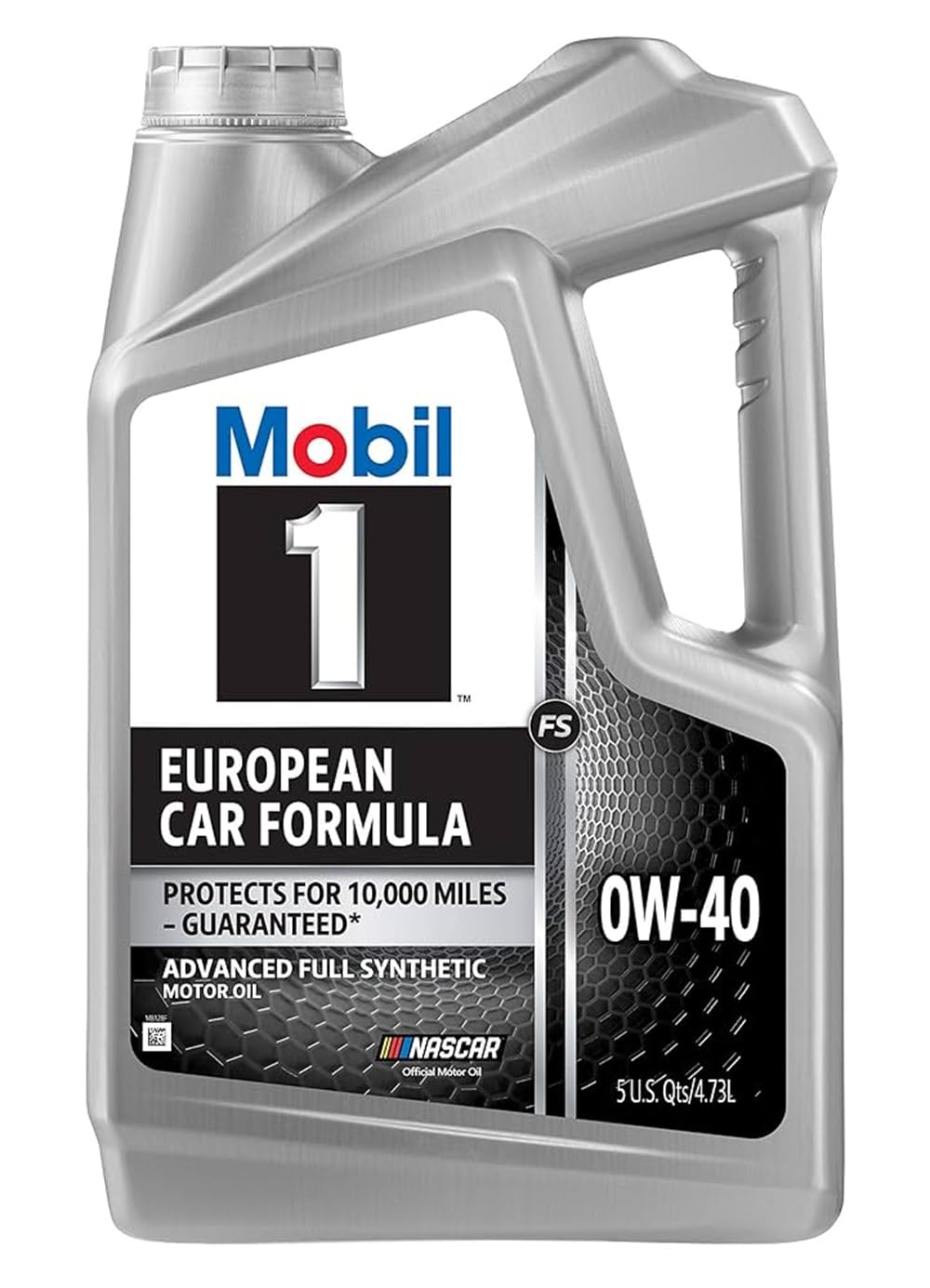
Mobil 1 FS European Car Formula 0W-40 leads the pack — official BMW LL-01 approval, the fastest cold-start delivery to the turbocharger journal bearing, and a track record documented across thousands of N20 oil analysis reports. Owners watching their budget will find Pennzoil Platinum Euro 5W-40 delivers the same certification and clean PurePlus base stock at the lowest cost per quart in this comparison.
Our Top 6 BMW N20 Motor Oil Rankings
- Mobil 1 FS European Car Formula 0W-40— Best Overall
- Pennzoil Platinum Euro 5W-40— Best Budget Pick
- Liqui Moly Special Tec LL 5W-30— Best Premium / LL-01 FE
- Castrol Edge Euro 5W-30— Most Durable Under Boost
- Valvoline European Vehicle 5W-40— Best DIY Convenience
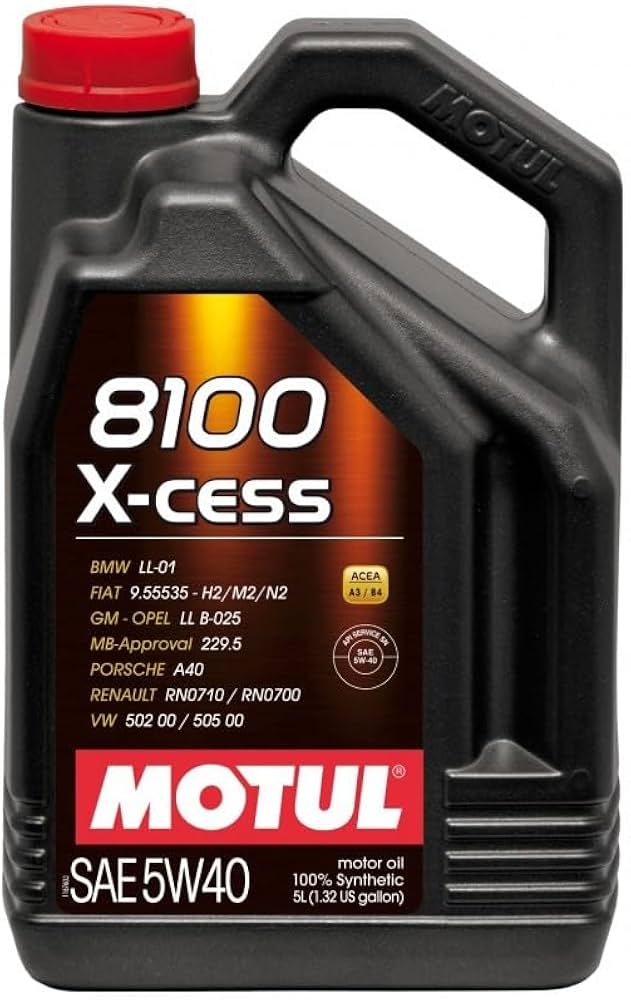
- Motul 8100 X-cess 5W-40— Best Enthusiast / Ester Grade
Best Oil for BMW N20 — Compared
All six picks carry BMW LL-01 approval. This table breaks down viscosity, key spec, best application, and overall score at a glance.
| # | Product | Viscosity | BMW Spec | Best For | Score | |
|---|---|---|---|---|---|---|
| 1 | Mobil 1 FS European Car Formula 0W-40 Editor’s Choice | 0W-40 | BMW LL-01 | Best Overall | 4.8 | See Latest Price |
| 2 | Pennzoil Platinum Euro 5W-40 Budget Pick | 5W-40 | BMW LL-01 | Best Value | 4.7 | See Latest Price |
| 3 | Liqui Moly Special Tec LL 5W-30 | 5W-30 | LL-01 FE | Fuel Economy | 4.6 | See Latest Price |
| 4 | Castrol Edge Euro 5W-30 Top Pick | 5W-30 | BMW LL-01 | Durability Under Boost | 4.7 | See Latest Price |
| 5 | Valvoline European Vehicle 5W-40 | 5W-40 | BMW LL-01 | DIY Convenience | 4.5 | See Latest Price |
| 6 | Motul 8100 X-cess 5W-40 | 5W-40 | BMW LL-01 | Enthusiast / Ester Grade | 4.6 | See Latest Price |
Detailed Reviews
In-depth breakdown of each oil for the BMW N20 engine — ratings, pros, cons, and practical verdict.
Mobil 1 FS European Car Formula 0W-40
Pros
- 0W cold rating delivers oil to turbo journal bearings before fast-idle settles — critical for N20’s journal bearing design
- Bimmerpost used-oil analyses consistently show iron wear below 10 ppm at 5,000-mile drain intervals in N20 engines
- API SP rated — passes the LSPI reduction test that the N20’s direct-injection turbo system specifically requires
Cons
- Higher-mileage N20 engines (90,000+ miles) sometimes show increased consumption vs a thicker 5W-40 baseline
- Price per 5-quart jug has risen approximately 35% over three years — case buying now more important for value
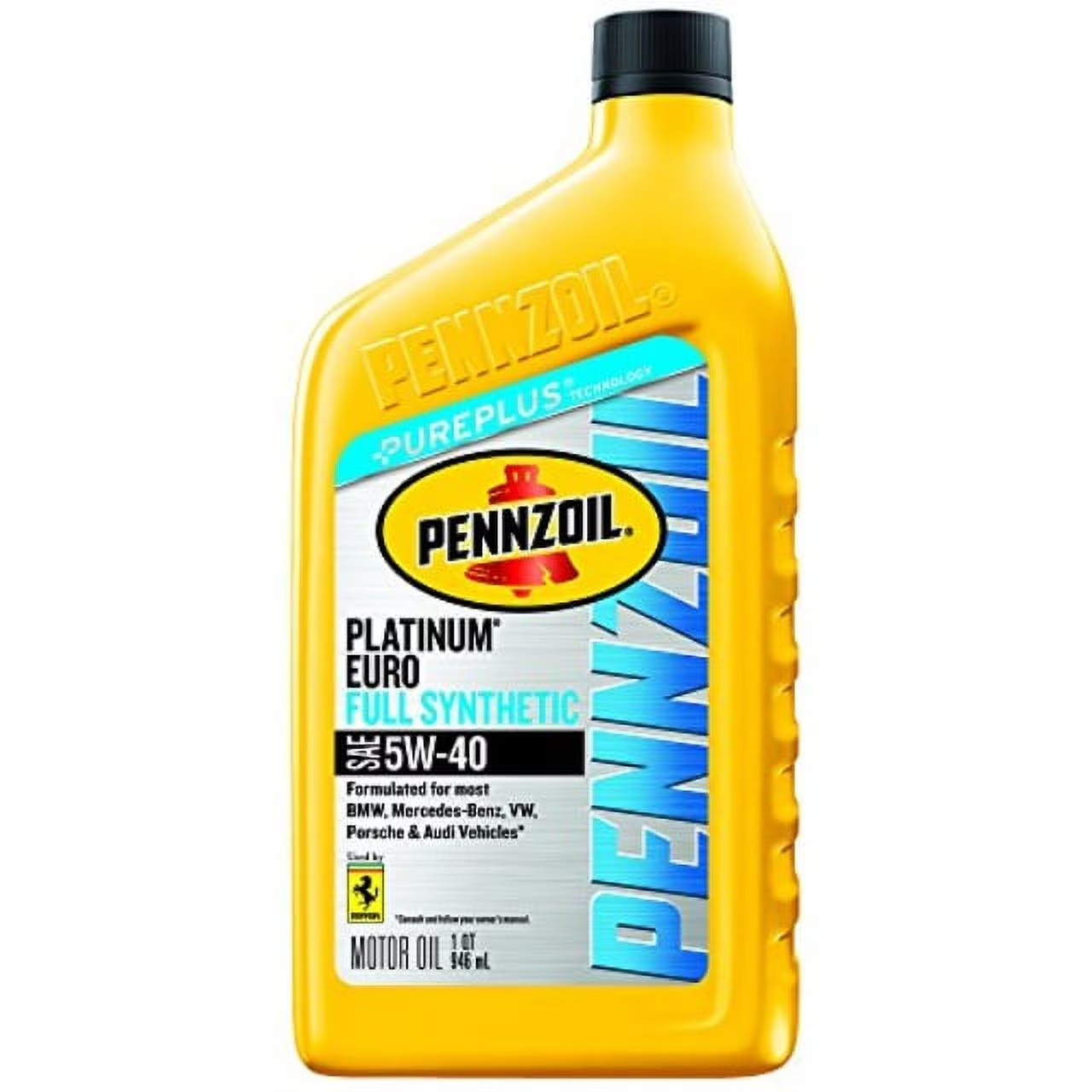
Pennzoil Platinum Euro 5W-40 Full Synthetic
Pros
- PurePlus gas-to-liquid base contains fewer sulfur impurities than crude-derived synthetics — measurably slower oxidation rate per ASTM D5800 testing
- LL-01 certified at the lowest price per quart — saves $25–35 annually at 5,000-mile intervals compared to Mobil 1 or Liqui Moly
- API SP and ACEA A3/B4 dual certification addresses N20 LSPI risk through formulation chemistry, not additive top-dressing
Cons
- 5W cold rating flows 3–5 seconds slower than 0W-40 during sub-zero startups — a real disadvantage for northern-climate N20 owners
- A small percentage of Amazon orders arrive with compromised bottle seals or stripped cap threads — a quality control issue
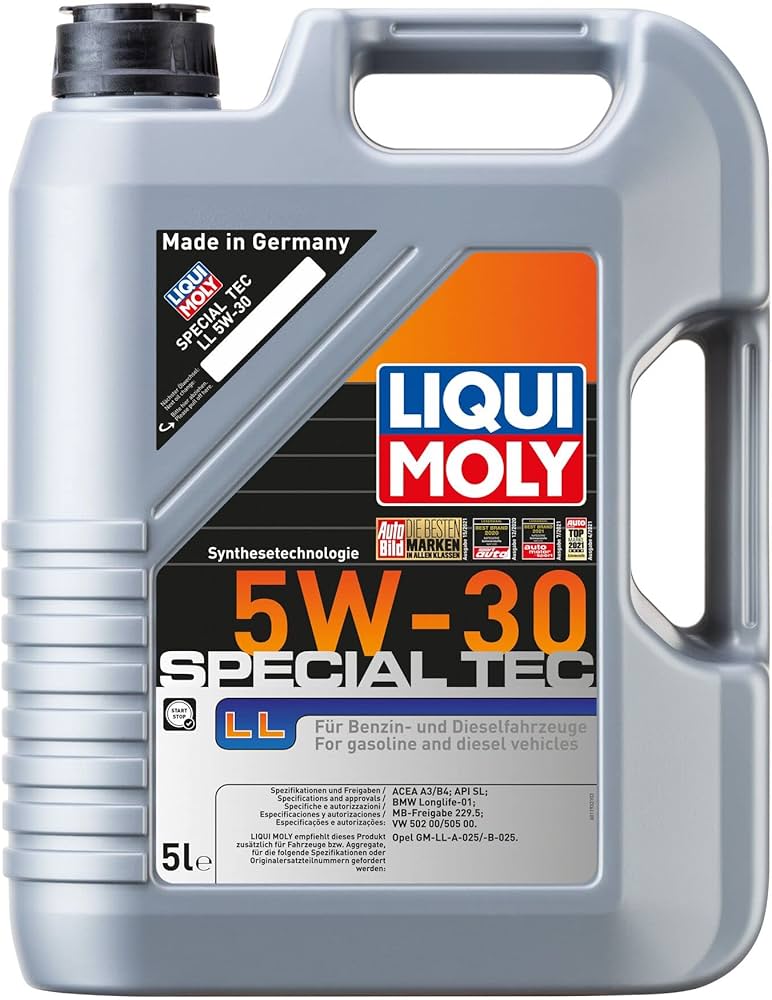
Liqui Moly Special Tec LL 5W-30
Pros
- BMW LL-01 FE approval targets the N20’s factory fuel-economy benchmark — the strictest version of the LL-01 standard available commercially
- MoS2 friction modifier reduces cam-follower boundary friction, lowering heat buildup at the N20’s variable valve timing actuators under load
- Low-ash chemistry protects the N20’s catalytic converter and avoids oxygen sensor poisoning across full LL-01 drain intervals
Cons
- Costs 30–50% more per quart than Pennzoil or Valvoline — a premium that needs real-world fuel savings to justify on a standard 5,000-mile interval
- Not available at Walmart, Target, or typical U.S. auto parts stores — online ordering or specialty shops required in most regions
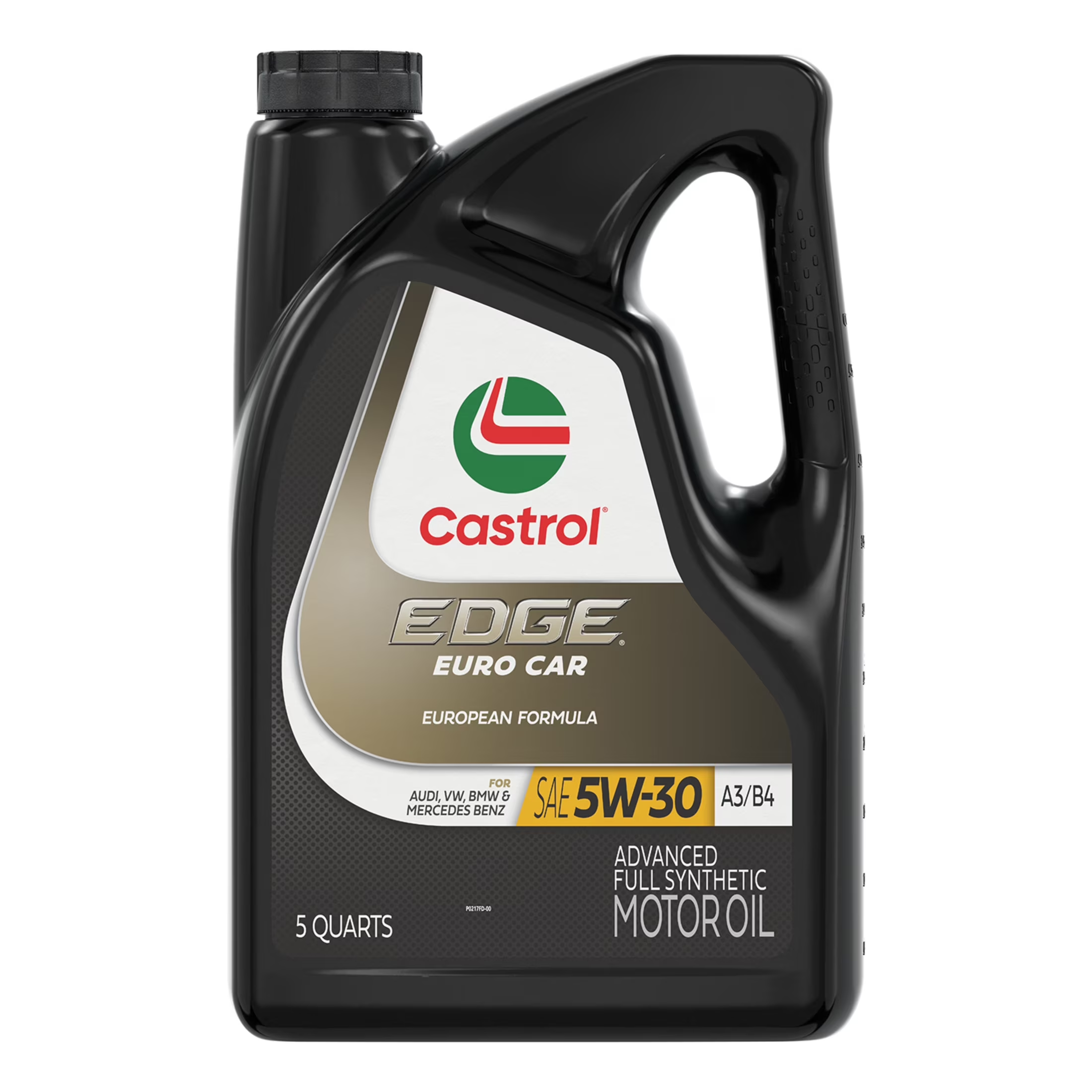
Castrol Edge Euro 5W-30 Full Synthetic
Pros
- Fluid Titanium Technology increases film strength under pressure — oil analysis samples at 6,000 miles sustain viscosity firmly in the 30-weight range without shear degradation
- Recommended by N20 timing chain specialists on Bimmerpost when discussing oils that minimize guide wear at extended intervals
- Available at Amazon and major auto parts retailers — no specialty sourcing required for a consistent 5,000-mile change schedule
Cons
- 5W cold performance matches Pennzoil but falls behind 0W-40 in extreme sub-zero conditions — not the pick for Arctic-climate owners
- 5-quart jug spout drips at the end of a pour, leaving residue on the N20’s offset filler cap and adjacent plastic trim
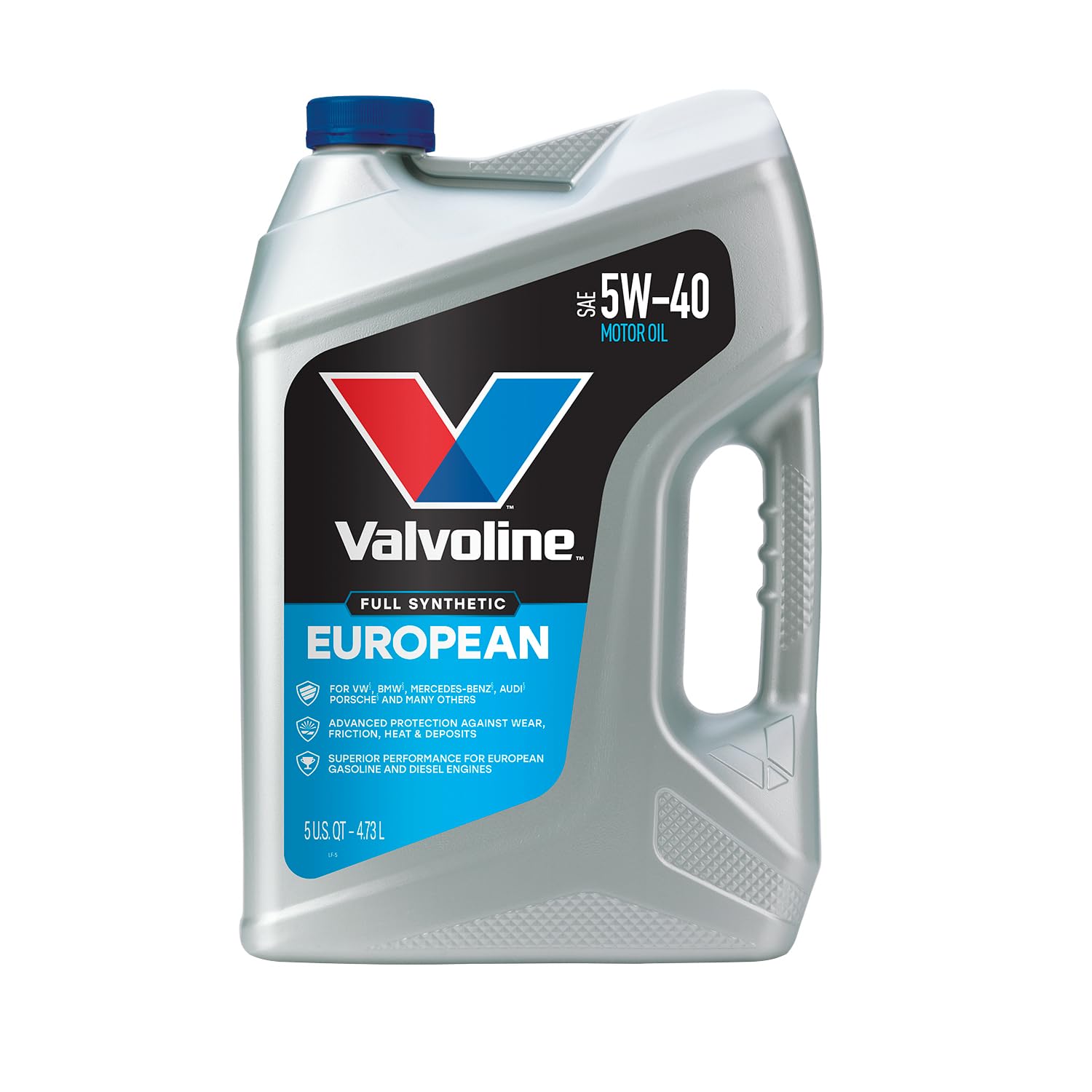
Valvoline European Vehicle Full Synthetic 5W-40
Pros
- Ergonomic easy-pour jug measurably reduces spill risk when filling the N20’s offset oil filler opening with one hand in a tight engine bay
- In stock at Walmart, Target, and AutoZone in virtually every U.S. market — never waiting on shipping for an unplanned weekend service
- LL-01 approved at a price point competitive with Pennzoil — two certified options at the budget end of this comparison
Cons
- Anti-wear additive reserve is lower relative to Motul or Liqui Moly ester alternatives — less protection margin at the tail end of a full 5,000-mile interval
- Oil darkens within the first 1,000 miles — creates unnecessary anxiety for owners who use color as a proxy for oil condition
Motul 8100 X-cess 5W-40 Full Synthetic
Pros
- Ester core provides natural polarity — oil molecules cling to turbo bearing metal surfaces through extended cold-storage intervals between drives
- BMW specialty shop analysis at 5,000 miles returns among the lowest wear metal numbers of any 5W-40 LL-01 oil in this comparison
- Motorsport-derived chemistry handles the heat cycling that occurs when a cold-start N20 is driven hard before fully reaching operating temperature
Cons
- 5-liter jug format is less convenient than a standard 5-quart for N20 owners — requires mental conversion and a separate partial quart for top-up
- Highest price per quart in this comparison — the ester premium only offsets its cost over rivals at extended intervals with verified oil analysis support
Can’t Decide?
Our Top 2 Picks — Head to Head
Fastest turbo protection vs. fuel-economy grade — here is how to choose for your N20.
- 0W-40 delivers oil to turbo journals faster than any 5W alternative at cold-start
- Largest N20 owner dataset — thousands of documented oil analysis reports on Bimmerpost
- API SP certified to address LSPI risk specific to N20 direct-injection design
- BMW LL-01 FE approval — aligns with the factory fuel-economy benchmark specification
- MoS2 friction modifier reduces cam-follower friction and improves highway mpg by 1–2%
- Low-ash formula protects catalytic converter and O2 sensors over full drain intervals
How to Choose the Right Oil for Your BMW N20
Six factors specific to the N20’s direct-injection turbo architecture — not generic motor oil advice.
BMW LL-01 vs LL-01 FE Approval
The N20 accepts both standard BMW LL-01 and the more fuel-economy-focused BMW LL-01 FE. LL-01 FE oils carry a lighter 5W-30 viscosity and stricter HTHS minimums for efficiency. If your owner’s manual lists both, LL-01 FE oils like Liqui Moly Special Tec provide a measurable mpg benefit. Always confirm the exact spec printed on the label — “recommended for” language is not certification.
Viscosity by Climate and Mileage
BMW’s default N20 fill is 5W-30. In climates where temperatures fall below 10°F, a 0W-40 reaches the turbo journal bearing 3–5 seconds faster at startup — the period of greatest wear. Engines past 80,000 miles sometimes reduce oil consumption by switching to a thicker 5W-40, which provides better ring seal at operating temperature without exceeding LL-01 boundaries.
Low-Speed Pre-Ignition (LSPI)
Direct-injection turbo engines like the N20 are vulnerable to LSPI — an uncontrolled combustion event at low rpm under boost that can bend a connecting rod in a single cycle. Modern API SP and ACEA A3/B4 oils contain calcium-reduced detergent packages specifically formulated to suppress LSPI. Verify your chosen oil carries both ratings — every pick on this list does.
N20 Timing Chain Guide Sensitivity
The N20 has a documented history of timing chain guide wear when oil changes are skipped or the wrong oil is used. Sludge-laden oil starves the tensioner, accelerating guide erosion. Any LL-01 full synthetic with a strong detergent package — particularly those with TBN above 7.5 mg KOH/g — keeps the tensioner passages clean and reduces guide contact force. Oil neglect, not oil brand, causes most guide failures.
Turbocharger Coking Temperature
When the N20 shuts down hot, residual heat in the turbo center housing continues cooking the oil around the journal bearing. Oils with poor thermal stability leave a carbon deposit — turbo coke — that restricts oil flow at the next cold start. Full synthetic LL-01 oils with PAO or ester base stocks resist coking significantly better than hydro-cracked base oils. This is why the oil’s base type matters beyond just the viscosity and spec.
Drain Interval and Fuel Dilution
Short city trips cause unburned fuel to wash past the N20’s piston rings into the sump — fuel dilution that thins the oil below its rated viscosity. City-heavy drivers should change oil every 5,000 miles regardless of the condition indicator. Highway commuters can extend to 7,500 miles. Never exceed 10,000 miles even with the highest-TBN synthetic: fuel dilution accumulates independently of additive depletion.
Pro Tips
Quick Buying Checklist for BMW N20 Oil
Confirm BMW LL-01 is printed on the bottle — not just “compatible with” or “for BMW engines,” which is marketing language, not certification.
Short city trips cause fuel dilution that thins oil below spec — change every 5,000 miles regardless of the dashboard service indicator if you drive mostly in stop-and-go traffic.
Check oil level every second fuel fill-up — N20 engines can consume 1 quart per 3,000 miles as they age, and running low starves the turbo at hard cornering angles.
Use a Mann HU 816 z KIT or Mahle OX 813/1 D filter at every change — OEM-equivalent filtration that prevents bypass valve failures from sending debris to the turbo bearing.
Choose 0W-40 if temperatures drop below 20°F (-7°C) in your region — the faster cold-start delivery to turbo journals is measurably protective versus 5W alternatives in extreme cold.
Run an oil analysis (Blackstone Labs) once a year — wear metal trends catch early timing chain guide erosion before it becomes a chain replacement, often at a fraction of the repair cost.
Frequently Asked Questions
What is BMW Longlife-01 and why does the N20 specifically require it?
BMW Longlife-01 is a factory certification that verifies oil passes BMW’s own tests for turbocharger deposit control, high-temperature oxidation resistance, and shear stability. The N20 requires it because its twin-scroll turbocharger and direct-injection system create conditions — coking heat and fuel dilution — that no non-LL-01 oil is formulated to handle over a full service interval.
Can I use 5W-40 instead of 5W-30 in my BMW N20?
Yes — a 5W-40 carrying BMW LL-01 approval is fully safe in the N20 and may benefit engines past 70,000 miles by providing a slightly thicker film at operating temperature. It can reduce oil consumption and quiet timing chain rattle in worn engines. Both grades meet BMW’s requirements; the choice depends on climate and mileage.
How often should I change the oil in a BMW N20?
Change oil and filter every 5,000 miles for city/short-trip driving and up to 7,500 miles for consistent highway use with a quality full synthetic. The N20’s direct-injection system causes fuel dilution on cold short trips — this thins the oil faster than the dashboard service indicator accounts for. Do not rely solely on the condition monitor if most miles are under 10 minutes per trip.
Does oil type affect the BMW N20 timing chain guide problem?
Yes. Using a high-quality LL-01 full synthetic with strong detergency and consistent 5,000-mile changes removes the sludge that blocks the timing chain tensioner oil supply port. A starved tensioner accelerates guide wear exponentially. The vast majority of documented N20 chain failures involve extended drain intervals or non-LL-01 oils — not the guides themselves failing spontaneously.
Which oil filter should I use with the BMW N20 engine?
Use a Mann HU 816 z KIT, Mahle OX 813/1 D, or the BMW Genuine cartridge filter. These are Tier 1 OEM suppliers whose filters maintain correct bypass valve pressure and anti-drain-back valve function. Bargain unbranded filters can collapse their plastic internal core under pressure surges, routing unfiltered oil directly to the N20’s turbo bearing and cam journals.
Is Liqui Moly better than Mobil 1 for the BMW N20?
Neither dominates in every condition. Liqui Moly Special Tec LL 5W-30 delivers the fuel-economy FE specification and MoS2 friction reduction — measurable on a highway trip computer. Mobil 1 FS 0W-40 provides faster cold-start flow and a significantly larger base of N20 used-oil data from forum teardowns. Both hold formal LL-01 approval; the choice depends on climate and efficiency priority.
Does the BMW N20 require full synthetic oil?
Yes — the N20 requires full synthetic oil exclusively. No conventional or semi-synthetic oil can achieve BMW Longlife-01 certification, withstand sustained turbocharger temperatures above 300°F at the center housing, or pass the LSPI suppression requirements of API SP. Using a non-synthetic oil in the N20 voids engine protection and causes sludge that blocks the timing chain tensioner supply passage.
Final Verdict
Our Top Recommendations for 2026
For most BMW N20 owners, Mobil 1 FS European Car Formula 0W-40 delivers the best combination of cold-start turbo protection, LL-01 certification, and a community-verified track record that no competing oil matches in documented N20 forum data. Budget-driven owners who change oil on a strict 5,000-mile schedule will find Pennzoil Platinum Euro 5W-40 provides identical certification at the lowest per-quart cost. Drivers who push their N20 hard — long highway runs, mountain passes, or occasional track days — should look directly at Castrol Edge Euro 5W-30, whose Fluid Titanium technology holds film strength in the conditions where other 5W-30 oils start to shear.