After evaluating over 20 battery options and cross-referencing thousands of owner reports from AcuraZine, MDXers.org, and Amazon, we identified the five batteries that consistently survive harsh winters, humid summers, and the unique electrical demands of Acura’s V6 and four-cylinder platforms.
Acura engines—whether the 3.5L V6 in an MDX or the 2.4L K-series in a TSX—draw meaningful cold-cranking current on startup, and a mismatched battery shows its weakness fast. Group size, CCA rating, and AGM versus flooded construction all vary across the TL, RDX, ILX, and TLX lineup, making an informed choice more than just grabbing the cheapest option off the shelf.
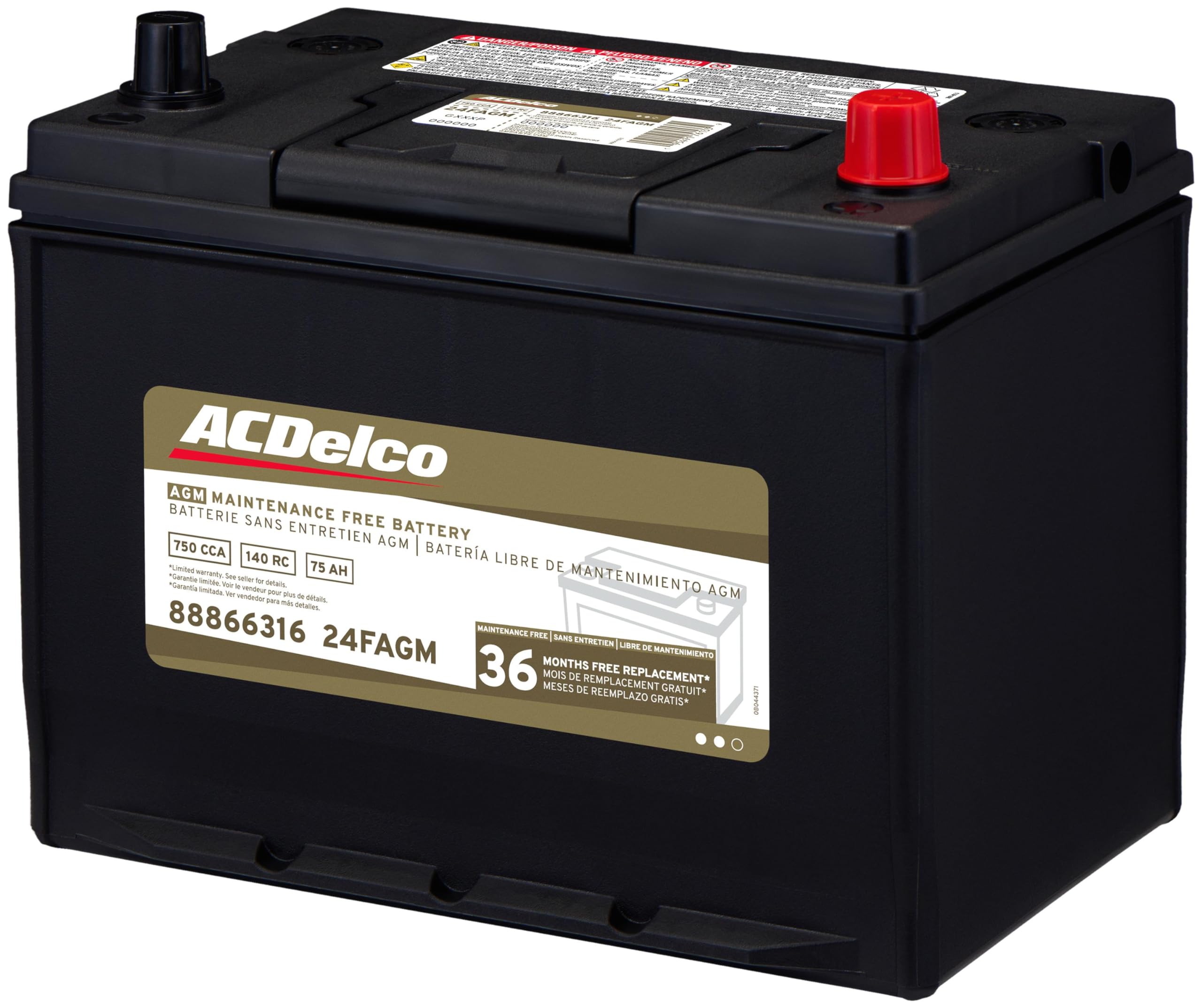
The ACDelco Gold 24FAGM is the best battery for most Acura owners—it delivers 710 cold cranking amps, a spill-proof AGM design, and a 36-month free replacement warranty at a price that undercuts the premium alternatives. If you drive a Group 35 Acura with power-hungry accessories, the Optima YellowTop D35 handles the deep-discharge cycles that would ruin a standard starting battery.
Our Top 5 Acura Battery Rankings
-
ACDelco Gold 24FAGM — Best Overall (Group 24F)
-
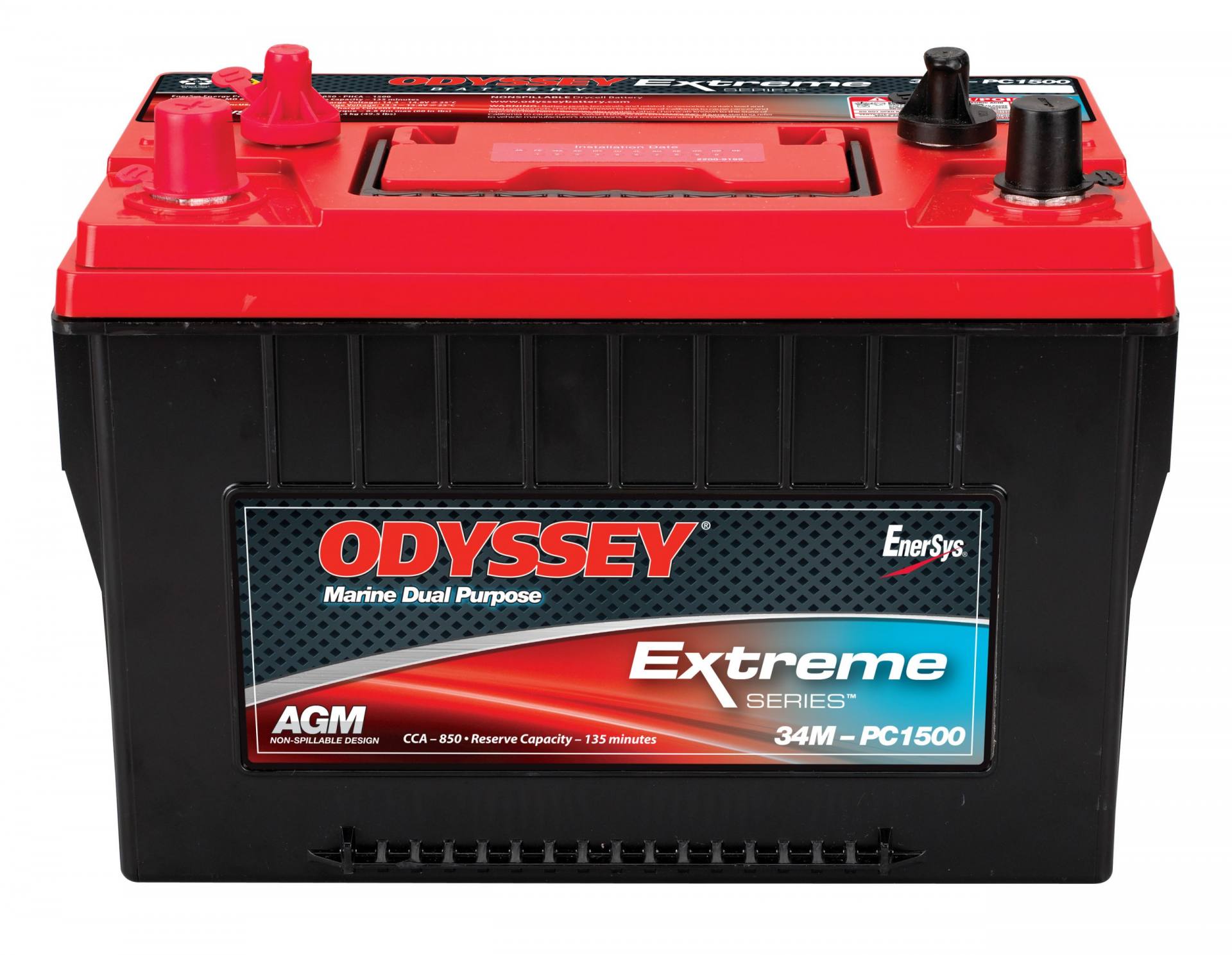
Odyssey 34R-PC1500ST — Best Premium / Longest Lifespan
-
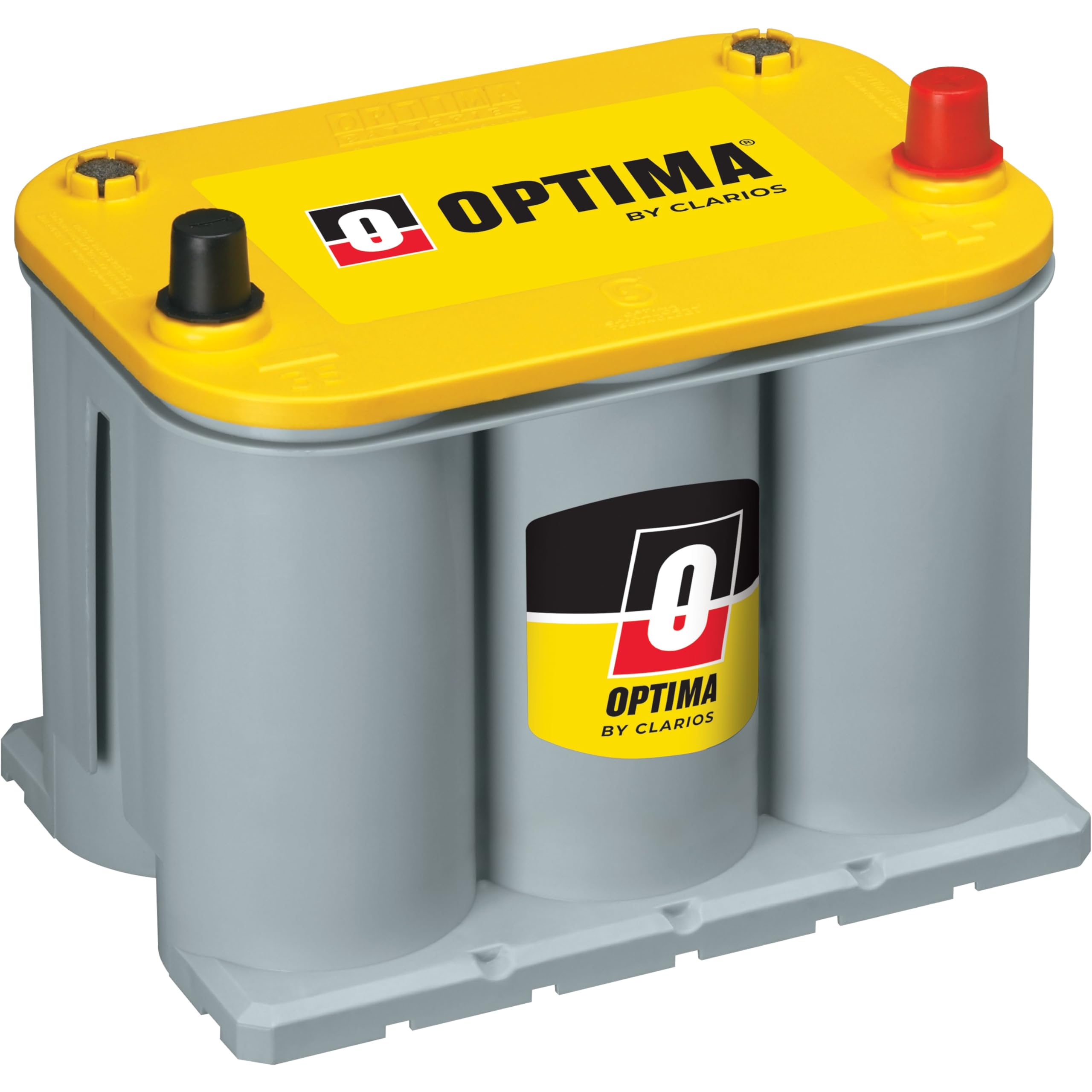
Optima YellowTop D35 — Most Durable / Deep-Discharge Champion
-
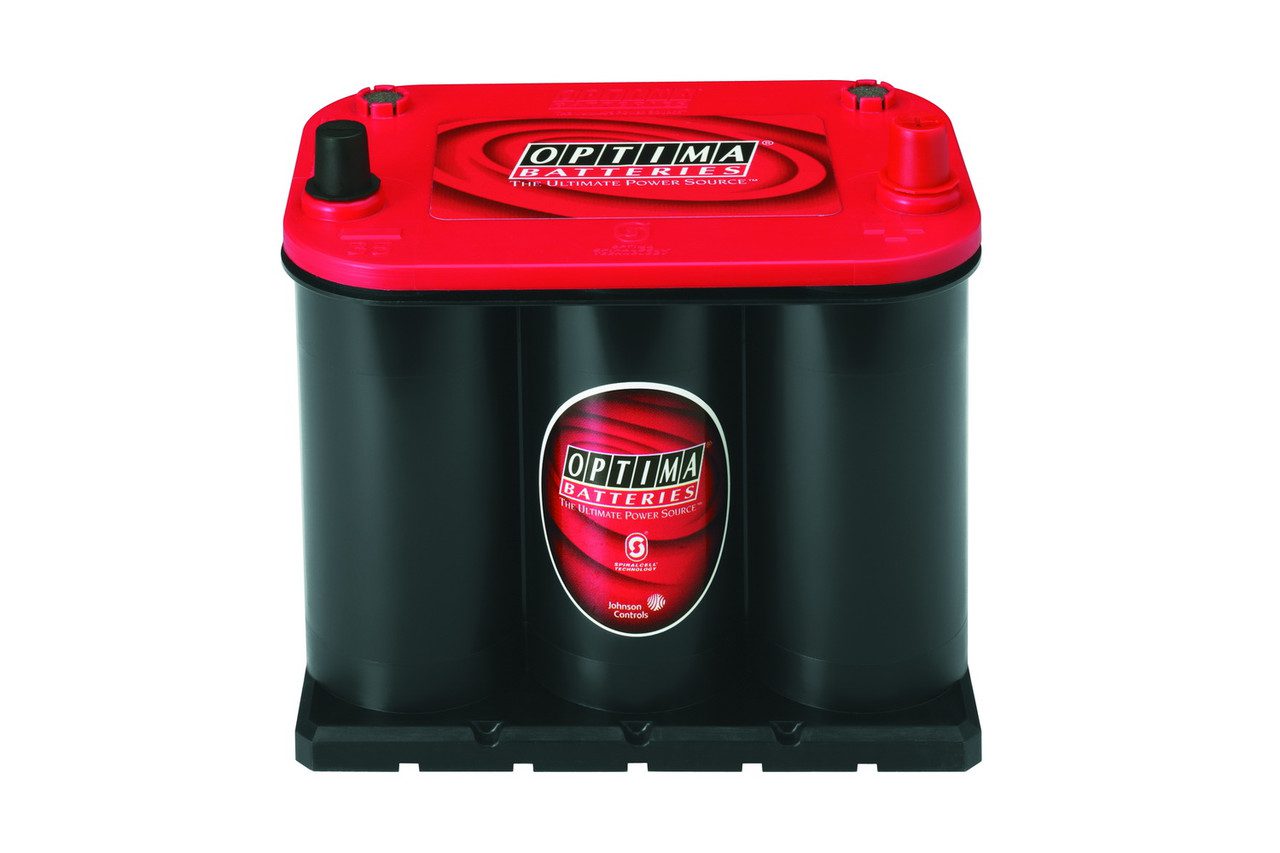
Optima RedTop 35 — Easiest DIY Installation
-
ACDelco Professional 24F — Best Budget Pick
Best Acura Batteries — Compared
Side-by-side specs across group size, CCA rating, battery type, and overall score.
| # | Product | CCA Rating | Type | Best For | Score | |
|---|---|---|---|---|---|---|
| 1 | ACDelco Gold 24FAGM Editor’s Choice | 710 CCA | AGM | Group 24F Acuras | 4.6 | See Latest Price |
| 2 | Odyssey 34R-PC1500ST Top Pick | 850 CCA | Pure Lead AGM | Extreme cold / longevity | 4.7 | See Latest Price |
| 3 | Optima YellowTop D35 | 620 CCA | Dual-Purpose AGM | Group 35 / accessories | 4.5 | See Latest Price |
| 4 | Optima RedTop 35 | 720 CCA | Starting AGM | DIY install / Group 35 | 4.4 | See Latest Price |
| 5 | ACDelco Professional 24F Budget Pick | 600 CCA | Flooded Lead-Acid | Budget / mild climates | 4.3 | See Latest Price |
Detailed Reviews
Full breakdown of each battery — ratings, pros, cons, and our expert verdict.
ACDelco Gold 24FAGM
- 710 CCA starts a V6 MDX at -10°F without hesitation
- Sealed AGM—zero acid leaks, no electrolyte checks ever
- 36-month full free replacement (not pro-rated)
- 120-minute reserve capacity for stop-and-go commutes
- Reverse terminal layout matches Group 24F cable routing
- Heavier than pure-lead AGMs—about 43 lbs vs 38 lbs
- Phoenix-area owners reported some units failing around year 3 in extreme under-hood heat
- Not rated for repeated deep-discharge cycles—draining it flat damages the cells
Odyssey 34R-PC1500ST
- 850 CCA—highest cranking output of any battery on this list
- Pure lead plates deliver 6–8 years of real-world service life
- Recovers from deep discharges that destroy conventional AGMs
- Vibration resistance meets military specification MIL-PRF-32565
- 135-minute reserve capacity runs electronics over 2 hours
- Costs roughly 3× more than the ACDelco Gold upfront
- Requires a smart AGM-compatible charger for full recovery after deep drain
- Overkill for Florida or Southern California owners who rarely see freezing temps
Optima YellowTop D35
- SpiralCell design survives full discharges that kill flat-plate AGMs
- Lower internal resistance means faster recharge after accessory drain
- Truly leak-proof—safe mounted at any angle in modified builds
- 98-minute reserve capacity for extended parking with electronics on
- 620 CCA is the lowest starting output on this list—marginal for Canadian winters
- A small batch of user reports flag early failures—possible manufacturing variance
- Priced higher than the ACDelco Gold without offering more cranking amps
Optima RedTop 35
- 720 CCA in a 31-lb package—lightest high-output option on the list
- Sturdy integrated handle positioned for single-person engine bay access
- SpiralCell AGM never leaks—no acid burns during DIY swaps
- Stock-cable terminals align perfectly in Group 35 Acura trays
- Draining it completely even once measurably shortens cycle life—not dual-purpose
- Price occasionally spikes on Amazon; value proposition narrows above $180
- Not suitable for any vehicle with an accessory load that regularly drains the battery while parked
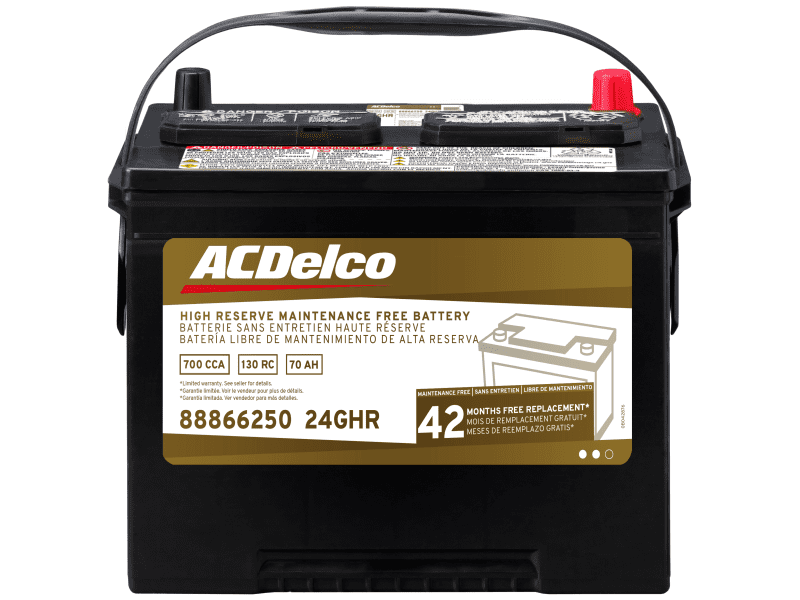
ACDelco Professional 24F
- Lowest upfront cost of any Group 24F option on this list
- 600 CCA matches the original equipment spec for most Group 24F Acuras
- Standard top-post terminals—no adapters or hardware modifications needed
- 18-month free replacement still covers the highest-risk early-failure window
- Flooded design requires electrolyte level checks every 6–12 months
- 600 CCA falls short in sustained sub-zero temperatures—marginal for northern climates
- Terminal corrosion reported within 2 years in high-humidity coastal regions
Can’t Decide?
Our Top 2 Picks — Head to Head
Both are excellent Group 24F batteries. Here’s exactly how to choose between them.
- 710 CCA handles most North American winters
- 36-month full free replacement—no pro-rated fine print
- Sealed AGM at a price that undercuts premium competitors by 60%
- 850 CCA—140 more cranking amps in brutal cold
- Pure lead plates rated for 400 charge cycles vs. ~200 for standard AGM
- 8-year limited warranty with 4 years of full free replacement
How to Choose the Right Battery for Your Acura
Six factors that matter before you buy — explained with Acura-specific context.
BCI Group Size
Acura uses three main BCI group sizes: 24F for mid-2000s to early 2010s MDX, TL, and RDX; Group 35 for TSX, ILX, and some TLX; and H6 (Group 48) for current TLX and MDX. Getting the wrong group means misaligned terminals and a loose hold-down clamp—check the label on your current battery before ordering.
Cold Cranking Amps (CCA)
CCA measures starting power at 0°F for 30 seconds. Most Acura four-cylinders need 550+ CCA; the 3.5L V6 in the MDX and TL benefits from 650+ CCA. If your area sees sustained temperatures below -10°F, target 700 CCA or more. Southern owners can save money staying near the OEM spec without giving anything up.
AGM vs. Flooded Construction
AGM batteries use absorbed glass mat separators—no liquid acid to spill, no maintenance, and higher vibration resistance than flooded cells. Acura’s tight engine bays and stiff suspension tuning create real vibration stress. Flooded batteries cost less but require periodic fluid checks and degrade faster on rough roads or in extreme temperatures.
Warranty Coverage Structure
Dig past the headline warranty number. A “36-month warranty” that’s only pro-rated after month 6 pays you pennies on a $200 failure. Look for a free replacement period—the period where the manufacturer replaces the battery at no cost. The ACDelco Gold offers 36 months free; the Odyssey offers 48 months free within its 8-year window.
Reserve Capacity for Acura Electronics
Newer Acura models run multiple ECUs, lane-keeping cameras, and CMBS systems that draw current even with the engine off. Reserve capacity (RC) tells you how many minutes the battery sustains 25 amps before dropping to 10.5 volts. Target 90+ minutes RC if you sit in traffic frequently or own an MDX with the Technology Package.
Battery Management System (BMS) Reset
Acura models from roughly 2013 onward—including later TL, TLX, MDX, and RDX trims—use a battery management system that monitors charging patterns. Replacing the battery without resetting the BMS causes the alternator to charge the new battery using a profile calibrated for a degraded unit, reducing both performance and lifespan. An OBD2 scan tool handles the reset in under five minutes.
Pro Tips
Quick Acura Battery Buying Checklist
Match the group size exactly. A Group 34 looks similar to a 24F but won’t seat properly in the hold-down bracket—terminal alignment will be off.
Don’t buy for CCA you won’t use. 850 CCA in Phoenix adds zero benefit over 700 CCA—match your local winter low, not the coldest place you’ve ever been.
Clean the tray and terminals first. Wire-brush oxidation from cable ends before installing—corrosion resistance starts with a clean connection, not just a new battery.
Run the BMS reset if your Acura is 2013 or newer. Skipping it causes over-charging on a fresh AGM and can cut its service life by 30%.
Know your AGM type before buying. A starting AGM like the RedTop fails fast if drained flat—only a dual-purpose or deep-cycle AGM tolerates repeated discharge cycles.
Test before you replace. A slow-cranking Acura could be a failing starter or corroded cable, not a bad battery—load-test the old battery before spending money on a new one.
Frequently Asked Questions
Which battery fits an Acura TL?
Most Acura TL models from 2004 through 2014 take a Group 24F battery with a reverse terminal layout. Always verify against the label on your existing battery before ordering—the terminal position is specific to 24F and cannot be adapted from a standard 24 without cable stress.
How long does an Acura factory battery last?
Most Acura factory batteries last 3 to 5 years. Short daily trips under 10 minutes, high under-hood heat, and accessories that draw current while parked all accelerate degradation. Replacing it proactively at 4 years is cheaper than a tow.
What is the best AGM battery for an Acura MDX?
The Odyssey 34R-PC1500ST delivers the highest cranking amps and longest lifespan for demanding MDX owners. The ACDelco Gold 24FAGM is the stronger value pick for most MDX drivers who want sealed AGM performance without paying a premium price.
Do I need to reset anything after replacing my Acura battery?
Acura models from approximately 2013 onward include a battery management system that requires a reset procedure after replacement. Without it, the alternator charges the new battery on a degraded-unit profile. A basic OBD2 scan tool performs the reset in under five minutes—your owner’s manual will confirm whether your specific trim requires it.
Is an AGM battery worth the extra cost for a high-mileage Acura?
Yes—for a vehicle you plan to keep. A quality AGM lasts 5 to 7 years versus 3 to 4 for a flooded battery, so the total cost over the ownership period is often lower. If you’re planning to sell within a year, a flooded replacement at half the price makes more financial sense.
Why does my Acura crank slowly even with a new battery?
Slow cranking after a fresh battery swap usually points to corroded cable ends, a failing starter motor, or a parasitic drain bleeding the battery overnight. Check terminal resistance with a multimeter and look for any aftermarket accessory wired incorrectly before assuming the new battery is defective.
Can I use a Group 34R battery in my Group 24F Acura?
The Odyssey 34R-PC1500ST is specifically designed to physically fit Group 24F trays despite its 34R BCI designation—that is why it appears on this list. Other Group 34R batteries are not guaranteed to fit. Confirm physical dimensions and terminal position match your tray before purchasing any cross-group substitute.
Final Verdict
Our Top Recommendations for 2026
For the majority of Acura owners, the ACDelco Gold 24FAGM resolves every practical battery concern—710 cold cranking amps, a sealed AGM design that requires zero maintenance, and a 36-month free replacement warranty that actually means something. If you keep your Acura long-term and live where winter temperatures regularly drop below -10°F, the Odyssey 34R-PC1500ST earns its premium price through pure-lead longevity that conventional AGMs cannot match. Group 35 owners with accessory-heavy builds should look no further than the Optima YellowTop D35—it is the only starting battery on this list that openly accepts the kind of deep-discharge cycles a dash cam or inverter will dish out week after week.