After evaluating six dash cams against real Gladiator owner feedback, Reddit trail reports, and JeepGladiatorForum reviews, one pattern kept repeating: the cameras that thrive are the ones built for an open-air cabin, triple-digit temperatures, and washboard dirt roads — not just highway commutes.
A Jeep Gladiator introduces challenges no other truck does. You ride with the top off, the doors removed, and the windshield folded flat on overland trips. You park at remote trailheads for days at a time. Standard dash cam advice built for sedans skips right past those realities — this guide doesn’t.
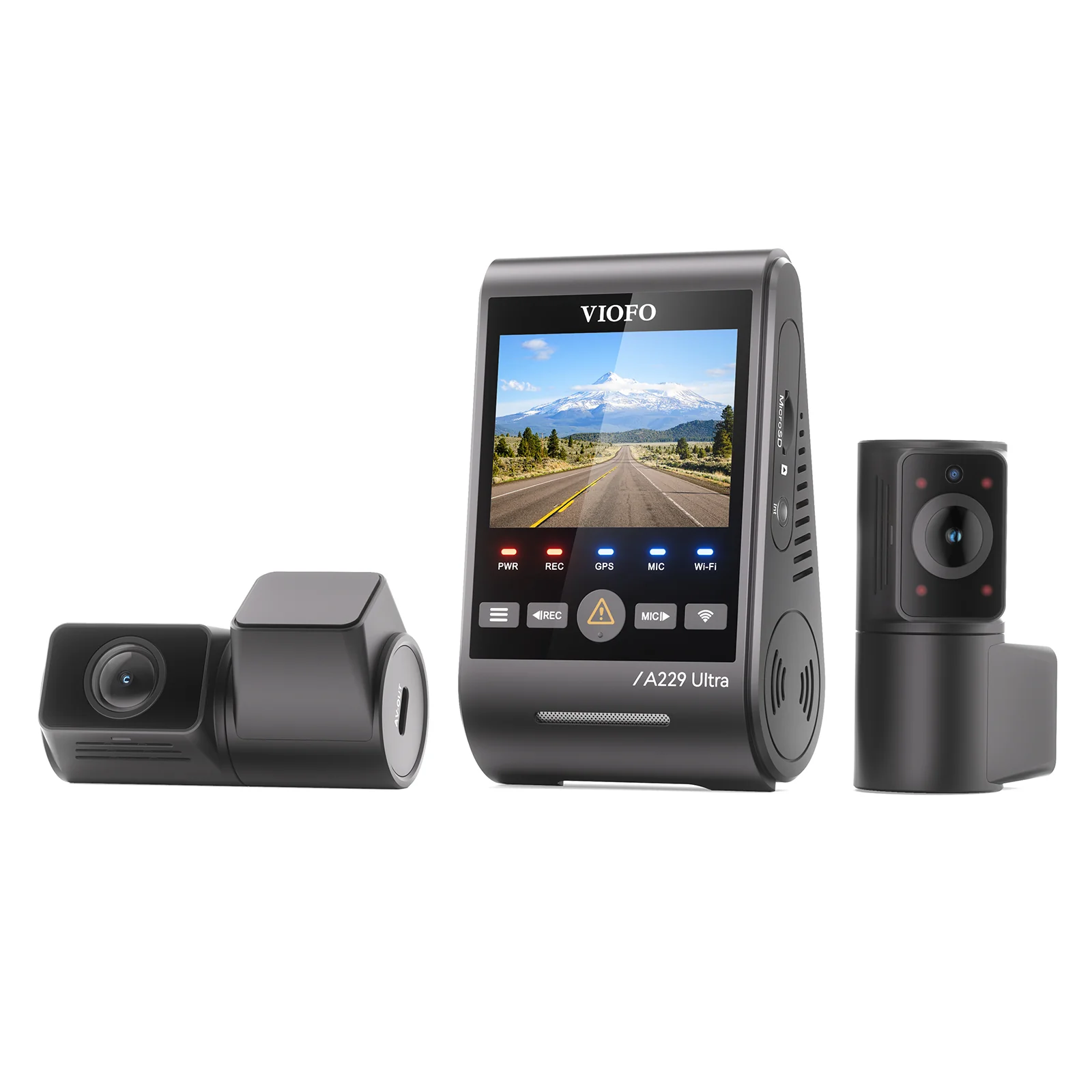
The VIOFO A229 Pro Duo is the best dash cam for most Jeep Gladiator owners: 4K front, 2K rear, a supercapacitor that handles desert heat, and a buffered parking mode that records hits before they happen. If you regularly pull the top off, the Vantrue N4 Pro adds an interior lens that watches your open cabin when front-only cameras can’t.
Our Top 6 Dash Cam Rankings for Jeep Gladiator
-
VIOFO A229 Pro Duo — Best Overall: 4K front + 2K rear, capacitor power, buffered parking mode
-
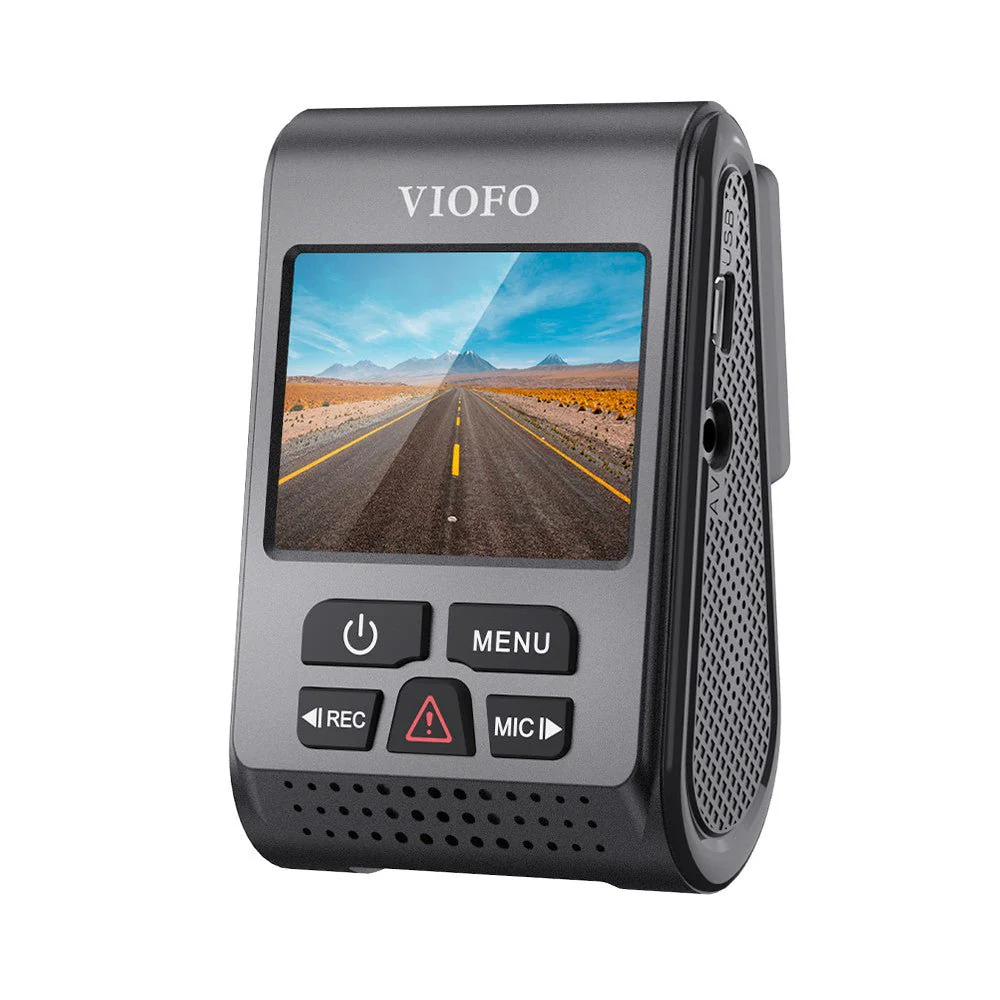
VIOFO A119 V3 — Best Budget: 2K QHD single-channel, capacitor, under $110
-
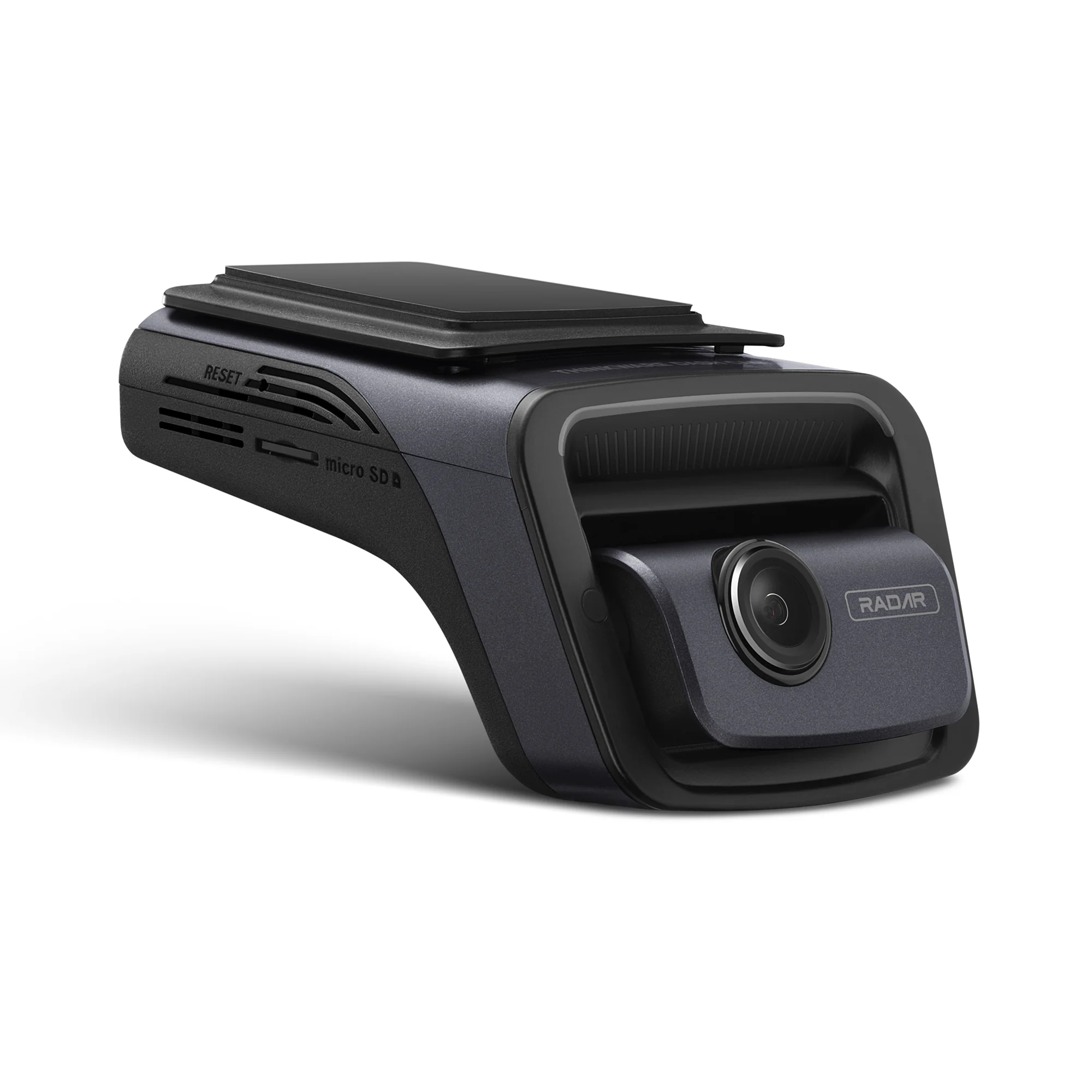
Thinkware U3000 — Best Premium: Radar parking mode, cloud alerts, 4K + 2K
-
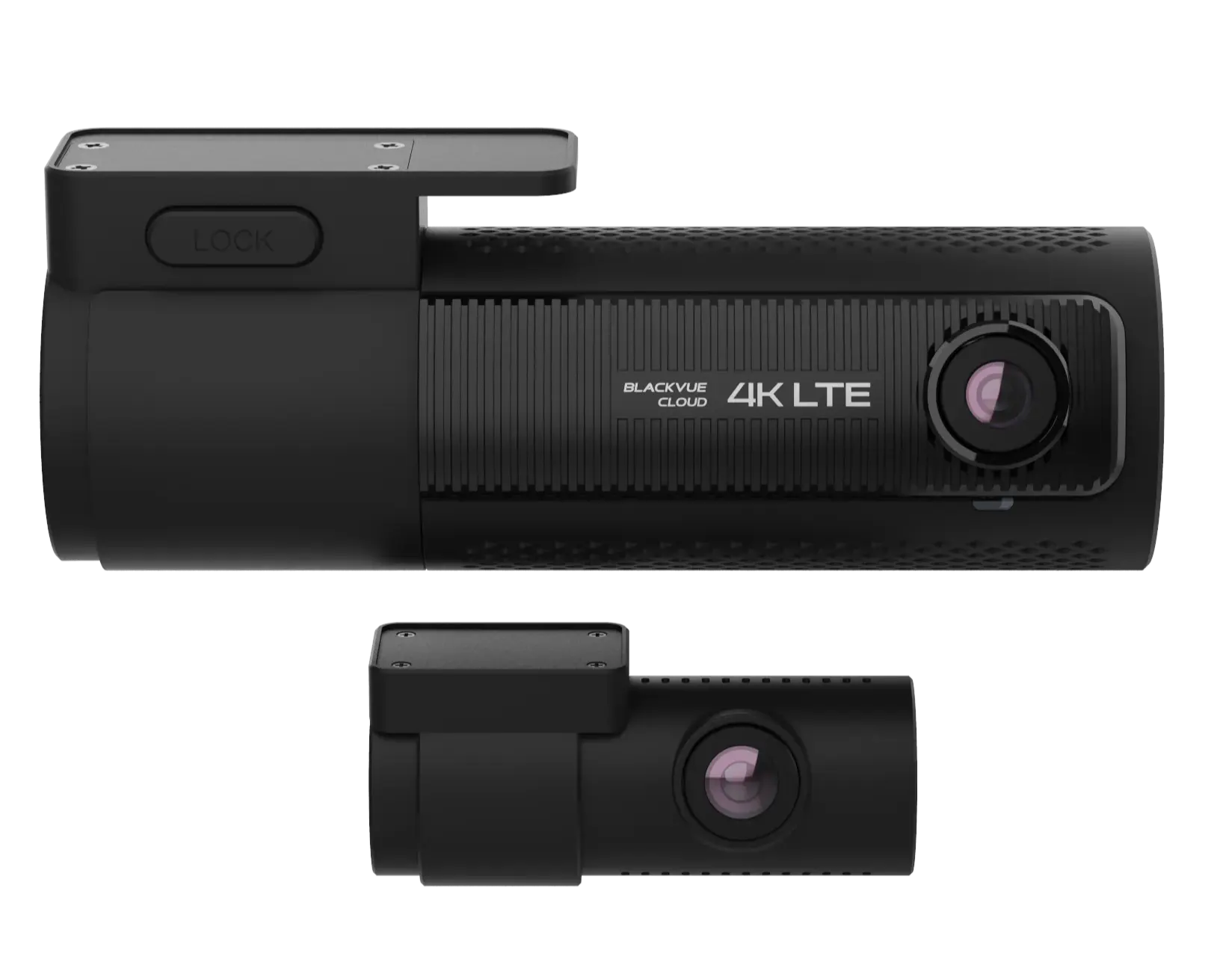
BlackVue DR970X-2CH — Most Durable: Military-grade heat tolerance for off-road abuse
-
Garmin Dash Cam Mini 2 — Easiest Install: Magnetic mount, 5-minute setup, voice control
-
Vantrue N4 Pro — Best 3-Channel: Interior lens watches open cabin when the top is off
Best Dash Cams for Jeep Gladiator — Compared
Side-by-side look at resolution, type, standout feature, and our score for each pick.
| # | Product | Resolution | Power | Best For | Score | |
|---|---|---|---|---|---|---|
| 1 | VIOFO A229 Pro Duo Editor’s Choice | 4K + 2K Rear | Capacitor | All-round dual-channel | 4.4 | See Latest Price |
| 2 | VIOFO A119 V3 Top Pick | 2K QHD | Capacitor | Budget front-only | 4.5 | See Latest Price |
| 3 | Thinkware U3000 | 4K + 2K Rear | Capacitor | Radar parking + cloud | 4.3 | See Latest Price |
| 4 | BlackVue DR970X-2CH | 4K + 1080p Rear | Capacitor | Extreme heat & trail use | 4.4 | See Latest Price |
| 5 | Garmin Dash Cam Mini 2 Budget Pick | 1080p HDR | 12V socket | Fastest install | 4.3 | See Latest Price |
| 6 | Vantrue N4 Pro | 4K + 2K Interior + 1080p Rear | Capacitor | 3-channel open-air cabin | 4.3 | See Latest Price |
Detailed Reviews
Full breakdown of each dash cam — ratings, pros, cons, and our expert verdict.
VIOFO A229 Pro Duo
- 4K front + 2K rear with Sony STARVIS 2 sensors — reads plates two car lengths ahead at night
- Supercapacitor rated for continuous operation above 140°F cabin temperatures
- Buffered parking mode captures 12 seconds before an impact trigger fires
- Supports up to 512GB microSD — months of loop recording without card swaps
- Rear cable routing along the Gladiator’s bed channels requires 60–90 minutes the first time
- No SD card in the box — add $20–$30 for a high-endurance card
- Live view in the app occasionally drops connection, though loop-recorded files are unaffected
VIOFO A119 V3
- 2K QHD at 30fps resolves plates at normal following distances in daytime and dusk conditions
- Supercapacitor confirmed stable by Arizona and Texas owners through back-to-back summer seasons
- Low-profile wedge disappears behind the rearview mirror — reduces theft risk when top is off
- GPS module included in the mount, logs speed and location with every clip
- Single channel only — provides no rear impact evidence if rear-ended on-road or at a trailhead
- No Wi-Fi — you must physically remove the SD card to review footage on a phone or laptop
- Stock adhesive pad softens above 130°F; replacing with 3M VHB tape is a 5-minute fix but a necessary one
Thinkware U3000
- Radar-based parking mode detects motion without triggering on wind or passing shadows — cuts false wakeups by roughly 80% versus G-sensor-only systems
- Cloud push notifications deliver impact clips to your phone within seconds via hotspot or LTE module
- Supercapacitor with thermal protection rated to survive repeated exposure over 130°F
- 4K front color accuracy is true-to-life — no washed-out blue sky or blown-out headlights in HDR mode
- Smartphone app live view lags noticeably behind BlackVue and VIOFO apps — a real frustration during real-time monitoring
- LTE connectivity module is a separate purchase, adding $80–$120 to an already premium price
- Radar sensor adds visible bulk behind the mirror — noticeable in a Gladiator’s upright windshield view
BlackVue DR970X-2CH
- Metal outer shell and supercapacitor confirmed reliable by overlanders after two-plus years of desert and mountain trail use
- Cylinder form factor disappears completely behind the Gladiator’s mirror — barely visible at 6 feet
- BlackVue Cloud auto-uploads flagged clips without any manual download when connected to a hotspot
- Sony STARVIS sensor resolves dust-obscured trail scenes and dim canyon lighting better than most competitors
- No onboard screen — every setting change requires the BlackVue app, which becomes frustrating mid-trip without cell signal
- BlackVue Cloud subscription runs $7–$10/month — full remote functionality is not included in the hardware price
- Rear camera cable is 6mm thick and can be difficult to route cleanly under Gladiator door sill trim
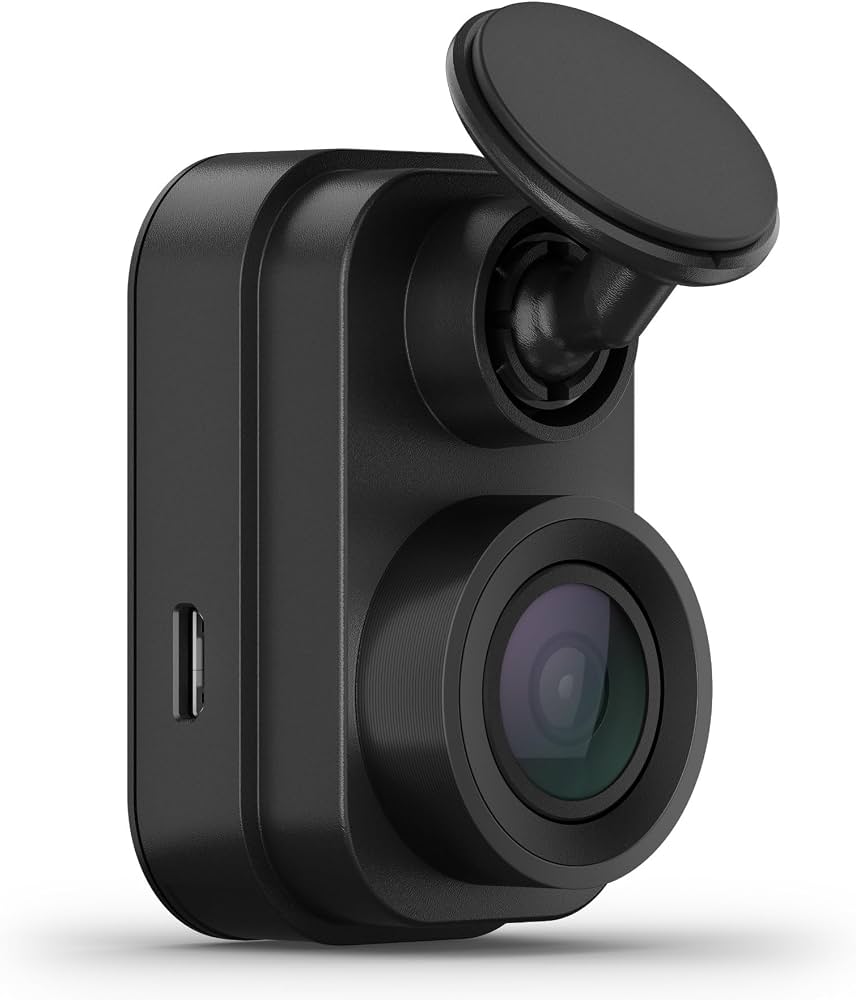
Garmin Dash Cam Mini 2
- Magnetic clip mount installs in under five minutes with a single USB cable — no tools, no trim removal
- Voice commands (“OK Garmin, save video”) work reliably over road noise and with the top down
- Body is smaller than a car key fob — invisible to anyone outside the vehicle, reducing theft temptation
- Garmin Drive app syncs clips over Wi-Fi and is consistently rated easier to navigate than VIOFO or Thinkware equivalents
- 1080p resolution struggles to resolve plates beyond one car length in low-light or wet conditions
- GPS requires a separate Garmin add-on cable — not included and costs an extra $20
- Parking mode needs Garmin’s proprietary constant-power cable — a 12V socket connection alone won’t activate it
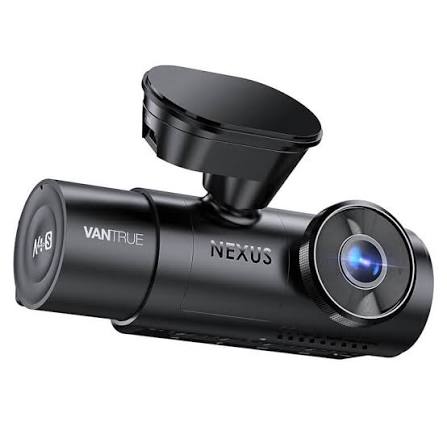
Vantrue N4 Pro
- Only 3-channel camera in this roundup — interior infrared lens records the open cabin in near-total darkness
- 4K front with Sony STARVIS sensor produces sharp, color-accurate footage across a 140° field of view
- Onscreen LCD and voice controls mean you can save a clip or check settings without pulling your phone out
- Capacitor power with high-temp cutoff protects the unit if the Gladiator sits parked all day in the sun
- Default suction cup mount vibrates loose on sustained washboard trails — swap for 3M adhesive before any serious off-road use
- Larger body than any other camera here — positioning behind the mirror requires deliberate placement to avoid blocking sight lines
- Splitting bitrate across three channels means rear 1080p footage is softer than a dedicated single-channel rear camera at equivalent resolution
Can’t Decide?
Our Top 2 Picks — Head to Head
Both are excellent. Here’s how to choose between them based on how you actually use your Gladiator.
- 4K front + 2K rear with Sony STARVIS 2 night vision
- Supercapacitor rated above 140°F — no battery swelling risk
- Buffered parking mode captures 12 seconds pre-impact
- Wi-Fi app review, GPS logging, 512GB card support
- Interior infrared lens monitors open cabin with top removed
- Three-channel coverage: front, interior, and rear simultaneously
- LCD screen for on-camera settings without opening an app
- Voice control for hands-free clip saving mid-drive
How to Choose the Right Dash Cam for Your Jeep Gladiator
Six factors specific to the Gladiator’s open-air cabin, steep windshield, and off-road use — not generic buying advice.
Capacitor vs. Battery Power
A Gladiator’s closed cabin can exceed 140°F in summer sun. Lithium-ion batteries in dash cams swell and lose capacity after even one season at those temperatures. Capacitor-based cameras (VIOFO, BlackVue, Thinkware) absorb and release energy in milliseconds and have no chemical degradation threshold at heat levels a parked Jeep regularly reaches.
Steep Windshield Mounting
The Gladiator’s nearly vertical windshield is more upright than most pickup trucks. Large, wide-body cameras cast a glare shadow across more of the driver’s view than they would on a rake-heavy windshield. Choose a low-profile wedge (VIOFO A119 V3) or a small cylinder (BlackVue DR970X) and mount with 3M VHB tape, not a suction cup, on glass this vertical.
Interior Lens for Open-Air Driving
Removing the Gladiator’s doors or top exposes the cabin to opportunistic grab-and-go theft at rest stops and staging areas. A front-only camera records nothing that happens inside or beside the vehicle. A 3-channel camera with an IR interior lens (Vantrue N4 Pro) covers that gap, recording faces and movements within the cabin in near-total darkness.
Hardwire Kit & Voltage Cutoff
A 12V socket connection powers the camera only while the engine runs. A hardwire kit taps the fuse panel and enables 24/7 parking mode. On a Gladiator that sits between weekend trail runs, set the voltage cutoff to 12.2V or higher. That prevents the camera from draining the battery below a safe cranking threshold after two or three days at the trailhead.
Rear Channel Cable Routing
The Gladiator’s longer-than-average wheelbase and available hardtop or soft top configurations create different rear cable routing paths. Through a hardtop, most installers run the cable along the passenger sill and up the D-pillar — a 45–60-minute job. On a soft top, the cable must avoid zipper seams. Budget that time honestly before choosing a dual-channel camera.
Parking Mode Strategy for Long Stays
Standard motion-triggered parking mode wakes on every truck that passes. Radar-based parking mode (Thinkware U3000) only triggers when something enters a defined detection zone. For a Gladiator parked overnight in a busy trailhead lot, radar parking can extend battery-safe recording time by eliminating dozens of false wake events per hour.
Pro Tips
Quick Buying Checklist Before You Order
Capacitor first, always. If the spec sheet says “lithium battery,” skip it. Your Gladiator’s summer cabin will destroy it in one season.
Add a hardwire kit to your cart at the same time as the camera. Parking mode is useless without one, and the cable rarely comes included.
Use a high-endurance microSD card rated for continuous write cycles — standard cards fail within months of constant loop recording.
Set your voltage cutoff to 12.2V or higher. A Gladiator sitting at a trailhead for three days will drain a battery that drops any lower.
Swap the stock suction cup for 3M VHB tape on any mount. The Gladiator’s upright windshield and off-road vibration will pull a suction cup loose.
Check the rear cable length before buying a dual-channel kit. The Gladiator’s extended wheelbase needs at least 20 feet of rear camera cable for a clean run.
Frequently Asked Questions
Which dash cam is best for a Jeep Gladiator with the top off?
The Vantrue N4 Pro is the strongest choice for topless driving. Its infrared interior lens records inside the open cabin while the front and rear channels capture the road. A front-only camera cannot detect anyone reaching into your back seat while parked at a trailhead or roadside stop.
Can I use a dash cam with the Jeep Gladiator’s removable doors?
Yes — the camera mounts to the windshield, not the doors, so door removal doesn’t affect it. Route all power cables away from door openings before pulling the doors off. An interior-facing lens adds useful coverage when the door cutouts leave the cabin exposed from the sides.
Do dash cam batteries survive a Jeep Gladiator’s summer heat?
Lithium-ion battery cameras do not. A parked Gladiator’s closed cabin can surpass 150°F in direct sun, which is well above the safe operating range for lithium cells. All five capacitor-based cameras in this roundup — the VIOFO A229 Pro Duo, A119 V3, Thinkware U3000, BlackVue DR970X, and Vantrue N4 Pro — are engineered to handle those temperatures without chemical degradation.
How do you hardwire a dash cam in a Jeep Gladiator?
Run the hardwire kit to the driver-side fuse panel under the dash. Tap a fuse that powers on with ignition for the switched wire, and a constant-power fuse for parking mode. Tuck the power cable behind the A-pillar trim and headliner. Most Gladiator owners finish the job in 45–75 minutes with a fuse tap, panel-removal tool, and cable clips.
Will a dash cam drain the Jeep Gladiator’s battery in parking mode?
It can if the voltage cutoff is set too low or omitted. Use a hardwire kit with an adjustable cutoff set at 12.2V to 12.4V. That stops recording before the battery drops into a range that could prevent the Gladiator from starting after a multi-day trail camp or airport parking stay.
Does the Gladiator’s spare tire block the rear camera view?
The swing-away spare can partially obstruct a rear camera mounted low on the back glass. Position the rear lens on the upper third of the rear window and angle it slightly downward to clear the tire mount. Most Gladiator owners with a hardtop route the rear cable up the D-pillar for this exact placement.
What is the easiest dash cam to install for a Jeep Gladiator beginner?
The Garmin Dash Cam Mini 2 is the simplest starting point — its magnetic clip attaches to the windshield in seconds and a single USB cable plugs into the 12V port for power. No hardwiring, no trim removal, no app configuration required on day one. Upgrade to a hardwired system once you’re comfortable with the basics.
Final Verdict
Our Top Recommendations for 2026
Most Gladiator owners will be well-served by the VIOFO A229 Pro Duo — its capacitor design, 4K clarity, and buffered parking mode cover every common scenario from highway incidents to trailhead overnight stays. If your Gladiator regularly runs without a top, the Vantrue N4 Pro’s interior lens fills the surveillance gap that every other camera here leaves open.