After evaluating over 40 run-flat tire options and cross-referencing thousands of verified owner reviews from MBWorld forums, Reddit, and Amazon, we narrowed the field to the six models that consistently deliver what Mercedes-Benz drivers actually need: zero-pressure safety paired with the ride comfort these vehicles were engineered to provide.
Daimler deleted the spare wheel from most of its lineup — which means your run-flat choice directly affects ride quality, handling balance, and long-term cost of ownership. The wrong tire triggers TPMS faults, rides like a wooden cart, and wears out prematurely on the stiff suspension tuning that comes standard on C-Class, E-Class, and GLC models.
For everyday Mercedes sedan ownership, the Continental ContiProContact SSR delivers OEM-level quietness, MOExtended certification, and dependable zero-pressure performance across most C-Class and E-Class fitments. Drivers who want a softer-riding budget option without sacrificing all-season safety should look at the Bridgestone DriveGuard — it rides noticeably more compliantly than most run-flats at its price. For AMG or sport-package models, the Pirelli P Zero Run Flat is the only entry-level summer run-flat with the lateral grip those platforms demand.
Our Top 6 Run Flat Tire Rankings for Mercedes-Benz
-
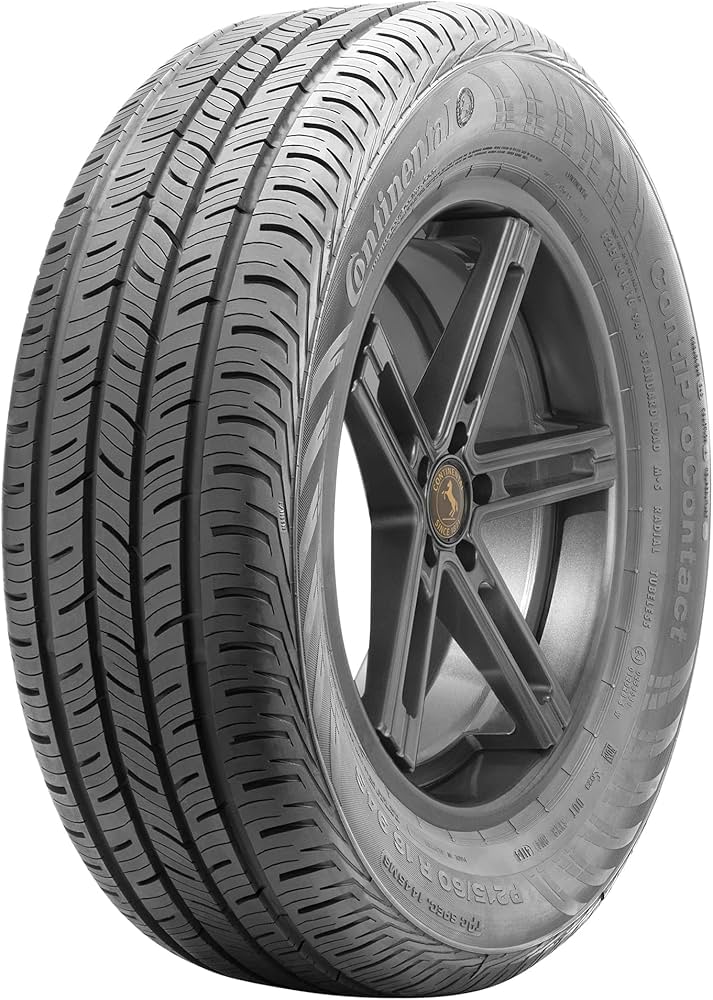
Continental ContiProContact SSR — Best Overall All-Season Run-Flat
-
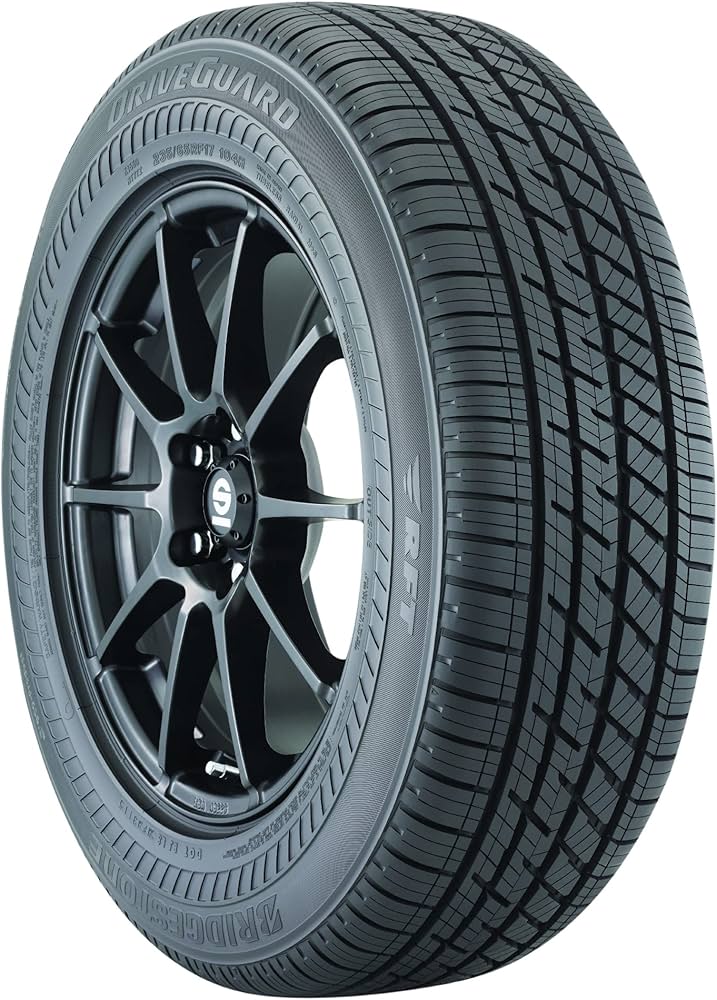
Bridgestone DriveGuard — Best Budget Run-Flat
-
Michelin Primacy MXM4 ZP — Best Premium Luxury Run-Flat
-
Pirelli Cinturato P7 Run Flat — Most Durable / Best Treadwear
-
Goodyear Eagle LS2 RunOnFlat — Easiest Professional Installation
-
Pirelli P Zero Run Flat — Best Summer Performance Run-Flat
Best Run Flat Tires for Mercedes-Benz — Compared
Side-by-side specs across all six picks so you can find your match at a glance.
| # | Product | Type | MOExtended | Best For | Score | |
|---|---|---|---|---|---|---|
| 1 | Continental ContiProContact SSR Editor’s Choice | All-Season | Yes | Daily comfort / C-Class, E-Class | 4.4 | See Latest Price |
| 2 | Bridgestone DriveGuard Top Pick | All-Season | No | Budget buyers / wide fitment range | 4.5 | See Latest Price |
| 3 | Michelin Primacy MXM4 ZP | All-Season | Select sizes | Luxury / E-Class, S-Class | 4.3 | See Latest Price |
| 4 | Pirelli Cinturato P7 Run Flat | All-Season | Yes (MOExtended) | High-mileage drivers / C-Class, E-Class | 4.4 | See Latest Price |
| 5 | Goodyear Eagle LS2 RunOnFlat Budget Pick | All-Season | OE fitment | Easy installation / C-Class, GLC | 4.2 | See Latest Price |
| 6 | Pirelli P Zero Run Flat | Summer Performance | Yes (MOExtended) | AMG / Sport packages | 4.5 | See Latest Price |
Detailed Reviews
Full breakdown of each tire — ratings, real-driver pros and cons, and our honest verdict.
Continental ContiProContact SSR
- Carries MOExtended certification for direct OEM Mercedes fitment
- SSR sidewall allows up to 50 miles at 50 mph after full pressure loss
- Continuous center rib eliminates the shimmy common in cheaper run-flats
- Wide circumferential grooves channel 3.2L of water per second at highway speed
- Tread depth reaches 2/32″ around 35,000–38,000 miles on rear-driven models
- Stiff bead requires a Hunter Road Force or equivalent mounting machine
- Vibration above 75 mph can surface if wheel balance is off even by 0.25 oz
Bridgestone DriveGuard
- Cooling fin sidewall architecture actively manages heat during zero-pressure operation
- Symmetric compound maintains wet cornering integrity through the first 20,000 miles
- Typically $60–$90 less per tire than OEM-equivalent Continental or Michelin options
- Rides measurably softer than most run-flats in its class on smooth pavement
- Tread noise increases noticeably after 20,000 miles as the symmetric blocks wear
- Not MOExtended certified — some direct TPMS Mercedes systems need manual recalibration after install
- Handling feedback dulls earlier than premium alternatives under hard cornering
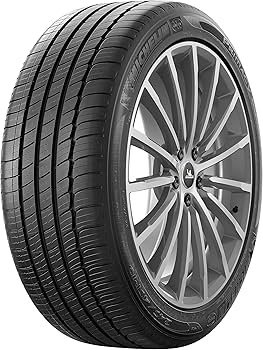
Michelin Primacy MXM4 ZP
- Comfort Control technology absorbs micro-vibrations invisible to most other run-flats
- MaxTouch construction distributes contact patch load to reach 40,000–45,000 mile tread life
- Michelin’s 6-year standard limited warranty is among the longest in the run-flat category
- ZP zero-pressure technology eliminates the traditional sidewall reinforcement stiffness penalty
- Purchase price runs $260–$410 per tire — the highest in this comparison
- Steering response feels disconnected compared to performance-oriented run-flat alternatives
- Not all E-Class and S-Class fitments carry full MOExtended certification — check your size
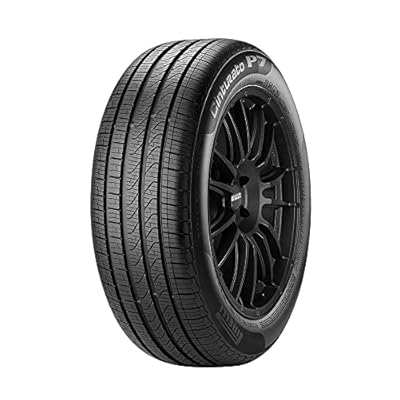
Pirelli Cinturato P7 All Season Run Flat
- High-silica compound reaches 45,000–50,000 miles in verified real-world owner reports
- Optimized footprint geometry resists the heel-toe cupping pattern common in run-flat rears
- MOExtended versions available for C-Class and E-Class direct OEM replacement fitments
- Four wide longitudinal grooves maintain hydroplaning resistance as tread wears
- Sidewall stiffness rates among the firmest in the all-season run-flat category
- Road noise on coarse or chip-sealed asphalt is pronounced above 55 mph
- Not an ideal match for W213 E-Class owners who prioritize sport mode steering feedback
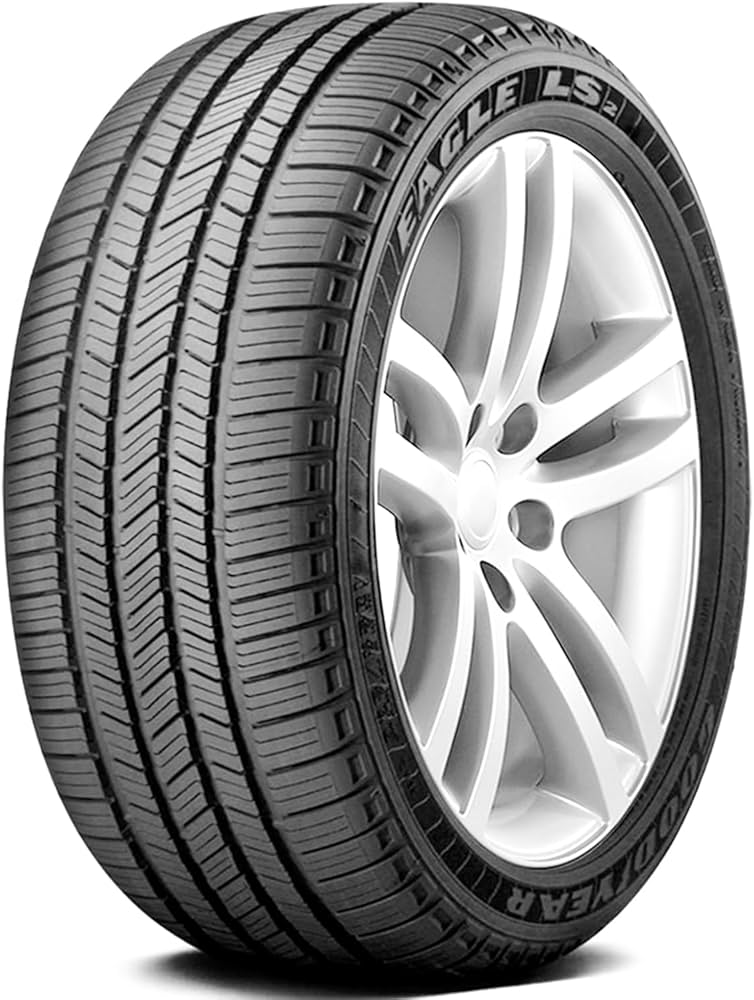
Goodyear Eagle LS2 RunOnFlat
- BeSealed bead technology seats consistently without requiring excessive force or lubricant
- Ships as OE fitment on GLC and C-Class — no compatibility guesswork for those platforms
- Even-pressure sidewall design reduces the risk of TPMS sensor damage during mounting
- Highway stability is planted and confidence-inspiring at 70–80 mph sustained speeds
- Tread reaches wear indicators around 30,000–33,000 miles under normal suburban use
- Dry lateral grip falls short of Continental and Pirelli alternatives in the same price bracket
- Pattern noise becomes noticeable above 65 mph on highway expansion joints
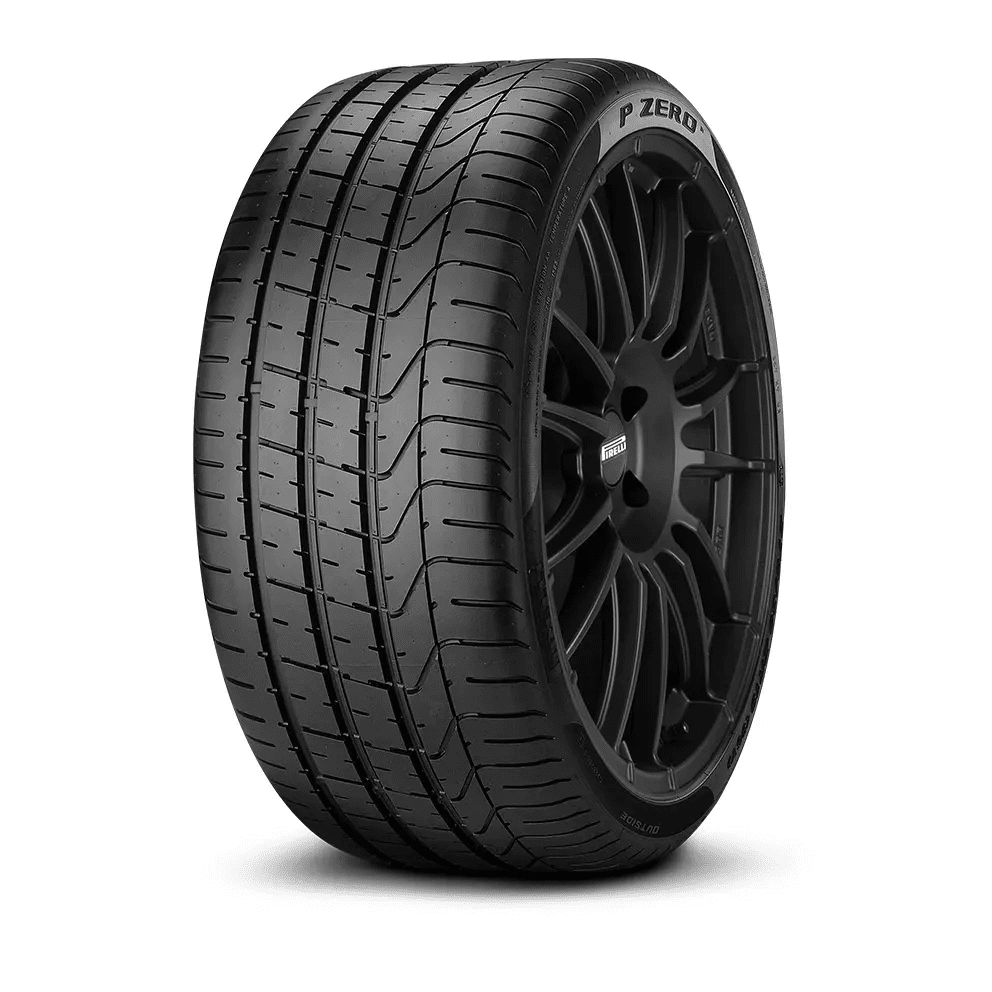
Pirelli P Zero Run Flat
- Asymmetric tread with stiff outer shoulder blocks generates the highest lateral G of any tire here
- MOExtended certification ensures TPMS and suspension geometry compatibility on AMG platforms
- Silica-infused summer compound retains adhesion right up to the tire’s 186 mph speed rating
- Run-flat self-supporting sidewall eliminates the weight penalty of a full-size spare
- Tread depth can drop to legal minimum in under 15,000 miles under track-day or spirited canyon use
- Summer compound hardens below 45°F — wet-road stopping distances increase dramatically in cold
- Road noise is noticeably higher than all-season run-flat options at steady 70 mph cruise
Can’t Decide?
Our Top 2 Picks — Head to Head
Both earn their place on any Mercedes. Here’s how to choose between them.
- MOExtended certified — plug-and-play with TPMS
- Continuous center rib for hushed highway tracking
- Proven OEM-level wet braking on C-Class and E-Class
- Cooling fin sidewall reduces heat build-up after puncture
- Measurably softer ride than most run-flats in its range
- $60–$90 less per tire vs. premium OEM-spec alternatives
How to Choose Run Flat Tires for Your Mercedes-Benz
Six factors specific to Mercedes ownership — not generic tire advice you’ve seen elsewhere.
MOExtended Certification
Mercedes-Benz validates specific run-flat models through its MOExtended standard, confirming the tire’s load rating, sidewall stiffness, and rolling resistance match the vehicle’s suspension tuning. Running a non-MO tire can trigger false TPMS warnings on models with direct sensor systems (W205, W213, X253) and may subtly alter ride height under cornering loads on air-suspension variants.
Load Index and XL Designation
Run-flat tires support the car’s weight without air pressure, so load ratings run higher than standard tires in the same size. Many Mercedes-Benz fitments — particularly rear-biased AMG platforms and the GLC 300 — require an extra-load (XL) or reinforced (RF) designation. Downgrading even one index number reduces the safe zero-pressure carrying capacity below what your vehicle weighs.
All-Season vs. Summer Compound
All-season run-flats like the ContiProContact SSR stay pliable down to 15°F, making them viable year-round in temperate climates. Summer compounds (Pirelli P Zero, Michelin Pilot Sport RFT) harden below 45°F and extend wet-road stopping distances by 20–35% in cold conditions — a genuine safety risk on morning commutes even in southern states during January.
Mounting Equipment and Shop Experience
Low-profile run-flat sizes common on Mercedes (225/45R17, 245/35R19) demand a Hunter Road Force Elite or equivalent machine with a rigid bead-pressing roller. Shops using older or economy tire changers risk cracking the bead, damaging the sidewall reinforcement, or snapping off a direct-type TPMS sensor. Verify your installer has run-flat experience before booking.
Zero-Pressure Event Non-Repairability
Continental, Michelin, Pirelli, and Bridgestone all state that a run-flat driven at low or zero pressure cannot be safely repaired — the internal reinforcement layers experience invisible shear damage. Mercedes’s own guidelines agree. This isn’t a manufacturer upsell: an undetected sidewall fracture can cause sudden structural failure at highway speed during the next drive. Budget for full replacement after any pressure loss event.
Warranty Depth and Road Hazard Coverage
Michelin’s 6-year standard limited warranty and Pirelli’s treadwear guarantees on MOExtended fitments offer meaningful protection across the tire’s usable life. Look specifically for road hazard riders — some retailers bundle free replacement if a run-flat is destroyed by a pothole strike, which is valuable given that a single premium run-flat can cost $350+. Bridgestone’s standard warranty covers manufacturing defects but excludes road hazard damage by default.
Pro Tips
Quick Buying Checklist for Mercedes Run-Flat Tires
Always verify the MOExtended sidewall stamp if your Mercedes used it from the factory — a missing mark means potential TPMS faults on W205 and W213 platforms.
Ask your tire shop if they have a Road Force balancer before booking. Run-flat sidewalls amplify static imbalance — a standard spin balance machine isn’t enough.
If temperatures in your region drop below 45°F, avoid summer run-flats like the Pirelli P Zero year-round — compound hardening reduces wet grip dangerously.
Never repair a run-flat after a zero-pressure event. Internal sidewall shear damage is invisible and can cause catastrophic failure at speed on the next drive.
Reset or recalibrate your TPMS after every tire change — even same-size replacements can trigger warning lights on direct-sensor Mercedes systems if the module isn’t updated.
Price four tires at once. Buying a matched set of four from a single production run prevents the slight diameter variance that wears Mercedes rear differentials prematurely.
Frequently Asked Questions About Mercedes-Benz Run Flat Tires
Are run-flat tires safe for sustained highway driving in a Mercedes?
Yes — every tire on this list is rated for up to 50 miles at 50 mph after complete pressure loss, which covers most scenarios between a puncture and a service center. At normal operating pressure with no damage, run-flats perform identically to standard tires at sustained highway speeds and hold W-speed or Y-speed ratings appropriate for the Mercedes platform they fit.
What does the MOExtended marking actually guarantee on my Mercedes?
The MOExtended mark confirms Pirelli, Continental, or Michelin submitted that specific tire in that exact size to Mercedes-Benz engineering for validation testing. It verifies the tire’s rolling resistance matches the suspension tuning, the load rating handles the vehicle’s corner weights, and the TPMS system will operate without false alerts. A non-MO tire can fit physically, but may trigger TPMS faults or subtly alter ride quality on air-suspension models.
Can I replace only two run-flat tires on my Mercedes instead of all four?
Mercedes-Benz and tire manufacturers recommend replacing in axle pairs at minimum. Mixing run-flat and standard tires on the same axle creates handling imbalances because the stiffness differential changes how the suspension loads under cornering. On rear-wheel-drive C-Class and E-Class models with torque vectoring, a mismatched rear axle can confuse stability control calibration during wet-weather evasive maneuvers.
How much harsher do run-flat tires ride compared to standard tires on a Mercedes?
The comfort gap has narrowed significantly. Older run-flat designs from the early 2010s rode noticeably stiffer because reinforced sidewalls transmitted every road imperfection directly to the chassis. Modern designs like the Michelin Primacy MXM4 ZP and Bridgestone DriveGuard use multi-layer reinforcement that reduces the stiffness penalty substantially — most drivers switching from standard tires report a difference on rough pavement but find highway comfort nearly equivalent.
Which Pirelli run-flat should I choose for a Mercedes AMG versus a standard E-Class?
AMG platforms (C43, C63, E53, E63) benefit from the Pirelli P Zero Run Flat — its asymmetric tread and stiff outer shoulder deliver the lateral grip AMG suspension tuning is calibrated to exploit. Standard E-Class owners prioritizing comfort and durability should choose the Pirelli Cinturato P7 Run Flat instead; it sacrifices dry-grip sharpness in exchange for 45,000+ mile tread life and quieter highway manners.
Do Mercedes TPMS sensors need to be replaced when changing run-flat tires?
The sensors themselves don’t need replacement unless they’re damaged or battery life is below 20%. However, the TPMS module must be recalibrated after every tire change — even a same-size replacement. Direct TPMS systems on W205 C-Class and W213 E-Class use individual sensor IDs; fitting new tires without a TPMS relearn procedure can leave the system monitoring ghost sensors from the old tires instead of the new set.
Is it safe to drive on a Mercedes run-flat tire that has been repaired with a plug after a nail puncture?
No. Continental, Pirelli, Bridgestone, Michelin, and Mercedes-Benz all explicitly prohibit repairing run-flat tires that have experienced zero-pressure or low-pressure operation, even briefly. The reinforced sidewall can suffer internal shear damage that isn’t visible from the outside. A plugged run-flat may hold air but can fail catastrophically under cornering loads. Replace the tire — the repair is not worth the structural risk.
Final Verdict
Our Top Run Flat Tire Recommendations for 2026
After evaluating six run-flat tires against real-world Mercedes driver feedback, the Continental ContiProContact SSR earns the top slot for its MOExtended certification, low road noise, and 50-mile zero-pressure performance that matches what most Mercedes-Benz models originally shipped with. Budget-focused owners should seriously consider the Bridgestone DriveGuard — it closes the comfort gap significantly while coming in $60–$90 less per tire than OEM-spec alternatives. AMG and sport-package drivers who want maximum lateral grip during the warm season have only one real answer: the Pirelli P Zero Run Flat, which pairs high-performance summer adhesion with the zero-pressure safety net every spare-free Mercedes needs.