A 4MATIC Mercedes will happily claw itself out of a snowy driveway, but the same all-season compound that’s fine at highway temperatures turns rigid below 7°C and gives away braking distance on every icy stop. We reviewed thousands of Amazon ratings alongside MBWorld and Benzworld fitment threads to find winter tires that respect Mercedes-specific sizing.
The complication is the same one every Mercedes winter buyer runs into: staggered wheels, run-flat availability, and speed ratings that don’t drop just because it’s cold outside. We cross-referenced owner reports across the C-Class, E-Class, and GLC to separate tires that respect those constraints from ones that quietly ignore them.
The Michelin X-Ice Snow delivers superior ice traction, a quiet highway ride, and long tread life for most C-Class, E-Class, and GLC models. Budget-conscious drivers get impressive deep-snow performance from the studdable General Altimax Arctic 12, while owners who need run-flat tires and sharp handling should look at the Pirelli Winter Sottozero 3.
Best Winter Tires for Mercedes-Benz — Compared
Five winter tires that consistently earn praise from real Mercedes owners, compared side by side.
| # | Product | Speed Rating | Type | Best For | Score | |
|---|---|---|---|---|---|---|
| 1 | Michelin X-Ice Snow Editor’s Choice | H/V | Studless | All-around ice & tread life | 4.6 | See Latest Price |
| 2 | Pirelli Winter Sottozero 3 Top Pick | H/V | Performance, Run-Flat Available | Run-flat & handling | 4.4 | See Latest Price |
| 3 | General Altimax Arctic 12 Budget Pick | Q/T | Studdable | Budget deep snow | 4.5 | See Latest Price |
| 4 | Continental VikingContact 7 | T/H | Studless | High-mileage durability | 4.5 | See Latest Price |
| 5 | Bridgestone Blizzak WS90 | T/H | Studless | Fast, familiar installs | 4.6 | See Latest Price |
Detailed Reviews
Full breakdown of each tire — ratings, pros, cons, and our expert verdict.
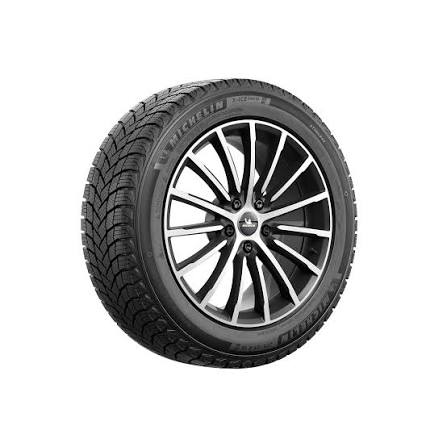
Michelin X-Ice Snow
- FlexIce compound resists hardening far below freezing
- Rare 60,000-kilometer treadwear warranty for a winter tire
- Quiet, refined ride that preserves Mercedes cabin isolation
- Price per tire sits at the premium end of the category
- No run-flat version exists for vehicles without a spare
Pirelli Winter Sottozero 3
- Run-flat versions available for no-spare Mercedes models
- Asymmetric tread blends dry grip with snow traction
- Run-flat integration works seamlessly with Mercedes TPMS
- Tread life falls noticeably shorter than studless ice-focused tires
- Deep snow traction lags behind Nordic-style winter tires
General Altimax Arctic 12
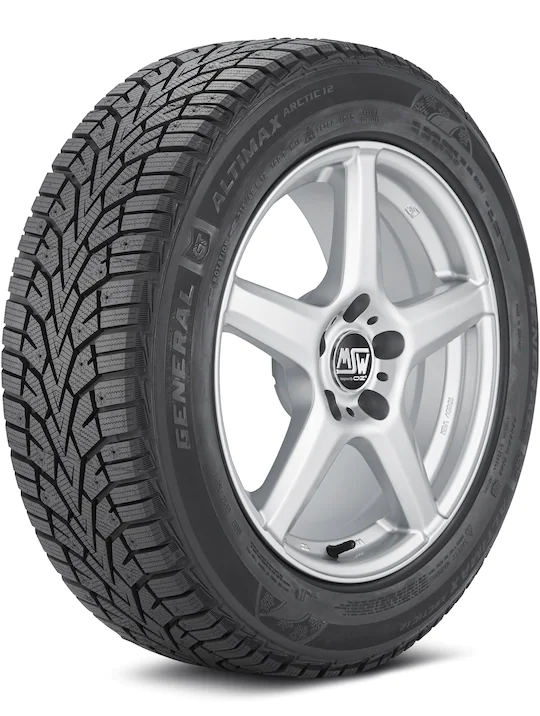
- Studdable design for severe ice where local laws allow
- Deep snow traction rivals tires costing nearly twice as much
- Soft cold-weather compound claims grip below -30°C
- Tread noise becomes pronounced above 55 mph on bare pavement
- Steering response feels less precise than sport-oriented winter tires
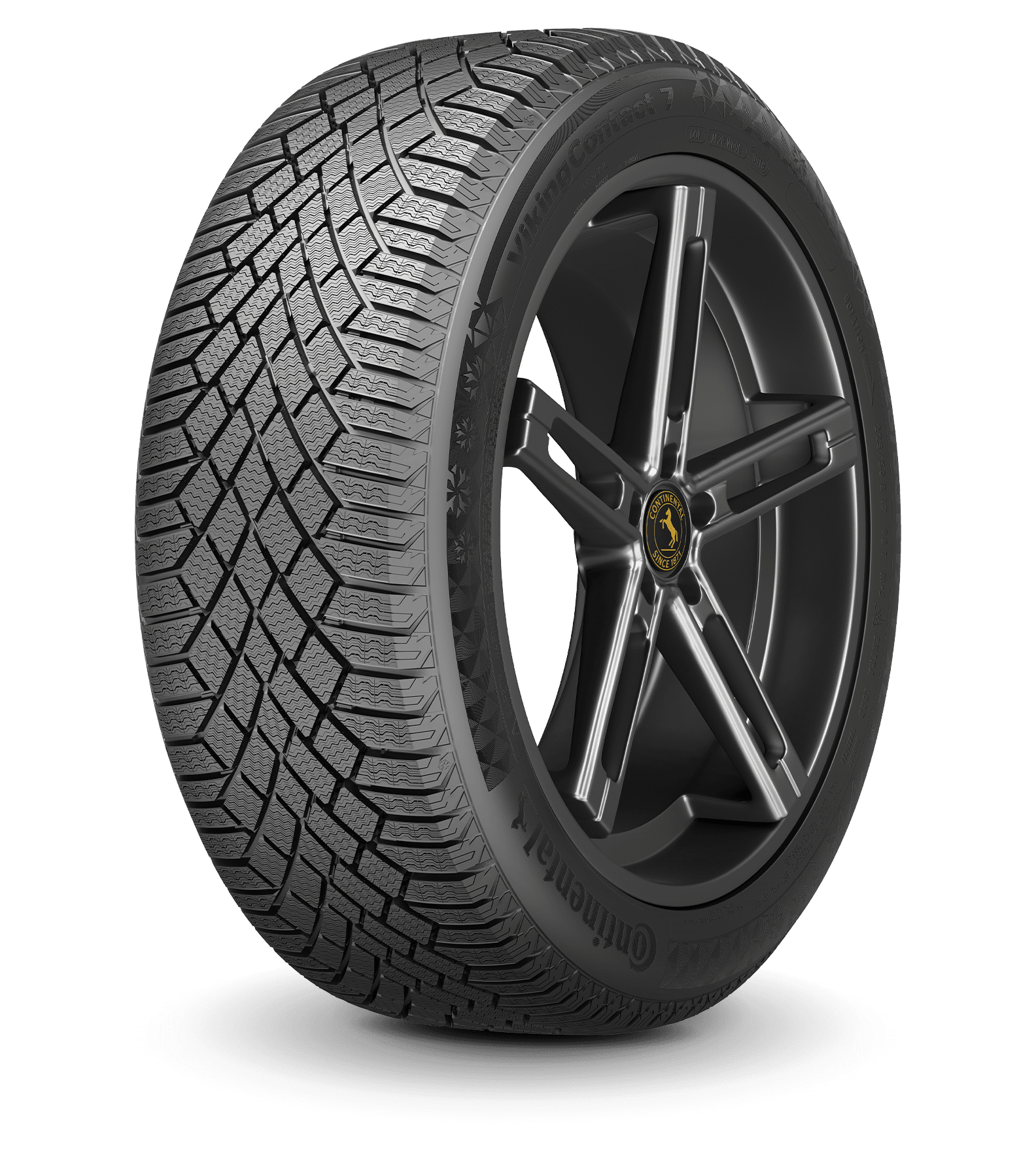
Continental VikingContact 7
- Nordic-grade compound tuned for slow, even wear
- Tread depth holds up better than expected after multiple winters
- Cabin noise remains low even at high highway speeds
- Dry-road steering feels slightly less sharp than performance tires
- No run-flat configuration exists
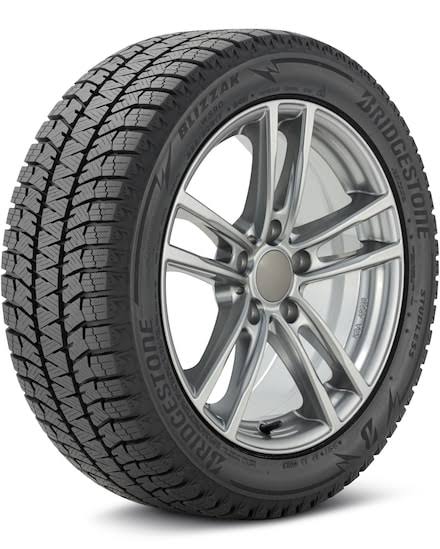
Bridgestone Blizzak WS90
- Multi-Cell compound delivers immediate ice-braking confidence
- Symmetric tread lets shops balance it quickly with minimal weights
- Predictable behavior on rear-wheel-drive Mercedes in slippery conditions
- Tread life shortens noticeably by the third winter
- Dry-road noise increases as the special compound layer wears
Can’t Decide?
Our Top 2 Picks — Head to Head
Both are excellent. Here’s how to choose between them.
- FlexIce compound resists hardening far below freezing
- Rare 60,000-kilometer treadwear warranty for a winter tire
- Quiet, refined ride that preserves Mercedes isolation
- Run-flat versions available for no-spare Mercedes models
- Asymmetric tread blends dry grip with snow traction
- Seamless integration with Mercedes TPMS
How to Choose Winter Tires for Your Mercedes-Benz
Six factors that matter before you buy — explained simply.
The Fuel Filler Flap Pressure Placard
Mercedes lists tire pressure recommendations on the fuel filler flap as often as the door jamb — a detail owners of other brands sometimes miss entirely. Check both locations before you inflate a new winter set, since guessing at pressure on a cold morning is an easy way to end up under-inflated.
Winter Treadwear Warranties Are Rare
Winter tires almost never carry a mileage warranty the way all-season tires do, so treat any number with skepticism. The Michelin X-Ice Snow is a rare exception with a 60,000-kilometer limited warranty; most competitors simply expect you to judge wear by eye and a tread depth gauge each fall.
Tire Mobility Kits vs. Repair Kits
Many newer Mercedes models ship with a tire mobility kit — an inflator and sealant canister — rather than a traditional plug-and-patch kit. That works fine on a small puncture but won’t help with a sidewall cut or blowout, which is exactly the scenario run-flat winter tires are designed to cover.
4MATIC Helps Acceleration, Not Ice Braking
4MATIC sends power to whichever wheel currently has grip, but it can’t manufacture traction where none of the four tires have any to begin with. That’s the entire argument for winter tires on an all-wheel-drive Mercedes: the drivetrain optimizes what the tires give it, nothing more.
Cold-Weather Compound Ratings Below -30°C
Some winter compounds advertise flexibility down to specific extreme temperatures — the General Altimax Arctic 12, for instance, claims grip below -30°C. Most Mercedes owners will never test that limit, but the number is a reasonable proxy for how soft the compound stays in an ordinary hard freeze.
Direct TPMS Sensors Need Manual Matching
Mercedes uses direct TPMS sensors that read pressure from inside each wheel, not an indirect system inferred from wheel speed. When you mount a dedicated winter wheel set, those sensors need to be programmed to your specific vehicle — a step some independent tire shops forget.
Pro Tips
Quick Buying Checklist
Check the fuel filler flap as well as the door jamb — Mercedes sometimes lists winter pressure specs in both places.
Don’t expect a mileage warranty on winter tires — judge wear with a tread depth gauge each fall instead.
Know whether your Mercedes has a tire mobility kit or a true repair kit before deciding on run-flats.
Treat extreme cold-weather compound claims as a rough proxy for grip, not a guarantee for your specific climate.
Confirm your shop can program direct TPMS sensors to your VIN before mounting a dedicated winter wheel set.
Frequently Asked Questions
What are the best winter tires for a Mercedes C300?
The Michelin X-Ice Snow and Bridgestone Blizzak WS90 both fit the C300 well and deliver strong ice and snow grip. If your C300 has no spare tire, the Pirelli Winter Sottozero 3 in a run-flat version is a direct-fit replacement. Confirm your exact size, often 225/50R17 or 225/45R18, before ordering.
Does 4MATIC all-wheel drive replace the need for winter tires?
No. 4MATIC improves acceleration by sending power to whichever wheel has grip, but it does nothing for braking or cornering on ice — those depend entirely on the tire. A 4MATIC Mercedes on all-season tires can still stop and turn worse in snow than a rear-wheel-drive model on proper winter rubber.
Can I mount winter tires on my Mercedes without buying a second set of TPMS sensors?
Yes, if your existing direct TPMS sensors are compatible with your new wheels and still hold a charge. Most shops can transfer or reprogram existing sensors to a dedicated winter wheel set rather than requiring brand-new ones — just confirm with your installer before assuming you need a second full set.
What’s the difference between a tire mobility kit and a spare tire for winter driving?
A tire mobility kit is an inflator and sealant canister that seals small punctures temporarily, while a true spare lets you swap the damaged tire and keep driving normally. Mobility kits don’t help with sidewall damage or blowouts, which is one reason run-flat winter tires exist for Mercedes models built without a spare.
How cold does it need to be before all-season tires stop working on a Mercedes?
Most all-season compounds start losing meaningful flexibility once temperatures drop below about 45°F, or 7°C. Below that threshold, braking distances stretch out even on dry pavement, and the effect gets dramatically worse on anything wet, icy, or snow-covered — the entire argument for switching to dedicated winter rubber.
Are studded winter tires legal for a Mercedes in most states?
It depends on your state. Studded tires are legal in most northern and mountain states but restricted or banned outright in warmer regions and parts of the Southeast, since studs damage bare pavement. Check your specific state’s regulations before mounting a studdable tire like the General Altimax Arctic 12.
Final Verdict
Our Top Recommendations for 2026
After weighing owner feedback, fitment constraints, and ice-braking reports across five Mercedes-compatible winter tires, the Michelin X-Ice Snow stands out as the safest all-around pick for 2026. Owners who need run-flat capability should reach for the Pirelli Winter Sottozero 3, while the General Altimax Arctic 12 remains the smartest budget buy.