Acura’s stability control and torque-vectoring AWD can’t compensate for a rubber compound that turns hard below 45°F. After evaluating six winter tire sets against owner reports from TLX, MDX, RDX, ILX, and Integra drivers, we found real gaps between tires built for ice and tires built for daily comfort.
A harsh, buzzy winter tire ruins the quiet cabin Acura engineers spend years tuning, while a tire chosen purely for comfort can leave you sliding through an intersection. We cross-referenced forum threads, shop feedback, and treadwear reports to find sets that hold up on both ends of that trade-off.
The Michelin X-Ice Snow is the strongest all-around pick for most Acura sedans and crossovers, pairing predictable ice and snow grip with a quiet ride and long tread life. Drivers facing the iciest roads and willing to trade some longevity for maximum grip should look at the Bridgestone Blizzak WS90 instead.
Our Top 6 Winter Tire Rankings
- Michelin X-Ice Snow— Best Overall
- Bridgestone Blizzak WS90— Best Premium Ice Grip
- Continental VikingContact 7— Most Durable
- Goodyear WinterCommand Ultra— Best SUV Performance
- Pirelli Ice Zero FR— Easiest Installation
- General Altimax Arctic 12— Best Budget
Best Winter Tires for Acura — Compared
Speed ratings, tread type, and expert scores side-by-side.
| # | Product | Speed Rating | Type | Best For | Score | |
|---|---|---|---|---|---|---|
| 1 | Michelin X-Ice Snow Editor’s Choice | T / H | Studless Ice & Snow | Quiet, all-around grip | 4.6 | See Latest Price |
| 2 | Bridgestone Blizzak WS90 Top Pick | T / Q | Studless Ice Performance | Maximum ice braking | 4.7 | See Latest Price |
| 3 | Continental VikingContact 7 | T / H | Studless Winter Touring | Long-lasting comfort | 4.5 | See Latest Price |
| 4 | Goodyear WinterCommand Ultra | T / H | Studless SUV Winter | Stable slush control | 4.5 | See Latest Price |
| 5 | Pirelli Ice Zero FR | T / H | Studless Winter | Easy balance, smooth ride | 4.4 | See Latest Price |
| 6 | General Altimax Arctic 12 Budget Pick | Q / T | Studdable Winter | Budget snow traction | 4.4 | See Latest Price |
Detailed Reviews
Full breakdown of each product — ratings, pros, cons, and our expert verdict.
Michelin X-Ice Snow
- EverGrip technology cuts fresh biting edges as the tread wears down
- Owners regularly report reaching 35,000 miles
- 3PMSF-certified Flex-Ice compound stays pliable in extreme cold
- Balances with minimal wheel weight at installation
- Premium price sits above most studless competitors
- Ice grip trails the Blizzak WS90 on sheer ice
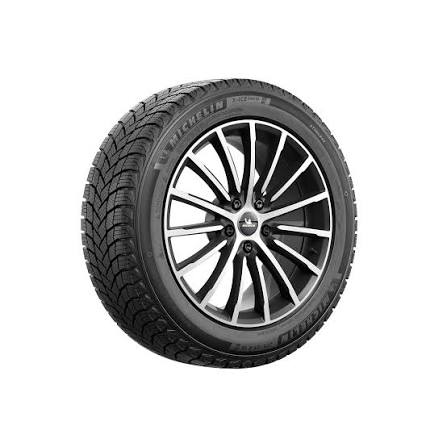
Bridgestone Blizzak WS90
- Multi-Cell compound wicks the water film off ice for exceptional bite
- EdgePerformance technology maintains grip as the tread wears
- Handles dry, cold pavement with more composure than most dedicated winter tires
- 3PMSF rated for severe snow service
- Tread life drops noticeably once the Multi-Cell layer wears past half depth
- Road noise gets intrusive on coarse asphalt
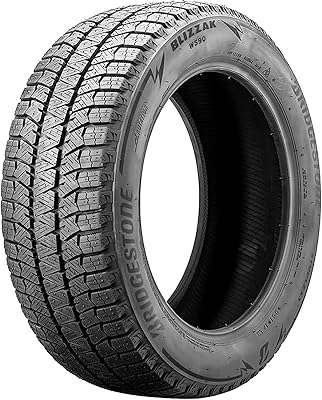
Continental VikingContact 7
- Canola-oil-infused compound stays supple without sacrificing wear resistance
- Owners routinely report 35,000-plus miles of tread life
- Strong hydroplaning resistance in slush
- Quiet, composed ride on dry interstates
- Ice braking falls behind the Blizzak WS90 in sheer-ice conditions
- Deep snow bite is good but not class-leading
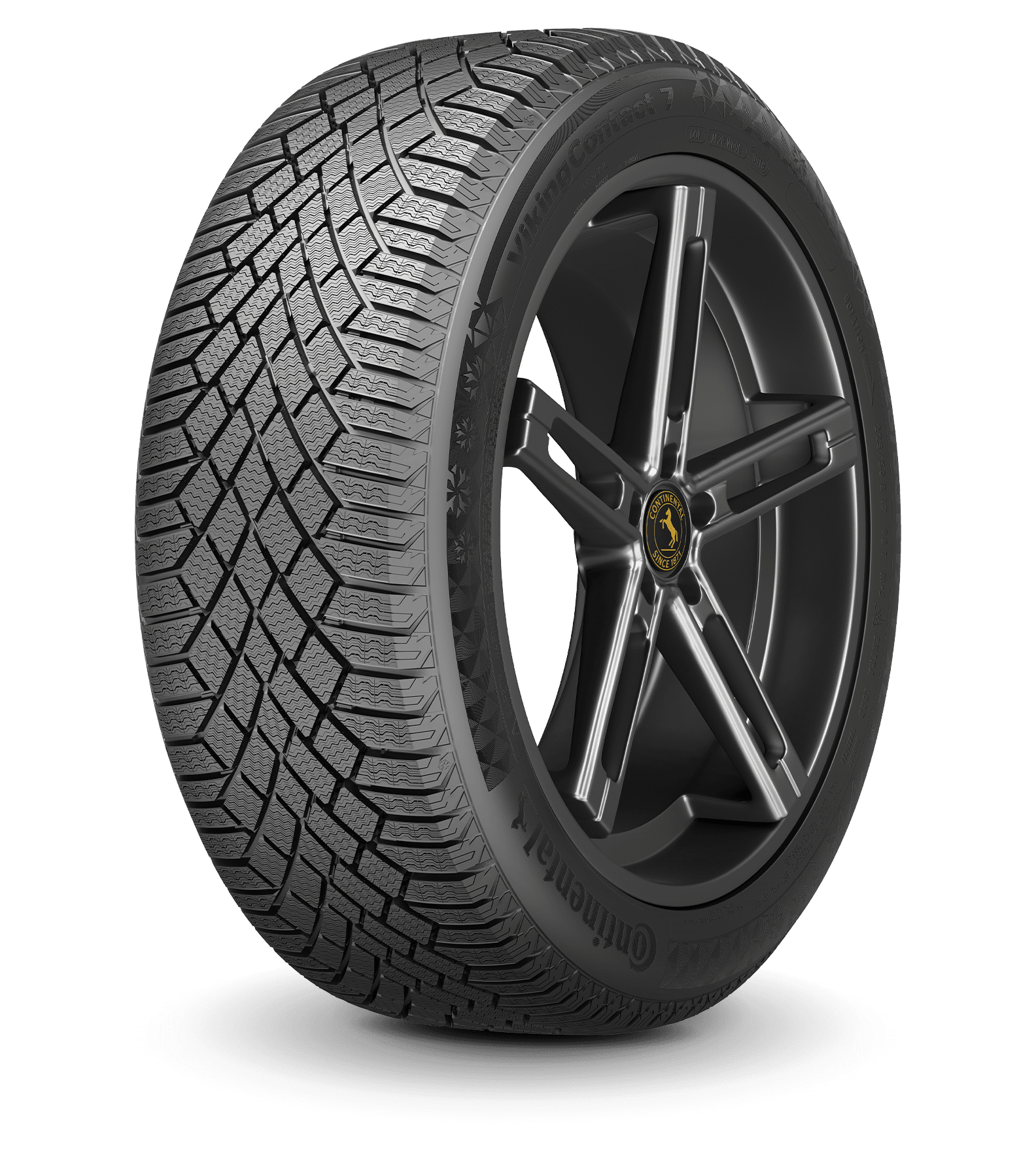
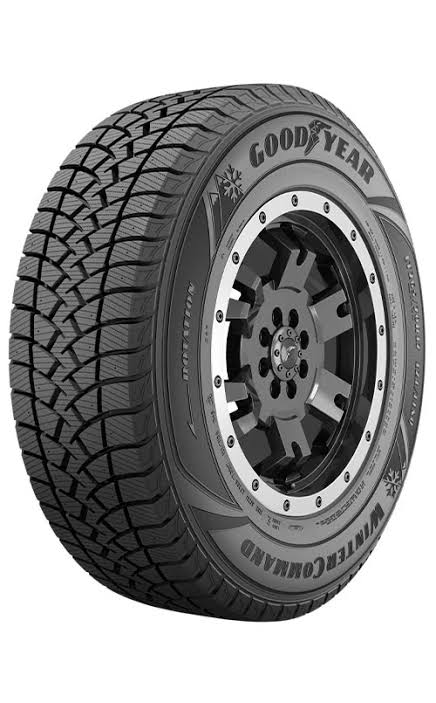
Goodyear WinterCommand Ultra
- ActiveGrip tread delivers 20% more biting edges than its predecessor
- Sweeping grooves clear slush fast on heavier crossovers
- Quiet for how aggressive the tread pattern looks
- Treadwear varies noticeably depending on driving style
- Specific MDX sizes can be hard to find in peak season
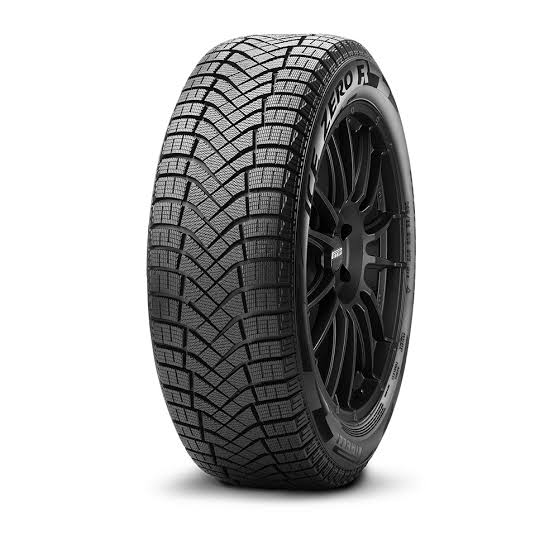
Pirelli Ice Zero FR
- Balances with minimal weight straight out of the shop
- Dense 3D siping gives predictable grip on packed snow and slush
- High-block rigidity keeps dry-road steering stable
- Tread life is average, not a standout in this lineup
- Large-diameter sizes for bigger Acura SUVs are limited
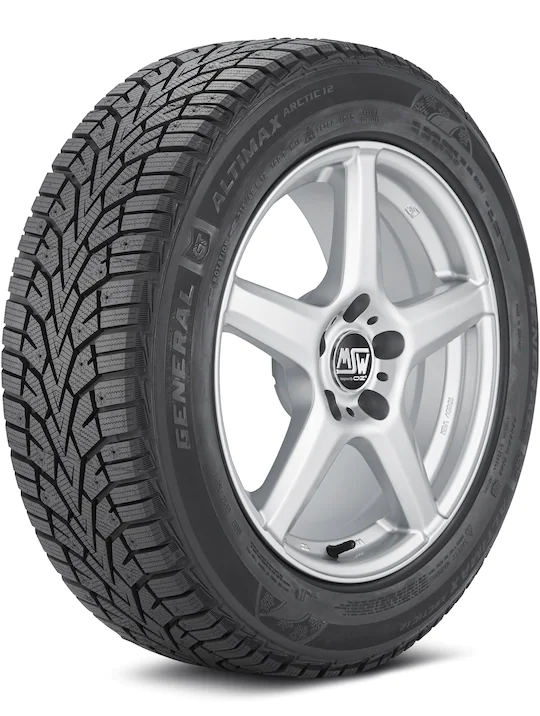
General Altimax Arctic 12
- Accepts studs for extreme ice traction where legal
- Deep snow traction pulls confidently through unplowed roads
- Meaningfully cheaper than every premium option in this lineup
- Road noise increases noticeably on dry pavement
- Ice braking without studs is only average
Can’t Decide?
Our Top 2 Picks — Head to Head
Both are excellent. Here’s how to choose between them.
- EverGrip technology renews biting edges as it wears
- 40,000-mile treadwear warranty on T-rated sizes
- 3PMSF-certified Flex-Ice compound stays quiet in the cold
- Multi-Cell compound built for maximum ice adhesion
- EdgePerformance keeps grip as the tread wears down
- Benchmark ice braking distances in cold-weather testing
How to Choose Winter Tires for Your Acura
Six factors that matter before you buy — explained simply.
Confirm Your Acura’s Winter Size
Open the driver’s door and read the factory placard for your exact tire size, such as 225/50R18 or 235/55R19. Some owners intentionally size down slightly for better snow bite, but always verify wheel clearance, brake caliper fit, and load capacity with a shop first.
3PMSF Severe Snow Rating
Look for the Three-Peak Mountain Snowflake symbol molded into the sidewall — it certifies the tire passed an actual severe snow traction test, not a marketing claim. A tire labeled “winter” without this mark hasn’t earned real cold-weather certification.
Studded vs. Studless Traction
Studdable tires like the General Altimax Arctic 12 accept metal studs for maximum ice bite on rural roads, but they’re loud on bare pavement and several states restrict them. Studless tires cover the needs of most Acura commuters without those drawbacks.
Mounting On A Dedicated Wheel Set
A second set of steel or alloy wheels lets you swap winter tires at home instead of paying mounting fees twice a year. It also protects your factory wheels from road salt during the roughest months, and usually pays for itself within two or three seasons.
Cabin Noise & Ride Refinement
Winter tread patterns are naturally louder than all-season rubber, but the gap between models is significant. Owner reviews that specifically mention highway hum or balancing issues are more useful than a star rating alone when protecting an Acura’s quiet cabin.
Treadwear Life Across Seasons
Because winter tires only see a few months of use each year, their mileage rating stretches across several seasons rather than one continuous stretch. A 40,000-mile rating on a tire mounted four months a year could realistically last six or more winters.
Pro Tips
Quick Buying Checklist
Order in September or October, before dealer inventory shrinks for the season.
Always install winter tires in sets of four, never just the front axle.
Swap back once temps stay above 45°F to protect the soft compound.
Replace winter tires at 5/32″ tread depth, not just when they look worn.
A dedicated wheel set skips mounting fees at every seasonal swap.
Check pressure manually if your winter wheels lack TPMS sensors.
Frequently Asked Questions
Are winter tires necessary for an Acura TLX with all-wheel drive?
All-wheel drive helps you accelerate in snow, but it does nothing for braking or cornering grip on ice. Winter tires provide the cold-weather traction needed to stop shorter and steer predictably. An AWD Acura on all-season tires still struggles the moment the pavement turns to ice.
Can I run winter tires year-round on my Acura RDX?
No. Winter rubber compounds are too soft for warm weather and wear rapidly once temperatures climb. Expect mushy handling and longer braking distances in summer heat. Swap back to all-season or summer tires once temperatures consistently stay above 45°F.
How long do winter tires typically last on an Acura MDX?
Most studless winter tires last between 20,000 and 35,000 miles on an MDX, depending on driving habits and seasonal use. The Michelin X-Ice Snow and Continental VikingContact 7 tend to reach the higher end of that range thanks to their wear-resistant compounds.
Do I need new TPMS sensors for a dedicated winter wheel set?
You’re not legally required to install TPMS sensors on winter wheels, though the dashboard warning light will stay lit without them. Many Acura owners buy a compatible sensor set to keep the system active, while others simply check tire pressure manually every few weeks.
What winter tire size fits an Acura TLX?
Common TLX fitments include 225/50R18 and 235/40R19 depending on trim level. Always confirm your exact size on the driver’s door jamb sticker before ordering, since winter tire availability can vary by width and diameter compared to factory all-season sizes.
Are studded winter tires better than studless for an Acura MDX?
Studded tires offer a slight edge on hard-packed ice and steep icy grades, but they’re noisy, damage bare pavement, and several states restrict their use. Modern studless tires like the Bridgestone Blizzak WS90 deliver nearly equivalent ice grip without those drawbacks.
How should I store winter tires during the off-season?
Stack tires flat in a cool, dry space away from direct sunlight and electric motors, which can accelerate rubber breakdown. Bagging each tire slows oxidation, and mounted sets can be stacked horizontally or hung on a wall rack. Proper storage can add a season of usable life.
Final Verdict
Our Top Recommendations for 2026
The Michelin X-Ice Snow remains the smartest all-around winter tire for Acura owners, balancing predictable ice and snow grip with a quiet ride and long tread life. Drivers who face sheet ice or mountain passes should step up to the Bridgestone Blizzak WS90, while budget-conscious shoppers can trust the General Altimax Arctic 12.