After cross-referencing owner reviews and tire shop feedback for six winter tires against real Mercedes E350 driving reports, we found that a rear-wheel-drive luxury sedan behaves very differently on ice than an AWD SUV — without power sent to all four corners, the rear end breaks loose first.
That single fact changes what matters most in a winter tire for this car: steady rear grip under acceleration, not just stopping power. This guide breaks down which tires keep an E350 planted through a cold commute, which ones hold up over several winters, and which ones only look good on paper.
For most Mercedes E350 owners, the Bridgestone Blizzak WS90 delivers the strongest all-around mix of ice grip, snow traction, and predictable rear-end control. Drivers who keep their E350 for the long haul and want a nearly silent cabin should look at the Michelin X-Ice Snow instead. Budget-conscious buyers get real winter capability from the General Altimax Arctic 12, while sport-package owners with larger wheels may prefer the higher-speed Pirelli Winter Sottozero 3.
Our Top 6 Winter Tire Rankings
- Bridgestone Blizzak WS90— Best Overall
- Michelin X-Ice Snow— Best Premium
- Continental VikingContact 7— Most Durable
- General Altimax Arctic 12— Best Budget
- Nokian Hakkapeliitta R5— Easiest Installation
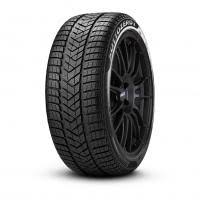
- Pirelli Winter Sottozero 3— Best Performance Winter
Best Winter Tires for Mercedes E350 — Compared
Six tires tested against ice braking, rear-end stability, tread longevity, and highway noise on a rear-wheel-drive luxury sedan.
| # | Product | Speed Rating | Type | Best For | Score | |
|---|---|---|---|---|---|---|
| 1 | Bridgestone Blizzak WS90 Editor’s Choice | T (118 mph) | Studless Winter | All-around ice & snow grip | 4.6 | See Latest Price |
| 2 | Michelin X-Ice Snow Top Pick | T (118 mph) | Studless Winter | Long tread life, quiet ride | 4.7 | See Latest Price |
| 3 | Continental VikingContact 7 | T (118 mph) | Studless Winter | Durability & stable handling | 4.6 | See Latest Price |
| 4 | General Altimax Arctic 12 Budget Pick | Q (99 mph) | Studdable Winter | Budget-friendly snow traction | 4.5 | See Latest Price |
| 5 | Nokian Hakkapeliitta R5 | T (118 mph) | Studless Winter | Easy installation, low vibration | 4.7 | See Latest Price |
| 6 | Pirelli Winter Sottozero 3 | V (149 mph) | Performance Winter | High-speed stability | 4.5 | See Latest Price |
Detailed Reviews
Full breakdown of each product — ratings, pros, cons, real owner feedback patterns, and our expert verdict on exactly who each tire is actually built for on this car.
Bridgestone Blizzak WS90
- Multi-Cell compound wicks water off ice for direct rubber contact
- Short braking distances on icy roads compared to rival tires
- Handling stays predictable and matches the E350’s composed chassis
- Quiet enough for daily highway commuting despite being a dedicated winter tire
- Wide circumferential grooves cut hydroplaning risk in cold, wet weather
- Tread life drops noticeably after two full winter seasons
- Grip declines once the multi-cell top layer wears past 50% depth
- High-mileage owners report needing replacement earlier than expected
- Costs more per tire than several tires with similar overall scores
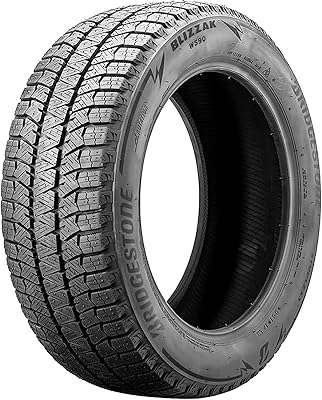
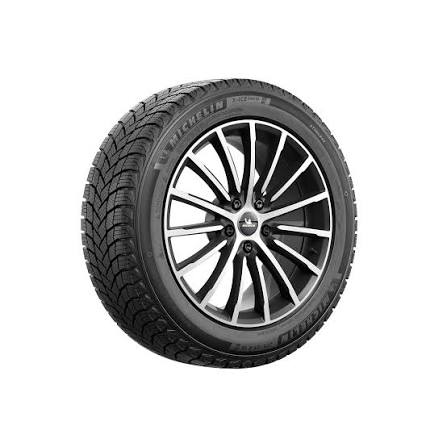
Michelin X-Ice Snow
- EverGrip technology maintains traction even as the tread wears down
- Nearly silent at highway speeds, preserving the E350’s cabin refinement
- Tread life often exceeds 40,000 miles with proper rotation
- Consistent performance reported deep into a third or fourth winter season
- StabiliGrip sipes lock together under load for a more planted dry-road feel
- Premium price is hard to justify if you only see light snow a few times a year
- Ice braking trails the Blizzak WS90 by a small but measurable margin
- The extra cost only pays off if you keep the car long-term
- Sizing can run tight on some staggered sport wheel combinations
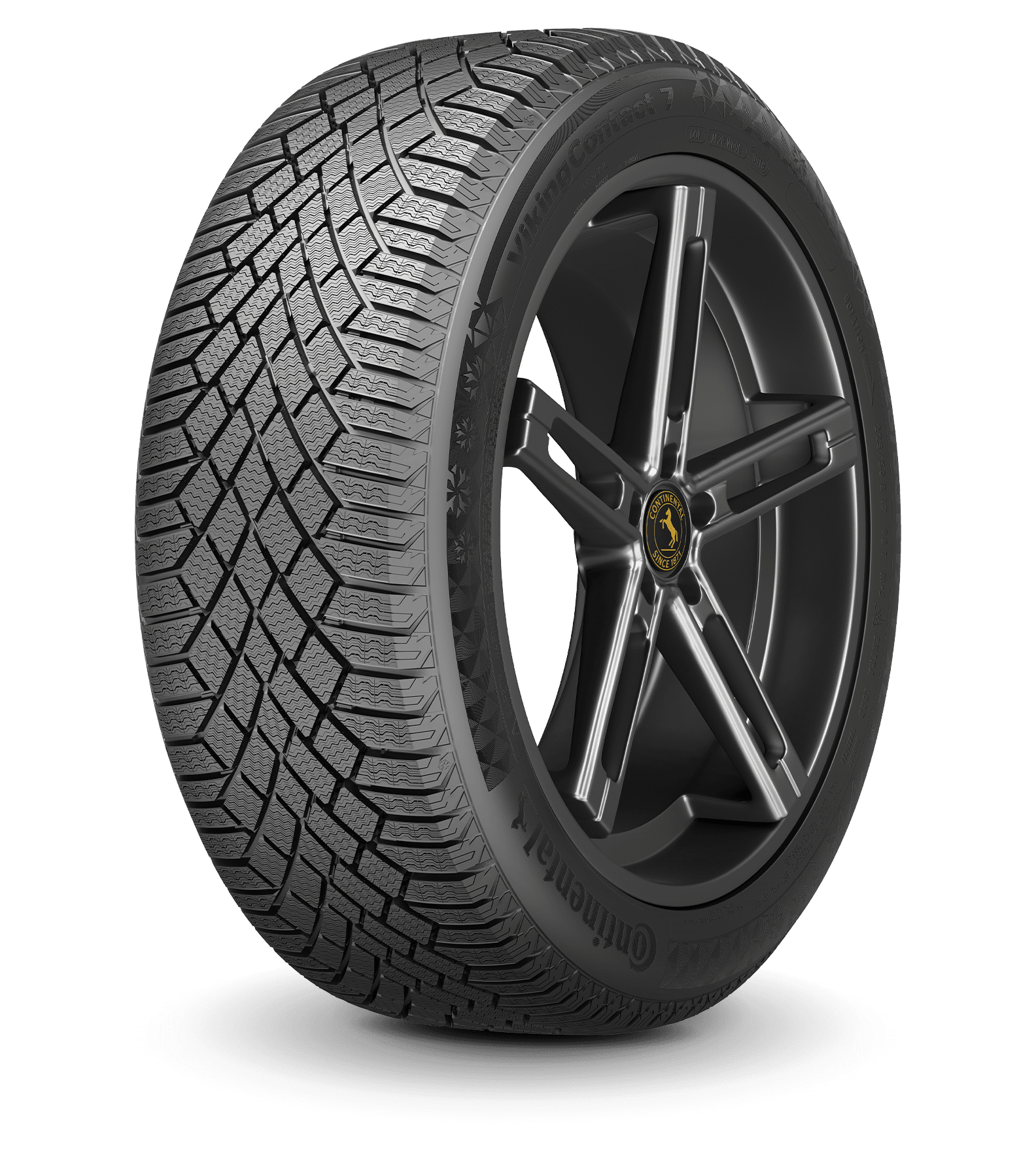
Continental VikingContact 7
- Canola oil compound stays flexible in the cold without hardening
- Treadwear consistently exceeds expectations even on a heavier RWD sedan
- Solid wet and slush evacuation at highway speeds
- No tramlining or wandering reported on grooved pavement
- Reinforced shoulder blocks add steering precision under a heavier RWD chassis
- Interlocking tread blocks reduce squirm under cornering load
- Ride feels slightly firmer over sharp bumps than the Michelin
- Ice braking distances trail the segment leaders by a noticeable margin
- Not the first choice if your winters mean mostly deep, unplowed snow
- Mid-pack pricing means it isn’t the cheapest option on this list either
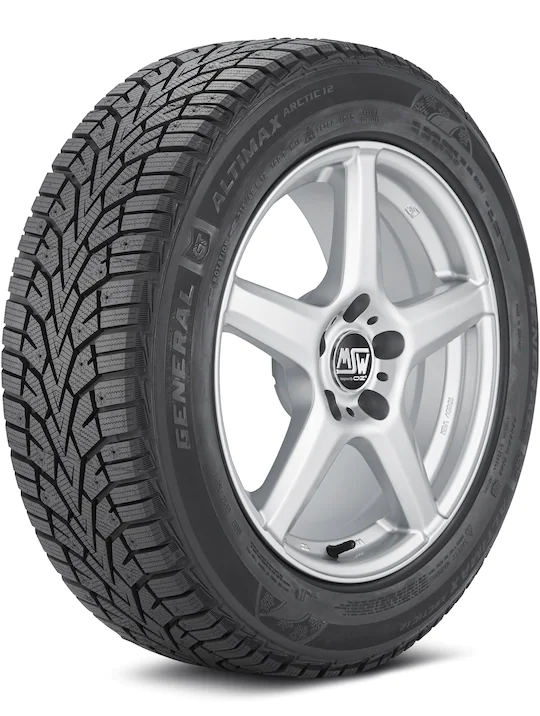
General Altimax Arctic 12
- Studdable design accepts TSMI #12 studs for extreme ice conditions
- Deep snow traction rivals tires costing significantly more
- Predictable handling reported on messy, unplowed roads
- Affordable price takes the sting out of buying a full set of four
- Dual-casing construction adds stability for a heavier RWD sedan under load
- High sipe density improves grip on light snow and wet pavement alike
- Noisier than premium studless alternatives on dry pavement
- Softer compound wears faster if driven often on warm, dry highways
- Not the quietest option for a luxury sedan cabin
- Studs add extra noise and a small ride penalty if you choose that option
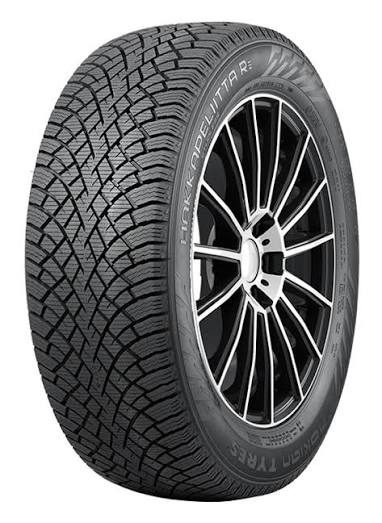
Nokian Hakkapeliitta R5
- Aramid-reinforced sidewalls add durability against pothole damage
- Cryo Crystal 3 particles in the tread boost ice grip
- Extremely round construction means shops report low road-force numbers and minimal balancing weight
- Tread stays quiet even as it wears down
- Double-block tread pattern enhances lateral grip through turns
- Strong sidewalls resist damage from winter road hazards like potholes and curbs
- Availability runs spotty on Amazon during peak winter season
- Some drivers note a small fuel economy hit on long highway runs
- Harder to find in stock once the first snow of the season hits
- Priced closer to the Michelin than the true budget options here
Pirelli Winter Sottozero 3
- V-speed rating supports sustained high-speed driving in cold, dry conditions
- Steering stays sharp and precise, unlike many softer winter tires
- Very short wet braking distances reported
- OEM-level refinement fits larger sport-package wheel diameters without looking bulky
- Reinforced shoulder blocks sharpen turn-in response at speed
- Silica-infused compound stays flexible in the cold without sacrificing dry grip
- Deep snow traction lags behind dedicated studless snow specialists
- Tread wears faster if driven hard on dry pavement
- Not the right choice for unplowed back roads or mountain driving
- Priced at the top of this list despite trailing on ice and snow scores
Can’t Decide?
Our Top 2 Picks — Head to Head
Both are excellent, and either is a real upgrade over factory all-seasons on a heavy rear-wheel-drive sedan. Here’s how to choose between them based on how long you’ll own the car and how much snow you actually see.
- Multi-Cell compound removes the water film from ice
- Short, confident braking distances on ice
- Predictable handling that matches the E350’s chassis
- Quiet enough for a daily luxury commute
- Widely stocked in common E350 sizes all season
- EverGrip technology maintains traction as the tread wears
- Nearly silent cabin at highway speed
- Tread life often exceeds 40,000 miles
- Strong performance reported into a third or fourth winter
- Confident wet and slush handling at highway speed
How to Choose the Right Winter Tires for Your E350
Six factors that matter before you buy — explained simply, with an eye toward what’s specific to a rear-wheel-drive sport sedan on cold, uneven roads.
Check for Staggered Front/Rear Sizing
Many E350 trims, especially sport package models, run different tire widths front and rear. Check your driver’s door jamb sticker for both axle sizes before ordering — common combinations include 245/45R17 up front, or 245/40R18 and 245/35R19 on staggered sport setups. Ordering a matched set of four identical tires on a staggered car means at least two of them won’t fit correctly, so double-check both numbers before you click purchase.
Decide Between Run-Flat and Standard Winter Tires
If your E350 came with run-flat tires, you don’t have to stay run-flat for winter driving. Pirelli and Bridgestone both offer run-flat winter options, but many owners switch to standard winter tires and carry a portable compressor or spare kit instead, since run-flats tend to ride noticeably stiffer in cold weather. Weigh the convenience against the comfort trade-off before you decide, and check that your trunk actually has room for a compact spare or kit.
Match the Speed Rating to Your Driving
Winter tires often carry lower speed ratings than the summer or all-season tires your E350 shipped with, and that’s completely normal — a Q or T rating simply caps top speed lower than an H or V rating. If you regularly drive 80 mph or more on winter highways, choose a higher-rated tire like the Pirelli Winter Sottozero 3 rather than a budget studdable option built for slower, more casual conditions.
Ask About Road-Force Balancing at Install
Standard balancing isn’t always enough on a precise-handling sedan like the E350. Ask your shop specifically for road-force balancing, which measures and corrects for tire and wheel imperfections that ordinary static or dynamic balancing methods can miss entirely. Tires with a very round, consistent construction, like the Nokian Hakkapeliitta R5, typically need less correction and mount with noticeably less vibration at highway speed.
Check the Warranty Terms Before You Buy
Dedicated winter tire warranties rarely cover treadwear, since usage varies so much between drivers, but most still cover manufacturing defects and workmanship for a set number of years. Michelin offers a limited mileage warranty on the X-Ice Snow, while Bridgestone provides its standard limited coverage on the Blizzak line. Register your tires with the manufacturer right after installation so you’re not scrambling for proof of purchase later if a defect shows up.
Budget for a Fresh Alignment After Mounting
A misaligned E350 wears out expensive winter tires unevenly within a single season, undoing whatever money you saved by choosing a budget option in the first place. Pay for a four-wheel alignment when you mount your new set, especially if you’ve hit a pothole or curb recently. This single step protects your investment and keeps the car tracking straight on cold, uneven pavement all winter long.
Pro Tips
Quick Buying Checklist
Check both axles — staggered E350 setups often need different front and rear sizes ordered correctly.
Ask your shop for road-force balancing to avoid vibration at highway speed.
Book a four-wheel alignment right after mounting your new winter set.
Register your tires for warranty coverage as soon as they’re installed.
Order early — popular E350 sizes sell out by October in snow states.
Frequently Asked Questions
Do I really need winter tires for a Mercedes E350 sedan?
Yes, if temperatures near you drop below 45°F for extended stretches. Rear-wheel-drive sedans like the E350 lose grip at the rear tires first once the rubber stiffens in the cold, which shows up as sudden oversteer on turns or acceleration from a stop. Winter tires keep the compound soft and dramatically shorten stopping distances on ice.
Do E350 sport package models need different-sized winter tires front and rear?
Often, yes. Staggered sport wheels typically run a narrower front tire and a wider rear tire, and you need to order both sizes correctly rather than four matching tires. Check your door jamb sticker for the exact front and rear specifications before you buy, since guessing can mean a tire that won’t clear the wheel well or seat properly on the rim.
Are run-flat winter tires a good option for the E350?
They’re available from Pirelli and Bridgestone in select sizes, but most owners find run-flat winter tires ride noticeably stiffer in cold weather than standard winter tires, which can undercut the comfort the E350 is known for. Many switch to a standard winter set and carry a compressor or spare kit instead, trading a little trunk space for a softer, quieter ride all winter.
Do winter tires limit how fast I can drive my E350 on the highway?
Some do. Budget and studdable winter tires often carry a Q or T speed rating, which caps them well below the highway passing speeds most E350 drivers are used to on the interstate. If you regularly drive 80 mph or faster in winter, an H or V-rated tire like the Pirelli Winter Sottozero 3 keeps that headroom without sacrificing cold-weather grip.
Will winter tires wear out faster on an E350 than on a smaller sedan?
The E350’s weight and rear-wheel-drive power delivery put extra stress on the rear tread compared to a lighter front-wheel-drive car, especially under hard acceleration from a stop or on a steep, icy on-ramp. Rotating your tires on schedule and avoiding aggressive throttle input in the cold both help even out that wear over the course of a season.
How much does highway noise increase with winter tires on an E350?
It depends on the tire. Premium studless options like the Michelin X-Ice Snow and Continental VikingContact 7 stay close to the E350’s factory-quiet cabin at highway speed. Budget studdable tires like the General Altimax Arctic 12 produce noticeably more hum on dry highway pavement in exchange for stronger ice and snow bite.
Do I need tire chains for mountain driving with these winter tires?
Most modern studless winter tires on this list are rated for use without chains in ordinary snow and ice conditions. If you regularly drive mountain passes that legally require chains regardless of tire type, check your owner’s manual for clearance, since some E350 wheel and fender combinations only accept low-profile cable chains rather than standard link chains.
Can I mix winter tires with my E350’s summer performance tires to save money?
No. Putting winter tires on only one axle creates a dangerous traction mismatch between the front and rear of the car. On a rear-wheel-drive E350, this often means the front end grips while the rear breaks loose unexpectedly under braking or in a turn, with little warning before it happens. Always replace all four tires together.
Final Verdict
Our Top Recommendations for 2026
Every tire here meaningfully improves your E350’s cold-weather safety, but the right one depends on how long you keep the car, how fast you drive, and how you use it day to day through a typical winter. If you want the shortest stopping distance on black ice, start with the Bridgestone Blizzak WS90. High-mileage owners, budget buyers, and sport-package drivers each have a clear, tested alternative below, so pick the one that matches your actual winter rather than the one with the flashiest spec sheet or the highest overall score.