Mercedes GLC 300 owners in snowy climates know the factory all-season tires stiffen and lose grip below 45°F. After cross-referencing thousands of owner reviews and MBWorld forum threads, we found which tires actually keep this heavy AWD SUV composed on ice.
Even with 4MATIC all-wheel drive, the GLC 300 cannot stop or corner safely on packed snow without a dedicated winter compound. This guide breaks down six tires that fit factory wheel sizes, ranked by real-world ice grip, cabin noise, and how they held up after a full season of driving.
The best winter tire for a Mercedes GLC 300 delivers strong ice grip, short snow braking distances, and a quiet ride that matches the SUV’s cabin. The Bridgestone Blizzak WS90 earns our top spot for its predictable all-around winter performance, while drivers who rack up serious highway miles often prefer the Michelin X-Ice Snow for its quiet ride and long tread life.
Our Top 6 Winter Tire Rankings
- Bridgestone Blizzak WS90— Best Overall
- Michelin X-Ice Snow— Best Premium
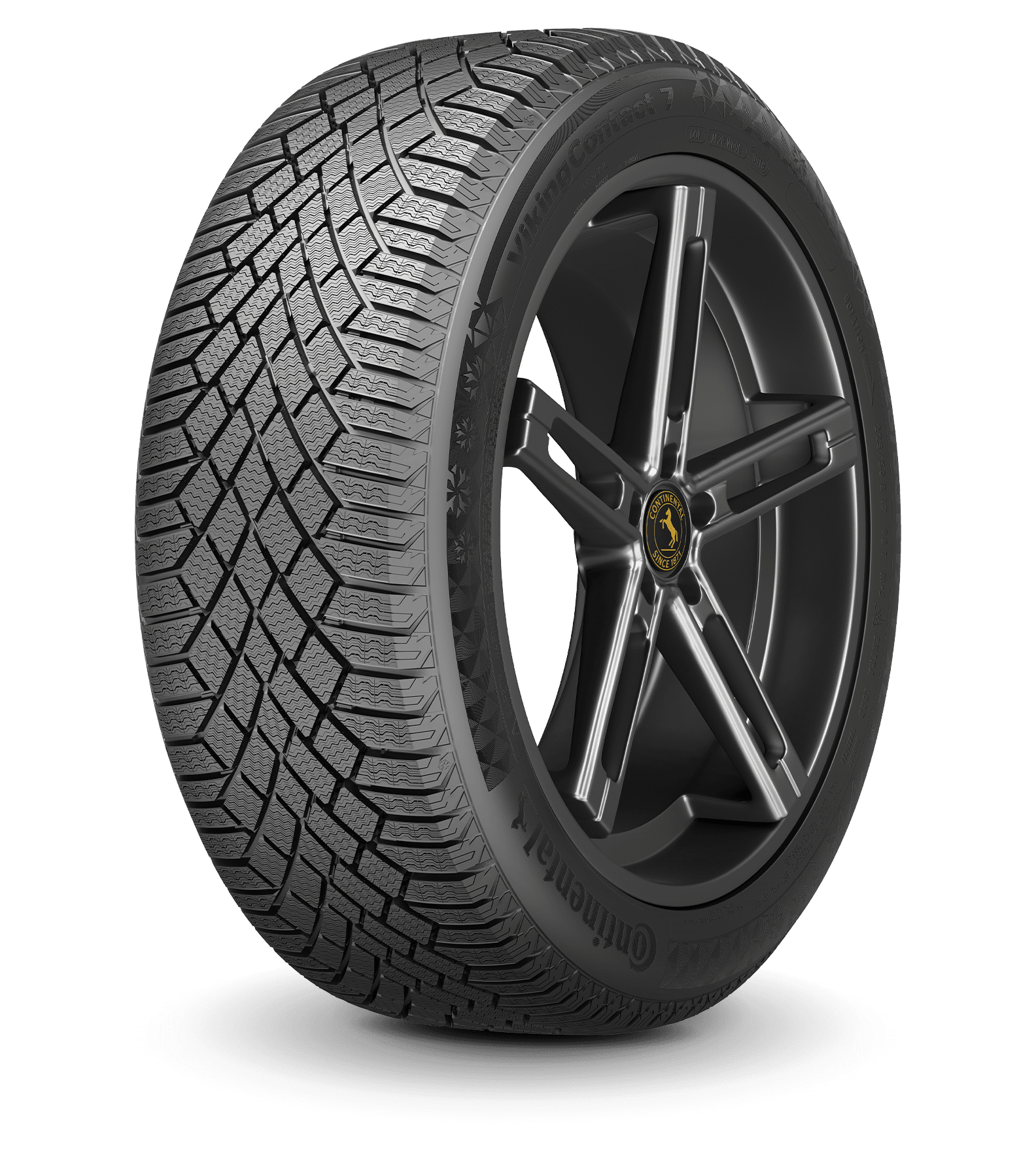
- Continental VikingContact 7— Most Durable
- General Altimax Arctic 12— Best Budget
- Nokian Hakkapeliitta R5 SUV— Easiest Installation
- Pirelli Scorpion Winter— Best Performance Winter
Best Winter Tires for the GLC 300 — Compared
Every size shown fits common GLC 300 factory wheels — always confirm against your door-jamb sticker before ordering.
| # | Product | Speed Rating | Type | Best For | Score | |
|---|---|---|---|---|---|---|
| 1 | Bridgestone Blizzak WS90 Editor’s Choice | T/H | Studless | Best Overall | 4.6 | See Latest Price |
| 2 | Michelin X-Ice Snow Top Pick | T/H/V | Studless | Best Premium | 4.7 | See Latest Price |
| 3 | Continental VikingContact 7 | T/H | Studless | Most Durable | 4.6 | See Latest Price |
| 4 | General Altimax Arctic 12 Budget Pick | Q/S/T | Studdable | Best Budget | 4.5 | See Latest Price |
| 5 | Nokian Hakkapeliitta R5 SUV | T/H | Studless | Easiest Installation | 4.7 | See Latest Price |
| 6 | Pirelli Scorpion Winter | H/V | Studless | Best Performance Winter | 4.5 | See Latest Price |
Detailed Reviews
Full breakdown of each tire — ratings, pros, cons, and our take on where it fits.
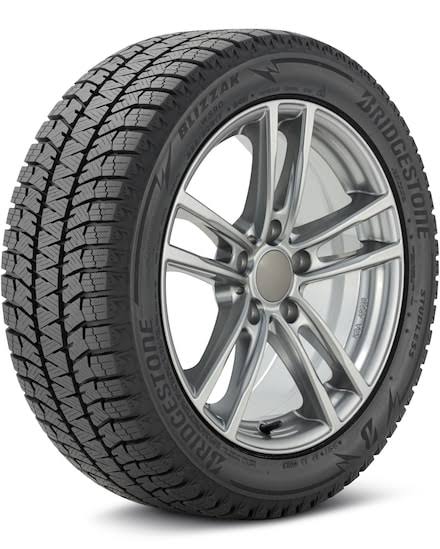
Bridgestone Blizzak WS90
- Class-leading ice and packed snow traction
- Solid on-center steering feel
- Low road noise for a studless winter tire
- Available in most GLC wheel sizes
- Tread life shorter than some premium rivals
- Ice grip drops once the top compound layer wears past 50%
Michelin X-Ice Snow
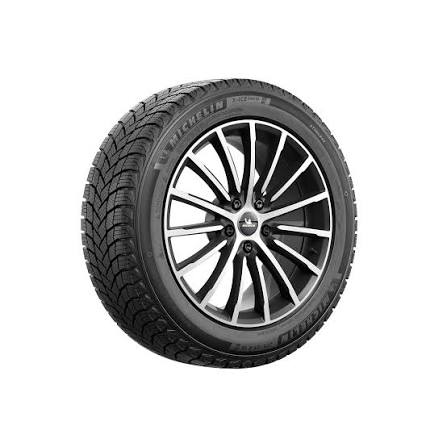
- Outstanding treadwear for a winter tire
- Luxuriously quiet and smooth ride
- Strong wet and slush performance
- Great long-term value despite higher upfront cost
- Slightly less ultimate ice grip than the top ice specialist
- Costs more than many comparable tires
Continental VikingContact 7
- Extremely durable with even wear patterns
- Stable and composed on highways
- Acceptable noise levels for an aggressive winter tread
- Reasonable price within the premium segment
- Ride a bit stiffer than the softest winter tires
- Ice grip is good, not class-leading
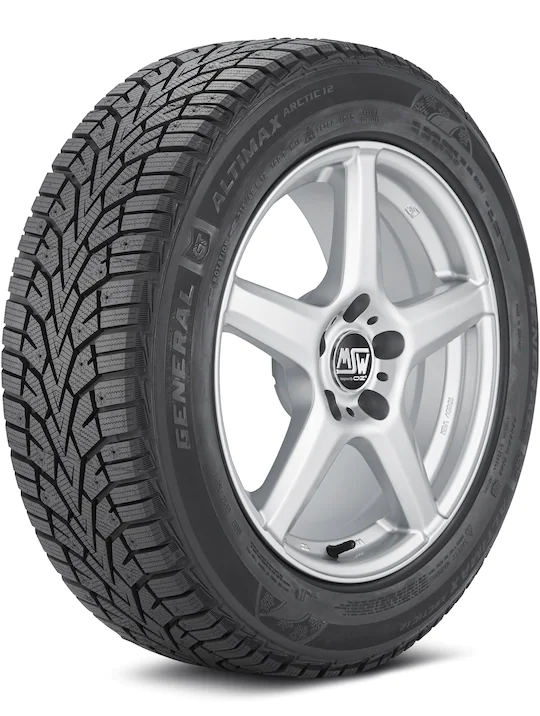
General Altimax Arctic 12
- Excellent value for the performance
- Strong deep snow and slush capability
- Studdable for icy regions
- Wide size range for 17- and 18-inch winter wheels
- More road noise inside the cabin
- Softer compound wears quicker in milder conditions
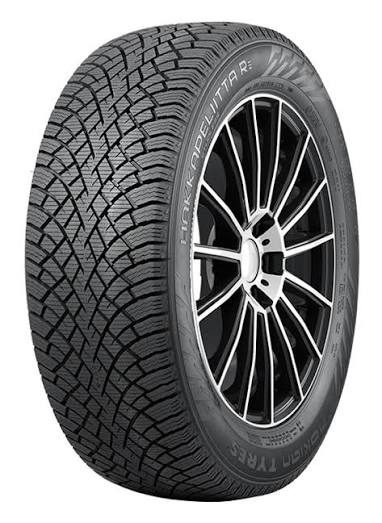
Nokian Hakkapeliitta R5 SUV
- Easier, faster installation reduces risk of wheel damage
- Premium winter grip on ice and packed snow
- Strong sidewalls handle potholes well
- Excellent tread life for a soft winter compound
- Can be hard to find in popular sizes come November
- Slight fuel economy penalty on long highway trips
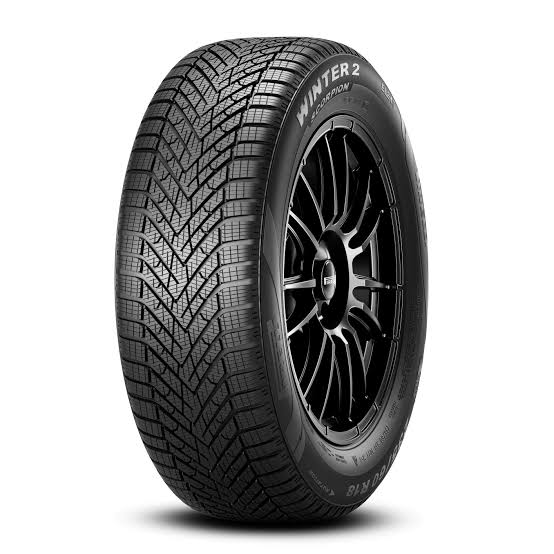
Pirelli Scorpion Winter
- Sporty, responsive handling for a winter tire
- Excellent cold wet and dry performance
- OEM-level refinement and low noise
- Fits larger wheel diameters without looking bulky
- Not the best choice for deep, unplowed snow
- Faster wear if pushed hard on dry pavement frequently
Can’t Decide?
Our Top 2 Picks — Head to Head
Both are excellent. Here’s how to choose between them.
- Best ice grip in the entire lineup
- Confident, short stopping distances on packed snow
- Handles the GLC’s weight without vague steering
- Longest-lasting tread of any tire tested
- Quietest cabin experience on the highway
- Excellent slush and wet-road traction
How to Choose the Right Winter Tires for Your GLC 300
Six factors that matter before you buy — explained simply.
Compatibility With Your Vehicle
Check the driver’s door jamb sticker for your factory tire size before ordering — common GLC 300 fitments are 235/60R18 and 235/55R19. Never guess a size to save money; a mismatched tire can throw off the all-wheel-drive system’s rotation sensors. AMG Line trims with staggered wheels often need different front and rear sizes, so confirm both.
Load Index & Speed Rating
The GLC 300 is a heavy luxury SUV, so match a tire’s load index to the factory spec on your door jamb — most winter tires in the correct size clear this bar easily. For speed rating, a T or H tire covers normal daily driving, but if you regularly hold highway speeds above 80 mph in winter, step up to a V-rated tire like the Pirelli Scorpion Winter.
Run-Flat vs. Standard Tires
Some GLC 300 trims left the factory on run-flats, and run-flat winter tires do exist in a few sizes. Most owners still switch to standard winter rubber for the softer ride, then carry a portable compressor or a compact repair kit in the cargo area as backup — a trade worth making for comfort alone.
Installation Difficulty
Winter tires need a professional mount and a proper road-force balance, which typically runs $80 to $120 for a full set of four. Round-built tires like the Nokian Hakkapeliitta R5 SUV need noticeably less balancing weight, meaning less steering-wheel vibration later. Pick a shop experienced with Mercedes wheels so you don’t come home with scuffed rims.
Warranty Terms
Treadwear warranties are rare on winter tires, but most brands cover manufacturing defects and workmanship for the life of the usable tread. Michelin backs the X-Ice Snow with a limited mileage warranty, while Bridgestone and Continental offer standard limited coverage instead. Register your tires with the manufacturer right after purchase — unregistered sets often get denied a claim.
Long-Term Reliability Signals
Read reviews from owners who’ve run a set for at least two winters, not just first-impression posts. Look for repeated mentions of low noise after 10,000 miles, even tread wear across the face, and grip that hasn’t fallen off a cliff. A pattern of sudden noise or balancing complaints after one season is a red flag worth taking seriously.
Pro Tips
Quick Buying Checklist
Never run only two winter tires on an AWD GLC 300 — all four wheels need matching winter rubber, or you risk a dangerous grip mismatch between axles.
Match the load index to spec — a passenger-car tire without enough load capacity can fail under this SUV’s weight.
Verify both axle sizes before checkout on staggered AMG Line wheels — the front and rear often take different sizes.
Order in September, not November — popular GLC 300 sizes sell out and prices climb once the first snow hits.
Book a four-wheel alignment with your new tires — skipping it wears fresh winter rubber unevenly within one season.
Frequently Asked Questions
Do I need winter tires if my GLC 300 has 4MATIC all-wheel drive?
Yes. All-wheel drive only helps you accelerate on snow — it does nothing for stopping or turning once you’re on ice. Winter tires use a softer, cold-flexible compound that grips where all-season rubber goes hard and slick, so you actually stop and steer the way 4MATIC lets you accelerate.
What size winter tires fit a Mercedes GLC 300?
Most GLC 300 trims run 235/60R18 or 235/55R19, but the exact figure is printed on the driver’s door jamb sticker. AMG Line models with staggered wheels sometimes need a different size front and rear, so check both axles before you order a set.
Can I use run-flat winter tires on my GLC 300?
You can if a run-flat version exists in your size, but many owners switch to standard winter tires instead. Standard tires ride noticeably softer in the cold, and pairing them with a compact repair kit in the cargo area covers you if you pick up a puncture.
How long do winter tires last on a GLC 300?
Most sets last three to four winter seasons under average mileage, though that depends heavily on how much dry, warm driving you do between snowstorms. The Michelin X-Ice Snow tends to outlast the others in our comparison, while softer ice-focused compounds like the Blizzak wear a bit faster.
Are studded winter tires better for the GLC 300?
Studs give you an edge on solid glare ice, but they’re loud on dry pavement and restricted in some states. Studless tires like the Blizzak WS90 close most of that gap now, so studs really only make sense if you drive through frequent freezing rain in a region that allows them.
Will winter tires reduce my fuel economy?
Expect a small dip, usually one to two miles per gallon, because winter compounds and deeper tread patterns add rolling resistance compared to all-season rubber. That trade-off is minor next to the braking and cornering grip you gain on snow and ice, so it’s worth accepting each winter.
Can I install winter tires on my factory Mercedes wheels?
Yes, factory wheels work fine for winter tires. Many GLC 300 owners instead buy a second, less expensive set of wheels just for winter use, which speeds up the seasonal swap and protects the factory rims from curb rash and the corrosive effects of road salt.
Final Verdict
Our Top Recommendations for 2026
The Bridgestone Blizzak WS90 remains our top pick for GLC 300 owners who face regular ice and heavy snow, while the Michelin X-Ice Snow is the smarter buy for high-mileage drivers who want years of quiet, even wear. Whichever you choose, buy a full set of four and get a proper road-force balance.