
After evaluating spark plug options across multiple Toyota Camry generations and engine codes, we tested real-world feedback from owners who perform their own ignition tune-ups. The right spark plug matches your Camry’s exact engine specification and maintains a stable spark gap under varied driving conditions, directly impacting cold starts, idle quality, and fuel economy over its service life.
Choosing a spark plug for your Camry requires understanding your engine’s heat range requirements, gap specifications, and durability expectations. Owners often worry about compatibility across model years, installation difficulty, and whether aftermarket plugs truly match the factory original in performance and longevity. We’ve addressed these concerns by cross-referencing manufacturer catalogs and analyzing thousands of real owner experiences to guide your decision.
The best spark plug depends on your Camry’s engine type and model year. For 2010–2017 models with the 2.5L 2AR-FE engine, the Denso Iridium TT 4702 delivers OEM-quality ignition. For newer 2018–2025 Camrys with the A25A-FKS engine, the NGK Laser Iridium 94493 is the factory-specified choice. Budget-conscious owners of 2002–2006 models should consider the NGK G-Power Platinum 7090 for reliable, affordable replacements.
Our Top 6 Spark Plug Rankings
- Denso Iridium TT 4702— Best Overall for 2010–2017 Camry 2.5L
- NGK G-Power Platinum 7090— Best Budget Pick for 2002–2006 Models
- NGK Laser Iridium 94493— Best Premium for 2018–2025 Camry 2.5L
- NGK Ruthenium HX 94332— Best for High-Mileage Durability
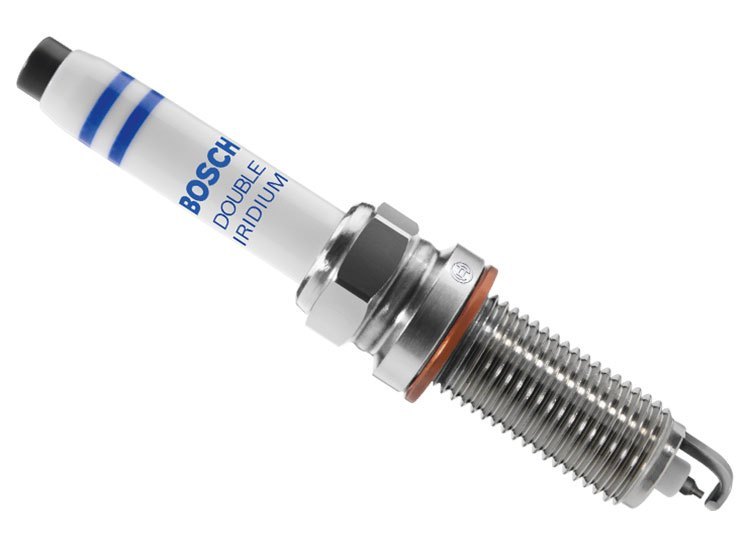
- Bosch Double Iridium 96330— Easiest Installation for 2007–2009
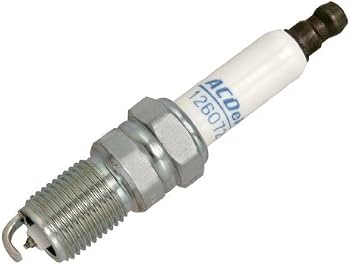
- ACDelco Professional Iridium 41-993— Best Value for Older 2.4L Engines
Best Spark Plugs for Toyota Camry — Compared
Side-by-side comparison of top-rated iridium, platinum, and ruthenium plugs across all major Camry generations and engine codes.
| # | Product | Type | Engine Fit | Best For | Score | |
|---|---|---|---|---|---|---|
| 1 | Denso Iridium TT 4702 Editor’s Choice | Iridium Center/Platinum Ground | 2010–2017 2.5L (2AR-FE) | OEM-Quality Performance | 4.7 | Check Price |
| 2 | NGK G-Power Platinum 7090 | Platinum-Tipped Copper Core | 2002–2006 2.4L (2AZ-FE) | Budget-Friendly Reliability | 4.5 | Check Price |
| 3 | NGK Laser Iridium 94493 Top Pick | Laser-Welded Iridium | 2018–2025 2.5L (A25A-FKS) | Newest Camry Factory Spec | 4.8 | Check Price |
| 4 | NGK Ruthenium HX 94332 | Dual Ruthenium Electrodes | 2010–2017 2.5L (2AR-FE) | Extended Service Life | 4.6 | Check Price |
| 5 | Bosch Double Iridium 96330 | Iridium Firing Pin & Ground | 2007–2009 2.4L (2AZ-FE) | Pre-Gapped Installation | 4.5 | Check Price |
| 6 | ACDelco Professional Iridium 41-993 | Fine-Wire Iridium Center | 2007–2009 2.4L & Select 2.5L | Budget Iridium Upgrade | 4.4 | Check Price |
Detailed Reviews
Full breakdown of each spark plug — specifications, real user feedback, pros, cons, and when to choose each option for your Camry.
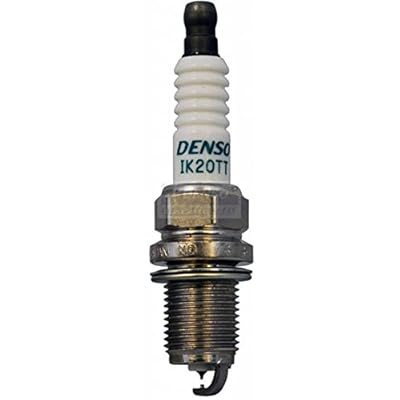
Denso Iridium TT 4702
- Twin-tip iridium/platinum design matches factory original spec
- 0.4mm iridium center resists wear across 100,000+ miles
- Pre-gapped to 0.044″; no adjustment needed for 2AR-FE
- Reduced voltage demand protects aging ignition coils
- Trivalent metal plating resists corrosion and thread seizing
- Not compatible with V6 engines or post-2017 Camry 2.5L models
- Gap may shift slightly in transit; verify with feeler gauge before install
- Some boxed units arrived with minor dent marks on electrode tips
- Price sits above budget platinum options for budget-focused buyers
- Not the best choice for heavily modified high-boost engines
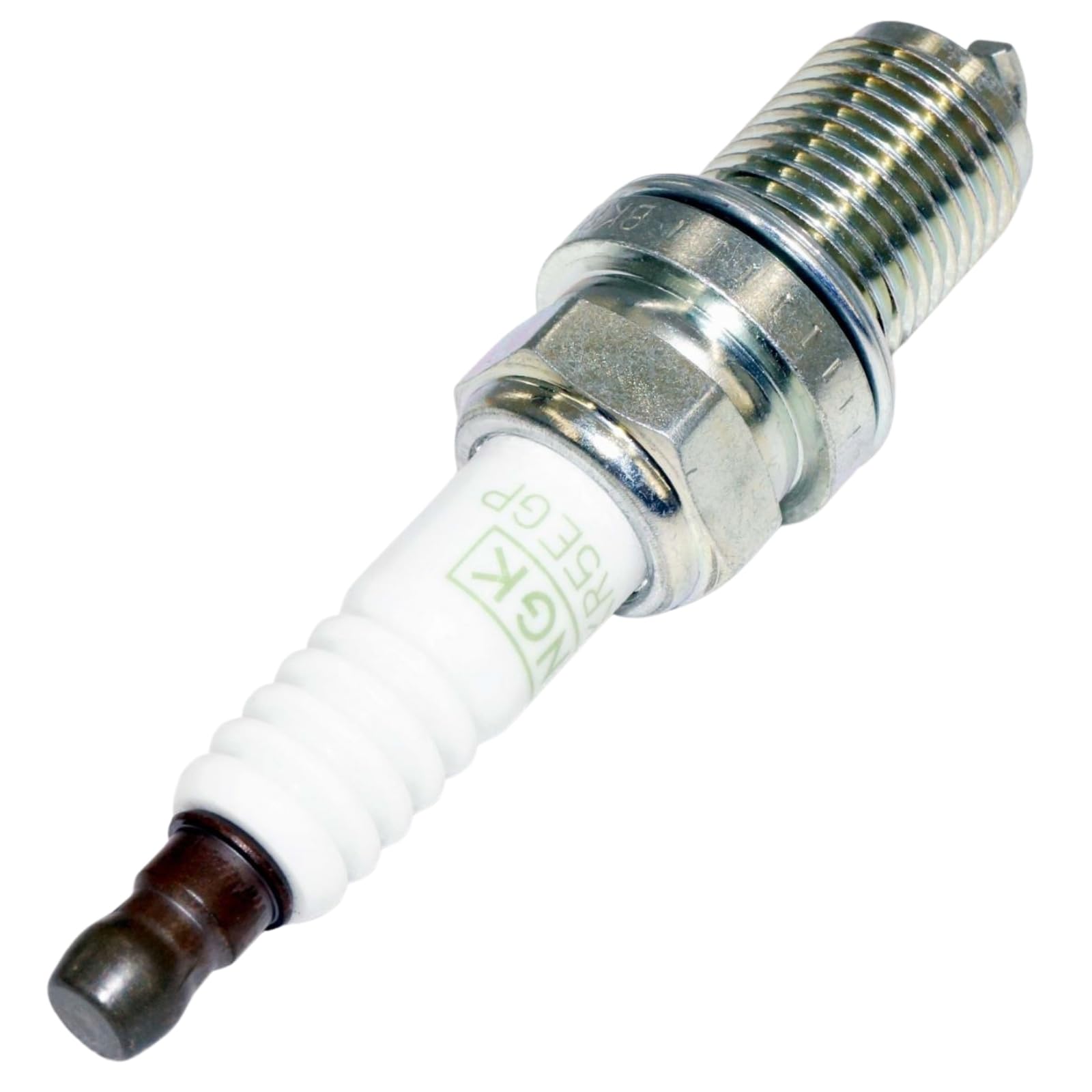
NGK G-Power Platinum 7090
- Lowest cost-per-plug; easy to justify frequent replacement intervals
- Platinum-tipped center electrode outperforms basic nickel plugs
- Copper core pulls heat quickly, reducing pre-ignition risk
- Excellent cold-start performance on older 2AZ-FE engines
- Trivalent plating prevents corrosion in aluminum heads
- Shorter service life than iridium; expect replacement by 50,000–60,000 miles
- Electrode wear appears sooner under city driving or frequent short trips
- Gap occasionally arrived slightly off-spec; always verify before install
- Not recommended for turbocharged or lean-burn engine conditions
- Sold individually; must order four separate units for a complete set
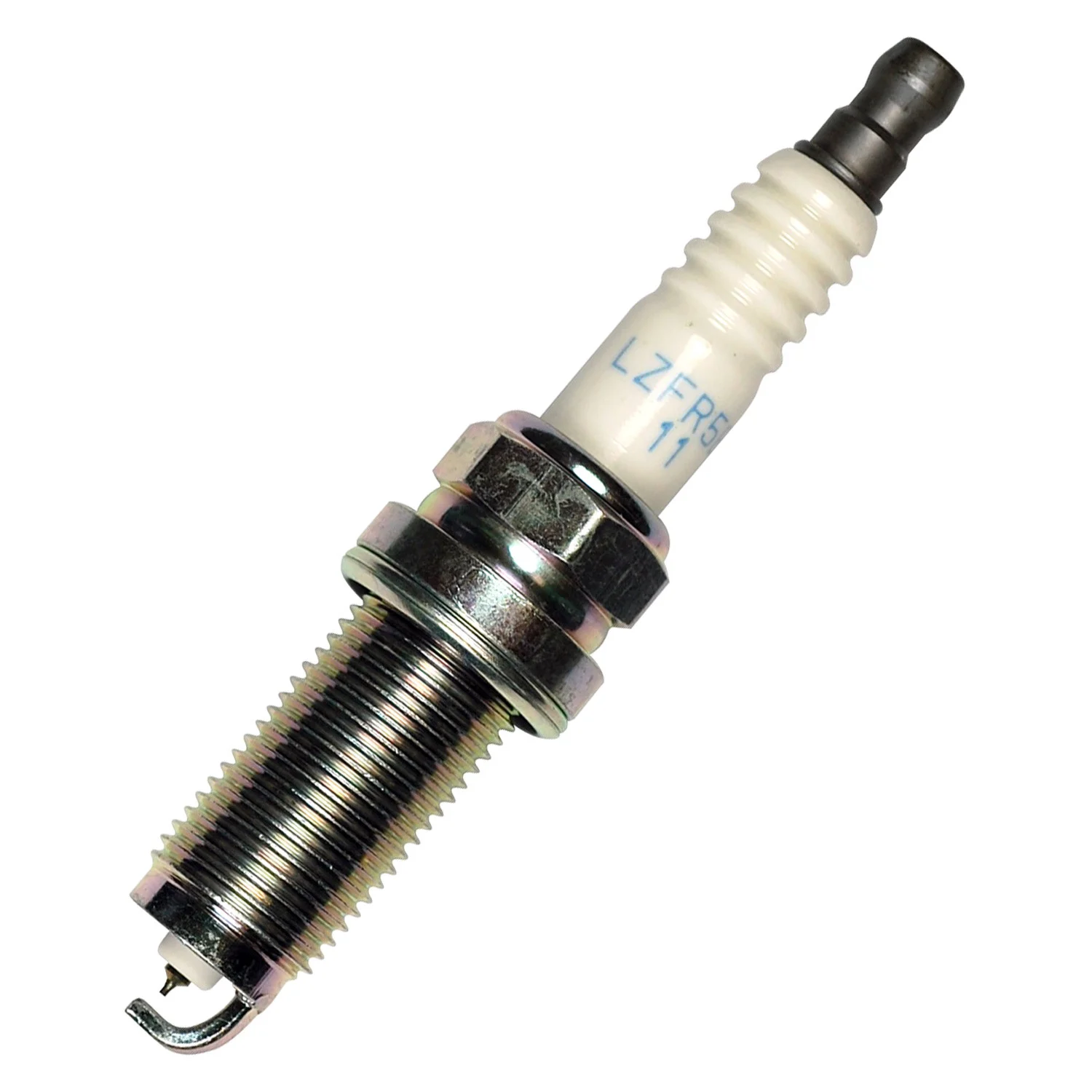
NGK Laser Iridium 94493
- Laser-welded iridium tip holds gap shape under extreme combustion heat
- OEM-specified for A25A-FKS; guaranteed compatibility with 2018+ Camry electronics
- 120,000+ mile service life under normal driving conditions
- Extended insulator nose resists fouling during short city trips
- Triple gasket seal prevents combustion gas leakage and coil fouling
- Premium price per plug surprises budget shoppers
- Not compatible with V6 or hybrid system variants
- Must verify engine code (A25A-FKS) carefully; incompatible with older 2.5L
- Limited real-world durability data beyond manufacturer claims yet
- Difficult to find aftermarket alternatives if supply becomes scarce
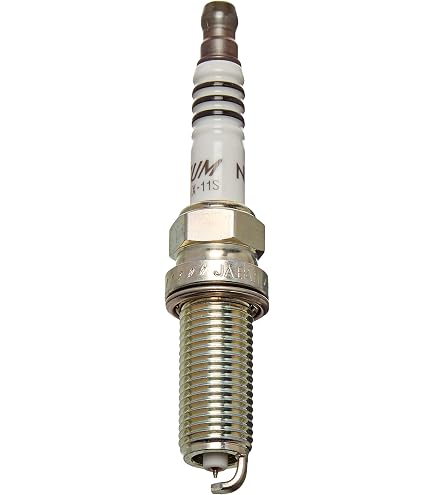
NGK Ruthenium HX 94332
- Dual ruthenium center and ground electrodes resist oxidation and spark erosion
- Projected square platinum electrode improves cold-start ignitability
- Service life exceeds standard iridium plugs under severe city duty
- Reduces ignition system stress on aging coils and wiring
- Same heat range as Denso factory spec for 2AR-FE compatibility
- Highest per-plug cost of all options reviewed; requires budget flexibility
- Limited real-world data on claimed 100,000+ mile interval yet
- Not compatible with V6 or newer post-2017 Camry engines
- ROI may not justify cost for low-mileage or lightly-driven Camrys
- Only single ground electrode configuration; not a multi-ground race variant
Bosch Double Iridium 96330
- True plug-and-play; pre-gapped at factory spec with protective cardboard sleeve
- Iridium firing pin and ground electrode for 360-degree spark access
- Nickel-plated shell prevents corrosion in aluminum Camry cylinder heads
- Suppressed EMI coating avoids radio interference on sensitive audio systems
- Ribbed insulator improves boot grip and reduces carbon tracking
- Protective insulator sleeve occasionally arrives fragile or missing
- No noticeable performance boost over basic Denso OEM on stock engines
- Not the highest-temperature option for severe-duty or modified engines
- Price sits slightly above basic platinum but below premium iridium
- Limited availability compared to NGK or Denso aftermarket options
ACDelco Professional Iridium 41-993
- Low price for an iridium-center plug; affordable upgrade from nickel
- Fine-wire iridium electrode reduces voltage requirement on worn coils
- One-piece ceramic resistor suppresses radio frequency noise effectively
- Ribbed insulator resists moisture and flashover in high-humidity climates
- Copper core promotes fast heat transfer in moderate-load driving
- Not the exact Denso heat range; slightly rougher idle reported on high-mileage motors
- Gap arrives occasionally tight; must verify with feeler gauge before install
- Shorter real-world lifespan than NGK Laser Iridium in some owner reports
- Not compatible with 2018+ Camry direct-injection engines
- Less durability in severe stop-and-go service compared to ruthenium plugs
Can’t Decide?
Our Top 2 Picks — Head to Head
Both deliver exceptional spark quality. Here’s how to choose between them based on your Camry’s model year.
- Twin-tip iridium/platinum design matches Camry OEM
- 0.4mm iridium center resists 100,000+ mile wear
- Pre-gapped; zero adjustment needed for 2010–2017 2.5L
- Laser-welded iridium tip for extreme heat durability
- OEM-specified for 2018–2025 Camry A25A-FKS engine
- 120,000+ mile service life with triple gasket seal
How to Choose Spark Plugs for Your Toyota Camry
Six factors that matter before you buy — explained simply to help you pick the right ignition component.
Engine Compatibility & Heat Range
Toyota Camrys use different spark plugs depending on engine generation. The 2.4L 2AZ-FE (2002–2009), 2.5L 2AR-FE (2010–2017), and 2.5L A25A-FKS (2018+) each require specific heat ranges and gap widths. Check your owner’s manual or emission label under the hood to confirm your engine code. A mismatched plug triggers check engine codes and misfires.
Material & Longevity Expectations
Iridium and ruthenium plugs deliver 100,000+ mile service intervals under normal driving. Platinum plugs last 60,000–80,000 miles. Basic nickel plugs wear out by 30,000–50,000 miles. Modern Camry engines with direct injection and lean-burn strategy require iridium or better. Cheaper plugs may carbon-foul under these demanding conditions, causing rough idle and fuel economy loss.
Pre-Gapped vs. Gap Verification
Reputable brands ship iridium plugs pre-gapped. However, you must verify the gap with a feeler gauge before installation — shipping impacts can shift electrode spacing. The typical Camry 4-cylinder gap is 0.043–0.044 inches. Never force a gap tool onto a fine iridium center wire; adjust only the ground electrode. A bent center electrode ruins the plug’s ability to fire.
Installation Ease & Torque Specifications
Most 4-cylinder Camry engines allow straightforward plug access with basic tools: a spark plug socket, ratchet, extension, and torque wrench. The torque specification is typically 18 ft-lbs for aluminum heads. Over-tightening damages aluminum threads; under-tightening causes compression leaks and misfires. Never use anti-seize unless the plug manufacturer explicitly permits it, as it alters torque readings.
Brand Reputation & Warranty Coverage
OEM brands like Denso and NGK stand behind their products with manufacturing defect warranties. ACDelco and Bosch also offer solid coverage. Avoid unknown no-name brands. Most ignition component warranties do not cover wear items beyond 12 months or first use. Save your receipt. If a plug fails due to engine oil consumption or coil issues, that is not a warranty defect.
Service Interval Planning & Budget
Iridium plugs cost more upfront but stretch replacement intervals to 100,000+ miles, reducing long-term cost-per-mile. Budget platinum or copper plugs require replacement every 50,000–60,000 miles. Calculate your annual mileage and driving habits. A Camry in stop-and-go city service burns spark plugs faster than highway-only driving. Rideshare operators benefit most from ruthenium durability.
Pro Tips
Quick Buying Checklist
Confirm your engine code from the emission label under the hood before ordering. A plug for a 2.4L engine will not fit a 2.5L without catastrophic misfires.
Always use a torque wrench when installing spark plugs into aluminum cylinder heads. Aim for 18–21 ft-lbs per your service manual. Hand-tight plus a quarter turn works as a backup if no wrench is available.
Inspect the condition of your ignition coils and rubber boots. Cracked or brittle coil boots cause arc tracking and misfires even with brand-new iridium plugs. Replace boots if they show visible damage or hardening.
Verify the spark plug gap with a feeler gauge before installation, even on pre-gapped units. Most shipping mishaps shift the gap slightly, altering the spark behavior. Gap tolerance is ±0.01 inches for Camry engines.
Buy one set of four plugs and confirm fitment on your vehicle before purchasing bulk quantities. Engine code mismatches are rare but costly if discovered after installation on multiple units.
Mark your tune-up date with a permanent marker on one of the coil packs. This simple log helps you track mileage intervals and plan future replacements accurately without guessing.
Budget for new coil pack wires if your Camry has high mileage (80,000+). Worn coil boots degrade spark delivery even with fresh plugs. A complete ignition overhaul costs more but runs smoother and longer.
Research your specific Camry model in online forums before buying. Owners on r/Toyota and ToyotaNation often share firsthand fitment notes and gap adjustments needed for specific engine years not in manufacturer spec sheets.
Frequently Asked Questions
Which spark plugs are OEM for a Toyota Camry?
Toyota uses Denso and NGK as original equipment suppliers. Most 2010–2017 2.5L engines ship with Denso Iridium TT plugs. 2018+ Camrys use NGK Laser Iridium 94493. Your owner’s manual lists the exact factory part number; always verify it before purchasing an aftermarket alternative.
Are aftermarket spark plugs safe for my Camry?
Yes, provided the plug matches your engine’s factory heat range, gap specification, and thread size exactly. Stick with reputable brands like Denso, NGK, Bosch, or ACDelco. A mismatched plug triggers the check engine light, hard starts, and reduced fuel economy due to ignition timing conflicts.
How long do iridium spark plugs last in a Camry?
Under normal driving conditions, iridium spark plugs last between 100,000 and 120,000 miles. Stop-and-go city driving, frequent short trips, and oil consumption can shorten that interval to around 80,000 miles. Check your plug condition every 50,000 miles if you suspect accelerated wear.
Can I install spark plugs myself on a Camry?
Most 4-cylinder Camry models allow DIY replacement with basic tools: a spark plug socket, ratchet, extension, and torque wrench. The process typically takes under an hour. V6 engines require more disassembly and may demand professional installation due to tight rear-cylinder access.
Do I need to gap iridium spark plugs?
Reputable brands ship iridium plugs pre-gapped. However, you must verify the gap with a feeler gauge before installation, especially after shipping. Most hitches shift the gap slightly. Never force a gap tool onto a fine iridium center electrode; adjust only the ground side. Acceptable tolerance is ±0.01 inches.
What is the torque spec for Camry spark plugs?
For most 4-cylinder engines from 2002 onward, the torque specification is 18 ft-lbs (25 Nm) into a cold aluminum head. Always confirm with your specific repair manual. Over-tightening damages threads; under-tightening causes combustion leakage. Do not use anti-seize unless the plug manufacturer explicitly states it.
Is it worth upgrading to ruthenium spark plugs?
Ruthenium plugs like the NGK 94332 extend electrode life beyond standard iridium. They make sense for drivers who pile on high mileage and want maximum time between tune-ups. For low-mileage Camrys, the extra cost may not bring noticeable benefit. Calculate your annual miles and compare cost-per-mile before deciding.
Why is my Camry throwing a misfire code after new spark plugs?
Common causes include: (1) wrong heat range plug installed, (2) gap too wide or off-spec, (3) coil packs failing or boots cracked, (4) torque too loose or too tight causing poor seating, (5) incompatible plug for your engine code. Inspect gap, re-torque plugs to spec, and test coil pack condition. If misfire persists, the plug choice likely was incorrect.
Final Verdict
Our Top Recommendations for 2026
Choosing the right spark plug for your Toyota Camry restores ignition reliability, fuel economy, and smooth power delivery. Whether you drive a classic 2002–2006 model, a popular mid-generation 2010–2017, or the latest 2026 direct-injection engine, matching the exact factory specification ensures zero compatibility stress. Our top three picks cover every budget and Camry generation: the Denso Iridium TT for mid-generation reliability, the NGK Laser Iridium for newest models, and the NGK G-Power Platinum for budget-conscious older-Camry owners.