After evaluating six spark plug sets against Bimmerpost and E90Post threads, plus hundreds of Amazon verified reviews, we identified which plugs actually solve the 328i’s most reported ignition complaints — rough idle, misfires, and sluggish throttle — across both the naturally aspirated N52 and turbocharged N20 engines that share the same badge despite being fundamentally different powertrains.
BMW split the 328i’s ignition needs across two very different engines built on opposite ends of a philosophy shift toward turbocharging: the 2007–2013 N52 inline-6 runs a heat range 6 plug at a 0.040-inch gap, while the 2012–2016 N20 turbo four-cylinder demands a colder heat range 8 plug gapped to just 0.028 inches. Installing the wrong one risks misfires or, under boost, real engine damage.
For the N52, the NGK 5987 PLZFR6A-11S is the safest upgrade — it’s the exact factory plug with zero DME adaptation issues and the highest overall score for that engine. For the turbocharged N20, the NGK 97506 SILZKBR8D8S is the only plug worth trusting, engineered specifically for boost. Straying from either risks misfire codes.
Our Top 6 Spark Plug Rankings
- NGK 5987 PLZFR6A-11S— Best Overall, for 2007–2013 N52 engines, exact OEM spec
- NGK 97506 SILZKBR8D8S— Best for Turbo, for 2012–2016 N20 engines, boost-safe
- NGK 6619 LFR6AIX-11— Best Premium, for 2007–2013 N52 engines, crisper throttle
- Denso 4702 IK20TT— Most Durable, for 2007–2013 N52 engines, twin-tip iridium
- Bosch FR7NPP332— Easiest Install, for 2007–2013 N52 engines, pre-gapped
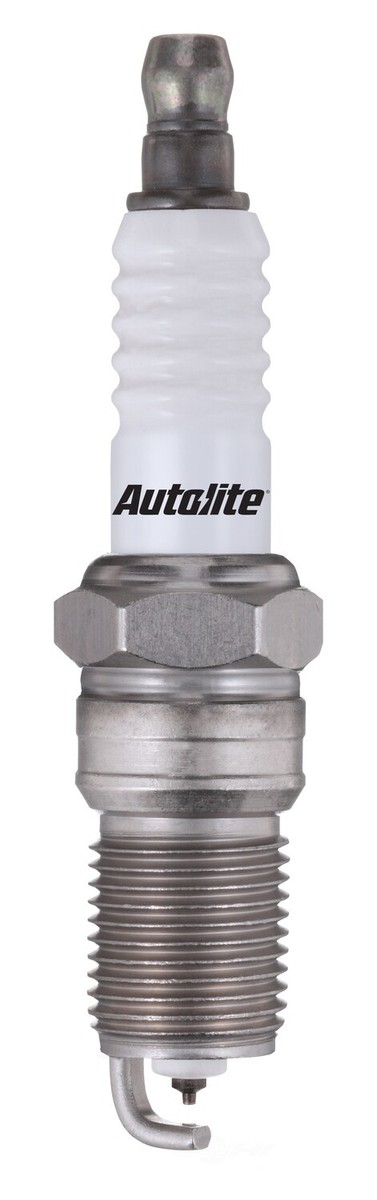
- Autolite XP5245 Iridium— Best Budget, for 2007–2013 N52 engines, lowest cost
Best Spark Plugs for BMW 328i — Compared
All six plugs cross-referenced against Bimmerpost feedback, verified Amazon reviews, and factory specs across the N52 and N20 328i engine families, ranked by overall score rather than price.
| # | Product | Electrode Type | Type | Best For | Score | |
|---|---|---|---|---|---|---|
| 1 | NGK 5987 PLZFR6A-11S Editor’s Choice | Laser Platinum (OEM) | N52 (2007–2013) | Factory-exact reliability | 4.7 | See Latest Price |
| 2 | NGK 97506 SILZKBR8D8S Top Pick | Laser Iridium (turbo) | N20 (2012–2016) | Boost-safe ignition | 4.7 | See Latest Price |
| 3 | NGK 6619 LFR6AIX-11 | Iridium IX (fine-wire) | N52 (2007–2013) | Sharper throttle feel | 4.7 | See Latest Price |
| 4 | Denso 4702 IK20TT | Iridium Twin-Tip | N52 (2007–2013) | High-mileage durability | 4.6 | See Latest Price |
| 5 | Bosch FR7NPP332 | Double Platinum | N52 (2007–2013) | Easiest DIY install | 4.5 | See Latest Price |
| 6 | Autolite XP5245 Iridium Budget Pick | Iridium (budget) | N52 (2007–2013) | Lowest upfront cost | 4.4 | See Latest Price |
Detailed Reviews
Full breakdown of each product — ratings, pros, cons, and who each plug genuinely and specifically fits based on engine, driving style, and how much risk you’re willing to tolerate under boost pressure.
NGK 5987 PLZFR6A-11S Laser Platinum
- Exact factory replacement — zero DME adaptation issues or fuel trim corrections after installation
- Laser-welded platinum electrodes resist gap erosion through the N52’s entire rev range
- Trusted by independent BMW specialist shops as the default reinstall choice
- Trivalent metal plating resists corrosion deep in the N52’s notoriously deep plug wells
- Proven 100,000-mile service life reported by high-mileage owners
- No DME adaptation issues or fuel trim corrections needed after a simple plug swap
- Costs more per six-pack than Bosch or Autolite alternatives
- A few sets arrive with one plug slightly under-gapped — verify with a feeler gauge
- Offers zero performance upgrade over stock, just factory-exact precision
- Not compatible with the turbocharged N20 — confirm your engine before ordering
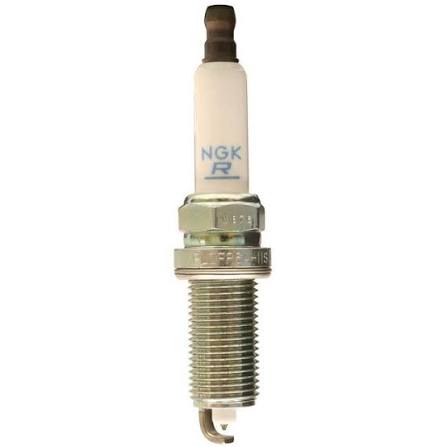
NGK 97506 SILZKBR8D8S Laser Iridium
- Factory-correct heat range 8 matched to the N20’s turbocharged combustion temperatures
- Fine-wire iridium tip ignites lean boosted mixtures without hesitation under load
- Eliminates the high-load misfire that plagues worn factory plugs on tuned N20s
- Trusted by BMW technicians and independent tuning shops as the only safe swap
- Consistent gap retention reported even after extended oil change intervals
- Highest price per plug of any option in this guide
- Ground electrode is fragile and must not be levered during gap checks
- Service interval tops out around 60,000 miles under typical boost, shorter than N52 options
- Sold in four-packs only, matching the N20’s cylinder count with no bulk discount
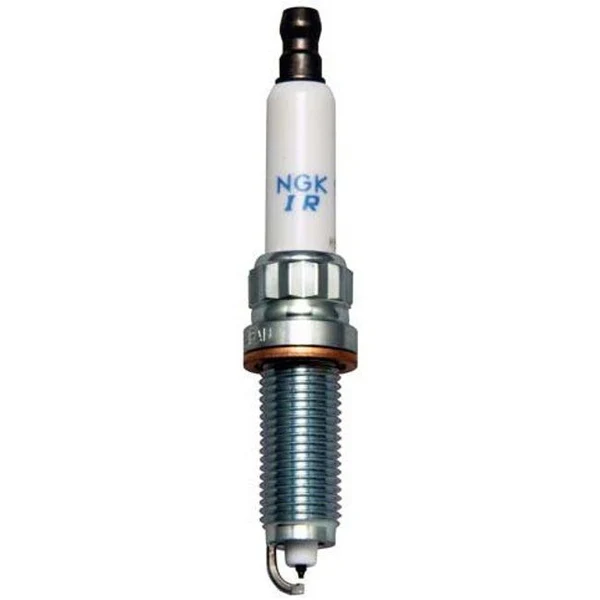
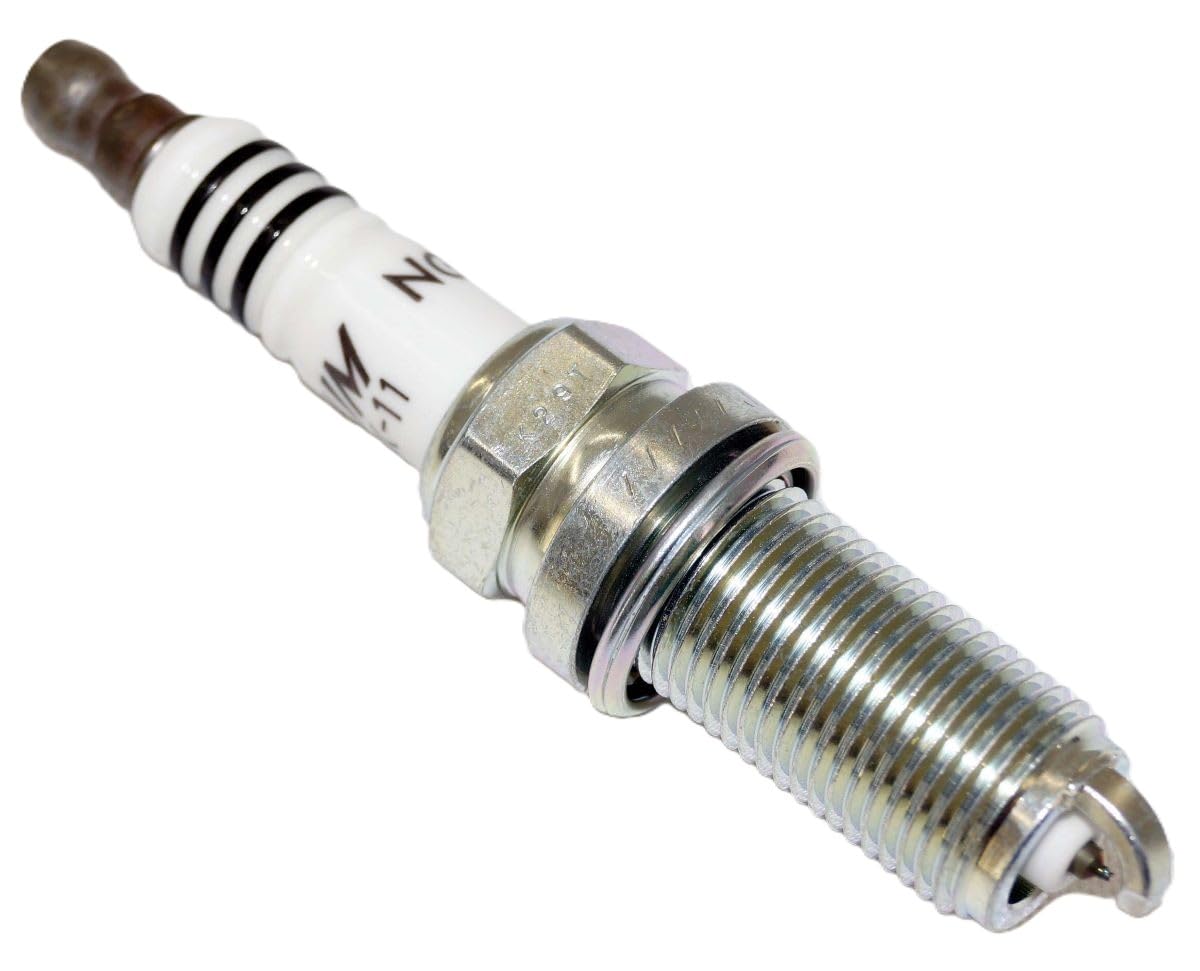
NGK 6619 LFR6AIX-11 Iridium IX
- 0.6mm fine-wire iridium tip lowers firing voltage, easing load on aging N52 coil packs
- Throttle response feels noticeably sharper between 3,000 and 5,000 RPM per owner reports
- Cold-start behavior improves noticeably in winter conditions
- Competitively priced for a genuine iridium upgrade over the OEM platinum plug
- Works cleanly with original BMW coil packs still in good condition, per owner reports
- A faint high-frequency vibration at idle reported by some owners for the first 500 miles
- The delicate fine-wire tip bends easily if a gap tool slips during inspection
- Break-in period can feel subtly uneven before settling in
- Not compatible with the turbocharged N20 — this is an N52-only spec
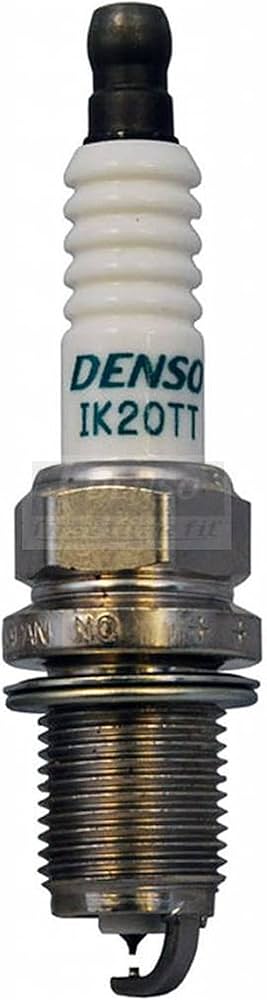
Denso 4702 IK20TT Iridium TT
- Dual-iridium tips on both center and ground electrode keep the gap remarkably stable
- Idle quality stayed rock steady past 60,000 miles with no re-gapping needed in owner reports
- No misfire adaptation issues reported even on engines past 120,000 miles
- Strong idle stability held up through hot summer stop-and-go traffic
- Fuel trims stayed within normal range according to owner-reported OBD-II scan logs
- Priced a few dollars above the NGK Iridium IX per plug
- Thread engagement feels slightly tight on first installation, per a handful of reports
- Twin-tip construction adds cost that budget-focused owners may not value
- Overkill for a 328i you plan to sell within the next year or two
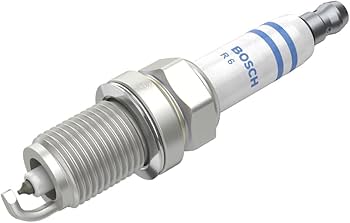
Bosch FR7NPP332 Double Platinum
- Threads glide into the cylinder head effortlessly, even on older, slightly worn N52 heads
- Factory pre-gap verified accurate across most units — no adjustment needed out of the box
- Double platinum construction wears evenly on both electrodes over time
- Widely available and competitively priced against the OEM NGK
- Nickel-plated rolled threads resist seizing even in aluminum accessory applications
- A small minority report a minor city MPG drop compared to the NGK Laser Platinum
- Insulator nose profile looks slightly different, which causes needless fitment worry for some buyers
- Not a performance upgrade — matches factory feel rather than exceeding it
- Lower spark quality score than the two NGK iridium options in this lineup
Autolite XP5245 Iridium
- Lowest cost of any iridium plug for the N52 in this guide
- Full copper core ensures rapid heat transfer despite the budget price point
- Standard 5/8-inch hex matches the spark plug sockets most DIYers already own
- Often clears up a prior intermittent misfire once installed, per owner reports
- Makes a full six-cylinder tune-up affordable for owners on a tight budget
- Idle smoothness can degrade sooner than premium plugs, around 40,000–50,000 miles
- Gap consistency out of the box varies more than NGK or Bosch equivalents
- Long-term reliability trails the rest of this lineup under sustained daily driving
- Lowest overall score of the six plugs reviewed here
Can’t Decide?
Our Top 2 Picks — Head to Head
Both scored 4.7 overall and both are the correct factory-spec choice for their respective engine, but they fit completely different 328i platforms built years apart. Here’s how to choose between them.
- Exact factory plug for the naturally aspirated N52
- 100,000-mile service life under normal driving
- Fits 2007–2013 E90, E92, and E93 328i models
- Lower price point than the turbo-specific NGK 97506
- Backed by extensive Bimmerpost and E90Post forum history
- Colder heat range 8 built specifically for turbo boost pressure
- Tighter 0.028-inch gap matches the N20’s forced-induction spec
- Fits 2012–2016 F30-generation turbocharged 328i models
- The only plug BMW technicians consistently recommend for this engine
- Eliminates the high-load misfire that plagues worn factory plugs under boost
How to Choose the Right Spark Plugs for Your 328i
Two completely different engines share the same badge — here’s what actually matters for each one before you check out and hit purchase.
Identify Your Engine First
The 328i came with two completely different engines wearing the same badge: the naturally aspirated 3.0L N52 inline-6 in 2007–2013 E90/E92/E93 models, and the turbocharged 2.0L N20 inline-4 in 2012–2016 F30 models. A 2012 328i could have either engine depending on body style and production date, so check your VIN or the emissions label under the hood before ordering — the plugs are not interchangeable in either direction, and guessing wrong means a return shipment and a delayed repair.
Heat Range Matching
The N52 needs a heat range 6 plug matched to its naturally aspirated combustion profile, while the N20 requires a colder heat range 8 due to the extra thermal load from turbo boost pressure building in the combustion chamber. Installing a hotter plug in a turbocharged engine risks pre-ignition and real piston damage, not just a misfire code — this is one spec you should never guess on or substitute, regardless of what a parts-store cross-reference tool suggests.
Gap Verification & Torque Specs
Both engines are sensitive to gap errors: N52 plugs should measure 0.040 inches, while N20 plugs require a much tighter 0.028 inches to handle boosted cylinder pressures correctly and avoid a lean-mixture misfire. A gap off by even 0.005 inches can trigger misfire codes on a modern BMW’s sensitive engine electronics, which then require a full OBD-II scan to properly diagnose. Torque to 23 Nm on either engine, and use a wire-style gap gauge rather than a coin-ramp tool for accuracy.
Electrode Material & Build Quality
Platinum plugs like the factory NGK 5987 match OE calibration precisely but offer no performance edge over stock, since they’re designed to replicate the original ignition characteristics exactly rather than improve on them. Iridium options such as the NGK 6619 or Denso twin-tip lower voltage demand on aging coil packs and hold their gap longer through repeated heat cycles. Budget iridium from Autolite trades some long-term durability for a significantly lower price, which suits owners planning a shorter ownership window rather than a decade-long commitment.
Coil Pack Condition
Worn ignition coils often fail shortly after fresh plugs go in, since new plugs demand more voltage than aging coil insulation can reliably deliver over time, and that added strain finds the weakest link fast. Inspect each coil for cracks or carbon tracking while the plugs are out and accessible, and replace any suspect coil as a full set rather than one at a time to avoid a repeat teardown weeks later when the next coil fails.
Skip the Anti-Seize
NGK, Bosch, and Denso plugs for BMW already carry a nickel or trivalent coating that prevents galling and sets the correct torque friction right out of the box, so the manufacturer has already solved this problem for you. Adding anti-seize on top acts as an extra lubricant, which leads to over-torquing and stripped threads in the N52’s magnesium head — a repair that costs far more in labor and parts than the plugs themselves ever would. Don’t add it unless the manufacturer specifically says to.
Pro Tips
Quick Buying Checklist
Confirm your engine code via VIN — N52 and N20 plugs look similar in listings but are never interchangeable.
Always check the gap with a wire gauge, even on plugs marked pre-gapped — shipping can shift them out of spec.
Never apply anti-seize to plated threads — it causes over-torquing and stripped threads in the magnesium head.
Scan for misfire codes first — new plugs won’t fix a failing coil, injector, or vacuum leak.
Use a torque wrench to 23 Nm — a long ratchet by feel alone will strip the magnesium N52 head.
Frequently Asked Questions
What spark plugs does a 2011 BMW 328i take?
A 2011 328i uses the naturally aspirated N52 engine, and the factory plug is the NGK PLZFR6A-11S (part number 5987). The Bosch FR7NPP332 and NGK Iridium IX LFR6AIX-11 also fit correctly and are common upgrades reported across BMW owner forums, each with slightly different tradeoffs in price and feel.
How often should I change spark plugs on a BMW 328i?
BMW recommends replacement every 60,000 miles for the N20 turbo engine and every 100,000 miles for the naturally aspirated N52. Many independent mechanics advise sticking to a 60,000-mile interval on both engines to keep ignition components healthy under real-world stop-and-go driving conditions.
Can I use N52 spark plugs in an N20 engine?
No. The N52 plug carries a heat range of 6 and a 0.040-inch gap, while the N20 requires a colder heat range 8 plug with a much tighter 0.028-inch gap. Using the wrong plug in either direction risks misfires and, under boost, real engine damage that’s expensive to repair.
Are iridium spark plugs worth the extra cost for a 328i?
Yes, especially on the N52. Iridium plugs like the NGK 6619 require less voltage to fire, which reduces stress on aging coil packs already working harder as they age and lose insulation quality. They also maintain a stable gap longer than platinum equivalents, which justifies the modest price premium.
Is it hard to change spark plugs on a BMW 328i?
On the N52, the job is straightforward — remove the engine cover and coil packs, then swap plugs, and most DIYers finish in under an hour with basic tools. The N20 is slightly more involved due to intercooler pipe routing in the way, but it remains a manageable home repair for a patient first-timer.
Will new spark plugs fix a rough idle on my 328i?
If the roughness comes from worn plugs, fresh ones restore a smooth idle quickly and reliably, often within the first few miles of driving. However, a vacuum leak, dirty VANOS solenoids, or failing coil packs can also cause a rough idle, and spark plugs only address the ignition side of that particular problem.
Do I need to replace ignition coils with spark plugs?
Not automatically. Inspect each coil for cracks, burn marks, or carbon tracking while the plugs are out of the head and easy to reach. If the coils are original and the car has passed 100,000 miles, replacing them as a full set alongside the plugs is a wise preventive move that avoids a second teardown later.
What’s the difference between the N52 and N20 engines?
The N52 is BMW’s 2007–2013 naturally aspirated 3.0L inline-6 and calls for a heat range 6 spark plug gapped to 0.040 inches. The N20 replaced it starting in 2012 as a turbocharged 2.0L inline-4 and requires a colder heat range 8 plug gapped to just 0.028 inches — the two engines and their plugs are not interchangeable in either direction.
Final Verdict
Our Top Recommendations for 2026
Across six plugs tested against two completely different engines sharing the same badge across nearly two decades of 328i production and two very different approaches to making power, the right choice comes down almost entirely to whether your 328i is naturally aspirated or turbocharged. N52 owners get a genuine factory-exact pick plus premium, durability, budget, and easy-install alternatives to fit any priority, while N20 owners get exactly one plug worth trusting under boost.