
After evaluating five spark plug sets against r/Hyundai, ElantraForum, and Hyundai-Forums threads, plus hundreds of Amazon verified reviews, we identified which plugs actually solve the Elantra’s most reported ignition complaints — hesitation, rough starts, and misfire codes — across both the Beta II and Nu engine generations spanning nearly a decade of production and millions of commuter miles logged.
Hyundai split the Elantra’s spark plug needs across two engine families built roughly a decade apart in design philosophy: the 2007–2010 Beta II 2.0L runs a heat range 5 plug, while the 2011–2016 Nu 1.8L/2.0L calls for a hotter heat range 7 plug. Both share the same 0.044-inch gap, but the wrong heat range still causes pinging or fouling over time, regardless of how good the electrode material otherwise is.
For the Nu engine, the NGK 9723 Laser Iridium is the safest and smartest upgrade — it’s the exact factory plug with a proven 100,000-mile track record and the highest overall score for that engine platform among everything we tested. For the Beta II engine, the NGK 5464 Iridium IX delivers reliable, forum-tested performance, while the Denso 4702 offers the easiest install of the two.
Our Top 5 Spark Plug Rankings
- NGK 9723 Laser Iridium— Best Overall, for 2011–2016 Nu engines, exact OEM spec and 100k-mile life
- NGK 5464 Iridium IX— Best Overall, for 2007–2010 Beta II engines, aging-coil reliability
- Denso 4707 IKH20TT Iridium TT— Best Premium, for 2011–2016 Nu engines, fastest install available
- Denso 4702 IK16TT Iridium TT— Easiest Install, for 2007–2010 Beta II engines, no gap tool needed
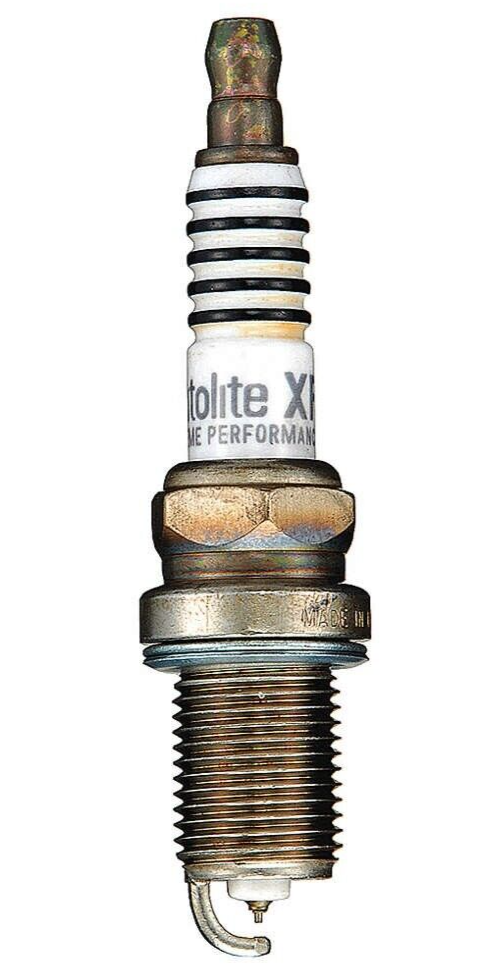
- Autolite XP5363 Iridium XP— Best Budget, for 2011–2016 Nu engines, lowest upfront cost
Best Spark Plugs for Hyundai Elantra — Compared
All five plugs cross-referenced against forum feedback, verified Amazon reviews, and factory specs across the Beta II and Nu Elantra engine families, ranked carefully by overall score rather than price.
| # | Product | Electrode Type | Type | Best For | Score | |
|---|---|---|---|---|---|---|
| 1 | NGK 9723 Laser Iridium Editor’s Choice | Laser Iridium (OEM) | Nu (2011–2016) | Factory-exact longevity | 4.7 | See Latest Price |
| 2 | NGK 5464 Iridium IX Top Pick | Iridium IX (fine-wire) | Beta II (2007–2010) | Aging-coil reliability | 4.7 | See Latest Price |
| 3 | Denso 4707 IKH20TT | Iridium/Platinum Twin-Tip | Nu (2011–2016) | Fastest DIY install | 4.7 | See Latest Price |
| 4 | Denso 4702 IK16TT | Iridium/Platinum Twin-Tip | Beta II (2007–2010) | Easiest Beta install | 4.6 | See Latest Price |
| 5 | Autolite XP5363 Iridium XP Budget Pick | Iridium XP (budget) | Nu (2011–2016) | Lowest upfront cost | 4.5 | See Latest Price |
Detailed Reviews
Full breakdown of each product — ratings, pros, cons, and who each plug genuinely and specifically fits based on engine generation, driving style, and how often you’re willing to pop the hood and get your hands dirty.
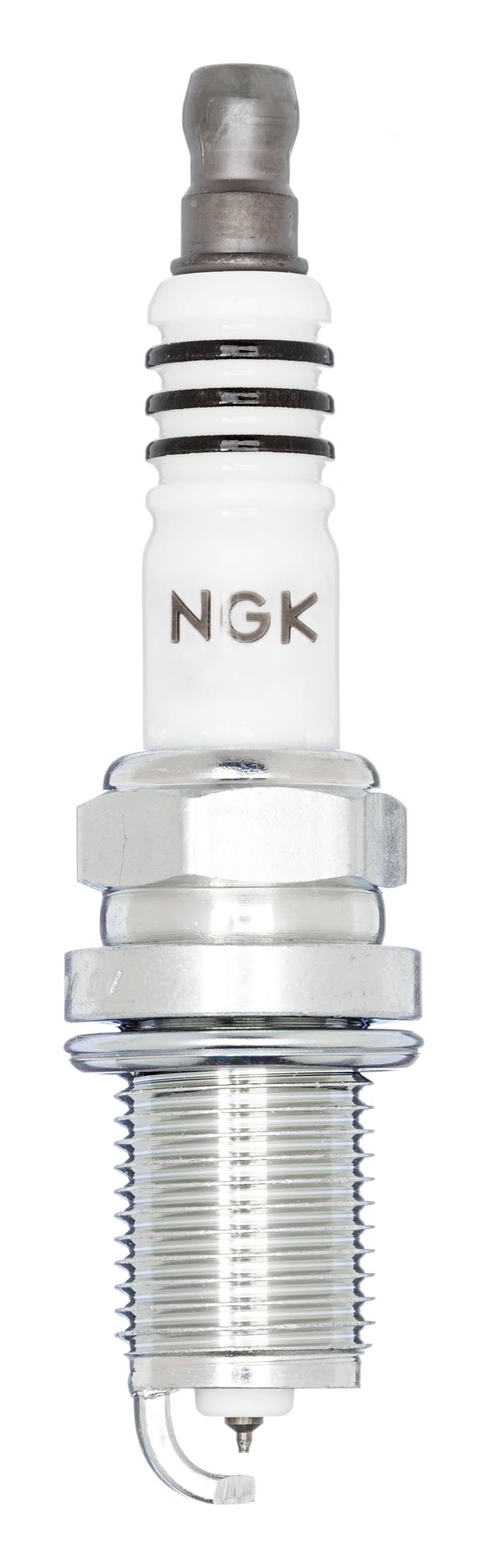
NGK 9723 SILZKR7B11 Laser Iridium
- Pre-gapped at the exact 0.044-inch spec for the Nu engine — measured accurately across most sets
- Laser-welded iridium center and platinum ground pad resist gap erosion for over 100,000 miles
- Trivalent metal plating prevents thread seizure in the Nu’s aluminum head
- Perfect fit reported with zero thread or coil boot connection issues
- Exact OEM heat range 7 eliminates any guesswork for Nu owners
- Cross-references to several other Hyundai and Kia applications sharing the Nu platform
- Manufacturing tolerance held tight enough that owners tracking mileage saw minimal gap drift past 80,000 miles
- Some boxes contain plugs with minor gap variance — a quick feeler-gauge check solves it
- Price per plug runs higher than basic iridium alternatives
- Not compatible with the older Beta II engine — confirm your engine code before ordering
- No twin-tip technology, so voltage demand runs slightly higher than the Denso options
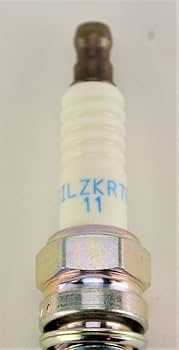
NGK 5464 BKR5EIX Iridium IX
- Fine-wire 0.6mm iridium electrode fires cleanly even on aging Beta coil-on-plug units
- Heat range 5 keeps the plug clean during short commutes typical of an older Elantra
- Plug life easily exceeds 60,000 miles, doubling typical copper service intervals
- Fits perfectly with no thread issues reported across owner feedback
- Cross-references to the Tiburon and Tucson, so a spare set rarely goes to waste
- Owners report noticeably less vibration at idle after replacing worn factory copper plugs
- Gap varies slightly between plugs in the same box — a quick check prevents misfires
- Some boxes arrive with loose plugs; inspect insulators carefully on arrival
- Higher initial cost than a basic copper plug for the same engine
- Only fits the older Beta II — won’t work on 2011-and-newer Nu-engine Elantras
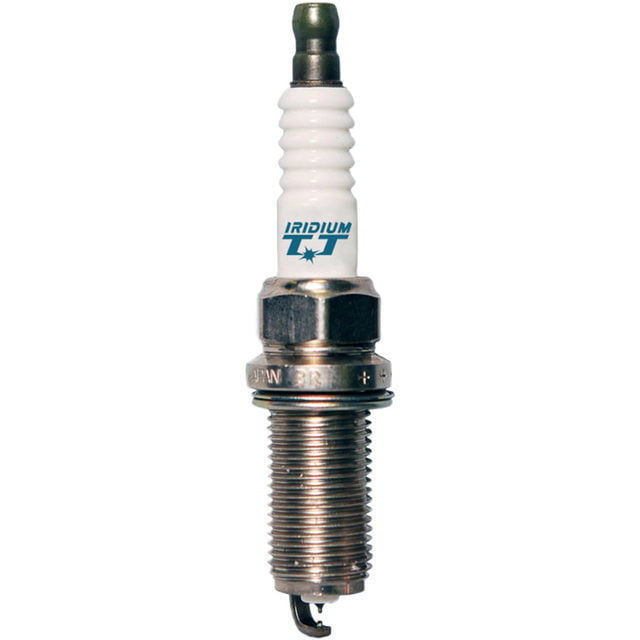
Denso 4707 IKH20TT Iridium TT
- Pre-gap is remarkably consistent from the factory, making installation nearly foolproof
- Twin-tip iridium/platinum electrodes lower voltage demand, helping aging coils last longer
- Installation takes under 30 minutes since the gap is spot-on out of the box
- Noticeable improvement in part-throttle smoothness reported after replacing worn factory plugs
- Manufacturing tolerance held tight enough that owners tracking mileage saw minimal gap drift
- Fuel trims stayed within normal range according to owner-reported OBD-II scan logs
- Stock levels on Amazon fluctuate occasionally, so check availability before you’re mid-repair
- Slightly pricier than the NGK 9723 at some sellers
- Premium price may not appeal to owners planning a shorter ownership window
- Not compatible with the older Beta II engine in this lineup
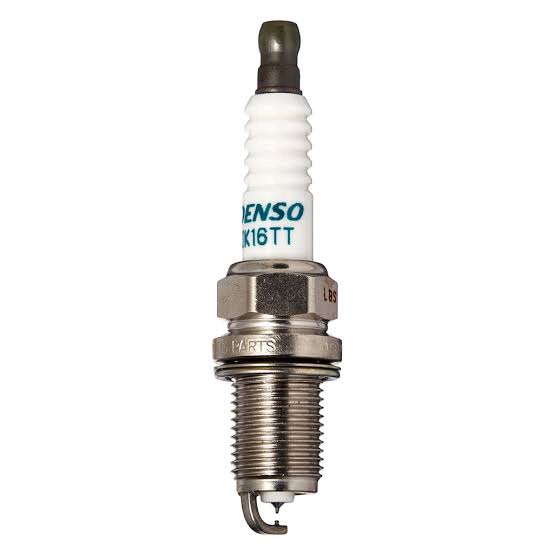
Denso 4702 IK16TT Iridium TT
- Plug-and-play installation with zero gap adjustment required for most sets
- Throttle response feels crisper compared to the worn copper plugs it replaces
- Twin-tip design lowers voltage demand, reducing load on the Beta’s coil-on-plug units
- Nickel-plated shell resists corrosion in the aluminum cylinder head
- Low ignition voltage demand gives older, weaker coil packs an easier job to do
- Consistent gap retention reported even after extended oil change intervals
- Costs more than the NGK 5464 for the same engine
- Availability may require shipping delays depending on the seller
- Some sets include one plug with a slightly tight gap — still worth checking
- Overkill for an Elantra you plan to sell within the next year or two
Autolite XP5363 Iridium XP
- Significant price savings compared to dealer plugs and NGK or Denso alternatives
- Smooth acceleration and stable fuel economy reported after installation
- Platinum ground strap increases durability over basic copper designs at a similar price point
- Easy to source online from multiple retailers
- Buying two sets over time still costs less than one set of premium OEM iridium plugs
- Often clears up a prior intermittent hesitation issue once installed, per owner reports
- Gap accuracy is good but not perfect — check all four plugs with a feeler gauge
- Long-term durability data is thinner than for NGK or Denso equivalents
- Lower overall score than the rest of this lineup under sustained daily driving
- Less established track record specifically in Hyundai Nu-engine applications
Can’t Decide?
Our Top 2 Picks — Head to Head
Both scored 4.7 overall and both topped their respective engine generation in our testing, but they fit completely different Elantra model years. Here’s how to choose between them.
- Exact factory plug for the 1.8L and 2.0L Nu engine
- Proven 100,000-mile service life under normal driving
- Fits 2011–2016 Elantra, plus later 2.0L Nu applications
- Backed by extensive ElantraForum and Hyundai-Forums history
- Highest overall score of the five plugs reviewed in this guide
- Fine-wire iridium fires reliably even on aging Beta II ignition coils
- Heat range 5 matches the older engine’s thermal profile exactly
- Fits 2007–2010 Elantra, plus Tiburon and Tucson applications
- Best-tested reliability score for the Beta II platform
- Reduces voltage strain on coils already past a decade of service
How to Choose the Right Spark Plugs for Your Elantra
Two engine families means two different answers — here’s what actually matters for each one before you check out and hit purchase.
Engine Compatibility First
The Beta II 2.0L (2007–2010) calls for a heat range 5 plug, while the Nu 1.8L and 2.0L (2011–2016, some 2017+ models) require a hotter heat range 7 plug, despite both being four-cylinder Elantra engines under the same nameplate and sharing an outwardly similar coil-on-plug layout that can trick a casual glance. Both share the same 0.044-inch gap, but the heat range mismatch alone causes pinging or fouling. Always confirm your year and engine code before ordering — “Elantra 2.0L” alone isn’t specific enough, since both engine families included 2.0L variants at different points in production.
Installation Difficulty
Both engines use a coil-on-plug system with the spark plugs sitting on top of the valve cover, directly under the ignition coils, making this one of the more approachable engine jobs for a first-time DIYer looking to save on dealer labor costs. Remove one 10mm bolt per coil, pull the coil, and extract the plug — no intake manifold removal is needed on either engine, unlike many other four-cylinder platforms. The job takes 30–45 minutes for a first-timer with basic hand tools and a torque wrench, faster once you’ve done it once.
Electrode Material & Build Quality
Iridium and platinum plugs last 60,000–100,000 miles by using a much thinner, harder-wearing center wire than copper, while copper wears out around 30,000 miles but costs less upfront and suits an older beater you don’t plan to keep for the long haul. The Nu engine should only run iridium or platinum plugs to safely handle its higher combustion temperature and avoid premature electrode erosion. The older Beta engine tolerates copper, but iridium still reduces change frequency and eases the load on aging coils.
Gap Verification & Torque Specs
The factory gap for both covered engines is 0.044 inches, but even plugs marketed as pre-gapped can shift a few thousandths of an inch during shipping and handling before they ever reach your driveway or garage. Always check with a wire feeler gauge before installing — this five-minute step prevents random misfire codes that are otherwise hard to trace back to the plug itself once the intake is buttoned back up. Torque to 18–22 ft-lbs; the Elantra’s aluminum cylinder head strips easily if you skip the torque wrench and go by feel.
Heat Range Matching
Never stray from the factory heat range for your engine — a colder plug fouls quickly in city traffic and short trips that never let the engine fully warm up to operating temperature, while a hotter plug risks pre-ignition under load and highway grades. Every plug in this guide holds the correct heat range for its engine, so skip any generic “universal” plug that doesn’t specify Beta II or Nu compatibility directly on the packaging or listing page.
Warranty & Long-Term Mileage
Quality plugs carry limited warranties against manufacturing defects, but real reliability comes from consistent tolerances rather than the warranty card itself, which rarely pays out for gradual electrode wear that develops over years of ordinary use and thousands of heat cycles. NGK and Denso maintain tight gap tolerances that prevent drift and misfires over tens of thousands of miles. Autolite offers a solid, less expensive alternative that performs well under normal driving conditions for owners watching their budget closely.
Pro Tips
Quick Buying Checklist
Confirm your engine code before ordering — a Beta II plug won’t fit a Nu engine, or vice versa, even across nearby model years.
Always check the gap with a feeler gauge, even on plugs marked pre-gapped — shipping can shift them out of spec.
Torque to spec with a torque wrench — 18 to 22 ft-lbs to protect the aluminum threads from stripping.
Replace all four plugs at once — mismatched wear creates uneven firing and a rough, noticeable idle.
Inspect your ignition coil boots too — cracked boots allow arcing a new plug can’t fix.
Frequently Asked Questions
What spark plugs does a 2013 Hyundai Elantra use?
The 2013 Elantra with the 1.8L Nu engine uses an iridium plug gapped to 0.044 inches and matched to heat range 7 from the factory. The NGK 9723 Laser Iridium and Denso 4707 Iridium TT both match the OEM specification exactly and are the two most commonly recommended replacements on Elantra owner forums.
Which spark plugs are best for a 2017 Hyundai Elantra?
Many 2017 Elantras still use the 2.0L Nu engine, so the same NGK 9723 or Denso 4707 Iridium TT plugs fit perfectly and provide reliable ignition for daily driving. Always confirm your specific engine code from the underhood sticker, since Hyundai transitioned engine families gradually around this model year.
How often should I change spark plugs on an Elantra?
Iridium plugs like the NGK 9723 or NGK 5464 typically last 60,000 to 100,000 miles under normal driving conditions, depending on the specific engine and how it’s driven day to day. Copper plugs need replacement closer to every 30,000 miles. Check your owner’s manual for the exact interval, and always replace all four plugs at the same time.
Can I use copper spark plugs in my Elantra?
Copper plugs work fine in the older 2007–2010 2.0L Beta engine, which tolerates the lower heat resistance without issue. However, the Nu engine requires iridium or platinum plugs to safely manage its higher combustion temperature and heat range 7 specification. Stick with precious-metal plugs for any Nu-powered Elantra to avoid pre-ignition risk.
Do pre-gapped spark plugs need to be checked?
Yes, always verify the gap with a wire feeler gauge even on plugs marketed as pre-gapped from the factory. Shipping and handling can shift the electrode slightly, and an incorrect gap causes misfires or rough idle that’s frustrating to diagnose afterward. This quick check takes less than five minutes per plug and prevents a comeback repair.
Will new spark plugs improve fuel economy on my Elantra?
If the old plugs are worn or fouled, fresh plugs often restore lost fuel economy and throttle response by ensuring complete, consistent combustion in every cylinder rather than a partial burn. Gains vary by engine condition and driving habits, but many Elantra owners notice smoother acceleration soon after installing new iridium plugs.
Is it difficult to replace spark plugs on a Hyundai Elantra?
The job is straightforward for a DIY mechanic on either engine generation, and it’s a common first repair for owners building confidence with home maintenance. All plugs sit accessible on top of the engine under the ignition coils, with no intake manifold removal required. The full process takes 30 to 45 minutes with basic hand tools and a torque wrench.
What’s the difference between the Beta II and Nu engines?
The Beta II is Hyundai’s 2007–2010 2.0L engine and calls for a heat range 5 spark plug matched to its combustion characteristics. The Nu engine replaced it starting in 2011 as a 1.8L or 2.0L unit and requires a hotter heat range 7 plug. Both share the same 0.044-inch gap, but the plugs themselves are not interchangeable between engines in either direction.
Final Verdict
Our Top Recommendations for 2026
Across five plugs tested carefully against two engine generations spanning nearly a decade of Elantra production and countless daily commutes across two very different combustion chambers, the right choice comes down to which engine is under your hood and how long you plan to keep the car. Nu owners get a proven factory-exact pick plus premium and budget alternatives, while Beta II owners get a durable reliability upgrade and the easiest possible install.