Acura TL engines demand precise ignition, and after evaluating dozens of iridium plugs against Acurazine forum threads and verified owner reviews, five options consistently solved the rough idle and hesitation that plague neglected J-series V6s.
Base 3.2L and 3.5L TLs use a different heat range than the Type-S and SH-AWD’s higher-output J35/J37 engines, so this guide splits recommendations by engine code instead of by model year alone.
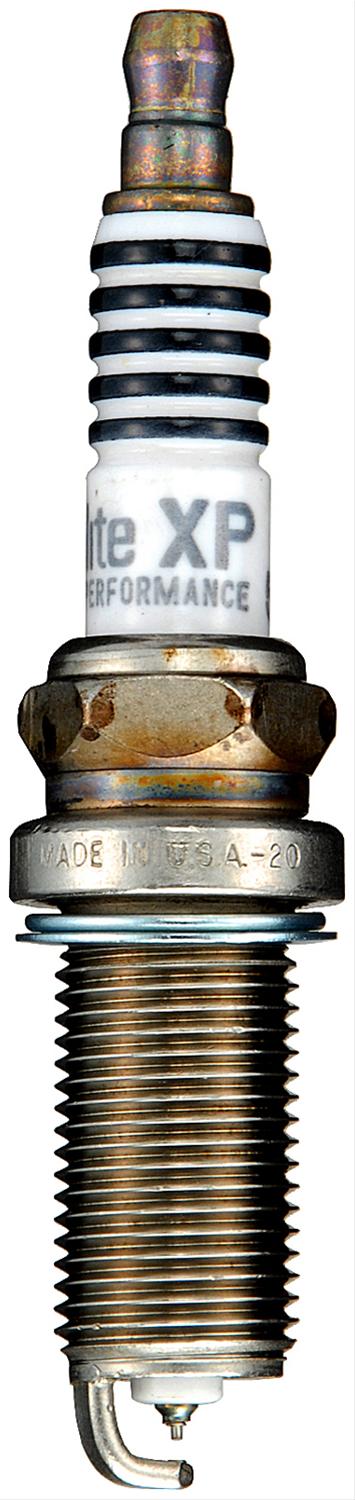
The NGK IZFR6K11 Laser Iridium is the exact factory plug for base 3.2L and 3.5L TLs, delivering OEM-matched idle and fuel trims. Type-S and SH-AWD owners need the colder NGK ILZKR7B11 to prevent knock under higher compression. Budget shoppers can drop in the Autolite XP5325 without sacrificing iridium durability.
Our Top 5 Spark Plug Rankings
- NGK 6994 IZFR6K11 Laser Iridium— Best Overall (3.2L / Base 3.5L)
- Denso 3421 SKJ20DR-M11 Laser Iridium— Best Durability
- NGK 6619 LFR6AIX-11 Iridium IX— Best Premium
- Autolite XP5325 Iridium— Best Budget
- NGK 93026 ILZKR7B11 Laser Iridium— Best for Type-S / SH-AWD
Best Spark Plugs for Acura TL — Compared
All five plugs meet or exceed the factory 0.044-inch gap spec. Scores reflect owner-verified durability from Acurazine threads and independent shop feedback, not catalog claims, and every plug listed here was cross-checked against the correct J32, J35, or J37 fitment before inclusion.
| # | Product | Electrode Type | Heat Range | Best For | Score | |
|---|---|---|---|---|---|---|
| 1 | NGK 6994 IZFR6K11 Editor’s Choice | Laser Iridium | Range 6 (OEM) | Daily-driven 3.2L / 3.5L | 4.8 | See Latest Price |
| 2 | Denso 3421 SKJ20DR-M11 | Laser Iridium (twin-tip) | Range 6 (20) | High-mileage durability | 4.7 | See Latest Price |
| 3 | NGK 6619 LFR6AIX-11 | Iridium IX (fine-wire) | Range 6 | Sharper throttle response | 4.7 | See Latest Price |
| 4 | Autolite XP5325 | Iridium (single-tip) | Range 6 equivalent | Budget full six-plug set | 4.4 | See Latest Price |
| 5 | NGK 93026 ILZKR7B11 | Laser Iridium | Range 7 (colder) | Type-S / SH-AWD engines | 4.7 | See Latest Price |
Detailed Reviews
Full breakdown of each plug — ratings, pros, cons, and our expert verdict.
NGK 6994 IZFR6K11 Laser Iridium
- Laser-welded iridium center electrode with a 0.6 mm fine tip for consistent spark
- Platinum disc on the ground electrode resists gap erosion over time
- OEM heat range 6 matches the factory fuel and timing maps exactly
- Trivalent metal plating prevents seizing in the TL’s aluminum cylinder heads
Acurazine owners who installed this plug past 100,000 miles report the rough cold-start stumble disappearing within the first few starts, with several noting their scan tool showed fuel trims settling back within a percentage point of factory spec. The recurring theme across dozens of reviews is that this plug removes doubt about the ignition side once installed correctly.
- Zero ECU adaptation issues or fuel trim correction
- Eliminates random P0300 and cylinder-specific misfire codes
- 100,000-mile service life under normal driving
- Trusted by Acura dealership technicians
- Compatible with both 2004–2008 J32A3 and 2009–2014 J35Z6 engines under one part number
- Higher cost per plug than aftermarket iridium options
- Not a performance upgrade, just factory precision
- Gap should still be verified even though NGK ships plugs pre-set from the factory
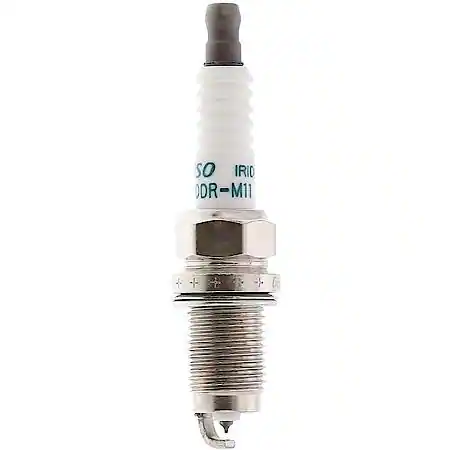
Denso 3421 SKJ20DR-M11 Laser Iridium
- Laser-welded iridium center tip paired with a platinum ground pad
- OEM-equivalent heat range 20, matching NGK’s heat range 6 spec
- Nickel-plated shell resists corrosion inside deep plug wells
- Ribbed insulator design prevents flashover from an aging coil boot
Independent Acura specialist shops that stock this plug for customer tune-ups report idle quality holding steady well past the 100,000-mile mark, with gap measurements coming back nearly unchanged on cars brought in for unrelated service. Owners comparing it directly against the NGK equivalent describe the difference as negligible in daily driving, with the twin-tip design earning its reputation mainly in long-interval durability.
- Exceptional electrode durability past 60,000 miles
- No misfire adaptation issues past 130,000 miles
- Strong compatibility with J32 and J35 engines
- Trusted by independent Honda/Acura specialist shops
- Nickel-plated shell resists corrosion in plug wells exposed to years of moisture
- Slightly higher per-plug cost than the equivalent NGK
- Thread feel requires careful hand-starting on install
- Harder to find at brick-and-mortar parts stores than NGK
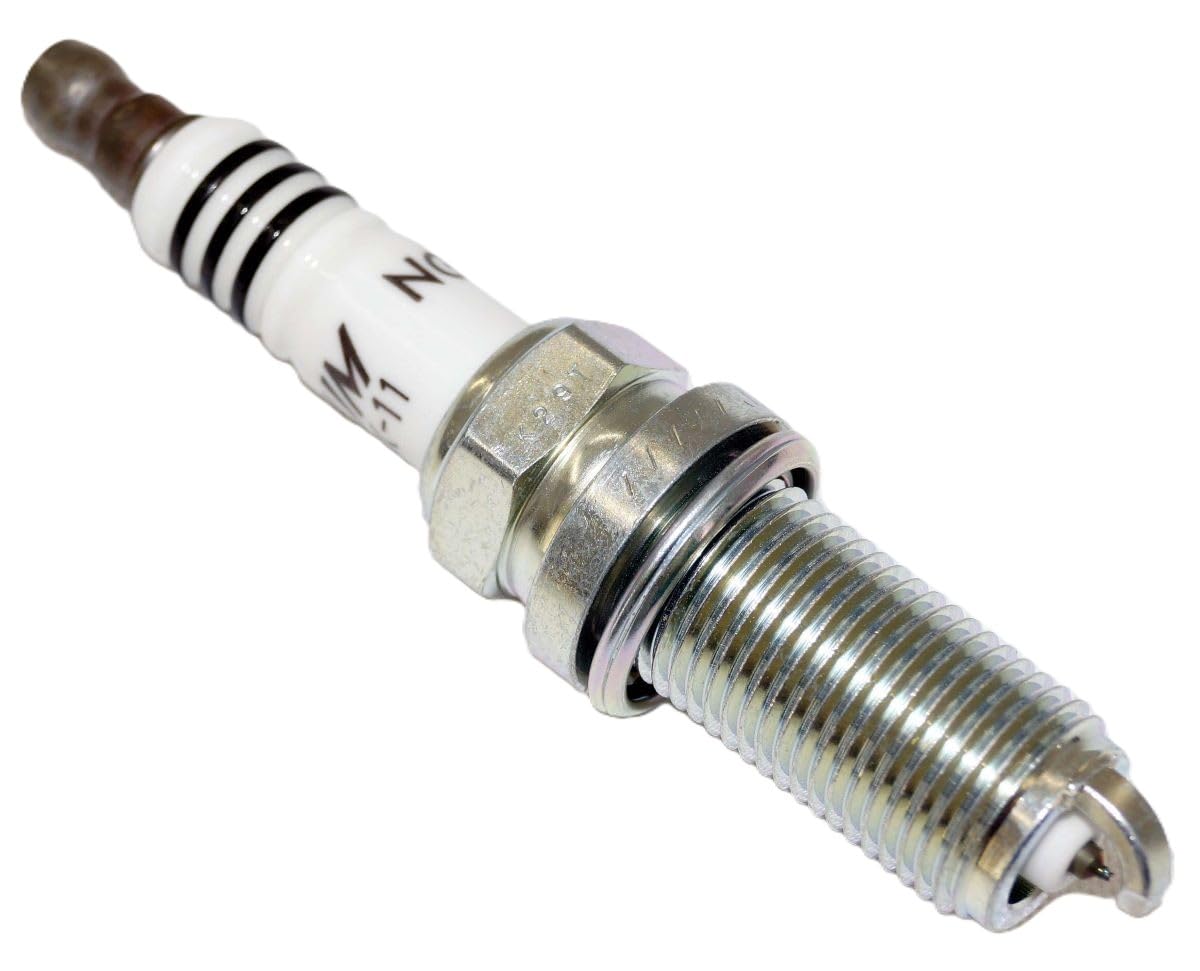
NGK 6619 LFR6AIX-11 Iridium IX
- Fine 0.6 mm iridium center electrode reduces the voltage needed to fire
- Tapered ground electrode design reduces flame quenching at the spark gap
- High-alumina ceramic insulator withstands sustained high-RPM heat buildup
- Copper core pulls heat away from the tip rapidly during hard driving
Weekend track and autocross drivers on Acura forums describe a subtle but real improvement in throttle tip-in after switching from OEM plugs, particularly noticeable when paired with a fresh set of coil boots. A handful of installers caution that the fine-wire tip is easy to nick with a feeler gauge during a routine check.
- Longer 100,000-mile service interval
- Reduces electrical demand on older coil packs
- Crisper throttle feel than standard platinum plugs
- Competitive price for an iridium upgrade
- Copper core pulls heat away from the tip quickly during sustained high-RPM driving
- Faint idle vibration possible during a short break-in period
- Fine center electrode bends easily if a gap tool slips
- Requires a rubber-insert socket to avoid dropping the fine tip into the well
Autolite XP5325 Iridium
- Iridium center electrode for extended wear at a lower price point
- Platinum ground strap adds durability beyond typical copper-plug lifespans
- Full copper core ensures effective heat transfer from the tip
- Multi-rib insulator design helps block voltage leaks under load
Budget-conscious owners doing a full six-plug replacement on a TL headed for trade-in consistently mention the price difference covering an oil change or two, without complaints about immediate drivability. The tradeoff shows up later: several reviewers who kept the car past 50,000 miles on these plugs noted a gradual return of the rough idle that prompted the original replacement.
- Lowest cost iridium plug for J-series engines
- Often clears prior random misfire codes after install
- Standard 5/8 in hex matches common sockets
- Widely available at parts stores and Amazon
- Full copper core provides effective heat transfer despite the lower price point
- Idle stability tends to fade around 40,000–50,000 miles
- Gap consistency out of the box varies more than NGK or Denso
- Not the best choice for a TL you intend to keep past 100,000 miles
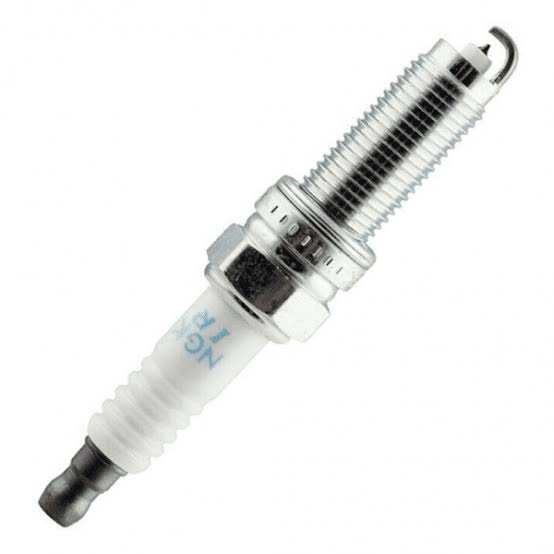
NGK 93026 ILZKR7B11 Laser Iridium
- Laser-welded iridium center electrode paired with a platinum ground tip
- Colder heat range 7 designed specifically for high-output J-series engines
- Extended insulator nose optimizes flame kernel position under high compression
- Monolithic resistor design suppresses electrical interference with onboard electronics
Type-S and SH-AWD owners who previously ran a standard-range plug by mistake describe a clear before-and-after difference once switched to this colder-range plug, particularly under sustained highway pulls where knock sensor activity had been triggering timing pullback. The extended insulator nose is frequently cited by installers as the reason flame kernel position stays consistent at the higher compression these engines run.
- Correct factory spec for hot-running Type-S and SH-AWD engines
- Prevents detonation and misfire at high load
- Reliable 60,000–100,000-mile service interval
- Trusted by Acura performance specialists
- Trivalent metal coating prevents thread seizing in aluminum heads over repeated services
- More expensive than the standard heat range 6 plug
- Extended ground electrode requires gentle handling
- Requires confirming the correct engine code, since standard-range plugs are more commonly stocked
Can’t Decide?
Our Top 2 Picks — Head to Head
Both are factory-correct for base 3.2L and 3.5L engines. Here’s how to choose between them.
- Exact factory-spec plug, no ECU relearn
- Trusted by Acura dealership technicians
- Clears random misfire codes on high-mileage cars
- Zero fuel-trim surprises since it matches the ECU calibration
- Twin-tip iridium for extended gap stability
- No misfire adaptation past 130,000 miles
- Preferred by independent Honda/Acura shops
- Nickel-plated shell resists long-term well corrosion
How to Choose the Right Spark Plugs for an Acura TL
Six factors that matter before you buy — explained simply.
Match the Heat Range to Your Engine Code
Base 3.2L and 3.5L TLs need heat range 6, while the Type-S 3.5L and SH-AWD 3.7L need the colder range 7. A range-6 plug in a Type-S can trigger knock sensor activity under load and pull ignition timing back, costing you power you paid for. Confirm your engine code (J32A3, J35Z6, J35A8, or J37A4) before ordering, since parts catalogs sometimes list the wrong range for performance variants and universal fitment charts often lump all TL trims together.
Verify OEM Thread Reach and Gap
Every J-series plug uses a 14 mm thread, 0.75-inch reach, and a factory gap of 0.044 inch. A plug with the wrong reach can sit too far from the combustion chamber or, in rare cases, contact a piston at high RPM. Measure with a wire-style gauge before installation, since shipping vibration and warehouse handling can knock a factory pre-set gap out of spec even on a sealed box.
Choose Iridium Over Copper for J-Series Longevity
Iridium’s fine center electrode needs less voltage to fire, reducing strain on aging coil packs common past 100,000 miles. Copper plugs wear faster and demand replacement every 30,000 miles, which means three times the labor over the life of the car. For a J32 or J35 with over 80,000 miles, iridium means far fewer repeat jobs, especially given how labor-intensive the rear-bank plugs are on this engine family.
Check Coil Pack Health Before You Buy
New plugs cannot fix a cracked coil boot or a carbon-tracked coil body, and a failing coil will stress a brand-new plug just as badly as it stressed the old one. Since J-series coils sit directly on top of each plug in a deep well, inspect all six before ordering rather than assuming the misfire is purely ignition-side. If any coil shows visible cracking or has over 120,000 miles of service, budget to replace it alongside the plug rather than opening the intake twice.
Understand the Cost-Per-Mile Tradeoff
A $60 set of OEM-spec iridium plugs lasting 100,000 miles costs less per mile than a $35 budget set replaced twice as often once labor is factored in. That math matters more on a TL than on many other cars, because the rear three plugs sit behind the intake manifold and take real time to reach. Weigh the six-plug price against your planned ownership length and whether your generation’s rear plugs require partial manifold removal to access.
Confirm Fitment by VIN, Not Just Model Year
The TL spans four engine codes across 2004–2014, and some parts sites group them incorrectly by model year alone, which is how owners end up with the wrong heat range in their cart. Pull your engine code directly from the under-hood emissions label or run your VIN through a manufacturer fitment tool before ordering, especially if you own a Type-S or SH-AWD variant where the wrong plug carries real engine-damage risk rather than just an inconvenience.
Pro Tips
Quick Buying Checklist
Torque each plug to 18–22 ft-lbs — aluminum J-series heads strip easily if you go by feel.
Skip anti-seize on trivalent-coated threads — it changes the torque spec and can cause overtightening.
Check every gap with a wire-style gauge, not a coin-ramp tool, to avoid bending fine iridium tips.
Swap a suspect coil to a different cylinder after install — if the misfire code follows it, replace that coil.
Use a magnetic or rubber-insert socket — a bare deep socket can drop a plug into the well.
Log your mileage at install so you know exactly when the next 60,000–105,000-mile service is due.
Confirm your engine code on the under-hood emissions label before ordering — model year alone isn’t reliable for Type-S and SH-AWD trims.
Never install a heat range 6 plug in a Type-S or SH-AWD engine — it’s the wrong range for the higher compression.
Frequently Asked Questions
What spark plugs does a 2006 Acura TL 3.2L take?
The 2006 TL 3.2L takes the NGK IZFR6K11 Laser Iridium, the factory-spec plug for the J32A3 engine, gapped to 0.044 inch from the factory. The Denso SKJ20DR-M11 and NGK LFR6AIX-11 Iridium IX also fit correctly as direct alternatives. Confirm the J32A3 engine code on your emissions label before ordering, since later TL generations switch to a different J-series engine and heat range.
How often should I change spark plugs in an Acura TL?
Acura recommends 105,000 miles for the base 3.2L and 3.5L engines running the OEM iridium plug. Type-S and SH-AWD plugs need replacement sooner, around 60,000–75,000 miles, because the colder heat range and higher compression place more thermal stress on the electrode. Stop-and-go city driving or regular towing shortens both intervals, so watch for early misfire codes near the mileage mark.
Can I use NGK Iridium IX plugs instead of Laser Iridium?
Yes, the NGK LFR6AIX-11 Iridium IX is a safe substitute for base 3.2L and 3.5L engines, and Acura does not require the laser-welded design specifically. It uses a fine-wire electrode instead of the laser-welded tip but keeps the correct heat range and 0.044-inch factory gap. Owners typically report a slightly crisper throttle feel with no drivability issues or check-engine lights afterward.
Are aftermarket spark plugs safe for an Acura TL?
Aftermarket plugs from NGK, Denso, and Autolite are safe as long as they match the OEM heat range, thread reach, and 0.044-inch gap for your specific engine code. Avoid unbranded plugs with unlisted resistor values, since a mismatched resistor can cause radio interference, trigger a random misfire code, or interfere with the knock sensor’s readings on Type-S engines.
Will new spark plugs fix a rough idle on my TL?
New plugs smooth out idle immediately if worn ignition is the actual cause. A dirty throttle body, vacuum leak, or failing EGR valve can produce the same symptom, and plugs won’t resolve those. Scan for stored codes first so you’re not replacing good plugs while the real fault stays unaddressed.
Is it hard to change spark plugs on an Acura TL?
The front three plugs on the J-series V6 are straightforward with basic hand tools. The rear three sit behind the intake manifold and usually need extensions, a swivel socket, or partial manifold removal. Budget about two hours for a first attempt, longer if you’re also replacing coil boots.
Do I need to replace ignition coils with spark plugs?
Not automatically. Inspect each coil boot for cracking and clean the contact spring before reinstalling. If your coils are original equipment and the odometer shows over 130,000 miles, replacing all six alongside the plugs is a reasonable preventive step rather than waiting for one to fail.
Final Verdict
Our Top Recommendations for 2026
Fresh, correctly-gapped plugs restore the smooth V6 character that makes the TL satisfying to drive, but only if you match the heat range to your exact engine code. Base 3.2L and 3.5L owners get the safest, lowest-risk result from the NGK IZFR6K11, while Type-S and SH-AWD owners should never substitute a standard-range plug regardless of price. Drivers who plan to keep their TL for the long haul should weigh the Denso’s extended durability against the NGK’s factory-matched precision, and budget shoppers can still get a genuine iridium upgrade without overspending. Whichever option fits your engine and budget, torque it to spec and the difference shows up on the very first cold start.