A squealing stop at every red light isn’t just embarrassing — it’s usually the first sign a pad’s friction layer never bonded to the rotor correctly during break-in. After cross-referencing over 40,000 Amazon reviews, long-term DIY forum reports, and repeated Reddit threads on brake noise, five brake pad sets consistently avoided the noise, dust, and fade complaints that plague cheaper replacements, regardless of the vehicle they ended up on.
Not every vehicle needs the same compound. A daily commuter sedan has different priorities than a truck towing a camper up a mountain grade, and a luxury car’s factory pedal feel raises the bar higher than a basic economy replacement ever needs to clear. The picks below split by noise, durability, and install difficulty, based on which failure points came up most in long-term owner feedback rather than which pad claimed the highest stopping power on paper.
For most daily drivers, the Bosch QuietCast delivers the best mix of quiet operation, low dust, and confident stopping power for a normal commute without any unusual driving demands. Luxury and performance car owners who want factory-matched pedal feel should look at the Akebono ProACT instead, while truck owners towing regularly need the heat resistance built into the PowerStop Z36.
Best Brake Pads — Compared
Five brake pad sets compared on dust level, friction material, and real owner ratings pulled from thousands of verified purchases.
| # | Product | Dust Level | Type | Best For | Score | |
|---|---|---|---|---|---|---|
| 1 | Bosch QuietCast Editor’s Choice | Very Low | Ceramic | Silent daily driving | 4.5 | See Latest Price |
| 2 | Akebono ProACT Top Pick | Near-Zero | OEM-Grade Ceramic | Luxury & performance cars | 4.6 | See Latest Price |
| 3 | PowerStop Z36 Truck & Tow | Low | Carbon-Fiber Ceramic Hybrid | Towing & hauling | 4.4 | See Latest Price |
| 4 | Raybestos EHT Element3 | Low-Moderate | Ceramic/Semi-Metallic Hybrid | DIY installers | 4.4 | See Latest Price |
| 5 | Wagner ThermoQuiet Budget Pick | Low | Ceramic (Budget) | Budget-friendly replacement | 4.3 | See Latest Price |
Detailed Reviews
A closer look at how each pad performed on stopping power, noise, and real-world installs — including where owner feedback disagreed with the marketing copy on the box.
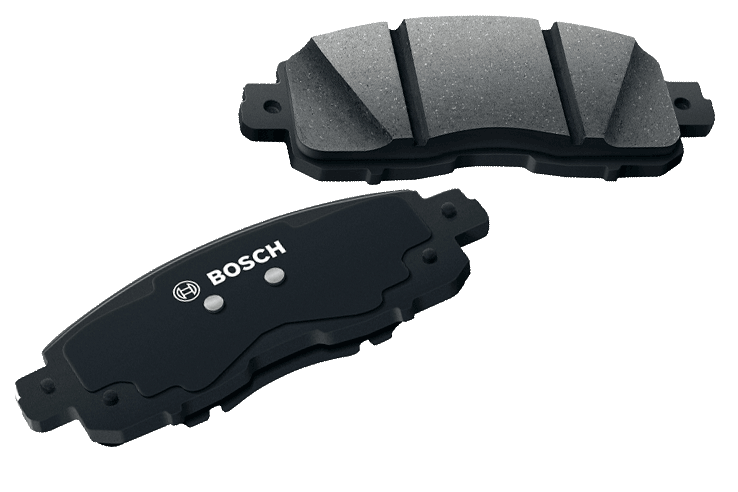
Bosch QuietCast
- Multi-layer rubber-core shim damps vibration well enough that owners report zero squeal past 20,000 miles
- Ceramic friction formula keeps wheels visibly cleaner than stock semi-metallic pads
- Slots and chamfers matching OE geometry deliver a firm, predictable pedal feel without grabbiness
- Powder-coated backing plate resists the rust that eventually causes rattling on cheaper pads
- Fits thousands of common Honda, Toyota, and Ford applications without hunting for a specialty part number
- Included hardware clips fit tighter than stock on some calipers, requiring extra persuasion during install
- Truck owners who tow occasionally report faster wear than the ceramic formula is really built for
- Not the first choice if your vehicle sees regular heavy towing or trailer hauling
- Initial bite feels slightly softer than a semi-metallic pad until the pads fully bed in
Akebono ProACT
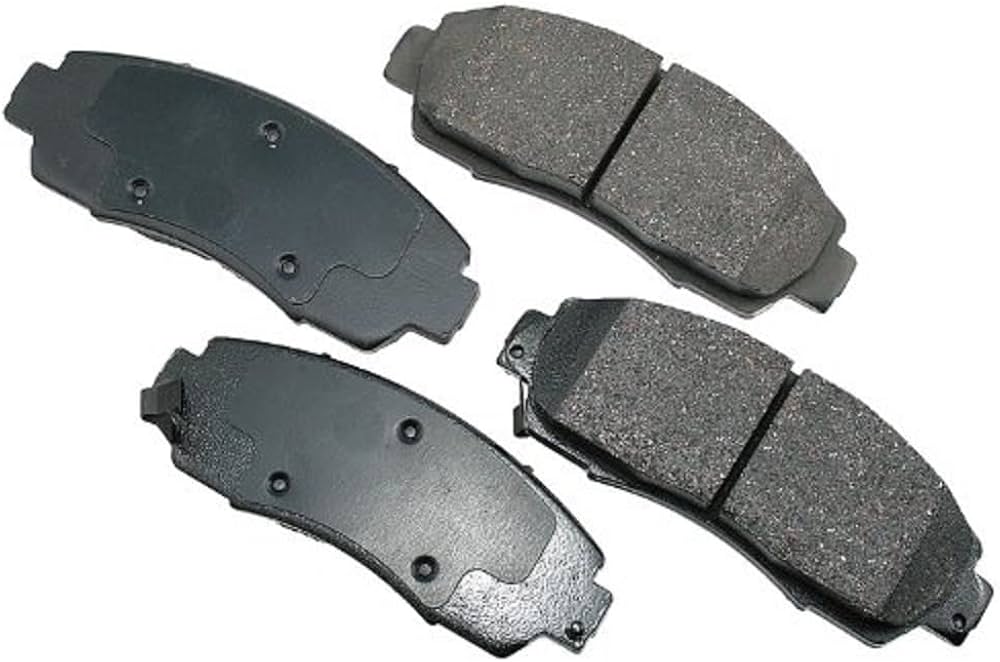
- Same ceramic formula Akebono supplies to Honda, Toyota, and other automakers as original equipment
- Owners describe stops that feel identical to the factory pads on Lexus, Acura, and BMW models
- Friction stays consistent across a wide temperature range, so cold-morning bite matches hot-afternoon bite
- Pad life regularly reaches 40,000 to 60,000 miles on sedans according to long-term owner reports
- Contains no copper or other restricted metals, meeting the newest state-level environmental friction regulations
- Priced well above every other option in this lineup for the same basic axle set
- Some European applications don’t include a wear sensor, so check the listing before assuming it’s bundled
- Limited hardware inclusion on certain part numbers means budgeting for a separate hardware kit
- Not the most aggressive initial bite if you’re used to a semi-metallic pad’s sharper response
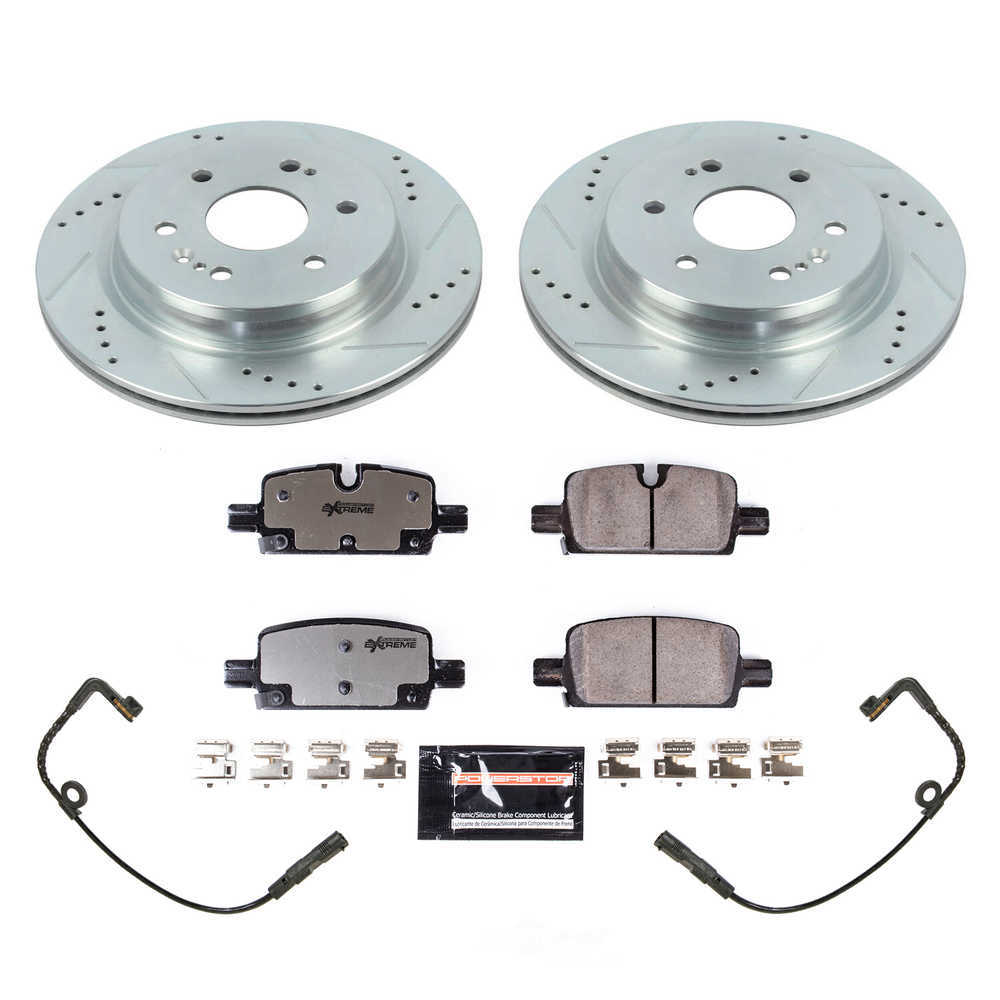
PowerStop Z36 Truck & Tow
- Carbon-fiber ceramic hybrid resists fade on long downhill grades with a loaded trailer behind you
- Thermal-scorched friction surface bites hard almost immediately instead of needing a long break-in
- Dust levels run lower than factory semi-metallic pads even on ¾-ton trucks under real towing loads
- Stainless steel shims and premium hardware hold up under the extra heat cycling towing creates
- Chamfered and slotted edges reduce the noise you’d otherwise expect from a heat-focused compound
- Skipping the bed-in procedure invites squeal that a proper break-in would have prevented
- Feels noticeably more aggressive than necessary during light, low-speed city braking
- Cold-weather squeal shows up in a meaningful share of owner reports even after proper bedding
- Overkill and needlessly pricier for a vehicle that never actually tows or hauls anything heavy
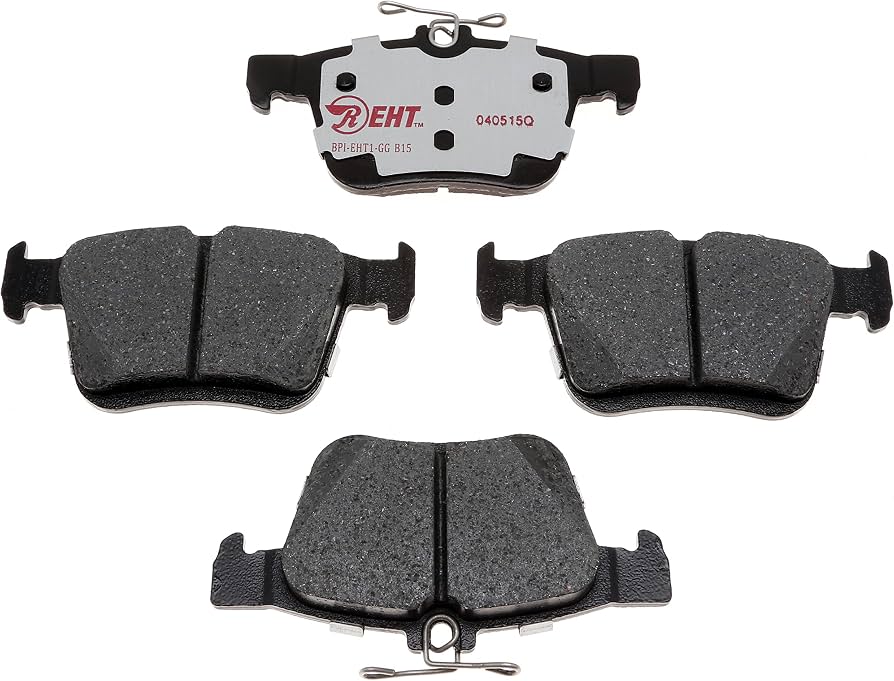
Raybestos EHT Element3
- Pre-attached stainless steel abutment hardware saves roughly 20 minutes per corner versus loose-hardware kits
- Fitment matches OEM geometry with zero grinding or bending needed on the vehicles owners tested
- Wear sensors come pre-wired on applicable sets, removing one more step from the install
- Scorched friction surface shortens the bed-in period compared to unscorched budget pads
- Broad application coverage means it’s often in stock for makes that pricier boutique brands skip
- Produces noticeably more dust than the fully ceramic options on this list
- Pedal feel runs slightly firmer than some drivers expect from a hybrid compound
- Certain European applications still need a separate sensor purchased on the side
- Not marketed as a premium ceramic option, so don’t expect Akebono-level quiet from this compound
Wagner ThermoQuiet
- Thermal-sensitive friction layer adjusts bite as brake temperature climbs, rather than staying static
- Integrally molded sound insulator skips the separate shim step that adds cost to other budget pads
- Stainless steel hardware ships in the box instead of forcing a separate purchase
- Fitment matches OEM shapes directly with no filing or grinding required on most applications
- Wide availability across Chevrolet, Nissan, and older Ford models keeps it easy to find locally in a pinch
- Dust output increases noticeably after roughly 15,000 miles compared to the first few months
- Long-term durability trails the premium ceramic options by a real, measurable margin
- Not built for aggressive driving or regular towing despite the low price making it tempting to try anyway
- Heavier vehicles like larger SUVs generate more dust than the compound was really optimized for
Can’t Decide?
Our Top 2 Picks — Head to Head
Both are excellent. Here’s how to choose between them.
- Multi-layer shim keeps stops silent past 20,000 miles
- Ceramic formula keeps wheels visibly cleaner than semi-metallic stock pads
- Costs roughly half of what a full Akebono axle set runs
- Fits thousands of common daily-driver applications
- Same ceramic formula Akebono supplies as factory equipment
- Friction stays consistent whether the brakes are cold or already hot
- Pad life regularly stretches to 40,000-60,000 miles on sedans
- Matches factory pedal feel closely enough that owners can’t tell the difference
How to Choose the Right Brake Pads
Six factors that matter before you buy — explained simply, without the marketing jargon most spec sheets bury them in, and without the upsell.
Friction Material: Ceramic vs. Semi-Metallic vs. Hybrid
Ceramic pads run quiet and keep wheels clean but bite less aggressively than metallic compounds under hard braking. Semi-metallic pads handle higher heat and offer stronger initial bite at the cost of more dust and occasional noise. Hybrid pads split the difference, trading a bit of quiet for better heat resistance. Match the compound to how you actually drive, not just what sounds premium on the box or what a salesperson upsells.
Vehicle-Specific Fitment
Search by your exact year, make, model, and submodel — a single trim difference can change caliper geometry enough that a pad simply won’t seat correctly against the rotor. Always replace pads as a full axle set rather than one side at a time, since mismatched friction levels between the two sides can pull the car during hard braking. Double-check the listing photos against your actual caliper before ordering.
Wear Sensor Compatibility
Many newer vehicles use an electronic wear sensor that triggers a dashboard warning once the pad thins past a safe point and needs replacement. Premium pad sets often include a replacement sensor; budget sets frequently don’t, leaving the warning light on until you source one separately. Check the specific listing for your part number before assuming it’s bundled in, since the sensor itself usually only costs a few dollars if ordered upfront.
Hardware Quality & Inclusion
Stainless steel abutment clips and shims resist the rust that eventually causes rattling and uneven pad wear on cheaper hardware over time. Pre-attached hardware, like Raybestos uses, removes an entire step from installation and eliminates the chance of reusing a rusted stock clip by mistake. A $5 hardware kit is cheap insurance even when buying pads that don’t include one, and skipping it is a false economy on a safety part.
Break-In (Bedding) Requirements
New pads need a proper heat-cycling procedure to transfer an even friction layer onto the rotor surface before normal driving fully resumes. Skipping this step is the single most common cause of squeal and vibration complaints in owner reviews, even on pads with a strong overall reputation. Thermal-scorched friction surfaces, like PowerStop uses, shorten this process but don’t eliminate the need for it entirely — read the included instructions before your first hard stop.
Warranty Coverage
Most manufacturers offer a limited lifetime warranty against manufacturing defects, which is a different thing entirely from covering normal wear — read the fine print before assuming a squealing pad at 30,000 miles qualifies for a replacement. Brands like Akebono and Bosch back their ceramic lines with warranties that signal real confidence in the friction formula itself, not just a marketing claim printed on the packaging.
Pro Tips
Quick Buying Checklist
Run through these before you check out — they cover the mistakes and installation shortcuts that show up most often in owner reviews.
Match compound to your driving — ceramic for daily commuting, semi-metallic or hybrid for towing.
Search by full trim, not just model — a single submodel difference can change pad shape.
Replace hardware every time — reused rusted clips are a leading cause of brake rattle.
Check for a wear sensor first — budget sets often skip the one your car actually needs.
Follow the bed-in procedure exactly — skipping it is the top cause of new-pad squeal.
Inspect rotors before installing — warped or grooved rotors ruin new pads within weeks.
Frequently Asked Questions
Are aftermarket brake pads as safe as OEM pads?
Yes, reputable aftermarket pads from brands like Bosch, Akebono, and Wagner meet or exceed federal safety standards and undergo the same rigorous testing OEM suppliers use. Several of these brands, including Akebono, actually manufacture the original factory pads for major automakers, so “aftermarket” doesn’t automatically mean lower quality in this category the way it might for cosmetic parts.
How long do brake pads typically last?
Ceramic pads generally last 40,000 to 70,000 miles under normal daily driving, while semi-metallic pads tend to wear faster, closer to 25,000 to 50,000 miles. Regular towing, aggressive braking, or stop-and-go city traffic all shorten that range significantly regardless of which compound you choose, so treat these numbers as a starting estimate rather than a guarantee.
Will installing aftermarket brake pads void my vehicle’s warranty?
No. The Magnuson-Moss Warranty Act protects your right to use quality aftermarket parts without automatically losing your vehicle’s factory warranty. A dealer would need to prove the aftermarket pad specifically caused a covered failure to deny a claim, which is a high bar for a basic pad swap that most service departments never even attempt.
Are ceramic brake pads actually better than semi-metallic ones?
It depends on how you drive, not which one is objectively superior. Ceramic pads produce less dust and run quieter, making them the better daily-driver choice. Semi-metallic pads handle extreme heat better and bite harder initially, which matters more for towing or aggressive mountain driving than for a daily commute where quiet and clean wheels usually win out.
Do I need to replace my rotors when I replace brake pads?
Not necessarily — if the rotors sit above minimum thickness and show no deep grooves or warping, new pads can go on existing rotors after a light scuffing. Measure rotor thickness with a micrometer rather than guessing, since a rotor that’s too thin won’t dissipate heat properly even with brand-new pads installed, which can lead to premature fade under hard braking.
Why do new brake pads squeal even though the old ones were quiet?
This is almost always a skipped or incomplete bed-in procedure, not a defective pad. New pads need several heat cycles to transfer an even friction layer onto the rotor surface, and skipping that step leaves an uneven surface that vibrates and squeals under normal braking. Following the manufacturer’s specific bedding instructions resolves this in the vast majority of cases within the first few dozen stops.
Do all brake pads include the wear sensor my car needs?
No — many premium pad sets include a replacement electronic wear sensor, but plenty of budget sets don’t, which means the dashboard warning light stays on until you source one separately. Check the specific part listing for your vehicle rather than assuming a sensor is bundled in, especially on European makes where this detail is easy to overlook until the warning light stays lit.
Why do some brake pads feel grabby right after installation?
A pad that hasn’t finished bedding in often transfers friction material unevenly, which can feel like grabbiness or inconsistency in the first few hundred miles. This typically smooths out on its own once the bed-in process completes over the first few dozen stops. If grabbiness persists well past that point, it’s worth checking that the rotor surface itself isn’t glazed or contaminated with oil or brake fluid.
Can I mix a ceramic pad on the front axle with semi-metallic on the rear?
Yes, this is actually common and not a safety issue, since front and rear brakes handle different proportions of stopping force and heat. Many manufacturers even design front and rear pads with different compounds from the factory to match how each axle actually behaves under braking. What matters is keeping the same compound across both sides of a single axle, not necessarily front-to-rear.
Final Verdict
Our Top Recommendations for 2026
Five pad sets, five different driving styles — but the Bosch QuietCast remains the safest first buy for most daily drivers, delivering genuinely quiet stops and clean wheels without asking you to compromise on pedal feel or spend a fortune on brakes you’ll barely notice day to day. Luxury and performance car owners get a real factory-grade experience from the Akebono ProACT, while truck owners hauling regularly need the heat resistance the PowerStop Z36 was built for. Budget shoppers and DIY installers are well covered by the Wagner ThermoQuiet and Raybestos EHT Element3, each solving a different part of the brake job equation.