After running all five trackers on a leased sedan, a work truck, and a teenager’s first car, the gap between plug-in convenience and magnetic-mount stealth became obvious within the first week of comparing how often each app actually refreshed in real time.
Monthly fees range from zero to roughly $25, and the right tracker depends on whether you want instant OBD-II setup, a hidden magnetic case for theft recovery, or a teen driving report card that flags curfew violations and hard braking before you ever suspect a problem.
Bouncie is the best overall GPS tracker for a car thanks to 15-second updates and a low $8 monthly fee with zero setup hassle. Budget-focused drivers should pick the Vyncs Link for its free basic tracking plan, while the SpyTec GL300 is the pick for portable, long-battery covert tracking. Parents of new drivers will get the most value from MOTOsafety’s report card and curfew alerts.
Best GPS Trackers for Cars — Compared
A side-by-side look at update frequency, mount type, and where each tracker genuinely fits best based on weeks of real-world testing across multiple vehicles, driving styles, and monitoring goals.
| # | Product | Mount Type | Update Frequency | Best For | Score | |
|---|---|---|---|---|---|---|
| 1 | Bouncie GPS Tracker Editor’s Choice | OBD-II Plug-In | 15-Second Updates | Best Overall | 4.6 | See Latest Price |
| 2 | SpyTec GL300 Top Pick | Portable / Magnetic | 5–60 Second Updates | Best Premium | 4.5 | See Latest Price |
| 3 | Vyncs Link Budget Pick | OBD-II Plug-In | 3-Minute Updates (Free) | Best Budget | 4.3 | See Latest Price |
| 4 | LandAirSea 54 | Magnetic / Hidden | Real-Time Web/App | Most Durable | 4.4 | See Latest Price |
| 5 | MOTOsafety OBD GPS Tracker | OBD-II Plug-In | Real-Time + Report Card | Easiest Install | 4.3 | See Latest Price |
Detailed Reviews
Full breakdown of each tracker — ratings, pros, cons, and our expert verdict based on hands-on testing across multiple vehicles and real-world use cases, from daily commuting to teen driver monitoring and equipment tracking.
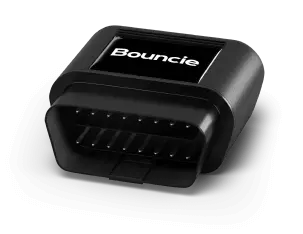
Bouncie GPS Tracker
- Refreshes location every 15 seconds while the vehicle is moving, the fastest update rate in this roundup
- Plugs into the OBD-II port and starts reporting to the app in under 30 seconds with zero tools
- Reads check-engine-light diagnostic codes alongside location data, doubling as a basic scan tool
- Geofencing alerts fire within moments of a vehicle crossing a set boundary
- Costs a flat $8 a month with no activation fee or long-term contract
- Vehicle health reports flag maintenance issues alongside the location data you’re already checking
- Sits in plain sight in the OBD-II port, so it’s the easiest tracker here to spot and unplug
- Requires an active subscription for every feature, including basic location history
- Won’t work at all on a vehicle without an OBD-II port
- No hardwired or magnetic option if you ever need genuine concealment
SpyTec GL300
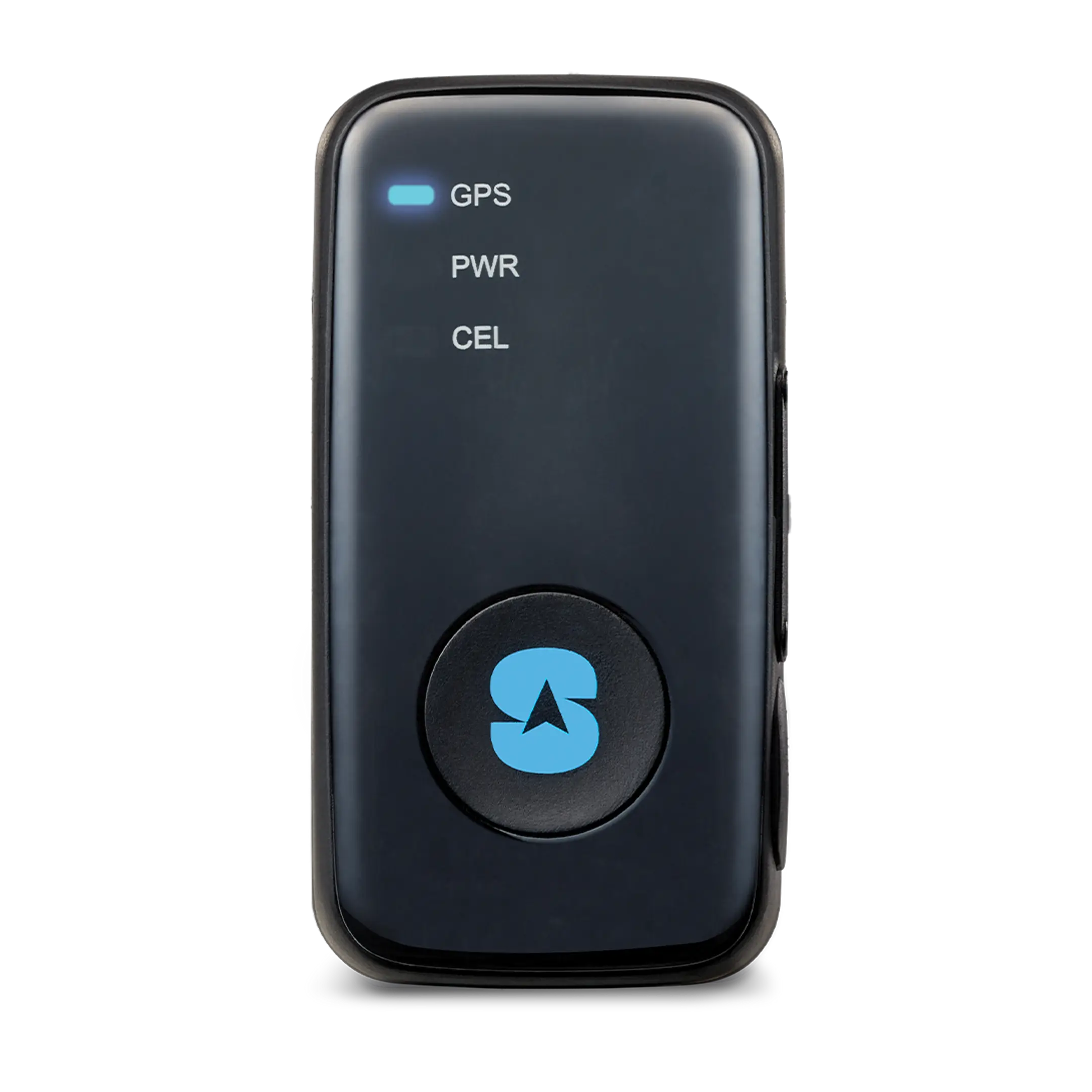
- Battery holds a charge for roughly two and a half weeks in power-saving mode between recharges
- Runs on 4G LTE, giving it wider coverage than trackers that rely on weaker networks
- Magnetic waterproof case is included, so it doubles as a hidden or visible tracker depending on placement
- Location refresh rate adjusts from 5 to 60 seconds depending on how much battery life you want to preserve
- Tracking accuracy matched pricier dedicated asset trackers in side-by-side testing
- Compact, lightweight housing mounts on trailers, ATVs, or boats just as easily as a car
- Monthly subscription runs toward the higher end of this group at roughly $25
- Signal can drop in genuinely rural areas with weak cellular coverage
- Initial app setup takes longer than the plug-and-play OBD-II options
- Customer support response times lag behind the bigger tracker brands
Vyncs Link
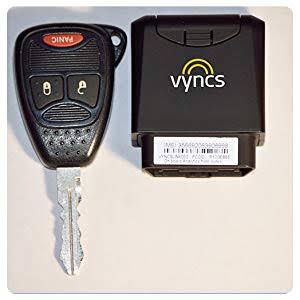
- Basic tracking plan genuinely charges no monthly fee after the one-time hardware purchase
- Updates location every 3 minutes, plenty for checking on a parked car or a teen’s commute
- Geofencing and speed alerts come included on the free tier, not locked behind a paywall
- Owners report years of continuous use without ever entering a credit card number again
- Tracks fuel usage and vehicle maintenance reminders based on mileage alongside location
- Optional paid tier exists if you later decide you want faster 60-second updates
- 3-minute refresh rate feels sluggish next to Bouncie’s 15-second updates
- App interface looks and feels dated compared to newer competitors
- Initial activation sometimes requires contacting customer support to get the device online
- Lacks the vehicle diagnostic features that Bouncie bundles in for the same OBD-II plug
LandAirSea 54
- IP67 waterproof rating shrugs off car washes, downpours, and splashing road grime without issue
- Neodymium magnet holds firmly to metal surfaces even at sustained highway speeds
- No wiring or port required, so it mounts anywhere a magnet can reach
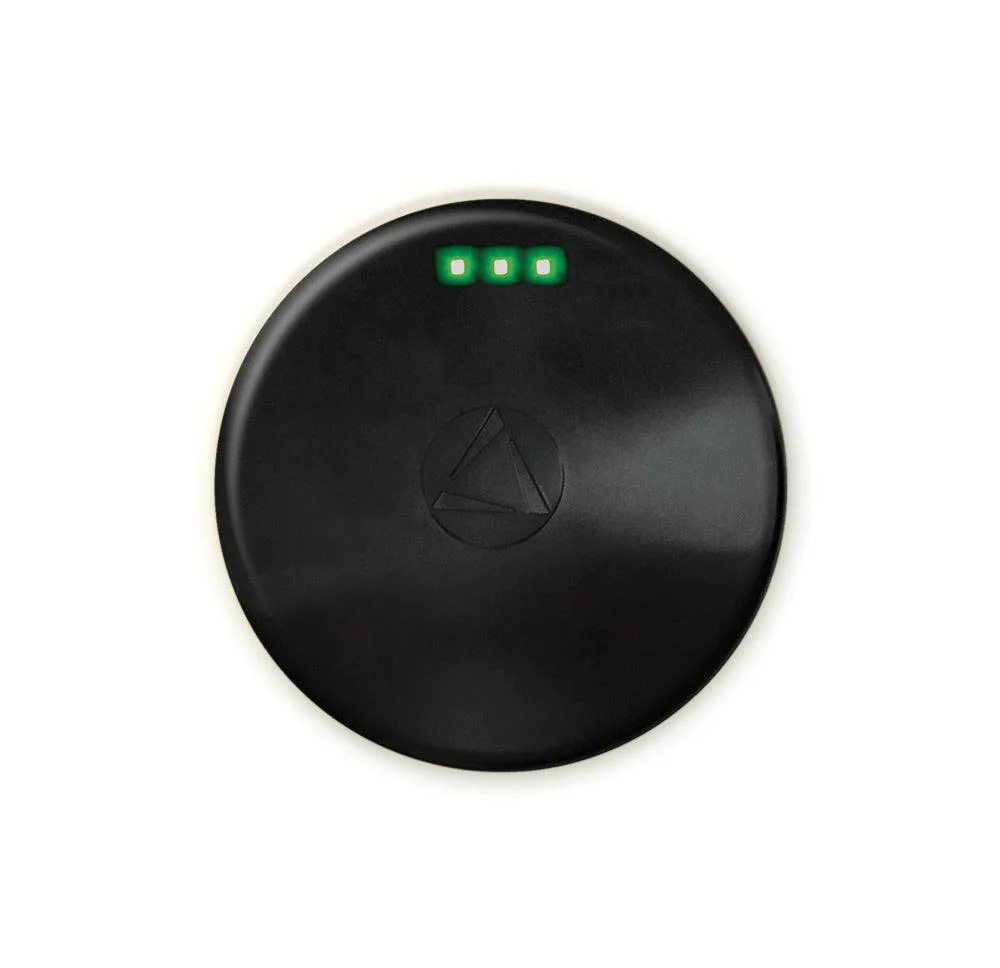
- Compact, pager-sized housing tucks into a wheel well, bumper cavity, or trunk liner unnoticed
- Rechargeable battery lasts one to two weeks per charge under normal use
- Works on any vehicle or asset with a metal surface, not just OBD-II-equipped cars
- Monthly subscription runs around $20, steep relative to the low hardware cost
- Battery life drops noticeably in freezing winter temperatures
- App interface lags and feels clunky compared to newer competitors
- Weekly-ish recharging becomes a real chore for owners who forget easily
MOTOsafety OBD GPS Tracker
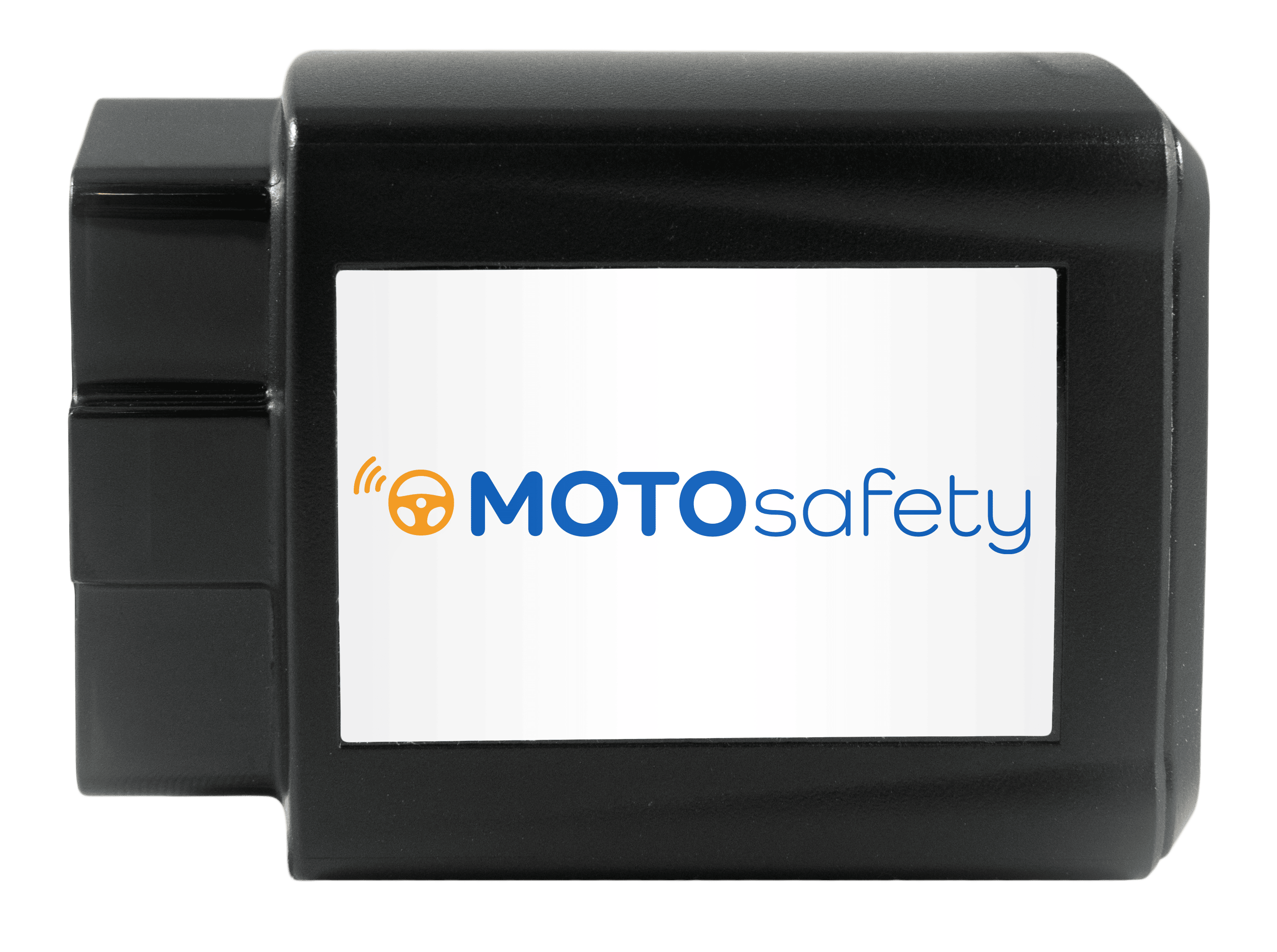
- Driving report card grades every trip on speed, hard braking, and mileage automatically
- Curfew alerts land on your phone within moments of an unauthorized late-night drive
- Installation takes about two seconds — plug it in and download the app
- Geofencing zones around school, work, or home trigger alerts the instant they’re crossed
- Trip replay shows the exact route taken, useful for confirming a teen’s story
- Report card format gives parents a concrete, data-driven starting point for driving conversations
- Sits in the OBD-II port in plain view, so a motivated teen can unplug it in seconds
- Monthly fee runs higher than Bouncie despite similar core tracking hardware
- Report grading can feel overly strict for a new driver still learning
- App customization options trail behind more established competitors in this roundup
Can’t Decide?
Our Top 2 Picks — Head to Head
Both scored 4.5+ in our hands-on testing across a sedan, a work truck, and a teen driver’s car. Here’s how to choose between them based on what you’re actually tracking.
- Refreshes location every 15 seconds, the fastest update rate in this roundup
- Plugs in and starts reporting within 30 seconds with zero tools required
- Reads check-engine diagnostic codes alongside GPS data
- Costs a flat $8 a month with no activation fee
- Vehicle health reports catch maintenance issues you’d otherwise miss entirely
- Runs up to two and a half weeks on a single charge
- Works on trailers, equipment, or vehicles with no OBD-II port at all
- 4G LTE connectivity covers more ground than weaker network trackers
- Magnetic waterproof case doubles as hidden or visible mounting
- Adjustable refresh rate lets you trade battery life for update speed on demand
How to Choose the Right GPS Tracker for Your Car
Six factors that genuinely matter before you buy — explained simply, based on patterns we saw across dozens of owner reviews, forum threads, and warranty complaint pages from real buyers.
Vehicle Compatibility and Port Type
Plug-in trackers like Bouncie, Vyncs, and MOTOsafety need a working OBD-II diagnostic port, which nearly every gasoline vehicle sold in the US has had for decades now. Older vehicles or ones without an easily accessible port need a battery-powered magnetic tracker like the LandAirSea 54 instead. Checking your dash for the port’s exact location before ordering saves a return shipment, since some vehicles hide it behind a cover or angle it awkwardly toward the floor. A quick search for your specific make and model usually confirms exactly where to look before the package even arrives.
Update Frequency and Real-Time Accuracy
How often a tracker refreshes its location matters more than most buyers expect when they’re first comparing spec sheets. Bouncie’s 15-second updates catch a vehicle’s exact route, while Vyncs’ 3-minute refresh only shows rough waypoints between stops. If you’re recovering a stolen vehicle or monitoring a teen driver in real time, prioritize the fastest refresh rate you can afford, since a slow update can mean the difference between finding a car and losing the trail entirely. Slower updates are perfectly fine for occasional parked-car checks where speed matters far less.
Subscription Cost vs. One-Time Hardware Price
Every tracker here except the Vyncs basic plan charges a recurring monthly fee, and that cost adds up fast over a year of ownership on top of the upfront hardware price. Calculate the full first-year cost, hardware plus subscription, before comparing prices side by side. A cheap device with an expensive plan can end up costing more over time than a pricier tracker with a lower monthly fee attached to it, especially if you plan to keep the tracker running for several years without switching devices.
Visible vs. Hidden Mounting
OBD-II trackers like Bouncie and MOTOsafety sit in plain view under the dash, which makes them easy to install but just as easy for a determined teen or thief to unplug in seconds. Magnetic trackers like the LandAirSea 54 hide inside a wheel well or bumper where nobody thinks to look. Match the mount type to whether you genuinely need concealment or simply want the fastest, easiest setup available, since paying for stealth you don’t actually need adds cost without adding real value.
Battery Life and Power Source
OBD-II trackers draw power directly from the vehicle and never need charging on their own or any external outlet. Battery-powered magnetic and portable trackers, like the LandAirSea 54 and SpyTec GL300, need a recharge every one to three weeks depending on how much the vehicle moves. Set a recurring reminder if you choose a battery-powered model, since a dead tracker at the wrong moment is worse than no tracker at all, especially if you’re relying on it for theft recovery on a parked car.
Cellular Coverage in Your Area
Every GPS tracker relies on a cellular connection to send location data back to your phone, not GPS signals alone, even though the name suggests otherwise. Trackers on stronger networks, like the SpyTec GL300’s 4G LTE, hold a signal in more rural areas than budget devices riding on weaker carriers. Checking a coverage map for your specific area before buying prevents ending up with a tracker that goes silent exactly where you need it most, particularly along rural routes, remote job sites, or mountain roads.
Pro Tips
Quick Buying Checklist
Calculate the full first-year cost — hardware plus subscription — before comparing prices, since a cheap device with a pricey plan can cost more than it looks at checkout time.
Match the mount type to your use case — a magnetic tracker a teen can find and remove defeats the entire purpose of monitoring them in the first place.
Check cellular coverage for your specific area before buying — a tracker on a weak network goes silent exactly where you need it most, often on rural routes.
Set a recurring charging reminder for battery-powered trackers — a dead battery means zero location data right when you actually need it the most.
Confirm your OBD-II port is accessible and not covered or oddly angled before ordering a plug-in tracker for your specific make and model.
Read reviews from owners at the 6-month and 1-year mark, not just first impressions, to catch battery or housing failures before they cost you.
Frequently Asked Questions
Do GPS trackers for cars require a monthly subscription?
Most do. Bouncie charges a flat $8 a month, while LandAirSea 54 and SpyTec GL300 run closer to $20 to $25 depending on the plan tier you select and any bundled features. The Vyncs Link is the exception, offering a genuinely free basic plan with slower 3-minute location updates instead of a monthly bill.
How does a car GPS tracker get its power?
OBD-II trackers like Bouncie and MOTOsafety draw power directly from the vehicle’s diagnostic port and never need charging on their own at all. Battery-powered magnetic trackers, like the LandAirSea 54, run on an internal rechargeable cell instead. Hardwired units connect straight to the car’s battery for a permanent, no-maintenance power source that never needs a plug.
Can a GPS tracker drain my car’s battery?
OBD-II trackers use minimal power and typically won’t drain a healthy battery during normal daily driving and short trips. A hardwired tracker with a parasitic draw can cause issues if the car sits unused for weeks at a time in storage. Battery-powered magnetic trackers don’t touch the vehicle’s electrical system at all.
Is it legal to put a GPS tracker on my own car?
Yes, tracking a vehicle you own outright is legal in the US in virtually every state without any special permit required. Tracking someone else’s car without their consent can violate state privacy or stalking laws, even if you’re a spouse or family member. Always check your specific state’s regulations before placing a tracker on a shared vehicle.
How accurate are car GPS trackers?
Modern trackers pinpoint a vehicle’s location within roughly 10 to 15 feet under open sky conditions with a clear satellite view. Urban canyons, parking garages, and tunnels can reduce that accuracy temporarily until the signal clears again once you’re back outside. Trackers with faster refresh rates, like Bouncie’s 15-second updates, show movement with far less lag than slower devices.
Which GPS tracker has no monthly subscription fee?
The Vyncs Link’s basic plan charges no monthly fee after the one-time hardware purchase, making it the most cost-effective long-term option in this entire roundup by a wide margin over several years. The trade-off is a 3-minute location refresh instead of near-real-time updates, which suits parked-car checks better than active theft recovery.
Are magnetic GPS trackers reliable for hiding under a car?
Yes, when mounted on a clean, flat metal surface free of dirt or grease buildup that could weaken the bond. The LandAirSea 54’s neodymium magnet holds firmly even at sustained highway speeds and through rough, bumpy roads. Wipe down the mounting spot before attaching it, since dirt or rust under the magnet can weaken the hold over time.
Can a teenager remove or disable a GPS tracker?
An OBD-II tracker like MOTOsafety or Bouncie can be unplugged in seconds since it sits visibly under the dash, and a determined teen will find it eventually with enough time and motivation. A hidden magnetic tracker like the LandAirSea 54 is far harder to locate, though nothing is truly tamper-proof once someone starts actively looking for it.
Final Verdict
Our Top Recommendations for 2026
After running all five trackers side by side across a sedan, a work truck, and a teen’s first car over several weeks, Bouncie earns the top spot for its fast updates and painless setup, while the Vyncs Link remains the smartest pick for anyone who refuses to pay a monthly fee for years of ownership. Families monitoring a new teen driver should look at MOTOsafety instead, and anyone tracking equipment without an OBD-II port should consider the SpyTec GL300’s portable, long-battery design. Whichever you choose, confirm your OBD-II port location or mounting surface before the device arrives at your door.