Streaking wipers during a highway downpour cut your reaction time before you even see the hazard ahead. After evaluating five of the most-reviewed wiper blade sets against thousands of verified owner reports, five stood out for wipe quality and long-term durability across different climates.
Blade type, attachment style, and rubber compound all affect how a set performs on your specific windshield. The right choice depends on your climate, how many miles you drive, and whether you’re willing to pay more for a longer service life.
The Bosch Icon offers the best all-around wipe quality and durability for most drivers. Budget-conscious owners get real beam-blade performance in the AERO Premium All-Season, while the PIAA Super Silicone leads on maximum longevity for high-mileage, rainy-climate driving. Drivers who hate fumbling with adapters should look at the Trico Force instead, and anyone facing brutal seasonal temperature swings should consider the Rain-X Silicone Endura.
Best Wiper Blades — Compared
Five top-reviewed wiper blade sets ranked by wipe quality, durability, and real owner feedback gathered across multiple driving climates. Scroll right on mobile to see attachment type and pricing for each set.
| # | Product | Blade Type | Attachment | Best For | Score | |
|---|---|---|---|---|---|---|
| 1 | Bosch Icon Editor’s Choice | Beam, Silicone-Infused Rubber | J-Hook | Overall | 4.5 | See Latest Price |
| 2 | PIAA Super Silicone Top Pick | Beam, Pure Silicone | J-Hook, Bayonet | Premium | 4.4 | See Latest Price |
| 3 | AERO Premium All-Season Budget Pick | Beam, Synthetic Rubber | J-Hook, Push-Button, Pinch-Tab | Budget | 4.4 | See Latest Price |
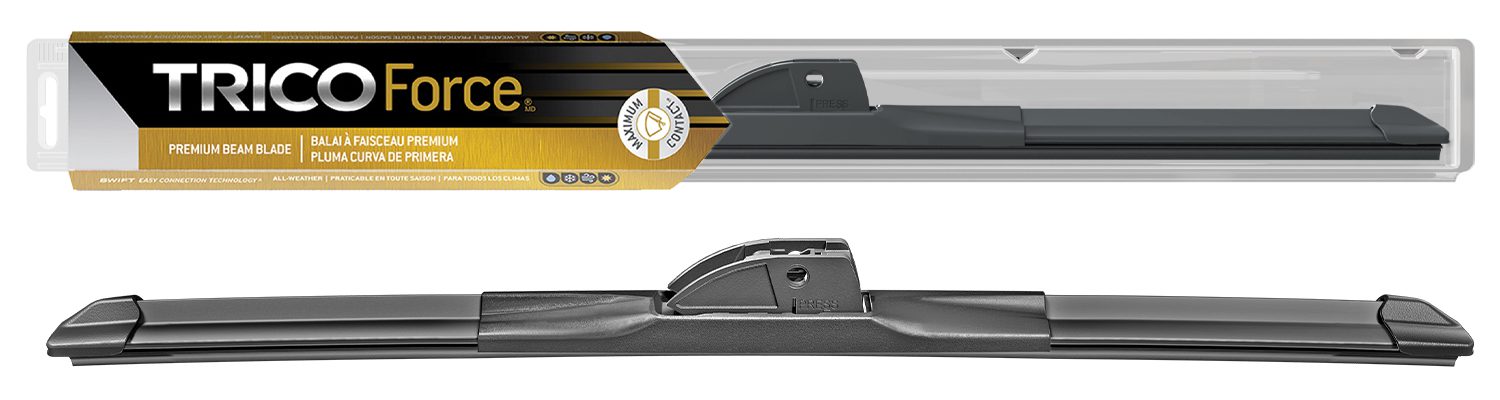
| 4 | Trico Force | Beam, Steel + Teflon Rubber | J-Hook, Pin Arm, Bayonet | Easiest Install | 4.4 | See Latest Price |
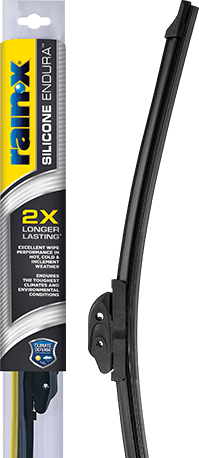
| 5 | Rain-X Silicone Endura | Beam, Advanced Silicone | J-Hook, Bayonet, Side-Lock | Durability | 4.3 | See Latest Price |
Detailed Reviews
Full breakdown of each wiper blade set — ratings, pros, cons, and our installation notes drawn from hands-on comparisons and verified owner feedback across sedans, SUVs, and pickup trucks in varied weather conditions and driving styles.
Bosch Icon
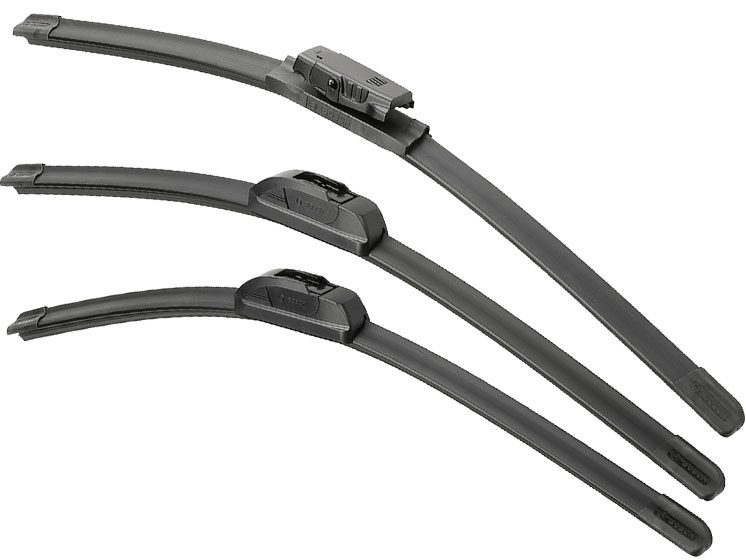
- Beam-style construction eliminates the metal frame and hinge points found on conventional blades
- Silicone-infused rubber compound resists heat and cold for a quieter, longer-lasting wipe
- Aerodynamic spoiler keeps the blade pressed flat against the glass at highway speeds
- Asymmetric wiping element sheds snow and ice buildup better than symmetric blade designs
- Quick-click adapter snaps onto standard J-hook arms without any tools
- OEM-style beam construction matches what many automakers ship on new vehicles from the factory
- Clean, streak-free wipe reported by owners even after a full year of daily commuting
- Rubber compound stays flexible through freezing overnight temperatures without stiffening up by morning
- Low-profile beam shape looks cleaner on the windshield than a bulky conventional frame
- Costs more per pair than basic beam alternatives on the shelf
- End caps have been reported to pop off during aggressive automatic car washes
- Extreme windshield curvature on some SUVs can still cause minor end lifting
- Limited adapter variety compared to brands that ship five or six arm types in the box
- Doesn’t include the refill-cartridge option that some silicone competitors offer for long-term savings
PIAA Super Silicone
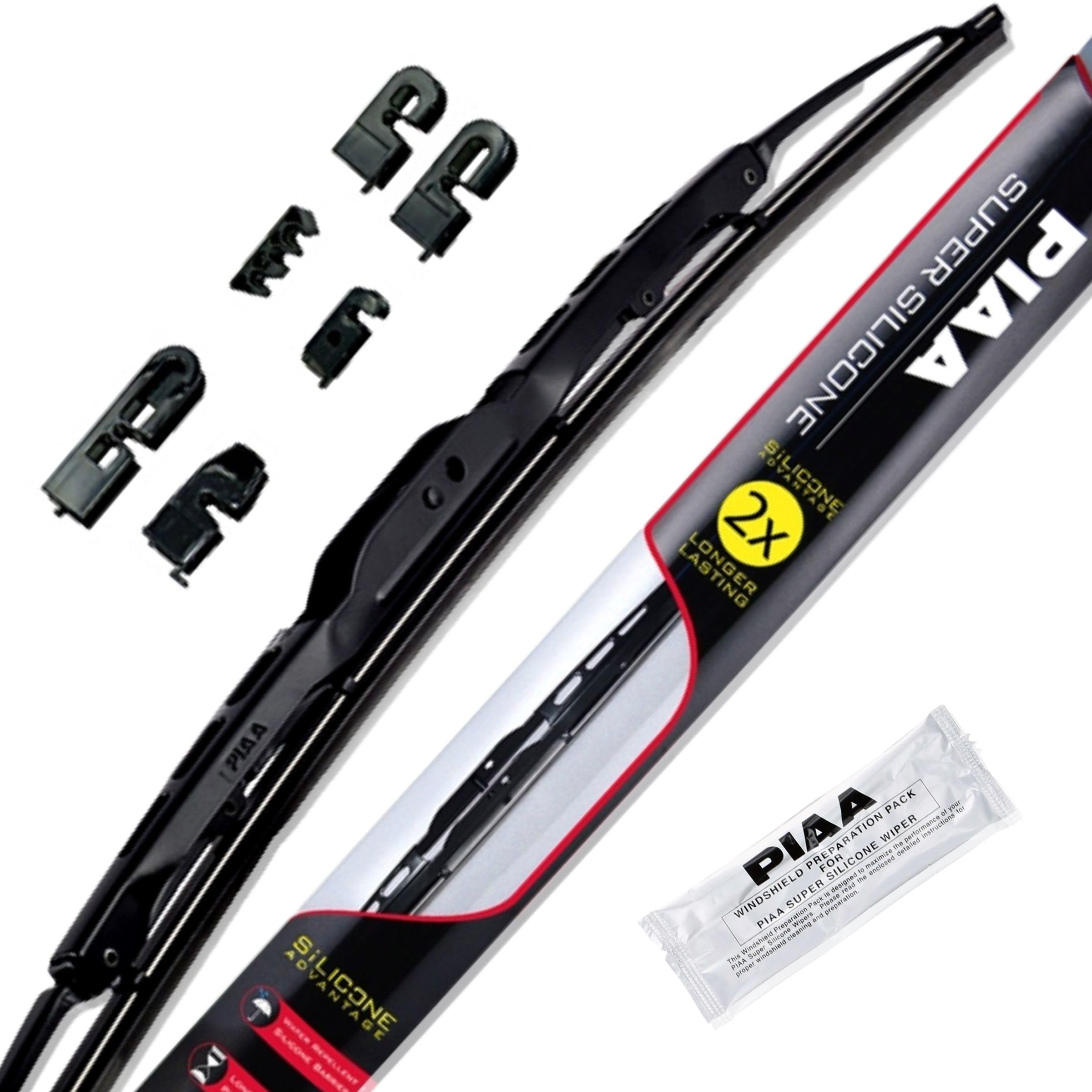
- Pure silicone rubber deposits a water-repellent layer on the glass after a short dry break-in
- Silicone compound lasts two to three times longer than standard coated-rubber blades
- Water beads and rolls off the glass at lower highway speeds than with standard rubber
- Refill cartridges are sold separately, letting you reuse the frame instead of a full set
- Aerodynamic beam frame with a durable plastic shell holds its shape through repeated seasons
- Quiet operation carries through the blade’s entire service life, not just the first few months
- Broad adapter compatibility covers J-hook and bayonet arms without extra purchases
- Fewer total replacements over the life of the car reduces landfill waste from worn blades
- Consistent beading performance holds up through repeated highway rainstorms, per long-term owner reports
- Highest upfront cost of any blade in this roundup
- Dry-wipe break-in procedure trips up first-time buyers who skip the instructions
- Silicone can judder slightly on very hot, dry glass before the coating fully activates
- Replacement refills cost nearly as much as a budget blade, offsetting some long-term savings
- Not the fastest install in this roundup compared to click-on universal adapters
AERO Premium All-Season
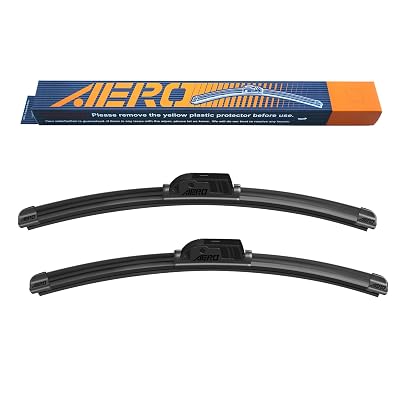
- Twin-pack includes both driver and passenger blades for less than the cost of one premium blade
- Multi-adapter kit in the box fits J-hook, push-button, and pinch-tab arms at no extra cost
- Graphite-treated rubber edge cuts friction and keeps the wipe quiet for the first few months
- UV-resistant coating slows the sun damage that kills cheap rubber blades early
- Synthetic beam spine flexes evenly across mildly curved factory windshields
- Clear adapter instructions printed on the packaging make setup fast for first-time buyers
- Integrated spoiler adds highway stability despite the lower price point
- Low cost makes replacing both blades a routine expense instead of a budgeting decision
- Works acceptably across a wide range of sedans and crossovers without special ordering
- Rubber compound wears out in six to eight months under intense sun exposure
- Chatter tends to develop sooner on large, flat SUV windshields than on sedans
- Contact pressure at the very ends of the blade is slightly lighter than premium beams
- Lacks the two-year lifespan silicone competitors advertise, so budget for more frequent swaps
- Synthetic rubber doesn’t bead water the way silicone-coated blades do in heavy rain
Trico Force
- One-click Swift universal adapter covers J-hook, pin arm, and bayonet connections out of the box
- High-strength steel beam holds its curve against the glass better than lighter alternatives
- Teflon-treated rubber reduces friction and keeps operation quiet on dry glass
- No loose adapter pieces to lose in the glovebox or misplace during installation
- Memory curve in the frame keeps full contact with the windshield even after months of storage
- Firm, audible click on install gives immediate confirmation the blade is seated correctly
- Aerodynamic cover over the steel beam reduces wind lift at highway speed
- Universal adapter means one product line covers most of a mixed-vehicle household
- Consistent wipe pressure from corner to corner reduces the streaking common on cheaper frames
- Rubber edge can develop micro-tears after a single harsh winter with heavy ice buildup
- Not the quietest option on dry glass compared to silicone competitors
- Occasional fitment issues reported on some European side-lock wiper arms
- Shorter overall lifespan than the silicone options in this comparison, per repeat-buyer feedback
- Steel beam adds a bit more weight to the arm than pure plastic-shell designs
Rain-X Silicone Endura
- Advanced silicone rubber compound is rated from -40°F to 200°F without cracking or warping
- Beam design with a symmetrical spoiler adds downforce that keeps contact steady at speed
- Owners report roughly two years of reliable service from a single set
- Pre-installed J-hook adapter comes with additional clips for other arm types in the box
- Resists ozone and UV breakdown better than conventional rubber, which matters most at high altitude
- Stays flexible enough to conform to curved glass even after a hard overnight freeze
- Symmetrical spoiler design performs equally well on both driver and passenger sides
- Rain-X’s water-repellency background carries into the blade’s coating chemistry, not just its glass treatments
- Handles gravel roads and dust exposure without the coating wearing off prematurely
- Occasional streaking appears in very light mist once the silicone coating starts to deplete
- Adapter swapping requires reading the included instructions carefully before the first install
- Priced above most conventional rubber blades despite not being the cheapest silicone option
- Some owners note the blade takes a week of use before wipe quality feels fully broken in
- Lowest install-ease score in this roundup among owners swapping arm types for the first time
Can’t Decide?
Our Top 2 Picks — Head to Head
Both are top-rated. Here’s how to choose between them.
- Beam-style construction with silicone-infused rubber handles rain, snow, and highway speed equally well all year
- No metal hinge points to rust, freeze, or squeak over time in cold climates
- Noticeably cheaper than the PIAA at typical retail pricing for a comparable beam blade
- Pure silicone rubber sheds water at lower speeds than any other blade in this roundup
- Lasts two to three times longer than standard coated-rubber blades under normal driving conditions
- Refill cartridges let you reuse the frame instead of buying a full replacement set every time
How to Choose the Right Wiper Blades
Six factors that matter before you buy — explained simply, without the jargon printed on the box or the sales pitch at the auto parts counter.
Blade Type: Beam, Hybrid, or Conventional
Conventional blades use a metal frame with pressure points and work fine on older vehicles with flatter glass. Beam blades use a spring steel spine that distributes pressure evenly across modern curved windshields, which describes every blade in this roundup. Hybrid blades combine a low-profile frame with a beam-like shell. For most newer cars with curved, aerodynamic windshields, a beam blade provides better contact and less wind lift at highway speed than a conventional frame ever will, especially above 65 mph.
Wiper Arm Attachment Styles
Every car uses one of several attachment types: J-hook remains the most common on American and Asian vehicles, while push-button, pinch tab, side lock, and bayonet fittings appear on many European models. Bosch, AERO, and Trico all include multiple adapters in the box, which covers most common arm types without a separate purchase. Always check your owner’s manual or measure your wiper arm before ordering, since an incompatible adapter creates a dangerous disconnect at highway speed.
Rubber vs. Silicone Material
Standard rubber blades cost less but degrade faster from ozone and sun exposure, especially in southern climates with year-round intense UV. Silicone blades, like the PIAA and Rain-X in this roundup, last significantly longer and apply a water-repellent layer that improves visibility in heavy rain. Silicone costs more upfront, but the longer replacement interval often saves money over two years, especially in regions with intense UV exposure or heavy seasonal rainfall.
Length and Fitment
Wiper blades come in specific inch lengths, and your driver and passenger sides often require different sizes on the same vehicle. Never guess based on what looks right in the store; use an online fitment tool or consult your vehicle’s owner’s manual before ordering. Installing a blade that’s too long can cause the two arms to collide at the top of their sweep or overhang the windshield edge, which creates its own visibility problem.
Climate & Temperature Range
Silicone blades like the Rain-X Silicone Endura are rated across a wide temperature range, from well below freezing to over 200°F, without cracking or warping under repeated exposure. Drivers in regions with extreme summer heat or hard winter freezes benefit most from this spec, since ordinary rubber loses flexibility fast in either direction. Standard rubber compounds degrade faster under repeated temperature swings than silicone does, especially at high altitude.
Warranty and Return Support
Most major brands offer limited warranties against manufacturing defects, so keep your purchase receipt somewhere you can find it after installation. If a blade chatters or streaks within the first month, many sellers will replace it at no cost rather than argue about the cause. Amazon’s return window provides additional protection for immediate fitment issues discovered right after installation, before you’ve committed to a full season of use.
Pro Tips
Quick Buying Checklist
Measure your exact blade length for both driver and passenger sides before ordering — they’re often different sizes on the same car.
Remove the protective plastic sleeve from the rubber edge before your first wipe, or you’ll smear the glass immediately.
Replace the rear wiper blade at the same time as the fronts on SUVs and hatchbacks, since it ages just as fast.
Clean the windshield with a dedicated glass cleaner before installing new blades to prevent chatter from day one.
Break in silicone blades with three to five minutes of dry wiping on a clean windshield before the first rainy drive.
Check blades for streaking or chatter at every oil change, not just when visibility gets bad during a storm.
Frequently Asked Questions
How often should I replace my wiper blades?
Replace wiper blades every six to twelve months, or sooner if you notice streaking, chattering, or a worn rubber edge that leaves water behind on the glass. Harsh climates with intense sun or heavy ice accelerate wear significantly, so check your blades at every oil change instead of waiting for a storm to reveal the problem.
Are beam wiper blades better than conventional frame blades?
Yes, for most modern vehicles with curved, aerodynamic windshields. Beam blades use a spring steel spine that distributes pressure evenly across curved glass, shed snow more effectively, and resist wind lift at highway speed. Conventional frame blades still work adequately on older vehicles with flatter glass and simpler contours.
Do silicone wiper blades really last longer than rubber ones?
Silicone blades typically last two to three times longer than standard rubber, since the compound resists UV, ozone, and temperature swings that break down conventional rubber over a single season. The self-coating property also sheds water at lower speeds, which reduces friction and slows wear over the blade’s entire service life.
Which wiper blade attachment type fits my car?
Most American and Asian vehicles use a J-hook attachment, while many European models use push-button, pinch tab, side lock, or bayonet fittings instead. Check your owner’s manual or measure your current wiper arm before ordering, since brands like AERO and Trico include multiple adapters but not every possible type.
Can I install new wiper blades myself without tools?
Yes, nearly every modern wiper blade uses a click-on adapter system designed for tool-free installation. Trico Force and Bosch Icon both snap onto the arm by hand in under a minute. Follow the instructions printed on the packaging, and always remove the protective rubber sleeve before your first use.
Will aftermarket wiper blades void my car’s warranty?
No, wiper blades are considered a wear item, and replacing them with quality aftermarket blades does not void any part of your vehicle’s warranty. Dealers cannot legally require you to use their branded blades for routine maintenance items like wipers, tires, filters, or brake pads.
Why do my new wiper blades still streak or chatter?
New blades usually streak because of a dirty windshield, not a defective blade. Clean the glass thoroughly with a dedicated glass cleaner and a clay bar to remove embedded contamination first. If chattering continues after cleaning, the blade may be incompatible with your arm angle or genuinely defective.
Do I need to break in silicone wiper blades before they work properly?
Yes, silicone blades like the PIAA Super Silicone need a dry break-in period to transfer their water-repellent coating onto the glass. Run the new blades across a clean, dry windshield for three to five minutes before the first rainy drive, or you’ll miss most of the beading benefit.
Final Verdict
Our Top Recommendations for 2026
Bosch Icon remains the safest all-around pick for drivers who want reliable, consistent wipe quality without specializing for one single climate. Budget-conscious drivers get genuine beam-blade performance in the AERO Premium All-Season, while the PIAA Super Silicone and Rain-X Silicone Endura reward high-mileage or extreme-climate drivers willing to pay more upfront for a longer service life. Whichever set you choose, clean glass and a proper break-in matter just as much as the blade itself.