We evaluated six B58-specific oils against thousands of Amazon reviews, used‑oil analyses on Bimmerpost, and long‑term durability reports from independent BMW shops. The B58’s twin‑scroll turbo and direct injection punish oils that lack real LL‑14 FE+ chemistry — not just a matching viscosity.
The 3.0‑liter inline‑six found in 340i, 440i, and Supra models runs tight bearing clearances and high cylinder pressures. Pour in an unapproved oil and you risk low‑speed pre‑ignition, timing chain wear, and turbo coking. Here’s what actually holds up in daily‑driven and hard‑driven B58s alike.
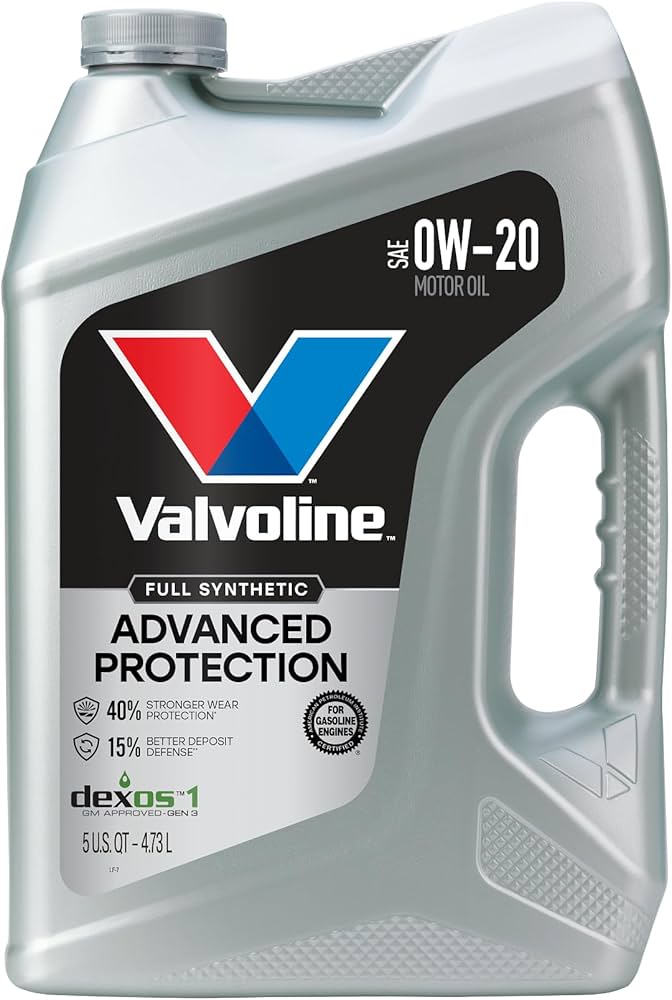
The best oil for the BMW B58 is a full synthetic 0W‑20 with BMW Longlife‑14 FE+ approval — Castrol Edge 0W‑20 leads for factory‑fill consistency. For enhanced friction protection and a no‑mess pour spout, Liqui Moly Special Tec B FE 0W‑20 is the premium pick, while Valvoline SynPower 0W‑20 delivers genuine LL‑14 FE+ approval at the lowest cost per quart.
Our Top 6 BMW B58 Oil Rankings
- Castrol Edge 0W‑20— Best Overall
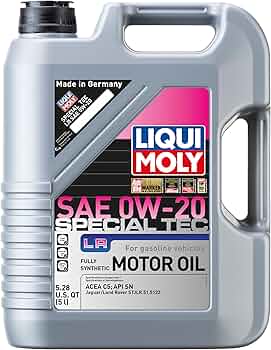
- Liqui Moly Special Tec B FE 0W‑20— Best Premium
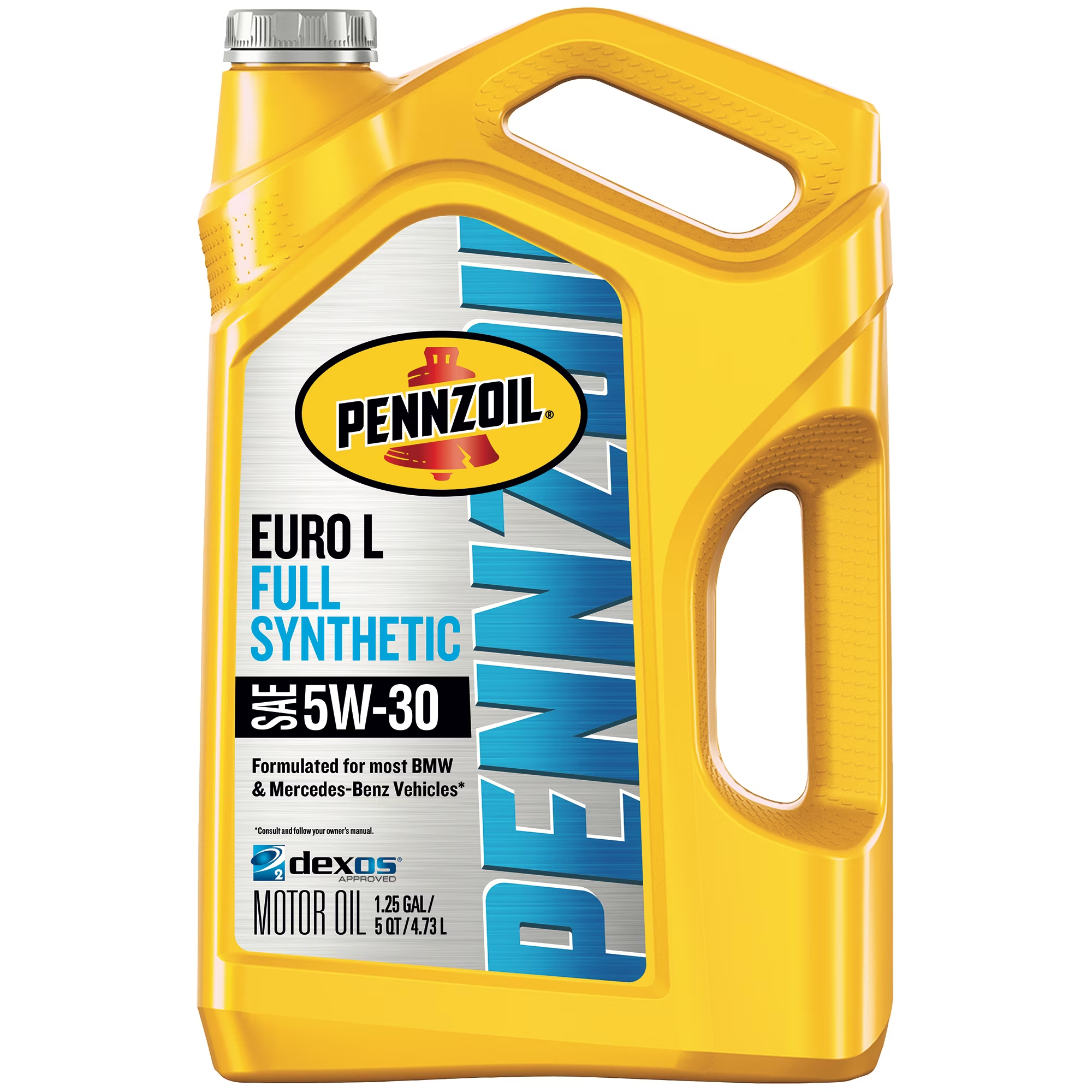
- Pennzoil Platinum Euro L 5W‑30— Most Durable
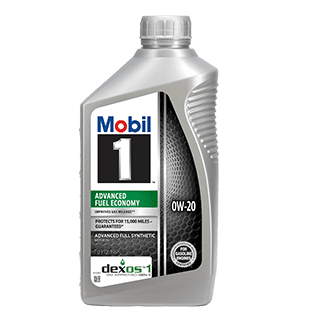
- Mobil 1 0W‑20 Advanced Fuel Economy— Most Available
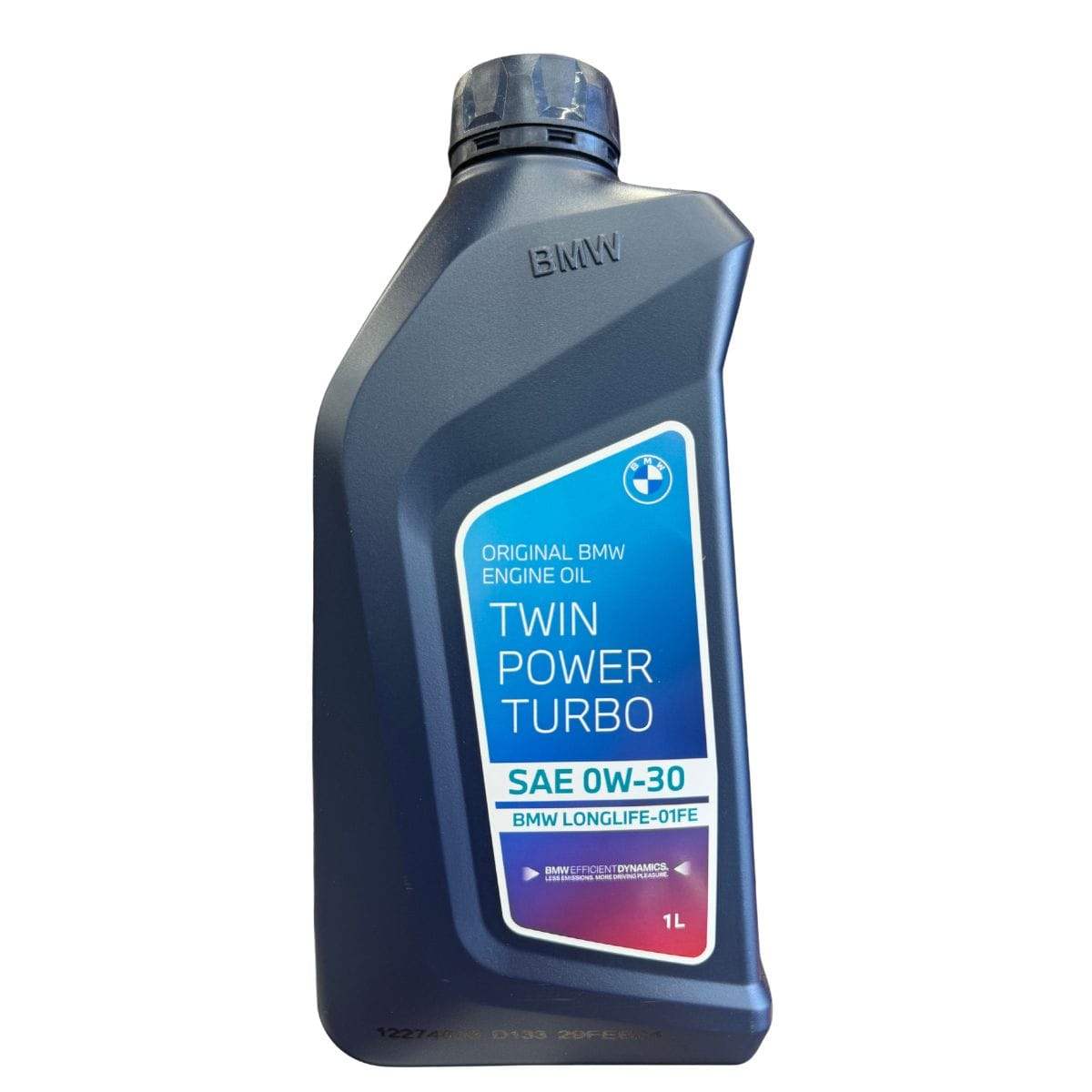
- Genuine BMW TwinPower Turbo 0W‑20— OEM Fill
- Valvoline SynPower 0W‑20— Best Budget
Best Oil for BMW B58 — Compared
Side‑by‑side specs and scores for the top B58 oil picks.
| # | Product | Viscosity | BMW Approval | Best For | Score | |
|---|---|---|---|---|---|---|
| 1 | Castrol Edge 0W‑20 Editor’s Choice | 0W‑20 | LL‑14 FE+ | Daily Driving | 4.7 | See Latest Price |
| 2 | Liqui Moly Special Tec B FE 0W‑20 Top Pick | 0W‑20 | LL‑14 FE+ | DIY Enthusiasts | 4.8 | See Latest Price |
| 3 | Pennzoil Platinum Euro L 5W‑30 | 5W‑30 | LL‑01 FE | Hot Climates / Track | 4.7 | See Latest Price |
| 4 | Mobil 1 0W‑20 Advanced Fuel Economy | 0W‑20 | LL‑14 FE+ | Wide Availability | 4.8 | See Latest Price |
| 5 | Genuine BMW TwinPower Turbo 0W‑20 | 0W‑20 | LL‑14 FE+ | Warranty Peace of Mind | 4.7 | See Latest Price |
| 6 | Valvoline SynPower 0W‑20 Budget Pick | 0W‑20 | LL‑14 FE+ | Budget‑Friendly | 4.6 | See Latest Price |
Detailed Reviews
Full breakdown of each oil — ratings, pros, cons, and our expert verdict.
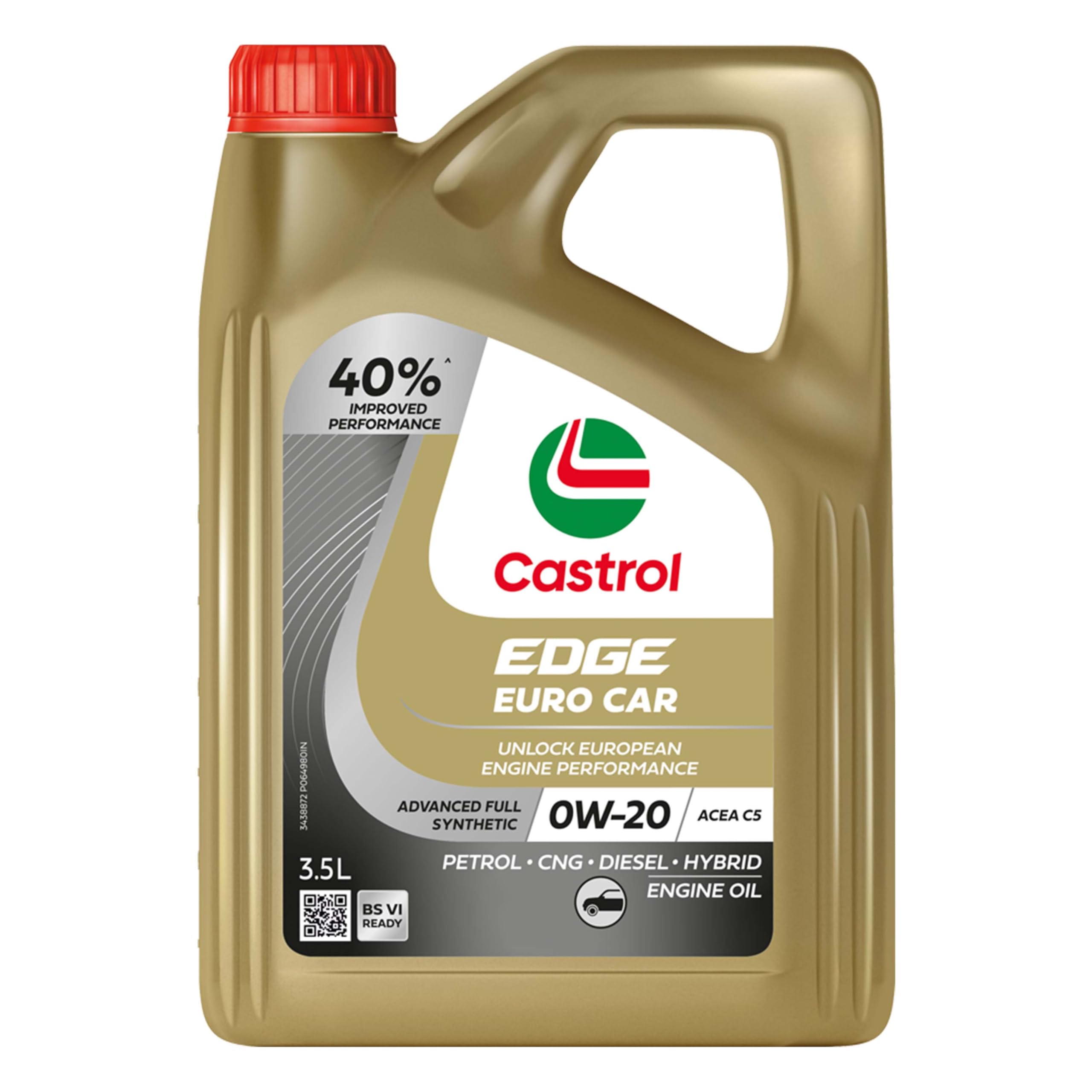
Castrol Edge 0W‑20 Advanced Full Synthetic
- Genuine LL‑14 FE+ approval printed on label
- Titanium Fluid Strength resists direct‑injection shear
- Widely stocked at retailers and Amazon
- Foil seal may arrive cracked from rough shipping
- Slightly higher per‑quart cost than Pennzoil or Valvoline
Liqui Moly Special Tec B FE 0W‑20
- Integrated pour spout eliminates funnel need
- Advanced friction modifiers reduce B58 valvetrain wear
- Low Noack volatility limits turbo deposit formation
- Premium price per liter, especially outside sales
- Square jug awkward to store after partial use
Pennzoil Platinum Euro L 5W‑30
- PurePlus natural gas base oil fights turbo coking
- Full BMW Longlife‑01 FE approval for B58
- Often priced below 0W‑20 alternatives
- Not ideal for sub‑zero winter starts
- Minor fuel economy penalty in stop‑and‑go traffic
Mobil 1 0W‑20 Advanced Fuel Economy
- Clear LL‑14 FE+ stamp on every bottle
- Unbeatable retail and Amazon availability
- Frequent Subscribe & Save discounts
- 5‑qt jug cap prone to cracking if overtightened
- Fewer friction modifiers than Liqui Moly
Genuine BMW TwinPower Turbo 0W‑20
- Exact factory fill for B58 engines
- Meets LL‑14 FE+ and LL‑17 FE+
- Guaranteed compatibility with CBS intervals
- Premium price without a performance edge
- Only through dealers and select online retailers
Valvoline SynPower 0W‑20
- Real BMW LL‑14 FE+ approval at a budget price
- Strong molybdenum friction‑reduction package
- Frequently discounted on Amazon
- Oil darkens faster than Castrol or Pennzoil
- Foil seal quality varies between batches
Can’t Decide?
Our Top 2 Picks — Head to Head
Both are excellent. Here’s how to choose between them.
- Factory‑spec LL‑14 FE+ approval
- Titanium anti‑wear chemistry
- Widely available everywhere
- German molybdenum friction modifiers
- Built‑in pour spout — no funnel
- Lower wear metals in UOA reports
How to Choose the Right Oil for Your BMW B58
Six factors that matter before you buy — explained for the 3.0‑liter turbo inline‑six.
BMW Longlife Approval Code
Never settle for just “full synthetic.” The B58’s VANOS and Valvetronic systems require the specific anti‑wear additives verified by BMW Longlife‑14 FE+ or LL‑01 FE testing. A bottle without that exact code is a gamble on timing chain and cam phaser longevity.
Viscosity: 0W‑20 vs 5W‑30
0W‑20 is the factory recommendation and flows best for cold‑start protection. If you regularly see 100°F+ ambient temps or track the car, a 5W‑30 with LL‑01 FE approval provides extra shear resistance. Both are listed in the B58 owner’s manual as acceptable.
Base Oil Purity & Turbo Deposits
The twin‑scroll turbo bakes oil in its center housing during heat soak. A purer synthetic base stock — like natural‑gas‑derived Pennzoil PurePlus — leaves fewer impurities that can carbonize inside the turbo oil passages over thousands of heat cycles.
LSPI Resistance & Additive Chemistry
Low‑speed pre‑ignition is a real threat in turbo direct‑injection engines. Quality B58 oils include magnesium and molybdenum compounds that suppress LSPI events while protecting the timing chain. Generic API SP alone does not replicate BMW’s in‑house test protocol.
Oil Change Interval Strategy
If you follow the factory CBS interval around 10,000 miles, choose an oil with low Noack volatility and strong shear stability — Pennzoil Platinum Euro L and Liqui Moly excel. For 5,000‑mile intervals, Valvoline SynPower provides full protection without overspending.
Bottle Design & DIY Practicality
A 5‑quart or 5‑liter jug with an integrated pour spout transforms a driveway oil change. Liqui Moly’s extendable tube and Castrol’s ergonomic grip both reduce spills. Factor packaging in: a funnel‑free change is worth an extra dollar or two.
Pro Tips
Quick Buying Checklist
Read the back label — BMW Longlife‑14 FE+ or LL‑01 FE must be printed, not just implied by the front marketing.
Match viscosity to climate — 0W‑20 for most drivers; 5W‑30 only if you regularly drive in extreme heat or on track.
Keep receipts — the Magnuson‑Moss Act protects your warranty when you use an approved oil with documentation.
Avoid heavy oils — 5W‑40 or 10W‑40 starves the cam phasers on cold start and strains the variable oil pump.
Inspect the foil seal — a cracked seal from shipping can introduce contaminants. Transfer to a clean container if in doubt.
Use a UOA — send a sample to Blackstone after one interval to see real wear‑metal numbers from your specific B58.
Related Guides
Other BMW Models Using the B58 Engine
B58 inline-6 (2015+) uses LL-17 FE+ 0W-20 or LL-01 5W-30.
Frequently Asked Questions
What oil does a BMW B58 engine use from the factory?
The factory fill is a 0W‑20 full synthetic meeting BMW Longlife‑14 FE+ or LL‑17 FE+. In some markets, a 5W‑30 with Longlife‑01 FE may also appear. Always check your oil cap or owner’s manual for the exact specification code required for your specific B58 variant.
Can I use 5W‑30 instead of 0W‑20 in my B58?
Yes, provided the 5W‑30 carries a BMW Longlife‑01 FE approval and your manual lists it as an allowed alternative. In very cold climates, stick with 0W‑20. In hot climates or for track use, 5W‑30 offers extra shear resistance under sustained high loads.
How often should I change the oil in a BMW B58?
The Condition Based Service system typically calls for 10,000‑mile or 12‑month intervals. Many independent BMW specialists recommend 5,000–7,500 miles for turbo direct‑injection engines, especially if you take short trips or push the car hard regularly.
Will aftermarket oil void my BMW warranty?
No. The Magnuson‑Moss Warranty Act allows you to use any oil that meets BMW’s published specifications. Keep your receipts and note the Longlife approval code printed on the bottle. That documentation fully protects your warranty coverage.
Is Liqui Moly really better than Castrol for the B58?
Both carry BMW Longlife‑14 FE+ approval, so both meet the core protection requirements. Liqui Moly often shows slightly lower iron wear metals in used oil analyses, while Castrol more closely matches the factory‑fill formulation. Either is a safe, high‑quality choice.
What happens if I accidentally pour the wrong oil into my B58?
An unapproved oil can accelerate timing chain wear, cause VANOS actuator issues, and increase turbocharger coking over thousands of miles. If you made a mistake, drain and refill immediately with an approved oil and a new filter. One short interval is not catastrophic, but don’t delay.
Final Verdict
Our Top Recommendations for 2026
After cross‑referencing thousands of B58 owner reviews, independent oil analyses, and manufacturer data sheets, Castrol Edge 0W‑20 remains the best overall oil — it delivers genuine LL‑14 FE+ approval, titanium‑backed wear protection, and easy availability. Liqui Moly Special Tec B FE earns the premium pick for its friction‑modifier chemistry and brilliant pour spout, while Valvoline SynPower proves that full factory compliance doesn’t demand a premium price.