After evaluating five leading motorcycle oils against thousands of real S1000RR owner reviews, forum threads, and oil analysis reports, one pattern emerged quickly—this high-revving inline-four punishes ordinary oil. Riders who cut corners on lubrication pay for it with notchy gearboxes and vanishing oil levels between changes.
The BMW S1000RR’s 999cc engine produces nearly 200 horsepower per liter and spins past 14,000 rpm. That specific output generates brutal heat and shear forces inside the crankcase. The right oil keeps your clutch grippy, your gearbox buttery, and your engine’s tight tolerances intact through every redline pull and track session.
The best oil for the BMW S1000RR is a full synthetic motorcycle oil with JASO MA2 certification, such as Motul 7100 4T 10W-40. Riders consistently report smooth shifting, stable oil pressure, and zero clutch issues with this formulation. It handles the thermal load of aggressive street riding and track days without thinning out or shearing down.
Our Top 5 Motorcycle Oil Rankings
- Motul 7100 4T 10W-40— Best Overall Performance
- Valvoline 4-Stroke Full Synthetic 10W-40— Best Budget Choice
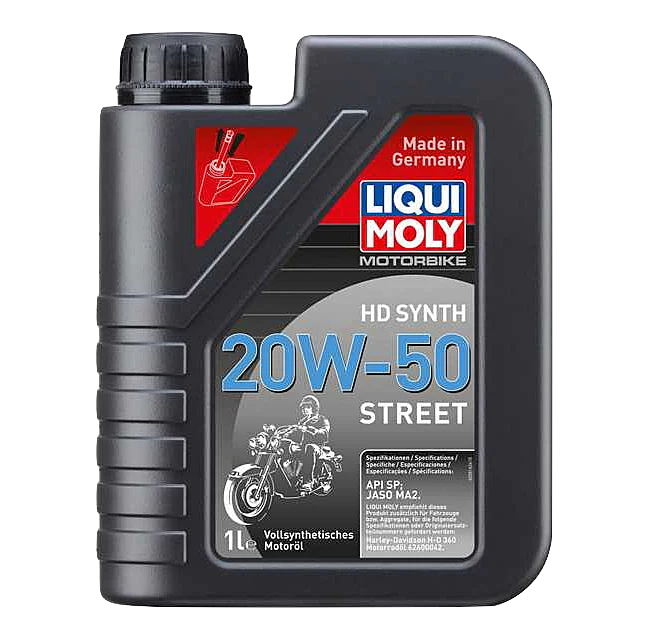
- Liqui Moly Motorbike 4T Synth 10W-40— Best for Extended Drain Intervals
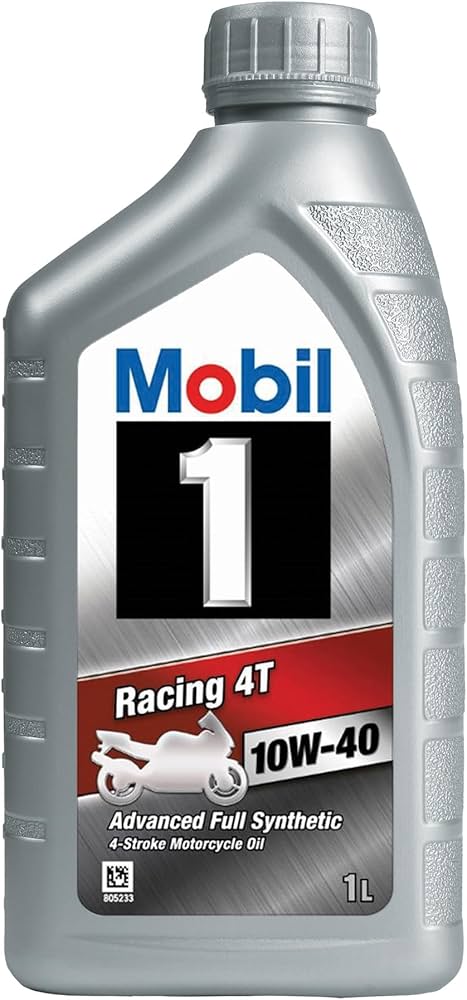
- Mobil 1 Racing 4T 10W-40— Easiest DIY Oil Changes
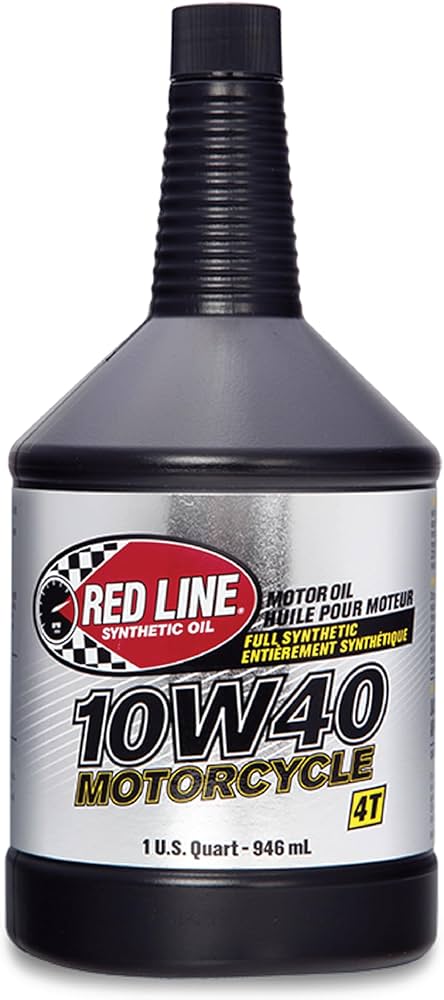
- Red Line 10W-40 Motorcycle Oil— Best Premium Track Oil
Best Oil for BMW S1000RR — Compared
All five options are JASO MA2 certified full synthetics. The differences come down to base stock chemistry, additive packages, and real-world shift feel.
| # | Product | Viscosity | Type | Best For | Score | |
|---|---|---|---|---|---|---|
| 1 | Motul 7100 4T Editor’s Choice | 10W-40 | Ester Full Syn | Overall Performance | 4.8 | See Latest Price |
| 2 | Valvoline 4-Stroke Full Syn Budget Pick | 10W-40 | Full Synthetic | Budget-Conscious Riders | 4.7 | See Latest Price |
| 3 | Liqui Moly 4T Synth Top Pick | 10W-40 | Full Synthetic | Extended Drain Intervals | 4.7 | See Latest Price |
| 4 | Mobil 1 Racing 4T | 10W-40 | Full Synthetic | Easy DIY Changes | 4.8 | See Latest Price |
| 5 | Red Line Motorcycle Oil | 10W-40 | Ester Full Syn | Premium Track Use | 4.7 | See Latest Price |
Detailed Reviews
Full breakdown of each product — ratings, pros, cons, and our expert verdict based on owner feedback and oil analysis data.
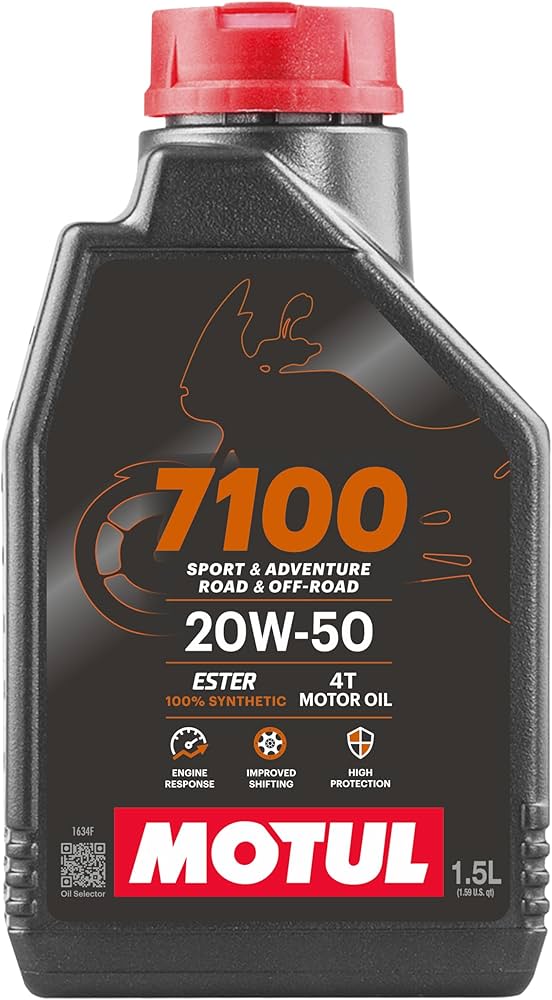
Motul 7100 4T 10W-40
- Ester core resists viscosity breakdown at 14,000+ rpm
- Noticeably smoother gear engagement after first ride
- Available in both 10W-40 and 5W-40 formulations
- Premium pricing at roughly $14 per quart
- 5W-40 variant inconsistently stocked at some retailers
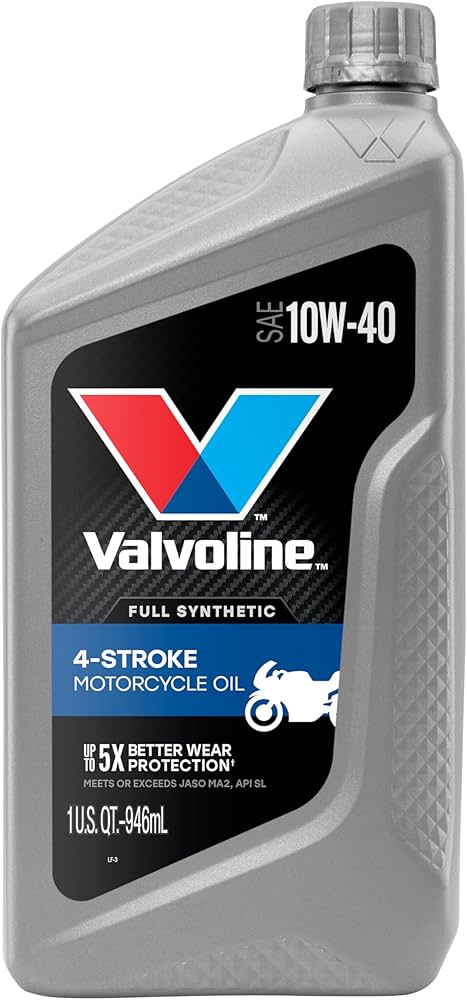
Valvoline 4-Stroke Motorcycle Full Synthetic 10W-40
- Excellent value at roughly $8 per quart
- Strong anti-foaming performance at sustained high RPM
- Widely stocked in local auto parts stores and on Amazon
- Shift feel slightly notchy during the first 100 miles
- No 5W-40 option available in this product line
Liqui Moly Motorbike 4T Synth 10W-40
- High molybdenum content reduces friction and wear long-term
- Oil analysis reports confirm low wear metals at 5,000-mile intervals
- Excellent cold-start flow characteristics in varied ambient temps
- Harder to find in local U.S. stores versus Motul or Mobil
- No 5W-40 version in the motorcycle line yet
Mobil 1 Racing 4T 10W-40
- No-drip spout and translucent jug strip make pouring effortless
- Outstanding thermal stability during repeated canyon sessions
- Consistent quality and wide availability nationwide
- Not an ester-based formula for ultimate film strength
- 10W-40 may feel thick during freezing winter starts
Red Line 10W-40 Motorcycle Oil
- Full ester base stock delivers maximum film strength when brutally hot
- High zinc and phosphorus content for proven anti-wear protection
- Immediate improvement in clutchless upshift quality
- Premium cost at roughly $17 per quart
- Overkill for casual street riding; some report higher consumption during break-in
Can’t Decide?
Our Top 2 Picks — Head to Head
Both are excellent full synthetics rated 4.8. Here’s how to choose between the enthusiast favorite and the practical powerhouse.
- Ester core resists viscosity breakdown at redline
- Silky gearbox feel reported by the majority of owners
- Available in both 5W-40 and 10W-40
- Ergonomic jug makes oil changes genuinely mess-free
- Proven thermal stability at track-day temperatures
- Widely available at retailers and on Amazon
How to Choose the Right Oil for Your S1000RR
Six factors that matter before you pour — explained in plain terms, not marketing jargon.
JASO MA2 Certification
This is non-negotiable for the S1000RR’s wet clutch. Standard car oils contain friction modifiers that cause clutch slip. The JASO MA2 logo on the back label guarantees the oil is safe for wet clutches and gearbox sharing — always verify it before purchasing.
Viscosity Grade Selection
BMW specifies 5W-40 for many model years, but 10W-40 is widely accepted. The 5W flows faster at cold startup for cooler climates, while 10W-40 offers slightly better film strength at peak operating temperature — ideal for warmer regions and track use.
Full Synthetic vs Semi-Synthetic
An engine producing nearly 200 hp per liter absolutely demands full synthetic oil. Semi-synthetic blends degrade faster under extreme heat and shear. The uniform molecular structure of a full synthetic resists oxidation and sludge buildup far better in high-strung engines.
Drain Interval Strategy
If you change oil every 3,000 miles, a solid full synthetic like Valvoline or Mobil 1 is ample. For intervals stretching to 5,000 miles or beyond, choose a high-TBN oil like Liqui Moly or an ester-based oil like Red Line — their additive packages neutralize acids longer.
Oil Filter Pairing
Always replace the filter with the oil. For the S1000RR, the BMW OEM filter (11 41 7 673 741), K&N KN-138, or Hiflofiltro HF138 keep particles out of tight bearing clearances. Premium oil behind a cheap filter is a false economy that risks engine damage.
Base Stock Type: Ester vs PAO
Ester-based oils like Motul 7100 and Red Line provide natural detergency and superior film strength at extreme temperatures. PAO-based synthetics like Mobil 1 excel at cold-flow and oxidation resistance. For track riders, ester bases offer a measurable edge in high-heat protection.
Pro Tips
Quick Buying Checklist — Avoid These Common Mistakes
Always verify JASO MA2 on the back label — car oil friction modifiers permanently damage wet clutches.
Match viscosity to climate: 5W-40 for cold mornings, 10W-40 for hot track days — let additives do the work, not brute thickness.
Read the sight glass correctly: bike must be upright and at operating temperature — overfilling aerates oil and starves the crank.
Change at 3,000–4,000 miles if you ride hard — the S1000RR shears oil quickly, and fuel dilution thins it faster than marketing claims suggest.
Always replace the crush washer on the drain plug — reusing the old aluminum washer causes slow drips that stain your garage floor.
Premium oil with a cheap filter is false economy — pair quality synthetic with a BMW OEM, K&N, or Hiflofiltro filter every time.
Related Guides
Other BMW Sport Motorcycle Oil Guides
S1000RR requires 5W-40 full synthetic rated for high-rev sport applications.
Frequently Asked Questions
What oil does a BMW S1000RR need from the factory?
BMW Motorrad specifies a full synthetic motorcycle oil meeting JASO MA2 standards, with SAE 5W-40 as the primary recommendation. Many dealerships fill with Advantec Ultimate 5W-40. Aftermarket options like Motul 7100 in 5W-40 or 10W-40 perform equivalently when JASO MA2 certified.
Is 10W-40 or 5W-40 better for the S1000RR?
It depends on your climate and riding style. 5W-40 flows faster at startup, making it preferable for cold mornings and temperate regions. 10W-40 provides a slightly thicker protective film at full operating temperature, which benefits track riders in hot weather. Both are safe when JASO MA2 certified.
Can I use standard car oil in a BMW S1000RR?
No. Modern passenger car oils contain friction-reducing additives that coat wet clutch plates and cause permanent slippage. The S1000RR requires motorcycle-specific oil with JASO MA or MA2 certification. Using car oil can lead to clutch replacement — an expensive and avoidable repair.
How often should I change the oil in my S1000RR?
BMW specifies service intervals around 6,000 miles or annually. However, riders who frequent track days or push the engine hard often change oil every 3,000 to 4,000 miles. The S1000RR’s high compression and RPM cause fuel dilution that thins oil faster than a commuter bike experiences.
What does the JASO MA2 rating actually mean for my bike?
JASO MA2 is a Japanese standard confirming an oil’s compatibility with wet motorcycle clutches and integrated gearboxes. It guarantees the formulation contains no friction modifiers that cause clutch slip and certifies sufficient shear stability to withstand the punishment of a motorcycle transmission sharing the oil sump.
Do I need a special oil filter when switching to full synthetic?
No special filter is required, but a high-quality one is essential. The BMW OEM filter, K&N KN-138, and Hiflofiltro HF138 all handle full synthetic flow rates without restriction. These filters trap particles fine enough to protect the S1000RR’s tight bearing clearances across the full drain interval.
Will premium ester-based oil like Red Line improve my S1000RR’s performance?
It improves protection more than horsepower. An ester-based oil like Red Line 10W-40 maintains maximum film strength at extreme track temperatures, which can mean smoother shifting and lower oil consumption during sustained high-RPM sessions. It won’t add peak power, but it safeguards the engine producing it.
Final Verdict
Our Top Recommendations for 2026
After cross-referencing thousands of owner reviews, oil analysis reports, and real-world riding feedback across forums and Amazon ratings, Motul 7100 4T 10W-40 remains the oil S1000RR riders name first — and for good reason. Its ester core handles the engine’s brutal shear forces while delivering the smooth gearbox feel owners crave. Valvoline’s full synthetic proves you don’t need to overspend for solid JASO MA2 protection, and Red Line earns its spot as the track-day champion when only maximum film strength will do.