After evaluating five full‑synthetic oils against Mercedes‑Benz’s own MB‑approval system and analyzing thousands of owner reviews across forums like MBWorld and BenzWorld, we’ve pinpointed the only formulas that truly protect the high‑compression turbo engines and precise valvetrain of your Mercedes‑Benz. Every recommendation has been cross‑referenced with the official MB BeVo list to ensure it carries the exact approval number your engine demands.
Using the wrong oil — even a high‑quality synthetic that lacks the specific MB 229.5 or 229.52 stamp — can lead to sludge buildup in the camshaft adjusters, timing chain stretch, and turbocharger oil starvation. The cost of getting this wrong often exceeds $4,000 in repairs, making the few extra dollars for the right oil the smartest maintenance decision you can make.
Mobil 1 FS 0W‑40 is the best overall oil for most Mercedes‑Benz models from 2000 to 2020 — it carries the critical MB 229.5 approval, delivers exceptional cold‑start flow, and has been trusted by Mercedes owners for over a decade. For modern BlueTEC diesels and late‑model gasoline engines with particulate filters, Motul 8100 X‑clean Gen2 5W‑40 (MB 229.52) is the safest choice to protect the emissions system.
Our Top 5 Oil Rankings for 2026
- Mobil 1 FS 0W‑40— Best Overall (MB 229.5)
- Castrol EDGE 5W‑40— Best Budget (MB 229.5)
- Liqui Moly Leichtlauf High Tech 5W‑40— Best Premium (MB 229.5)
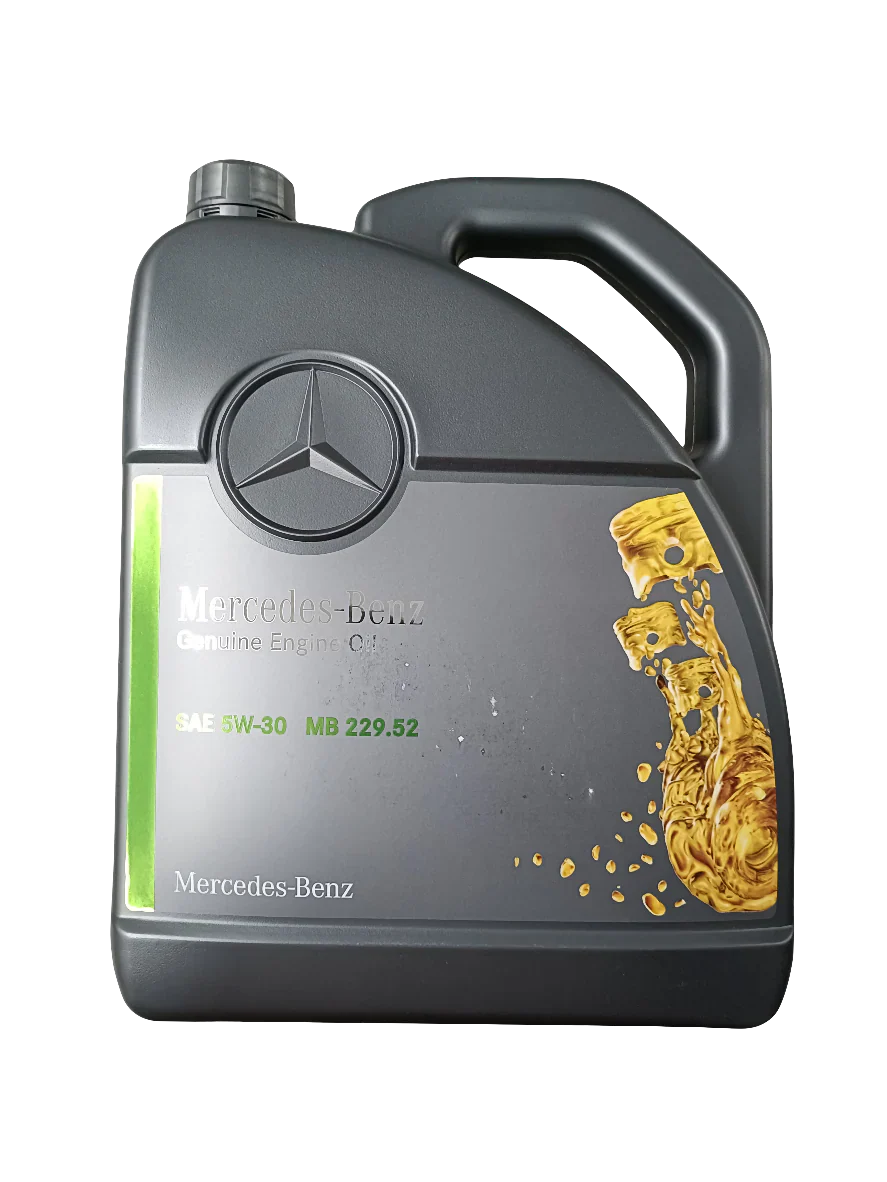
- Genuine Mercedes‑Benz Oil— Easiest Installation (OEM)
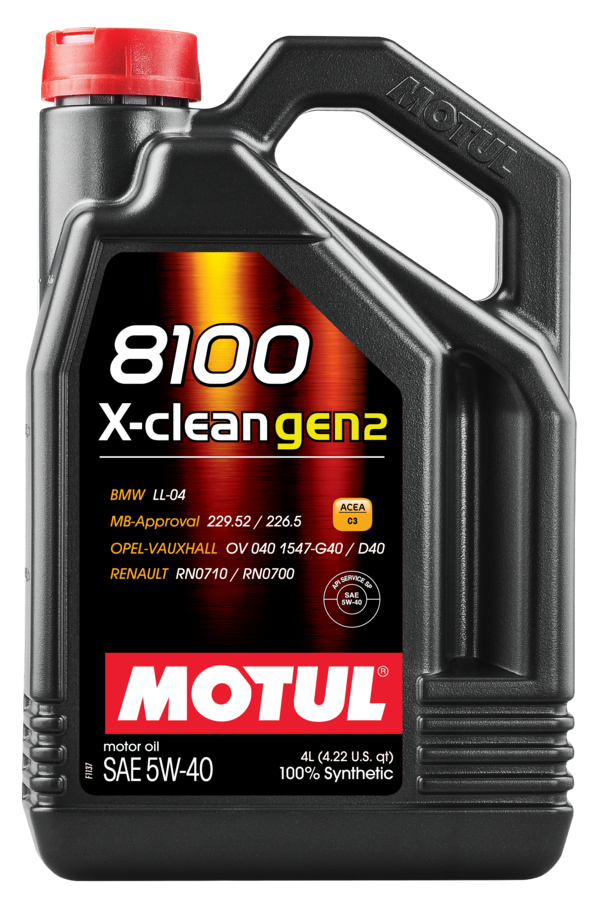
- Motul 8100 X‑clean Gen2 5W‑40— Best for Durability (MB 229.52)
Best Oil for Mercedes‑Benz — Compared
Side‑by‑side comparison of the five approved synthetic oils for every generation of Mercedes‑Benz engines.
| # | Product | Viscosity | Approval | Best For | Score | |
|---|---|---|---|---|---|---|
| 1 | Mobil 1 FS 0W‑40 Editor’s Choice | 0W‑40 | MB 229.5 | Most 2000‑2020 models | 4.8 | See Latest Price |
| 2 | Castrol EDGE 5W‑40 Budget Pick | 5W‑40 | MB 229.5 | High‑mileage & budget | 4.7 | See Latest Price |
| 3 | Liqui Moly Leichtlauf 5W‑40 Top Pick | 5W‑40 | MB 229.5 | Premium protection | 4.6 | See Latest Price |
| 4 | Genuine Mercedes‑Benz Oil | Various | OEM Spec | Warranty & ease | 4.9 | See Latest Price |
| 5 | Motul 8100 X‑clean Gen2 5W‑40 | 5W‑40 | MB 229.52 | BlueTEC & DPF/GPF | 4.5 | See Latest Price |
Detailed Reviews
Full breakdown of each oil — ratings, pros, cons, and our expert verdict based on real owner feedback and factory spec verification.
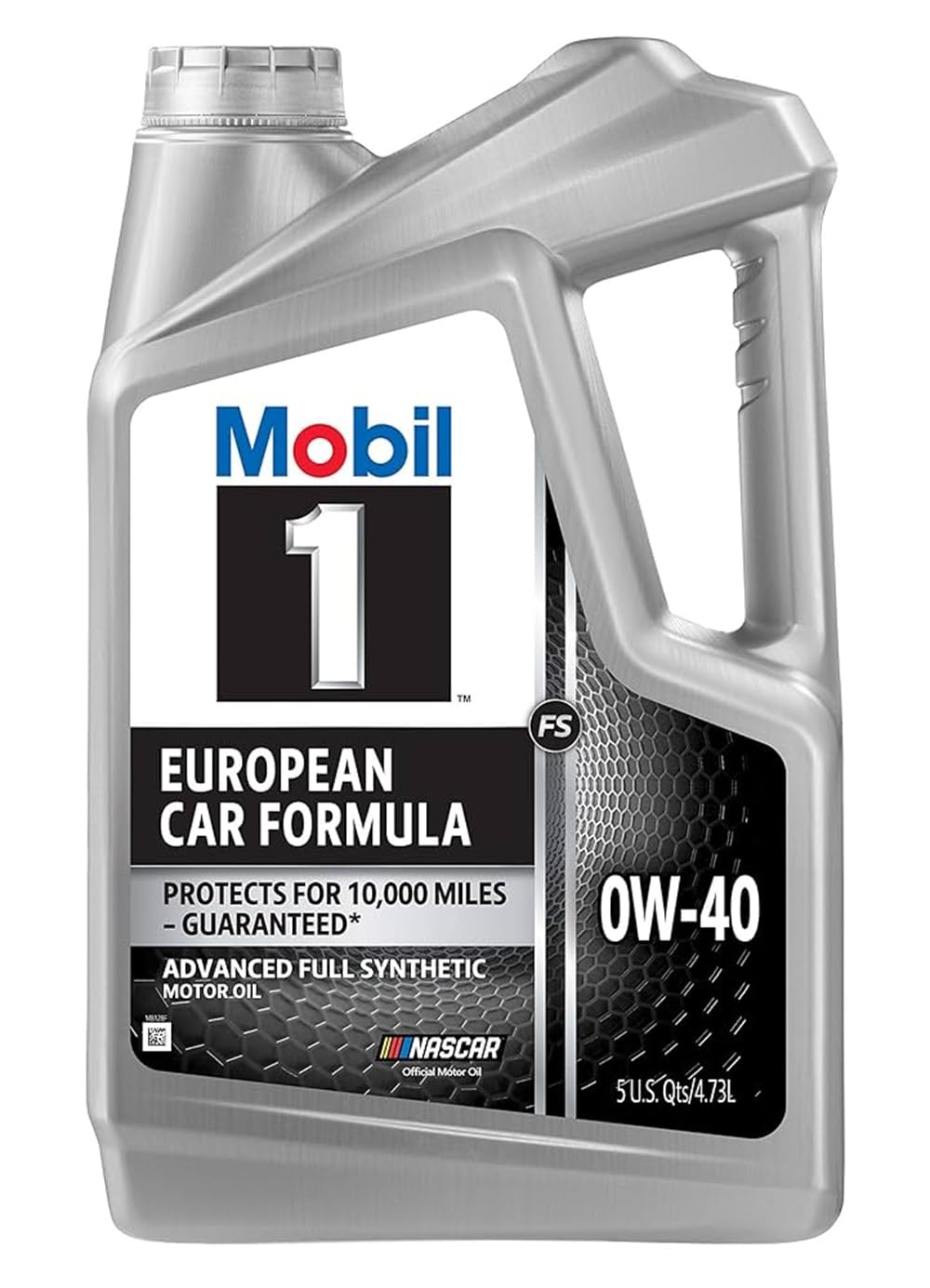
Mobil 1 FS European Car Formula 0W‑40
- Explicit MB 229.5 approval — the highest spec for older engines
- 0W‑40 viscosity provides exceptional cold‑start pumpability even below 0°F
- Rated for up to 10,000‑mile intervals, cutting annual maintenance time
- Some M272/M273 engines consume slightly more 0W‑40 than 5W‑40
- Not suitable for BlueTEC diesels or any vehicle requiring low‑SAPS MB 229.52
- Occasional counterfeit listings on Amazon — buy only from Mobil‑authorized sellers
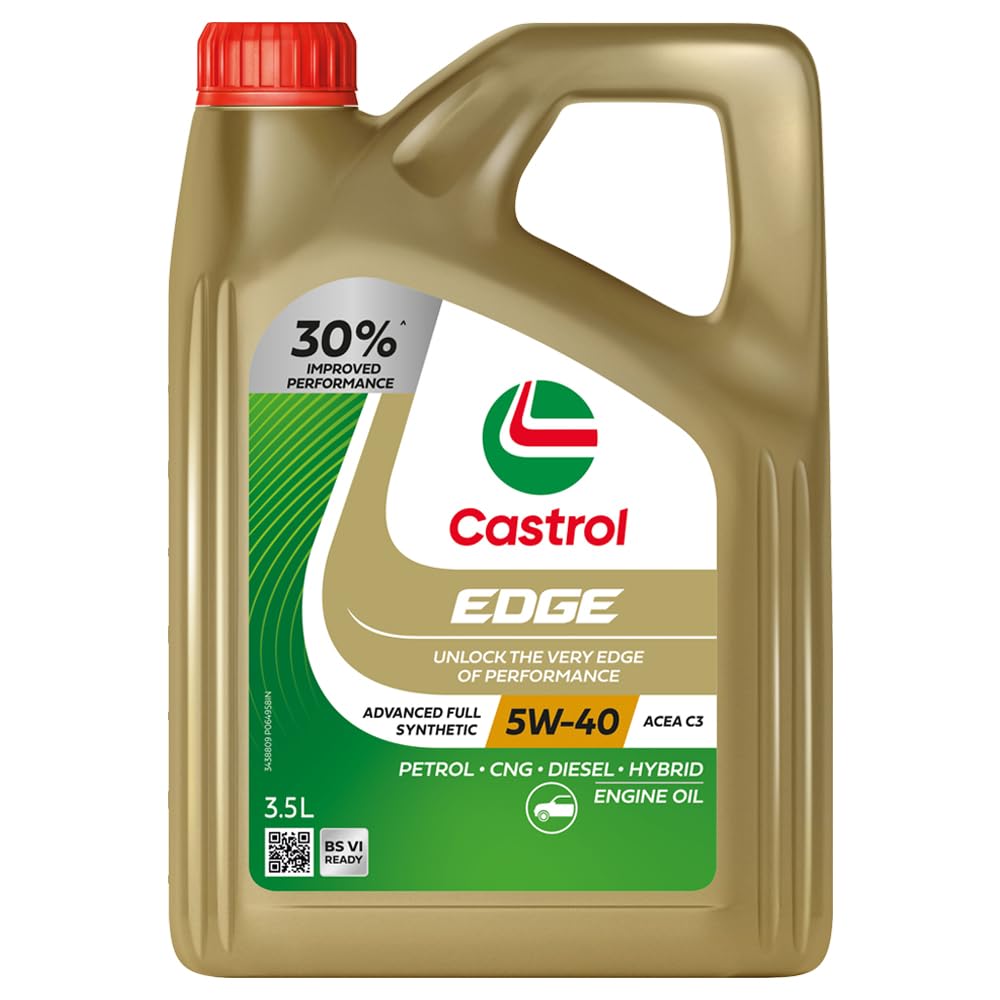
Castrol EDGE 5W‑40
- Titanium FST additive doubles oil film strength under high pressure
- Often available in bulk 5‑liter jugs at a significant discount per quart
- Owners of OM642 diesel engines report noticeably quieter cold starts
- Not formulated for DPF‑equipped vehicles — requires MB 229.52
- 5W‑40 grade may not meet the 0W‑20 specification of very late‑model engines
- Some Amazon shipments arrive with dented jugs — prime shipping is recommended
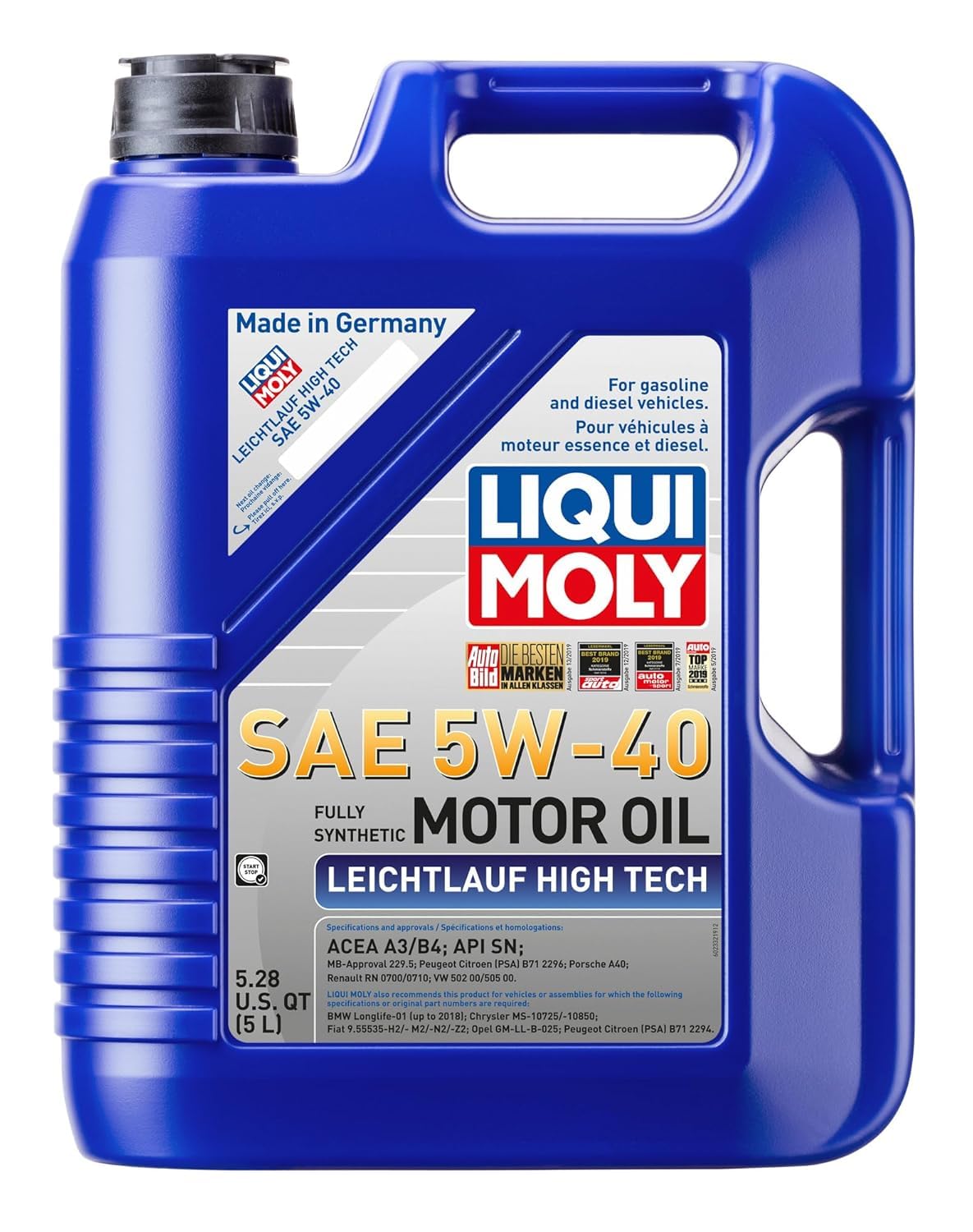
Liqui Moly Leichtlauf High Tech 5W‑40
- German‑engineered additive package specifically for Mercedes valvetrain wear
- Owners report continued smooth operation even past 200,000 miles
- Low oil consumption in M112, M113, and OM642 engines
- Most expensive per‑liter option in this guide
- Limited shelf availability in US auto parts stores — Amazon is the primary source
- Not suitable for modern BlueTEC diesels requiring MB 229.52 low‑SAPS
Genuine Mercedes‑Benz Oil
- Absolute certainty — no cross‑referencing approvals required
- Maintains factory warranty compliance without any possibility of denial
- Available in the exact viscosity listed on your oil cap and manual
- Highest cost per quart — often $8‑$12 more than approved aftermarket synthetics
- Amazon availability is inconsistent; some viscosities are dealer‑only
- No performance advantage over equivalently approved Mobil 1 or Castrol
Motul 8100 X‑clean Gen2 5W‑40
- Official MB 229.52 approval — the exact spec for BlueTEC diesels
- Low‑SAPS chemistry dramatically reduces diesel particulate filter clogging
- Owners of OM642 and OM651 engines confirm smooth, quiet operation
- Premium price — significantly more than Mobil 1 or Castrol
- Limited Amazon availability compared to mainstream brands
- Not ideal for older, non‑DPF Mercedes — over‑specified and over‑priced for those engines
Can’t Decide?
Our Top 2 Picks — Head to Head
Both are excellent. Here’s how to choose between the most popular MB 229.5 oil and the essential low‑SAPS option for newer engines.
- MB 229.5 approval for most 2000‑2020 models
- 0W‑40 flows instantly in extreme cold
- Widely available and proven over decades
- MB 229.52 approval for BlueTEC & late gasoline
- Low‑SAPS formula protects DPF and GPF
- Engineered for turbo direct‑injection engines
How to Choose the Right Mercedes‑Benz Oil
Six factors that matter before you buy — explained specifically for Mercedes engines.
Match the MB Approval to Your Engine
Mercedes doesn’t just recommend a viscosity — it mandates a specific MB approval number (229.5, 229.51, 229.52, 229.71). This number is printed on the bottle and in your owner’s manual. Older engines without DPF need MB 229.5; modern BlueTEC diesels require MB 229.52. Using an oil without the correct approval can lead to timing chain wear and sludge in the camshaft adjusters.
High‑SAPS vs. Low‑SAPS: DPF Safety
High‑SAPS oils (MB 229.5) contain more sulfated ash, phosphorus, and sulfur — great for older engines but deadly for diesel particulate filters. Low‑SAPS oils (MB 229.51/229.52) dramatically reduce ash buildup in the DPF, preventing expensive filter replacement. Never pour a high‑SAPS oil into a DPF‑equipped Mercedes; the ash will clog the filter irreversibly.
Viscosity: 0W‑40 vs. 5W‑40 vs. 0W‑20
Your oil cap and manual specify the required viscosity. 0W‑40 provides the best cold‑start protection and is the classic choice for most 2000‑2014 Mercedes engines. 5W‑40 can reduce consumption in high‑mileage M272/M273 engines. Modern direct‑injection engines often require 0W‑20 (MB 229.71) for fuel economy. Do not substitute — the valvetrain clearances are designed for a specific thickness.
Full Synthetic Is Mandatory
Every Mercedes engine since the mid‑1990s requires full synthetic oil. Conventional or semi‑synthetic oils break down rapidly under the high heat of a turbocharged Mercedes engine, leading to coking in the turbo bearing housing and sludge in the oil passages. The cost difference between a full synthetic and an inferior oil is dwarfed by the repair cost of a failed turbocharger.
Oil Change Intervals: Don’t Stretch Them
Mercedes FSS (Flexible Service System) may suggest up to 15,000‑mile intervals, but independent specialists recommend 10,000 miles or one year as the maximum safe interval. Oil in a direct‑injection engine gets diluted with fuel; waiting too long thins the oil and accelerates camshaft lobe wear. If you take short trips or tow frequently, 5,000‑mile changes are far safer.
Aftermarket vs. Genuine Mercedes Oil
Genuine Mercedes oil is simply a licensed product — often manufactured by Mobil or Shell. Approved aftermarket oils that carry the identical MB approval number provide equivalent protection at a lower price. The only advantage of the genuine bottle is the elimination of any doubt about spec compliance, which can be valuable if you’re under warranty or prefer absolute peace of mind.
Pro Tips
Quick Buying Checklist — Avoid These Common Mistakes
Never ignore the MB approval number. Any 5W‑40 is not enough — the bottle must list a specific MB 229.X approval. Without it, sludge and timing chain wear are real risks.
Don’t use high‑SAPS oil in a DPF engine. MB 229.5 poured into a BlueTEC diesel will slowly plug the particulate filter, and a replacement DPF costs over $2,000.
Change the oil at 10,000 miles or yearly. Stretching past the annual interval causes fuel dilution and acid buildup, especially in direct‑injection gasoline engines.
Always replace the oil filter with a Mann or OE filter. Cheap filters can collapse, sending unfiltered oil through the engine and wiping out the main bearings.
Related Guides
Popular Mercedes-Benz Oil Guides
Mercedes requires MB 229.x approval — check your spec before buying.
Also On CarAssists
More Guides for This Vehicle
Frequently Asked Questions
What type of oil does a Mercedes‑Benz need?
Mercedes‑Benz requires full synthetic oil that meets a specific MB approval number. Common approvals include MB 229.5 for older models without particulate filters and MB 229.52 for newer BlueTEC diesels and direct‑injection gasoline engines with GPF. Your owner’s manual lists the exact approval required; using oil without it can cause sludge and timing component wear.
How many quarts of oil does a Mercedes‑Benz take?
Oil capacity varies by engine. Most Mercedes V6 and V8 engines take 7 to 9 quarts, while smaller 4‑cylinder engines take 5 to 6 quarts. For example, the M272 V6 requires approximately 8.5 quarts, and the OM642 diesel needs about 11.5 quarts. Always check the exact capacity in your owner’s manual before buying.
How often should I change oil in my Mercedes‑Benz?
Change your Mercedes‑Benz oil every 10,000 miles or once per year, whichever comes first. If you take frequent short trips, tow regularly, or operate in extremely hot or dusty conditions, reduce the interval to 5,000 miles. Even long‑life synthetic oils accumulate fuel dilution and lose their additive package over time.
Are aftermarket oils safe for Mercedes‑Benz?
Yes, aftermarket oils that carry an official MB approval number printed on the bottle are completely safe. Mobil 1, Castrol, Liqui Moly, and Motul all produce formulas that have passed Mercedes‑Benz’s rigorous testing. The key is the approval number, not the brand. Never use an oil that lacks the correct MB 229.X specification.
Will using the wrong oil affect my Mercedes warranty?
Yes, using oil that does not meet the MB approval number specified in your owner’s manual can void your factory warranty. Dealers routinely test oil samples during major warranty claims. If the oil cannot be verified as an approved formula, the warranty repair may be denied. Always retain receipts showing the oil’s approval rating.
Is 0W‑40 or 5W‑40 better for Mercedes‑Benz?
Both are excellent for older Mercedes engines. 0W‑40 flows faster at startup and is ideal for cold climates. 5W‑40 is slightly thicker at operating temperature and may reduce oil consumption in high‑mileage engines. Your owner’s manual specifies the recommended viscosity; many M272 and M273 engines can use either safely when both carry MB 229.5.
What is the best oil for a high‑mileage Mercedes‑Benz?
For a high‑mileage Mercedes engine, use a 5W‑40 full synthetic with MB 229.5 approval. Castrol EDGE 5W‑40 and Liqui Moly Leichtlauf 5W‑40 are popular choices because their slightly thicker film can help compensate for worn valve seals and piston rings, reducing consumption and quieting the valvetrain on cold starts.
Final Verdict
Our Top Recommendations for 2026
Mobil 1 FS 0W‑40 remains the best overall oil for the vast majority of Mercedes‑Benz vehicles on the road — it carries the essential MB 229.5 approval, provides exceptional cold‑start protection, and has earned the trust of owners and independent mechanics alike. For modern BlueTEC diesels and late‑model gasoline engines with emissions filters, Motul 8100 X‑clean Gen2 5W‑40 is the safest choice with its official MB 229.52 low‑SAPS formula. The correct oil costs a few extra dollars; a damaged engine costs thousands.