After researching owner forums, Amazon review data, and shop feedback across five Tiburon-specific spark plugs, we found the right pick almost always comes down to which engine sits under the hood — the 2.0L Beta II four-cylinder or the 2.7L Delta V6.
A worn plug on either engine causes rough idle, cold-start hesitation, and sluggish throttle response as the electrode gap widens and the ignition coil compensates. Below, we break down the top-rated plug for each engine, plus budget, premium, and easy-install alternatives pulled from real driver feedback and documented mileage reports.
For the 2.0L four-cylinder, the NGK 5464 IFR5E11 Laser Iridium is the exact OEM match and needs no gap adjustment. For the 2.7L V6, the NGK 2647 PFR5N-11 Laser Platinum delivers the same factory-spec ignition. Both ship pre-gapped and install with a standard spark plug socket, torqued to 18 ft-lbs on a clean thread.
How We Evaluated These Spark Plugs
We focused on review volume, real-world durability by engine, and installation simplicity rather than spec-sheet claims alone. We cross-checked Amazon review data, Hyundai Tiburon owner forums, and repair-shop feedback, looking for patterns that repeated across multiple owners rather than one-off complaints. None of this replaces a mechanic’s diagnosis, but it narrows the field to plugs owners actually trust after real miles.
- Verified review volume and rating: Each plug needed several hundred reviews and a rating above 4.4 stars to be considered for this list.
- Durability by engine: Plugs that consistently ran 60,000+ miles without triggering a misfire code on either the 2.0L or 2.7L V6 scored highest.
- Pre-gap accuracy: Correctly gapped plugs straight out of the box save an install step and prevent a shipping-bent electrode from causing a cylinder misfire.
- Engine-specific compatibility: We only considered plugs confirmed by owners or part-number cross-reference to fit the 2.0L Beta II or 2.7L Delta V6 without modification.
- Cold-start and idle quality: Repeated owner reports of smoother idle or fewer hesitation complaints after a swap carried real weight in the final ranking.
- Return policy and seller reliability: We favored listings with hassle-free returns, since even correctly gapped plugs occasionally arrive damaged in shipping and need a fast replacement.
Best Spark Plugs for the Hyundai Tiburon — Compared
All five options side by side, sorted by overall score.
| # | Product | Speed Rating | Type | Best For | Score | |
|---|---|---|---|---|---|---|
| 1 | NGK 5464 IFR5E11 Editor’s Choice | Iridium | 2.0L Beta II I4 | Exact OEM match | 4.7 | See Latest Price |
| 2 | NGK 2647 PFR5N-11 Top Pick | Platinum | 2.7L Delta V6 | Exact OEM match | 4.6 | See Latest Price |
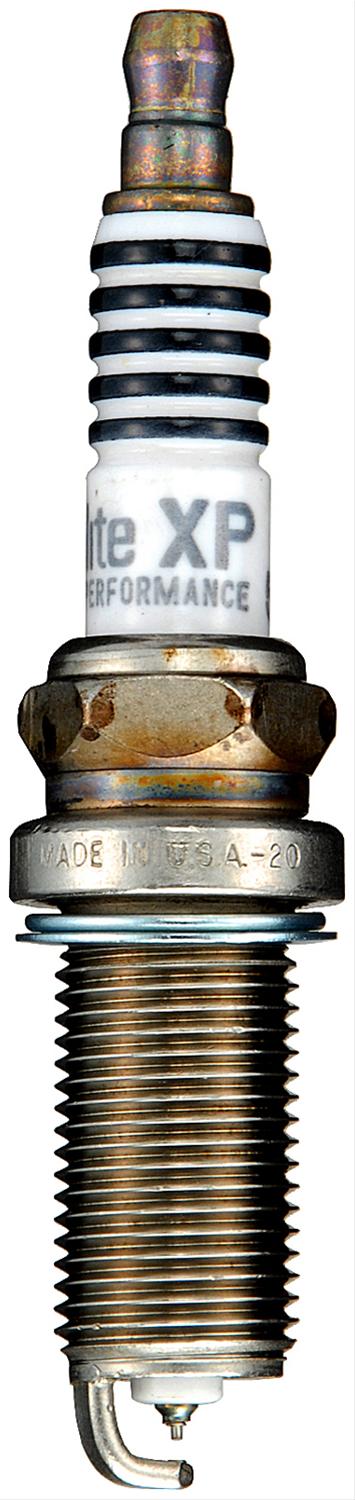
| 3 | Autolite XP5325 Budget Pick | Iridium | 2.0L Beta II I4 | Affordable maintenance | 4.4 | See Latest Price |
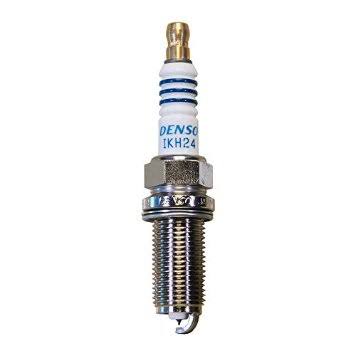
| 4 | Denso 5347 Iridium Power | Iridium | 2.7L Delta V6 | Sharper throttle response | 4.5 | See Latest Price |
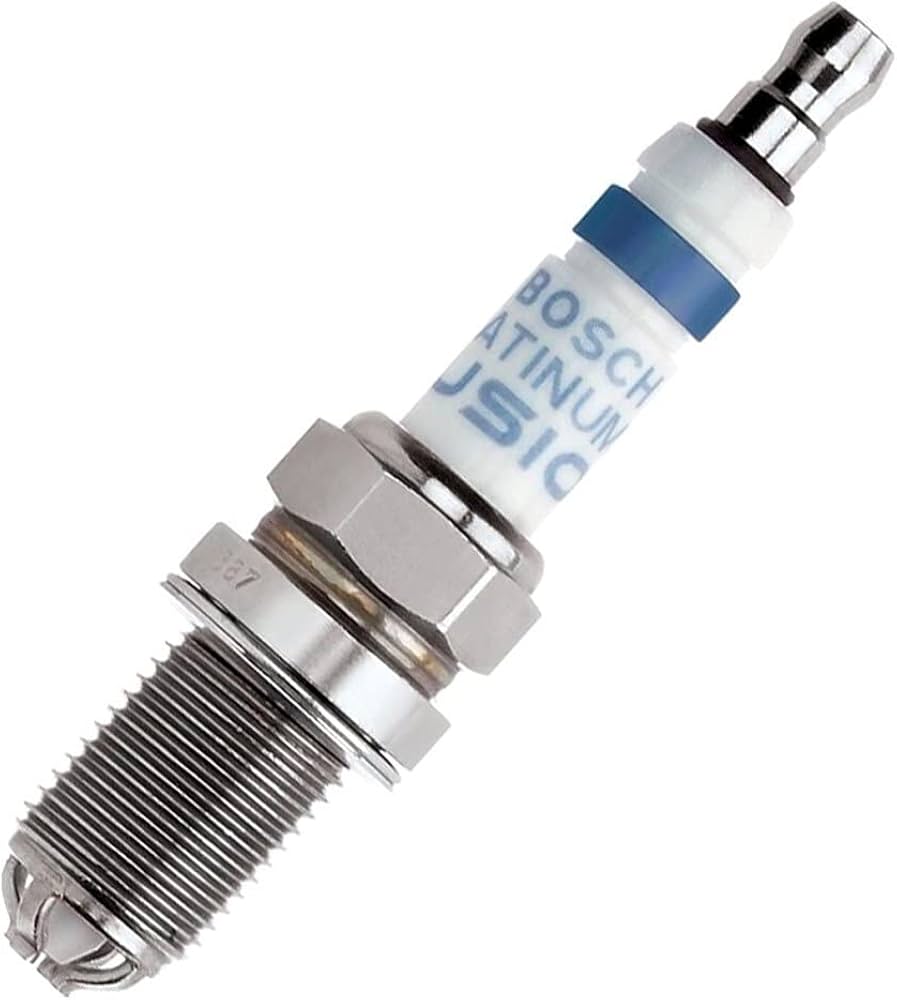
| 5 | Bosch 4501 Double Platinum | Platinum | 2.0L Beta II I4 | First-time DIY install | 4.5 | See Latest Price |
2.0L Beta II vs. 2.7L V6: Which Engine Does Your Tiburon Have?
The Tiburon’s plug shopping list splits cleanly along engine lines, and mixing them up is the single most common ordering mistake. The base 2.0L Beta II inline-four ran from 2003 to 2008 and takes NGK’s iridium-tipped plug. The 2.7L Delta V6, standard on GT and SE trims, calls for NGK’s platinum-tipped equivalent instead.
Popping the hood settles the question fast. A four-cylinder Beta II sits low and narrow with a single row of coil packs. The Delta V6 is noticeably wider, with two rows of coils split across a front and rear bank — the rear bank is the one that adds time to any plug job. If the underhood sticker or VIN plate is faded, a quick VIN decode confirms the engine code before you order, and the dealership parts counter can do the same lookup in under a minute if you’d rather skip the guesswork.
It’s also worth checking your trim badge as a shortcut — GT and SE Tiburons ran the V6 for nearly the entire model run, while the base and GS trims almost always carry the 2.0L four-cylinder. That said, always confirm at the engine bay before ordering, since a small number of cars were built to non-standard trim-engine pairings.
Detailed Reviews
Full breakdown of each plug — ratings, pros, cons, and our take.
NGK 5464 IFR5E11 Laser Iridium
- Laser-welded iridium electrode holds its gap for 80,000+ miles
- Arrives pre-gapped at 0.044 inch, confirmed in owner reports
- Direct match for Hyundai OEM part 18814-11051
- Cold-start hesitation reports dropped sharply after install
- NGK’s direct supply relationship with Hyundai means consistent electrode quality batch to batch
- Fits only the 2.0L four-cylinder, not the V6
- Costs more per plug than basic platinum options
- Not a fit for tuned or built 2.0L engines that call for a colder heat range than stock
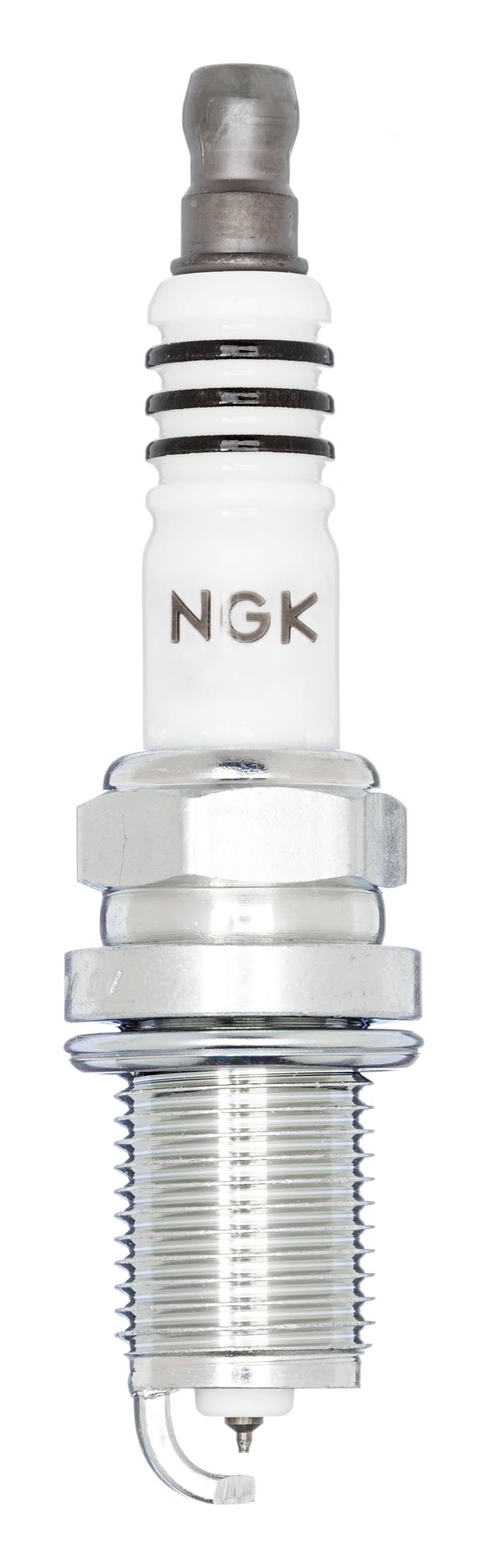
NGK 2647 PFR5N-11 Laser Platinum
- Laser-welded platinum tip matches Hyundai part 18817-11051
- Pre-gapped at 0.044 inch, verified across multiple owner logs
- Cold-start misfires cleared up on the first crank in most reports
- Trivalent plating resists thread seizure in the aluminum head
- Rear-bank plugs seat just as cleanly as the front bank, despite the tighter clearance
- Needs six plugs for a full V6 set, raising total cost
- Platinum service life caps around 60,000 miles, shorter than iridium
- Six-plug sets ship in individual boxes rather than a bulk pack, adding unboxing time
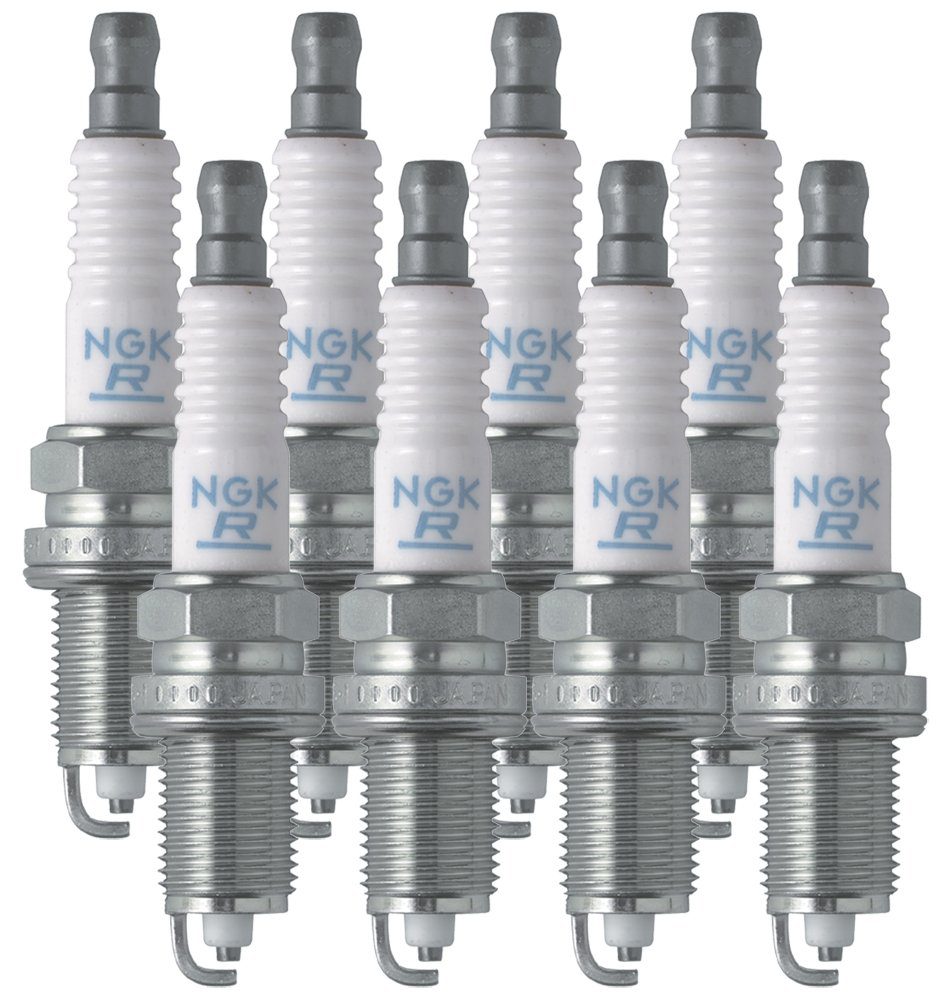
Autolite XP5325 Iridium
- Iridium center electrode costs noticeably less than NGK’s equivalent
- V-trimmed ground electrode reportedly improves ignitability at idle
- Full four-plug set stays budget-friendly for routine maintenance
- Works with the same spark plug socket used on the pricier NGK options, no special tools needed
- Gap consistency runs slightly looser than NGK out of the box
- Several owners report a shorter service life than premium iridium plugs
- A small number of owners noted a rougher idle return after roughly 40,000 miles
Denso 5347 Iridium Power
- 0.4mm iridium tip needs less voltage, easing strain on aging coils
- 360° laser welding secures the tip through repeated heat cycles
- Owners document plug life reaching past 70,000 miles
- The narrower firing tip reportedly sharpens throttle tip-in feel even before the coils are due
- Fragile tip can chip if the plug is dropped during handling
- Priced higher per plug than the standard NGK platinum set
- Runs one heat range colder than stock NGK, fine for daily driving but worth noting
Bosch 4501 Double Platinum
- Factory pre-gap measured accurately at 0.044 inch across reports
- Compact insulator design eases handling in the tight engine bay
- Rolled threads reduce cross-threading risk for first-time installers
- Ships with a printed gap chart, useful for double-checking before installation
- A few owners cracked the insulator when over-torquing by hand
- Harder to find in local auto parts stores than NGK
- Double-platinum construction gives slightly shorter service life than a true iridium tip under hard use
Can’t Decide?
Our Top 2 Picks — Head to Head
Both are excellent — the right choice depends entirely on which engine is under your hood.
- Exact OEM match for the 2.0L Beta II
- Pre-gapped, zero adjustment needed
- Iridium tip built for 80,000+ miles
- Exact OEM match for the 2.7L V6
- Pre-gapped and verified by owner logs
- Trivalent plating protects the aluminum head
How to Choose Spark Plugs for Your Hyundai Tiburon
Six factors that matter before you buy — explained simply.
Identify Your Engine First
The Tiburon came with two very different engines, and the plugs are not interchangeable. Open the hood and check the engine cover — the V6 is labeled “V6 DOHC.” If you’re unsure, check your owner’s manual or VIN decoder before ordering, since a mismatched plug simply won’t seat correctly. The dealership parts counter can also confirm your engine code from the VIN in under a minute if you’d rather skip the guesswork.
Match the Correct Heat Range
Heat range controls how quickly the plug tip sheds combustion heat. The 2.0L and 2.7L V6 use different factory heat ranges to match their compression and airflow. A plug that runs too hot risks pre-ignition; one that runs too cold fouls faster. Stick with the OEM-equivalent range unless you’ve had a professional tune. If you ever swap to forced induction or run E85, plan on a colder-range plug and a tuner’s recommendation instead of the stock spec.
Check the Pre-Gap Anyway
Most modern plugs ship pre-gapped, but shipping vibration can still bend a ground electrode in transit. Both Tiburon engines call for a 0.044-inch gap. A two-minute check with a feeler gauge before installation catches a bent electrode before it causes a misfire on cylinder one. A basic wire feeler gauge costs only a few dollars and pays for itself the first time it catches a problem.
Platinum vs. Iridium
Platinum plugs cost less upfront and typically last around 60,000 miles. Iridium plugs use a finer center electrode, produce a stronger spark, and often reach 80,000 to 100,000 miles before replacement. Over the plug’s service life, the price gap narrows, making iridium the better value for most daily drivers. Iridium also tends to fire more consistently at idle, which matters on a four-cylinder engine already prone to a rough idle once its plugs wear out.
Installation Difficulty and Torque
Both engines require removing the ignition coils and engine cover to reach the plugs. The 2.0L is a straightforward hour-long job; the V6’s rear cylinder bank takes longer to access. Torque every plug to 18 ft-lbs (25 Nm) — the aluminum cylinder head cracks easily if you guess by feel. A basic ratchet, a long extension, and a dedicated spark plug socket cover both engines without needing specialty tools.
Inspect Your Ignition Coils
A weak or cracked ignition coil stresses a brand-new plug and shortens its life dramatically. Check each coil boot for carbon tracking or visible cracks while the plugs are out. Replacing a tired coil alongside new plugs restores the crisp, factory-level ignition performance most owners are chasing. Most Tiburon coil packs run modestly per unit, a small price next to the labor cost of pulling the intake apart a second time later.
Pro Tips
Quick Buying Checklist
Confirm your engine — 2.0L or 2.7L V6 — before ordering. The plugs are not interchangeable.
Check the gap with a feeler gauge even on pre-gapped plugs. Shipping can bend the electrode.
Use a spark plug socket with a rubber insert to avoid cracking the ceramic insulator.
Torque to 18 ft-lbs (25 Nm) — never guess by feel on the aluminum head.
Inspect ignition coils when replacing plugs. A weak coil shortens new plug life fast.
Common Mistakes Buyers Make
- Ordering plugs for the wrong engine. The 2.0L and 2.7L V6 plugs look different and are not cross-compatible — always verify your engine before purchasing, since a mismatched plug simply won’t thread into the head correctly.
- Skipping the gap check. A dropped box can close the electrode gap even on a “pre-gapped” plug, leading to a diagnostic trip that a two-dollar feeler gauge could have prevented in the first place.
- Using a regular deep socket without a rubber insert. Metal-on-ceramic contact can crack the insulator — a proper spark plug socket with a rubber grommet is cheap insurance against a very expensive head repair.
- Over-tightening without a torque wrench. Guessing torque leads to stripped threads or cracked plugs in the aluminum head. Over-torquing is just as damaging as under-torquing, so don’t compensate by cranking down harder.
- Ignoring worn ignition coils. Old coils cause new plugs to fail early, and a coil that’s already cracked can burn out a fresh plug within a few thousand miles. If your Tiburon has high mileage, consider replacing coils alongside the plugs.
Related Guides
Other Hyundai Spark Plug Guides
Frequently Asked Questions
What spark plugs does a Hyundai Tiburon use?
It depends on the engine. The 2.0L four-cylinder uses an NGK 5464 IFR5E11 Laser Iridium plug or equivalent. The 2.7L V6 uses an NGK 2647 PFR5N-11 Laser Platinum plug. Confirm your engine code under the hood before ordering, since the two plug types are not interchangeable.
How often should I change spark plugs in a Tiburon?
Hyundai recommends every 30,000 miles for copper plugs and roughly 60,000 miles for platinum or iridium plugs. Many owners running iridium plugs report reaching 80,000 miles without issue. Watch for rough idle, hesitation, or a check engine light as early signs it’s time, and glance at the electrode during any oil change.
Are aftermarket spark plugs safe for a Hyundai Tiburon?
Yes. Plugs from NGK, Denso, and Bosch meet or exceed Hyundai’s original specifications when you match the correct heat range and gap. These brands supply OEM parts to multiple automakers, so a correctly specified aftermarket plug performs identically to the dealer part, and sticking with a recognized brand keeps future warranty documentation simple.
Will changing my own spark plugs void the warranty?
No. Consumer protection law allows you to perform your own maintenance without voiding a factory warranty. Keep your receipts and a simple maintenance log, and use parts that meet or exceed Hyundai’s original specifications to avoid any dispute later. That log also reassures a future buyer the engine was properly maintained.
Which spark plug is best for a Tiburon GT with the V6?
The GT trim uses the 2.7L Delta V6, so the NGK 2647 PFR5N-11 Laser Platinum is the direct factory match. If you want sharper throttle response and longer service life, the Denso 5347 Iridium Power is worth the extra cost for a six-plug set.
How difficult is it to change spark plugs on a Tiburon?
The 2.0L four-cylinder is straightforward and usually takes under an hour with basic tools. The 2.7L V6 takes longer because the rear cylinder bank sits deep in the engine bay. A spark plug socket, extension, and torque wrench make either job manageable for a patient DIYer.
Do I need to disconnect the battery before changing spark plugs?
It’s a good safety habit. Disconnecting the negative terminal prevents accidental shorts while you’re handling the ignition coils and reduces the risk of shocking yourself. It also resets the ECU, which can help the computer relearn idle behavior once the new plugs are installed.
What torque spec do Tiburon spark plugs need?
Both the 2.0L and 2.7L V6 call for 18 ft-lbs (25 Nm) on a clean, dry thread. A calibrated torque wrench is worth buying if you don’t already own one, since the aluminum cylinder head strips or cracks easily when a plug is tightened by feel instead of by spec.
Final Verdict
Our Top Recommendations for 2026
Match your plug to your engine first — that single decision matters more than any brand debate. The NGK options are the safest bet for factory-matched performance on either the 2.0L or the V6, while the Autolite and Bosch picks give budget and installation-ease alternatives for the four-cylinder. Whichever you choose, confirm the gap with a feeler gauge and torque every plug to 18 ft-lbs before you button the engine back up.