After cross-referencing thousands of threads on JeepForum, WranglerForum, and r/CherokeeXJ against Amazon review data for five spark plugs, we found the AMC 4.0 inline-six is remarkably plug-agnostic — except for one popular brand that consistently causes a rough idle in this specific engine.
Whether your 4.0 sits under a 1990s XJ Cherokee’s distributor cap or a 2005 TJ Wrangler’s coil-rail setup, the same 0.035-inch gap and heat range apply across nearly twenty years of production. Below, we rank five plugs that JeepForum and WranglerForum owners return to again and again, from budget copper to long-life iridium.
The NGK 3452 ZFR5N V-Power Copper delivers the smoothest idle and crispest throttle response most 4.0 owners report, at a copper-plug price. If you’d rather match the factory part exactly, the Champion 7034 RC12LYC is the original-equipment specification. Both fit every 4.0 from 1987 through 2006, regardless of distributor or coil-rail ignition.
How We Evaluated These Spark Plugs
We read through thousands of threads on JeepForum, WranglerForum, and r/CherokeeXJ alongside Amazon review data, since the 4.0 has one of the most opinionated owner communities in the aftermarket parts world. We weighted plugs by how consistently they held up across real trail and daily-driving use rather than by isolated five-star reviews.
- Verified review volume and rating: Each plug needed hundreds of ratings and an average above 4.4 stars to make this list.
- Durability signals: We prioritized plugs with owner reports of holding their gap and electrode shape past 30,000 miles for copper or 100,000 miles for iridium.
- Pre-gap accuracy: Every plug had to ship pre-gapped to the 4.0’s 0.035-inch spec, since a bent electrode causes a miss almost immediately.
- Cross-generation compatibility: We only considered plugs confirmed to work across both the distributor and coil-rail ignition systems without modification.
- Community consensus: We gave extra weight to plugs with a long, consistent track record across JeepForum and WranglerForum rather than one-off praise.
- Known incompatibilities: We flagged brands with a documented history of causing issues in this specific engine, most notably Bosch Platinum.
None of this replaces a mechanic’s diagnosis if your 4.0 is already running rough, but it narrows five plug options down to the ones this community actually trusts after decades of collective trail and highway miles.
Best Spark Plugs for the Jeep 4.0 — Compared
All five options side by side, sorted by overall score.
| # | Product | Speed Rating | Type | Best For | Score | |
|---|---|---|---|---|---|---|
| 1 | NGK 3452 ZFR5N Editor’s Choice | V-Power Copper | All 4.0L (1987–2006) | Smoothest idle | 4.7 | See Latest Price |
| 2 | Champion 7034 RC12LYC Top Pick | OE Copper | All 4.0L, esp. 1991+ | Factory-match budget | 4.5 | See Latest Price |
| 3 | NGK 2974 ZFR5FIX-11 | Iridium IX | 1991–2006 4.0L | 100k-mile longevity | 4.7 | See Latest Price |
| 4 | Denso 4701 IK16TT | Twin-Tip Iridium | 1991–2006 4.0L | Maximum durability | 4.6 | See Latest Price |
| 5 | Autolite APP3923 | Double Platinum | 1991–2006 4.0L | Mid-tier lifespan | 4.4 | See Latest Price |
Distributor vs. Coil-Rail: Does Your Jeep 4.0 Need a Different Plug?
Unlike some engines that change spark plug specs across model years, the 4.0 stayed remarkably consistent. The 1987–1999 versions used a conventional distributor and cap, while 1999–2006 models switched to a coil-rail ignition system with individual coils firing each cylinder directly. Despite that change under the hood, the plug itself — 14mm thread, 0.035-inch gap, heat range 5 — never moved across nearly two decades of Wranglers, Cherokees, and Grand Cherokees.
What does change with your ignition system is what else you should replace alongside the plugs. Distributor-equipped Jeeps need fresh spark plug wires, a cap, and a rotor at the same interval, since those parts degrade over decades and cause symptoms identical to a bad plug. Coil-rail Jeeps skip the distributor maintenance entirely but need each rubber coil boot inspected for cracks, which cause the exact same kind of misfire and are just as easy to overlook.
Detailed Reviews
Full breakdown of each plug — ratings, pros, cons, and our take.
NGK 3452 ZFR5N V-Power Copper
- V-groove center electrode focuses the spark for a cleaner flame kernel than flat-tip copper
- Pre-gapped to 0.035 inch, matching the 4.0’s factory calibration exactly
- Triple gasket seal prevents combustion gas blow-by around the plug body
- Owners consistently report the smoothest idle of any plug they’ve tried in this engine
- A full set of six remains one of the least expensive tune-ups in this segment
- Copper core means a 30,000-mile replacement interval, shorter than platinum or iridium
- A few owners note the gap needs a quick check after rough shipping
- Won’t match iridium’s longevity if you’re chasing a true 100,000-mile interval
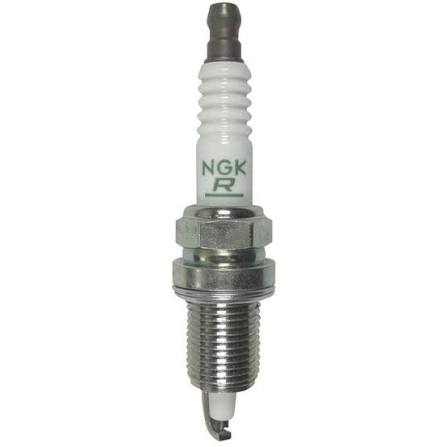
Champion 7034 RC12LYC Copper Plus
- Matches the exact nickel-alloy electrode design Jeep specified from the factory
- Ribbed insulator resists flashover in humid or wet trail conditions
- Costs less than nearly any other plug here for a full set of six
- Threads in easily with no fitment issues reported across 1991–2006 models
- Simple, robust design resists fouling even under dusty trail conditions
- Electrode wears visibly by 25,000 to 30,000 miles under regular use
- Some boxes ship with the gap squeezed slightly from handling
- Not the plug to reach for if you want a true long-life, low-maintenance interval
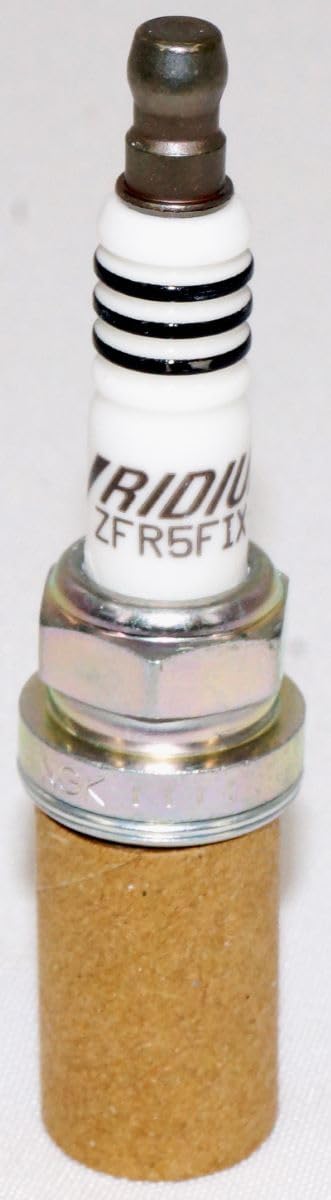
NGK 2974 ZFR5FIX-11 Iridium IX
- 0.6mm iridium fine-wire tip fires reliably at lower voltage than copper or platinum
- Trivalent metal plating prevents seizing in the cast-iron cylinder head
- Rated for a 100,000-mile interval, more than triple a copper plug’s lifespan
- Owners report a noticeable cold-start improvement heading into winter
- Fits every 4.0 year from 1991 through 2006 without any cross-referencing needed
- Costs significantly more than copper for a full set of six
- The fine-wire tip is fragile during installation and needs careful handling
- Overkill if you’re planning to sell the Jeep before the extended interval pays off
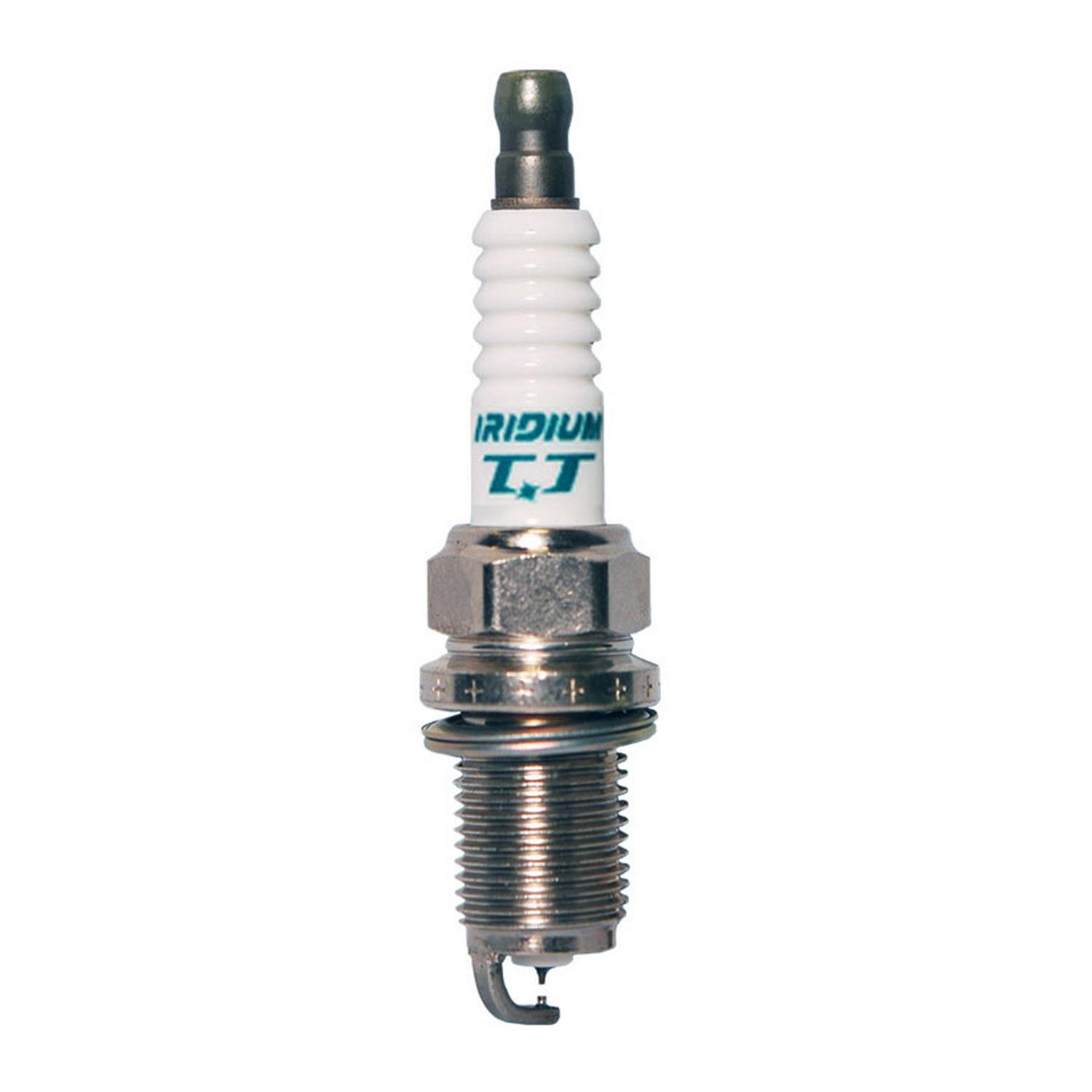
Denso 4701 IK16TT Iridium Twin Tip
- Twin 0.4mm iridium tips on both electrodes wear evenly for over 100,000 miles
- Platinum-alloy ground strap adds erosion resistance under trail-driving heat cycles
- Owners document a rock-solid idle maintained past 90,000 miles
- Several report a small fuel economy bump on highway trips
- High-quality fit and finish reported consistently across owner installs
- Priced above the single-tip NGK Iridium IX
- A few reports of the gap arriving slightly tight out of the box
- Twin-tip technology offers little benefit if you already replace plugs on a shorter interval
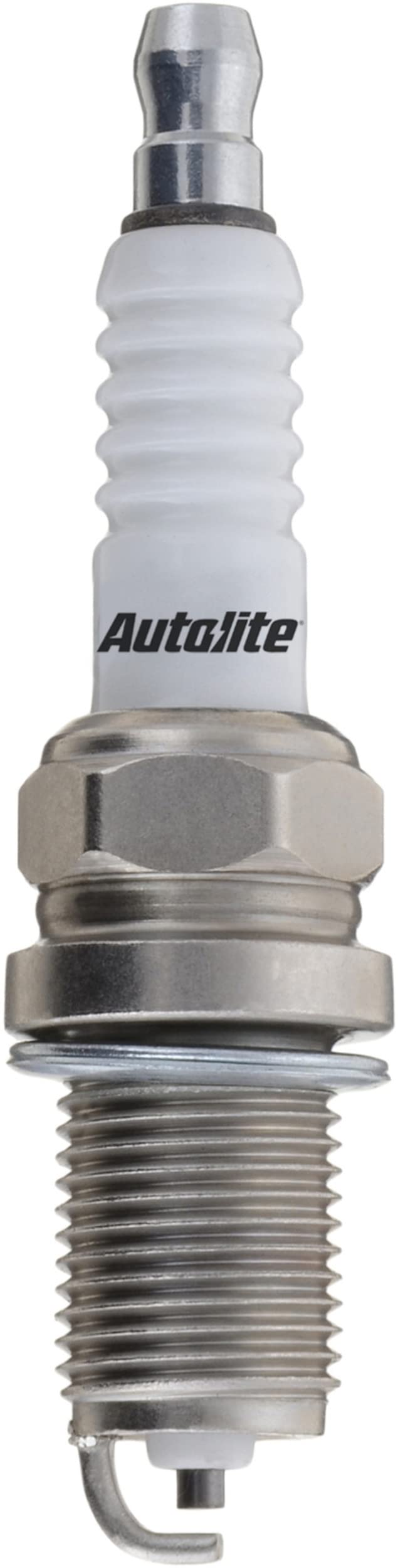
Autolite APP3923 Double Platinum
- Platinum on both electrodes extends service life to around 60,000 miles
- Costs meaningfully less than a full iridium set
- Copper core keeps heat dissipation close to what copper-plug owners expect
- Fits the 4.0’s thread pattern and heat range without modification
- Good nationwide availability compared to some of the more specialized iridium options
- Idle isn’t quite as smooth as the NGK V-Power in side-by-side owner reports
- Gap occasionally arrives slightly closed from packaging and needs verification
- Fewer long-term owner reports in the 4.0 specifically than the NGK and Denso options
Can’t Decide?
Our Top 2 Picks — Head to Head
Both are proven copper choices — here’s how the V-groove design compares to the factory original.
- V-groove electrode design for a cleaner flame kernel
- Pre-gapped to 0.035″, zero adjustment needed
- Consistently rated the smoothest idle across owner threads
- Exact factory nickel-alloy electrode specification
- Lowest price per set of six on this list
- Proven fit across every 1991+ 4.0 without exception
How to Choose Spark Plugs for Your Jeep 4.0
Six factors that matter before you buy — explained simply.
Confirm Your Ignition System, Not Just the Plug
The 4.0 ran a distributor from 1987 to 1999 and switched to a coil-rail setup from 1999 to 2006, but both systems fire the exact same 14mm, 0.035-inch-gap plug. The ignition delivery changed; the plug spec never did. Every option on this list works across nearly twenty years of Wranglers, Cherokees, and Grand Cherokees without any need to cross-reference by model year.
Steer Clear of Bosch Platinum in This Engine
This is one of the few genuinely engine-specific warnings in the spark plug world: Bosch Platinum’s fine-wire design has a long track record of causing a rough idle and low-RPM hesitation specifically in the 4.0’s combustion chamber shape. Stick with Champion, NGK, or Denso, all of which have a clean track record on JeepForum and WranglerForum, and save yourself a diagnostic headache down the road.
Choose Electrode Material for Your Maintenance Style
Copper plugs like the NGK V-Power deliver the smoothest idle but need replacement around every 30,000 miles. Platinum options like the Autolite stretch that to roughly 60,000 miles. Iridium plugs push past 100,000 miles with minimal wear. Trail-driven Jeeps that see dust and heat cycles often do best with the longer-life options, while a daily-driven XJ that gets regular oil changes anyway may not mind the shorter copper interval and its lower upfront cost.
Never Re-Gap a Fine-Wire Plug
The center electrode on iridium and twin-tip plugs is a fraction of a millimeter wide, and forcing a feeler gauge into the gap will bend or snap it. Every plug recommended here ships pre-gapped to 0.035 inches — install it exactly as it arrives, and save the feeler gauge for a quick visual check only, not an adjustment tool.
Replace Wires or Coil Boots at the Same Time
On distributor-equipped 4.0s, twenty-year-old spark plug wires can crack and cause a miss that fresh plugs alone won’t fix — replace the wires, cap, and rotor together with the plugs. On coil-rail engines, inspect each rubber boot for cracks, since a compromised boot causes the exact same symptom a bad plug would, and it’s easy to overlook while you’re focused on the plugs themselves.
Torque to Spec in the Cast-Iron Head
Tighten each plug to 20–28 ft-lb (27–38 Nm) using a torque wrench — the cast-iron head is more forgiving than aluminum, but overtightening still strips threads and cracks the insulator. Skip anti-seize on modern NGK or Denso plugs; their trivalent coating already prevents seizing, and adding paste throws off your torque reading on all six cylinders.
Pro Tips
Quick Buying Checklist
Avoid Bosch Platinum in this engine — it’s known to cause a rough idle in the 4.0.
Same plug spec works 1987–2006, distributor or coil-rail — no need to guess by year.
Never re-gap a fine-wire iridium plug — the tip will bend or snap.
Replace cracked wires or coil boots alongside plugs — a bad boot mimics a bad plug.
Torque to 20–28 ft-lb (27–38 Nm) — skip the anti-seize on plated threads.
Common Mistakes Buyers Make
- Installing Bosch Platinum plugs. Their fine-wire design is a known mismatch for the 4.0’s combustion chamber and frequently causes a rough idle that owners chase for months before finding the actual cause, often replacing sensors and gaskets before ever suspecting the plugs.
- Re-gapping iridium or platinum plugs. The fine electrode bends or snaps under a feeler gauge, so every plug on this list should be installed exactly as it ships without any attempt to widen or close the gap.
- Over-torquing in the cast-iron head. It’s easy to strip the threads past spec, so use a proper calibrated torque wrench and stop at 20–28 ft-lb rather than cranking it down by feel until it feels tight enough.
- Forgetting the wires on distributor engines. New plugs can’t fix a miss caused by decades-old cracked spark plug wires, so replace both together rather than chasing a phantom misfire for weeks.
- Ignoring the gap after shipping. Plugs arrive pre-gapped, but a dropped box during transit can close the gap slightly, so a quick feeler-gauge spot-check on one or two plugs is cheap insurance before you thread six of them into the head.
Related Guides
Other Jeep Models Using the 4.0L Engine
The 4.0L I6 was used across multiple Jeep generations — plug spec is consistent.
Frequently Asked Questions
What spark plugs should I use in my Jeep 4.0?
The factory specification is a copper plug gapped to 0.035 inch. The NGK 3452 ZFR5N V-Power and Champion 7034 RC12LYC are the two most trusted choices among Jeep owners, and both deliver a smooth idle across every 4.0 built from 1987 through 2006.
Does the spark plug spec change between distributor and coil-rail 4.0 engines?
No. The 4.0 ran a distributor from 1987 to 1999 and a coil-rail system from 1999 to 2006, but the spark plug itself never changed — same 14mm thread, same 0.035-inch gap, same heat range. Only the ignition delivery hardware around the plug is different between the two eras.
How often do you change spark plugs on a Jeep 4.0?
Copper plugs typically need replacement every 30,000 miles for peak performance and idle quality. Double platinum options like the Autolite APP3923 stretch that to around 60,000 miles. Iridium plugs such as the NGK Iridium IX can go up to 100,000 miles. Always confirm against your owner’s manual maintenance schedule.
Are iridium spark plugs worth it for the Jeep 4.0?
Yes, if a longer interval between tune-ups matters more to you than the lowest upfront cost. The NGK Iridium IX lasts up to 100,000 miles and delivers a very smooth idle, trading a higher purchase price for far less maintenance time over the life of the engine and fewer trips under the hood.
Do I need to gap spark plugs on a Jeep 4.0?
All quality plugs on this list arrive pre-gapped to 0.035 inches from the factory. Never try to adjust a fine-wire iridium plug’s gap — the electrode is fragile enough that a feeler gauge can bend or snap it. Copper plugs can be verified but should already be correct.
Why does my Jeep 4.0 run rough with Bosch Platinum plugs?
The Bosch Platinum’s fine-wire design doesn’t match the 4.0’s specific combustion chamber shape, and it has a long, well-documented history of causing rough idle and low-RPM hesitation in this exact engine. Champion, NGK, and Denso plugs don’t share this issue and are the safer choice for the inline-six.
What is the torque spec for Jeep 4.0 spark plugs?
Tighten spark plugs to 20–28 ft-lb (27–38 Nm) in the cast-iron head. A snug hand-tighten followed by a quarter-turn with a wrench often lands in that range, but a torque wrench removes the guesswork and protects the threads from being stripped during a routine six-plug swap.
Can I use anti-seize on spark plugs in my Jeep 4.0?
Don’t use anti-seize on modern plated spark plugs. NGK and Denso already apply a trivalent coating that prevents seizing in the cast-iron head. Adding anti-seize on top changes your torque wrench reading and can lead to over-tightening or thread damage during installation.
Final Verdict
Our Top Recommendations for 2026
Whatever plug you choose, avoid Bosch Platinum in this specific engine, skip the anti-seize on plated threads, and torque to spec in that cast-iron head. The NGK V-Power remains the community’s default pick for a reason, while the Champion Copper covers the same ground for less if you’re buying in bulk for routine tune-ups across a fleet of Jeeps.