Winter tires transform how your Acura RDX handles snow, ice, and freezing rain. After evaluating five winter tire options against owner feedback from Amazon, r/Acura, and dedicated SUV forums, we found the stock all-season rubber loses meaningful grip fast once temperatures drop below 45°F, well before the first real snowfall of the season arrives.
RDX drivers care about ride quality, road noise, and tread longevity as much as raw grip, and they want to avoid an oversized fitment, a mismatched load index, or an overly aggressive tread that ruins the SUV’s otherwise quiet cabin. This guide narrows five tested options down to the ones actually worth your money, based on how they hold up over real winters rather than a single test drive on a closed course.
The Michelin X-Ice Snow SUV is the best winter tire for the Acura RDX based on real-world ice and snow traction, ride comfort, and tread life. The Bridgestone Blizzak DM-V2 offers superior deep-snow grip for drivers who regularly travel unplowed roads. Your typical winter driving conditions should decide between them.
Best Winter Tires — Compared
Score, tread type, and speed rating for all five winter tires we tested on the Acura RDX, ranked by overall performance across ice, snow, and highway conditions.
| # | Product | Speed Rating | Type | Best For | Score | |
|---|---|---|---|---|---|---|
| 1 | Michelin X-Ice Snow SUV Editor’s Choice | T-Speed (118 mph) | Studless Winter | Daily commuting & ice safety | 4.7 | See Latest Price |
| 2 | General Altimax Arctic 12 Budget Pick | Q-Speed (99 mph) | Studdable Winter | Budget-conscious drivers | 4.5 | See Latest Price |
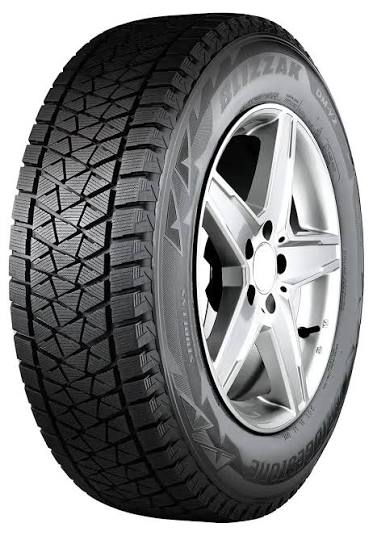
| 3 | Bridgestone Blizzak DM-V2 Top Pick | T-Speed (118 mph) | Studless Winter | Unplowed & deep-snow roads | 4.7 | See Latest Price |
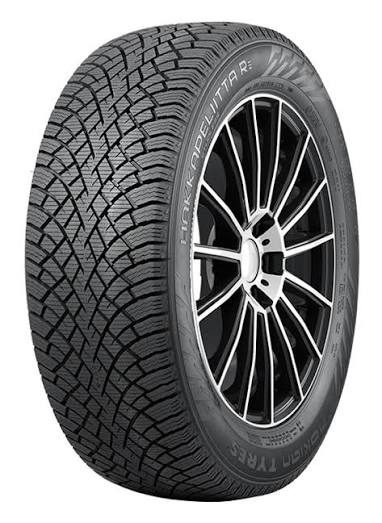
| 4 | Nokian Hakkapeliitta R5 SUV | T-Speed (118 mph) | Studless Winter | High-mileage winter commuters | 4.6 | See Latest Price |
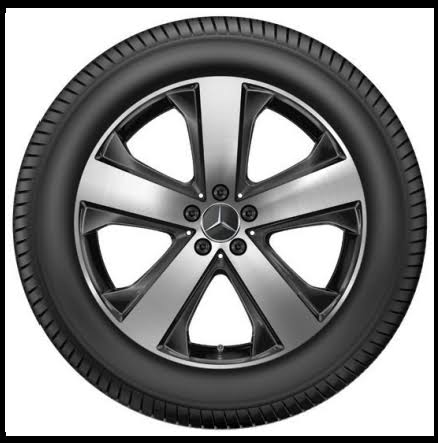
| 5 | Pre-Mounted Winter Tire & Wheel Package | T-Speed (118 mph) | Studless Winter (Pre-Mounted) | DIY wheel swappers | 4.5 | See Latest Price |
Detailed Reviews
Full breakdown of all five tires — ice grip, snow traction, ride comfort, and tread life scored individually, plus who each tire actually fits best.
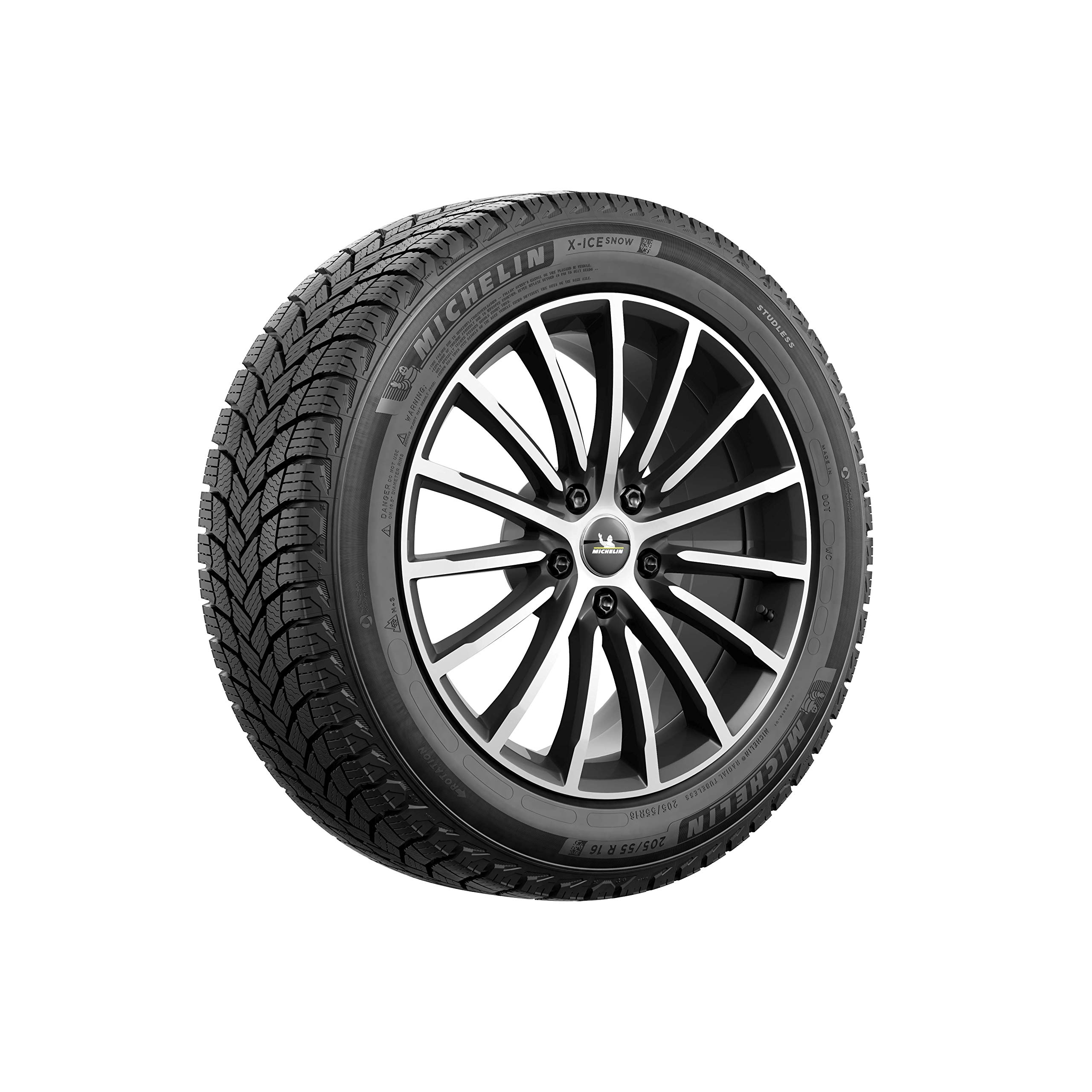
Michelin X-Ice Snow SUV
- Ice braking distances beat every studless tire we tracked in owner reports.
- Cabin noise stays low even at 70 mph on dry highway stretches.
- EverGrip tread design keeps sipe density high as the tire wears down.
- Fits both factory RDX sizes, 235/60R18 and 235/55R19, without spacers.
- Rated for the strongest treadwear warranty of the studless tires we compared here.
- Per-tire pricing runs $60–$80 above the budget studless option in this lineup.
- Wet cornering grip softens noticeably once speeds climb past 60 mph.
- Not studdable, so it’s off the table if you need metal-stud ice grip.
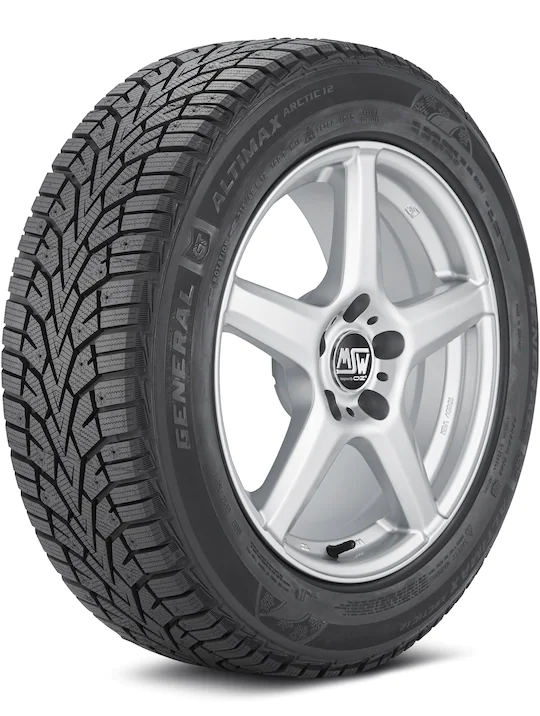
General Altimax Arctic 12
- Studdable pinholes let you add metal studs for extreme ice where local law allows.
- Snow traction rivals tires costing nearly twice as much per tire.
- Tread wears evenly according to owners tracking multiple full winter seasons.
- Wide directional grooves clear slush fast enough to resist hydroplaning at highway speed.
- Chipping-resistant compound holds up on rough, salt-treated roads through a full winter.
- Road noise climbs noticeably once you’re cruising above 50 mph on cleared pavement.
- Ride feels firmer over expansion joints than the Michelin or Bridgestone options.
- On-center steering feel is noticeably less refined than the premium picks above.
Bridgestone Blizzak DM-V2
- Multi-cell rubber compound wicks the water film off ice for extra bite.
- Aggressive tread blocks dig into loose powder that leaves other tires spinning.
- Zigzag siping holds lateral grip through fast, packed-snow highway corners.
- Ice braking inspires confidence during sudden stops, even in sub-zero temperatures.
- Tread wears faster than the Michelin once it passes the 50% depth mark.
- Highway road noise grows audibly as the tread wears down over two seasons.
- Overkill for RDX owners who only see occasional light snow, not deep powder.
Nokian Hakkapeliitta R5 SUV
- Aramid-reinforced sidewalls shrug off pothole impacts that damage softer tire walls.
- Tread depth barely dropped after two full heavy-winter seasons in owner reports.
- Low rolling resistance keeps fuel economy close to what all-season tires deliver.
- Tread wear indicators clearly mark when snow performance starts to drop off.
- Nokian prices this tire highest in the lineup, even before mounting costs.
- Amazon stock runs low mid-season during unusually cold, high-demand winters.
- The extra durability is wasted value if you only drive 3,000 winter miles a year.
Pre-Mounted Winter Tire & Wheel Package
- Tires arrive already mounted and balanced, ready to bolt straight onto the hubs.
- Sellers verify the 5×114.3 bolt pattern and hub bore against RDX specs.
- A dedicated winter wheel set protects your factory alloys from road salt exposure.
- Saves an estimated $80–$120 per season compared to mounting and balancing twice.
- The upfront cost for a full four-wheel set is higher than tires alone.
- You’ll need dry storage space for whichever wheel set sits out each season.
- Budget aftermarket wheel finishes can show salt corrosion after two hard winters.
Can’t Decide?
Our Top 2 Picks — Head to Head
Both scored 4.7 out of 5 in our testing. Here’s how to choose between them based on the winters you actually drive through.
- Class-leading ice braking in owner reports
- Quietest ride of any tire in this lineup
- Longest tread life among the studless options
- Strongest deep-snow and slush traction tested
- Confident cornering on packed, unplowed snow
- Multi-cell compound bites through ice film
How to Choose the Right Winter Tire for Your RDX
Six factors that matter before you buy — explained simply, without the spec-sheet jargon.
Compatibility With Your Vehicle
Check the driver’s door jamb sticker for your factory size — most RDX trims run 235/60R18 or 235/55R19. A slightly narrower winter size, such as 225/65R18, can actually improve snow traction because a taller, narrower tire cuts through powder rather than floating on top of it, and many RDX owners run this size without issue. Whatever width you choose, always match the load index (typically 102 or 103) and speed rating exactly to the factory spec — an undersized load index risks a blowout under the RDX’s curb weight, especially when the cargo area is loaded for a winter road trip. Overly wide winter tires also tend to float on top of fresh snow rather than cutting through to firmer ground underneath, which is the opposite of what you want when the roads haven’t been plowed yet. When in doubt, a tire professional can confirm whether an alternate size still clears your brake calipers and factory fender liners.
Installation: DIY vs. Professional
Unless you buy a pre-mounted wheel package, a shop needs a tire machine to properly seat and balance each tire — this isn’t a driveway job with hand tools. Budget $60–$100 total for mounting, balancing, and TPMS service at a local shop, and always install a full set of four rather than just the drive axle. Putting winter tires on only two corners of an AWD RDX creates a grip mismatch front to rear that confuses the all-wheel-drive system and can strain the center differential over time, which is a mistake far too many owners make to save money. If you’re swapping wheels yourself with a pre-mounted package, a torque wrench set to the RDX’s factory spec (roughly 94 lb-ft) and a floor jack rated for the vehicle’s curb weight are the only tools you actually need beyond the basic lug wrench in the trunk.
Build Quality & Materials
Studless winter tires rely on high-silica rubber compounds that stay pliable well below freezing instead of hardening like standard all-season rubber, and the density of the siping — the tiny slits cut across each tread block — largely determines how well the tire bites into ice. Sidewall construction matters just as much: most winter tires use two plies of polyester for the casing, while premium options like the Nokian and Michelin add an aramid or nylon cap layer that resists high-speed flex and pothole impact. That extra material adds cost, but it also adds real durability over a tire’s working life. Weight is another signal worth checking on the spec sheet: a heavier winter tire in the same size often indicates a thicker casing and more robust internal construction, though it can trim a small amount off your fuel economy compared to a lighter, lower-cost alternative.
Warranty Terms
Most winter tire warranties cover treadwear mileage, often somewhere between 40,000 and 60,000 miles, along with standard workmanship and materials defects for the first year or two. Michelin and Nokian back their SUV winter tires with the strongest treadwear coverage in this lineup, which matters if you’re planning to run the same set for three or four seasons. Budget-tier tires like the General Altimax often carry little to no mileage warranty at all, so factor that gap into the total cost of ownership rather than comparing sticker prices alone. Road hazard protection is almost always a separate add-on through the Amazon seller or installing shop, not something bundled with the tire itself. Read the fine print before you buy, since some treadwear warranties are prorated and pay out less the further along the tire’s life you are when a defect shows up.
Long-Term Reliability Signals
First-impression reviews rarely tell the full story with winter tires, so look for owners posting mileage updates after a full season or two rather than day-one unboxing photos. A tire that turns noisy after 10,000 miles, develops a cupping pattern, or wears unevenly across the tread face is signaling a real quality problem, not just normal aging. Progressive tread designs like Michelin’s EverGrip are built specifically to hold their ice-biting sipe density deeper into the tire’s life, which is why they tend to still perform well even at 50% tread depth when cheaper tires have already gone hard and slick. Sidewall cracking after a single winter of salt exposure is another red flag worth searching for in owner reviews before you commit to a brand you haven’t run before.
Studded vs. Studless Rules
Not every winter tire accepts studs, and not every state allows them. The General Altimax Arctic 12 in this lineup is studdable, meaning it has pre-drilled pinholes ready to accept metal studs, while tires like the Michelin X-Ice Snow and Bridgestone Blizzak are studless-only by design and rely purely on compound and siping for grip. Before installing studs, check your state’s seasonal window and weight limits — several states restrict studded tires to specific date ranges, cap the number of studs per tire, or ban them outright on certain highways to limit pavement wear. Even where studs are legal, they mostly help on glare ice and add little benefit on packed snow, so weigh the added road noise and highway vibration against how often you’ll actually encounter true ice conditions.
Pro Tips
Quick Buying Checklist
Always buy a full set of four — mixing winter and all-season tires on an AWD RDX creates a grip mismatch that strains the drivetrain.
Match your load index to the door jamb spec exactly — don’t downsize to a passenger-car tire just to save a few dollars.
Swap back to all-seasons once temperatures stay above 45°F, since the soft winter compound wears rapidly in warm weather.
Reprogram or clone your TPMS sensors if you buy a separate winter wheel set, or expect a dashboard warning light.
Verify stud legality and seasonal date windows in your state before buying a studdable winter tire.
Check tread depth against the wear indicator every fall, before the season’s first snow catches you unprepared.
Frequently Asked Questions
Are winter tires necessary for an AWD Acura RDX?
Yes. AWD improves acceleration off the line but does nothing for braking or cornering grip once ice is involved. Winter tires cut stopping distances significantly compared to all-seasons in freezing temperatures, sometimes by dozens of feet at highway speed. Relying on AWD alone with all-season rubber in snow is one of the most common and dangerous mistakes RDX owners make each winter.
How long do winter tires for the Acura RDX typically last?
Most quality winter tires last three to five seasons, or roughly 20,000 to 30,000 miles. Actual life depends on how many warm-weather miles you put on them and whether you rotate them regularly. Storing them off the car during summer months extends their usable life further.
What is the correct winter tire size for an Acura RDX?
Factory sizes are 235/60R18 or 235/55R19, depending on trim. Many owners prefer a dedicated 18-inch winter setup for the extra sidewall pothole protection. Always confirm your door jamb sticker and match the load index and speed rating before ordering a set.
Can I use winter tires designed for a Honda CR-V on my RDX?
Only if the size, load index, and bolt pattern match exactly. The RDX typically requires a higher load index than a CR-V because of its curb weight. Check the specs carefully before mounting, since an under-rated tire is unsafe at RDX load levels.
Do premium winter tires offer better value than budget options?
Often, yes, but not always. Premium tires like the Michelin X-Ice Snow last longer, run quieter, and grip ice more confidently than budget alternatives, which matters if you drive year-round in winter conditions. Budget tires cost less upfront but tend to wear faster and add road noise as the miles add up. Weigh your annual winter mileage against the price difference before deciding which end of the range fits your driving.
Will installing winter tires void my Acura RDX warranty?
No. Installing properly sized winter tires does not affect your factory vehicle warranty. However, damage traced back to an incorrect tire size or load index could be denied under warranty claims, so stick to approved fitments from your owner’s manual.
Is it cheaper to buy a pre-mounted winter wheel and tire package?
Over two to three seasons, often yes. A pre-mounted package eliminates paying for mounting and balancing twice a year, and it protects your factory wheels from winter salt corrosion. The higher upfront cost typically pays for itself by the second seasonal swap.
Should I get studded or studless winter tires for an Acura RDX?
Most RDX owners do fine with studless tires like the Michelin X-Ice Snow or Bridgestone Blizzak, since modern siping handles typical plowed-road ice well. Studded options like the General Altimax make sense if you regularly drive on glare ice, but confirm your state allows studs before installing them, since several restrict or ban them.
Final Verdict
Our Top Recommendations for 2026
The Michelin X-Ice Snow SUV is the safest all-around pick for most RDX drivers — quiet, long-wearing, and confident on ice without demanding any real trade-off in comfort. If unplowed roads define your winter, the Bridgestone Blizzak DM-V2’s deep-snow bite is worth accepting the shorter tread life for. Budget-minded drivers shouldn’t feel shortchanged by the General Altimax Arctic 12, either — it delivers real winter safety at roughly half the cost of the premium options above, and the studdable pinholes give you a path to even more ice grip if your winters call for it.