After evaluating six replacement tire options for the Acura TSX — cross-referencing r/AcuraTSX community discussions, AcuraZine forum threads, Tire Rack consumer survey data, SimpleTire platform ratings, and multi-generation fitment data across the TSX’s two primary sizes — we ranked the tires that genuinely match what the TSX was designed to deliver. The TSX’s chassis was built around a specific character: the car rewards steering input and communicates through the wheel in a way that budget all-season compounds actively suppress. Every tire in this comparison was evaluated against that standard, and the recommendations are ranked to reflect whether a tire amplifies or dulls the TSX’s driving personality. Where commuting comfort and tread longevity matter more than chassis response — which is a legitimate priority for high-mileage owners — those trade-offs are called out honestly.
What separates a TSX tire guide from a generic sedan tire guide is the two-trim size split: the 4-cylinder base uses 225/50R17, while the V6 and Special Edition trims run 235/45R18. This difference is not interchangeable — using the wrong size affects handling geometry, speedometer accuracy, and load rating. Every tire in this list has confirmed fitment for at least one of these sizes, and the buyer’s guide addresses the TSX-specific factors that generic touring sedan roundups consistently miss: the correct tire pressure from the door jamb (not the sidewall maximum), the performance-versus-longevity trade-off that is more pronounced on the TSX than on standard economy sedans, and how to read the built-in wear indicators that several of these tires carry.
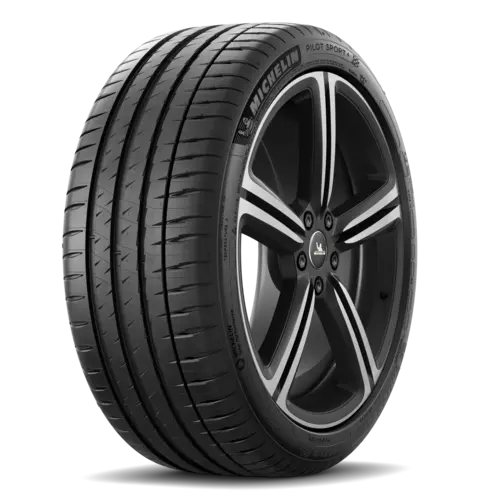
The Michelin Pilot Sport 4S is the best tire for Acura TSX owners in warm climates who want to restore and enhance the car’s original sporty character — r/AcuraTSX owners describe the handling transformation as dramatic, and its 4.8/5 rating across 2,000+ Michelin reviews validates the claim. For year-round all-season use, the Bridgestone Turanza QuietTrack delivers the strongest combination of dry traction (9.2/10), wet traction (8.7/10), and cabin quietness. High-mileage daily commuters who want maximum tread life should go directly to the Michelin Defender 2 or the Yokohama Avid Ascend LX — both warrant long coverage and maintain consistent wear under commuting conditions.
Our Top 6 Acura TSX Tire Rankings
- Michelin Pilot Sport 4S— Best Overall Sport Performance
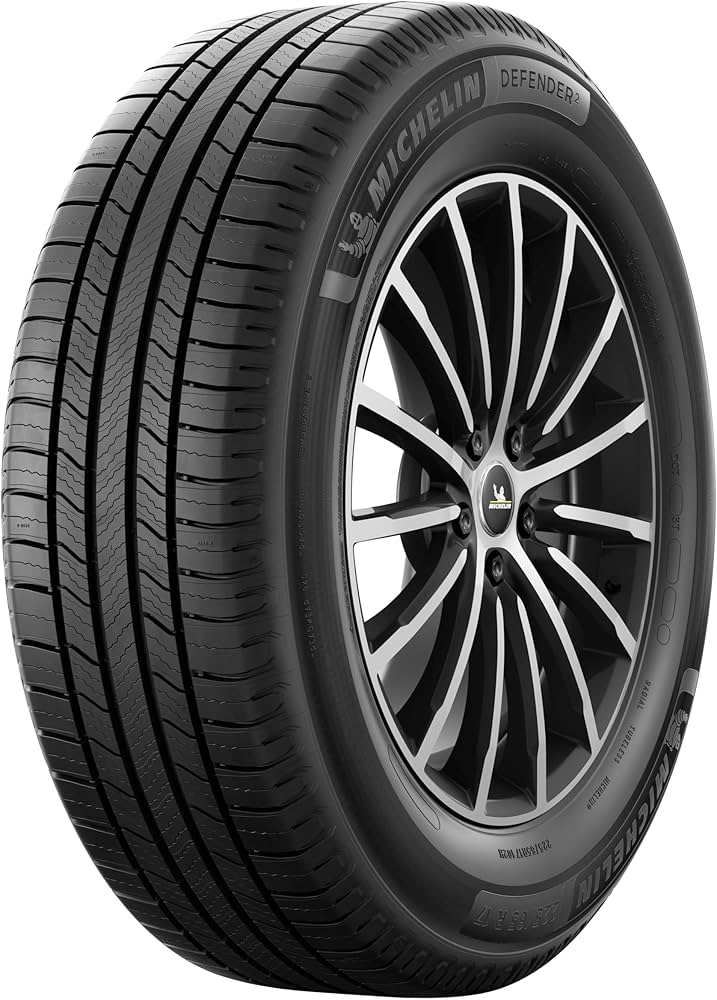
- Michelin Defender 2— Best for Long-Distance Commuters
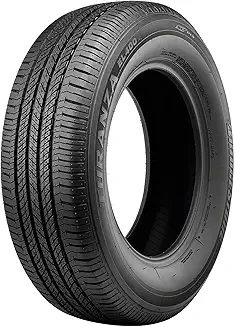
- Bridgestone Turanza QuietTrack— Best Quiet All-Season
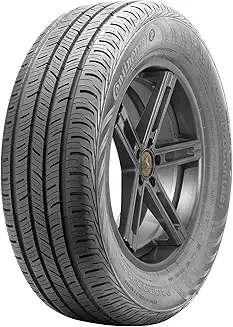
- Continental PureContact LS— Best Sporty All-Season
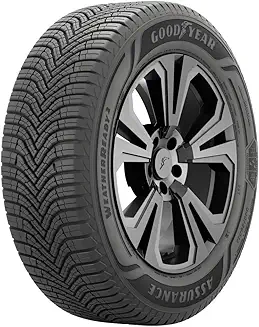
- Goodyear Assurance WeatherReady 2— Best All-Weather (3PMSF Rated)
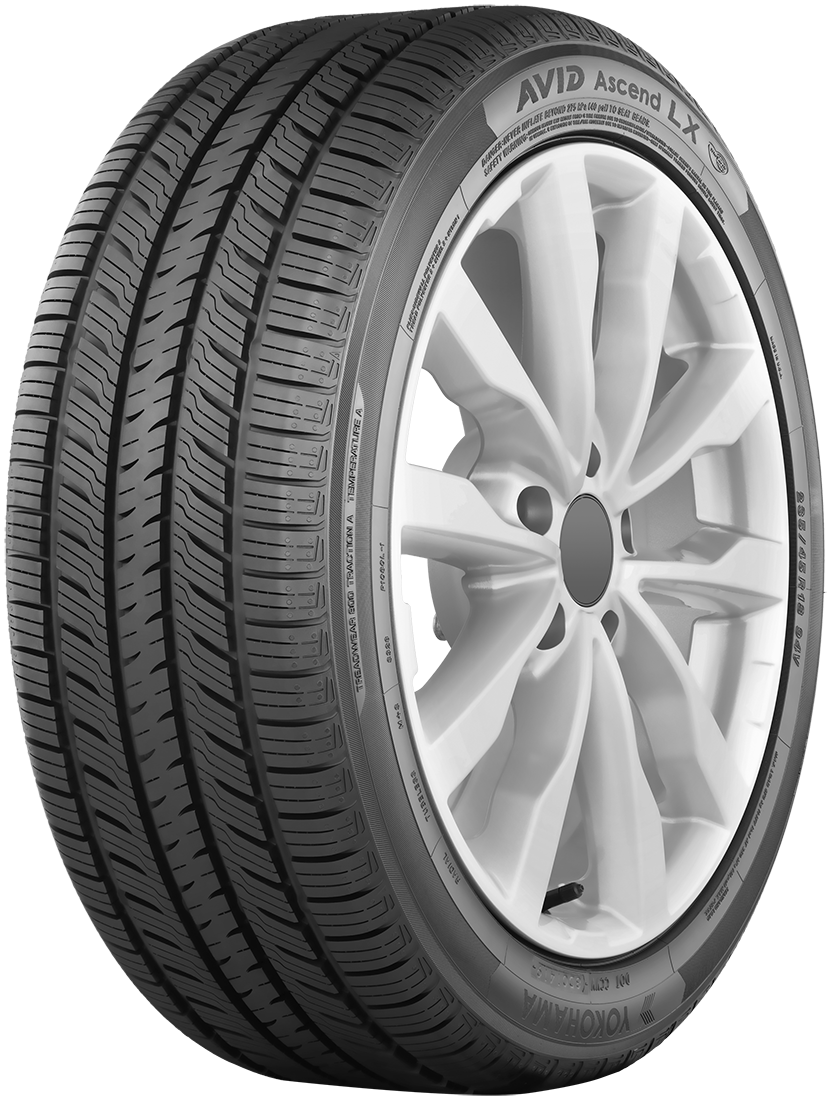
- Yokohama Avid Ascend LX— Best Budget
Best Tires for Acura TSX — Compared
All six picks ranked side by side — scores out of 5.0 based on dry handling, wet traction, road noise, tread life, and real Acura TSX owner feedback across 225/50R17 and 235/45R18 fitments.
| # | Product | Warranty | Type | Best For | Score | |
|---|---|---|---|---|---|---|
| 1 | Michelin Pilot Sport 4S Editor’s Choice | — | UHP Summer | Sport Driving | 4.8 | See Latest Price |
| 2 | Michelin Defender 2 Top Pick | 80,000 mi | Grand Touring | High-Mileage Comfort | 4.7 | See Latest Price |
| 3 | Bridgestone Turanza QuietTrack | — | Grand Touring | Quietest Ride | 4.5 | See Latest Price |
| 4 | Continental PureContact LS | 70,000 mi | Grand Touring | Sporty All-Season | 4.5 | See Latest Price |
| 5 | Goodyear Assurance WeatherReady 2 | — | All-Weather | Four-Season Capability | 4.4 | See Latest Price |
| 6 | Yokohama Avid Ascend LX Budget Pick | 85,000 mi | Grand Touring | Budget Value | 4.4 | See Latest Price |
Detailed Reviews
Full breakdown of each tire — ratings, pros, cons, and our expert verdict for Acura TSX 4-cylinder and V6 owners.
Michelin Pilot Sport 4S
Pros
- Dual-compound tread — stiffer center for dry traction, softer shoulders for cornering — co-developed with BMW, Audi, and Porsche using technology derived from Le Mans competition, which is directly relevant to the TSX’s sport-sedan positioning
- 4.8/5 from 2,000+ verified Michelin reviews with ride quality consistently scoring 9–10 — quieter than expected for a UHP tire, a combination that suits the TSX’s refined sport character
- Available in both 225/50R17 and 235/45R18 to cover TSX 4-cylinder and V6 Special Edition fitments without compromise
Cons
- Summer-only compound — unsafe below 7°C/45°F because the rubber hardens and loses grip, requiring a dedicated winter tire set for TSX owners in four-season climates
- Tread wear varies significantly by driving style — shoulder wear is the most cited issue, and enthusiastic TSX drivers on twisty roads will see shorter replacement intervals than the highway-primary owner
Michelin Defender 2
Pros
- EverTread 2.0 compound with SipeLock technology maintains grip retention as the tire wears — a meaningful engineering difference versus standard all-season compounds that degrade more linearly across their tread life
- 80,000-mile tread warranty with consistent real-world owner validation — many TSX drivers report exceeding 70,000 miles, making the cost-per-mile calculation genuinely favorable against mid-range alternatives
- Wet braking performance earns strong scores in consumer surveys — reliable rain stopping that matters for a daily-driven sedan regardless of whether the driver cares about cornering dynamics
Cons
- Handling sharpness is noticeably softer than the Pilot Sport 4S and Continental PureContact LS — TSX owners who value the car’s responsive steering will feel the difference at corner entry immediately after the switch
- Steering feedback is reduced compared to performance-oriented alternatives — the tire communicates less through the wheel, which affects driver confidence on dynamic roads even if grip levels are adequate
Bridgestone Turanza QuietTrack
Pros
- Comfort Cruise Technology reduces road noise by optimizing cavity shape and rounding the contact patch — the TSX’s already-praised quiet cabin is further enhanced, a combination that sets this apart from all-season alternatives that simply don’t engineer for noise as a priority
- Full-depth tread pattern maintains consistent performance as it wears — dry and wet traction scores hold up through the tire’s life rather than degrading sharply past the halfway point
- Available in 225/50R17 and 235/45R18 covering both primary TSX configurations without fitment compromise
Cons
- Ice traction is limited — the QuietTrack handles light snow adequately but is not reliable on black ice or packed snow; TSX owners in genuine winter climates need to supplement with winter tires
- Tread wear can vary depending on driving pattern — some owners report faster wear than expected at higher sustained speeds, which affects the cost-per-mile calculation for aggressive highway drivers
Continental PureContact LS
Pros
- Built-in DWS (Dry, Wet, Snow) tread indicators show when performance drops as tread wears — a practical safety feature that tells TSX owners when wet braking capability has diminished before they discover it in an emergency
- EcoPlus Technology reduces rolling resistance while improving wet braking — a genuine engineering combination that directly benefits TSX owners who track fuel economy on longer daily commutes
- Non-directional tread pattern allows cross-rotation to extend tread life — particularly valuable for the TSX’s FWD layout where front tire wear runs faster than rear without consistent rotation
Cons
- Tread life accelerates under spirited driving on the TSX — the sportier handling feel comes at the cost of faster compound wear compared to the Defender 2 or Yokohama Avid Ascend LX
- Snow performance is adequate for light conditions only — not a reliable choice for TSX owners in snowbelt regions who regularly encounter more than a few inches of accumulation
Goodyear Assurance WeatherReady 2
Pros
- 3PMSF-rated for severe snow service — the only tire in this comparison’s all-weather segment that meets certified standardized snow traction requirements, not just the basic M+S marking that most all-season tires carry
- Soybean oil compound maintains flexibility below freezing — specifically addresses the temperature stiffening that makes standard all-season compounds dangerous when TSX owners in northern climates encounter cold pavement before winter tires are mounted
- V-shaped AquaTred grooves expel water and slush efficiently — wet and slush handling earns consistent praise from drivers in northern states and Canada who keep this tire on year-round
Cons
- Dry handling feels less crisp than performance or sporty all-season tires — TSX owners who value the car’s steering character will notice the reduced feedback during warm-weather driving, a real trade-off for the winter capability
- Not a substitute for dedicated winter tires in severe snow regions — the 3PMSF certification covers moderate winter conditions; the TSX in a genuine snowbelt climate still benefits from a dedicated winter set on steel wheels for the coldest months
Yokohama Avid Ascend LX
Pros
- 85,000-mile treadwear warranty — the longest in this comparison, backed by consistent Walmart and forum owner reports of buyers hitting or exceeding the warranty mileage estimate under regular rotation schedules
- BluEarth low-resistance compound reduces rolling resistance and improves fuel efficiency — a practical benefit for high-mileage TSX commuters where mpg differences compound meaningfully over 85,000 miles
- Four circumferential grooves and wavy 3D sipes deliver reliable wet braking and light snow traction at a price point that makes the per-tire cost the lowest in this comparison by a significant margin
Cons
- Sidewall construction feels softer compared to premium options — a tactile difference that some TSX owners notice as reduced lateral support when cornering, even if grip levels remain adequate
- Handling feel is competent but not exciting — the steering response is less communicative than the Continental PureContact LS or Pilot Sport 4S, which matters to TSX owners who bought the car for its dynamics
???? Can’t Decide?
Our Top 2 Picks — Head to Head
The choice comes down to whether you bought the TSX for its sport character or its reliability. Both Michelin products — but for completely different driving priorities.
- Dual-compound tread co-developed with BMW and Porsche — the tire that reveals what the TSX’s chassis is actually capable of
- r/AcuraTSX owners describe the handling transformation as the most noticeable single improvement they’ve made to the car
- 4.8/5 from 2,000+ verified reviews with ride quality consistently scoring 9–10 — quieter than expected for a UHP performance tire
- 80,000-mile warranty versus no mileage warranty on the PS4S — the cost-per-mile calculation favors the Defender 2 heavily for high-mileage TSX commuters
- SipeLock technology maintains grip retention as tread wears — performance doesn’t degrade as sharply as on standard touring compounds
- Year-round all-season capability — no separate winter tire set required in four-season climates
How to Choose the Right Tires for Your Acura TSX
Six factors specific to the TSX’s FWD sport sedan platform and two-trim size split — not generic luxury sedan advice.
Know Your Trim’s Correct Size
The TSX base 4-cylinder uses 225/50R17. The V6 and Special Edition trims run 235/45R18. Some base model years also use 215/50R17. Buying the wrong size affects handling geometry, speedometer accuracy, and load rating — always verify against the driver-door jamb placard, not a forum post from a different trim or year.
Summer vs. All-Season for a Sport Sedan
Summer tires like the Pilot Sport 4S harden and lose grip below 7°C/45°F — a specific threshold, not a guideline. Driving a TSX on summer compounds in cold weather creates genuinely longer braking distances and increased understeer. If your climate drops below this threshold regularly, an all-season or all-weather compound is the correct choice — not a performance compromise.
FWD Rotation Schedule
The Acura TSX is a front-wheel-drive platform — front tires carry steering, braking, and acceleration simultaneously. Without rotation every 5,000–7,000 miles, front tires wear significantly faster than rears. Tires with non-directional patterns (Continental PureContact LS, Yokohama Avid Ascend LX) allow cross-rotation; directional patterns do not. Factor this into the total cost of ownership.
Read the Tire Sidewall vs. Door Jamb Pressure
The pressure number molded on the tire sidewall is the maximum allowable pressure — not the target inflation. Most TSX trims run approximately 32 PSI front and 30 PSI rear. The driver-door jamb sticker is the authoritative source for your specific car. Running incorrect pressure accelerates uneven wear and compromises handling; the sidewall number is frequently misread as the recommended pressure.
DWS Wear Indicators as a Safety Feature
The Continental PureContact LS carries built-in DWS (Dry, Wet, Snow) wear indicators that change appearance as tread depth decreases. This is a practical safety signal for the TSX’s FWD platform — front tires that have lost “W” capability (wet performance) while still appearing to have adequate tread depth create a false sense of security in rain. Most tires only show a single wear bar at 2/32″ tread depth, by which point wet stopping distance is already significantly compromised.
Cost-Per-Mile vs. Cost-Per-Tire
A $200 tire lasting 85,000 miles costs $0.0024/mile less than a $160 tire lasting 45,000 miles. For high-mileage TSX owners planning to keep the car through another 60,000–80,000 miles, the Yokohama Avid Ascend LX and Michelin Defender 2’s long warranties produce a lower total cost than competing mid-range tires. This calculation changes for performance-focused owners who replace tires more frequently regardless of wear.
✅ Pro Tips
Quick Buying Checklist for Acura TSX Owners
Before ordering, confirm your TSX’s tire size on the driver-door jamb placard — the 4-cylinder base and V6 Special Edition use different sizes, and assuming both use the same fitment is one of the most common TSX tire mistakes.
If you’re installing summer tires like the Pilot Sport 4S, set a calendar reminder for October to schedule the swap before temperatures drop below 7°C/45°F — the compound hardens at that threshold, which is easy to miss in a mild autumn.
On the TSX’s FWD platform, rotate every 5,000–7,000 miles without exception — skipping a single rotation on a front-wheel-drive car creates a front-rear wear disparity that often can’t be recovered, shortening the set’s total life by 20% or more.
Set your TSX’s tire pressure from the door jamb sticker, not the tire sidewall — the sidewall number is the maximum, not the target; incorrect inflation is the single most common cause of accelerated uneven tread wear on the TSX platform.
Related Guides
Other Acura Sedan Models
Frequently Asked Questions
What tires do most Acura TSX owners use?
Most TSX owners run all-season tires in the 225/50R17 or 235/45R18 sizes. Popular choices across Reddit and automotive forums include the Michelin Defender 2 and the Bridgestone Turanza QuietTrack for comfort-focused drivers, and the Michelin Pilot Sport 4S for enthusiast owners. The right choice depends on your climate — summer-only compounds are not appropriate for four-season use.
Which tires for the Acura TSX work best in rain?
The Bridgestone Turanza QuietTrack earns a 8.7/10 wet traction score on Tire Rack with strong hydroplaning resistance validated across consumer surveys. The Continental PureContact LS is also a top performer in wet conditions, specifically praised by Acura forum owners for its EcoPlus wet braking improvement. Both are available in common TSX 225/50R17 and 235/45R18 sizes.
How long do tires typically last on an Acura TSX?
Touring all-season tires last between 50,000 and 85,000 miles depending on driving style and rotation habits. Performance tires like the Michelin Pilot Sport 4S wear faster — enthusiastic TSX drivers report 30,000 to 40,000 miles under spirited cornering conditions. Rotating every 5,000 to 7,000 miles and maintaining correct inflation are the most impactful variables for extending tire life on the TSX’s FWD platform.
Can I use summer tires on my Acura TSX year-round?
No — summer tires like the Pilot Sport 4S use a compound that hardens and loses grip below 7°C/45°F, increasing braking distances and creating understeer on a FWD platform. Drivers in four-season climates should use all-season tires year-round or maintain a dedicated winter set. Driving on summer compounds in cold weather is not a performance compromise — it is a genuine safety issue.
What tire pressure should I run on my Acura TSX?
Most TSX trims run approximately 32 PSI front and 30 PSI rear, but always verify against the driver-door jamb sticker inside your specific car. The number molded on the tire sidewall is the maximum allowable pressure — not the recommended target. Running incorrect pressure accelerates uneven tread wear and compromises handling on the TSX’s FWD platform where front tire loads are already higher than rear.
Are premium tires worth the extra cost for the Acura TSX?
For most TSX drivers, yes — premium tires deliver measurably shorter wet and dry braking distances compared to budget options, and the TSX’s sport-sedan chassis is calibrated to respond to tire quality in a way that economy sedans aren’t. The cost per mile for premium tires with long warranties (Defender 2 at 80,000 miles, Avid Ascend LX at 85,000 miles) is often comparable to budget alternatives when calculated across the full tread life.
Why do Acura TSX front tires wear faster than the rears?
The TSX is a front-wheel-drive sedan — front tires handle steering, braking, and all acceleration simultaneously, creating combined loads that rear tires don’t face. Without rotation every 5,000 to 7,000 miles, front tires on the TSX wear 20 to 40% faster than the rears. This wear pattern is predictable and preventable; skipping a single rotation creates a disparity that often can’t be fully recovered across the remaining tire life.
???? Final Verdict
Our Top Acura TSX Tire Recommendations for 2026
The Michelin Pilot Sport 4S earns the overall recommendation for TSX owners who bought the car for its sport sedan character and drive in a climate that stays above 7°C for most of the year — r/AcuraTSX community members describe the handling transformation as the most noticeable single improvement available for the car, and no other tire in this comparison comes close to matching its steering feedback and dry grip ceiling. High-mileage TSX commuters who want maximum tread life from a trusted brand should go directly to the Michelin Defender 2’s 80,000-mile warranty or the Yokohama Avid Ascend LX’s 85,000-mile warranty. TSX owners in four-season climates who want genuine all-weather certification without a seasonal swap have one clear answer in the Goodyear Assurance WeatherReady 2 and its 3PMSF severe-snow rating.