After cross-referencing TyreReviews driver data (including 143 BMW 330i-specific ratings), EVO Magazine’s 2025 tire group test results, Auto Express’s comprehensive rankings, Bimmerpost G20 and E90 forum discussions, and Reddit’s r/BMW and r/E90 communities, this list makes one differentiation the generic BMW tire roundup misses: the BMW 330i is not the BMW 3 Series. The 330i’s specific tire size configurations across the G20 (2019–2026) and F30 (2012–2019) generations, the staggered vs. square fitment decision on M Sport variants, and the performance-sedan context where steering feedback matters more than comfort all shape different recommendations than a generic 3 Series guide would surface. Every tire here was evaluated specifically against 330i owner feedback — not general sedan data pooled from multiple models.
The 330i is a rear-wheel-drive sports sedan, and on a rear-wheel-drive car, the tire decision has real safety consequences that don’t apply to a FWD commuter: summer compounds becoming dangerous below 7°C on a RWD chassis, rear tires wearing 40–60% faster on staggered setups with no rotation possible, and the run-flat vs. standard construction trade-off that BMW forum owners debate on every generation. This list addresses all three explicitly — with honest guidance on which tire serves each specific 330i owner scenario rather than the broadest possible audience.
The Michelin Pilot Sport All Season 4 is the best overall tire for most BMW 330i owners — it preserves the car’s steering character with all-season capability, and r/BMW community members regularly point to it as the top replacement for OEM run-flats on G20 models. Warm-climate drivers who prioritize peak grip should choose the Michelin Pilot Sport 4S, which earns 93% dry grip from 143 TyreReviews BMW 330i-specific ratings. For wet-weather priority specifically, the Bridgestone Potenza Sport won EVO Magazine’s 2025 tire test for shortest wet braking distance on a BMW platform.
Our Top 6 BMW 330i Tire Rankings
- Michelin Pilot Sport All Season 4— Best Overall
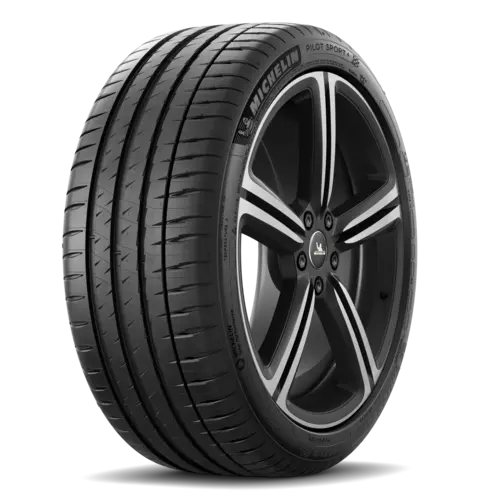
- Michelin Pilot Sport 4S— Best Premium Summer
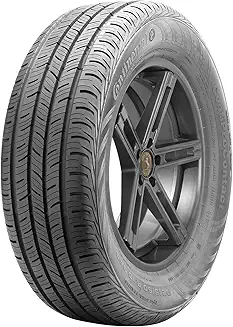
- Continental ExtremeContact DWS06 Plus— Best Tread Life
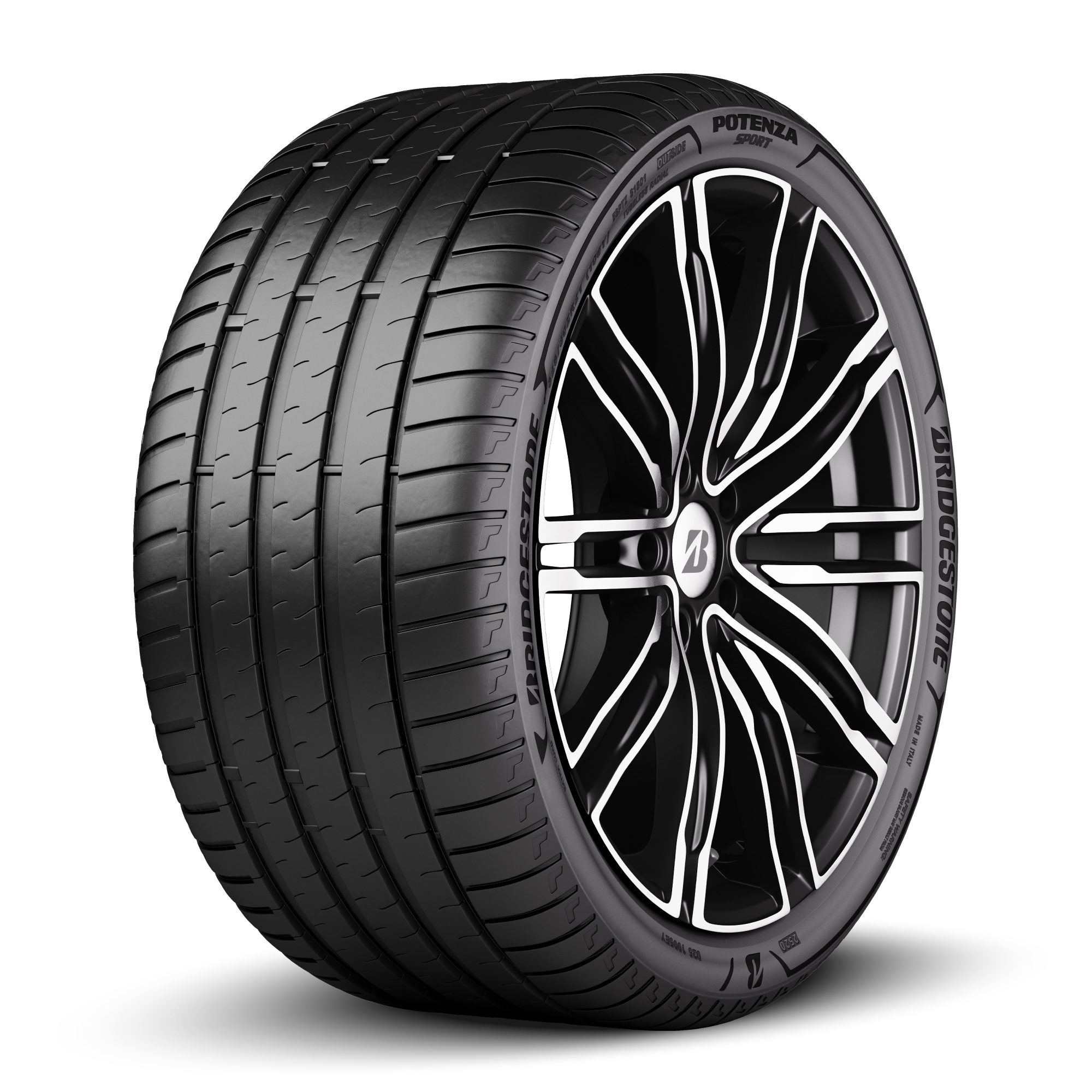
- Bridgestone Potenza Sport— Best Wet Braking
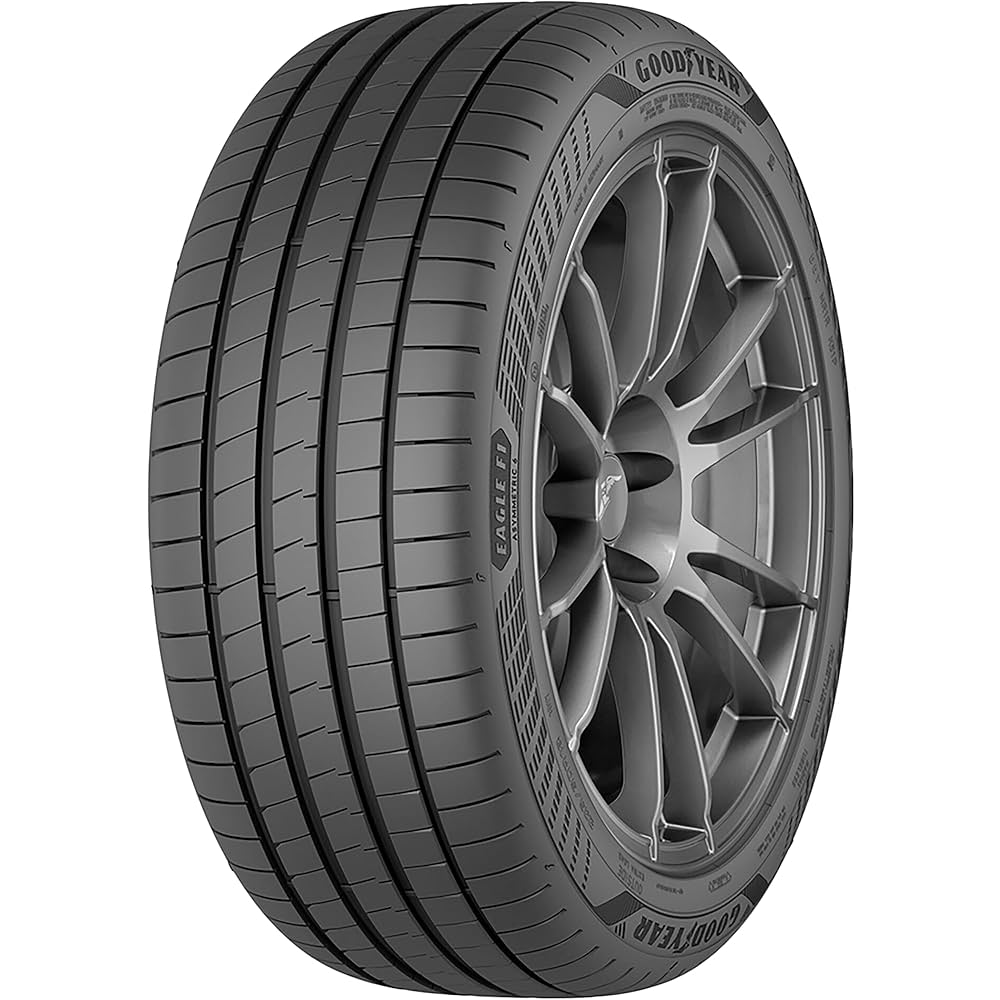
- Goodyear Eagle F1 Asymmetric 6— Best Balanced Summer
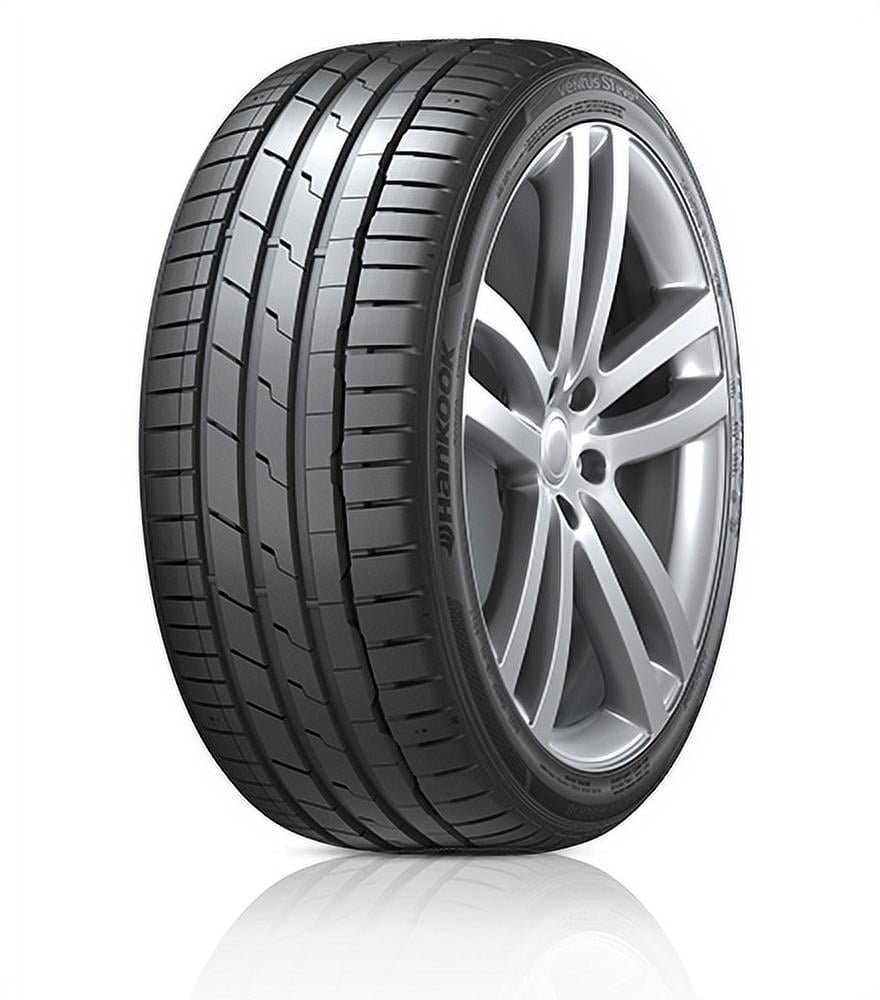
- Hankook Ventus S1 evo3— Best Budget
Best BMW 330i Tires — Compared
All six tires ranked across season, generation compatibility, and primary performance strength for the 330i platform.
| # | Tire | Season | Key Strength | Best For | Score | |
|---|---|---|---|---|---|---|
| 1 | Michelin Pilot Sport All Season 4 Editor’s Choice | All-Season | Year-Round Grip | Overall / Daily Use | 4.8 | See Latest Price |
| 2 | Michelin Pilot Sport 4S Top Pick | Summer Only | 93% Dry Grip (330i-Specific) | Max Performance | 4.9 | See Latest Price |
| 3 | Continental ExtremeContact DWS06 Plus | All-Season | 25K–35K Mile Life | High-Mileage Commute | 4.6 | See Latest Price |
| 4 | Bridgestone Potenza Sport | Summer Only | EVO 2025 Wet Test Winner | Wet Climate Priority | 4.7 | See Latest Price |
| 5 | Goodyear Eagle F1 Asymmetric 6 | Summer Only | 98.8% Auto Express Score | Balanced Performance | 4.6 | See Latest Price |
| 6 | Hankook Ventus S1 evo3 Budget Pick | Summer Only | 86% Dry / 84% Wet (330i) | Budget Performance | 4.4 | See Latest Price |
Detailed Reviews
Full breakdown of each tire — ratings, pros, cons, and our expert verdict for the BMW 330i.
Michelin Pilot Sport All Season 4
Pros
- Michelin’s EverGrip technology maintains wet performance as tread wears — traction doesn’t cliff-drop at 50% depth the way standard compounds do on a RWD car where wet grip matters most
- G20 330i forum members on r/BMW specifically cite improved ride comfort and steering feedback versus OEM run-flats as the deciding factor in switching to this tire
- Available in 225/45R18, 225/40R19, and 255/35R19 — covers both standard G20 fitment and the staggered M Sport configuration
Cons
- Tread life is shorter than the Continental DWS06 Plus — on a staggered setup where rear tires can’t be rotated, expect rear replacement more often than owners of square setups
- Not a substitute for dedicated winter tires on sustained ice or heavy snow — the 3PMSF rating covers light winter conditions only
Michelin Pilot Sport 4S
Pros
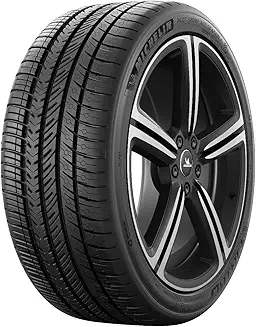
- 93% dry grip from 143 BMW 330i-specific TyreReviews ratings — not pooled sedan data, actual 330i owner feedback on this exact platform
- Dual-compound tread developed with Ferrari and Porsche input: softer outer shoulders for cornering load, harder center rib for durability — the architecture that BMW M drivers specifically request
- G20 and E90 330i Bimmerpost members call it the best summer tire they’ve used on a BMW — steering feedback described as direct and communicative in a way all-season compounds can’t replicate
Cons
- Summer compound below 7°C (45°F) loses grip on a RWD chassis — in cold or wet autumn conditions, oversteer risk increases measurably versus an all-season on rear-drive 330i variants
- Real-world tread life of 20,000–30,000 miles on 330i owners, with spirited drivers hitting the lower end — on a staggered M Sport setup, plan for frequent rear replacements
Continental ExtremeContact DWS06 Plus
Pros
- E90post and F30 Bimmerpost owners report 25,000–35,000 miles per set — significantly longer than the PS4S, and on a staggered 330i where rear tires wear faster this translates directly to lower annual tire cost
- DWS tread wear indicators show when dry, wet, or snow performance has degraded — owners never have to guess whether the tire still performs adequately in each condition
- 3PMSF rated for light winter use — the DWS06 Plus covers three seasons on an F30 330i without the risk of a summer compound in unexpected cold weather
Cons
- Steering feel described as “squishier” than the PS4S in corner entry — G30 Bimmerpost users who switched from summer tires specifically note the reduced front-end precision
- Uneven rear wear reported by some 330i owners with spirited driving habits — alignment check before installation is not optional on a RWD BMW
Bridgestone Potenza Sport
Pros
- Won EVO Magazine’s 2025 group test for shortest wet braking distance and fastest dry lap time — tested on a BMW 135i xDrive, an M Series platform sharing the 330i’s suspension architecture
- 14% improvement in wet cornering grip over the previous Potenza S007A — the most significant wet performance upgrade in Bridgestone’s recent history for a sport tire
- 5% better dry handling and 7% better wet braking versus its predecessor — documented manufacturer test data independently confirmed by EVO’s third-party evaluation
Cons
- Size availability is narrower than Michelin — not all F30 330i configurations have the Potenza Sport available in the right size, particularly older 225/50R17 base fitments
- Summer-only compound — the same RWD cold-weather warning that applies to the PS4S applies here; this tire becomes dangerous below 7°C (45°F)
Goodyear Eagle F1 Asymmetric 6
Pros
- 98.8% overall score in Auto Express’s comprehensive tire group test — the most consistently balanced score across all tested conditions in a field of nine competitors
- BMW forum owners specifically call out the Eagle F1 A6 as noticeably quieter than comparable performance tires — relevant on a 330i where the sport suspension tuning already transmits more road feel than softer alternatives
- 4th in aquaplaning resistance and competitive wet cornering in Auto Express testing — no significant weakness in any tested category
Cons
- Dry handling feedback is less sharp than the PS4S or Potenza Sport in back-to-back comparisons — drivers coming from a dedicated performance summer tire will notice the reduction at the limit
- Summer-only — requires the same cold-weather management as every summer tire in this comparison; not suitable in BMW’s northern European markets from October through April
Hankook Ventus S1 evo3
Pros
- 86% dry grip and 84% wet grip from 59 BMW 330i-specific TyreReviews ratings — scores that are competitive against tires costing significantly more per tire in the same size
- r/E90 members report the Ventus S1 evo3 outperformed expectations in dry conditions — handling feel is described as better than the price tier suggests for a BMW-specific application
- Hankook supplies OEM tires to Porsche and several European automakers — the performance engineering behind the brand is more credible than typical budget-tier alternatives
Cons
- Wet performance gap versus the Potenza Sport and Michelin PS4S is real and measurable in heavy standing water — on a RWD 330i in serious rain, this difference shows up in braking distances
- Tread life is shorter than the Continental DWS06 Plus — on a staggered rear-drive setup where rears already wear faster, expect earlier replacement than with touring-oriented compounds
🤔 Can’t Decide?
Our Top 2 Picks — Head to Head
One works every month of the year. One is the definitive 330i summer tire. Your climate and driving style make the call.
- EverGrip technology maintains wet performance as tread wears — sustained traction on a RWD car throughout the tire’s life, not just when new
- r/BMW community consensus for G20 330i OEM run-flat replacements — the most commonly recommended tire in the specific context of this vehicle
- Available across all 330i fitments including staggered G20 M Sport — no size availability gaps that could force a different choice
- 93% dry grip from 143 330i-specific TyreReviews ratings — the highest platform-confirmed dry grip score of any tire in this comparison
- Dual-compound tread architecture developed with Ferrari and Porsche input — softer shoulder compound for cornering load that all-season chemistry cannot replicate
- BMW M and performance driver consensus recommendation on Bimmerpost — the tier of driver who built the 330i’s reputation chose this tire
How to Choose the Right Tire for Your BMW 330i
Six factors specific to the 330i’s RWD chassis, generation-split size range, and run-flat decision — not generic sports sedan advice.
G20 vs. F30 — Different Sizes, Different Priorities
The G20 330i (2019–2026) uses 225/45R18 standard or a staggered 225/40R19 front / 255/35R19 rear on M Sport. The F30 330i (2012–2019) uses 225/45R18, 255/40R18 on sport trims, or 225/50R17 on base. These are not interchangeable — confirm your generation and trim from the door jamb sticker before ordering, as the Bridgestone Potenza Sport has narrower size availability for older F30 fitments.
Run-Flat to Standard: The 330i Trade-Off
Switching from OEM run-flats to conventional tires is one of the most-discussed upgrades in BMW 330i communities — the ride comfort and feedback improvement is significant. The trade-off is real: the 330i typically carries no spare tire, so conventional tires require a portable repair kit and a roadside assistance plan. Confirm your car’s spare tire provision before making the switch — if it lacks both a spare and a repair kit, budget for one before switching compounds.
RWD Makes the Summer/Winter Line Non-Negotiable
Summer compounds harden below 7°C (45°F), losing grip. On a front-wheel-drive car this means reduced traction. On the 330i’s rear-wheel-drive chassis, it means elevated oversteer risk under acceleration and longer rear-axle stopping distances. BMW’s DSC helps but cannot compensate for a compound that is physically incapable of generating grip at cold temperatures. Four-season drivers need a genuinely all-season compound — not a summer tire rationalized as acceptable.
Staggered Setup: Budget for Rear Replacement
M Sport 330i models with staggered fitments (different front/rear widths) cannot rotate tires axle-to-axle. Rear tires on a RWD car absorb the driven axle loads under acceleration — they wear 40–60% faster than fronts with no remedy. Before selecting a tire, calculate your expected annual rear tire replacement cost separately from fronts. A lower-cost tire with shorter tread life may actually be cheaper over two years than a premium tire with longer warranty on a staggered setup.
Wheel Alignment Before Installation Is Non-Optional
The 330i uses a multi-link rear suspension that is particularly sensitive to rear toe alignment. Even minor alignment drift creates rapid inner shoulder wear on new rear tires — a pattern that forum users consistently diagnose as a “defective tire” but is almost always a pre-existing alignment issue. Budget for a four-wheel alignment check ($80–$120) before every tire change. On a RWD car with staggered setup, discovering alignment drift after 5,000 miles of new tire wear is a costly mistake.
Mixing Tire Brands Across Axles Is a 330i-Specific Risk
BMW’s Dynamic Stability Control (DSC) calibration assumes matched grip characteristics front-to-rear. Mixing a summer tire front with an all-season rear — or different brands with different compound hardnesses — creates unpredictable oversteer under hard braking on a rear-wheel-drive car. Run matched sets per axle at minimum, and ideally the same tire on all four corners. This is a higher-stakes decision on the 330i than on a FWD vehicle where the driven axle is always the front.
✅ Pro Tips
Quick Buying Checklist for BMW 330i Owners
Confirm G20 or F30 generation and M Sport vs. standard before ordering — the staggered M Sport fitment has different front/rear sizes that many generic tire lookup tools list incorrectly.
If choosing a summer tire, set a calendar reminder for October — swapping a summer compound on a RWD BMW after the first cold morning is reacting to a risk that was already present.
Request a road-force balance (not standard balance) at installation — the 330i’s sport suspension transmits vibration from minor balance issues that a standard balancer won’t catch but road-force will.
If switching from run-flats to conventional tires, purchase a quality portable tire inflator before your first drive — a roadside flat without a spare and without an inflator on a BMW is an expensive tow situation.
Frequently Asked Questions
What tire size does the BMW 330i use?
The G20 330i (2019–2026) standard fitment is 225/45R18. M Sport trims use a staggered setup: 225/40R19 front and 255/35R19 rear. The older F30 330i (2012–2019) commonly uses 225/45R18 or 225/50R17 on the base trim. Always verify using your door jamb sticker before ordering — especially on M Sport variants where front and rear differ.
Are all-season tires good enough for a BMW 330i?
For most daily drivers in moderate climates, yes. The Michelin Pilot Sport All Season 4 and Continental ExtremeContact DWS06 Plus both deliver performance-level grip in dry and wet conditions. However, on the 330i’s RWD chassis, no all-season fully replaces dedicated winter tires on sustained ice — the rear-drive configuration amplifies the traction deficit on slippery surfaces compared to FWD alternatives.
How long do tires last on a BMW 330i?
Summer performance tires like the PS4S last roughly 20,000–30,000 miles on a rear-drive 330i. The Continental DWS06 Plus extends that to 25,000–35,000 miles with normal driving. On staggered M Sport fitments where rear tires absorb driven-axle loads, budget for rear replacements roughly 40–60% more frequently than fronts — this is a structural feature of the setup, not a product defect.
Can I switch from run-flat tires to regular tires on my 330i?
Yes, and most forum owners recommend it for ride quality and feedback improvement. The trade-off is losing the ability to drive 50 miles on a flat — the 330i typically carries no spare. Before switching, confirm your car has a tire repair kit, or purchase a portable inflator and subscribe to roadside assistance. Many G20 owners make the switch and describe the ride improvement as immediate and significant.
Which BMW 330i tires are best for wet weather?
The Bridgestone Potenza Sport recorded the shortest wet braking distance in EVO Magazine’s 2025 group test, run on a BMW platform. For all-season wet weather, the Michelin Pilot Sport All Season 4 is the most practical choice — its EverGrip compound maintains wet performance as tread wears, which matters more on a RWD car where traction management under braking is more sensitive.
Do aftermarket tires affect the BMW 330i warranty?
Standard tire replacement in the correct OEM size does not void the BMW vehicle warranty. Using tires outside the manufacturer-specified size range may affect warranty coverage for suspension and chassis components. Always use the approved size from your owner’s manual and inform your BMW dealer of any changes if warranty claims arise — particularly after switching from run-flat to standard construction.
Why does a staggered 330i M Sport setup wear rear tires faster?
On a rear-wheel-drive car, the driven axle — the rear — absorbs both the braking and acceleration loads. The M Sport’s staggered setup runs wider rear tires that cannot be rotated to the front, so all that driven-axle wear accumulates on the same rubber indefinitely. Budget for rear replacements roughly twice as often as fronts, and factor this into total tire cost comparisons — a cheaper tire with shorter tread life may not save money on this setup.
🏆 Final Verdict
Our Top Tire Recommendations for 2026
The Michelin Pilot Sport All Season 4 earns the top position for the BMW 330i because it addresses the specific challenge of a RWD sports sedan in a four-season climate — preserving steering character and wet traction without the cold-weather safety risk that summer compounds create on a rear-driven chassis. Warm-climate drivers who use the 330i’s performance capability should choose the Michelin Pilot Sport 4S, which leads the category with 93% dry grip from 330i-specific owner ratings. Budget-conscious owners replacing worn rear tires on a staggered E90 or F30 should look at the Hankook Ventus S1 evo3 — its 86% dry grip from BMW 330i-specific data makes it the most credible budget option for this specific platform.