Finding the best tires for your BMW X5 matters more than most owners realize. The X5 weighs over 4,400 lbs, runs staggered wheel setups on most trims, and splits its life between smooth highways, rain-soaked roads, and the occasional light snow. A bad tire choice on this vehicle costs you grip, comfort, and sometimes thousands in premature wear.
The right tire transforms the X5’s ride entirely — something forum owners on Bimmerpost consistently confirm. Whether you’re running the base 255/50R19 setup or a full staggered 315/35R20 rear configuration, every pick in this article has been confirmed for fitment and cross-referenced against real owner feedback from BMW communities, Tire Rack data, and independent testing.
The Michelin Pilot Sport All Season 4 earns the top spot for most X5 drivers — sport-tuned, all-season capable, and the most recommended tire in G05 forum threads. For X5 owners who commute heavily and want maximum tread life in a quiet package, the Continental CrossContact LX25 is the strongest alternative with a 70,000-mile average. Those in cold-winter climates should look at the Michelin CrossClimate2 for genuine 3PMSF-rated all-weather grip.
Our Top 6 BMW X5 Tire Rankings
- Michelin Pilot Sport All Season 4— Best Overall
- Continental CrossContact LX25— Most Durable / Quietest Ride
- Pirelli Scorpion Verde AS Plus II— Best Budget
- Bridgestone Alenza AS Ultra— Best Comfort Touring
- Michelin CrossClimate2— Best Winter-Ready
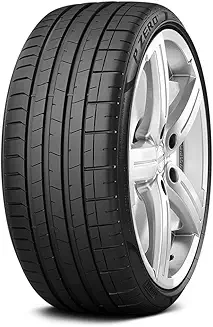
- Pirelli P Zero PZ4— Best Summer Performance
Best BMW X5 Tires — Compared
All six tires ranked side-by-side across tire type, common sizes, and our expert score.
| # | Tire Name | Type | Common Sizes | Best For | Score | |
|---|---|---|---|---|---|---|
| 1 | Michelin Pilot Sport All Season 4 Editor’s Choice | All-Season UHP | 275/40R20, 315/35R20 | Best Overall | 4.8 | See Latest Price |
| 2 | Continental CrossContact LX25 Top Pick | All-Season Touring | 255/50R19, 275/45R20 | Best Durability | 4.7 | See Latest Price |
| 3 | Pirelli Scorpion Verde AS Plus II Budget Pick | All-Season | 255/50R19, 285/45R19 | Best Budget | 4.5 | See Latest Price |
| 4 | Bridgestone Alenza AS Ultra | All-Season Comfort | 275/40R20, 315/35R20 | Best Comfort | 4.5 | See Latest Price |
| 5 | Michelin CrossClimate2 | All-Weather (3PMSF) | 255/50R19, 275/45R20 | Best Winter-Ready | 4.7 | See Latest Price |
| 6 | Pirelli P Zero PZ4 | Summer Performance | 275/40R20, 315/35R20 | Best Summer Grip | 4.6 | See Latest Price |
Detailed Reviews
Full breakdown of each tire — ratings, pros, cons, and our expert verdict.
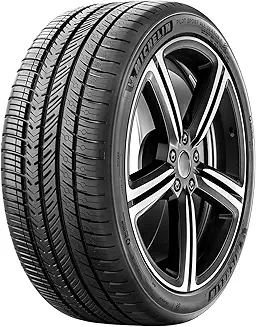
Michelin Pilot Sport All Season 4
Pros
- Exceptional wet and dry handling that respects the BMW X5’s performance character
- Helio Compound+ stays pliable in near-freezing temperatures unlike standard all-seasons
- Wide size availability covering all X5 trims including staggered 315/35R20 rear
Cons
- Staggered setup prevents rotation, accelerating rear wear due to X5’s rearward weight bias
- Higher price per tire than Pirelli and Bridgestone alternatives
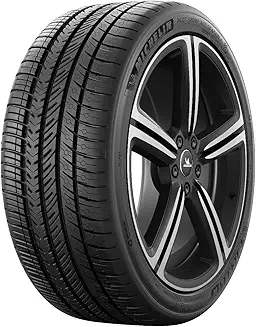
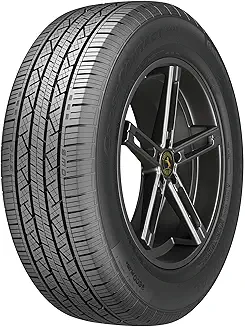
Continental CrossContact LX25
Pros
- Industry-leading 70,000-mile average tread life — best long-term value in this roundup
- Noticeably quieter cabin noise than most competitors at highway speeds
- Wet braking distances shorter than class average, backed by independent test data
Cons
- Dry handling feel is less sport-oriented than the Michelin Pilot Sport AS4
- Performance degrades more noticeably below 20°F versus dedicated winter tires
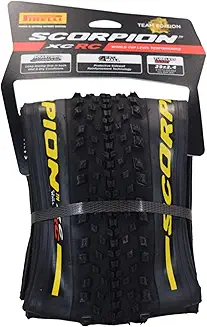
Pirelli Scorpion Verde AS Plus II
Pros
- Meaningfully lower price per tire than Michelin and Continental options
- Run-flat variant (Verde RF) available for spare-less X5 configurations
- Solid wet-road confidence and dependable all-season traction in moderate climates
Cons
- Tread life shorter than Continental CrossContact LX25, especially on staggered setups
- Less precise steering feedback at highway speeds compared to Michelin
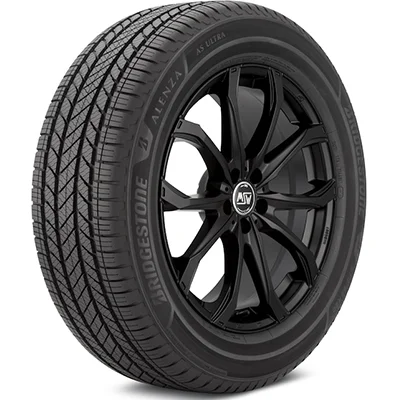
Bridgestone Alenza AS Ultra
Pros
- Exceptional comfort-to-performance balance — measurably softer than Pilot Sport AS4 on rough roads
- Very low highway noise level that keeps the X5’s premium cabin feel intact
- Strong wet-road traction and predictable handling in cold conditions above freezing
Cons
- Some owners report faster-than-expected tread wear on staggered setups where rotation isn’t possible
- Less grippy in sport driving situations — not ideal for enthusiast-style X5 M driving
Michelin CrossClimate2
Pros
- 3PMSF and M+S dual certification — the only tire here legally recognized for severe snow
- Thermal Adaptive compound stays pliable in cold temperatures well below 40°F
- Backed by Michelin’s tread life warranty for peace of mind over multiple seasons
Cons
- Fewer size options for 21-inch staggered X5 setups — check fitment carefully before ordering
- Dry handling feel is tuned for safety, not sport performance
Pirelli P Zero PZ4
Pros
- Maximum dry cornering grip — best in this entire roundup for spirited driving
- BMW-homologated versions tune rolling noise and handling to match BMW suspension geometry
- Elevated wet braking in warm conditions; excellent steering feedback and limit behavior
Cons
- Summer-only — becomes a genuine safety risk below 40°F; requires a dedicated winter tire set
- Highest price per tire on this list, and running two seasonal sets adds further cost
🤔 Can’t Decide?
Our Top 2 Picks — Head to Head
Both are excellent. Here’s how to choose between them.
- Sport-tuned handling that matches the BMW X5’s performance character
- Helio Compound+ for grip in near-freezing temperatures
- Most recommended tire in G05 Bimmerpost forum threads
- 70,000-mile average tread life — best long-term cost per mile
- Quietest cabin noise of any tire in this roundup
- Wet braking distances shorter than class average in independent testing
How to Choose the Right Tire for Your BMW X5
Six factors that matter before you buy — explained simply.
Confirm Your Exact Size
The X5 runs multiple tire sizes depending on year, trim, and wheel package. Common sizes include 255/50R19, 285/45R19, 275/40R20, 315/35R20, 275/40R21, and 315/35R21. Always check the sidewall of your current tire or the door jamb sticker before purchasing — ordering the wrong size wastes time and return shipping costs.
Staggered vs. Square Setup
Most X5 models from 2014 onward run staggered setups — wider rear tires than fronts. This improves traction but prevents tire rotation, so rear tires wear faster. Switching to a square setup (same size front and rear) enables rotation and can extend tire life significantly — factor this into your total cost calculation.
Run-Flat vs. Standard
Many X5s came factory-equipped with run-flat tires (RF or ZP) that allow limited driving after a puncture but ride harsher. Standard tires ride softer and several forum members report a clear comfort improvement after switching — but confirm your X5 carries a spare or has a roadside assist plan before making the change.
All-Season vs. All-Weather vs. Summer
Standard all-season tires work fine in mild climates. If you see real winter weather, the CrossClimate2 (3PMSF-rated) handles snow that defeats standard all-seasons. Summer tires like the P Zero PZ4 deliver maximum performance but become a safety risk below 40°F — budget for a second seasonal set if choosing this route.
Load Index & Speed Rating
The BMW X5 is a heavy premium SUV. Under-specified load ratings cause premature wear and compromise handling under load. Always match or exceed the OEM load index and speed rating listed in your owner’s manual — never drop below the factory-specified values regardless of what a budget tire offers.
Calculate Cost Per Mile
For an SUV that costs $60,000 or more, premium tires make financial sense. A 70,000-mile tire at $280 costs less per mile than a 40,000-mile tire at $180. Budget tires save money upfront but often require earlier replacement — especially on staggered setups where rotation is not possible.
✅ Pro Tips
Quick Buying Checklist Before You Order
Always get a wheel alignment check after new tire installation — one pothole can knock X5 alignment out of spec and accelerate uneven wear within the first 5,000 miles.
BMW X5 models run different pressures front and rear — typically 32 PSI front, 33–35 PSI rear. Running incorrect pressure affects tread wear, handling, and fuel economy. Check monthly.
Never mix tire brands or models on the same axle. Mismatched tires confuse the X5’s xDrive AWD system and create uneven traction distribution — especially noticeable in wet conditions.
Don’t keep run-flat tires past 2/32″ tread depth — at that point, the emergency flat-running capability is gone. Check tread depth at every oil change and replace before they reach the wear indicators.
Frequently Asked Questions
🏆 Final Verdict
Our Top BMW X5 Tire Recommendations for 2026
For the vast majority of X5 owners, the Michelin Pilot Sport All Season 4 is the right tire — it respects the car’s performance character, covers all four seasons, and earns consistent top marks from real BMW forum owners. High-mileage commuters who want the quietest possible ride and maximum tread life should choose the Continental CrossContact LX25 instead. Drivers in genuine winter climates who want one tire set for the year should look at the Michelin CrossClimate2, while X5 M owners in warm states will find the Pirelli P Zero PZ4 delivers everything a performance-first driver could want.