After evaluating five tire options against owner-reported mileage data, automotive forum threads, and verified Amazon review patterns across the BMW i3’s narrow ologic platform, one thing stands out clearly: the wrong tire on this car isn’t just a performance compromise — it’s a safety one. The i3’s bespoke narrow sizing (155/70R19 front, 175/60R19 rear on 19-inch wheels) limits your options to a small pool of purpose-built choices, and most mainstream tire databases don’t flag incompatible fits clearly enough.
The BMW i3 was engineered around ologic tire technology — taller, narrower profiles that reduce aerodynamic drag and rolling resistance to maximize electric range. That architecture makes tire selection more consequential than on almost any other passenger car. Fitting non-OE sizes can alter the i3’s emergency handling geometry in ways even experienced technicians miss. This guide cuts through the noise: five real, fitment-verified options with honest assessments of their tread life, seasonal limitations, and total cost of ownership — not just their marketing copy.
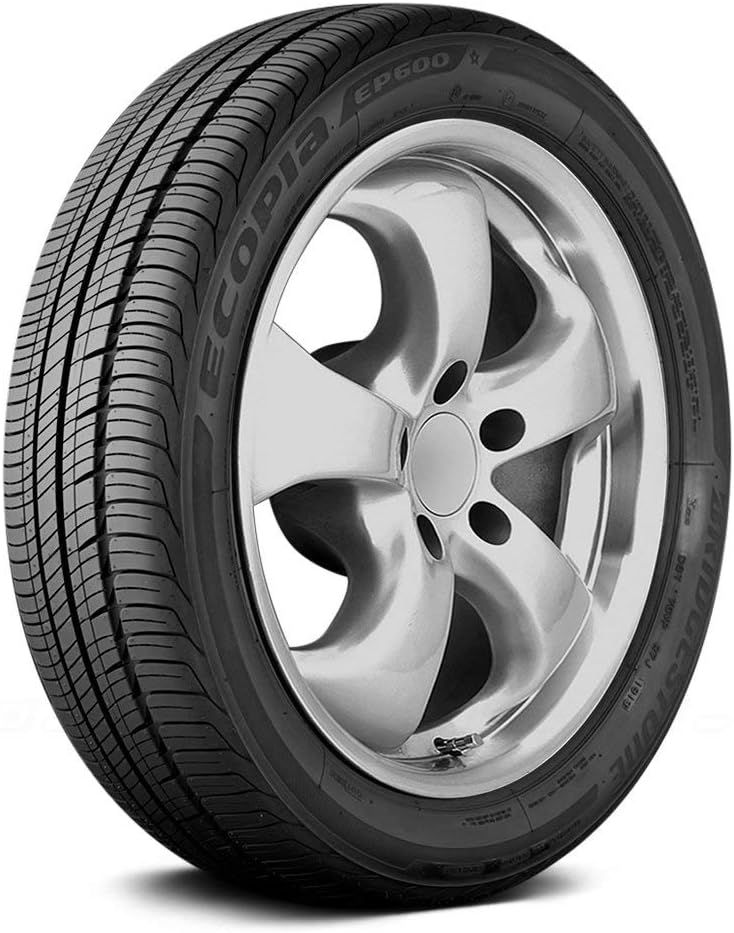
The Bridgestone Ecopia EP600 is the best all-season choice for most i3 owners — co-engineered with BMW and the only OEM-validated all-season fitment. The Michelin CrossClimate2 is the pick if tread life and year-round convenience matter more than peak range efficiency. For genuine winter grip in climates with real snowfall, the Bridgestone Blizzak LM-500 was purpose-built for this exact platform.
Our Top 5 BMW i3 Tire Rankings
- Bridgestone Ecopia EP600— Best Overall / All-Season
- Bridgestone Ecopia EP500— Best Summer Performance
- Michelin CrossClimate2— Best for Durability & All-Weather Use
- Continental ProContact RX— Best for EV Efficiency & Daily Comfort
- Bridgestone Blizzak LM-500— Best Dedicated Winter Tire
Best BMW i3 Tires — Compared
All five tires ranked side-by-side on season, type, intended use, and overall score.
| # | Tire | Season | Type | Best For | Score | |
|---|---|---|---|---|---|---|
| 1 | Bridgestone Ecopia EP600 Editor’s Choice | All-Season | Grand Touring | OEM All-Season | 4.6 | See Latest Price |
| 2 | Bridgestone Ecopia EP500 Top Pick | Summer | Performance | Dry Grip & Handling | 4.0 | See Latest Price |
| 3 | Michelin CrossClimate2 | All-Weather | Grand Touring | Tread Life & Winter | 4.7 | See Latest Price |
| 4 | Continental ProContact RX Budget Pick | All-Season | EV-Optimized | Comfort & Efficiency | 4.5 | See Latest Price |
| 5 | Bridgestone Blizzak LM-500 | Winter | Dedicated Winter | Snow & Ice | 4.4 | See Latest Price |
Detailed Reviews
Full breakdown of each tire — ratings, pros, cons, and our expert verdict.
Bridgestone Ecopia EP600
Pros
- Co-developed by Bridgestone and BMW specifically for the i3’s ologic architecture — no fitment guesswork
- Preserves EPA-rated range by minimizing aerodynamic drag and rolling resistance
- Genuine all-season rating with strong wet-road braking for such a narrow profile
Cons
- Tread life averages 15,000–20,000 miles — significantly shorter than most all-season tires at this price point
- A full set regularly exceeds $1,000–$1,500 installed, making cost-per-mile one of the highest in any tire category
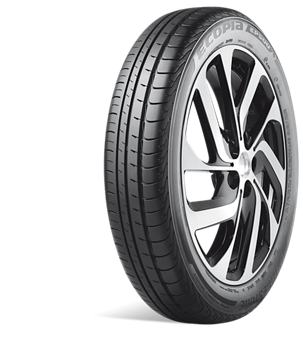
Bridgestone Ecopia EP500
Pros
- Noticeably sharper cornering and dry-road feel compared to the EP600 — drivers describe a more connected, responsive character
- Retains ologic low rolling resistance engineering, keeping range close to EPA rating in warm weather
- Available in both 19-inch and 20-inch i3 OEM sizes
Cons
- Unsafe below approximately 45°F — the summer compound hardens sharply in cold temperatures, extending stopping distances
- Tread wears faster than the EP600, making it the highest cost-per-mile option on this entire list
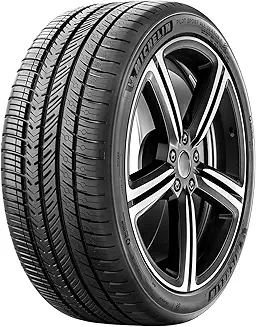
Michelin CrossClimate2
Pros
- Three-Peak Mountain Snowflake (3PMS) rated — qualifies for genuine winter driving, not just “light snow” use
- Multiple BMW i3 owners on Reddit confirm longer tread life vs. OEM Bridgestone fitments in real-world use
- Eliminates seasonal tire swaps in most four-season climates — one set handles all conditions
Cons
- Higher rolling resistance coefficient vs. EP600 causes a measurable range reduction — typically 2–4% in mixed driving
- Fitment is not universal across all i3 trims — requires size verification against your specific wheel configuration before ordering
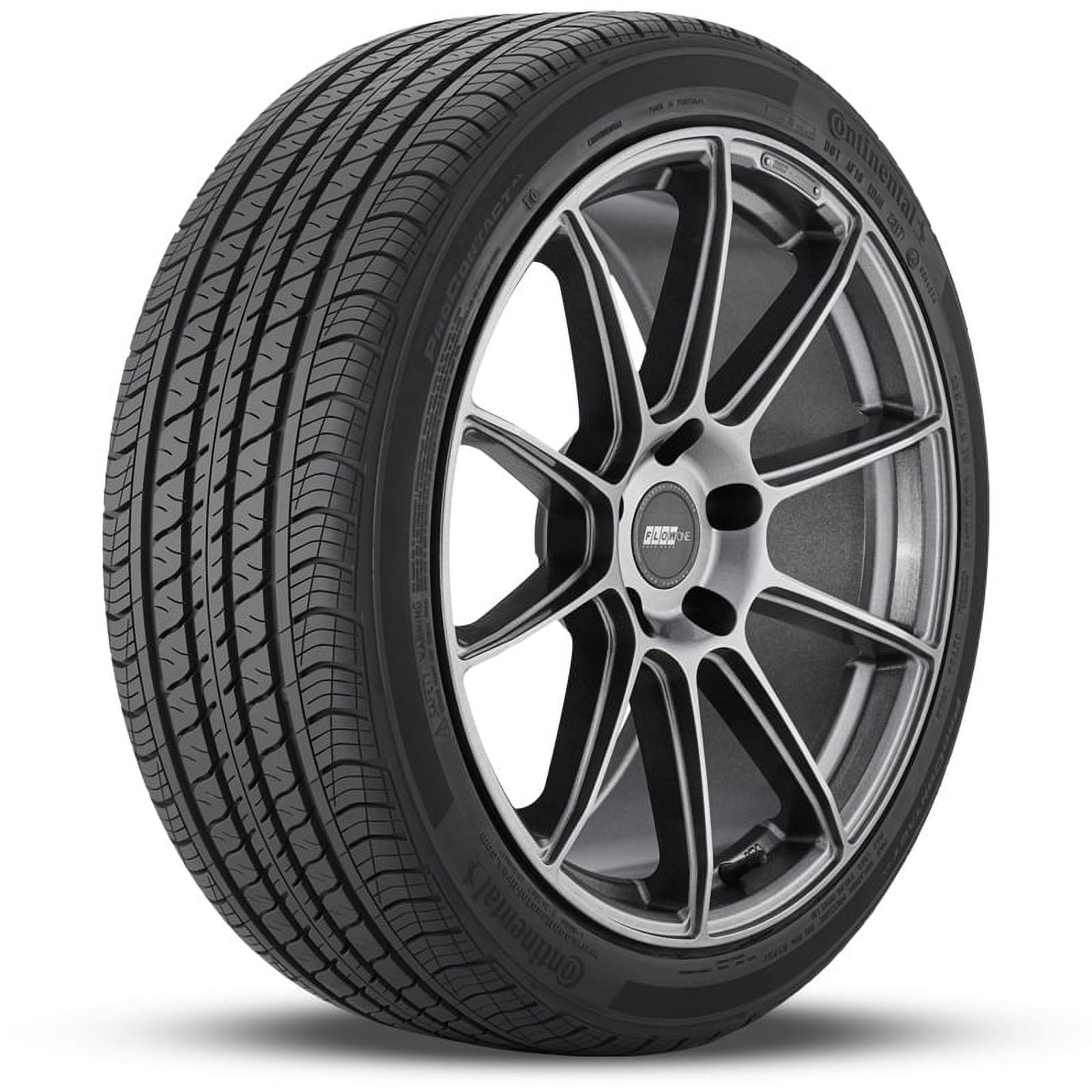
Continental ProContact RX
Pros
- 60,000-mile treadwear warranty on H/V-rated versions — the strongest warranty of any tire on this list
- EV-optimized compound handles the instant torque delivery of the i3’s electric motor without premature inner shoulder wear
- Available with Continental’s sound-absorbing acoustic foam insert in select sizes for a noticeably quieter cabin
Cons
- Ice and packed-snow traction is inconsistent — adequate in light slush but unreliable in genuine winter conditions
- Not co-engineered for i3 ologic sizing — fitment must be confirmed against your exact trim’s wheel specification
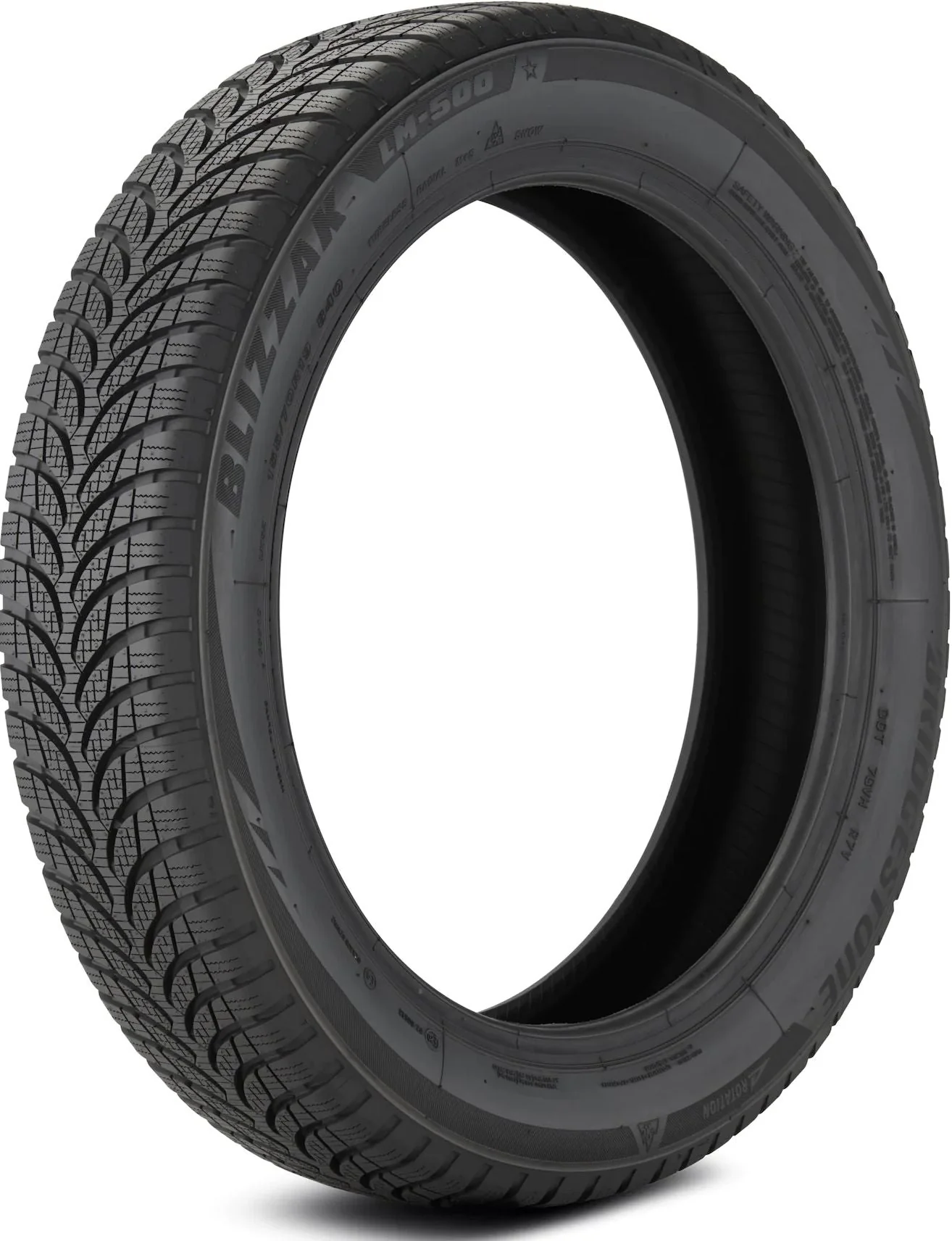
Bridgestone Blizzak LM-500
Pros
- Purpose-built for the BMW i3 in exact OEM ologic sizes — maintains the i3’s staggered front/rear fitment with no handling compromise
- Directional tread pattern with a softer winter compound that stays pliable below 32°F where summer and all-season tires stiffen
- Real-world tested by bmwblog.com in snow conditions — confirmed short braking distances and precise cornering
Cons
- Seasonal-only use requires a second wheel set and biannual swap appointments, adding $150–$300 per year in management costs
- Harder to source than mainstream winter tire brands — availability gaps during peak winter season are common
???? Can’t Decide?
Our Top 2 Picks — Head to Head
Both are OEM-validated Bridgestone options. Here’s how to choose between them.
- True all-season capability — handles dry, wet, and light snow
- Best wet-weather grip of any all-season tire in OEM i3 sizing
- Retains BMW’s factory range rating in all temperatures
- Noticeably sharper cornering and dry-road feedback than EP600
- Maintains ologic low rolling resistance in warm conditions
- The tire the original i3 was launched with — max summer performance
How to Choose the Right BMW i3 Tire
Six factors that are specific to the i3’s unusual platform — explained clearly.
Confirm OEM Size First
The i3 uses sizes not found in most mainstream lineups: 155/70R19 front / 175/60R19 rear on 19-inch wheels, or 155/60R20 / 175/55R20 on 20-inch. Some base BEV trims use 155/70R19 on all four corners. Check your door jamb sticker — not just the vehicle year — before ordering.
Rolling Resistance & Range
The i3’s ologic tires reduce aerodynamic drag specifically to hit BMW’s EPA range number. Tires with a higher rolling resistance coefficient will reduce range by a measurable 2–5% in mixed driving. For a 150-mile range car, that’s 3–7 miles per charge — meaningful on a daily commute.
Season Rating vs. Your Climate
Summer tires (EP500) are unsafe below 45°F. All-season tires (EP600) handle light snow. 3PMS-rated all-weather tires (CrossClimate2) qualify for genuine winter use. A dedicated winter tire (Blizzak LM-500) is the only real answer for repeated sub-freezing driving with snowfall.
Tread Life Expectancy
OEM Bridgestone tires average just 15,000–20,000 miles — less than half the life of a typical all-season tire on a conventional car. Budget for 2–3 replacement sets over 40,000 miles. The Continental ProContact RX’s 60,000-mile warranty makes it the clear cost-per-mile winner on compatible sizes.
Staggered Fitment Complexity
Most i3 trims run different front and rear sizes. This means you cannot rotate tires front-to-back to extend tread life — a major factor in the EP500’s rapid wear. Verify that any aftermarket tire is available in both your front and rear sizes before committing to a brand.
Total Cost of Ownership
A full set of OEM Bridgestones costs $1,000–$1,500 installed and lasts 15–20k miles. At that rate, you’ll spend more on tires over 60,000 miles than on most routine maintenance combined. Adding a second winter wheel set adds upfront cost but reduces long-term per-swap tire wear and storage hassle.
✅ Pro Tips
Quick Buying Checklist Before You Order
Check your door jamb sticker — front and rear sizes differ on most i3 trims. Ordering the wrong size means a costly return after mounting.
Always set rear pressure to 41 PSI after installation. The i3 runs much higher rear pressure than expected — under-inflation increases wear and reduces stability.
Budget for 15,000–20,000 mile replacement cycles on OEM Bridgestone tires — shorter than average but expected behavior on this platform.
Invest in a dedicated winter wheel set — mounting seasonal tires on a spare set of rims cuts per-swap costs and reduces wear on both tires and wheels over time.
Related Guides
Other BMW Electric Models
Low rolling resistance matters most for EV range.
Frequently Asked Questions
What are the factory tires on the BMW i3?
BMW fitted most i3 models with the Bridgestone Ecopia EP600 (all-season) or Bridgestone Ecopia EP500 (summer performance). Both were co-developed using ologic narrow-tire technology to maximize electric range. Your specific fitment depends on your trim level and wheel size configuration.
Which tire sizes fit the BMW i3 19-inch wheels?
The BMW i3 on 19-inch wheels uses 155/70R19 on the front and 175/60R19 on the rear in the staggered setup. Some base BEV trims use 155/70R19 on all four corners instead. Always confirm your exact trim’s wheel spec against your door jamb sticker before placing a tire order.
How long do BMW i3 tires typically last?
OEM Bridgestone EP600 tires commonly last 15,000–20,000 miles based on owner reports across forums and verified review data. The EP500 wears slightly faster. The Continental ProContact RX carries a 60,000-mile warranty on compatible EV applications — the longest of any tire on this list.
Are aftermarket tires safe for the BMW i3?
Some aftermarket tires are safe when they match OEM sizing exactly. However, Bridgestone engineers confirmed that non-OE sizes and compounds can compromise the i3’s emergency handling geometry. Stick to OEM dimensions even if you switch brands — the narrow ologic sizing is load-bearing to the car’s safety design.
Is the Michelin CrossClimate2 compatible with the BMW i3?
The Michelin CrossClimate2 fits select BMW i3 configurations, particularly in the rear 175/55R20 size. Multiple i3 owners have confirmed successful real-world fitment. However, availability is size-specific — not all i3 wheel configurations have a matching CrossClimate2 size, so fitment verification is essential before ordering.
Do non-OEM tires reduce the BMW i3’s range?
Yes — measurably. The Bridgestone ologic tires reduce aerodynamic drag and rolling resistance specifically to hit BMW’s EPA range figure. Tires with a higher rolling resistance coefficient typically reduce range by 2–5% in mixed real-world driving, which translates to 3–7 fewer miles per charge on a standard i3 battery pack.
Are premium tires worth the price on the BMW i3?
Yes — more so than on most cars. The i3’s narrow ologic sizes are rare, leaving virtually no budget-tier options that fit correctly. Fitting a cheaper non-spec tire to save $80–$100 can alter emergency handling and may be non-returnable after mounting. The premium reflects genuine engineering value on this specific platform.
???? Final Verdict
Our Top BMW i3 Tire Recommendations for 2026
The Bridgestone Ecopia EP600 remains the safest, most compatible all-season choice for most BMW i3 owners — it’s the only tire co-engineered for this platform with OEM-validated range and handling geometry. For drivers frustrated by short replacement cycles, the Continental ProContact RX offers the best cost-per-mile on compatible sizes with its 60,000-mile warranty. If you face real winters, the Blizzak LM-500 paired with the EP600 for summer gives you the most complete and safety-validated tire strategy available for the i3.