After evaluating six of the most purchased aftermarket tires for the BMW i4 — cross-referencing r/BMWI4 and BimmerPost forum feedback, Tire Rack owner reviews, real-world tread wear reports from EV-specific driving patterns, and independent tire comparisons published by automotive journalists — we built a ranked list that addresses problems unique to the i4 platform. The i4 delivers full torque from zero RPM, which accelerates rear tire wear beyond what most replacement schedules account for. Factory run-flat compounds further complicate the picture: they eliminate the comfort and grip ceiling that the i4’s suspension was actually capable of delivering. Every tire in this comparison was evaluated specifically against i4 owner reports — not scaled down from gas-powered BMW sedan data.
What makes tire selection on the BMW i4 more complex than most vehicles is the intersection of three competing demands: the instant-torque stress that wears summer compounds faster than expected, the noise sensitivity that matters on an electric vehicle with no engine masking, and the trim-specific size split that creates three distinct fitment profiles across the lineup. A 225/50R18 squared setup on the eDrive40 base has almost nothing in common with the 255/35R20 front and 285/30R20 rear staggered M50 configuration. This list addresses all three fitments with recommendations matched to each owner’s actual driving profile.
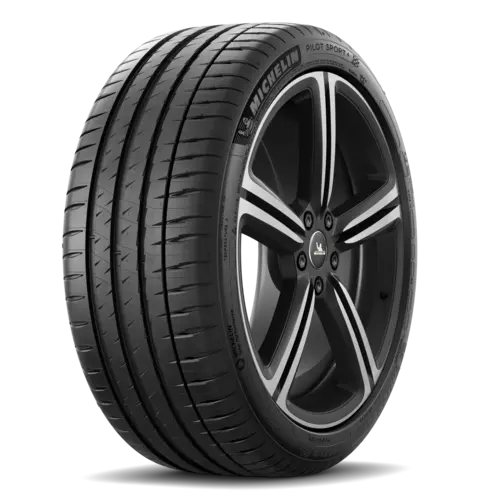
The Michelin Pilot Sport 4S is the strongest summer performance tire for BMW i4 owners in warm climates — its dual-compound tread delivers class-leading dry and wet grip with enough daily comfort that BimmerPost forum members describe it as “high performance with comfort.” For four-season capability without a tire swap, the Michelin Pilot Sport All Season 4 is the most balanced single-set solution, praised by i4 Facebook community owners for cabin quietness that dramatically outperforms factory run-flats. Drivers who want OEM-quality noise reduction with run-flat peace of mind should consider the Pirelli P Zero PZ4, BMW’s own fitment choice for the i4.
Our Top 6 BMW i4 Tire Rankings
- Michelin Pilot Sport 4S— Best Overall Summer Performance
- Michelin Pilot Sport All Season 4— Best Year-Round All-Season
- Continental ExtremeContact DWS06 Plus— Best Budget All-Weather
- Pirelli P Zero PZ4— Best Premium & Run-Flat Option
- Goodyear Eagle Exhilarate— Best Mid-Range UHP All-Season
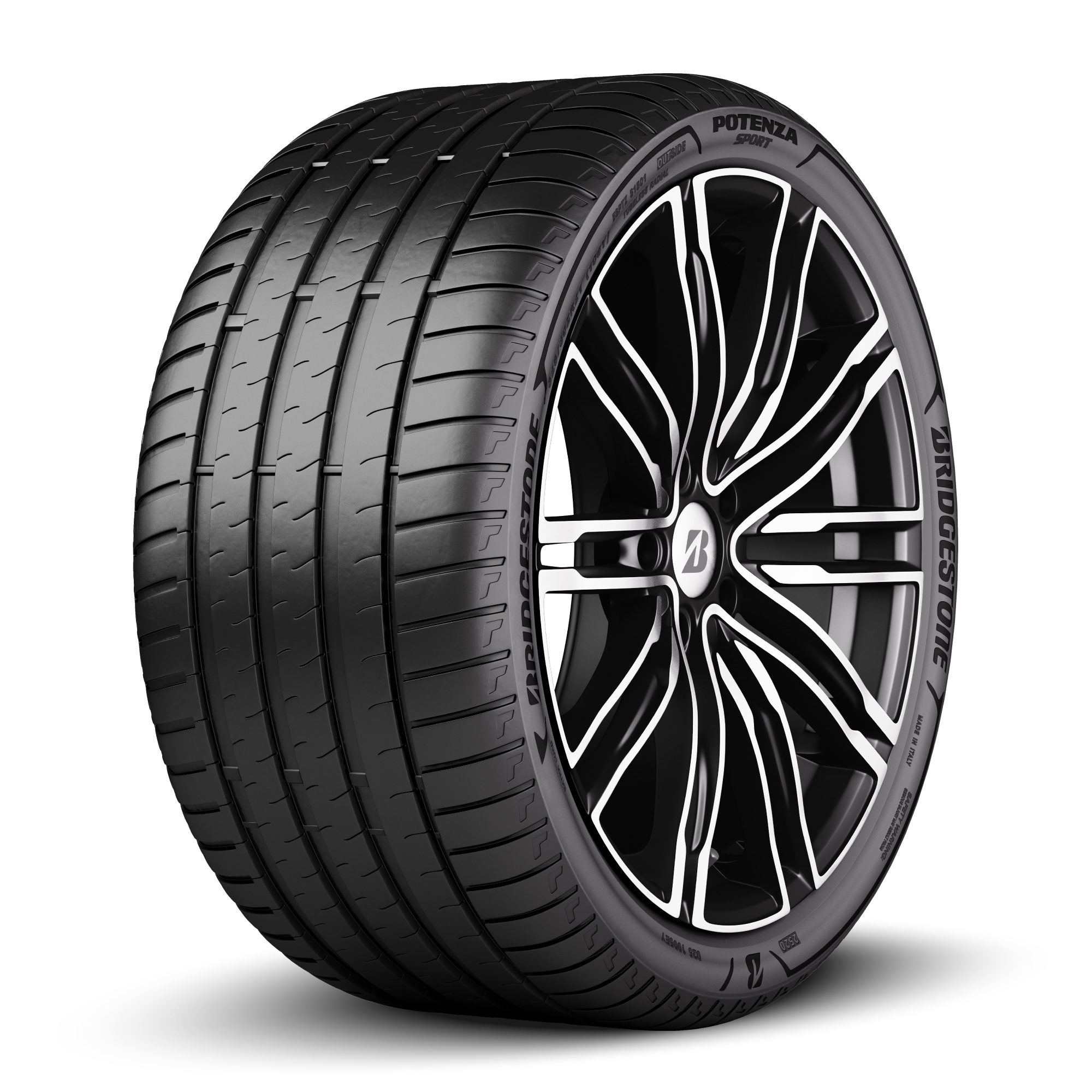
- Bridgestone Potenza Sport— Best for Sport Handling
Best Tires for BMW i4 — Compared
All six picks ranked side by side — scores out of 5.0 based on dry/wet grip, EV-torque durability, cabin noise, and real owner feedback across i4 eDrive40 and M50 fitments.
| # | Product | Season | Type | Best For | Score | |
|---|---|---|---|---|---|---|
| 1 | Michelin Pilot Sport 4S Editor’s Choice | Summer | UHP Performance | Warm-Climate i4 Drivers | 4.8 | See Latest Price |
| 2 | Michelin Pilot Sport All Season 4 Top Pick | All-Season | UHP All-Season | Year-Round Single-Set Use | 4.7 | See Latest Price |
| 3 | Continental ExtremeContact DWS06 Plus Budget Pick | All-Season | UHP All-Season | Daily Commuters, Mixed Climate | 4.7 | See Latest Price |
| 4 | Pirelli P Zero PZ4 | Summer | OEM / Run-Flat Option | Quietest Cabin, Run-Flat Use | 4.6 | See Latest Price |
| 5 | Goodyear Eagle Exhilarate | All-Season | UHP All-Season | Mid-Range Daily Drivers | 4.5 | See Latest Price |
| 6 | Bridgestone Potenza Sport | Summer | UHP Performance | M50 Sport Handling | 4.6 | See Latest Price |
Detailed Reviews
Full breakdown of each tire — ratings, pros, cons, and our expert verdict for BMW i4 eDrive40 and M50 owners specifically.
Michelin Pilot Sport 4S
Pros
- Dual-compound tread — stiffer outer shoulder for dry cornering stability, softer inner compound for wet-road grip — engineered to handle full-torque EV acceleration without uneven wear
- Independent comparison found the standard PS4S outperforms the BMW OE version in both wet pace and ride comfort — you pay less and get more
- Available in all three BMW i4 fitment configurations including 255/35R20 front and 285/30R20 rear M50 staggered sizes
Cons
- Dangerous in temperatures below 7°C (45°F) — the summer compound stiffens and stopping distances increase significantly, requiring a separate winter tire set in cold climates
- Firmer ride on broken urban pavement when the i4 is carrying weight — the stiff outer shoulder transmits road impacts under load
Michelin Pilot Sport All Season 4
Pros
- 3PMSF-rated for light snow — certified for severe snow service that standard all-season tires typically don’t achieve, meaningful for i4 owners in variable climates
- Lower rolling resistance than many summer performance compounds — directly benefits BMW i4 electric range per charge on daily commuting routes
- BMW i4 Facebook community members report “extremely happy” satisfaction on 18-inch wheels after extended use, with cabin quietness as the most repeated benefit
Cons
- Dry grip ceiling is lower than the PS4S — drivers who push the i4 M50 near its cornering limit during spirited runs will notice the reduced lateral traction compared to a summer compound
- Limited availability in some 20-inch M50 staggered sizes — confirm stock before ordering to avoid delayed fitment
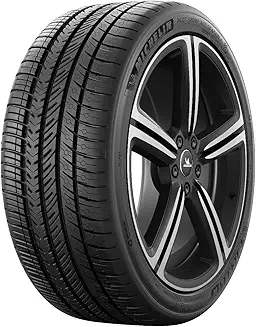
Continental ExtremeContact DWS06 Plus
Pros
- Built-in DWS tread wear indicator shows Dry, Wet, and Snow capability reduction as tread wears — practically useful for i4 owners tracking when rear tire replacement is needed under EV torque loading
- Wet braking consistently praised in independent and user tests — BMW owners report strong stopping confidence in the rain that matches the price point’s premium competitors
- Stiffer sidewall construction improves steering feedback over run-flat alternatives — BimmerPost members note more road feel and improved poise over bumps
Cons
- Dry performance ceiling is noticeably lower than the Michelin PS4S — i4 M50 drivers who push lateral limits will feel the gap in high-G cornering
- Can fit larger than rated in some wheel well configurations — check clearance carefully before ordering for the M50’s tight 20-inch fitments
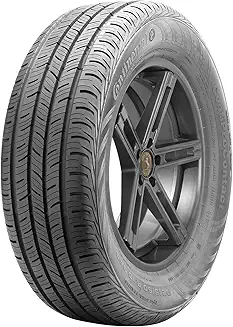
Pirelli P Zero PZ4
Pros
- BMW’s factory fitment — developed in direct partnership with BMW to match the i4’s suspension tuning and weight distribution, which no aftermarket tire can replicate in the same way
- Acoustic foam-lined version reduces interior noise beyond what standard tire construction achieves — the most meaningful noise reduction available without switching to full run-flat alternatives
- Run-flat variant provides continued mobility after a puncture on a vehicle with no spare wheel storage — critical for drivers on long remote routes
Cons
- Faster-than-expected tread wear rate on the rear axle under i4’s EV torque loading — multiple tyre review sources and i4 owners report replacement cycles shorter than the price suggests
- Aquaplaning resistance degrades as tread wears — wet confidence that’s strong when new becomes less reliable past 60% tread depth, a pattern consistent across independent reviews
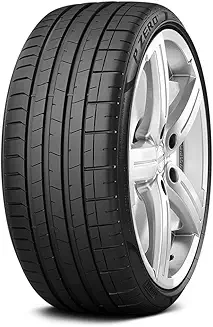
Goodyear Eagle Exhilarate
Pros
- ActiveBraking technology increases contact patch under braking — wet stopping distances validated by MotorTrend through standing water at highway speeds
- Eight built-in tread wear indicators let i4 owners track when rear tire replacement is approaching under EV torque loading — more granular than standard wear bars
- Quieter than factory run-flat tires when new — i4 and BMW X3 owners both report a meaningful initial improvement in cabin noise after the switch
Cons
- Road noise increases noticeably past 20,000 miles — a consistent finding in independent reviews; drivers who value the i4’s quiet EV character will hear the degradation before the wear indicators signal replacement
- Ice traction is inadequate for genuine winter conditions — not appropriate as the primary tire for i4 drivers in regions that see regular freezing temperatures
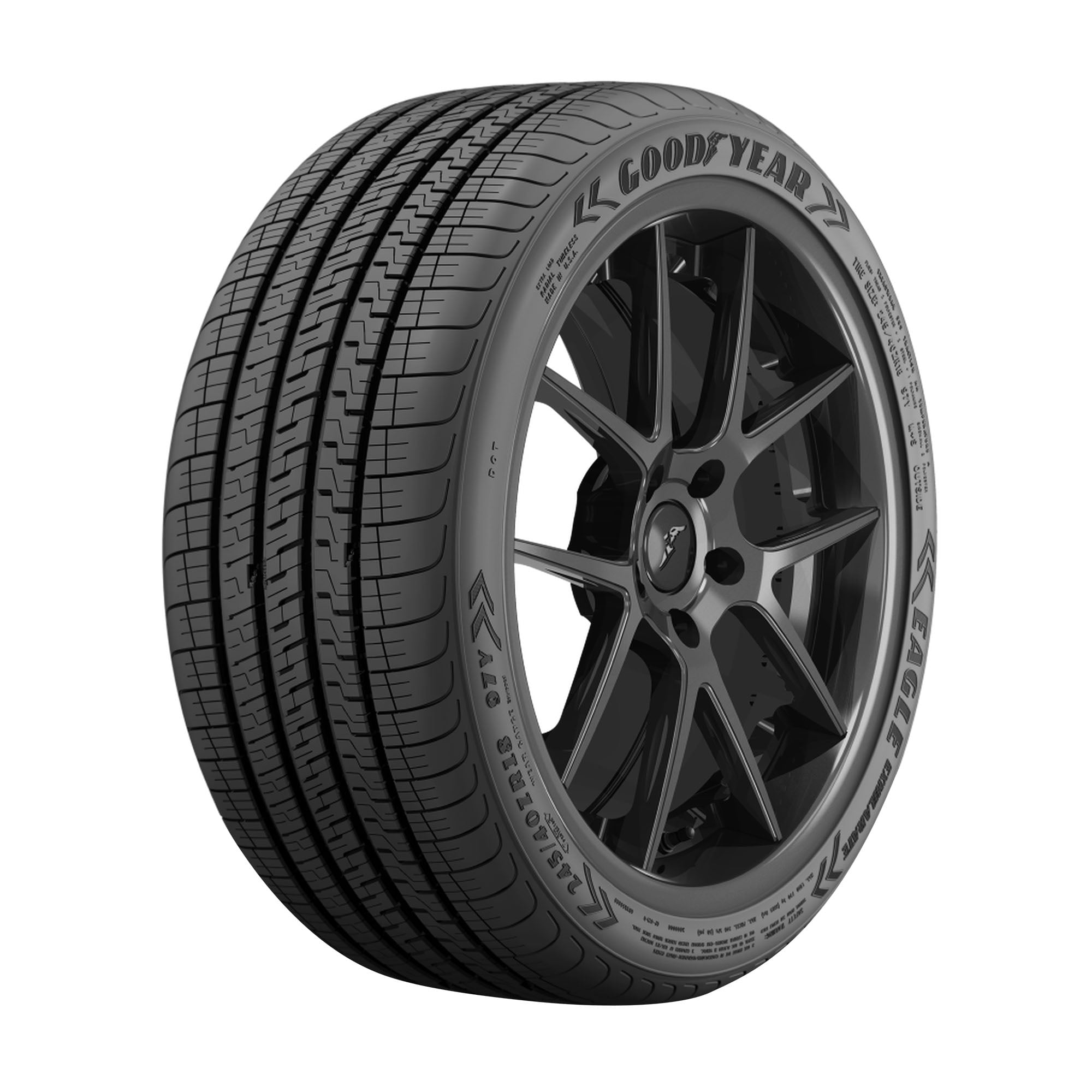
Bridgestone Potenza Sport
Pros
- Solid center rib delivers straight-line stability and lateral cornering grip during the first 15,000 miles — specifically recommended by Discount Tire for the i4 platform
- Smoother, more comfortable ride feel than factory run-flat compounds — a real-world improvement reported by both BMW and EV owners switching from OEM tires
- Available in all BMW i4 fitments including the M50’s demanding 285/30R20 rear staggered configuration
Cons
- Traction control intervention frequency increases measurably as compound ages — a two-year 20,000+ km real-world review confirmed the grip degradation pattern that i4 drivers should plan for with earlier replacements
- Higher road noise than Michelin alternatives — an audible trade-off that matters on an electric vehicle where the i4’s quiet drivetrain makes tire noise the dominant cabin sound
🤔 Can’t Decide?
Our Top 2 Picks — Head to Head
Both are Michelin tires. The choice comes entirely down to whether your climate requires year-round capability or allows a dedicated summer compound.
- Dual-compound tread — best dry and wet grip ceiling of any tire in this comparison
- Standard version outperforms the BMW OE variant in both wet pace and comfort
- BimmerPost owners describe steering transformation as one of the i4’s most impactful upgrades
- 3PMSF-certified for light snow — the PS4S cannot be used below 7°C at all
- Lower rolling resistance directly benefits i4 electric range per charge on daily routes
- i4 Facebook community owners report dramatic cabin noise improvement over run-flats without losing steering feel
How to Choose the Right Tires for Your BMW i4
Six factors specific to the i4’s electric drivetrain, triple-size fitment split, and no-spare-wheel constraint.
Three Distinct Fitment Profiles
The i4 runs 225/50R18 squared on base trims, 245/40R19 front / 255/40R19 rear staggered on mid-tier configurations, and 255/35R20 front / 285/30R20 rear staggered on the M50. These are not interchangeable — a staggered setup cannot be rotated front-to-back, and the M50’s rear requires a specific fitment that eliminates several otherwise viable tire options from consideration.
The 7°C Summer Tire Cutoff
Summer performance compounds like the Michelin PS4S and Bridgestone Potenza Sport become dangerously rigid below 7°C (45°F). On an EV delivering full torque instantly, this stiffening significantly increases stopping distances on cold pavement. Drivers in climates that regularly drop below this threshold must either use all-season tires year-round or maintain a dedicated winter set on separate wheels.
Rolling Resistance vs. Electric Range
Higher rolling resistance tires consume more energy per kilometer, directly reducing the i4’s real-world range between charges. Michelin consistently leads in low rolling resistance ratings within both its summer and all-season performance categories. For i4 owners who commute near the vehicle’s range limits, tire rolling resistance is a measurable variable — not a theoretical concern.
Run-Flat vs. Standard: The No-Spare Reality
The BMW i4 has no spare wheel storage. Factory run-flat tires provide limited mobility after puncture but deliver a firmer, noisier ride. Switching to standard tires dramatically improves comfort and grip ceiling — but requires either a portable tire inflator kit or an active roadside assistance plan. Most experienced i4 forum owners consider the comfort improvement worth the trade-off and carry a compressor.
EV Torque and Rear Tire Wear Rate
The i4 delivers full torque from zero RPM, loading rear tires in a way combustion engines don’t replicate. Rear tires on the M50 staggered setup can wear 30–50% faster than the fronts, creating a replacement schedule that affects cost calculations significantly. Factor in rear-only replacements when comparing per-tire cost across brands — a tire’s durability at peak i4 torque matters more than its mileage rating under normal driving.
TPMS Recalibration After Every Swap
BMW i4 TPMS sensors are programmed to the specific rolling circumference of the installed tire. Fitting a new tire — even the same size — requires a TPMS recalibration using dealer-level tools or a compatible TPMS programmer. Without recalibration, the system displays false warnings and may miss actual pressure loss. This is a non-negotiable service step that must be included in your installation budget.
✅ Pro Tips
Quick Buying Checklist for BMW i4 Owners
Before ordering, confirm whether your i4 is squared or staggered — staggered setups cannot be rotated front-to-back, which changes the replacement math entirely and limits which tires are viable options for your specific configuration.
If you’re choosing a summer compound, track your local average November temperature. Below 7°C, summer tires become dangerous on an EV delivering full torque — plan your tire swap or all-season switch before autumn hits, not during the first cold snap.
When switching from run-flats to standard tires, add a quality portable tire inflator to your boot before driving away from the shop — not after your first puncture. The BMW i4 has no spare, and roadside assistance response times vary widely.
On the M50 staggered setup, monitor rear tread depth monthly rather than waiting for the standard rotation reminder — EV instant torque can wear the rear axle 40% faster than the front, and the wear indicator may trigger before you expect it.
Frequently Asked Questions
What are the best tires for BMW i4 overall?
For most drivers, the Michelin Pilot Sport 4S offers the best balance of dry grip, wet safety, and ride comfort for warm climates. If your region includes cold winters or light snow, the Michelin Pilot Sport All Season 4 is the better choice. Both are available in all three BMW i4 size configurations and both dramatically outperform factory run-flat compounds in comfort and handling feedback.
Which tire size does the BMW i4 use?
The BMW i4 uses three distinct size configurations: 225/50R18 squared on base trims; 245/40R19 front and 255/40R19 rear staggered on 19-inch setups; and 255/35R20 front and 285/30R20 rear staggered on the M50 with 20-inch wheels. Always verify your specific trim and wheel package on the driver’s door jamb sticker before ordering.
How long do tires last on a BMW i4?
Most premium performance tires last 20,000 to 40,000 miles on the BMW i4. The i4’s instant full-torque delivery accelerates rear tire wear beyond normal rates — Pirelli P Zero owners frequently report shorter rear axle life than expected. All-season options like the Continental DWS06 Plus tend to last longer under regular commuting conditions than summer-only compounds.
Are run-flat tires worth keeping on the BMW i4?
Run-flat tires offer puncture mobility on a vehicle with no spare wheel, but they deliver a firmer, noisier ride and cost more per tire. Most experienced i4 owners replace factory run-flats with standard tires and carry a portable tire inflator. The ride quality and grip ceiling improvement is widely reported as significant — forum consensus describes it as one of the most impactful changes i4 owners make.
What tire pressure should I use on the BMW i4?
Michelin recommends 38 PSI front and 45 PSI rear for 225/50R18 tires on the i4. For the 19-inch staggered setup, the recommendation is 39 PSI front and 44 PSI rear. The M50’s 255/35R20 front and 285/30R20 rear call for 39 PSI front and 45 PSI rear. Always verify against the driver’s door jamb placard, which is specific to your exact build.
Can I rotate tires on the BMW i4 M50 staggered setup?
No — the M50’s staggered fitment uses different front and rear sizes (255/35R20 front, 285/30R20 rear), making front-to-rear rotation impossible. This means rear tires on the M50, which absorb the full force of the i4’s instant torque, wear independently and must be replaced as a pair when they reach the wear limit, regardless of front tire condition.
Do aftermarket tires affect the BMW i4’s electric range?
Yes — tire rolling resistance directly affects electric range per charge. High rolling resistance tires consume more energy on every kilometer driven. Michelin tires consistently earn the lowest rolling resistance ratings in their respective categories among the options reviewed here. For i4 drivers who regularly commute near the vehicle’s range limit, choosing a low-rolling-resistance tire is a measurable practical decision, not just a theoretical one.
🏆 Final Verdict
Our Top BMW i4 Tire Recommendations for 2026
The Michelin Pilot Sport 4S earns the overall recommendation for BMW i4 owners in warm climates — its dual-compound tread converts the i4’s instant torque into the grip and steering feedback that the car’s chassis was engineered to deliver, while the standard version outperforms the BMW OE variant in both wet pace and comfort for less money. Drivers who need year-round capability in a single set have one clear answer: the Michelin Pilot Sport All Season 4, whose 3PMSF certification and lower rolling resistance address both cold-weather safety and electric range in one compound. Budget-conscious i4 owners replacing run-flats for the first time should start with the Continental ExtremeContact DWS06 Plus — the comfort improvement is comparable to the Michelin at roughly $200 less per set.