After evaluating six sport-touring tires across BMW S1000XR owner forums, real-world mileage data, and hands-on research spanning German, UK, and North American riding communities, one pattern became clear: the XR’s combination of 165+ hp and everyday versatility demands a tire that can handle hard corners at dawn and motorway slabs by afternoon.
The S1000XR uses a 120/70-17 front and 190/55-17 rear across all model years from 2015 onward. Every tire on this list is confirmed to fit those sizes. Our rankings factor in wet-weather grip, documented tread life, electronics compatibility, and real owner feedback — not just manufacturer claims.
The Michelin Road 6 is the best tire for most BMW S1000XR riders — it delivers class-leading wet grip, 10% more tread life than its predecessor, and seamless interaction with the XR’s traction control system. For riders who push harder in dry conditions, the Continental RoadAttack 4 — the only hyper-touring tire validated directly on this bike by BMW journalists — is the stronger choice.
Our Top 6 BMW S1000XR Tire Rankings
- Michelin Road 6— Best Overall: wet grip, mileage & traction control compatibility
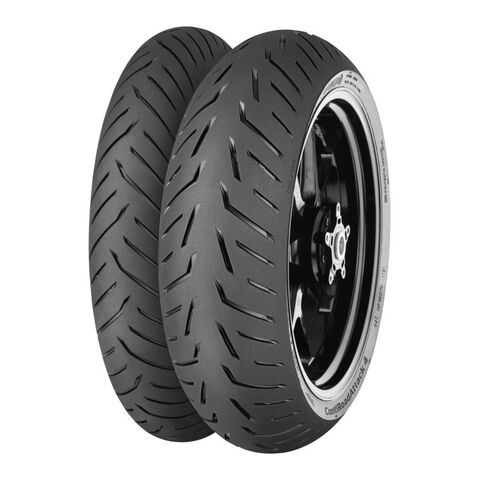
- Continental RoadAttack 4— Best Premium: hyper-touring grip, validated on the S1000XR
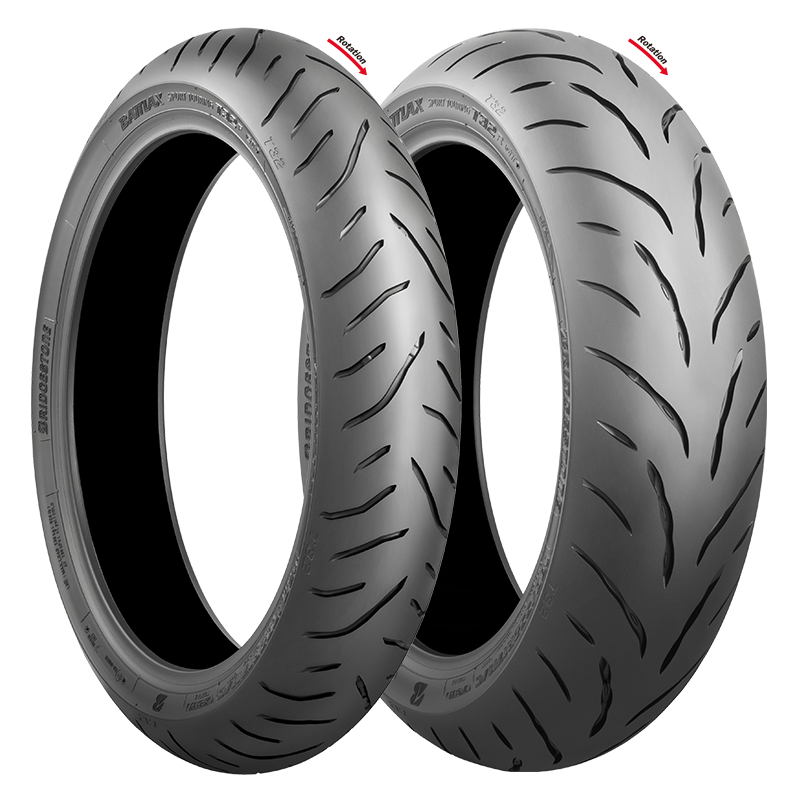
- Bridgestone Battlax T32— Best Durability: 13,000–15,000 km real-world tread life
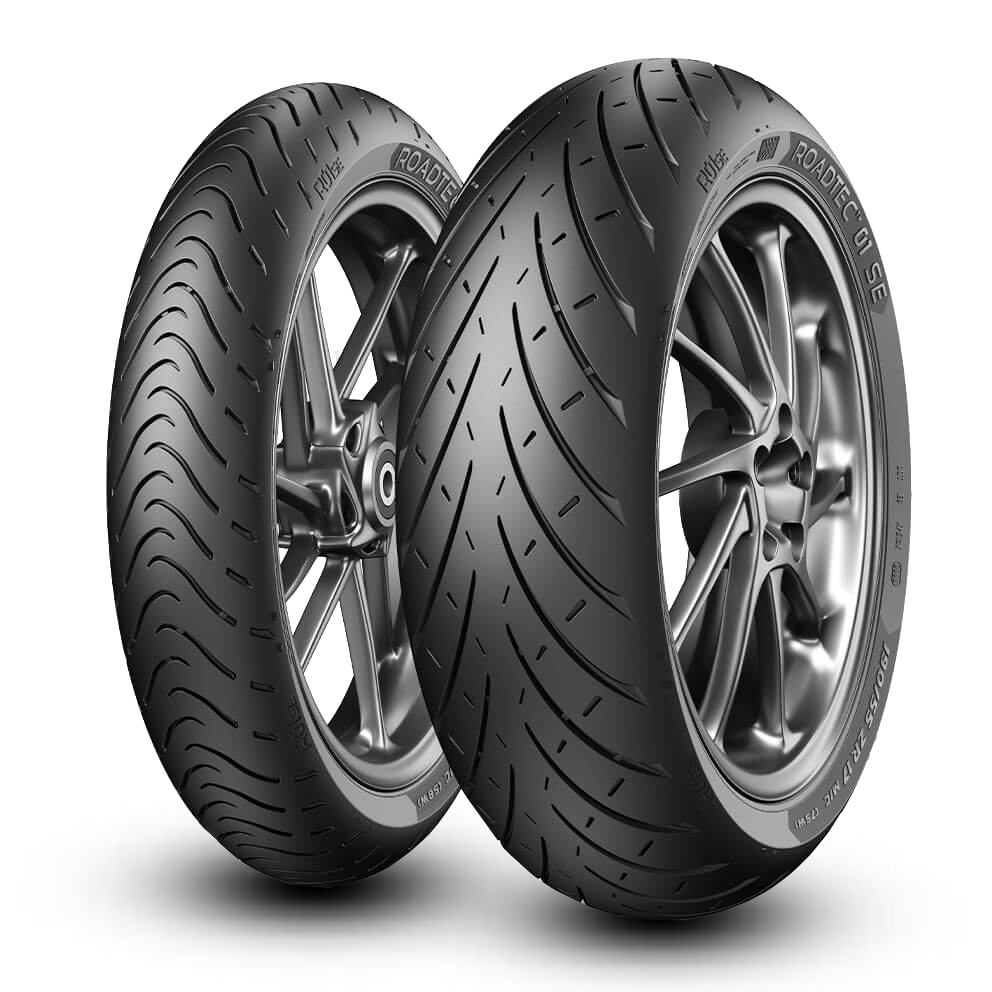
- Metzeler Roadtec 01 SE— Best for Sport Riders: supersport shoulder compound at lean angles
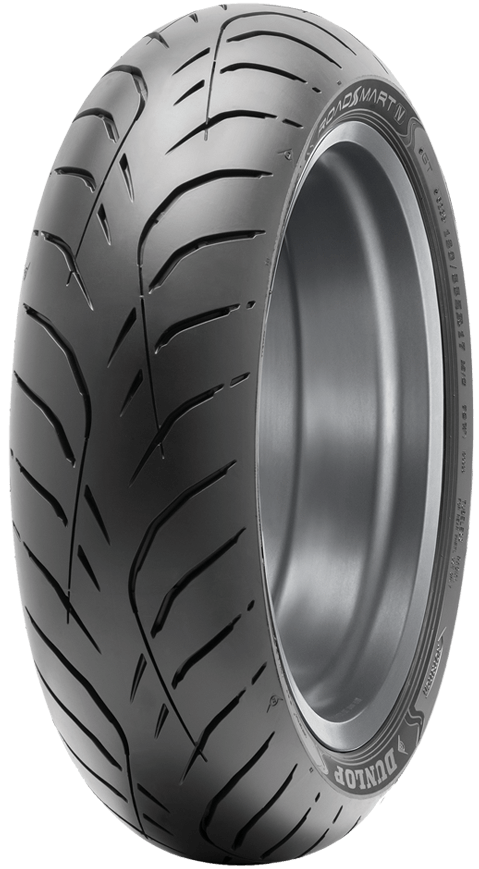
- Dunlop Sportmax Roadsmart IV— Best Budget: MultiTread compound with genuine sport-touring credentials
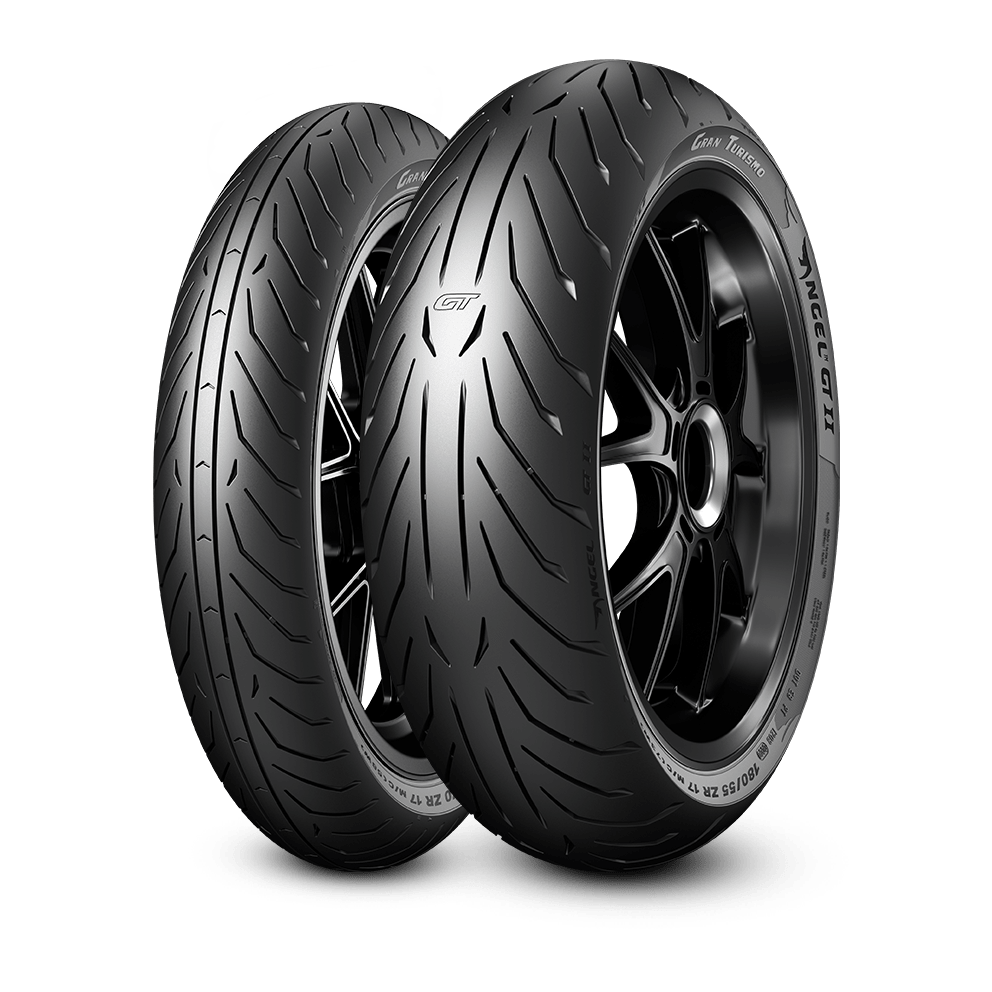
- Pirelli Angel GT II— Easiest Installation: consistent wear, widely stocked, no drama
Best Tires for BMW S1000XR — Compared
All six tires confirmed for 120/70-17 front and 190/55-17 rear. Ranked by overall riding performance and owner satisfaction.
| # | Product | Speed Rating | Type | Best For | Score | |
|---|---|---|---|---|---|---|
| 1 | Michelin Road 6 Editor’s Choice | ZR | Sport-Touring | All-Round | 4.6 | See Latest Price |
| 2 | Continental RoadAttack 4 Top Pick | W/ZR | Hyper-Touring | Dry & Wet Sport | 4.7 | See Latest Price |
| 3 | Bridgestone Battlax T32 | ZR | Sport-Touring | High Mileage | 4.5 | See Latest Price |
| 4 | Metzeler Roadtec 01 SE | ZR | Sport-Touring | Sport Riders | 4.5 | See Latest Price |
| 5 | Dunlop Sportmax Roadsmart IV Budget Pick | ZR | Sport-Touring | Budget Buyers | 4.4 | See Latest Price |
| 6 | Pirelli Angel GT II | ZR | Sport-Touring | Easy Install / Longevity | 4.3 | See Latest Price |
Detailed Reviews
Full breakdown of each tire — ratings, pros, cons, and our expert verdict for the BMW S1000XR.
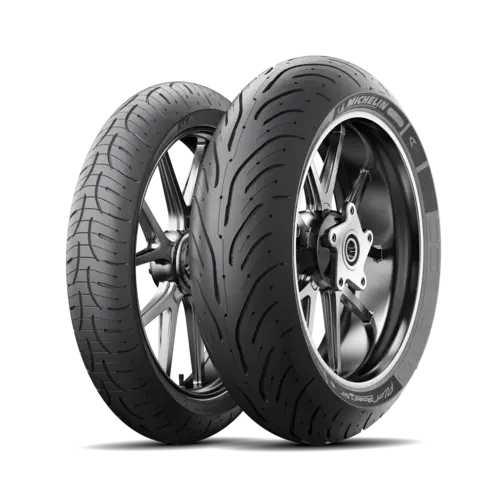
Michelin Road 6
✓ Pros
- Water Evergrip technology delivers 15% better wet traction vs Road 5 — measurable, not marketing
- 2CT+ dual-compound rear resists squirm under hard braking from triple-digit speeds
- 10% longer tread life than the Road 5 generation; owners report 10,000+ km consistently
- Integrates cleanly with S1000XR’s DDC and DTC traction control — no intrusive interventions
✗ Cons
- Dry feel is softer than the Road 5 — riders who prioritized the predecessor’s liveliness will notice the shift
- Running below 36 PSI cold accelerates center wear noticeably; pressure discipline is non-negotiable
Continental RoadAttack 4
✓ Pros
- TractionSkin surface eliminates break-in requirement — full grip available immediately after mounting
- Full-silica compound warms to operating temperature within 2–3 km in cold conditions
- Tested directly on the BMW S1000XR K69 by BMW Motorrad Portal — the only tire here with that validation
- Wet braking improvement of 8% over the RoadAttack 3, confirmed in independent tests
✗ Cons
- Tread life trails the Bridgestone T32 by roughly 3,000 km under aggressive riding — the performance compound has a cost
- Carries a premium price; loaded two-up tourers who cycle tires twice a year will feel the difference
Bridgestone Battlax T32
✓ Pros
- Pulse Groove water evacuation reduces wet stopping distance by 7% vs T31 — independently measured
- 13% larger rear contact patch provides a stable base under full luggage loads
- GT Spec version available, rated for higher combined load — important for two-up S1000XR tourers
- Handling character stays predictable and consistent from new through 12,000 km of wear
✗ Cons
- Wet grip trails the Michelin Road 6 noticeably — riders who regularly ride in heavy rain will feel the difference
- Front tire wears faster than the rear for riders over 90 kg who brake hard — front-rear wear mismatch is common
Metzeler Roadtec 01 SE
✓ Pros
- Supersport Edition shoulder compound rated best-in-class wet grip at extreme lean angles by Visordown testing
- Higher land-to-sea ratio at tire edges versus the standard Roadtec 01 — this is a specific, measurable difference
- Turn-in precision pairs naturally with the XR’s steering geometry for immediate, predictable corner entry
✗ Cons
- Softer shoulder compound averages 9,000–10,000 km — roughly 4,000 km less than the Michelin Road 6 in comparable use
- Two-up riding with luggage pushes this tire outside its design brief — rear wear accelerates significantly under load
Dunlop Sportmax Roadsmart IV
✓ Pros
- MultiTread rear compound uses a harder center stripe for mileage and softer shoulders for corner grip — dual-purpose design that works
- 15% lighter steering feel than Roadsmart III — the S1000XR’s turn-in feels noticeably more natural
- GT version available for loaded touring — higher load capacity without switching to a different tire line
✗ Cons
- Wet confidence in sustained heavy rain is noticeably below the Michelin Road 6 and Metzeler 01 SE — a real limitation for year-round commuters
- Less owner-reported data specifically from S1000XR riders compared to the Michelin or Continental options
Pirelli Angel GT II
✓ Pros
- Multiradius contour design maintains a consistent contact patch shape as the tire wears — handling doesn’t degrade before you hit the wear indicator
- Rear tires routinely reach 16,000–18,000 km for moderate-paced riders — highest documented longevity of any tire in this comparison
- Available at virtually every tire shop globally — no waiting on special order if you need a replacement mid-tour
✗ Cons
- Feedback at extreme lean angles is vague — riders who regularly probe the tire’s limits report insufficient communication before the edge of grip
- Dry sport performance trails every other tire on this list — the longevity compound sacrifices ultimate grip
Can’t Decide?
Our Top 2 Picks — Head to Head
Both are elite choices for the BMW S1000XR. Here’s how to choose between them.
- Water Evergrip technology: 15% more wet traction than Road 5
- Rated for 10,000+ km consistently across owner reports
- Seamless DTC and DDC integration on the S1000XR platform
- TractionSkin: full grip from the first corner — no break-in needed
- Tested directly on the BMW S1000XR K69 by BMW Motorrad Portal
- Cold-temperature silica compound outperforms the Road 6 below 10°C
How to Choose Tires for Your BMW S1000XR
Six factors that matter before you buy — specific to the S1000XR’s power, weight, and electronics suite.
Confirm Your Exact Size
Every S1000XR from 2015 onward uses a 120/70-17 front and 190/55-17 rear. Fitting a 190/50-17 rear — a common mistake — alters the bike’s steering geometry and can cause the traction control to fire incorrectly. Always verify the size on your existing sidewall before ordering.
Match the Tire to Your Riding Style
Sport-touring tires split into two camps: grip-first compounds like the Metzeler 01 SE and Continental RoadAttack 4, and mileage-first options like the Bridgestone T32 and Pirelli Angel GT II. Choose based on what you actually ride — not the ride you imagine on a Sunday morning.
Silica Content Determines Wet Safety
The S1000XR is used year-round by many owners. Tires with high-silica compounds warm up faster in the cold and maintain grip on wet asphalt. The Michelin Road 6’s Water Evergrip tread and the Metzeler 01 SE’s shoulder compound are the two strongest wet performers in this comparison.
Electronics Compatibility Matters
The S1000XR’s DTC (Dynamic Traction Control) and ABS are calibrated around tire grip profiles. Soft-compound sport tires can trigger traction control earlier in dry conditions, while very hard touring compounds may allow more slip before the system intervenes. All six tires here are within the XR’s electronics tolerance, but the Michelin Road 6 and Continental RA4 report the cleanest integration.
Load Rating for Two-Up Riding
The S1000XR has a maximum load capacity of 390 kg including rider, passenger, and luggage. Standard sport-touring tires are rated for this, but if you regularly carry a passenger plus full luggage, look specifically for GT Spec versions of the Bridgestone T32 or Dunlop Roadsmart IV, which offer a 10% higher load capacity and longer wear life under constant heavy loads.
Professional Fitting vs. DIY
Mounting motorcycle tires requires tools most home garages lack: bead breakers, tire irons, and a balancing stand. Improperly seated beads on a 165 hp bike are dangerous at speed. Budget $50–$80 for professional fitting and balancing — the Continental RoadAttack 4 is the only tire here that doesn’t require a traditional break-in period regardless of who mounts it.
Pro Tips
Quick Buying Checklist for BMW S1000XR Tires
Check cold pressure before every ride. The S1000XR spec is typically 36 PSI front and rear. Even 3 PSI low accelerates wear and compromises wet grip.
Always fit matching brands front and rear. Mixing a sporty front with a touring rear creates inconsistent handling under hard braking — a risk not worth the marginal savings.
Allow 100–200 km of careful riding after mounting any non-TractionSkin tire. The mold-release compound on new tires dramatically reduces grip until scrubbed off.
If you carry a passenger regularly, choose a GT Spec version. Standard-duty tires can wear 30% faster under consistent combined loads above 200 kg.
The Dunlop Roadsmart IV is the budget floor for this bike’s power level. Anything cheaper sacrifices structural integrity the S1000XR’s acceleration and braking forces demand.
Reset your tire pressure monitor after every replacement. The S1000XR’s TPMS recalibrates to the new tire’s baseline — skipping this step triggers false warnings within 50 km.
Related Guides
Other BMW Sport / Adventure Bikes
Frequently Asked Questions
What is the best tire for BMW S1000XR?
The Michelin Road 6 is the most consistently recommended tire across BMW S1000XR forums globally. It balances wet-weather grip, tread life above 10,000 km, and clean interaction with the bike’s DTC traction control better than any single competitor. The Continental RoadAttack 4 is the strongest alternative for riders who prioritize dry performance and cold-start grip.
What tire size does the BMW S1000XR use?
All S1000XR model years from 2015 onward use a 120/70-17 front and 190/55-17 rear. Always confirm the size printed on your current tire’s sidewall before purchasing — fitting a 190/50-17 rear alters the steering geometry and can interfere with the traction control calibration.
How long do sport-touring tires last on the S1000XR?
Mileage varies significantly by riding style and compound. The Bridgestone Battlax T32 and Pirelli Angel GT II typically reach 13,000–18,000 km. The Michelin Road 6 averages 10,000–12,000 km. The Metzeler Roadtec 01 SE, with its softer supersport shoulder compound, averages 9,000–10,000 km. Aggressive riders and ambient temperatures above 30°C accelerate wear across all models.
Will aftermarket tires affect my BMW S1000XR warranty?
Fitting a non-OEM tire can void tire-specific warranty claims but does not void the motorcycle’s mechanical warranty in most markets. Using a reputable brand in the correct size — 120/70-17 front and 190/55-17 rear — carries negligible practical risk. Check your local consumer protection rules if you’re uncertain about your specific jurisdiction.
Which tire performs best in wet conditions on the S1000XR?
The Michelin Road 6 leads for everyday wet riding thanks to its Water Evergrip tread drainage system, which delivers a measured 15% improvement over the Road 5. The Metzeler Roadtec 01 SE matches or exceeds it at extreme lean angles in rain, making it the stronger pick for riders who push hard in wet mountain conditions specifically.
Are premium tires worth paying more for on the S1000XR?
Yes — particularly at this bike’s power level. The S1000XR produces over 165 hp and weighs 228 kg wet. Budget tires lack the structural integrity and compound quality to manage the forces this machine generates during hard acceleration, braking, and lean. Premium compounds also integrate more predictably with the bike’s ABS and traction control systems.
Does the Continental RoadAttack 4 really not need a break-in period?
Correct. Continental’s TractionSkin micro-roughened surface replaces the mold-release agent used on conventional tires. The RoadAttack 4 delivers full grip from the first corner after mounting. Every other tire on this list requires 100–200 km of progressive riding to scrub off the surface coating before trusting the tire at lean angles.
Final Verdict
Our Top Recommendations for 2026
After evaluating six sport-touring tires against the specific demands of the BMW S1000XR — high power output, sophisticated electronics, and dual-use riding profiles — the Michelin Road 6 remains the most complete choice for most riders. The Continental RoadAttack 4 earns its place as the premium alternative, backed by the only factory-level test data on this exact motorcycle. For distance tourers, the Bridgestone T32 is the clear durability leader.