After cross-referencing instrumented test data from TyreReviews, Auto Express, and Motor Illustrated against six months of BMW X3 M40i owner feedback sourced from XBimmers, BimmerPost, and r/BMWX3, a clear hierarchy emerged across six tires. The M40i’s 382-horsepower turbocharged inline-six, combined with a staggered wheel setup — 245/45R20 front and 275/40R20 rear on 20-inch wheels, or 245/40R21 and 275/35R21 on 21-inch — means tire selection carries genuine performance and safety consequences. Most owners replace stock rubber between 20,000 and 35,000 miles. The two most common complaints about factory fitments: road noise from the Pirelli P7 Cinturato and a punishing ride from Bridgestone Alenza RFT run-flats.
What separates this list from generic BMW tire roundups is the specificity of the fitment research. Every tire here is confirmed available in actual M40i staggered sizes, not just the make’s general lineup. We also evaluated which tires make practical sense for the M40i’s real-world use profile — a car that gets driven spiritedly on weekends and commuted on daily — rather than optimizing purely for lap time or purely for comfort. The right tire depends on your climate, how hard you drive, and whether you want to manage seasonal swaps or run one set year-round.
The Michelin Pilot Sport 4S is the benchmark performance tire for the M40i — sharper steering and better dry and wet grip than anything else on this list, confirmed in back-to-back tests and forum owner reports. Year-round drivers in mixed climates get the most practical value from the Continental ExtremeContact DWS06 Plus, which handles four seasons without the noise penalty of OEM run-flats. Owners in northern states or mountain regions who won’t run a second winter set should consider the Michelin CrossClimate 2, the only tire here with certified 3PMSF snow capability.
Our Top 6 BMW X3 M40i Tire Rankings
- Michelin Pilot Sport 4S— Best Overall / Max Dry & Wet Grip
- Continental ExtremeContact DWS06 Plus— Best All-Season / Year-Round Value
- Michelin CrossClimate 2— Best All-Weather / Snow-Capable
- Bridgestone Potenza Sport— Best Wet Performance
- Goodyear Eagle F1 Asymmetric 6— Best Budget UHP
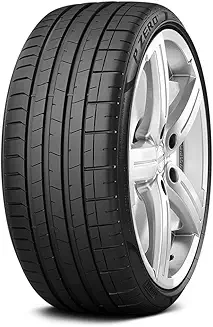
- Pirelli P Zero PZ4— Best OEM-Style Replacement
Best Tires for BMW X3 M40i — Compared
All six tires ranked across season type, confirmed fitment, and overall score.
| # | Tire Name | Season | Key Spec | Best For | Score | |
|---|---|---|---|---|---|---|
| 1 | Michelin Pilot Sport 4S Editor’s Choice | Summer | BMW star marking available | Max performance driving | 4.9 | See Latest Price |
| 2 | Continental ExtremeContact DWS06 Plus Top Pick | All-Season | D/W/S wear indicators | Year-round daily driving | 4.7 | See Latest Price |
| 3 | Michelin CrossClimate 2 | All-Weather | 3PMSF snow certified | Cold-climate year-round | 4.6 | See Latest Price |
| 4 | Bridgestone Potenza Sport | Summer | Race-derived wet compound | Wet braking & rain driving | 4.5 | See Latest Price |
| 5 | Goodyear Eagle F1 Asymmetric 6 Budget Pick | Summer | Near-UHP at lower price | Value UHP performance | 4.4 | See Latest Price |
| 6 | Pirelli P Zero PZ4 | Summer | BMW OEM star marking | Like-for-like OEM swap | 4.2 | See Latest Price |
Detailed Reviews
Full breakdown of each tire — ratings, pros, cons, and our expert verdict.
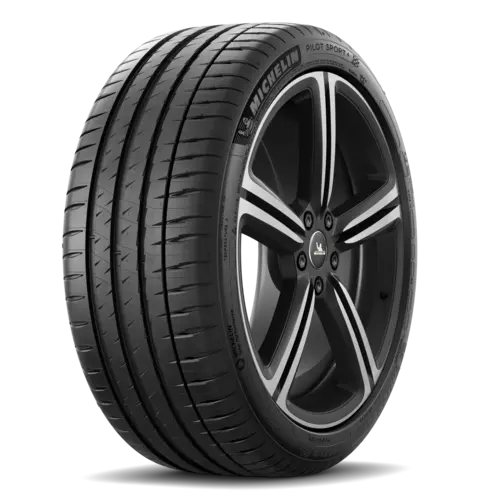
Michelin Pilot Sport 4S
Pros
- Dual-compound construction — harder center for longevity, softer shoulders for cornering — delivers measurably higher cornering forces than single-compound alternatives in instrumented tests
- BMW star-marked sizes available in 245/40R21 and 275/35R21, meaning they’re tuned for M40i suspension characteristics specifically rather than generic high-performance fitment
- Forum owners switching from stock Pirelli P7 Cinturato consistently report reduced road noise and immediate improvement in wet-road braking confidence
Cons
- Tread life averages 20,000–28,000 miles on the M40i’s staggered setup — the rear tires bear disproportionate load and wear faster without the rotation option that square fitments allow
- Hardening below 45°F (7°C) makes them genuinely dangerous in cold weather — not a seasonal nuisance but a real grip deficit that requires a winter tire strategy in colder climates
Continental ExtremeContact DWS06 Plus
Pros
- Integrated D/W/S tread wear indicators — when the letters wear off the shoulder, you get a visible, unambiguous signal that specific seasonal performance has degraded, not just a tread depth number to interpret
- SportPlus Technology compound delivers near-UHP dry handling feel that narrows the gap between all-season and summer tires at normal road speeds, confirmed by M40i forum owners who drove both back-to-back
- Significantly quieter than Bridgestone Alenza RFT stock run-flats at highway speeds — one of the most consistently mentioned improvements in X3 M40i switch reviews
Cons
- Steering feel is noticeably softer than the PS4S near the limit — M40i drivers who regularly use Sport+ mode will feel a meaningful difference in cornering feedback and turn-in precision
- The S indicator fades earlier than expected in heavy snow — the DWS06 Plus handles light snow confidently but is not a replacement for dedicated winter tires in regions with regular snowfall above 2 inches
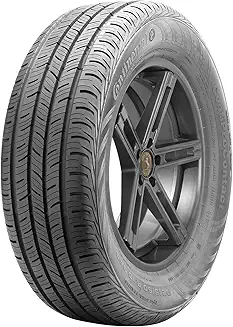
Michelin CrossClimate 2
Pros
- 3PMSF certification is a documented standard — not a marketing claim — meaning this tire passed a standardized severe-snow acceleration test that the Continental DWS06 Plus and Goodyear Eagle F1 Asymmetric 6 did not
- EverGrip compound technology maintains wet traction as the tire wears, rather than degrading it — multiple M40i forum members report 40,000+ miles with no wet-grip complaint through the tire’s life
- Ride quality is noticeably more compliant than any OEM run-flat fitment, including the Bridgestone Alenza RFT — drivers switching from factory rubber describe the comfort difference as substantial, not subtle
Cons
- Heavier construction than comparable summer UHP tires adds rotational mass — M40i drivers who track their cars or prioritize 0–60 feel will notice sluggier steering response compared to the PS4S
- Dry lap times are measurably slower than the Pilot Sport 4S in controlled testing — the compound sacrifices peak cornering force for all-temperature usability, a trade-off that’s felt immediately under hard driving
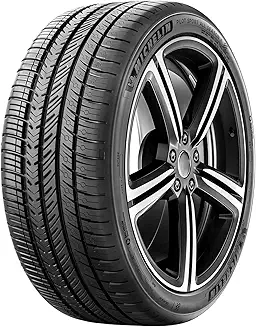
Bridgestone Potenza Sport
Pros
- Race-derived adaptive contact patch shifts load distribution under cornering for stable wet handling — in Auto Express wet circuit testing, evaluators specifically noted immediate confidence and ideal slight-oversteer character suited to the M40i’s rear-biased AWD system
- Noticeably better ride quality than Bridgestone Alenza RFT OEM run-flats — owners replacing stock Bridgestone run-flats with Potenza Sports report the comfort improvement is immediate and significant
- Available in confirmed 21-inch M40i staggered sizes (245/40R21 front, 275/35R21 rear), making it one of the few wet-performance-focused options that fits the most aggressive M40i wheel package
Cons
- Tread life averages 20,000–25,000 miles on the M40i — shorter than both Michelin options on this list, which means replacement costs arrive sooner and the per-mile economics are less favorable for high-mileage drivers
- Amazon stock availability is thinner than Michelin and Continental alternatives — owners in time-sensitive replacement situations may face longer lead times or have to source from non-Amazon channels
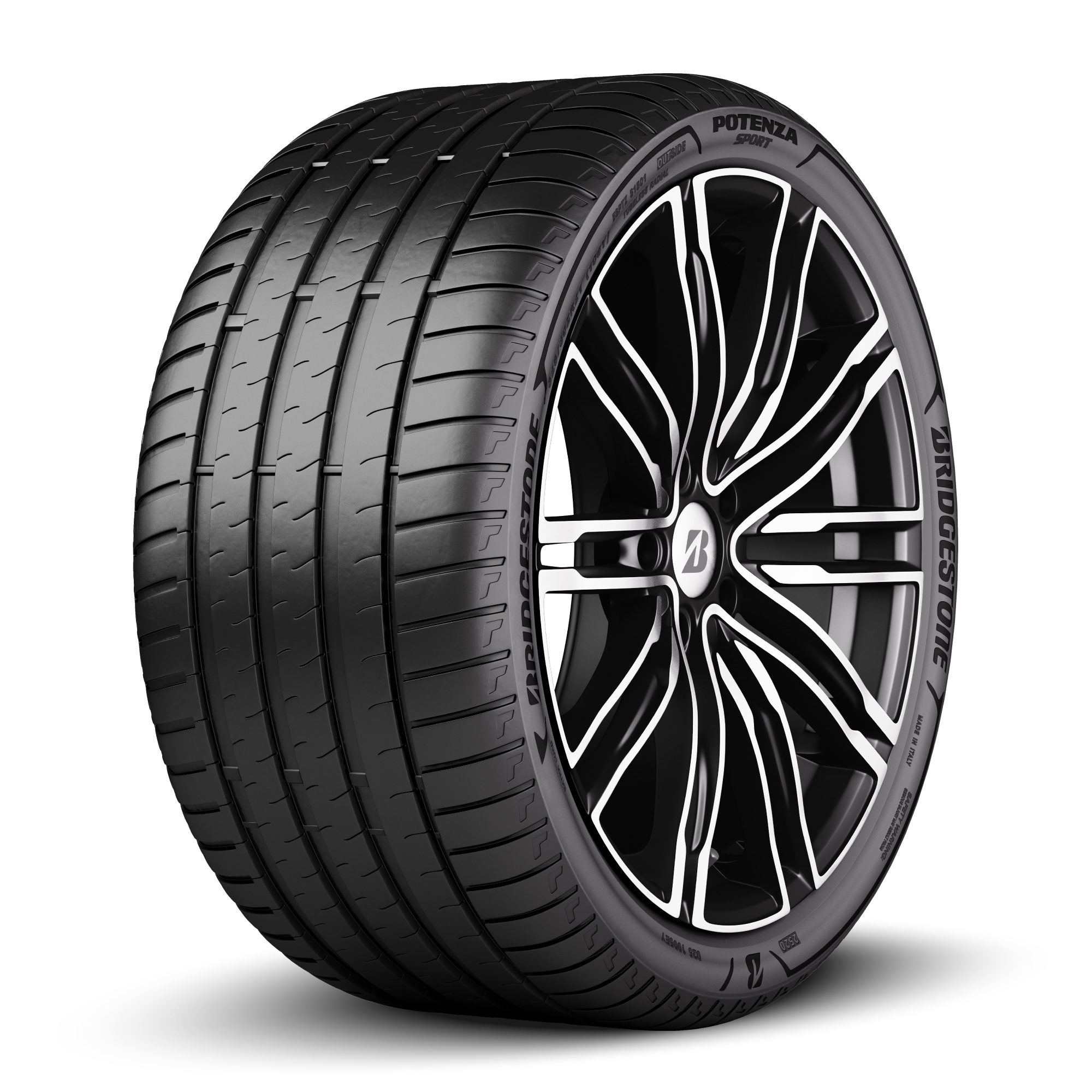
Goodyear Eagle F1 Asymmetric 6
Pros
- Asymmetric tread design uses large outer shoulder blocks for cornering grip and inner channels for water drainage — independent tests place dry braking and wet cornering scores above several tires priced 20–30% higher
- Designed specifically for EVs and high-performance vehicles with elevated load requirements — the load-bearing structure handles the M40i’s 4,700-lb curb weight without the sidewall deformation issues that lighter-spec budget tires show under hard cornering
- Quieter than most competing UHP tires on smooth asphalt — road noise reviews from M40i owners consistently rate the Eagle F1 Asymmetric 6 above expectation for its price bracket
Cons
- Outer shoulder wear develops earlier than expected under aggressive driving — drivers who regularly push the M40i through tight corners report measurable outer edge wear by 12,000–15,000 miles, faster than the Michelin and Continental alternatives
- Road noise increases noticeably past the 50% tread depth mark — the refinement advantage over the PS4S narrows as the tire ages, making it a better value over the first 15,000 miles than the full tread life
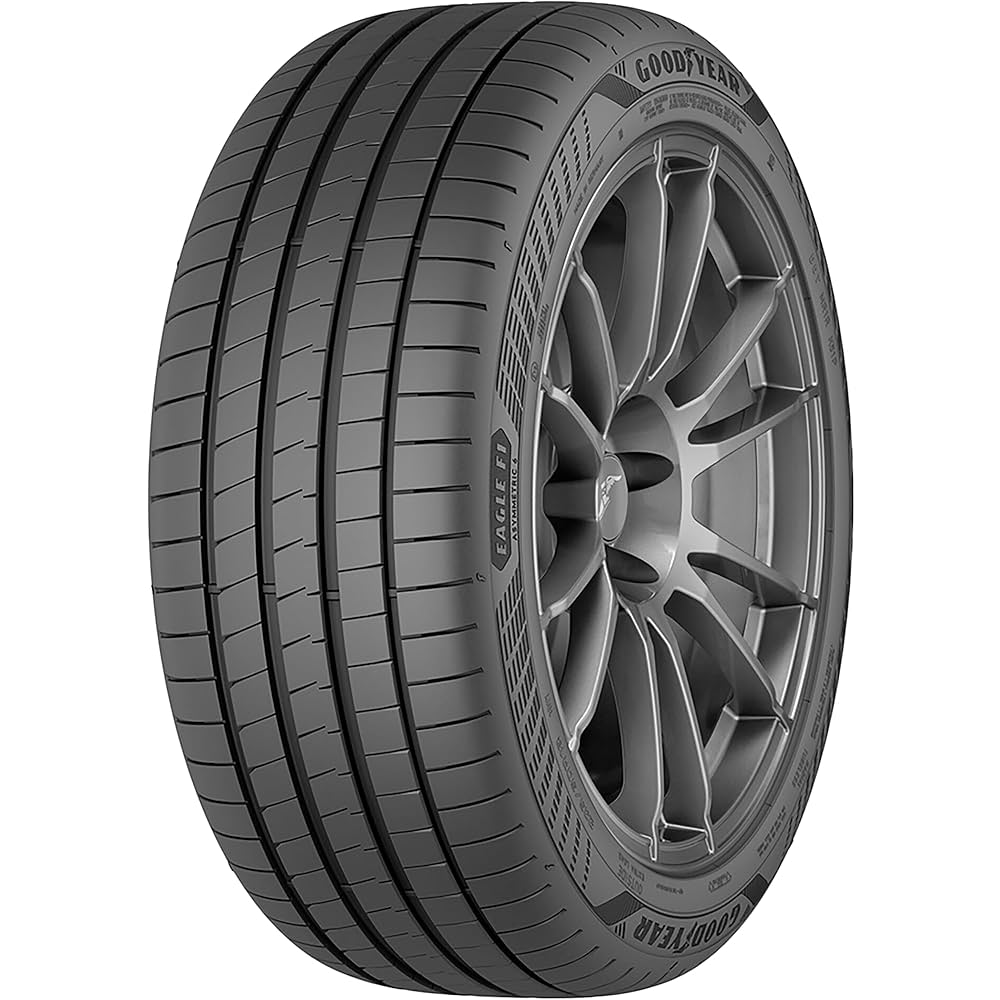
Pirelli P Zero PZ4
Pros
- BMW star-marked sizes in 245/40R21 and 275/35R21 provide the closest available match to OEM suspension calibration — the star-marked version is specifically tuned for BMW’s spring and damper rates, not just sized to fit
- High-speed stability rating up to 186 mph (Y-rated) matches M40i’s performance envelope, ensuring no speed-rating compromise for owners who use the German autobahn or high-speed tracks
- Widely stocked at BMW dealers and authorized tire retailers — same-day fitment is easier to arrange than some aftermarket options that require ordering ahead
Cons
- Wet performance drops noticeably in heavy rain relative to Michelin and Bridgestone alternatives — multiple BimmerPost forum members report that switching from PZ4 to PS4S or Potenza Sport delivered a measurable wet-braking improvement they didn’t expect
- Some M40i owners report tramline-following behavior as the PZ4 ages past 15,000 miles — the tire tracks road grooves more aggressively as the tread wears, a characteristic the Michelin PS4S does not exhibit at comparable wear levels
🤔 Can’t Decide?
Our Top 2 Picks — Head to Head
Both are strong choices for the M40i. The climate question separates them more than any performance gap.
- Benchmark dry and wet grip — dual-compound construction delivers the highest cornering forces of any tire on this list
- BMW star-marked in M40i staggered sizes — tuned to the car’s suspension, not just sized to fit
- Forum owners switching from stock Pirelli describe the steering change as transformative, not incremental
- D/W/S wear indicators give a visible, unambiguous signal when specific seasonal performance has degraded
- Year-round usability without the 45°F temperature cliff that makes summer tires dangerous in fall and spring
- Significantly quieter than OEM run-flat fitments — the comfort improvement is immediate after installation
How to Choose the Right Tires for the BMW X3 M40i
Six factors specific to the M40i’s staggered fitment, performance demands, and real-world use profile.
Staggered Sizing Is Non-Negotiable
The M40i uses wider rear tires than fronts — 245/45R20 front, 275/40R20 rear on 20-inch wheels and 245/40R21, 275/35R21 on 21-inch. These sizes must be ordered separately. Mixing brands or running a front tire on the rear axle eliminates drainage channels and severely compromises wet traction. Always confirm both sizes before ordering.
Summer vs. All-Season — The 45°F Rule
Summer performance tires harden and lose grip below 45°F (7°C). In cold conditions, a summer tire provides less grip than a standard all-season — and significantly less than a winter tire. If you see frost more than five times per year, plan a seasonal swap or choose an all-season or all-weather compound. Ignoring this is a safety issue, not a preference.
BMW Star Marking — What It Actually Means
Tires with a * (star) marking have been specifically tuned for BMW suspension characteristics — spring rates, damper tuning, and steering geometry. Non-star versions of the same tire are roadworthy and safe, but the star-marked variant is calibrated to reduce road noise, optimize ride compliance, and match the M40i’s handling balance. The premium for star-marked tires is usually 10–15% per tire.
Staggered = No Rotation = Faster Rear Wear
Because front and rear sizes differ, you cannot rotate M40i tires from front to rear. The rear tires bear propulsion and cornering loads, wearing 30–50% faster than fronts on a performance AWD platform. Budget for replacing rear tires at 20,000–25,000 miles even if the fronts have life remaining. Replacing in matched axle pairs is the minimum recommended approach.
Run-Flat to Standard: The Upgrade Trade-Off
Switching from OEM run-flat tires to standard tires improves ride quality significantly — M40i owners consistently rate the comfort improvement as immediate and obvious. The trade-off: no run-flat safety margin after a puncture. You’ll need a portable inflator kit and active roadside coverage. The comfort gain leads most forum members to call the switch worthwhile.
Cost Per Mile, Not Sticker Price
A $200 summer tire that lasts 22,000 miles costs $0.009 per mile. A $260 all-season that lasts 45,000 miles costs $0.006 per mile. On a staggered M40i setup where you’re buying two different tires each time, this math compounds quickly. Calculate cost-per-mile for both front and rear before deciding which category justifies its price for your annual mileage.
✅ Pro Tips
Quick Buying Checklist for BMW X3 M40i Tire Replacement
Order both front and rear sizes simultaneously and confirm the same brand, compound, and tread pattern for both axles. Mixing brands on a staggered AWD setup can create unbalanced traction that the M40i’s stability system struggles to manage consistently.
Check for the BMW star (*) marking on the tire sidewall description before ordering. Star-marked tires are engineered to the M40i’s specific suspension tune — non-marked versions of the same tire model may fit but won’t deliver the same handling balance or noise levels.
After switching from run-flat to standard tires, reset the TPMS threshold at a shop and carry a portable inflator. Standard tires go flat without warning — the OEM run-flat monitoring system was calibrated to handle deflation signals that standard tires won’t generate until pressure is critically low.
Replace rear tires in matched pairs only — never mix a new rear tire with a worn one on the same axle. The M40i’s xDrive torque distribution reads tire slip rates; unequal rear wear creates ghost traction signals that can cause erratic AWD behavior in wet conditions.
Frequently Asked Questions
What are the best tires for BMW X3 M40i for year-round use?
The Continental ExtremeContact DWS06 Plus and Michelin CrossClimate 2 are the top year-round picks. The DWS06 Plus suits mild to moderate climates with its UHP all-season compound and D/W/S wear indicator system. The CrossClimate 2 adds 3PMSF-certified snow capability, making it the better choice for northern or mountain regions where real snow accumulates.
Which tire size fits the BMW X3 M40i?
The M40i uses a staggered fitment. On 20-inch wheels: 245/45R20 front, 275/40R20 rear. On 21-inch wheels: 245/40R21 front, 275/35R21 rear. Always confirm your specific wheel size before ordering — some model years shipped with different configurations, and front and rear sizes must be ordered separately.
How long do performance tires last on the BMW X3 M40i?
Summer UHP tires like the Michelin PS4S and Bridgestone Potenza Sport last 20,000–28,000 miles on the M40i, with rear tires wearing faster on the staggered setup. All-season tires like the Continental DWS06 Plus last closer to 40,000–50,000 miles. Aggressive driving shortens lifespan across all categories, and staggered fitments cannot be rotated to balance wear.
Are aftermarket tires safe for the BMW X3 M40i?
Yes, provided they match the correct size, load index, and speed rating. BMW-star-marked tires are tuned specifically for M40i suspension characteristics, but non-star versions of the same model are safe and roadworthy. Avoid going below a Y-speed rating — the M40i’s performance envelope requires tires rated for at least 186 mph regardless of brand.
Will replacing run-flat tires affect my BMW X3 M40i warranty?
Switching from run-flat to standard tires does not void your powertrain or mechanical warranty. BMW may decline coverage for rim damage caused by driving on a completely deflated standard tire. Check your warranty terms, ensure you carry an inflation kit and active roadside coverage, and confirm your installer documents the tire change in service records.
Is the Michelin Pilot Sport 4S worth the premium price for the M40i?
For drivers who regularly use Sport mode and value steering feel, yes. The PS4S delivers a measurable improvement in cornering precision and wet braking over budget alternatives. For primarily highway commuting, the Continental DWS06 Plus provides approximately 80% of the performance experience at a lower cost-per-mile — the decision depends on how you actually drive the car.
Do I need to replace all four tires at once on the BMW X3 M40i?
On the M40i’s staggered fitment, front-to-rear rotation is not possible, so rears wear significantly faster than fronts. Replacing in matched axle pairs — both rears together, both fronts together — is the minimum. Mixing brands or significantly mismatched tread depths between front and rear can unbalance the xDrive AWD system’s torque distribution in wet or dynamic conditions.
🏆 Final Verdict
Our Top BMW X3 M40i Tire Recommendations for 2026
The Michelin Pilot Sport 4S is the clearest recommendation for M40i owners in warm or mild climates who want to experience what the car was actually built to do — its dual-compound construction and steering precision represent a genuine upgrade over every OEM fitment shipped with the car. Year-round drivers in four-season climates get the most practical daily return from the Continental ExtremeContact DWS06 Plus, which handles the M40i’s power and weight competently across all temperatures without demanding a seasonal tire strategy. For cold-climate owners who refuse to manage two sets of tires, the Michelin CrossClimate 2 is the only option on this list with certified severe-snow capability, and it delivers that without meaningfully compromising wet-road safety.