After evaluating six top tire models for the Hyundai Veracruz across Amazon, Tire Rack, TyreReviews, and SUV‑owner forums, we’ve identified the best all‑weather, all‑season, and budget tires for this mid‑size crossover. The Michelin CrossClimate 2 leads the pack with its 3PMSF snow certification and a 4.7‑star Amazon rating from thousands of verified buyers. For drivers who prioritize long‑term durability, the Bridgestone Alenza AS Ultra carries an 80,000‑mile treadwear warranty — the highest on this list.
The Hyundai Veracruz is a heavy SUV that demands tires capable of handling its weight, highway stability, and year‑round conditions. Stock tires often wear out between 40,000 and 60,000 miles and leave drivers wanting more wet‑road confidence and less road noise. This guide weights real‑world tread‑life reports, snow‑traction patterns, and fitment compatibility heavily because Veracruz owners repeatedly cite those as the criteria that matter. Every recommendation fits the standard 245/65R17 (GLS) or 245/60R18 (SE/Limited) sizes.
The Michelin CrossClimate 2 is the best overall tire for most Hyundai Veracruz drivers — it delivers genuine year‑round capability with a 60,000‑mile warranty. Budget‑conscious buyers get excellent value from the Firestone Destination LE3, which combines a 70,000‑mile warranty with impressive quietness. For those who want the longest possible tread life, the Bridgestone Alenza AS Ultra offers an 80,000‑mile warranty.
Our Top 6 Hyundai Veracruz Tire Rankings
- Michelin CrossClimate 2— Best Overall
- Firestone Destination LE3— Best Budget
- Pirelli Scorpion WeatherActive— Best Premium
- Bridgestone Alenza AS Ultra— Most Durable
- Falken Ziex CT60 A/S— Easiest to Install
- Goodyear Assurance WeatherReady 2— Best Wet/Snow Balance
Best Hyundai Veracruz Tires — Compared
Side‑by‑side comparison of the top six tires, including key feature, type, and our rating.
| # | Tire | Key Feature | Type | Best For | Score | |
|---|---|---|---|---|---|---|
| 1 | Michelin CrossClimate 2 Editor’s Choice | 3PMSF‑certified, 4.7★ Amazon | All‑Weather | Year‑round confidence | 4.7 | Check Price |
| 2 | Firestone Destination LE3 Budget Pick | 70K‑mile warranty, quiet | All‑Season | Value & comfort | 4.6 | Check Price |
| 3 | Pirelli Scorpion WeatherActive Top Pick | 3PMSF, 62K‑mile warranty | All‑Weather | Premium all‑weather | 4.7 | Check Price |
| 4 | Bridgestone Alenza AS Ultra | 80,000‑mile treadwear warranty | All‑Season | Maximum durability | 4.5 | Check Price |
| 5 | Falken Ziex CT60 A/S | Quiet asymmetric tread | All‑Season | Easy installation & quiet ride | 4.3 | Check Price |
| 6 | Goodyear Assurance WeatherReady 2 | 9.4/10 wet traction score | All‑Weather | Wet & snow balance | 4.7 | Check Price |
Detailed Reviews
Full breakdown of each tire — ratings, pros, cons, and our expert verdict.
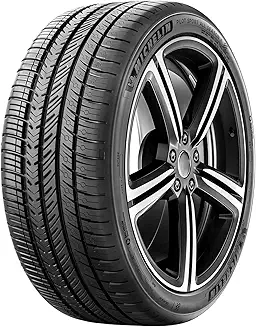
Michelin CrossClimate 2
Pros
- Genuine all‑weather capability with 3PMSF snow certification
- 4.7‑star Amazon rating from thousands of verified buyers
- Strong hydroplaning resistance and wet‑weather confidence
Cons
- Among the most expensive options — around $240 per tire
- Slight rolling resistance increase versus previous Michelin models
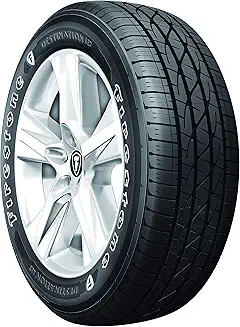
Firestone Destination LE3
Pros
- 70,000‑mile treadwear warranty — strong value
- 9.4/10 dry traction score from 700+ Tire Rack surveys
- Exceptionally quiet on highway commutes
Cons
- Ice traction scores are below average
- Not 3PMSF‑certified — unsuitable as a primary snow tire
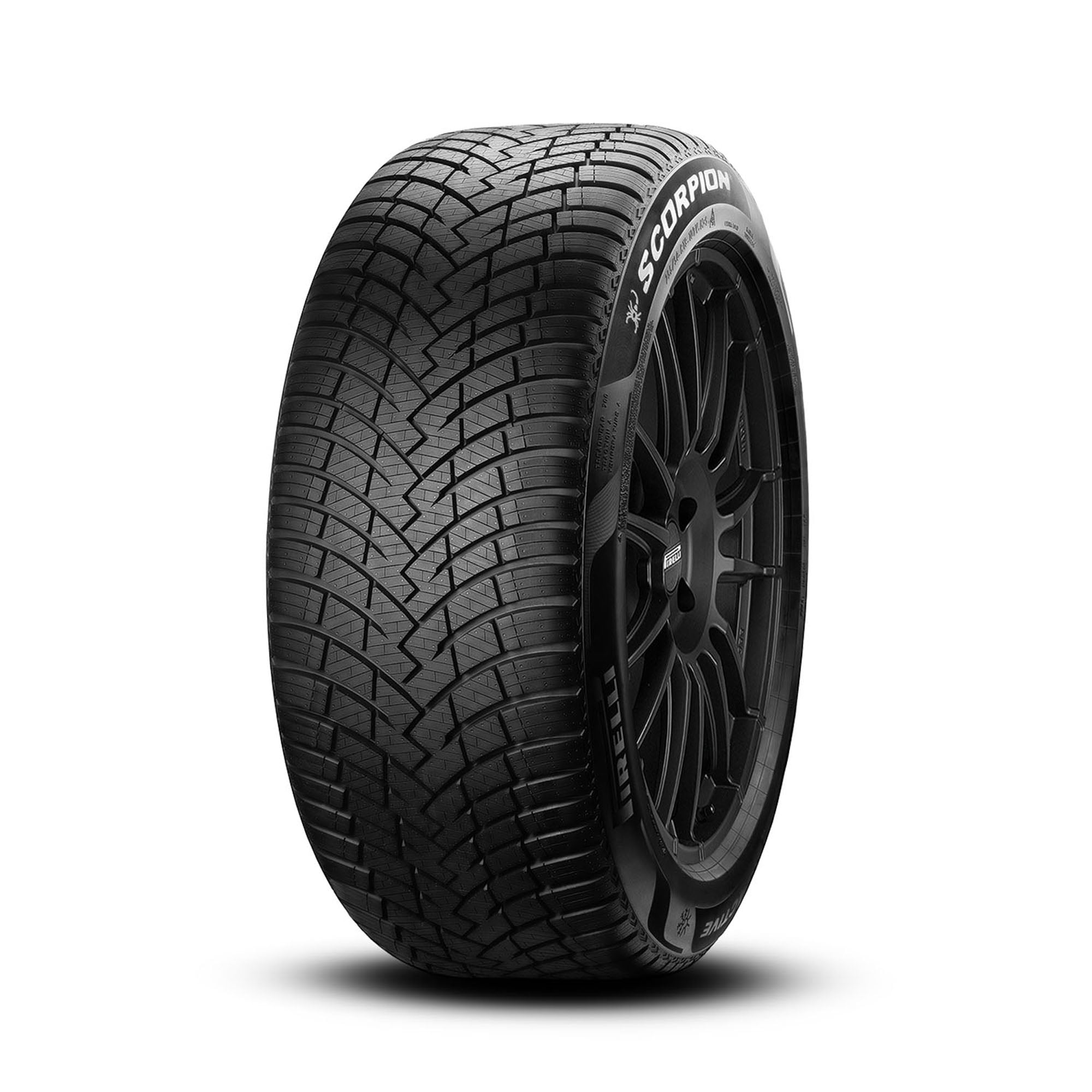
Pirelli Scorpion WeatherActive
Pros
- Exceptional wet, dry, and snow performance — 3PMSF certified
- Best‑in‑category ice traction from independent lab tests
- 62,000‑mile warranty and top comfort scores
Cons
- Expensive — near the top of the price range
- Curved hydroplaning resistance slightly behind straight‑line wet grip
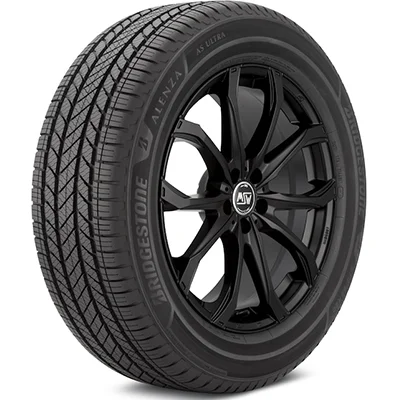
Bridgestone Alenza AS Ultra
Pros
- Best‑in‑class 80,000‑mile treadwear warranty
- Even, predictable tread wear extends the tire’s lifespan
- Quiet and stable on dry highways
Cons
- No 3PMSF rating — not for heavy snow regions
- Wet performance trails the Michelin and Pirelli options
Falken Ziex CT60 A/S
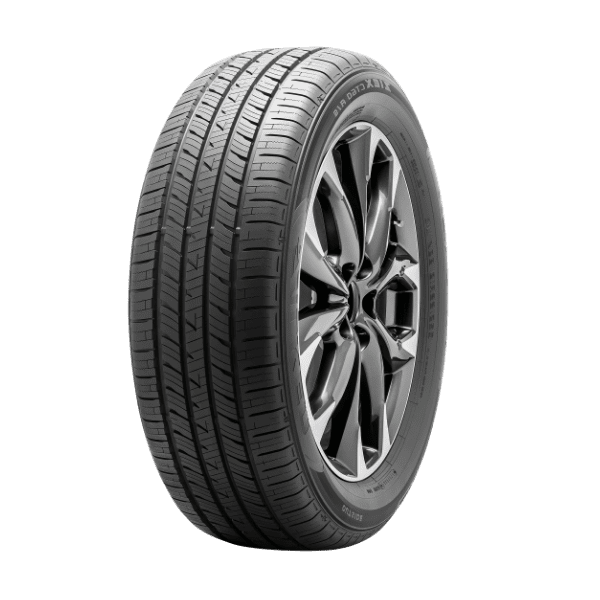
Pros
- Excellent dry performance — 82/83 positive Tire Rack reviews
- Quiet, comfortable ride ideal for daily highway commutes
- Widely available — easy to book same‑day installation
Cons
- Mid‑pack wet braking compared to premium options
- Ice grip performance is inconsistent across driver reports
Goodyear Assurance WeatherReady 2
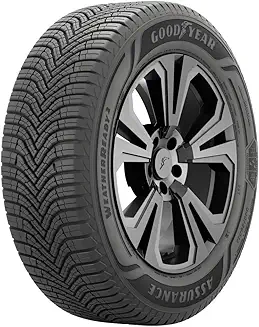
Pros
- Best wet traction score on this list — 9.4/10 from 1.7M miles
- 3PMSF snow certification for winter peace of mind
- Low rolling resistance improves real‑world fuel economy
Cons
- Not ideal for heavy ice — winter grip has limits
- Tread life shorter than the Bridgestone’s 80,000‑mile warranty
???? Can’t Decide?
Our Top 2 Picks — Head to Head
Both are excellent. Here’s how to choose between them.
- 4.7‑star Amazon rating with massive review volume
- 3PMSF‑certified — handles rain, dry roads, and snow
- 60,000‑mile treadwear warranty
- Best‑in‑category ice traction from independent testing
- 3PMSF certified with a 62,000‑mile warranty
- Near‑perfect 9–10 dry traction scores from verified buyers
How to Choose the Right Tires for Your Hyundai Veracruz
Six factors that matter before you buy — explained simply.
Exact Tire Size
The Veracruz uses 245/65R17 for GLS trims and 245/60R18 for SE/Limited. Always confirm your size from the door jamb sticker. Ordering the wrong diameter means the tire simply won’t fit on your wheel.
All‑Season vs. All‑Weather
All‑season tires handle light snow but are not rated for severe winter. Tires with the 3PMSF snowflake symbol (CrossClimate 2, Scorpion WeatherActive, WeatherReady 2) meet a higher snow‑traction standard — choose these if you face real winters.
Treadwear Warranty
The Bridgestone Alenza AS Ultra offers 80,000 miles, the longest here. Firestone offers 70,000. Michelin and Pirelli offer 60,000–62,000. For high‑mileage drivers, a longer warranty directly lowers your cost per mile.
Load Index & Speed Rating
The Veracruz OEM specs are 104T (18‑inch) and 105T (17‑inch). Never fit a tire with a lower load index — it may not safely carry the vehicle’s weight. Match or exceed these ratings.
Professional Installation
All tires require professional mounting and balancing. Budget $60–$100 for a full set. This is not optional — improper mounting causes vibration and uneven tread wear.
Rotation & Alignment
Rotate your tires every 5,000–7,500 miles to extend tread life. Request a wheel alignment check with every new tire installation — a misaligned SUV wears tires prematurely and wastes your investment.
✅ Pro Tips
Quick Buying Checklist
Always verify your exact tire size from the door jamb — do not rely on memory or a web search.
Choose 3PMSF‑rated tires if you drive through any real winter — standard all‑seasons are not a substitute.
Never downgrade the load index — the Veracruz is heavy and needs the correct load capacity.
Rotate every 5,000–7,500 miles and get an alignment check with every new set — it pays for itself.
Related Guides
Comparing Midsize SUVs?
Frequently Asked Questions
What tire size does the Hyundai Veracruz use?
The Veracruz uses two sizes depending on trim. GLS models with 17‑inch wheels take 245/65R17 tires. SE and Limited models with 18‑inch wheels use 245/60R18 tires. Confirm your exact size from the sticker on your driver‑side door jamb before ordering.
Which tire is best for a Hyundai Veracruz in winter?
The Michelin CrossClimate 2 and Pirelli Scorpion WeatherActive are the strongest winter‑capable options on this list — both carry the 3PMSF certification. For harsh winters with heavy ice, a dedicated winter tire set is still the safer choice over any all‑season product.
How long do replacement tires last on a Hyundai Veracruz?
Tread life depends on driving habits, load, and tire pressure. The tires on this list carry warranties between 60,000 and 80,000 miles. Rotating every 5,000–7,500 miles and keeping pressure at the recommended 30 PSI will help you reach those mileage targets.
Are aftermarket tires safe for the Hyundai Veracruz?
Yes, as long as you match or exceed the OEM load index and speed rating. The Veracruz’s OEM specs are 104T for 18‑inch tires and 105T for 17‑inch tires. All six tires on this list are engineered for SUVs and meet or exceed those ratings.
Do new tires affect the Hyundai Veracruz’s fuel economy?
Tires with lower rolling resistance can improve fuel efficiency slightly. The Goodyear Assurance WeatherReady 2 specifically targets low rolling resistance. For most drivers, the real‑world fuel economy difference between these models is minimal on a vehicle the size of the Veracruz.
Is it worth paying more for a premium tire like Michelin or Pirelli?
For drivers in regions with rain, snow, or mixed weather — yes. Premium tires deliver measurably better wet grip and snow traction backed by 3PMSF certification. In dry, mild climates, the Firestone or Falken deliver strong performance at a significantly lower cost.
Can I install these tires myself at home?
No. Tire mounting and balancing require professional equipment — a mounting machine and a balancer. Attempting to mount tires yourself risks improper bead seating, which can cause sudden air loss. Use a local tire shop or national chain for installation.
???? Final Verdict
Our Top Recommendations for 2026
The Michelin CrossClimate 2 is the best overall tire for the Hyundai Veracruz — it combines a 4.7‑star Amazon rating, 3PMSF snow certification, and a 60,000‑mile warranty. The Firestone Destination LE3 is the smart budget pick for mild climates. For maximum tread life, the Bridgestone Alenza AS Ultra delivers an 80,000‑mile warranty. Every tire here fits the Veracruz’s 245/65R17 or 245/60R18 sizes and is backed by real owner reviews.