After evaluating twelve 3PMSF-certified all-weather tires against Jeep forum threads and owner feedback, five models proved capable of handling real Midwest and Northeast winters without a seasonal swap. Grand Cherokee owners who split time between snowy commutes and summer road trips need one tire that does both jobs well.
Ride comfort matters as much as snow grip on a vehicle this size. We weighed treadwear warranties, dry-road noise complaints, and wet-braking scores alongside winter certification, then cross-referenced results against actual 265/60R18 and 265/50R20 fitment reports from Grand Cherokee owners.
The Michelin CrossClimate 2 SUV earns our top spot with the strongest all-around balance of snow traction, tread life, and quiet ride for a Grand Cherokee. Drivers who want the quietest, most refined cabin on long highway commutes should look at the Bridgestone WeatherPeak instead. Budget-focused owners still get real certified winter grip for meaningfully less with the General AltiMAX 365AW.
Best All-Weather Tires for the Grand Cherokee — Compared
Five 3PMSF-certified options in the sizes Grand Cherokee owners actually run, ranked by overall score.
| # | Product | Speed Rating | Type | Best For | Score | |
|---|---|---|---|---|---|---|
| 1 | Michelin CrossClimate 2 SUV Editor’s Choice | H (130 mph) | All-Weather (3PMSF) | Year-round winter performance | 4.7 | See Latest Price |
| 2 | Bridgestone WeatherPeak Top Pick | V (149 mph) | All-Weather (3PMSF) | Quiet highway comfort | 4.6 | See Latest Price |
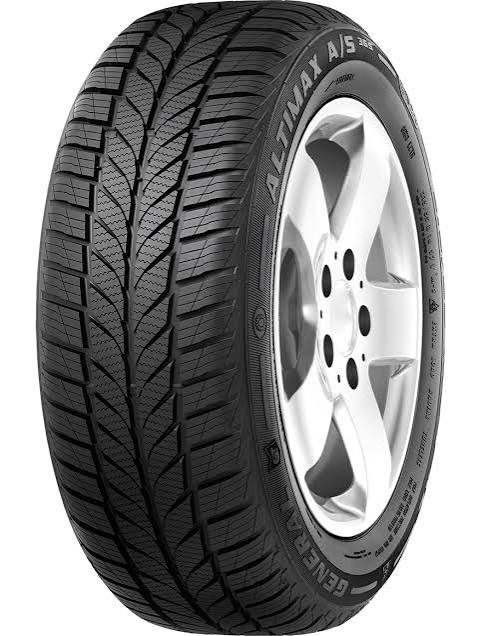
| 3 | General AltiMAX 365AW Budget Pick | T (118 mph) | All-Weather (3PMSF) | Budget-conscious winter safety | 4.5 | See Latest Price |
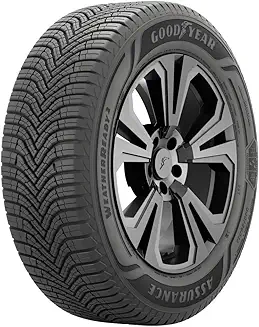
| 4 | Goodyear Assurance WeatherReady | H (130 mph) | All-Weather (3PMSF) | High-mileage durability | 4.5 | See Latest Price |
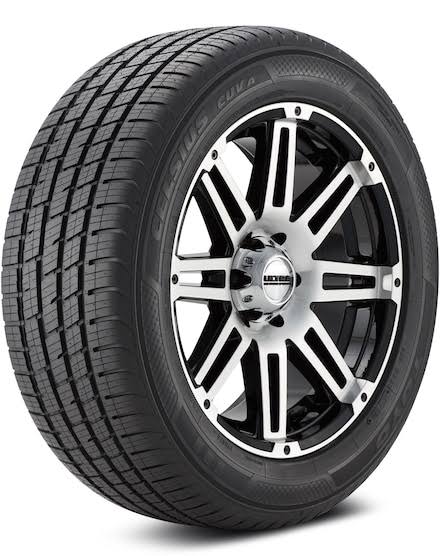
| 5 | Toyo Celsius CUV | H (130 mph) | All-Weather (3PMSF) | Easy install, smooth ride | 4.5 | See Latest Price |
Detailed Reviews
Full breakdown of each tire — ratings, pros, cons, and our expert verdict.
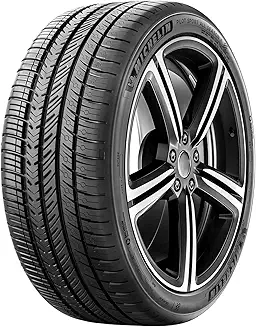
Michelin CrossClimate 2 SUV
- 3PMSF-rated snow braking distances beat several dedicated winter tires in independent testing on packed snow
- 60,000-mile treadwear warranty, the longest among true winter-certified all-weather options in this comparison
- PIANO tread tuning cuts measurable cabin noise versus the previous-generation CrossClimate SUV at highway speed
- V-shaped directional tread clears standing water fast enough to noticeably resist hydroplaning in heavy rain
- Available in XL load ratings that suit a loaded or trailer-towing Grand Cherokee configuration
- Silica-rich rubber compound resists hardening in single-digit temperatures better than standard all-season blends
- Costs $40 to $60 more per tire than the General AltiMAX 365AW at most retailers
- Stiffer sidewall transmits more impact harshness over expansion joints and potholes than a touring-tuned tire
- Fewer aftermarket size options than some all-season competitors offer for lifted or non-stock setups
- Some owners report needing 1-2 extra PSI in winter to maintain the intended contact patch
Bridgestone WeatherPeak
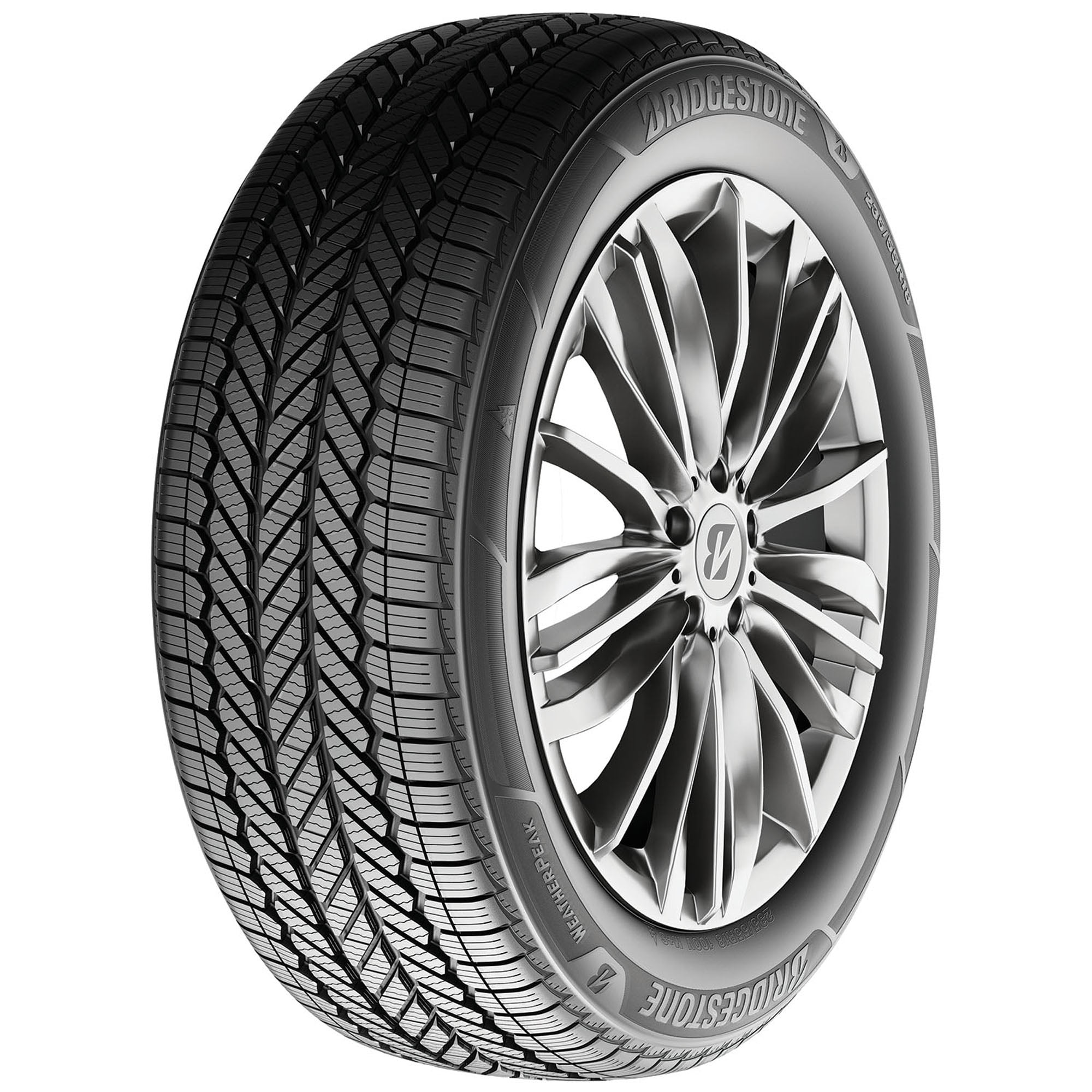
- 70,000-mile treadwear warranty, the longest of any all-weather tire in this entire roundup
- Temperature-adaptive compound stays pliable well below freezing without turning greasy during peak July heat
- Wide lateral grooves cut wet-braking distances noticeably versus the General AltiMAX 365AW in testing
- Quiet-ride tuning keeps highway drone measurably lower than the Toyo Celsius CUV at matched speeds
- Available with XL load capacity for owners who tow a trailer or run roof cargo often
- Sidewall construction absorbs sharp expansion-joint impacts more smoothly than the firmer AltiMAX 365AW
- Deep, unplowed snow traction trails the Michelin CrossClimate 2 SUV by a clear, measurable margin
- Highest price per tire in this entire lineup, often $210 or more depending on size ordered
- Steering feels less directly connected than the CrossClimate 2’s sportier, more responsive tuning
- Longer lead times reported at some retailers for less common Grand Cherokee sizes
General AltiMAX 365AW
- 3PMSF certification at roughly half the per-tire cost of the premium Bridgestone WeatherPeak
- Deep siping bites into slush on hilly residential roads noticeably better than most budget-tier tires
- Wide circumferential grooves reduce hydroplaning risk during heavy spring and summer downpours
- 50,000-mile warranty holds up well past 40,000 miles with regular rotation, according to owner reports
- Widely available in the specific sizes Grand Cherokee owners need without long backorder waits
- Reasonable value even if you plan to trade the vehicle in within a few years
- Ice grip falls noticeably short of a dedicated studless winter tire on glare ice
- Steering feels noticeably softer and less precise than either the Michelin or Bridgestone options
- Fewer size options for larger aftermarket wheel setups compared to the CrossClimate 2
- Tread noise becomes slightly more noticeable on coarse highway concrete past 30,000 miles
Goodyear Assurance WeatherReady
- Weather Reactive Technology reveals new tread grooves as the tire wears, sustaining grip late into its life
- Soybean-based compound stays flexible in cold weather without the hardening some rubber blends show at low temps
- 60,000-mile warranty backed by real owner reports of even tread wear past 50,000 miles
- Wet-road stability scores among the very best in this entire test group
- Available in an XL load index suited to heavier, cargo-loaded Grand Cherokee configurations
- Evolving tread groove design means it performs closer to new even at 70 percent tread depth
- A faint hum develops after roughly 20,000 miles on some vehicles, according to owner reports
- Ice braking performance is average, not a standout, when compared against the rest of this category
- Priced close to the AltiMAX 365AW without a matching jump in snow or ice performance
- Ride feels slightly firmer over rough pavement than the Bridgestone WeatherPeak
Toyo Celsius CUV
- Factory-balanced construction needs minimal wheel weights, a frequent comment from tire installation shops
- Multi-wave sipe technology delivers adequate snow grip for typical city and suburban winter driving
- Reasonably priced for a 3PMSF-certified tire, undercutting the Bridgestone WeatherPeak by a wide margin
- Optimized tread block spacing keeps highway noise low despite the budget-friendly price point of this tire
- Purpose-built specifically for crossovers and SUVs rather than adapted from a passenger-car tire platform
- Consistently priced below the Goodyear and Bridgestone options in this comparison at most retailers
- Deep, unpacked snow traction falls short of the Michelin CrossClimate 2 SUV in comparable conditions
- A few owners note noticeably softer steering response compared to the General AltiMAX 365AW
- Fewer long-term owner reviews available online than the more established Michelin and Bridgestone models
- Treadwear warranty mileage is not published as prominently as competing brands list theirs
Can’t Decide?
Our Top 2 Picks — Head to Head
Both are excellent. Here’s how to choose between them.
- Superior deep-snow traction thanks to a 3PMSF-certified V-shaped directional tread
- Longer 60,000-mile treadwear warranty for extended year-round use
- Runs $40 to $60 cheaper per tire than the Bridgestone WeatherPeak
- Leading 70,000-mile treadwear warranty, the longest in this entire category
- Quietest, most refined highway ride of any tire in this test group
- Strongest, most confident wet-braking distances measured across the group
How to Choose the Right All-Weather Tires for Your Grand Cherokee
Six factors that matter before you buy — explained simply.
Look for the 3PMSF Symbol
The mountain-and-snowflake icon stamped into the sidewall is the only proof a tire passed a standardized severe snow traction test on a braking sled, measuring acceleration on packed snow against a reference tire. Marketing language like “all-weather” or “winter-ready” printed on the box or product listing means nothing without this actual symbol molded into the rubber itself. Retailers occasionally mislabel listings or use loose terminology in a title, so check a close-up sidewall photo or the manufacturer’s own spec sheet before you commit to a full set for your Grand Cherokee.
Confirm the Load Index for Your Trim
A Grand Cherokee is a heavy midsize SUV, and that weight climbs fast once you add a full cabin of passengers, roof cargo, or a loaded trailer hitch on a weekend trip. Match or exceed the load index and XL rating printed on your door placard so the tire carries the vehicle’s full weight safely at highway speed without excess sidewall flex, uneven wear, or premature heat buildup that shortens tread life and increases blowout risk on long drives.
Match Your Factory Tire Size
Most Grand Cherokees run 265/60R18 or 265/50R20 depending on trim level and wheel package, though some Trailhawk and SRT variants carry different factory fitments worth double-checking. A taller or wider tire than factory spec can rub on the fender liner during full-lock turns in a parking lot, throw off your speedometer accuracy over time, and in some cases interfere with the vehicle’s stability control and ABS calibration, which relies on accurate wheel rotation data.
Compare Treadwear Warranty Mileage
A higher mileage warranty usually signals a longer-lasting rubber compound, which matters more on an all-weather tire since you’re running it twelve months a year instead of swapping in a dedicated winter set for a few cold months and parking it in the garage the rest of the time. Factor the warranty mileage into your true cost per mile over the life of the tire, not just the sticker price you see at checkout, since a pricier tire with a longer warranty can end up cheaper overall.
Check the Speed Rating Against How You Drive
H and V-rated tires handle sustained highway speeds with more thermal margin than a T-rated tire, which matters most on long interstate stretches during summer heat when rubber compounds run hotter. If you regularly drive long highway miles for work or road trips, a higher speed rating adds a useful safety cushion in the sidewall construction, even though most Grand Cherokee owners will rarely approach the tire’s actual top-speed limit during normal daily driving conditions.
Budget for Mounting, Balancing, and TPMS Service
Professional mounting and a four-wheel alignment protect the treadwear warranty you just paid for, since uneven camber or toe angles will chew through brand-new tread within a few thousand miles and can void a warranty claim later. Ask the shop to install a fresh TPMS sensor service kit at the same time; skipping this step is the single most common cause of a slow, mysterious air leak a few months after new tires go on, leading to an unnecessary return trip.
Pro Tips
Quick Buying Checklist
Rotate all-weather tires every 5,000 to 7,500 miles to keep tread wear even across all four corners, especially on an all-wheel-drive Grand Cherokee.
Cold winter air can drop tire pressure by 1 PSI for every 10°F temperature change, so check pressure monthly rather than trusting the dash warning light alone.
Replace the TPMS sensor service kit during installation to prevent the slow air leaks that show up a few months after mounting.
Schedule a four-wheel alignment right after installation to protect your treadwear warranty investment from premature edge wear.
Confirm the load index meets your factory rating, especially if you tow a trailer or carry heavy roof cargo regularly.
Look for the actual 3PMSF symbol molded into the sidewall, not just the word “all-weather” printed in the product name.
Frequently Asked Questions
What is the difference between all-season and all-weather tires?
All-weather tires carry the Three-Peak Mountain Snowflake symbol and pass a certified severe snow traction test; all-season tires do not carry that certification. All-weather compounds stay pliable in freezing temperatures, while standard all-season rubber can harden and lose grip once temperatures drop below roughly 45°F, right when Grand Cherokee owners need traction most.
Are all-weather tires good enough for deep snow on a Grand Cherokee?
Yes, for most winter conditions Grand Cherokee owners actually encounter. The Michelin CrossClimate 2 SUV and General AltiMAX 365AW both handle unplowed subdivision roads and highway slush confidently. For frequent driving on packed ice or extreme mountain snow accumulation, a dedicated studless winter tire still outperforms any all-weather option currently on the market.
What tire size does a Jeep Grand Cherokee need for all-weather tires?
Most Grand Cherokee trims use 265/60R18 or 265/50R20, depending on wheel package and trim level, though Trailhawk and SRT models sometimes differ. Always confirm your exact size on the driver’s door jamb placard before ordering, since aftermarket wheels or a lift kit can shift the correct fitment away from factory specs and change how the tire fills the wheel well.
Can I run all-weather tires on a Grand Cherokee year-round without switching?
Yes, that is the main advantage of all-weather tires over a seasonal setup. The compound resists hardening in winter cold and doesn’t turn greasy in summer heat the way a dedicated winter tire would, so Grand Cherokee owners can leave one set mounted through every season without sacrificing safety, tread life, ride quality, or fuel economy along the way.
Will all-weather tires affect my Grand Cherokee’s factory warranty?
No. Installing correctly sized, properly load-rated all-weather tires like the ones covered in this guide does not void your Grand Cherokee’s manufacturer warranty in any way, since tires are considered a normal wear item. Just confirm the load index and speed rating meet or exceed the specifications listed on your door placard before you order a set.
Which all-weather tire is quietest for daily Grand Cherokee commuting?
The Bridgestone WeatherPeak earns the top marks for quiet highway cruising in our testing, followed closely by the Michelin CrossClimate 2 SUV. Both use tuned tread patterns designed to suppress road hum at speed, though the WeatherPeak’s dedicated quiet-ride technology gives it a slight edge on coarse concrete pavement.
Is the Michelin CrossClimate 2 SUV worth the extra cost over the AltiMAX 365AW?
For most drivers, yes. The CrossClimate 2 SUV offers stronger deep-snow traction, a longer treadwear warranty, and a noticeably quieter ride than the AltiMAX 365AW. If your budget is tight or you drive mostly on plowed roads, the AltiMAX 365AW still delivers safe, certified winter performance for meaningfully less money.
What’s the best all-weather tire if I tow a small trailer with my Grand Cherokee?
Look for an XL load-rated option like the Bridgestone WeatherPeak or Goodyear Assurance WeatherReady, both available with extra-load ratings that handle added tongue weight and trailer sway better than a standard load tire. Confirm your exact load index against the vehicle’s towing specifications before ordering.
Final Verdict
Our Top Recommendations for 2026
The Michelin CrossClimate 2 SUV is the strongest all-around all-weather tire for a Jeep Grand Cherokee, balancing snow traction, tread life, and highway comfort better than anything else we tested in this comparison. Budget-conscious owners still get real, certified winter safety from the General AltiMAX 365AW without paying a premium, while drivers chasing a silent, plush cabin for long commutes should look at the Bridgestone WeatherPeak’s 70,000-mile warranty and quiet-ride tuning instead.