Stock all-terrains fold the moment a Wrangler points off pavement toward Moab slickrock or a flooded Tennessee mud pit. After cross-referencing thousands of Amazon, Reddit, and Jeep forum reviews against real trail reports, we narrowed the field to five off road tires that actually hold up.
Sidewall punctures, mud-packed tread, and highway-speed vibration separate the winners from the marketing claims. Whether you’re crawling the Rubicon Trail or just need a tire that survives the gravel road to the trailhead, the right pick depends on how hard you push your Jeep.
The BFGoodrich Mud-Terrain T/A KM3 takes the top spot for blending rock-crawling grip, fast mud clearing, and sidewall toughness with road manners you can actually live with daily. Budget builders should look at the Milestar Patagonia M/T, and anyone running remote, rock-heavy trails solo will appreciate the Kevlar-reinforced sidewall on the Goodyear Wrangler MT/R. The right pick ultimately comes down to how far off pavement you go.
Our Top 5 Off Road Tire Rankings
- BFGoodrich Mud-Terrain T/A KM3— Best Overall
- Milestar Patagonia M/T— Best Budget Pick
- Goodyear Wrangler MT/R with Kevlar— Best Premium Sidewall Protection
- Cooper Discoverer STT Pro— Most Durable Carcass
- Toyo Open Country M/T— Easiest to Mount & Balance
Best Off Road Tires for Jeep — Compared
A side-by-side look at load range, tread type, and pricing across all five off road tires we evaluated.
| # | Product | Load Range | Tread Type | Best For | Score | |
|---|---|---|---|---|---|---|
| 1 | BFGoodrich Mud-Terrain T/A KM3 Editor’s Choice | C–E | Mud-Terrain | Overall trail performance | 4.6 | See Latest Price |
| 2 | Milestar Patagonia M/T Budget Pick | C–E | Mud-Terrain | Budget off-road builds | 4.3 | See Latest Price |
| 3 | Goodyear Wrangler MT/R with Kevlar | C–E | Mud-Terrain | Premium rock crawling | 4.5 | See Latest Price |
| 4 | Cooper Discoverer STT Pro Top Pick | C–E | Mud-Terrain | Extreme durability | 4.6 | See Latest Price |
| 5 | Toyo Open Country M/T | C–E | Mud-Terrain | Daily comfort & easy balance | 4.5 | See Latest Price |
Detailed Reviews
Full breakdown of each off road tire — ratings, pros, cons, and our expert verdict.
BFGoodrich Mud-Terrain T/A KM3
- Rock-crawling grip lets owners walk up sandstone ledges that stop other tires cold
- The 3-ply sidewall shrugged off cuts during aired-down runs across Rubicon Trail shale
- Mud-phobic bars in the tread groove clear soupy bottomland clay within a few rotations
- Krawl-TEK compound holds bite on dry granite without wearing down unusually fast
- Runs noticeably quieter on pavement than the outgoing KM2 it replaced
- Linear flex zones let the tread conform to uneven rock at low trail air pressure
- Highway drone grows louder once the tread wears past the halfway mark
- Tread life tops out around 35,000 to 40,000 miles on heavier rigs
- 37-inch and larger sizes often need two or three balance attempts and still buzz past 65 mph
- Costs more per tire than budget mud-terrains like the Patagonia M/T
- Self-cleaning tread design still loads up in dense, sticky red clay after extended use
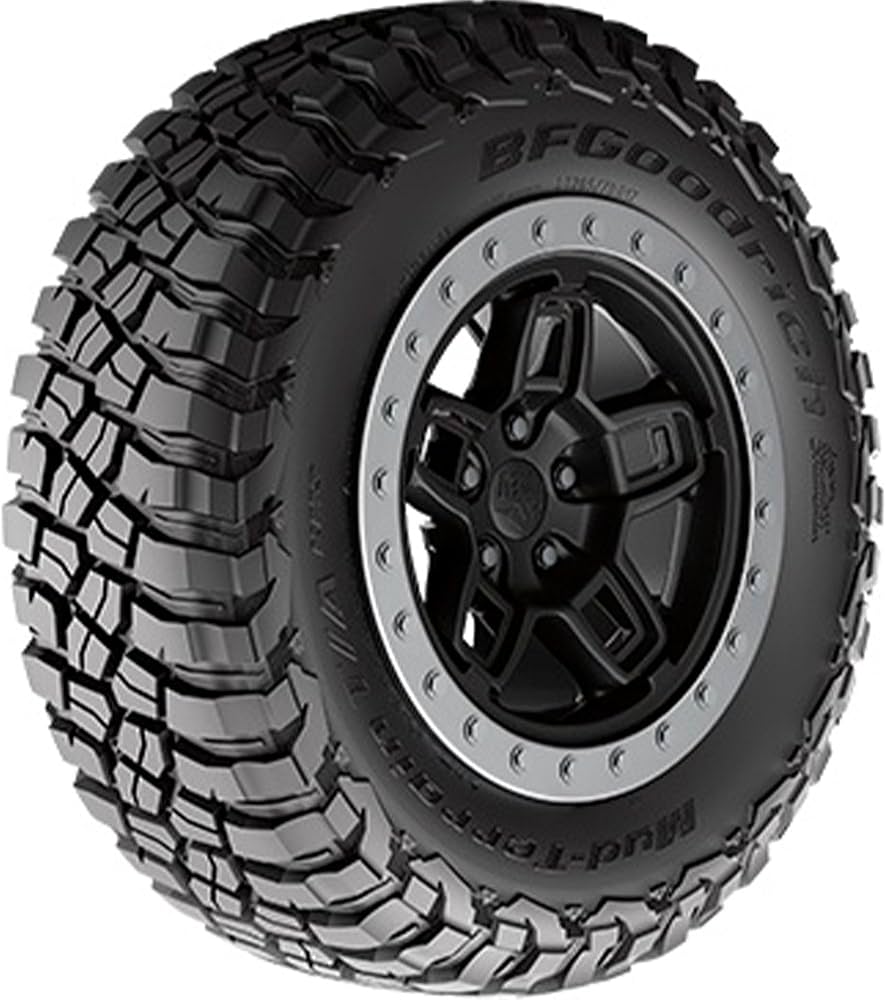
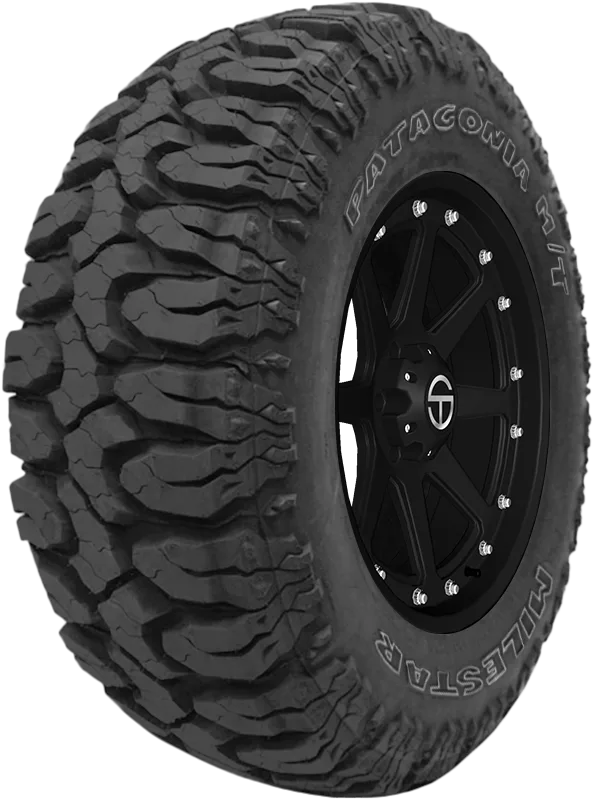
Milestar Patagonia M/T
- A full set costs less than three premium mud-terrains combined, freeing up budget for armor or a winch
- Aggressive directional tread clears loose sand and dry dirt without packing up
- High-density siping adds a measure of wet grip the aggressive void pattern would otherwise lack
- Wide size range covers popular 33-, 35-, and 37-inch Jeep fitments
- Multi-pitch tread sequencing keeps cabin noise from a full aggressive roar
- Tread depth starts deep enough to satisfy most state inspection minimums for years
- Sidewalls puncture more easily than premium options once aired down on sharp rock
- Wet pavement braking distances run noticeably longer than the class average
- Many owners hit the wear bars by 25,000 to 30,000 miles
- Highway drone becomes prominent well before the tread wears out
- Tread chunking on sharp embedded rocks shows up more often than on pricier carcasses
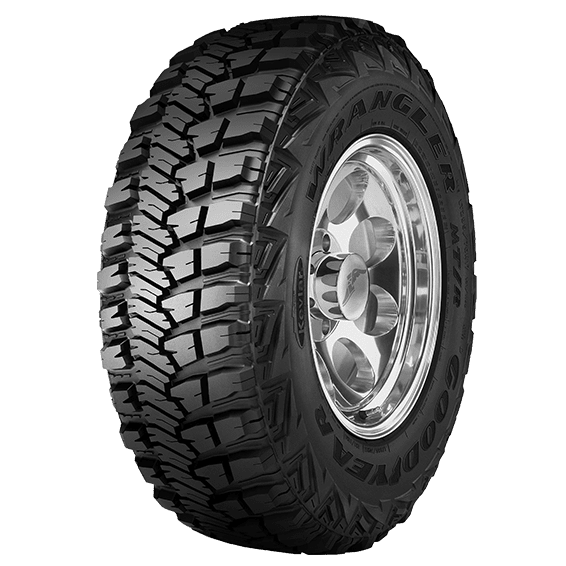
Goodyear Wrangler MT/R with Kevlar
- Kevlar-reinforced sidewall shrugs off cuts that slice through lesser mud-terrain carcasses
- Durawall shoulder rubber adds an extra layer of protection on sharp granite ledges
- Wrap-around tread bites into rutted trail edges that flatter patterns slide past
- Runs quieter at highway speed than its aggressive lug pattern would suggest
- Select sizes carry a 3PMSF severe snow rating for shoulder-season trips
- Competition-proven tread compound has years of rock crawling race data behind it
- Costs significantly more per tire than every other tire on this list
- Certain load ranges and sizes face multi-week backorder waits at some retailers
- Tread life drops closer to 30,000 miles once driving gets aggressive
- Heavier carcass adds a touch more rolling resistance on long highway hauls
- Aggressive shoulder lugs transmit more cabin vibration on washboard gravel roads
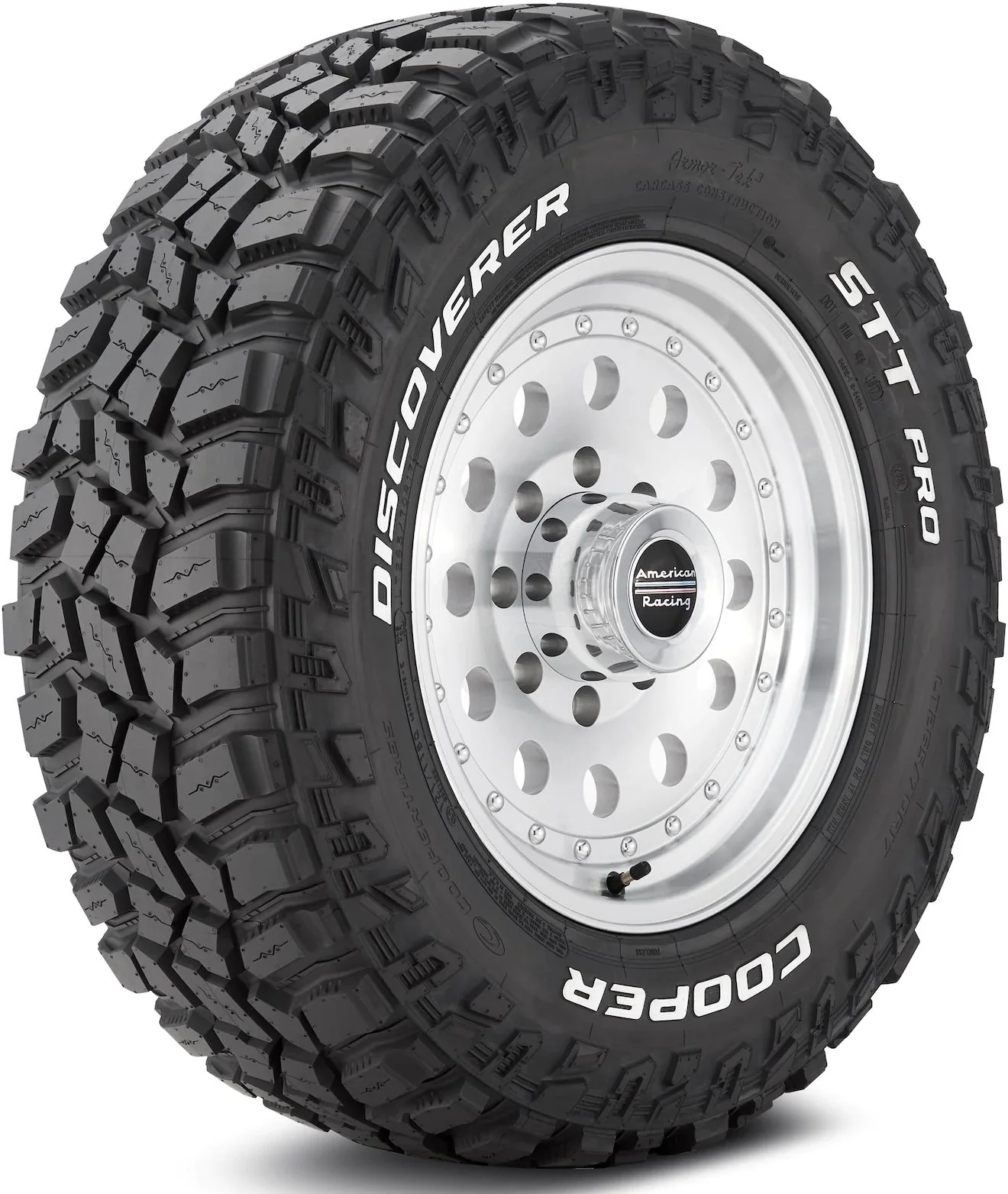
Cooper Discoverer STT Pro
- Armor-Tek3 3-ply carcass resists punctures from sharp slate and desert rock outcrops
- Deep initial tread depth lets careful owners stretch service life past 40,000 miles
- Stone ejector ribs in the tread grooves keep rocks from drilling into the casing
- Ribbed tie-bars stabilize the tread blocks and reduce squirm at highway speed
- Maintains mud and dirt bite even after the tread wears past the halfway point
- Owners report the carcass shows minimal flat-spotting after sitting loaded for weeks
- Heavier per-tire weight drags down acceleration on lighter two-door Wranglers
- Ride quality turns stiff and choppy in Load Range E on rough pavement
- Some sets need road force matching to resolve persistent vibration after mounting
- Fuel economy takes a noticeable hit compared to lighter mud-terrain options
- Higher unsprung weight can accelerate wear on aging ball joints and tie rods
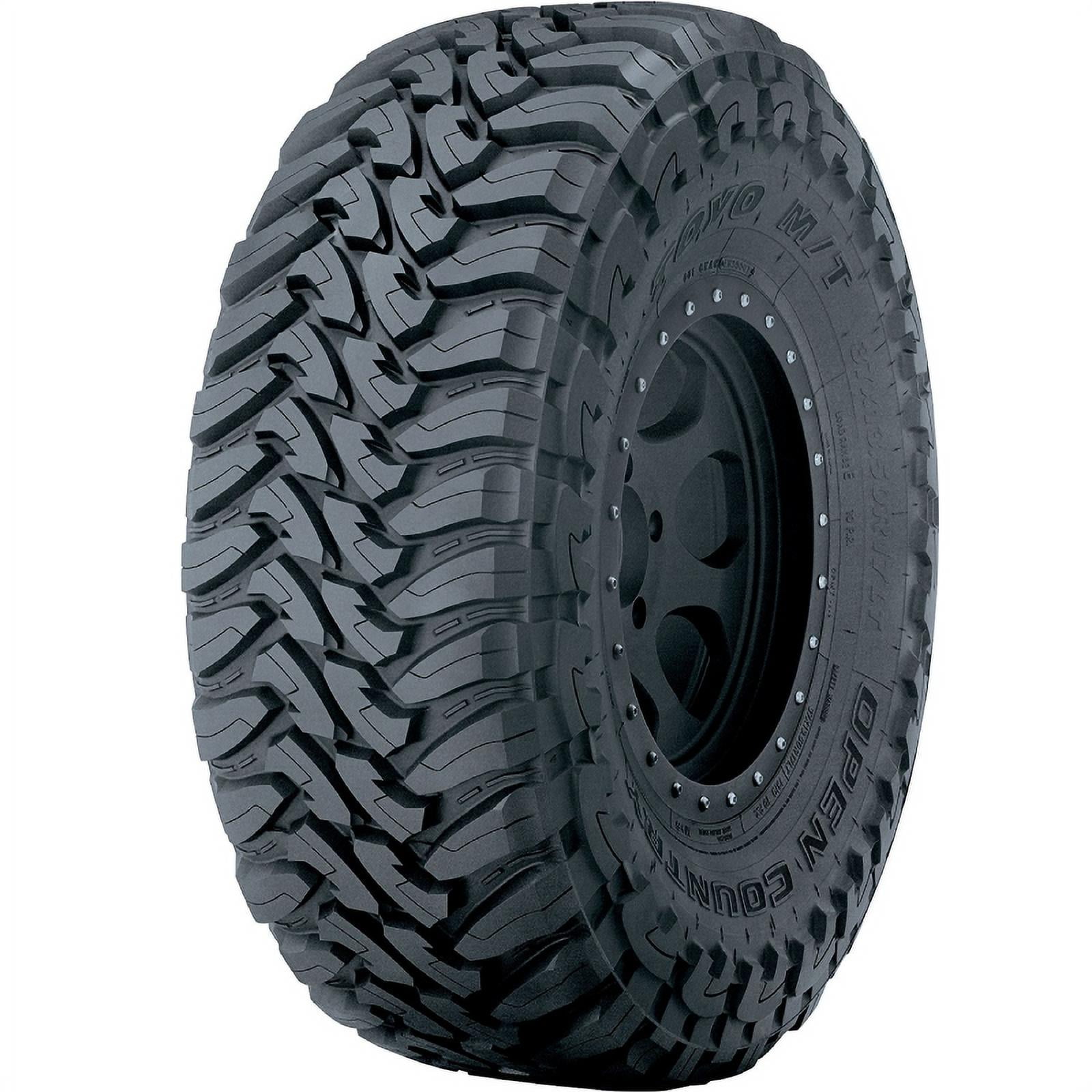
Toyo Open Country M/T
- Shops report needing minimal extra weight to balance these compared to other mud-terrains
- Hook-shaped tread blocks keep highway drone low even past 75 mph
- 3PMSF severe snow rating ships standard on most available sizes
- Deep sipes and scalloped shoulders add genuine wet-pavement grip for a mud-terrain
- Tough polyester and nylon casing holds up well to ordinary trail abuse
- Scalloped shoulder design improves traction on washed-out, rutted forest service roads
- Tread voids load up faster in deep, sticky mud than more aggressive rivals
- Sits at the higher end of the mud-terrain price bracket
- Tread life still tops out around 40,000 miles under hard use
- Less aggressive tread pattern won’t impress builders chasing maximum trail looks
- Lower void ratio means it can pack with snow faster than a true mud-terrain in deep powder
Can’t Decide?
Our Top 2 Picks — Head to Head
Both score among our top picks and carry similar price tags. Here’s how to choose between the most balanced all-rounder and the toughest carcass on this list when the trail conditions, not just the spec sheet, should drive your decision.
- Sharper rock-crawling grip on dry granite and slickrock ledges around Moab and the Rubicon
- Faster-clearing mud-phobic tread design that resists packing in thick clay
- Noticeably quieter ride for an aggressive mud-terrain on long highway stretches
- Tougher 3-ply Armor-Tek3 carcass built for years of repeated trail abuse
- Deeper initial tread depth that stretches replacement mileage further
- Stronger stone ejection on sharp, jagged desert and granite climbs
How to Choose the Right Off Road Tires for Your Jeep
Six factors that matter before you buy — explained simply.
Vehicle & Wheel Fitment
A stock Wrangler Sport clears a 33-inch tire with zero lift required. Rubicon trims handle 35s with minor fender trimming, while anything larger demands a lift kit and wider backspacing on your wheels. Check fitment threads for your specific model year before ordering, since going too big without proper clearance rubs fenders, limits suspension articulation, and can interfere with steering at full lock. Measure your actual fender gap before assuming a forum thread applies to your trim.
Load Range & Ply Rating
Off-road tires carry a load range letter — usually C, D, or E — that tells you how many plies reinforce the sidewall and tread. A higher load range resists punctures better but rides stiffer, adds unsprung weight, and can change how your factory suspension behaves. Match the load range to your build weight and trail intensity, not just the biggest number available on the shelf. Heavier Gladiator builds usually justify Load Range E over C.
Sidewall Construction
Sharp trail obstacles cut thin sidewalls fast, especially when you air down for extra traction on rock or sand. Reinforced 3-ply carcasses, like those on the Cooper STT Pro and Goodyear MT/R Kevlar, shrug off cuts that would sideline a thinner tire mid-trail. Lighter sidewalls save weight and money but invite trailside flats on shale, granite, and broken concrete fill. Ask any shop tech which tires come back with sidewall repairs most often.
Installation & Balancing
Mud-terrain tires need professional mounting, and many shops charge extra labor for oversized off-road sizes that don’t fit standard equipment. Some tires, like the Toyo Open Country M/T, balance with minimal added weight, while heavier carcasses sometimes require repeated road force matching before highway vibration disappears entirely. Ask your installer about their experience with large off-road fitments before committing, since not every shop stocks weights big enough for 37s.
Tread Life & Mileage
Soft rubber compounds that grip wet rock and loose dirt wear faster than ordinary highway tire rubber. Most mud-terrains last between 30,000 and 45,000 miles depending on rotation habits, driving style, and how much pavement time the Jeep sees between trail trips. Deep initial tread depth, like the STT Pro offers, buys you extra miles before the wear bars show. Keep a tread depth gauge in the glovebox to track wear between rotations.
Warranty & Road Hazard
Most off-road tire warranties only cover treadwear issues that show up under normal highway use, and manufacturers exclude trail damage outright in the fine print. A road hazard plan from your local tire shop can offset the cost of a sidewall puncture sustained miles from pavement. Read the coverage terms carefully before assuming a cut, chunk, or bulge is reimbursable, since many policies require proof of inflation pressure at the time of failure.
Pro Tips
Quick Buying Checklist
Check lift clearance first — most Wrangler trims need at least 2 inches of lift before 35-inch tires clear the fenders without rubbing during full articulation.
Re-gear after sizing up — 35s and 37s change your effective gear ratio enough to hurt acceleration, raise transmission temps, and stress the drivetrain over time.
Upgrade the spare carrier — stock tailgate carriers can crack under the added weight of an oversized off-road spare, especially over washboard roads.
Air down carefully — run 15-18 PSI on rocky trails and stay above 10 PSI on sand or rock unless you’re running beadlock wheels.
Rotate every 3,000-5,000 miles — mud-terrains develop heel-toe wear and cupping noticeably faster than all-terrain tires if left unrotated.
Budget for shorter tread life — expect 30,000 to 45,000 miles from most mud-terrains, even with careful rotation and gentle driving habits.
Inspect sidewalls after every trip — small nicks from sharp rock can grow into bulges if you keep airing down on the same weak spot.
Match your spare to the set — a mismatched spare in size or load range can throw off ABS and traction control readings on a Jeep.
Frequently Asked Questions
What is the best off road tire for Jeep Wrangler?
The BFGoodrich Mud-Terrain T/A KM3 delivers the most balanced performance across rock, mud, and daily driving. It grips well, resists punctures, and stays livable on the highway compared to most mud-terrains. Your ideal pick still depends on local terrain, budget, and how much pavement time your Jeep sees.
Are mud-terrain tires safe for daily driving?
Mud-terrain tires meet standard safety ratings, but they stop longer on wet pavement and generate more road noise than all-terrains, particularly once the tread starts to wear unevenly. Daily highway miles also wear the soft compound down faster than trail-only use would. If you commute often, increase your following distance in rain and budget for shorter tread life overall.
How long do off road tires last?
Most mud-terrain tires last between 30,000 and 45,000 miles, depending on driving style, rotation schedule, and how much aired-down trail time they see each year. Heavy towing and infrequent rotation shorten that lifespan considerably. Deep initial tread depth helps extend mileage, but the soft, grippy rubber compounds used for traction still wear faster than ordinary highway tires.
Will bigger off road tires void my Jeep’s warranty?
Larger tires don’t automatically void your factory warranty, even on a heavily customized Jeep. A dealer can still deny a specific drivetrain or suspension claim if they can prove the oversized tires directly caused that particular failure. If warranty coverage worries you, keep your stock wheels and tires on hand for dealership service visits and recalls.
How loud are off road tires on the highway?
Mud-terrain tires produce a noticeable hum or drone that grows louder as the tread wears unevenly over the years. Tires like the Toyo Open Country M/T stay relatively quiet, while budget options like the Milestar Patagonia drone more aggressively at highway speed once a few thousand miles accumulate. Expect some noise increase no matter which model you choose.
Do I need a lift kit for 35-inch tires on a Wrangler?
A stock Wrangler JL Rubicon can often fit 35-inch tires with minor trimming or flat fender flares and no other modifications. Other trims and older JK models typically need a 2- to 3.5-inch lift kit for proper clearance and to protect the track bar geometry. Always check fitment guides for your exact year and trim before ordering tires that large.
Can off road tires handle snow and ice?
Some mud-terrain tires, including the Toyo Open Country M/T and select Goodyear MT/R sizes, carry the 3PMSF severe snow rating earned through standardized traction testing. Even without that rating, deep tread voids bite into fresh snow reasonably well on most trail drives. Packed ice remains genuinely difficult for any non-studded tire, so drive cautiously regardless of model or rating.
Should I run a different off-road tire on the front versus the rear?
Most Jeep owners run a matched set across all four corners, since mixed tread patterns can confuse traction control and create uneven, unpredictable handling on wet pavement. The exception is the full-size spare, which should match the other four in size, load range, and tread pattern whenever your budget allows it, especially if you ever plan to rotate it into regular service.
Final Verdict
Our Top Recommendations for 2026
Five tires, five different trail priorities. The BFGoodrich KM3 earns the overall win because it balances rock-crawling grip, mud clearing, and daily drivability better than anything else here, even if it costs more than the Patagonia and wears a bit faster than the STT Pro. Builders chasing the lowest price point should look at the Milestar Patagonia M/T, while anyone running remote, knife-edge rock terrain solo will appreciate the extra peace of mind that the Kevlar sidewall on the Goodyear MT/R provides on a long, isolated trail day.