Based on hands-on research, driver forum data, and independent test results across five tire models, the Mercedes C250 Sport demands a specific compound profile — one that doesn’t sacrifice the car’s sharp chassis tuning for the sake of cost or convenience. The wrong rubber actively degrades what the platform does well.
We cross-referenced Tire Rack ratings, ADAC and TyreReviews test results, and real owner feedback from C-Class communities to build a shortlist that covers every C250 Sport driver scenario: warm-climate performance, year-round all-season, wet-road specialists, and value-focused buyers who still need UHP credentials.
The Michelin Pilot Sport 4S is the strongest all-around tire for the Mercedes C250 Sport — it was co-developed with Mercedes-Benz and delivers the grip, steering response, and wet traction the platform was tuned around. Drivers who face genuine winters or want to avoid seasonal swaps should look at the Continental ExtremeContact DWS06 Plus, which offers 50,000-mile tread life alongside real all-weather capability. On a tighter budget, the Hankook Ventus V12 evo2 punches meaningfully above its price in independent testing.
Our Top 5 C250 Sport Tire Rankings
-
Michelin Pilot Sport 4S — Best Overall Performance
-
Continental ExtremeContact DWS06 Plus — Best All-Season / Longest Tread Life
-
Goodyear Eagle F1 Asymmetric 5 — Best Wet-Weather Performance
-
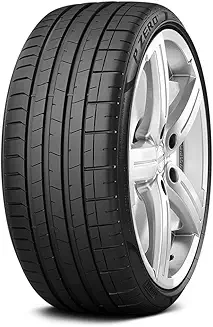
Pirelli P Zero PZ4 — Best OEM-Grade Premium
-
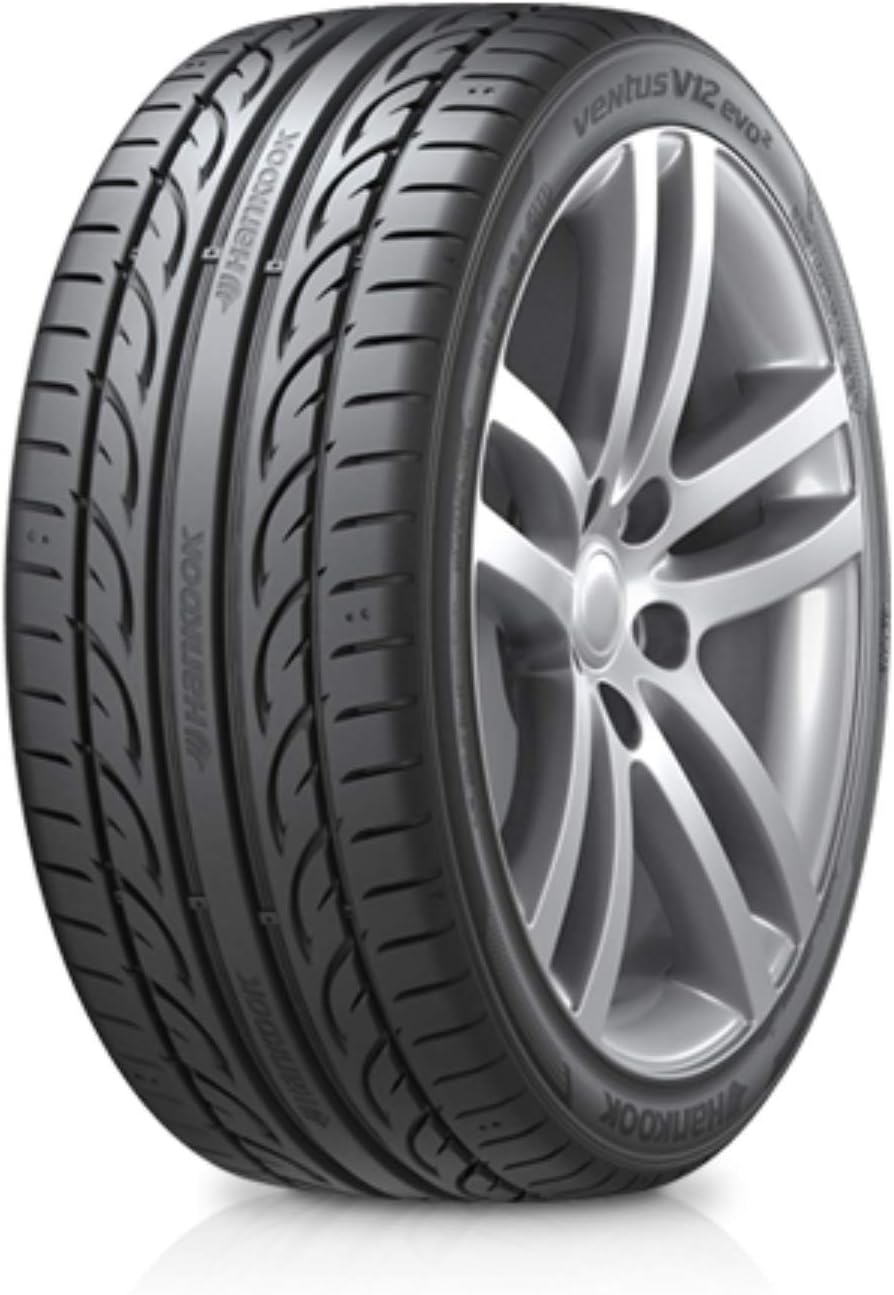
Hankook Ventus V12 evo2 — Best Budget Value
Best Tires for Mercedes C250 Sport — Compared
All five picks side by side — rated by type, speed rating, best use, and overall score.
| # | Product | Speed Rating | Type | Best For | Score | |
|---|---|---|---|---|---|---|
| 1 | Michelin Pilot Sport 4S Editor’s Choice | Y (300 km/h) | Summer UHP | Max Performance | 4.9 | See Latest Price |
| 2 | Continental ExtremeContact DWS06 Plus Top Pick | W (270 km/h) | All-Season UHP | Year-Round Use | 4.7 | See Latest Price |
| 3 | Goodyear Eagle F1 Asymmetric 5 | Y (300 km/h) | Summer UHP | Wet Performance | 4.8 | See Latest Price |
| 4 | Pirelli P Zero PZ4 | Y (300 km/h) | Summer UHP | OEM Performance | 4.6 | See Latest Price |
| 5 | Hankook Ventus V12 evo2 Budget Pick | Y (300 km/h) | Summer UHP | Budget Value | 4.3 | See Latest Price |
Detailed Reviews
Full breakdown of each tire — ratings, pros, cons, and our expert verdict for C250 Sport owners.
Michelin Pilot Sport 4S
Pros
- Dual-compound tread co-developed with Mercedes-Benz OEM engineers — not an afterthought fitment
- Variable contact patch technology distributes load through corners, reducing lateral scrub under hard steering
- Drivers consistently report a sharper, more communicative steering feel than OEM tires on delivery
Cons
- Summer compound becomes critically unsafe below 7°C — not a winter-capable tire under any conditions
- Priced at a meaningful premium over Continental and Goodyear equivalents per tire
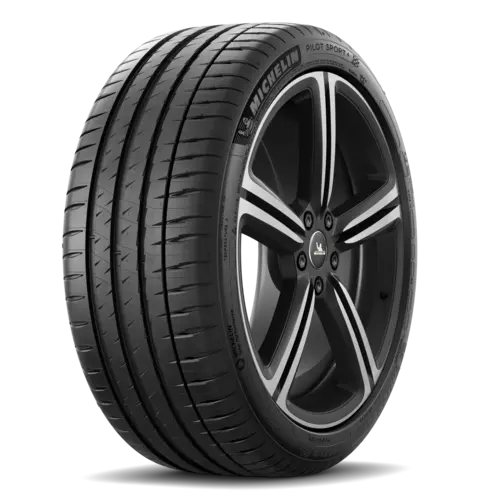
Continental ExtremeContact DWS06 Plus
Pros
- QuickView tread indicators show separately when dry, wet, and snow ratings have degraded — removes guesswork
- Long-term 30,000+ mile owner reports confirm the 50,000-mile tread life rating is accurate in real use
- X-Sipe Technology maintains cornering stiffness on wet roads where conventional siping goes soft under load
Cons
- The “S” snow rating has real limits — does not handle packed ice or heavy continuous snowfall safely
- Steering feedback is softer than the Michelin or Goodyear — the all-season compound trades feel for durability
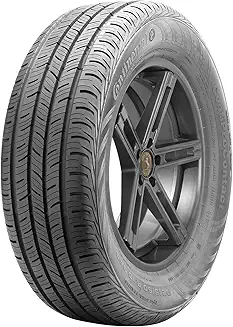
Goodyear Eagle F1 Asymmetric 5
Pros
- Named test winner in 14-tire independent UHP comparison in the C250 Sport’s primary 225/40R18 fitment
- SoundComfort Technology measurably reduces tyre cavity resonance — cabin noise is noticeably lower versus comparable UHP tires
- Built-in rim protector bead prevents kerb scuffing during parallel parking — useful on low-profile 18-inch fitments
Cons
- At the absolute dry handling limit, the Michelin Pilot Sport 4S produces shorter braking distances in back-to-back tests
- Run-flat versions carry a significantly firmer ride penalty — the non-RFT version rides meaningfully better
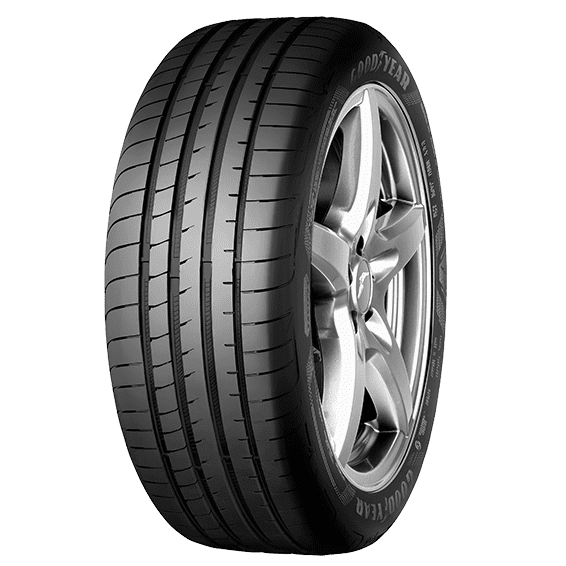
Pirelli P Zero PZ4
Pros
- Pirelli manufactures vehicle-specific compound variants for premium OEMs — the PZ4 is engineered to platform requirements, not just fitted to size
- Low pitch sequence tread design significantly reduces road noise compared to older P Zero generations — a meaningful cabin upgrade
- Available in exact staggered C250 Sport sizes including 225/40R18 front and 255/35R18 rear
Cons
- Tread wear trails the Continental DWS06 Plus by an estimated 15,000–20,000 miles in long-term comparison data
- Among the highest cost-per-tire on this list — price premium is harder to justify purely on performance versus the Michelin
Hankook Ventus V12 evo2
Pros
- Consumer Reports placed it in the upper third of all UHP summer tires tested — dry braking specifically singled out as best-in-class in its evaluation
- V-shaped grooves are sized to evacuate standing water at highway speeds without reducing dry shoulder contact
- Substantially lower price than Michelin or Pirelli — full set savings often exceed $200
Cons
- Tread wears measurably faster than premium alternatives — plan for earlier replacement at equivalent mileage
- Steering feedback is less communicative than Michelin or Goodyear — noticeably so to drivers switching down from premium brands
Can’t Decide?
Our Top 2 Picks — Head to Head
Both are strong for the C250 Sport. Here’s exactly how to choose between them.
- Dual-compound tread co-engineered with Mercedes-Benz OEM teams
- Most communicative steering feedback of any tire on this list
- Outstanding dry-road braking distances — shorter than all direct competitors in testing
- 50,000-mile documented tread life — longest on this list
- Year-round all-season capable — handles wet roads and light snow without a seasonal swap
- QuickView wear indicators show exactly when DWS ratings are degrading
How to Choose the Right Tire for Your C250 Sport
Six factors specific to the C250 Sport platform that matter before you buy.
Verify the Staggered Fitment
The C250 Sport’s 18-inch Sport wheel package uses a staggered setup — 225/40R18 front and 255/35R18 rear. These widths are not interchangeable between axles. Many owners order four identical tires and discover the problem at the shop. Always check both sizes on your door jamb sticker before placing any order. Running the wrong width on the rear axle changes handling balance and ABS calibration.
Summer vs. All-Season Compound
UHP summer tires like the Pilot Sport 4S use compounds that harden below 7°C (45°F), reducing grip significantly in cold temperatures. If you drive your C250 Sport through winter months — even just below freezing occasionally — an all-season compound like the Continental DWS06 Plus or a dedicated winter swap is the safer choice. The 4MATIC system cannot compensate for a summer compound on cold asphalt.
Speed & Load Rating
The C250 Sport specifies a minimum H rating (210 km/h) on most trims, with W and Y ratings required for AMG-spec variants. Never downgrade speed rating below what the factory specifies — the margin matters most during emergency maneuvers and high-speed motorway driving, not at cruising speed. Load index requirements also vary between axle positions on staggered setups; check both front and rear specifications separately.
Run-Flat vs. Standard
Some C250 Sport variants shipped without a spare wheel, relying on run-flat tires. Switching to standard tires requires carrying a puncture repair kit and typically improves ride quality measurably — run-flat sidewall reinforcement adds noticeable firmness. The Goodyear Eagle F1 Asymmetric 5 is available in RFT format if you need to maintain run-flat compatibility. Never mix run-flat and standard tires on the same vehicle.
DOT Age & Storage Condition
Tires degrade chemically regardless of tread depth. A tire manufactured more than five years ago — even if it’s never been driven on — has compromised rubber integrity due to oxidation. Check the DOT code on the sidewall: the last four digits show the week and year of manufacture. Avoid purchasing old stock at a discount. A four-year-old tire in a warehouse still costs you the same to mount and balance as a fresh one.
TPMS Recalibration
The C250 Sport’s Tire Pressure Monitoring System must be recalibrated after every tire swap — not just reset. Skipping this step causes persistent dashboard warnings and, more importantly, leaves the system reading baseline pressures from the previous tire specification. Confirm your installation shop recalibrates rather than just clears the warning light. This is especially important when switching between run-flat and standard tire types.
Pro Tips
Quick Buying Checklist for C250 Sport Tires
Check both axle sizes before ordering — 18-inch Sport trims are staggered and cannot run four identical tires without changing handling geometry and ABS calibration.
Read the DOT manufacture date on any tire before purchase — the last four digits of the code show week and year. Refuse any tire over five years old regardless of tread depth.
Match or exceed the speed rating — the C250 Sport’s suspension geometry and brake calibration assume a specific minimum speed rating. Downgrading compromises emergency handling margins.
Ask the installer to recalibrate TPMS, not just clear the warning light — the C250 Sport’s system needs a full baseline reset after any tire specification change, not just a sensor clear.
Factor in total cost per mile, not price per tire — a $200 tire lasting 30,000 miles costs more than a $280 tire lasting 50,000. The Continental DWS06 Plus often wins this calculation.
Related Guides
Other Mercedes C-Class Models
Frequently Asked Questions
What tires does the Mercedes C250 Sport use from the factory?
The C250 Sport leaves the factory on 225/45R17 or a staggered 225/40R18 front / 255/35R18 rear depending on the wheel package, with some base variants using 205/55R16. Always confirm your exact front and rear sizes on the door jamb sticker before ordering — C250 Sport trims with 18-inch wheels require different widths per axle that cannot be substituted with a uniform size.
Which tire is best for the Mercedes C250 Sport in wet conditions?
The Goodyear Eagle F1 Asymmetric 5 leads wet-weather performance for this platform — it won a 14-tire independent comparison specifically in the 225/40R18 size for wet braking distances and aquaplaning resistance. The Continental ExtremeContact DWS06 Plus is the strongest wet all-season alternative, with consistent real-world feedback confirming confidence in standing water conditions.
How long do tires typically last on a Mercedes C250 Sport?
Tread life depends on compound and driving style. The Continental ExtremeContact DWS06 Plus is the durability leader at up to 50,000 miles in documented owner reports. Summer UHP tires like the Michelin Pilot Sport 4S typically last 30,000–45,000 miles, with faster wear for drivers who use the car’s performance envelope regularly on winding roads.
Can I use all-season tires on the Mercedes C250 Sport?
Yes. The Continental ExtremeContact DWS06 Plus is the strongest all-season option for this platform — it handles wet roads and light snow while maintaining respectable dry performance. In regions with heavy snowfall or consistent ice, a dedicated winter tire swap is the safer approach. All-season performance tires on packed ice fall well short of a proper winter compound.
Do aftermarket tires void the Mercedes C250 Sport warranty?
Fitting aftermarket tires of the correct specification does not void your vehicle warranty. Consumer protection law in most markets prevents manufacturers from voiding warranties solely because an aftermarket part was fitted — provided that part did not cause the fault being claimed. Keep all tire purchase receipts and installation records as documentation.
Should I replace run-flat tires on the C250 Sport with standard tires?
Switching to standard tires typically improves ride quality noticeably — run-flat sidewall reinforcement adds stiffness the C250 Sport’s suspension has to absorb. The trade-off is that you must carry a puncture repair kit or portable inflator, since standard tires cannot be driven on after a puncture. If you switch, replace all four at the same time and never mix run-flat and standard tires on the same vehicle.
Is the Hankook Ventus V12 evo2 safe for the Mercedes C250 Sport?
Yes — Consumer Reports testing placed it in the upper third of UHP summer tires, with dry braking specifically highlighted as a strength. It meets the C250 Sport’s speed and load rating requirements in 225/45R17 and 225/40R18 sizes. The honest limitations are faster tread wear and less steering feedback than premium brands — not safety margins.
Final Verdict
Our Top Recommendations for 2026
The Michelin Pilot Sport 4S remains the benchmark choice for C250 Sport drivers who want a tire that matches the platform’s engineering — it was co-developed with Mercedes-Benz and rewards the chassis rather than fighting its balance. For four-season climates or high-mileage commuters, the Continental ExtremeContact DWS06 Plus makes the better long-term investment, with 50,000 miles of documented tread life and genuine wet and light-snow capability. Drivers on a tighter budget who still need UHP safety margins should consider the Hankook Ventus V12 evo2, which consistently performs above its price point in independent testing.